
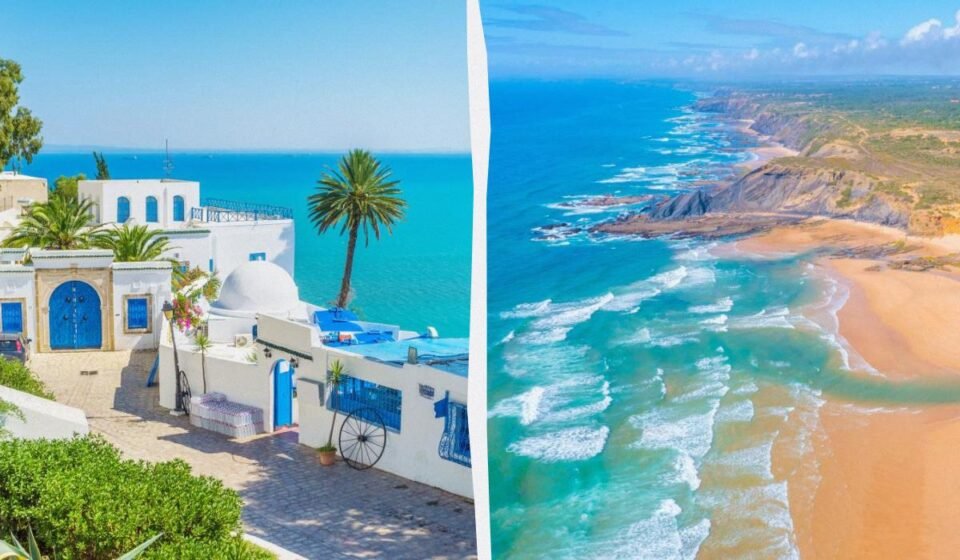
These astonishing places are undeservedly overlooked by tourists.
The winter holiday season in Europe is usually associated with the crowds that stream toward the most beautiful Christmas markets.
Travel experts surveyed by The Independent named five little-known sunny destinations around the world where you can escape large concentrations of people this winter.
Nicaragua — the hidden pearl of Central America
According to the co-founder and brand director of Voyageurs du Monde, Tom Barber, this country has for many years remained undeservedly overlooked.
“In my memory Nicaragua has more than once been on the verge of becoming the leading destination in Central America, but each time something got in the way. Now — let us hope — the situation looks more stable than it has for decades. Nicaragua is a kind of quintessence of all the best that Central America has to offer: astonishing conditions for surfing, beaches on the Pacific coast, wondrous wildlife, beautiful colonial towns and impressive volcanoes. It has everything that Costa Rica has — and even more — but with fewer tourists and far more affordable prices,” he explains.
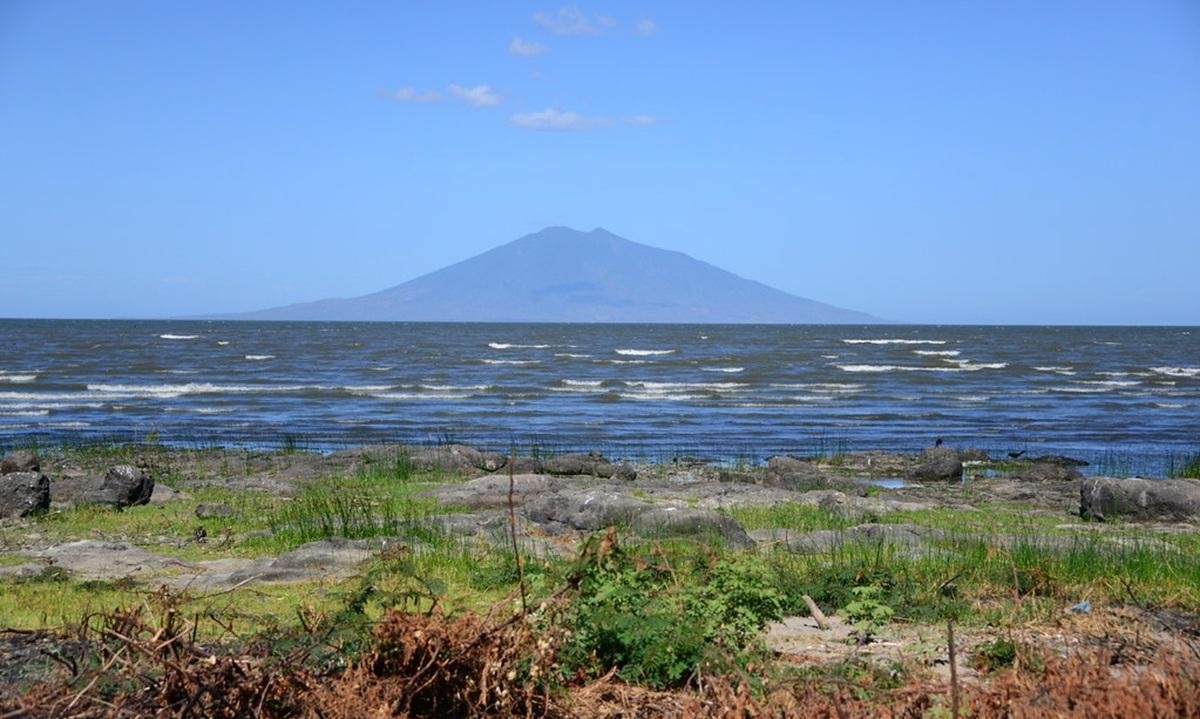
Another plus of the country the expert names is its compact size, which allows you to fit a great deal into a single visit: stroll the colorful streets of Granada and León, climb the volcanoes of Ometepe Island in the middle of Lake Nicaragua, or even come right up to the glowing crater of the Masaya volcano.
Barber names the period from December to April as the best time to visit Nicaragua: on the Pacific coast the air temperature usually stays in the range of 28–33°C. However, as in many other places in this region, because of the El Niño phenomenon droughts and water shortages are possible here, so it is worth keeping an eye on the weather forecast.
Dominica — the wild corner of the Caribbean
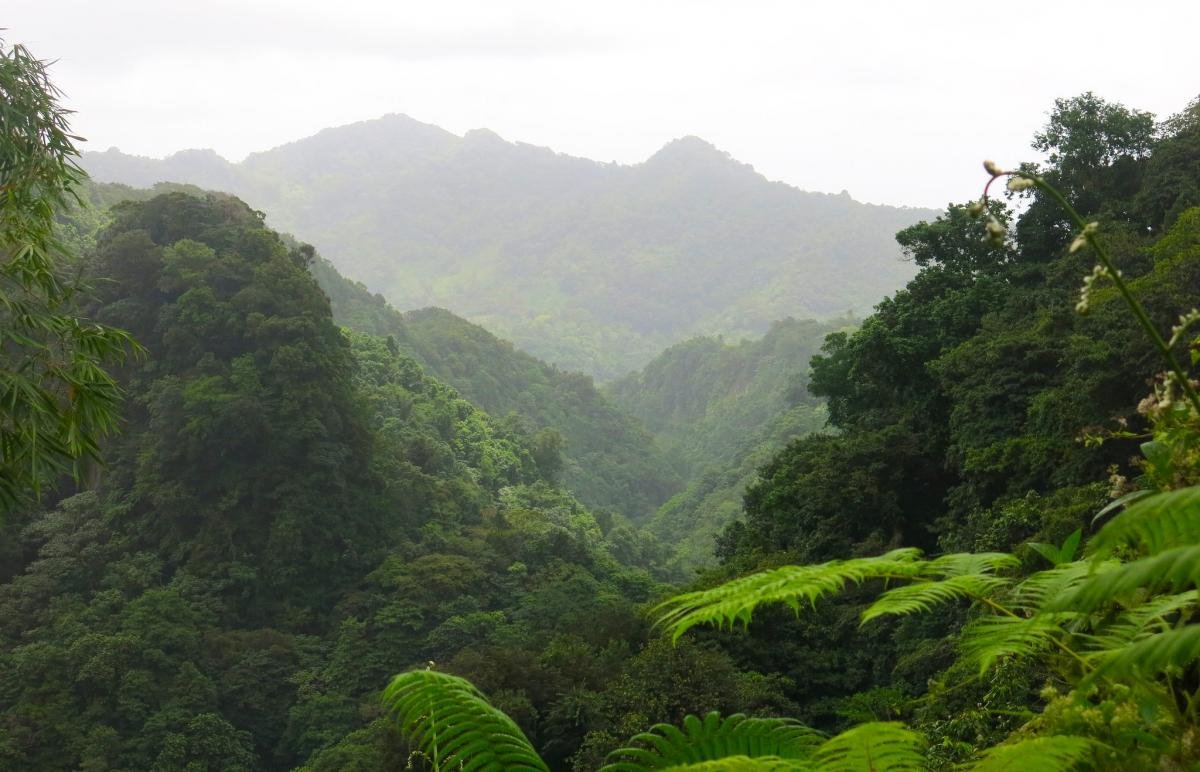
Barber urges tourists not to confuse the island of Dominica with the Dominican Republic. Dominica, located between two French islands — Guadeloupe and Martinique — is incredibly green: 14% of its territory is taken up by national parks, and 70% is covered with forest.
“This is a genuinely wild and very beautiful land, where wonderful small hotels hide in secluded corners,” he relates.
The expert advises paying particular attention to the Waitukubuli National Trail, about 185 km long, which crosses the entire island and is the longest walking route in the Caribbean. The route also passes through the territory of Morne Trois Pitons National Park, inscribed on the UNESCO World Heritage list, whose main highlight is the so-called Boiling Lake.
In addition, according to him, the Kalinago people live on Dominica — the largest surviving group of the indigenous inhabitants of the Caribbean islands. Tourists can talk with them and get to know their traditions, crafts and culture.
The island also has excellent conditions for diving. A population of sperm whales lives permanently off the coast of Dominica (one of the few remaining in the world) — tourists can go diving in their company or watch them during a boat trip.
The expert names the period from January to April as the best time to visit Dominica. The air temperature is usually 27–30°C, and as a rule the weather is dry, although tropical downpours are possible at any time of year.
Tunisia — the cultural pearl of North Africa
“The capital, Tunis, is a wonderful city that is often forgotten against the backdrop of Morocco or Egypt. It is far calmer here than in Morocco’s Marrakesh,” Barber notes.
Meanwhile, in Sidi Bou Said, located near the coast, tourists are awaited by snow-white houses with blue doors and wonderful views of the Mediterranean Sea. And for history lovers, the ruins of Carthage have been preserved here — the very city that was completely destroyed by the Romans in 146 BC.
“In this country Phoenician, Roman, Arab, Ottoman and French heritage are interwoven. Strangely enough, British travelers looking for something more than a traditional beach holiday often overlook Tunisia. Tunisia possesses an incredible wealth of archaeological sites, yet the ancient attractions here receive only a small share of the attention that goes to sites in Italy or Greece,” the expert says.
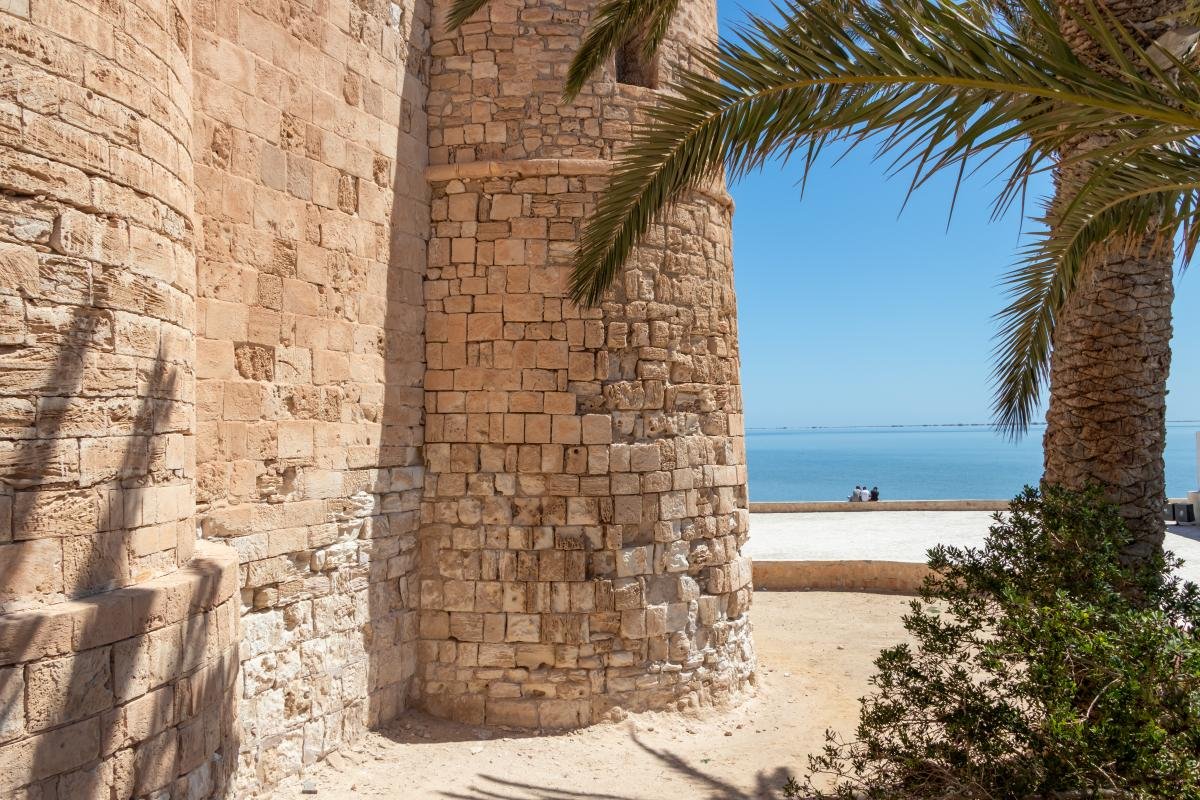
At the same time he reminds us that many scenes from the first Star Wars films were shot in Tunisia, and fans of the saga can still walk in their footsteps.
The expert names February and March as the best time for a winter trip to Tunisia, when the air temperature in the north of the country is usually 15–20°C, and in the south 18–23°C, which are comfortable conditions for sightseeing.
Uruguay — the dark horse of South America
The director of The Ultimate Travel Company, Hamish van Gruisen, notes that travelers heading to South America more often choose the better-known Argentina, Chile, Brazil or Peru. Uruguay, which sits comfortably on the Atlantic coast, is visited far less often.
“Uruguay is a genuine pearl of South America. Here golden beaches, world-class gastronomy and wines await you, as well as a warm dry summer — ideal conditions for a calm winter holiday away from the cold. The country is distinguished by its compactness and safety; traveling around it is easy, with no domestic flights required. This is a place that invites an unhurried acquaintance with wineries, traditional estates (estancias) and elegant coastal towns,” he notes.
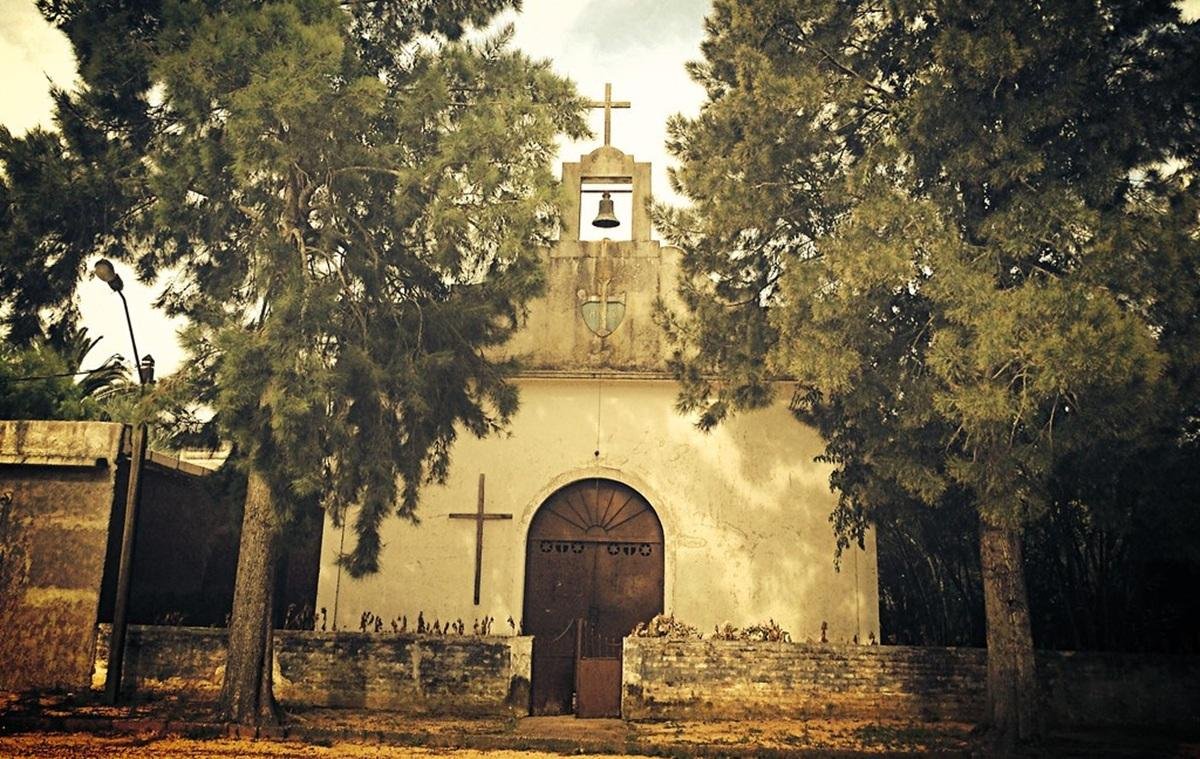
The expert especially advises visiting boutique wineries — for example, Cordano or El Legado — and also dropping into the capital, Montevideo, to immerse yourself in its vibrant cultural life.
The best time for a winter trip to this country is the period from November to March, when the air temperature usually stays in the range of 25–32°C.
The Algarve — an escape to warm parts not far from home
To warm up in the sun in winter it is not at all necessary to head to another continent, since the southern region of Portugal — the Algarve, which many associate exclusively with summer beach holidays — can pleasantly surprise tourists with warmth at this time of year. Moreover, in winter it is even more comfortable here if you do not like crowds of tourists.
Experts note that in winter in the Algarve you can enjoy meals in the open air, walks along deserted beaches and picturesque coastlines, and also admire impressive sunsets.
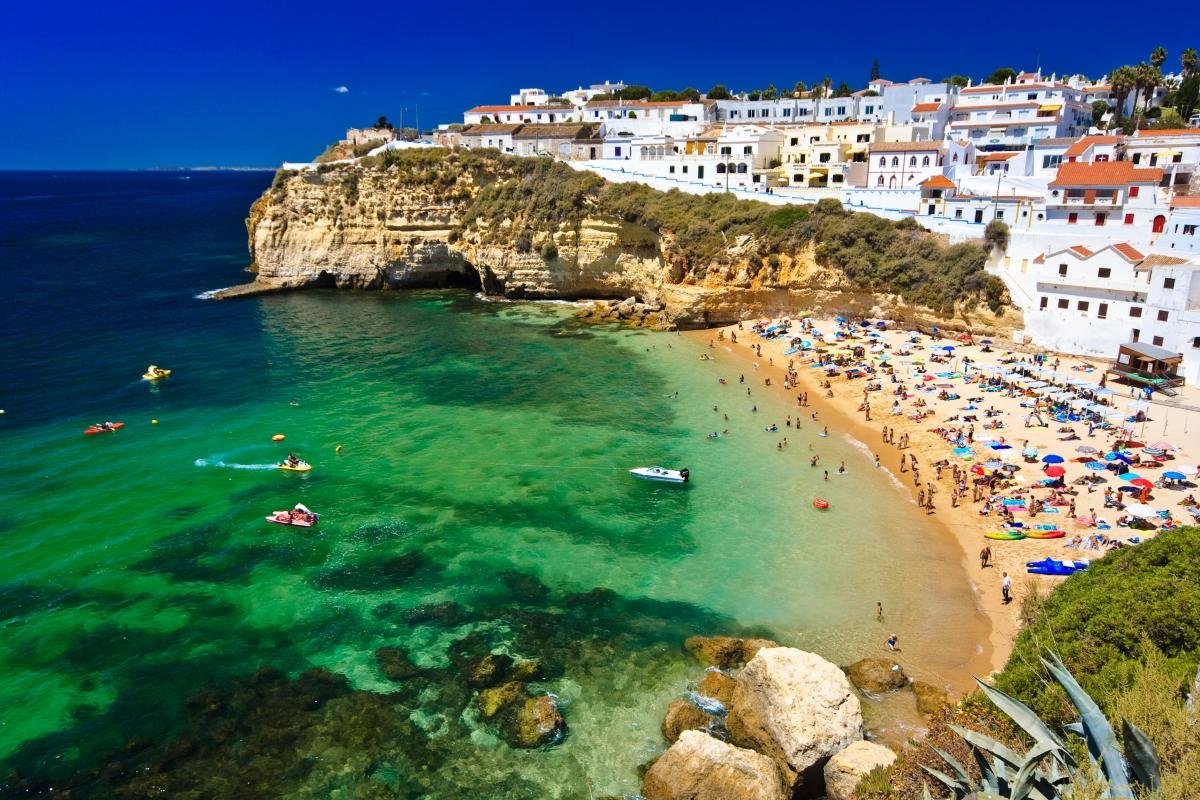
You can also visit salt works and oyster farms, set off on a boat trip to watch dolphins, go horse riding, play golf or take tennis lessons.
The best time for a winter trip to the Algarve is February, when the air temperature is around 17°C, the rain becomes noticeably less frequent, and there are plenty of sunny days.

Konstantin is an acclaimed travel writer, celebrated for transforming ordinary journeys into extraordinary narratives. With years of experience exploring diverse destinations across the globe, his work blends vivid storytelling, cultural insights, and practical advice to inspire wanderlust and guide readers toward unforgettable adventures.
As a key contributor to enjoythetrip.org website, Konstantin has built a loyal readership through their expertise in uncovering both iconic landmarks and off-the-beaten-path treasures. He specializes in providing travelers with honest, actionable tips, whether it’s finding the best resorts in Maldives, exploring cultural hubs like Paris, or diving into the natural wonders of Croatia.