
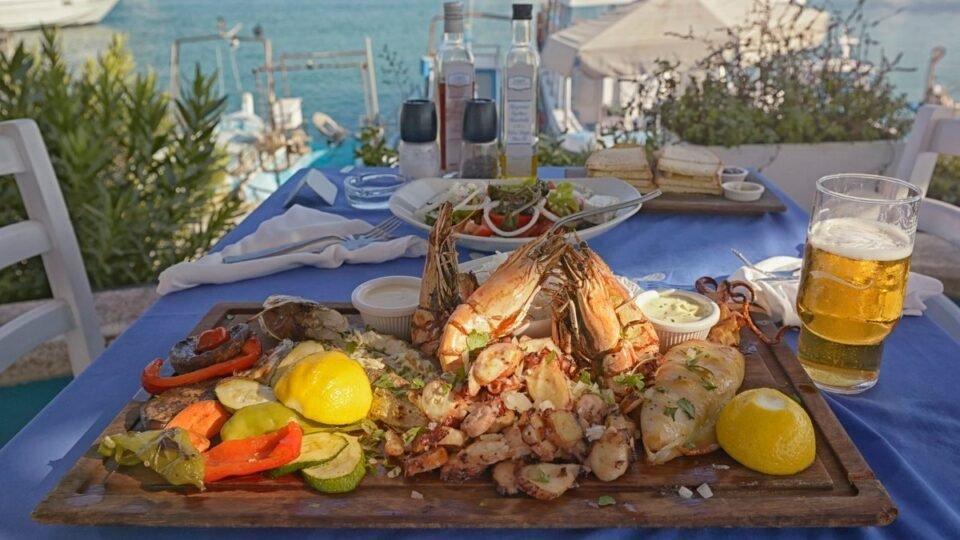
When the April sun begins to generously warm the eastern Mediterranean coast, Cyprus literally blossoms – both literally and culinarily. While spring is still timid in, on the island of Aphrodite, the goddess of love and beauty, the air is already filled with the scent of blooming citrus fruits and the freshness of awakening mountain nature. This is also the time when Cyprus’s active tourist season begins, lasting until mid-June, only to return with renewed vigor in September and October after the summer heat.
Wine routes with 5,000 years of history
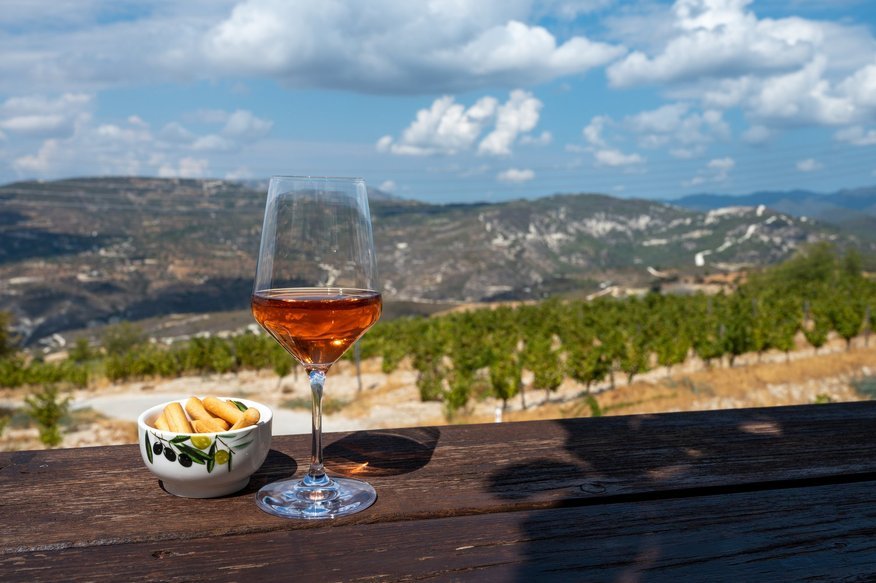
Cyprus’s winemaking traditions stretch back over 5,000 years, allowing the island to boast one of the oldest winemaking traditions in the world. The slopes of the Troodos Mountains, where the sun and soil create a unique bouquet of flavors, are crisscrossed by wine routes, and small, authentic winemaking villages are also located here, welcoming visitors to the island.
Cyprus’s wine culture is more than just a business; it’s a national treasure. The island is divided into seven official wine routes, each offering its own distinctive character.
The most important of these is the Commandaria Route, which passes through 14 villages. Only this region is permitted to produce the legendary Commandaria wine, which the English King Richard the Lionheart once called “the wine of kings and the king of wines.”
A visit to hospitable wineries always becomes a personal adventure. Guests are often greeted by the owner himself, whose family has been involved in winemaking for generations. The introduction to wine is accompanied by family stories and, of course, delicious snacks and food.
You should definitely try Xynisteri wine. This grape variety is the most widely grown in modern Cyprus. This dry white wine is perfect for warm Cypriot evenings.
A cuisine where every dish tells a legend
Cypriot cuisine is a vibrant work of art, blending Greek, Turkish, and Middle Eastern flavors while maintaining its unique identity. Tavern owners often engage in leisurely conversation with guests, transforming an ordinary meal into a narrative experience. The depth of Cypriot cuisine lies in its signature dishes, where every ingredient is locally sourced.
One of the most famous is Kleftiko, lamb slow-cooked for hours in a closed clay oven. The name translates as “thieves’ meat,” recalling the mountain dwellers who cooked meat in underground pits to prevent smoke from revealing their location. Equally popular is Stifado, a hearty stew of beef or rabbit with generous amounts of shallots and red wine, creating an incredibly rich and flavorful sauce.
Travelers should definitely try Afelia, pork marinated in dry red wine and generously sprinkled with coarsely ground coriander seeds. For a lighter meal, an excellent choice is Koupepia, a vine leaf cabbage roll stuffed with minced meat, rice, and fresh herbs.
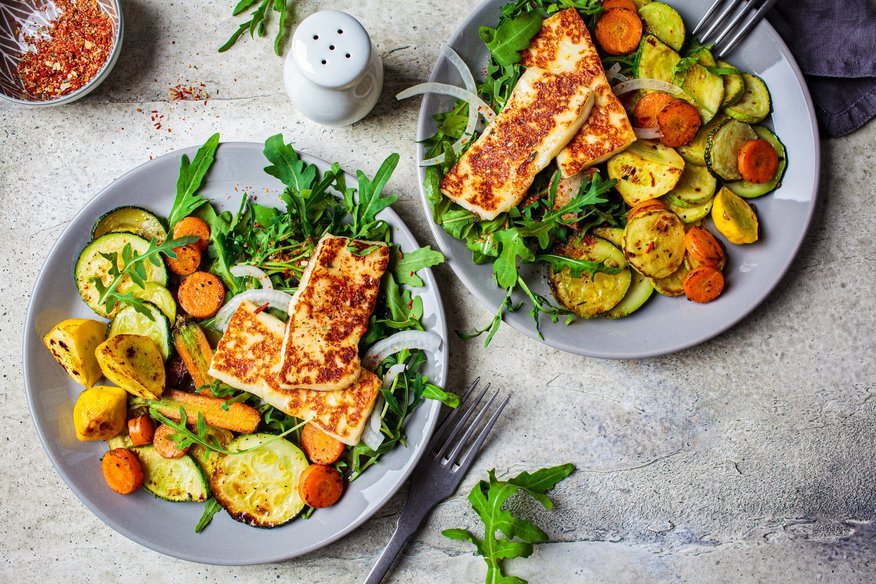
In Cyprus, almost no meal is complete without halloumi cheese. Cyprus is the birthplace of this cheese, and only here can you taste it prepared using authentic methods. Grilled halloumi with fresh mint leaves is a must-try. Equally important is Sheftalia, juicy sausages grilled over coals, usually served in warm pita bread with fresh vegetables and parsley. Vegetarians will appreciate Louvi, a bean and zucchini stew with plenty of olive oil. And for dessert, nothing beats Loukoumades, small dough balls boiled in butter and drizzled with local honey.
And, of course, we can’t forget about mezze—a meal consisting of numerous small dishes and a variety of appetizers. The composition of the set varies from restaurant to restaurant and tavern, depending largely on the season and whether a meat, fish, or mixed mezze is ordered. It typically includes around 15–20 dishes, including sauces and bread, but some places can include as many as 30. It’s worth mentioning that portions in Cyprus are very large, so ordering carefully is a good idea.
“Liquid gold” from thousand-year-old groves
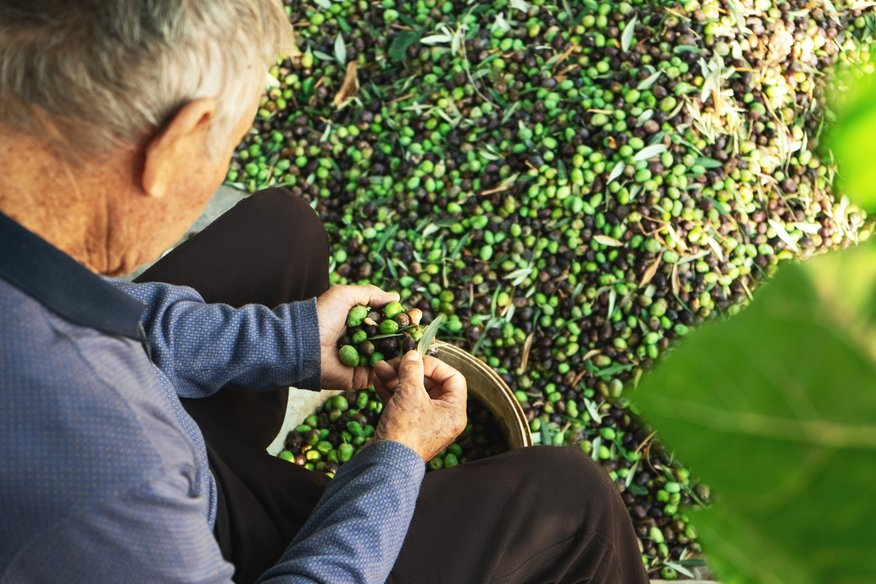
As ancient as Cyprus’s winemaking culture is its olive oil production tradition. The olive tree is revered as sacred, and the island’s landscape is dotted with groves dating back thousands of years. Many of these silvery trees have survived the fall of empires and continue to yield what locals call “liquid gold.”
In April and May, when the olive trees are in bloom, the air is filled with a delicate fragrance. And in September and October, the harvest season begins—the time for the great harvest.
Travelers have the unique opportunity to visit small family-run oil presses where oil is still cold-pressed. High-quality Cypriot olive oil is characterized by low acidity and a strong, herbaceous aftertaste. For traditional breakfast, it is served simply—in a small bowl, topped with dried oregano, and dipped into bread freshly baked in a wood-fired oven. Also popular is Eleopita bread, also known as olive bread—a hearty bread made with black olives, onions, and fresh mint, creating the perfect snack for mountain hikes.
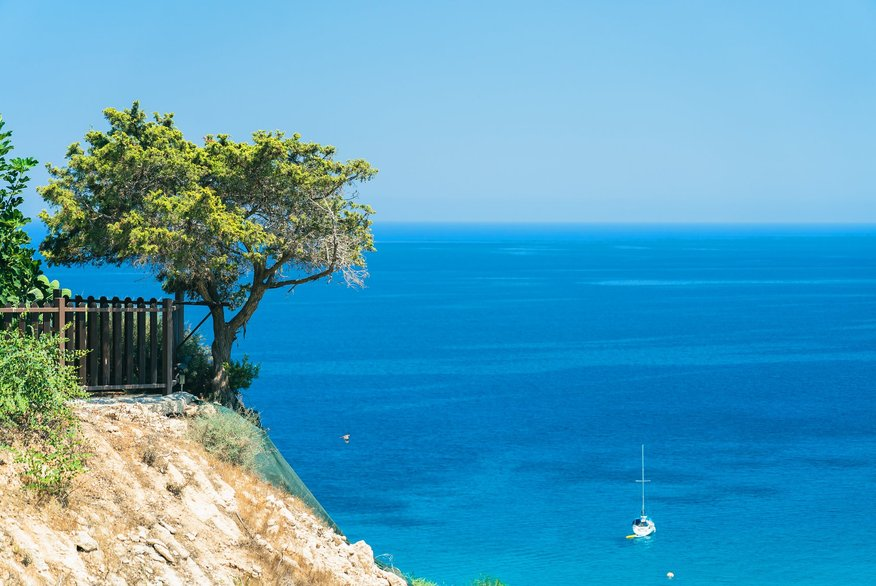
The tourist season in Cyprus is wisely divided into two “golden periods.” Late April and May are when the island is green, blooming, and fresh. This is a chance to catch summer earlier than at home, and it’s the perfect time for hiking the mountain trails of Cyprus or simply enjoying the tranquility of the beach. September and October, meanwhile, are harvest time: the vineyards and olive groves are bustling with activity, and the air becomes cleaner after the summer heat. At this time, the sea is still warm as fresh milk, but evenings with a glass of wine make you want to throw on a light jacket. It’s the perfect time for a culinary adventure in Cyprus!

Konstantin is an acclaimed travel writer, celebrated for transforming ordinary journeys into extraordinary narratives. With years of experience exploring diverse destinations across the globe, his work blends vivid storytelling, cultural insights, and practical advice to inspire wanderlust and guide readers toward unforgettable adventures.
As a key contributor to enjoythetrip.org website, Konstantin has built a loyal readership through their expertise in uncovering both iconic landmarks and off-the-beaten-path treasures. He specializes in providing travelers with honest, actionable tips, whether it’s finding the best resorts in Maldives, exploring cultural hubs like Paris, or diving into the natural wonders of Croatia.