
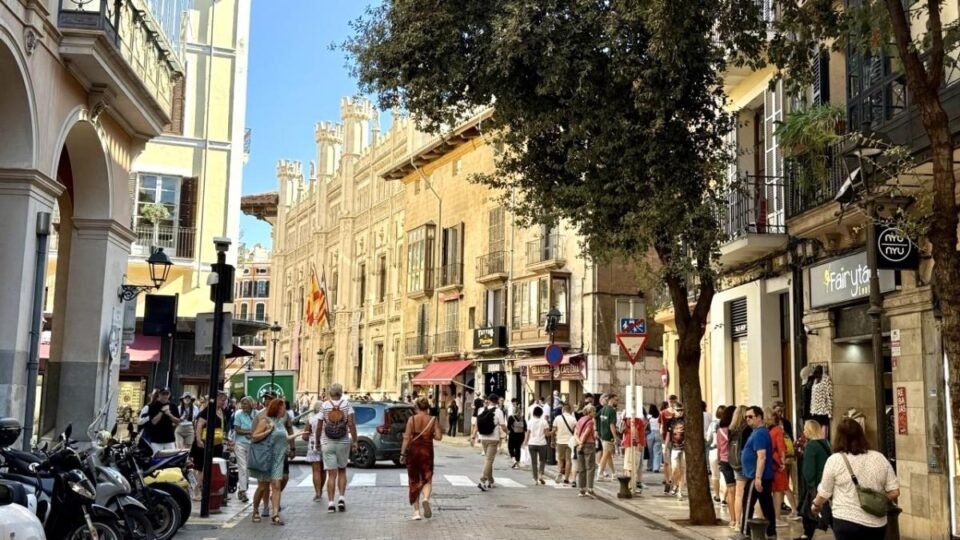
Mallorca is a Spanish island that Europeans adore. However, its huge popularity has also sparked local protests against mass tourism.
In this guide, we look at how locals treat visitors today, when to go, and what to see. We also cover food and transport, so you can plan a calm and rewarding trip.
When is the best time to visit Mallorca?
Guidebooks and travel agents will tell you that Mallorca works at any time of year. The sun shines almost all year, and there is much more to do than lie on the beach.
Our author, however, got the chance to visit the largest Balearic island in mid-October. The travel agency found a great deal: six full days and five nights, all-inclusive, for 450 euros with flights and transfers.
The flight times were ideal, too. The plane landed at 8 a.m. on the first day and left late in the evening on the last. The hotel had three stars, but the food was good, and the beach was just 50 meters away. It was not in the smartest resort area, yet the spot felt cozy.
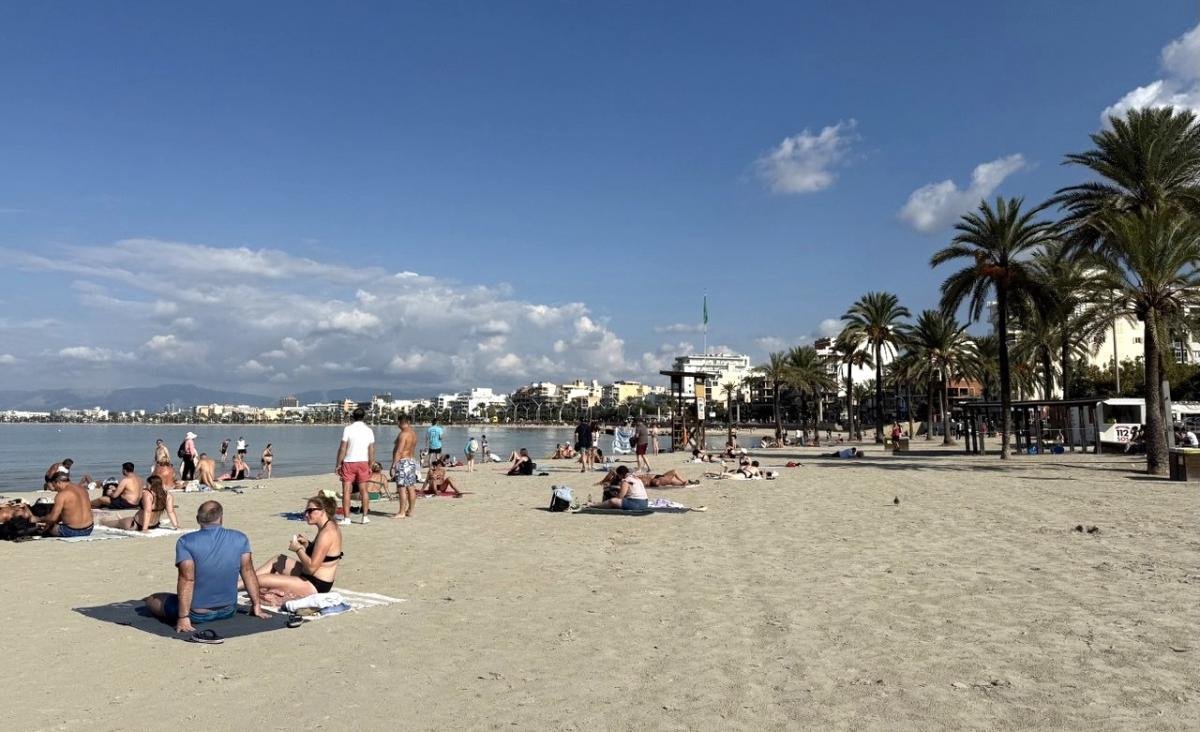
Most importantly, the sea was warm enough for a swim every day in mid-October. The water was around 23 degrees, which is warmer than Croatia can manage even in season. The air was about the same, so we still needed sunscreen.
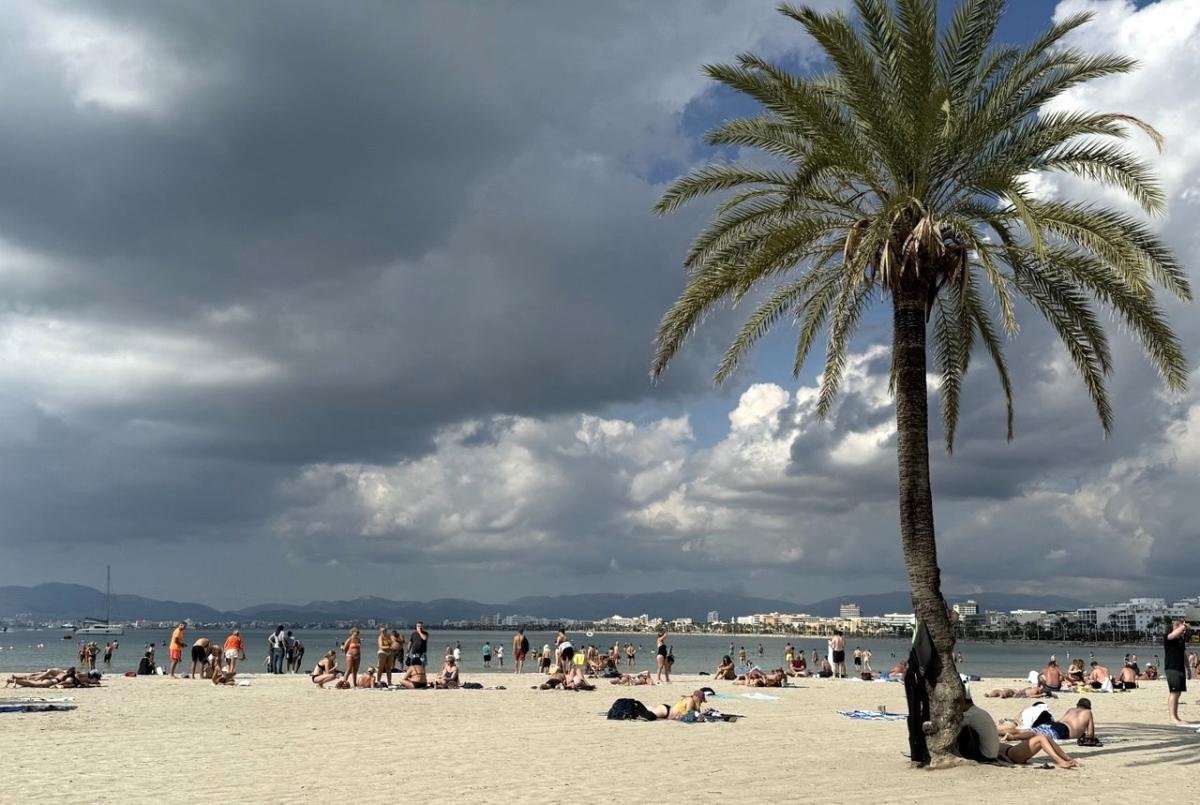
The only downside was rain. Showers came often and fell hard, but they were warm and lasted about half an hour. Locals say this is normal for the season.
Mallorca Season by Season
Talking to locals made one thing clear: every season in Mallorca has its own charm. So if you want more than sea and sand, you will always find something to do.
Spring suits those who love peace, flowering hills and mild weather. April and May are best, and sometimes early June. The air reaches +26-27°C, and the beaches are still quiet. In May, the sea already averages about 20 degrees, so some people swim.
According to Oksana, who co-owns a small hotel on the coast a few dozen kilometers from the capital, this period attracts Germans, Scandinavians and visitors from the Baltics. For them, anything above 17°C counts as warm water. She adds that guests often book spring stays six months ahead.
July and August are the hottest months. During this time, the island buzzes with festivals, packed beaches, karaoke bars and nightlife until dawn. Yachts cruise the coast all day. The air reaches +32°C or more, and the sea warms to 26-27°C.
By the way, locals say the water at the beach is often 1-2 degrees warmer than forecasts suggest. That is because weather services measure further offshore, where the deep water is cooler.
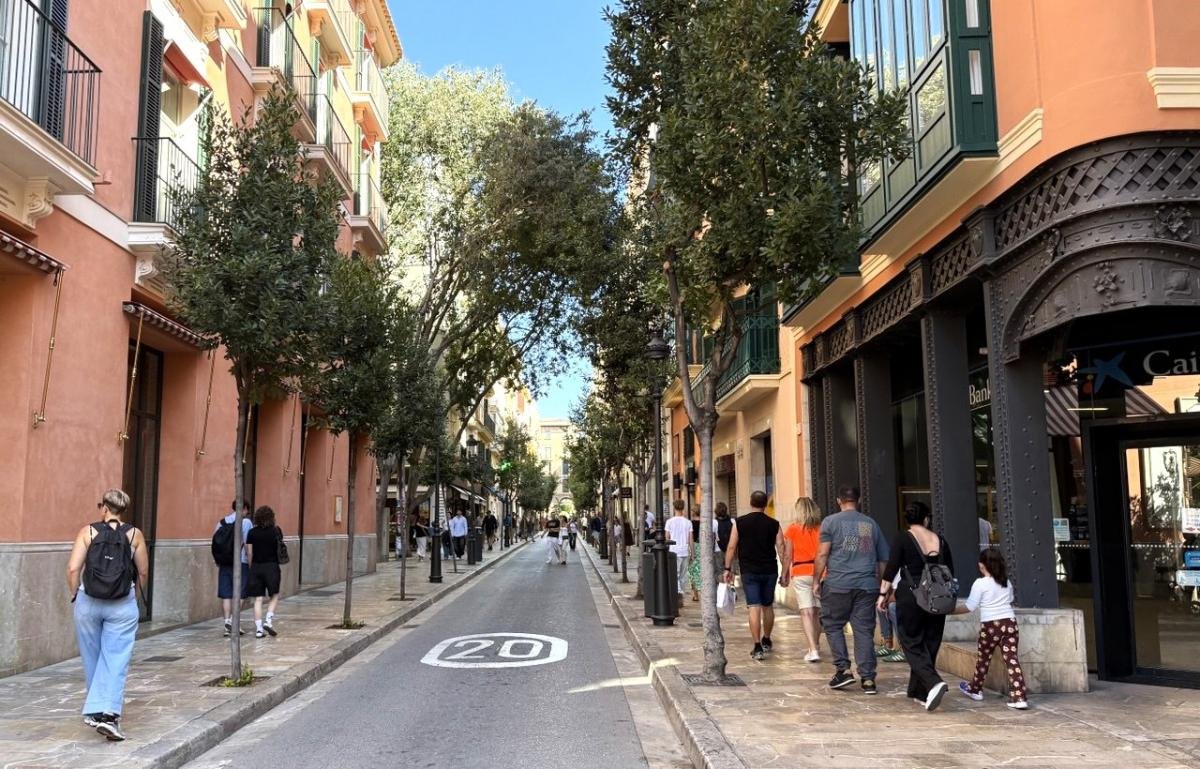
Many travelers think September and October are ideal, Oksana says. The sea is still warm, but the sun no longer burns. As a result, it is pleasant to walk, explore old towns and try local food.
A few visitors even come in November or winter. At that time, the island is quiet, prices drop, and you can enjoy sea air and mountain walks. Cycling and hiking are especially popular, and Mallorca also has sites on the UNESCO World Heritage list.
The Most Beautiful Places in Mallorca
Mallorca is varied enough for any kind of holiday, as long as you have the time and budget. Besides charming Spanish towns, it offers great routes for hiking and cycling. For beach days, see our guide to 14 stunning beaches in Mallorca.
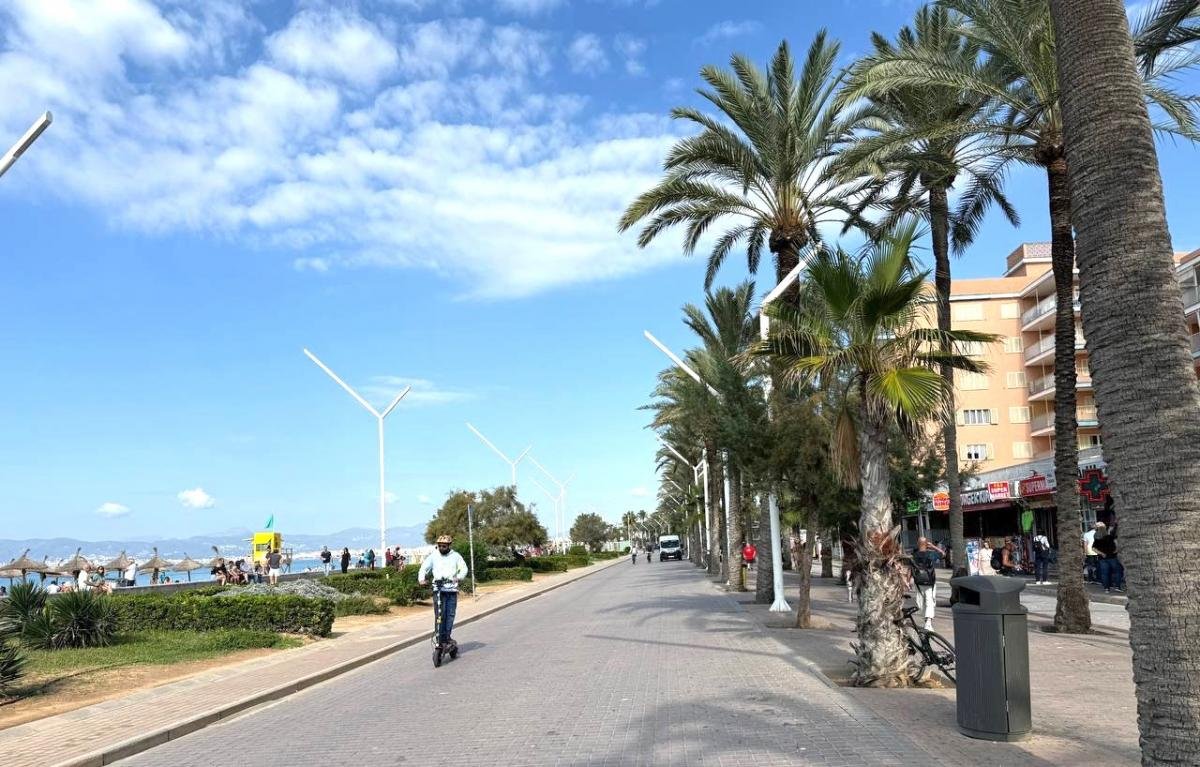
First of all, visit the capital. Palma, or Palma de Mallorca, is the largest city in the Balearic Islands. Visitors fall for its old town, with narrow lanes, Gothic grandeur and leafy squares.
April-May and October-November are the best months for walking here. The weather is mild, and the sun is gentle.
Buses run to the capital from the resorts almost nonstop. Many guides say you can pay by card, but our author could not confirm this. The driver wanted cash, and the 40-minute ride cost 2 euros one way.
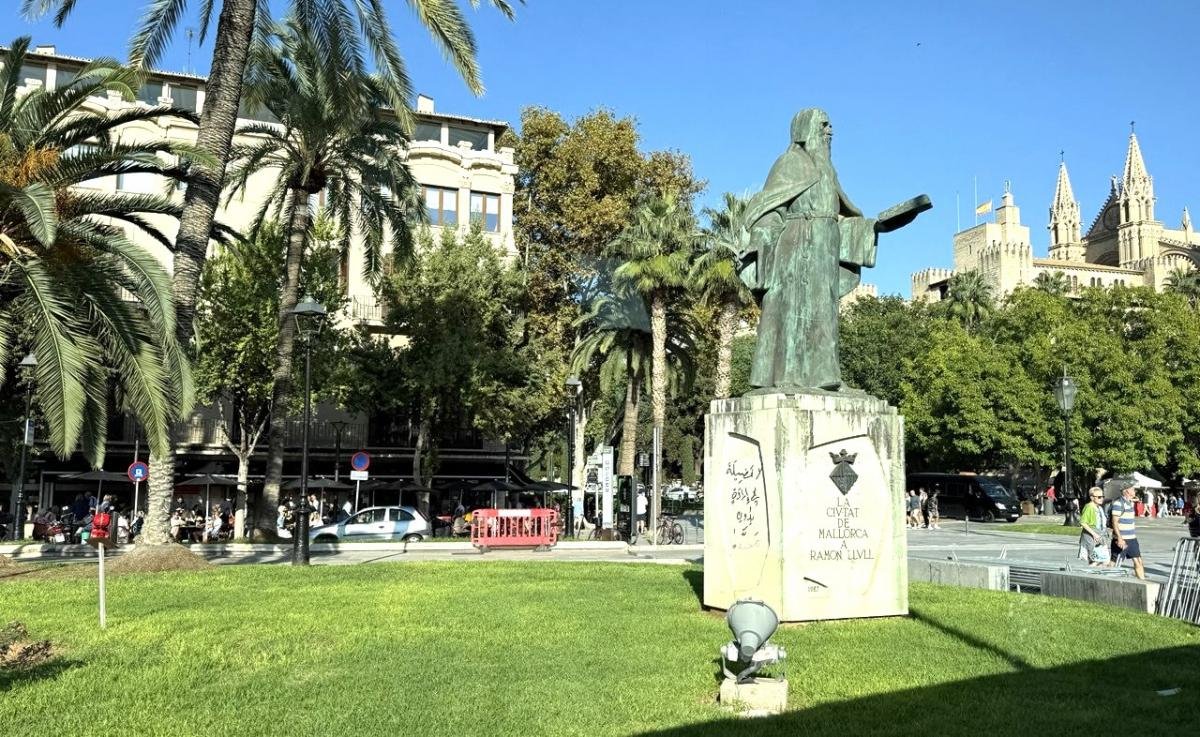
Palma Cathedral (La Seu)
In Palma, start with the cathedral, known as La Seu. It is the main Catholic church on the island and one of the most famous in Spain.
Builders began it in 1229 on the site of a former mosque and finished it in the 17th century. Because of that long timeline, it mixes Gothic, Renaissance and even Art Nouveau features.
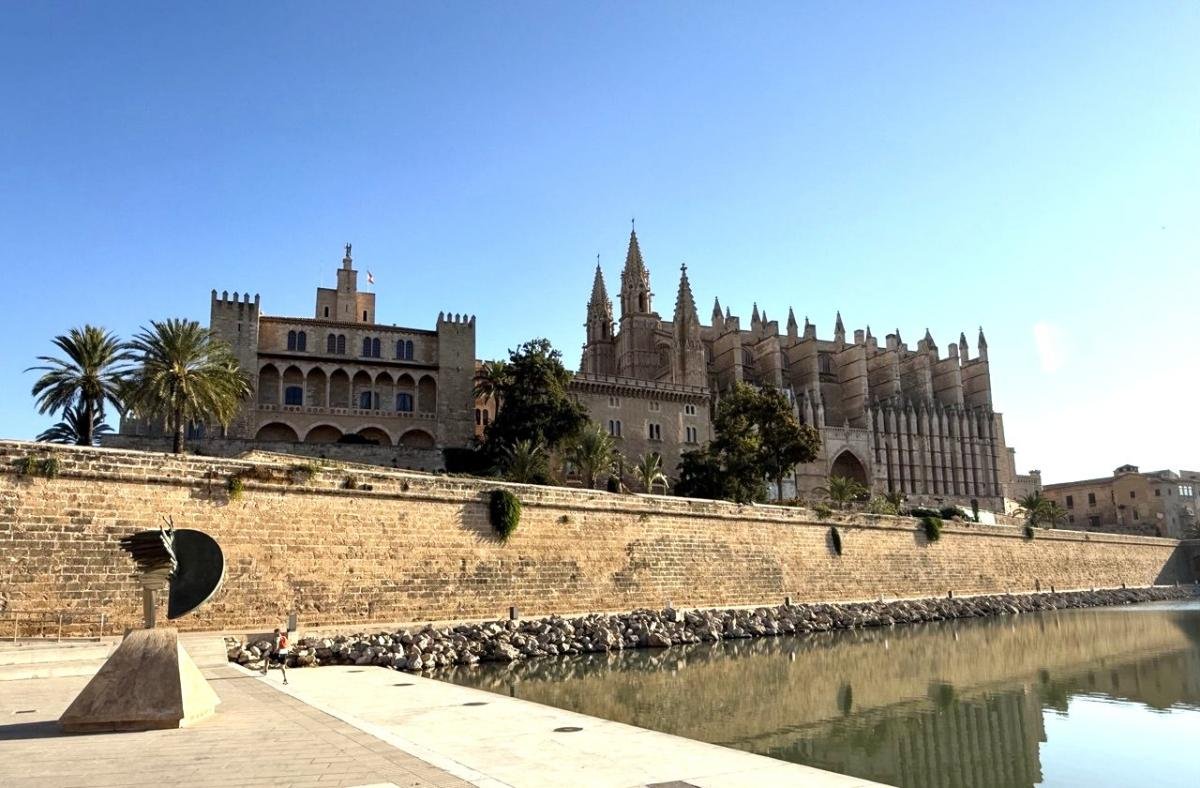
The building is huge. It stretches over 120 meters, and its central nave rises almost 45 meters. That makes it one of the tallest Gothic cathedrals in Europe. Seen from the waterfront, it seems to rise straight out of the sea.
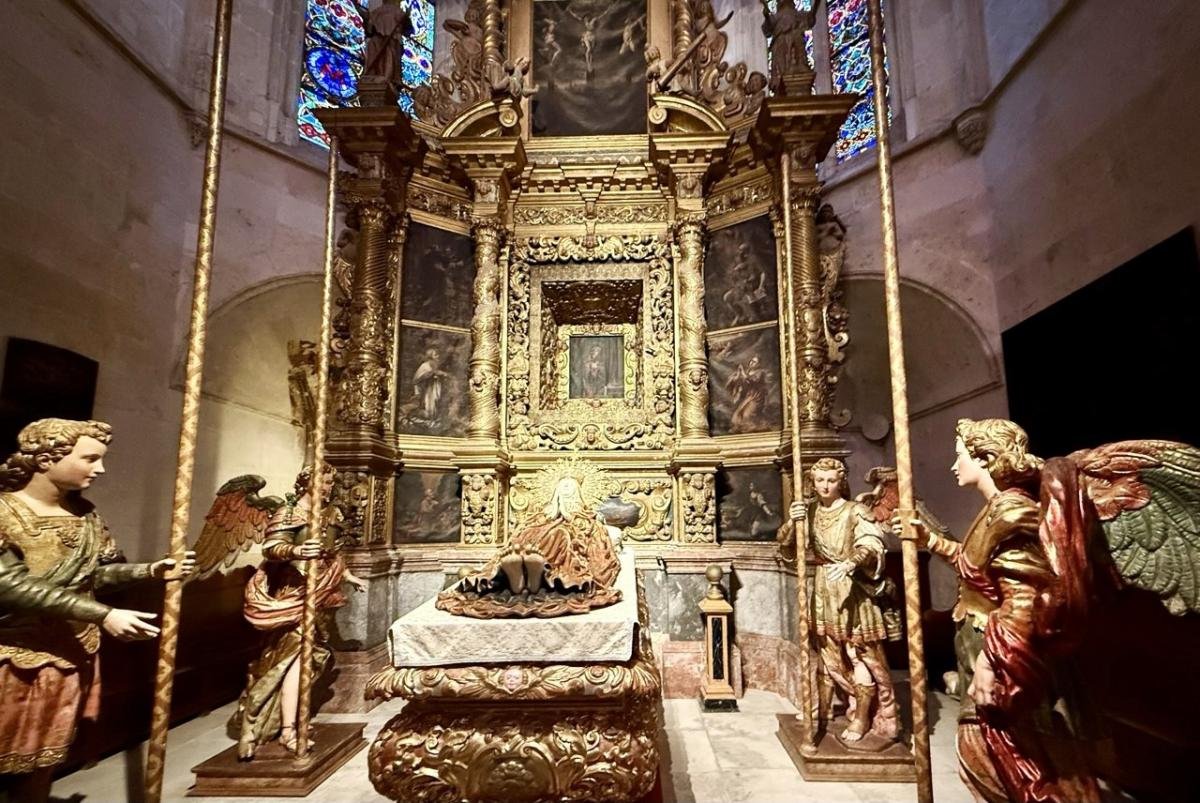
A ticket for the tour costs 10 euros. To skip the long queue, buy it online in advance, because e-ticket holders go straight in.
In addition, try to arrive early. The cathedral opens at 10 a.m., and the morning is quieter, so you can enjoy the interior without crowds.

Do not miss the great rose window, the “Sun of Gothic”. It measures about 13 meters across. According to the audio guide, which costs another 5 euros, it is the largest window of its kind in Europe.
On certain days, the sun hits it at just the right angle. Then the light forms a double rosette rainbow inside the church, and you can even catch it on camera. Another 36 stained glass windows line the walls and fill the space with colour.
In the 20th century, Antoni Gaudí from Barcelona worked on the cathedral. He designed a new altar and improved the lighting to bring out the natural play of light.
More recently, early this century, artist Miquel Barceló created ceramic reliefs on biblical themes in the Chapel of the Holy Sacrament. His bold, unusual style will surely leave an impression.
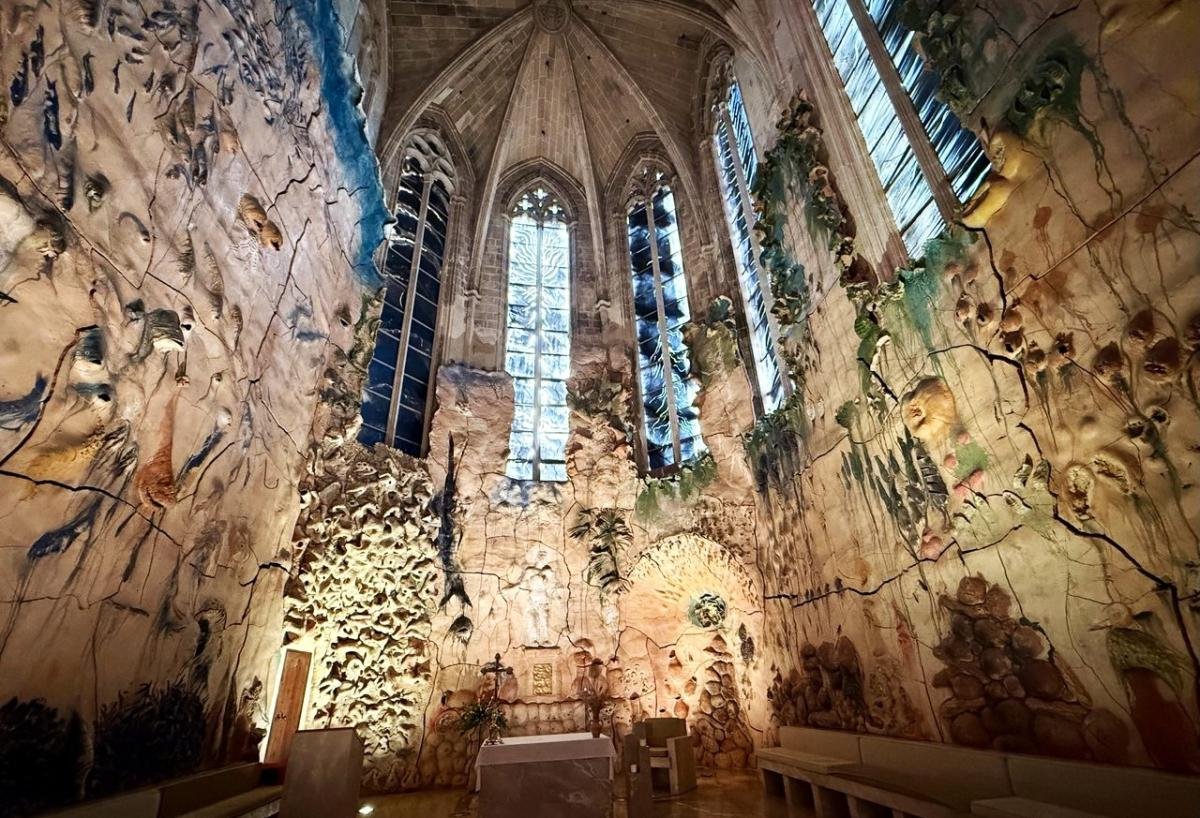
Palma Old Town and City Hall
The cathedral stands by the sea, next to the Almudaina Palace, which looks modest beside it. From the former royal residence, walk on to the City Hall. Narrow, atmospheric streets spread out from there in every direction.
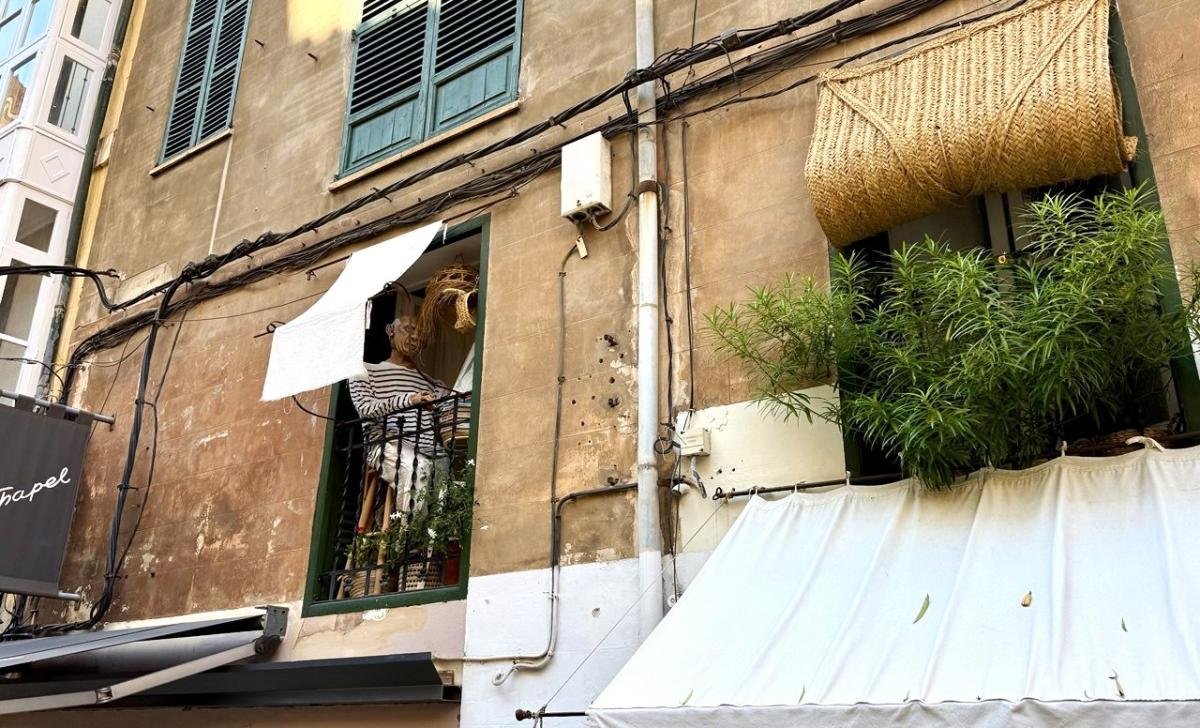
Look up as you go. Not only the shopfronts but also the upper floors and balconies are beautifully decorated.
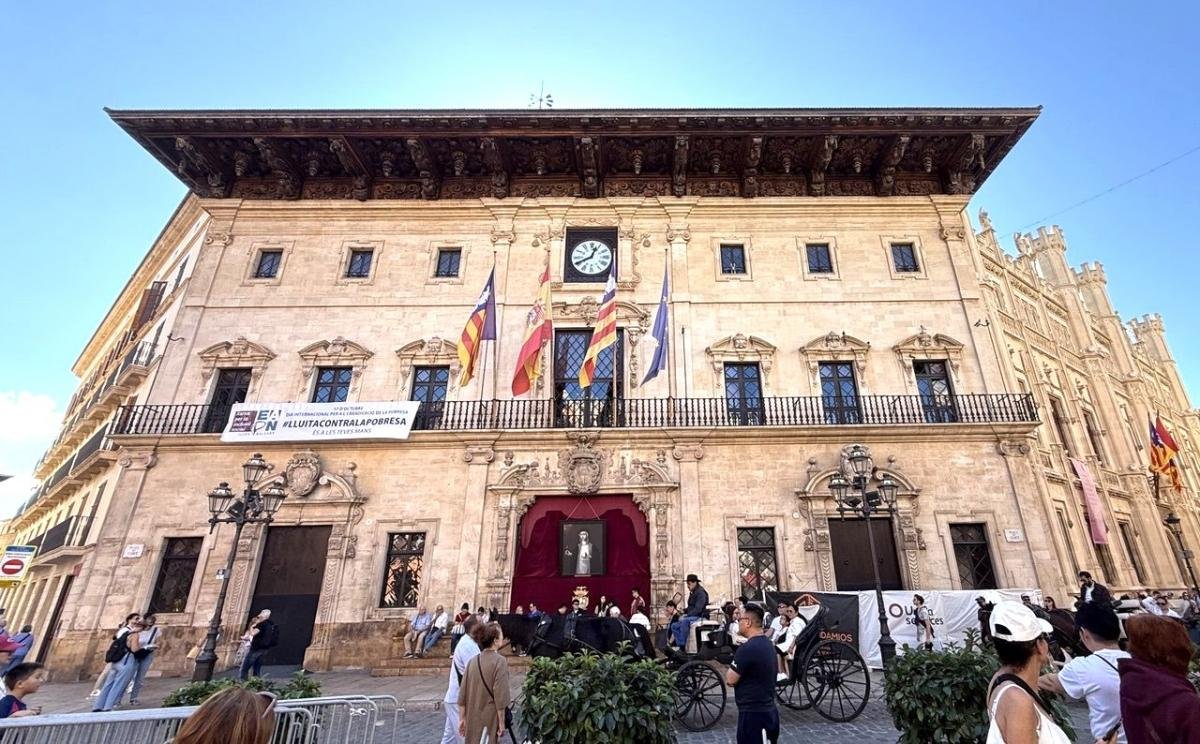
The City Hall dates from the 17th century and stands in the heart of Palma. Some find it odd, while others call it “too Spanish”. In fact, its facade is a true work of art, with carved balconies, heavy wooden shutters and fine details.
Above the entrance hangs a famous clock with a large wooden figure called “En Figuera”. It has become a symbol of Palma and appears in many travel photos. Its story goes back several centuries.
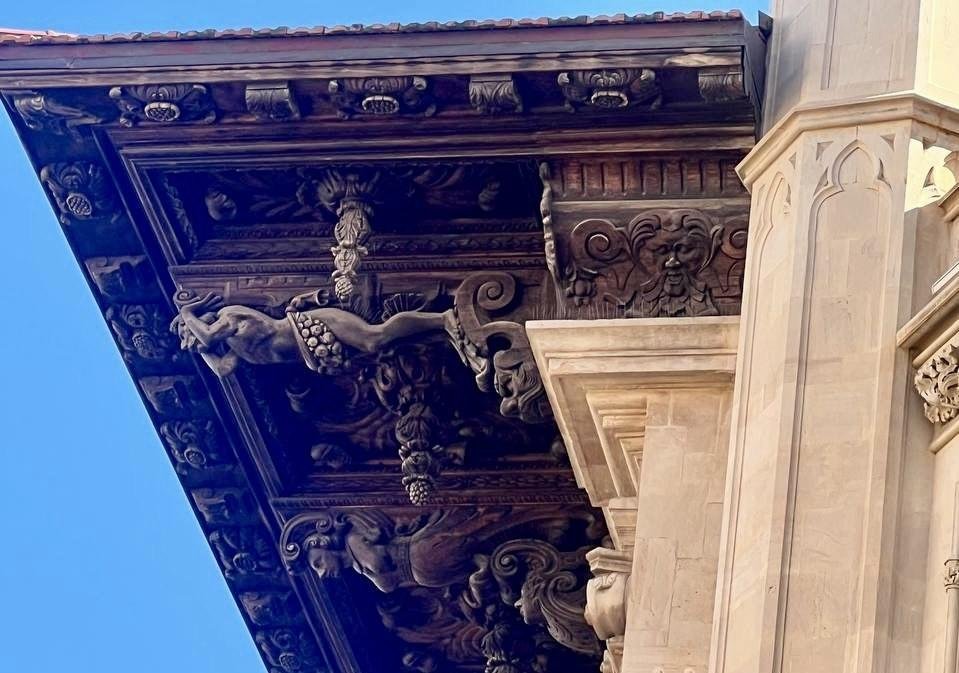
Another highlight is the long wooden bench under the wide roof that juts out from the building. This carved canopy reaches three meters from the wall and is the work of master carver Gabriel Torres. Almost every visitor stops to sit on the bench and take a photo.
Opposite the City Hall, you will find Palma’s oldest natural monument: the olive tree on Plaza Cort. Guides say it is at least 850-900 years old, and locals treat it as an important symbol.
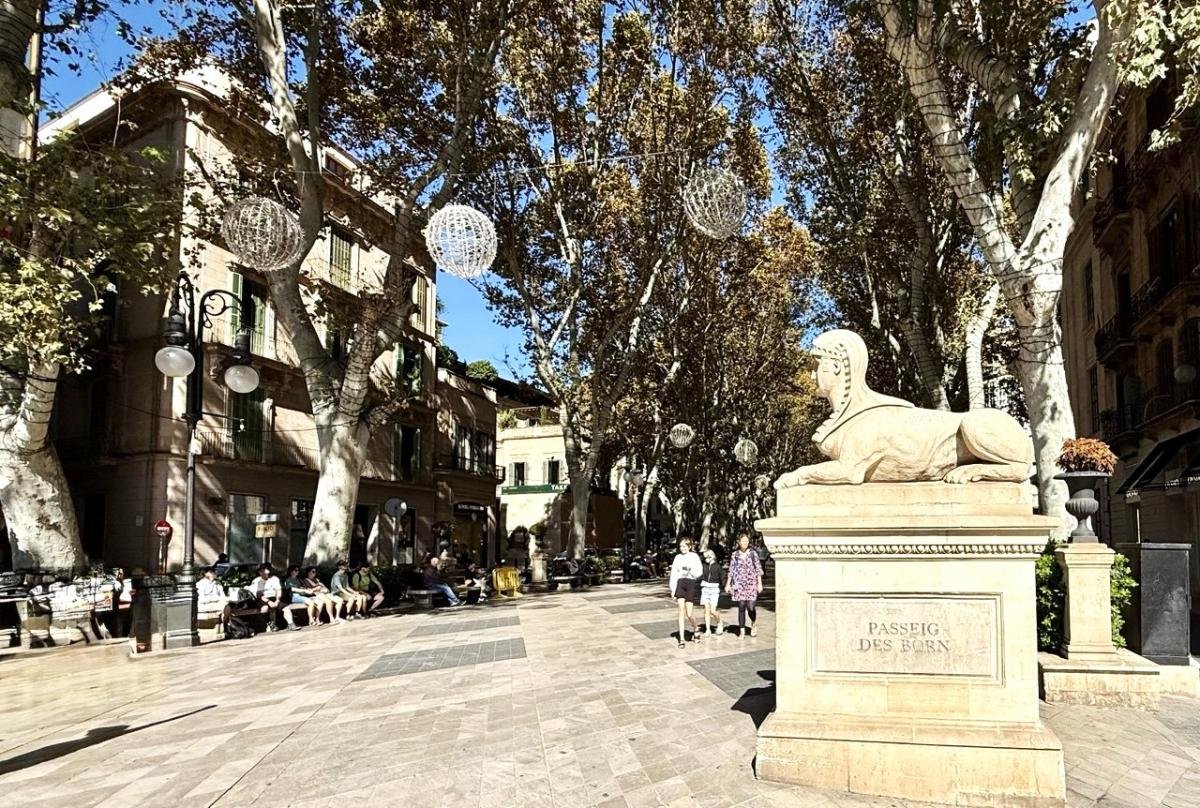
Guidebooks also send visitors to Passeig des Born, the main shopping street. It is indeed lovely, though not because of its chain stores, which you can find anywhere in Europe.
Instead, the charm comes from the plane trees that shade the boulevard. Small cafés sit between them, so you can enjoy a coffee or a glass of wine with a great view. Nearby, you can also visit Bellver Castle.
What to See in Mallorca Outside the Resorts
According to Slava, who lives on the island, Mallorca has plenty to offer beyond the beach. She suggests renting a car, or bringing your own on the ferry from Barcelona, and heading to the Serra de Tramuntana. This mountain range in the northwest is a UNESCO World Heritage Site.
For hiking, try the Camí de s’Arxiduc or the GR-221, which crosses the whole range. The 9-kilometer stone path dates from the 19th century. Along the way, you will see varied plants and wildlife, plus superb sea and mountain views. Hikers may also like the new east coast trail.

Cyclists love Mallorca too. In spring, pro teams often train here, and many of them enjoy the legendary Sa Calobra climb.
Valldemossa is another lovely stop. The composer Frédéric Chopin once lived here, and people say he wrote some of his most melancholy music in the village.
Before the trip, tour operator Maria told our author that visitors often go to see the sunset at Cap de Formentor, the harbour of Port de Soller and the Dragon Caves (Cuevas del Drach). In her view, the first may be overrated, while the caves are truly atmospheric. Read our guide to Cape Formentor and decide for yourself.
Inside the caves, you will see stalactites and an underground lake. On top of that, a short classical concert often plays for visitors, and it sounds wonderful in the silence.
What to Try in Mallorca
Tour operators and locals agree that Mallorca has its own food style. They recommend seafood, local sausage, paella and sweet pastries.
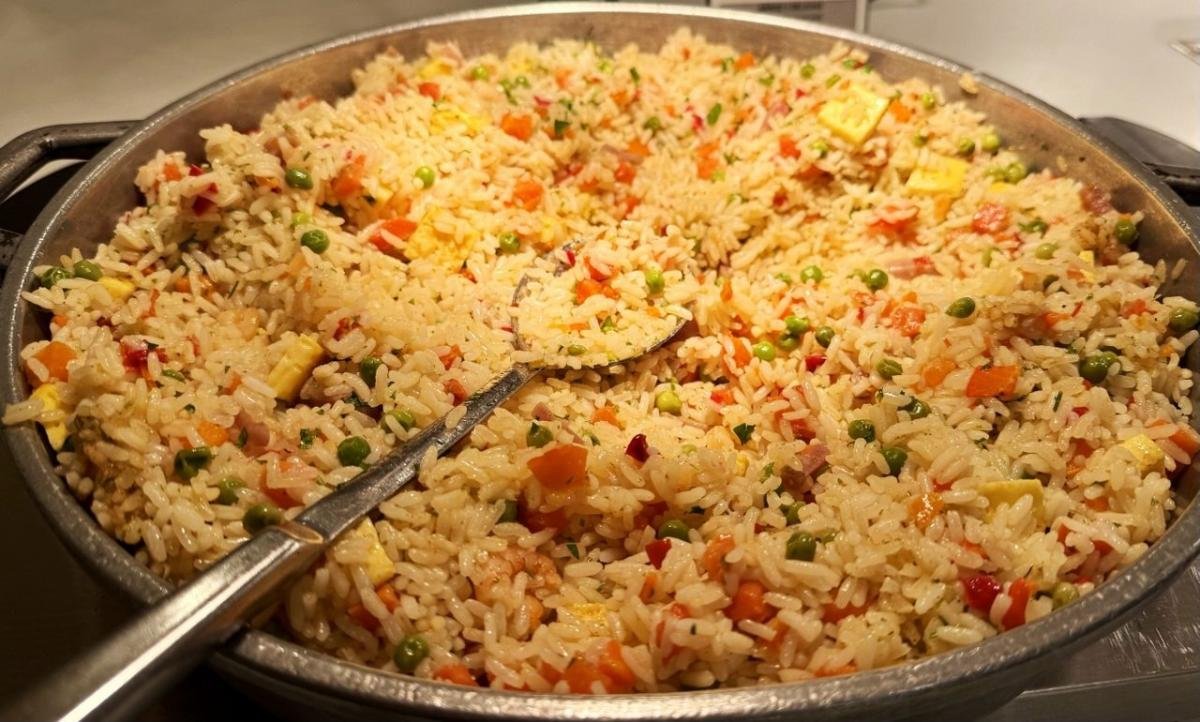
Paella is a classic Spanish rice dish cooked in a wide, shallow pan. Purists say only paella from Valencia, where it began, is real. In practice, tasty versions appear all over Spain.
Some compare it to pilaf. However, Spaniards add many more flavours, mainly saffron, beans and tomatoes, plus seafood, meat or both. Our author once even tried a paella made with pasta, and it was delicious!
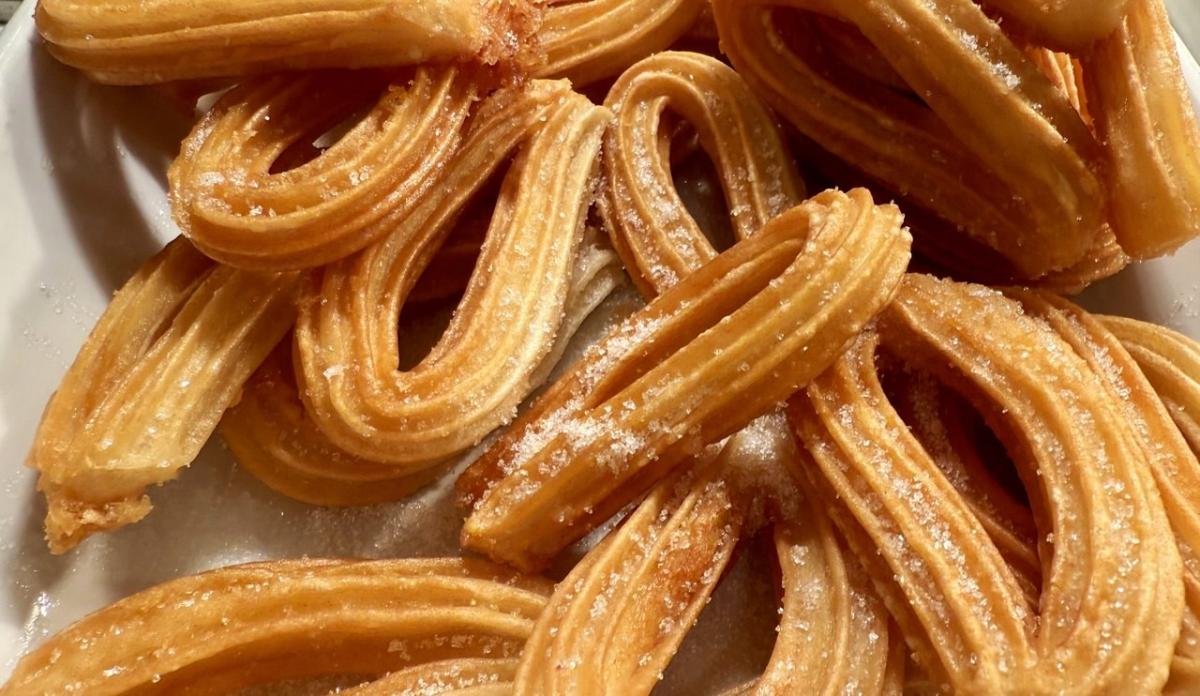
For dessert, you will surely be offered churros, as in most of Spain. These are pastries made from choux dough, fried in oil and dusted with sugar. They are quite rich, but tastes differ.
A popular souvenir is sobrasada, a cured sausage from the Balearic Islands. Makers use minced pork, paprika, salt and spices. It is soft, like pâté, so you can spread it on bread.
Honestly, it does not look very tempting. Yet when locals offered toasted sandwiches with sobrasada and honey, they turned out tasty, if unusual. You can often buy it at duty free on the way home, packed so it keeps on the journey.
Locals also suggest visiting the Binissalem wine region to taste its white wines.
How to Get to Mallorca
The easiest way is a direct flight. Many European cities, including Budapest, Warsaw, Vienna and Krakow, have routes to the island.
In high season, return flights from Europe can cost 300-400 euros. Off-season, you may pay a third of that. Package tours with flights and hotels can be even cheaper.
There is also a regular ferry from Barcelona to Palma. The crossing takes about 6 hours, so it suits travelers who want to bring their car.
How Locals Treat Tourists in Mallorca
Open sources say a record 17.8 million people visited the Balearic Islands last year, from mainland Spain and abroad. Early forecasts expect a similar figure this year.
The new airport shows how busy the island is. It is enormous, and planes land or take off every ten minutes, even off-season. So it is no surprise that, as in the rest of Spain, locals protested against overtourism in summer.
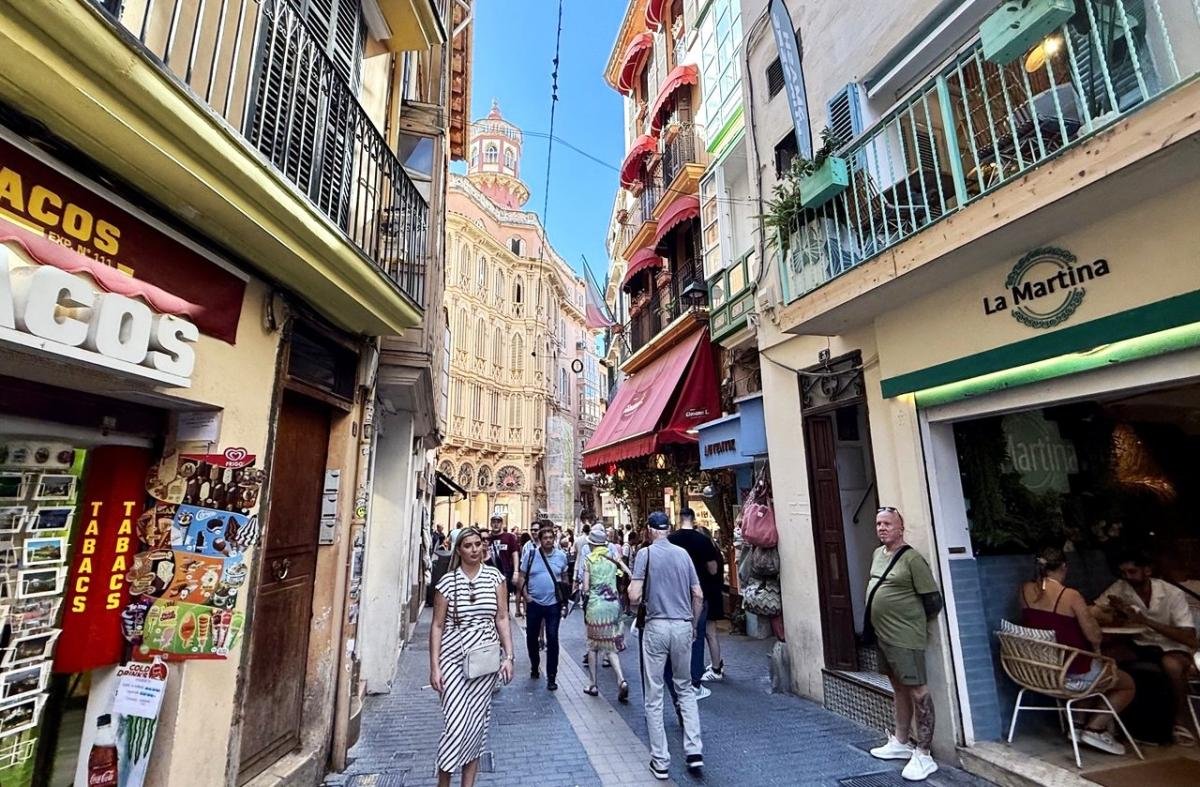
As The Express reported in July, the activists got results. Many holidaymakers, especially British ones, chose to skip Mallorca. As a result, restaurants and beaches lost customers, and local tourism struggled.
Meanwhile, media report that the Balearic government wants to curb overtourism. Plans include tighter control of holiday rentals, fewer rental cars, and a crackdown on alcohol tourism and balconing.
Tour operators warn that drinking on the beach can bring a fine. Even so, vendors still sell drinks right on the sand.
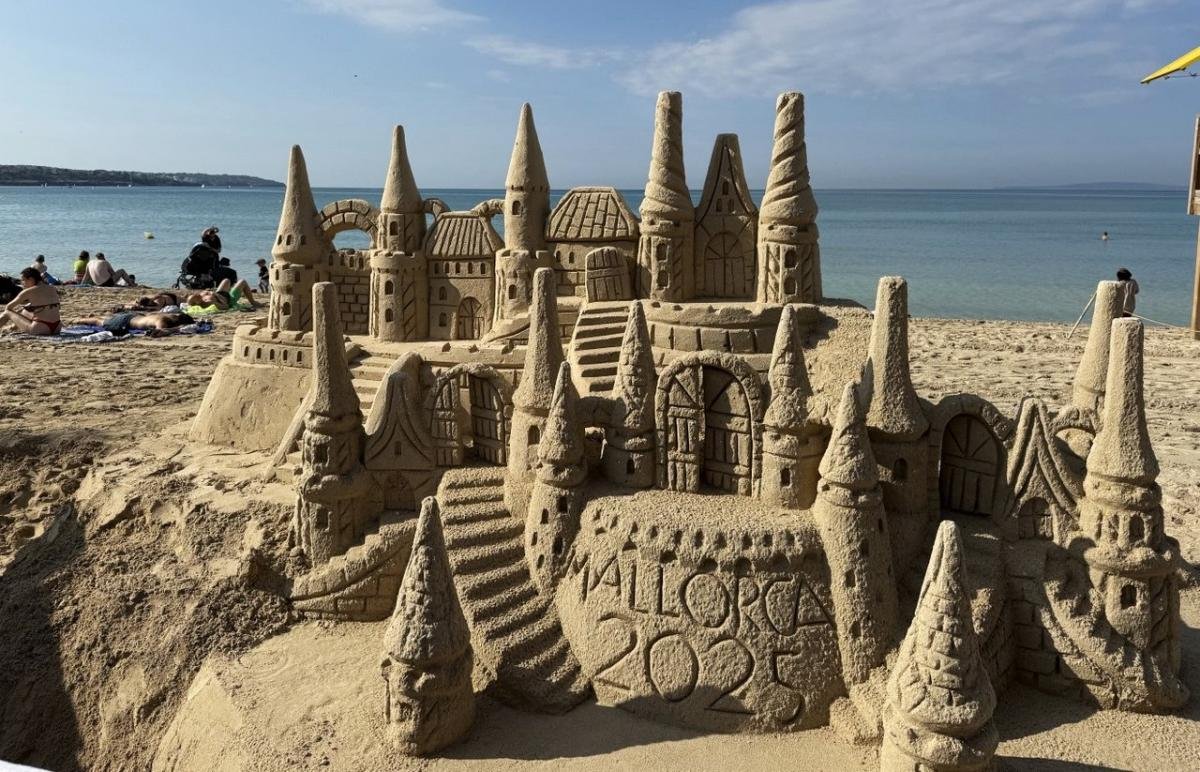
Still, the overall feeling in October was that Mallorca is safe to visit. That is the impression our author got from taxi drivers, hotel staff and café owners. In fact, people who live off tourism say they have no other income, so many did not back the activists.
The taxi driver who met us at the airport explained that the protests targeted the mass tourism model rather than the guests. He admitted there were a few stunts, such as water pistols in Palma, but called them exceptions. He also assured us the island was safe and wished us well.
Oksana, who was flying home to her family, agreed. She has lived on the island for more than 15 years, and her family runs a small hotel in one of the resort areas.
Her hotel works from April to November and welcomes guests from around the world. As the main season ends, she says, a calmer life begins. She notes a growing number of long-stay guests, such as IT and marketing workers.
She asks travelers not to trust every report about locals being unfriendly. After all, she says, her business could not survive without tourists.
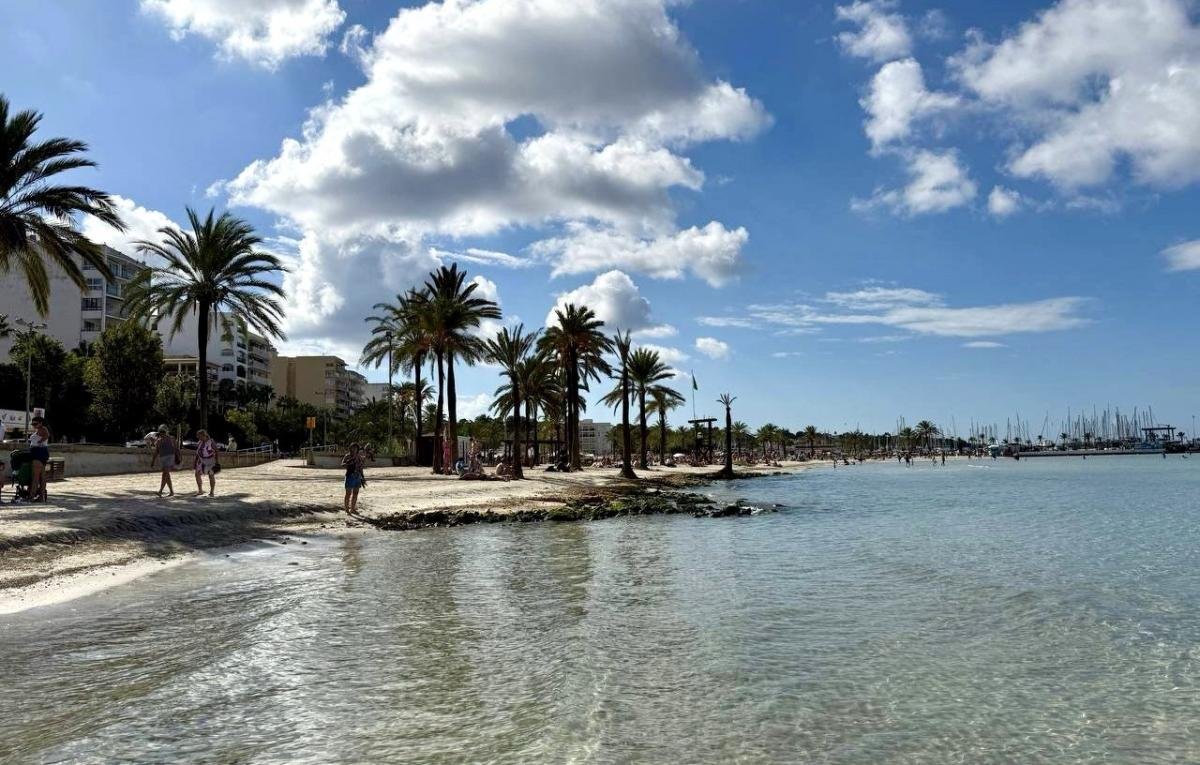
In her view, the only real change is that Mallorca has become a bit stricter about bad behaviour.
“If you respect the rules, you’ll get the usual warm welcome and a relaxing vacation,” says Oksana.
In short, Mallorca is well worth a visit. Choose the right season and behave well, and you can save money and enjoy a warm welcome from the locals.
For official island information, events and destination tips, see the Illes Balears tourism site for Mallorca.
Frequently asked questions
Best month to visit Mallorca?
Every season has its charm. April–May (and sometimes early June) bring mild air around +26–27°C and quieter beaches; May seas average about 20°C. Mid-October can still mean warm swimming (around 23°C water in our author’s trip) with short warm showers. Peak summer is hottest and busiest.
Palma vs the north?
Palma is the capital — Gothic cathedral, old-town lanes and leafy squares — ideal in April–May or October–November for walking. The northwest Serra de Tramuntana is a UNESCO mountain range for hiking (Camí de s’Arxiduc, GR-221) and quieter villages. Many trips mix a city base with days in the hills or on quieter coasts.
Do I need a car in Mallorca?
Not strictly for a resort-and-beach stay, but a car (or bringing one on the ferry from Barcelona) makes the Serra de Tramuntana, coves and lighthouse viewpoints far easier. Buses and taxis cover main towns; cash is useful for some rides even when cards are said to work.

Konstantin is an acclaimed travel writer, celebrated for transforming ordinary journeys into extraordinary narratives. With years of experience exploring diverse destinations across the globe, his work blends vivid storytelling, cultural insights, and practical advice to inspire wanderlust and guide readers toward unforgettable adventures.
As a key contributor to enjoythetrip.org website, Konstantin has built a loyal readership through their expertise in uncovering both iconic landmarks and off-the-beaten-path treasures. He specializes in providing travelers with honest, actionable tips, whether it’s finding the best resorts in Maldives, exploring cultural hubs like Paris, or diving into the natural wonders of Croatia.