
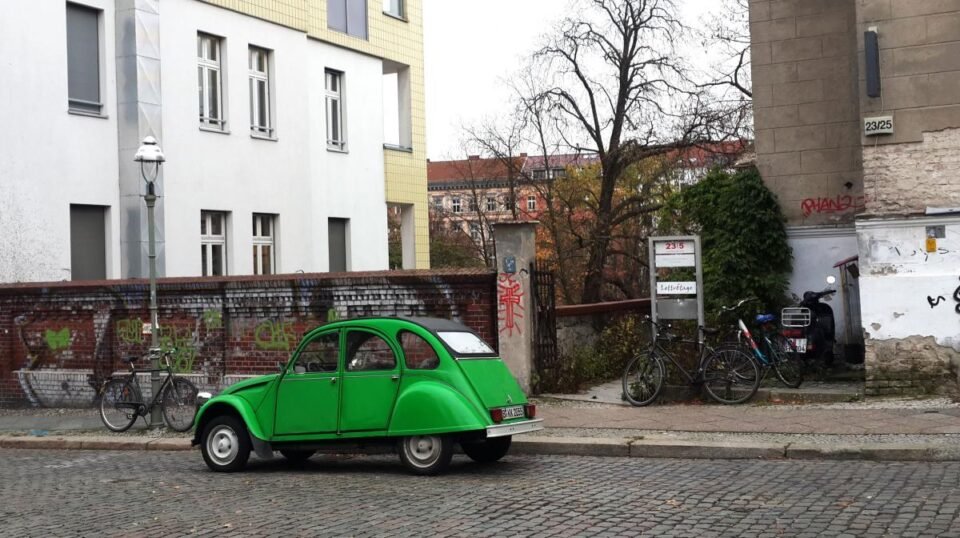
Germany can be depressing in winter – bare trees, constant fog, and short daylight hours. However, this season also offers many opportunities to get to know the local culture better. We will provide a few interesting ideas for what to do in the German capital, Berlin, during the cold season.
Berlin is one of those multifaceted European cities where every tourist can find something interesting for themselves. Here you’ll find pompous museums with rich collections, majestic palaces, noisy nightclubs, hipster neighborhoods, dark pages of history, and much more.
We have compiled several ideas for what to do in the German capital in winter.
Get to the fairs in time
Although Berlin’s Christmas markets may not be the most famous in the country, the city makes up for it with their quantity and duration. While in most German cities the festive markets close on the eve of Christmas, in the capital many of them continue to operate until December 31, and some even last until the beginning of January.
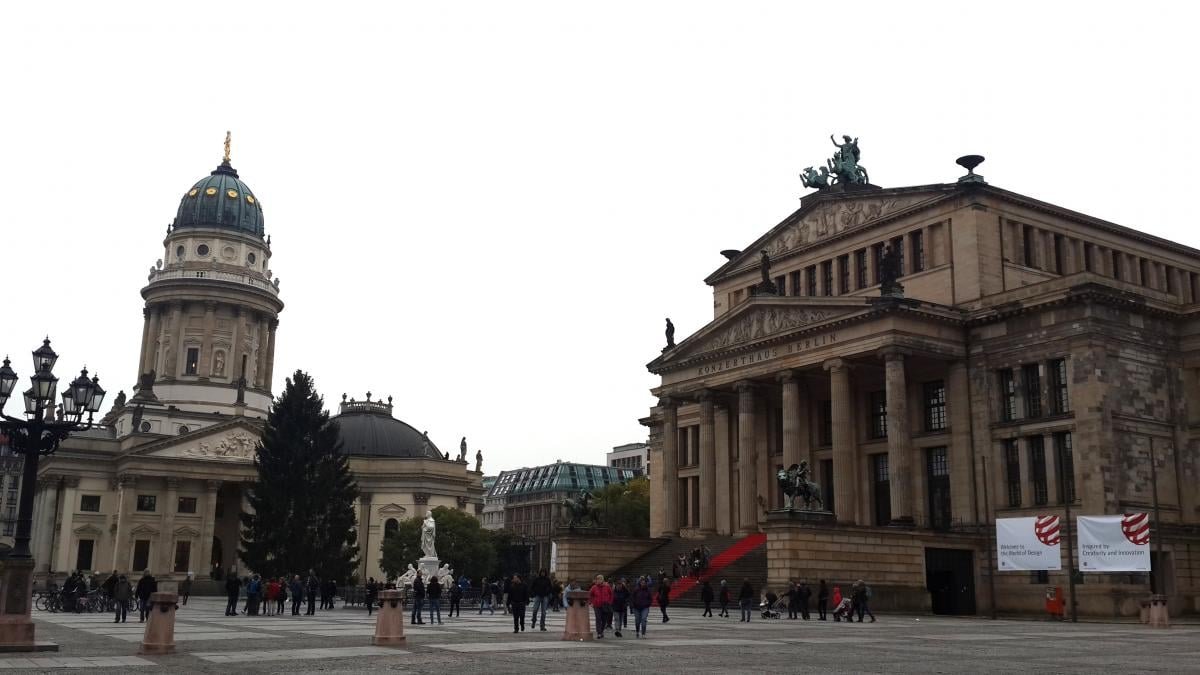
At the same time, Christmas markets are scattered throughout Berlin – from the central squares of Alexanderplatz, Gendarmenmarkt, and Potsdamer Platz to the majestic buildings of Charlottenburg Palace, Kaiser Wilhelm Church, and the Red Town Hall.
And that’s not even mentioning the overall festive atmosphere in the city — everything is decorated with bright lights and themed decorations, and there’s a huge number of events to suit every taste.
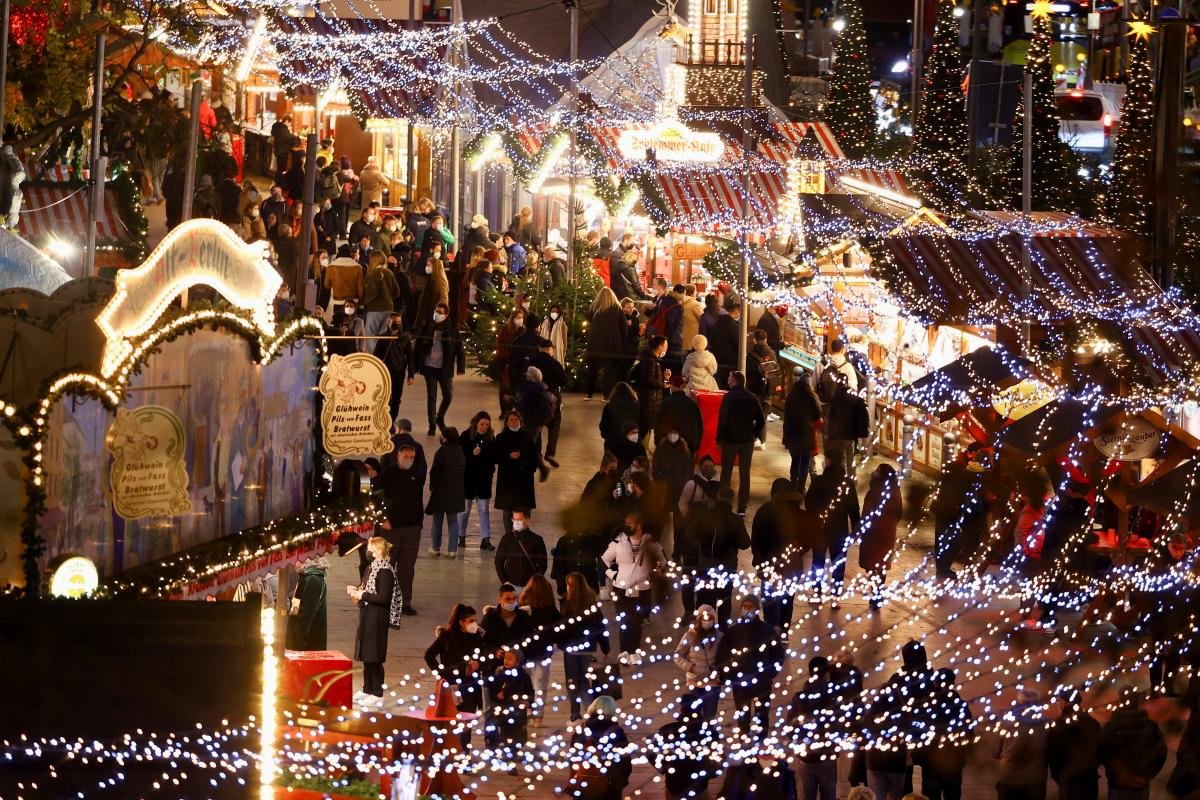
The only caveat is that you should be prepared for a large number of police near the Christmas markets: after the terrible terrorist attack in 2016 and against the backdrop of the growing Russian threat, the security situation in the city is serious.
Run through museums
The cold season is the perfect time to explore Berlin’s numerous museums in greater depth. Especially if you purchase one of the options for a tourist card.
Just take the famous Museum Island in the very heart of Germany’s capital — a complex of five museums (Pergamonmuseum, Alte Nationalgalerie, Altes Museum, Neues Museum, Bode‑Museum), each of which can keep you lost for several hours.
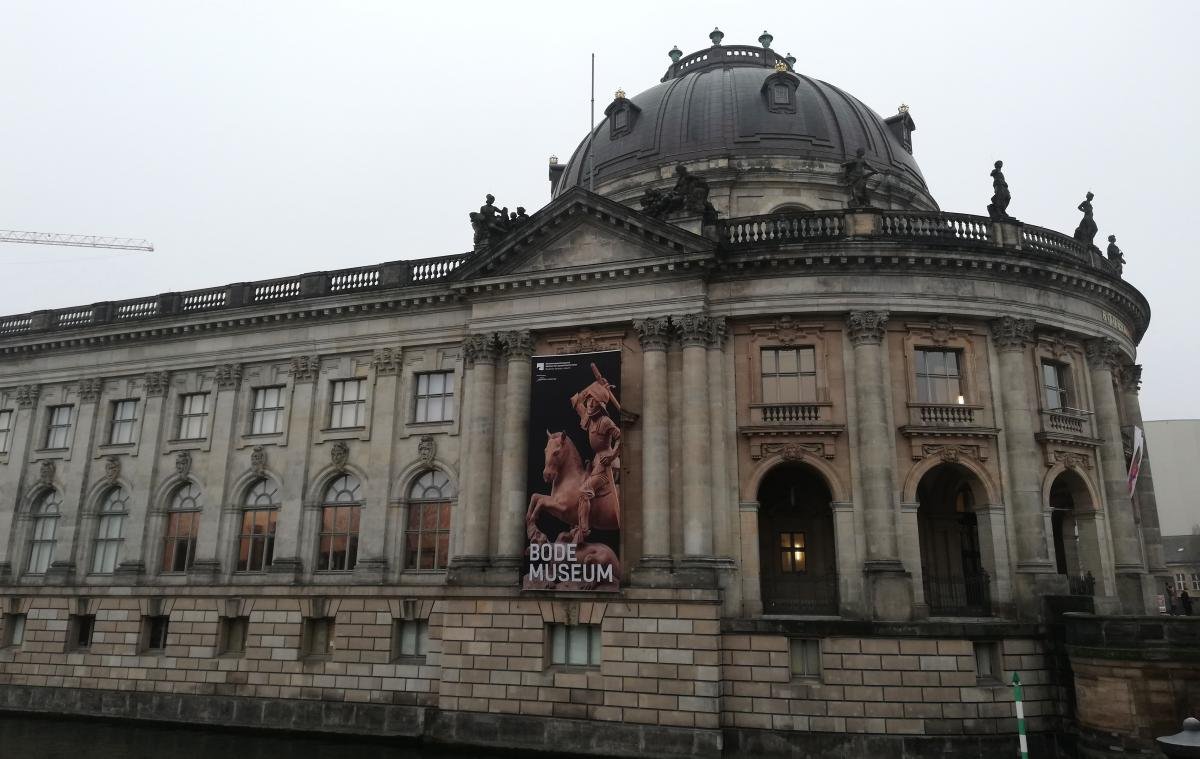
Among the most famous exhibits here are the Babylonian Ishtar Gate and the bust of the ancient Egyptian queen Nefertiti. However, the halls of the complex buildings themselves can safely be called museum exhibits.
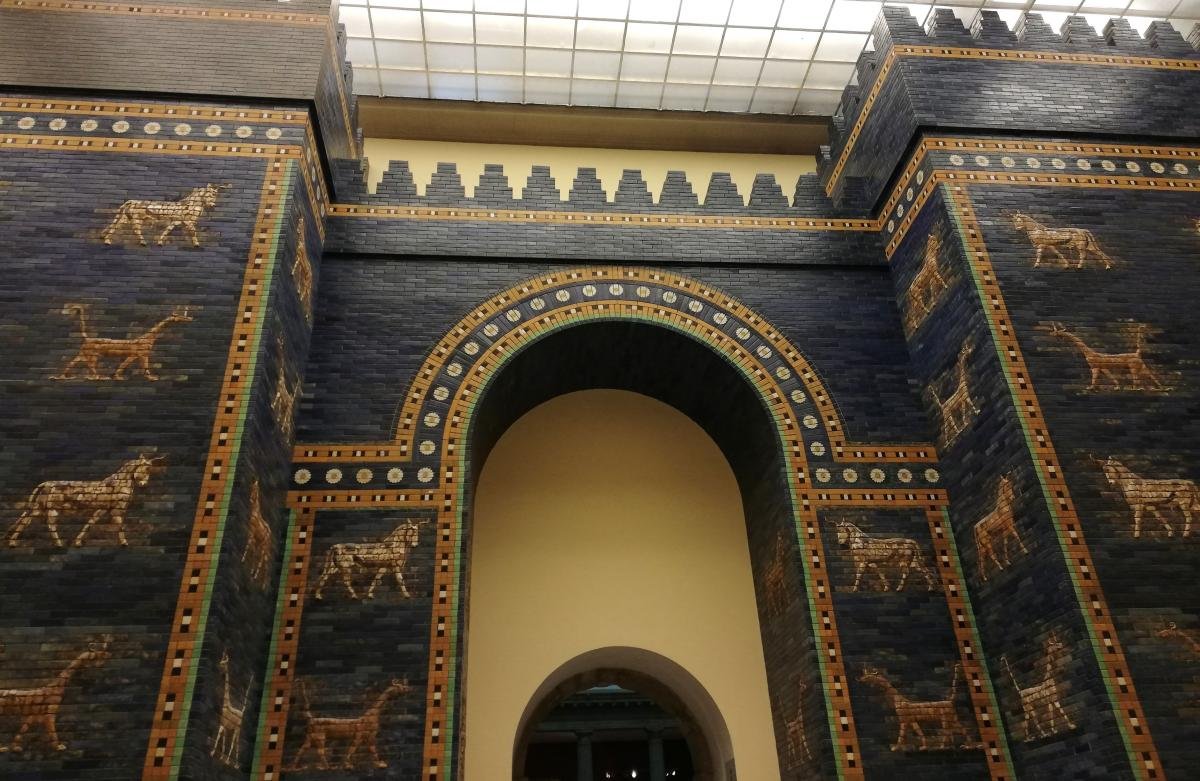
An абонемент to all these museums (or a broader option that also covers other tourist services in the city) gives tourists a unique opportunity to combine the pleasant with the useful – to immerse themselves in culture and warm up. After all, it’s very convenient to pop into the museums in between walks around the city, to wait out the rain or spend a little time in the warmth without extra expenses on cafes. Moreover, these museums have storage rooms where you can leave your belongings – tourists with bulky items and outerwear are not allowed into the halls themselves.
Plunge into the musical life
Berlin has repeatedly been recognized as the capital of the world’s musical and nightlife scene, and legends surround its famous dance clubs. It’s no wonder that the Berlin techno scene was added to the UNESCO World Heritage List a couple of years ago.

However, the great advantage of the German capital is that this city can cater to any musical taste – from nighttime raves at Berghain to atmospheric performances by local indie bands that are little‑known outside the country but are definitely worth paying attention to. And then there’s classical music, legendary German rap, and much more that can surprise you.
And that’s not even mentioning the year‑round influx of world‑class stars performing at Berlin’s largest arenas — after all, music tourism remains one of the most popular travel trends of our time.
Touch nature
Although in winter the streets of Berlin are mostly surrounded by bare trees and you have to move from place to place through puddles, the city has several true oases.
The first of these is Berlin’s botanical garden with its famous greenhouse. Tired of the overcast weather that drags on for several months, the townspeople spend hours there to be among the greenery and inhale fresh scents.
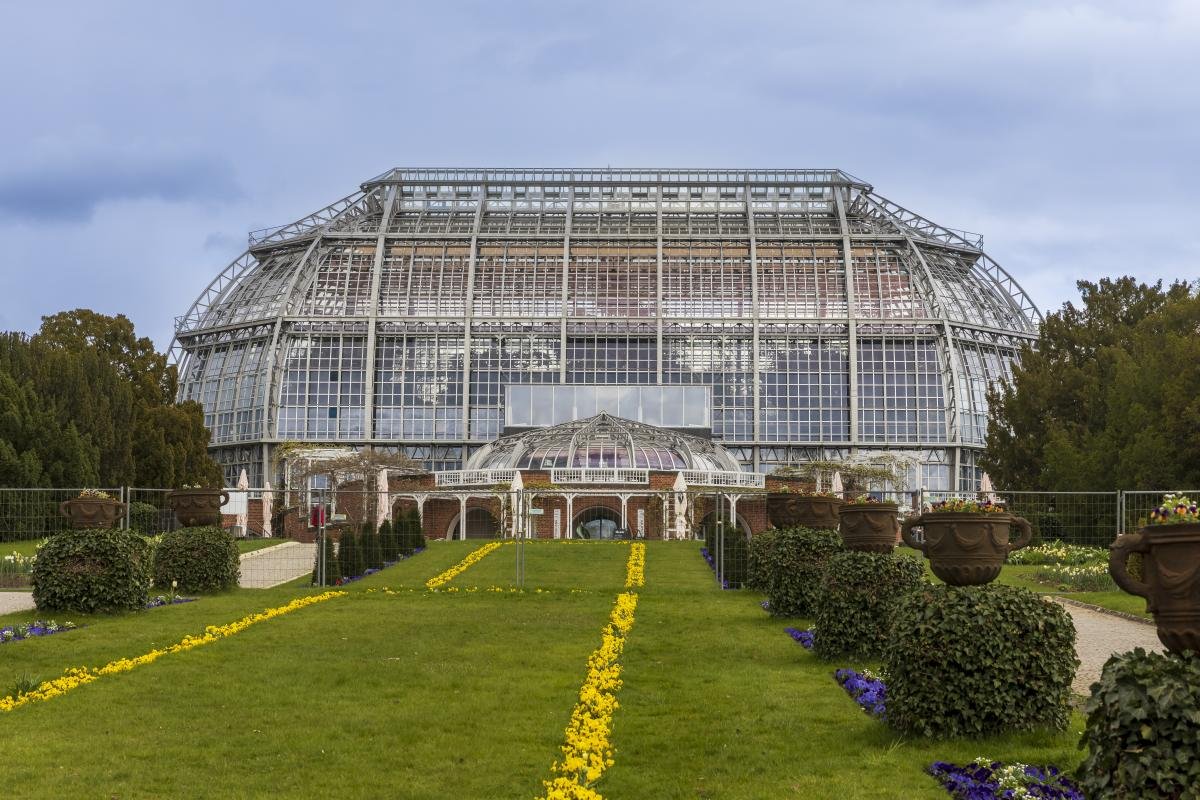
Overall, the Berlin Botanical Garden has several covered pavilions, in particular, a tropical one, one with cacti, and one with giant water lilies. There is also a botanical museum there.
Another option is to go to the Berlin Zoo. Yes, people enjoy visiting such places during the warmer months. But in the case of the Berlin Zoo, it’s very large and interesting in its own right, so it’s pleasant to stroll around there like in a park, admiring the sculptural compositions and the design of the pavilions.
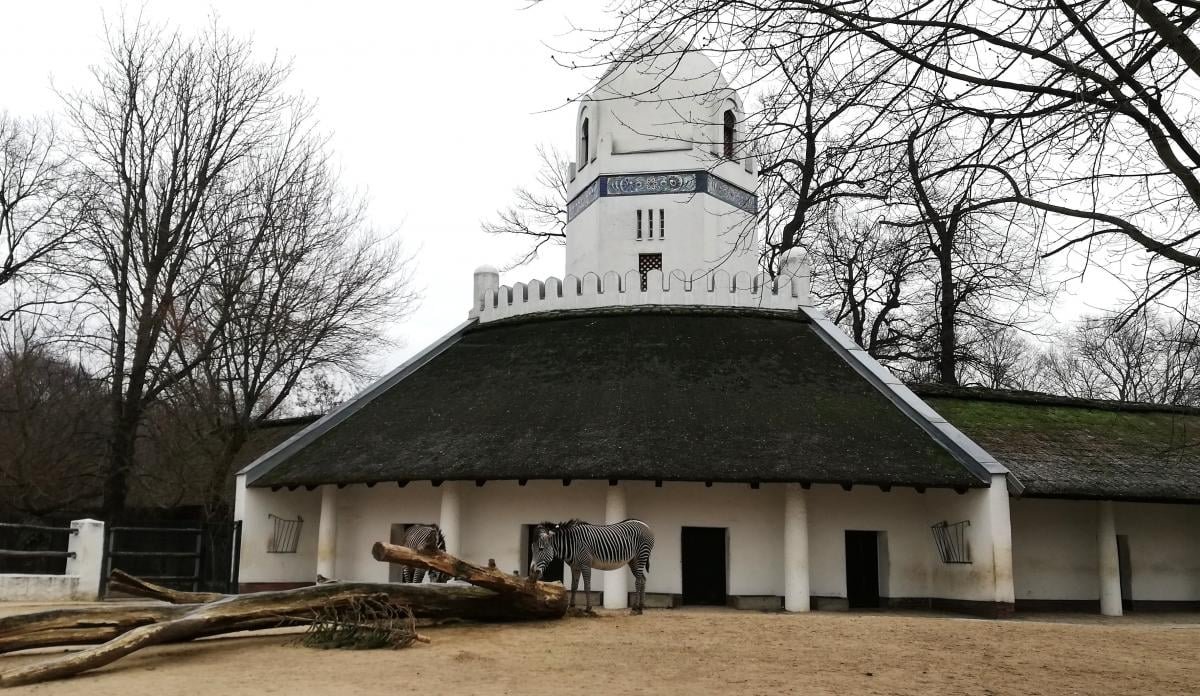
The zoo in the German capital also has very well‑designed enclosures for animals, as they are not moved to other premises for the winter; instead, they can freely move from the street to covered buildings throughout the year. Thus, even in winter, you can see many of the zoo’s inhabitants outdoors.
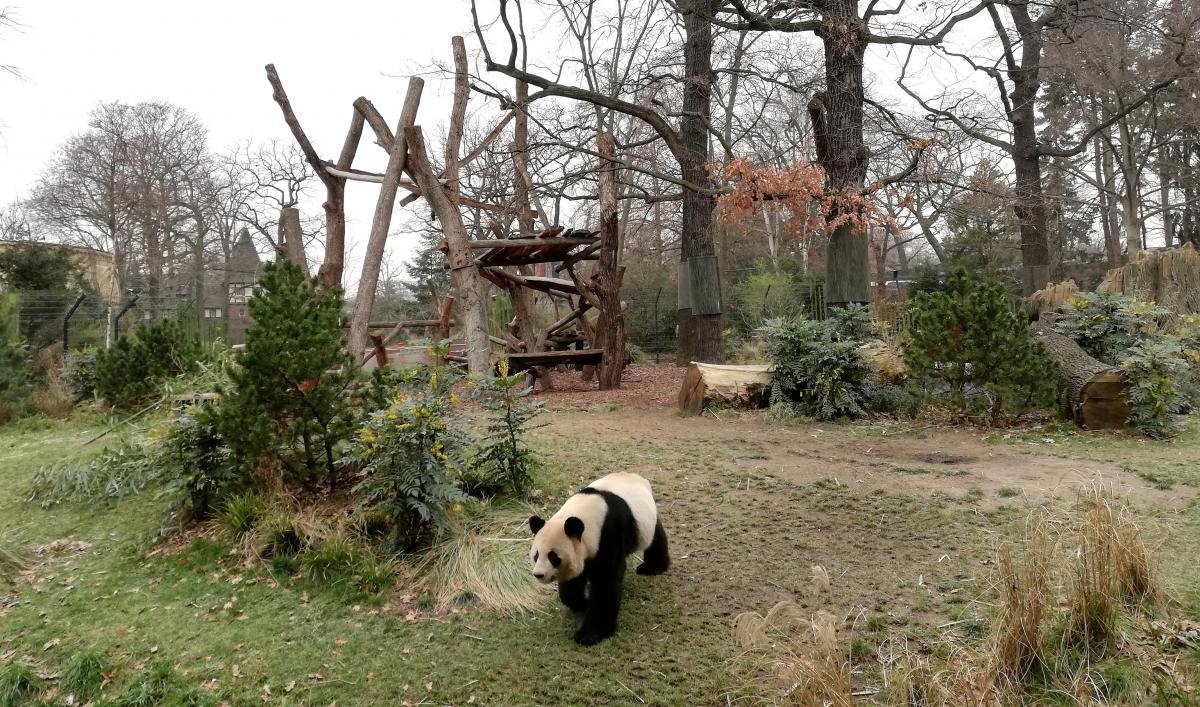
Moreover, on its territory there are several pavilions designed in the style of a tropical greenhouse, where exotic birds fly freely. It’s perfect for feeling warmth in the middle of winter.
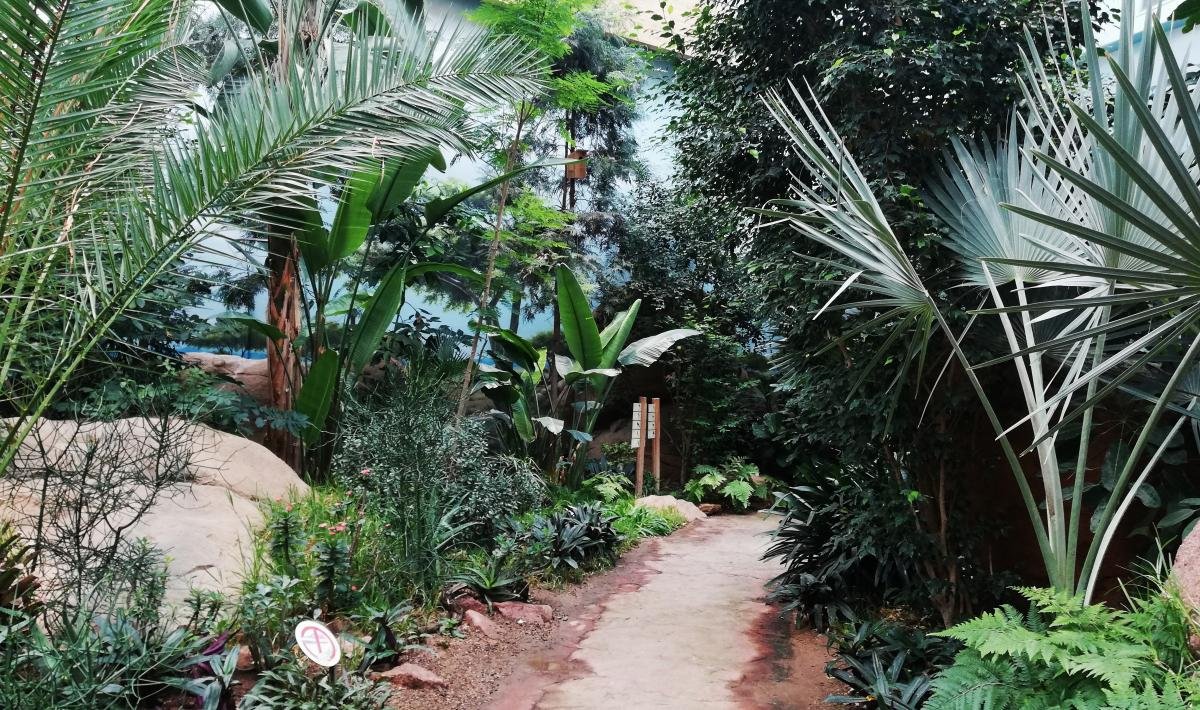
Overall, Berlin itself has many large parks that are true works of art, where it’s pleasant to take a walk even in the cold season — from the Tiergarten to Charlottenburg Park.
Dive into the story
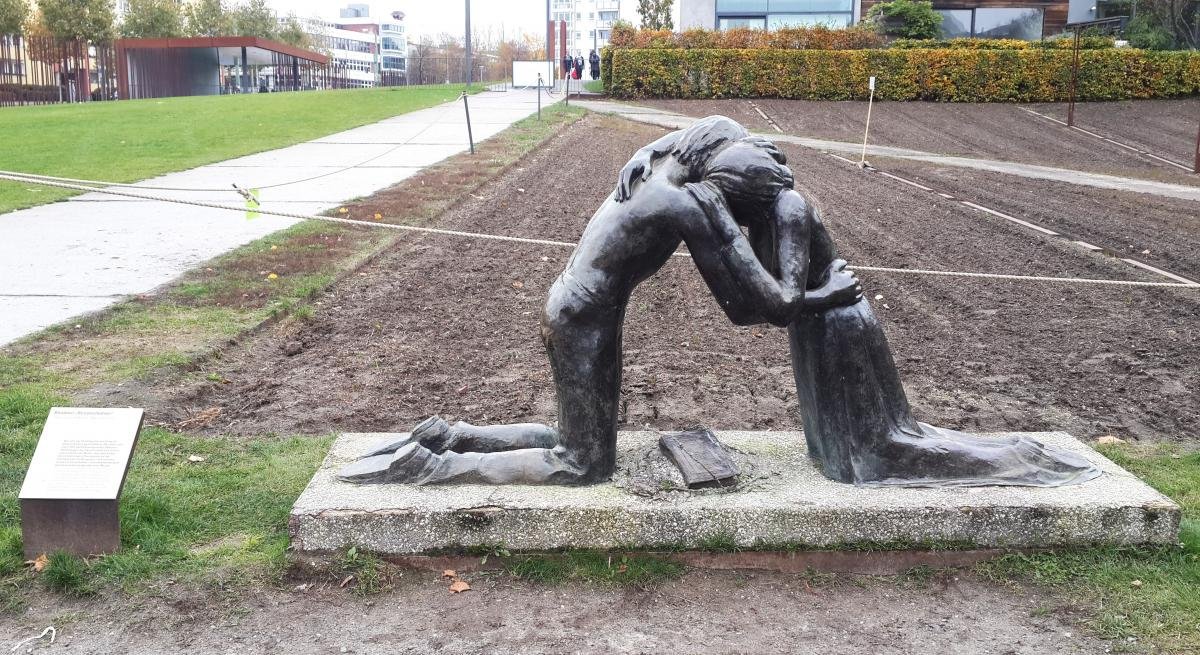
Berlin is a city of historical events. In particular, it was divided among various states for decades. Today, numerous historical monuments serve as reminders of this, and they are eagerly visited by tourists from all over the world.
We are talking about the complex of structures that make up the Berlin Wall. Many tourists mistakenly believe that by “the Wall” they mean only the wall covered in colorful graffiti (yes, that very drawing with the kiss between Gorbachev and Honecker). Usually, this section, which is more than 1 kilometer long and is called the East Side Gallery, is swarmed by crowds of tourists, each of whom wants to take a souvenir photo.
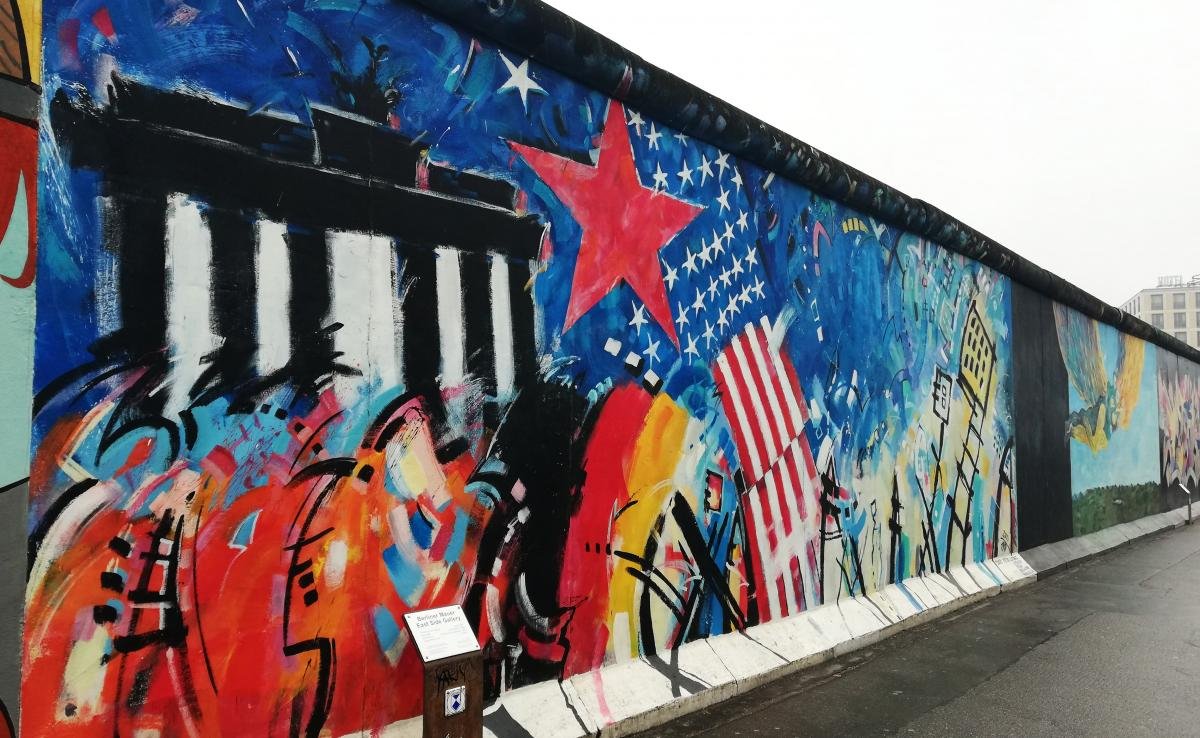
In fact, this concept is much deeper and broader. Overall, the Berlin Wall, which divided East and West Berlin, was more than 150 kilometers long, so its remains can be found in many parts of the city.
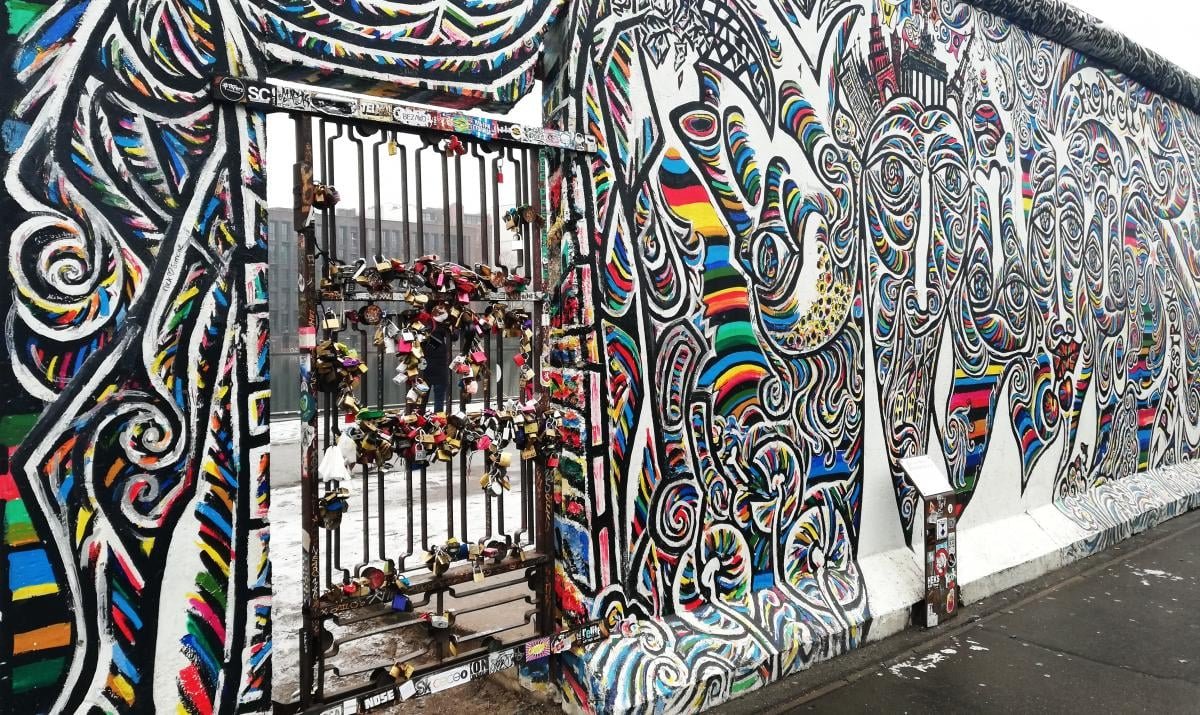
Over the nearly 30 years of its existence, a huge number of people tried to cross the artificially created border — mainly in an attempt to escape from the Soviet‑controlled GDR to free Europe. Some of these attempts were successful, while others were not: over the entire period, up to 200 people were killed by GDR guards while attempting to cross the wall.
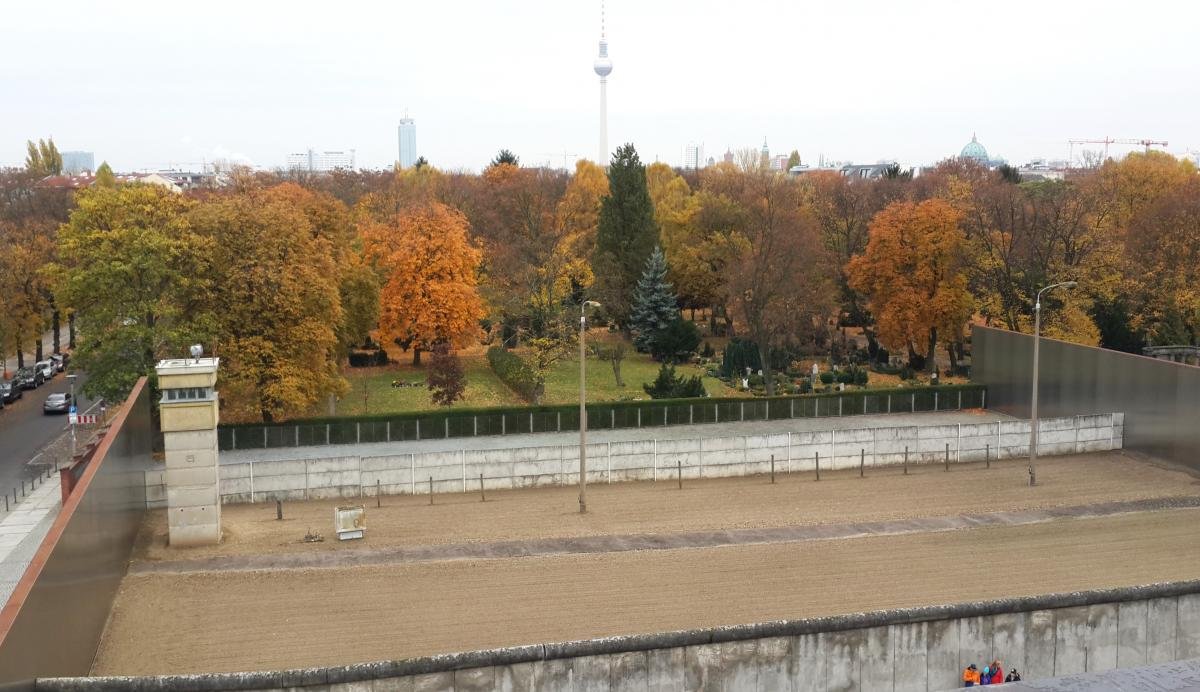
You can learn more about these sad pages of Berlin’s history near Checkpoint Charlie – one of the most famous border crossing points between East and West Berlin during the Cold War. Today, several memorial monuments dedicated to that period are located nearby, including the Topography of Terror, the Documentation Center, and other exhibition pavilions.
Finally find a proper coffee
Let’s be honest: Germany is clearly not the country that tourists associate with delicious coffee. Yes, the coffee in local bakeries is quite decent in taste, but it’s not anything outstanding — it meets basic needs, but doesn’t elevate them to the heavens.
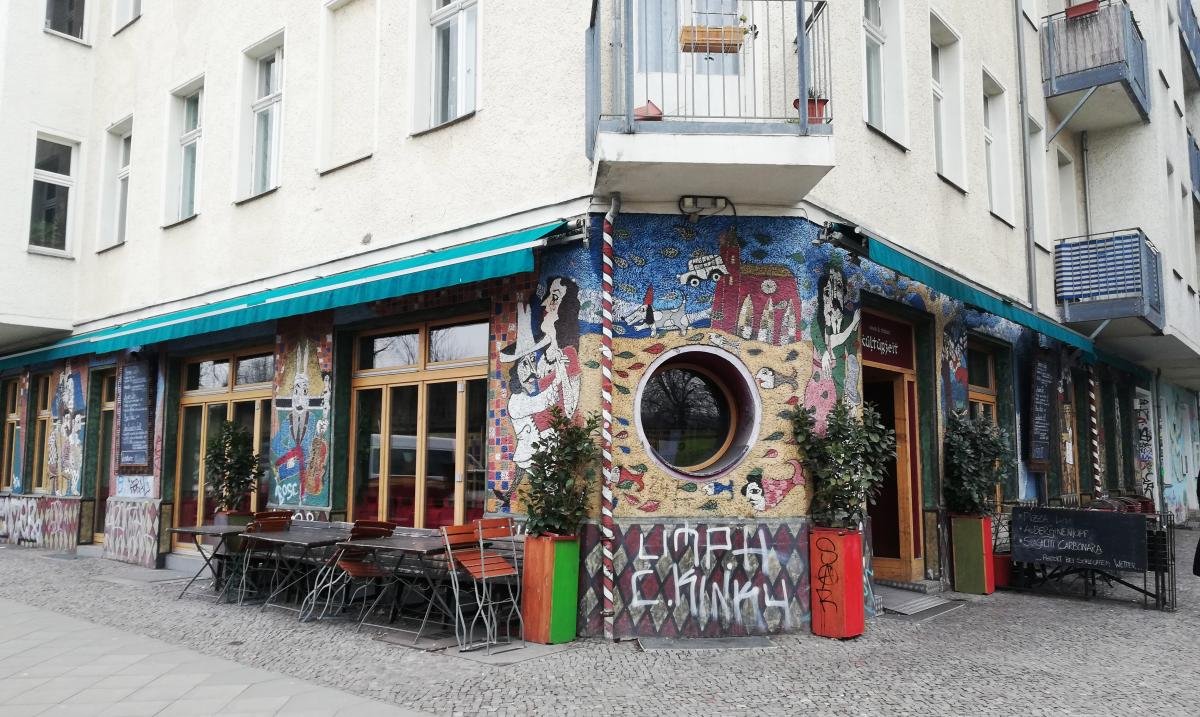
However, in the hipster districts of Berlin, Neukölln and Kreuzberg, you can easily find something akin to the third‑wave coffee shops that Ukrainians, who are spoiled in this regard, are used to — with premium coffee, interesting desserts, and trendy interiors.
Eat currywurst
And of course, we can’t forget the famous Berlin street food – it was in the German capital in 1949 that the famous dish was invented, which later became an important part of the country’s culture.
Currywurst is a fried sausage topped with a spicy sauce made from tomato paste/ketchup and curry powder, and it is served with French fries or bread.

Of course, in guidebooks you will definitely find advice to visit “that very spot” with authentic sausages, where gullible tourists stand in line for hours. However, in reality, you can find excellent examples in many other street stalls, but without having to wait for a long time in the cold.
If you get tired of the noisy German capital, you can always take a day or two trip to neighboring Potsdam – a once‑powerful Prussian city with its famous Sanssouci Park. Moreover, you can get there in just 40 minutes by city train. Read more about it in our separate article.

Konstantin is an acclaimed travel writer, celebrated for transforming ordinary journeys into extraordinary narratives. With years of experience exploring diverse destinations across the globe, his work blends vivid storytelling, cultural insights, and practical advice to inspire wanderlust and guide readers toward unforgettable adventures.
As a key contributor to enjoythetrip.org website, Konstantin has built a loyal readership through their expertise in uncovering both iconic landmarks and off-the-beaten-path treasures. He specializes in providing travelers with honest, actionable tips, whether it’s finding the best resorts in Maldives, exploring cultural hubs like Paris, or diving into the natural wonders of Croatia.