
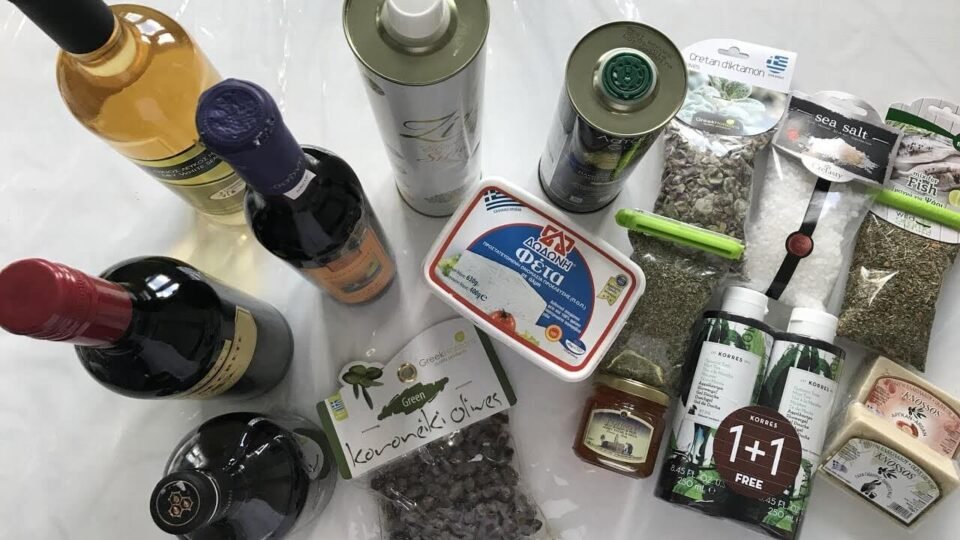
Wondering what to bring back from Greece? The best Greek souvenirs are extra virgin olive oil, Kalamata olives, thyme honey, local sweets, ouzo, Greek wine, olive oil soap, ceramics and handmade jewelry. Many are inexpensive, genuinely useful and easy to share with friends.
This guide covers 12 authentic Greek gift ideas, where to shop, what to pack in your suitcase and what to check before bringing food or alcohol home. Prices vary by season, shop and package size; compare labels and unit prices rather than relying on a fixed souvenir price.
Best Greek souvenirs at a glance
| Souvenir | Best for | Where to buy |
|---|---|---|
| Olives and olive oil | Food lovers | Supermarkets, producers |
| Honey, sweets and herbs | Affordable gifts | Markets, bakeries |
| Cheese | Cooking enthusiasts | Delicatessens |
| Ouzo and wine | Adults who enjoy local drinks | Wine shops |
| Soap and cosmetics | Lightweight gifts | Pharmacies |
| Jewelry and ceramics | Keepsakes | Craft studios |
| Icons | Religious gifts | Monastery shops |
1. Greek olives
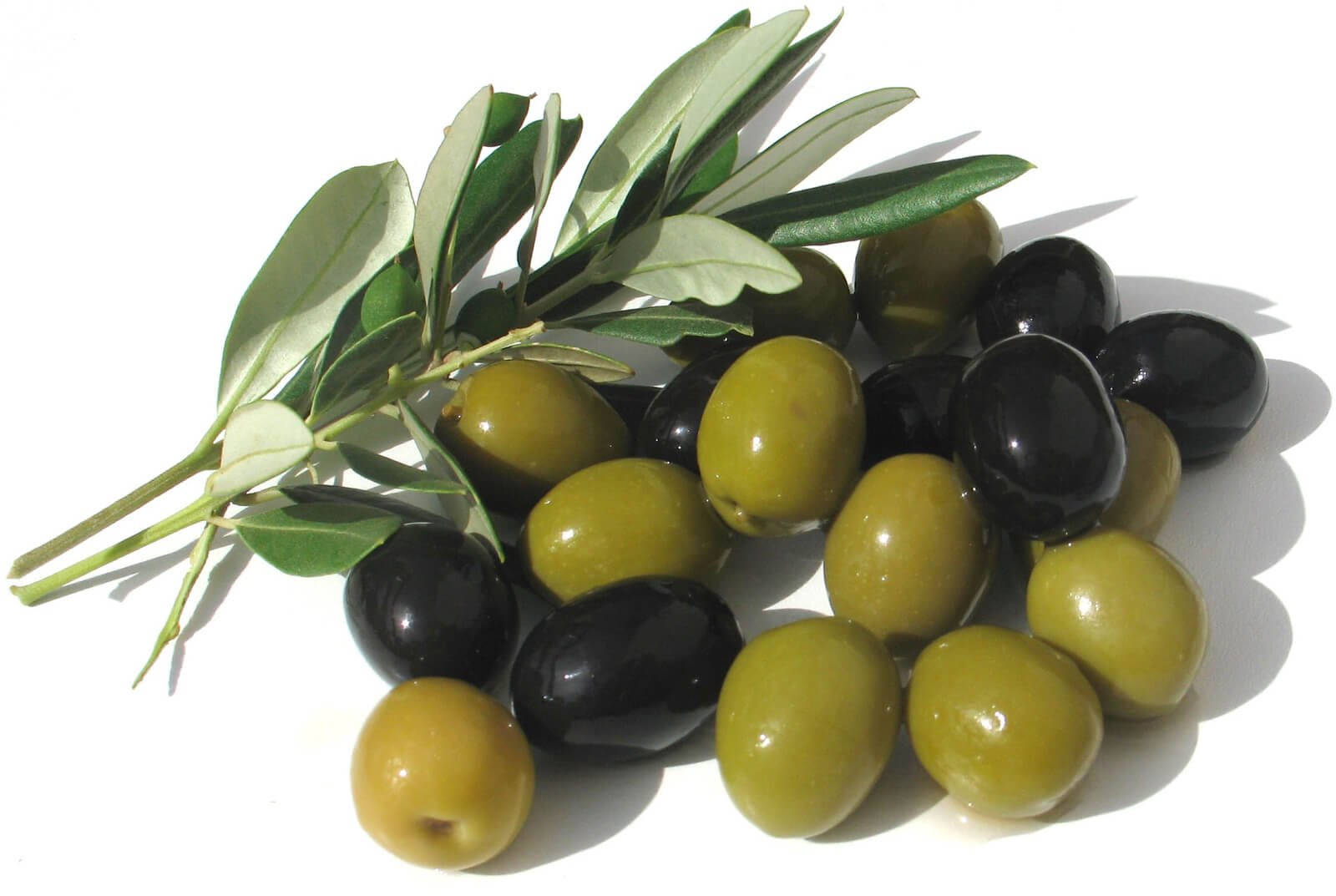
Kalamata (Kalamon) olives are usually dark, almond-shaped and rich in flavor. Chalkidiki olives are larger and often green, while Konservolia olives come in several stages of ripeness. Choose a sealed vacuum pack or jar with the variety and origin clearly stated.
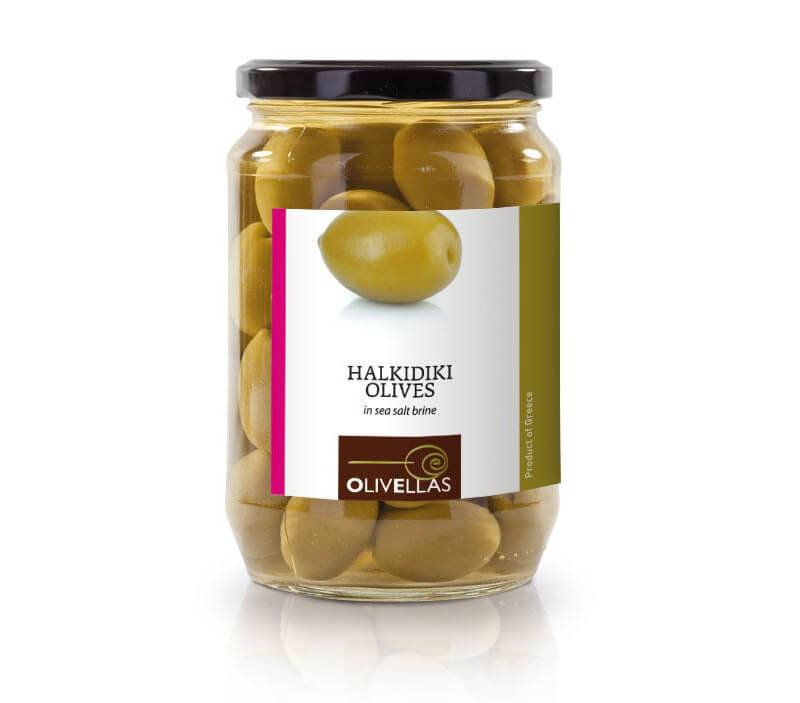
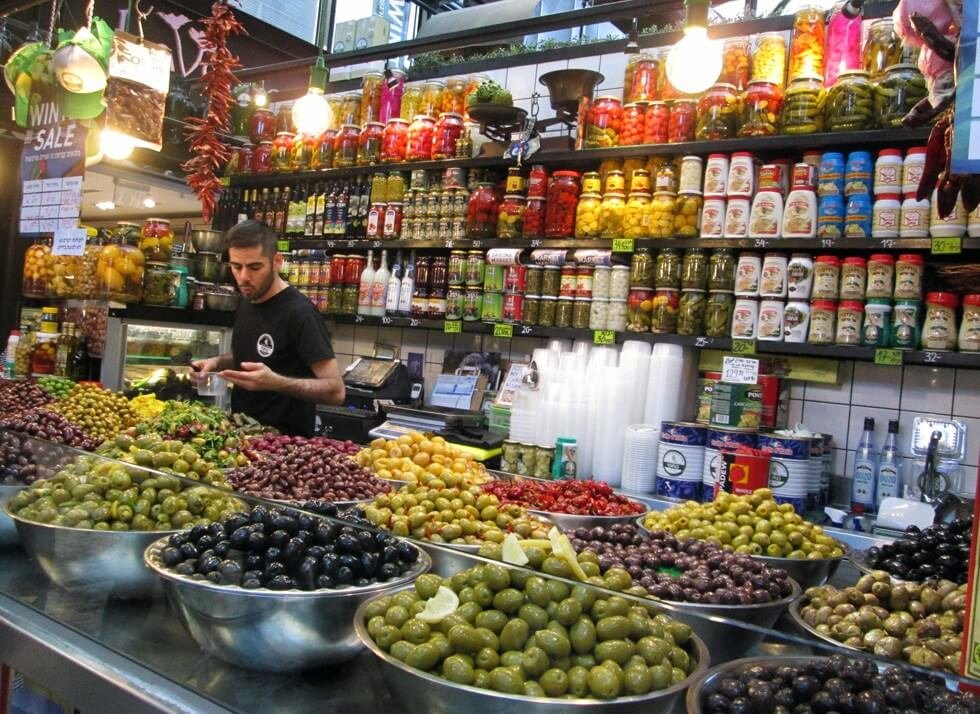
At a market, ask to taste olives before buying. Color alone does not establish quality or whether an olive has been treated. For travel, factory-sealed packs are easier to handle than loose olives in brine.
2. Extra virgin olive oil
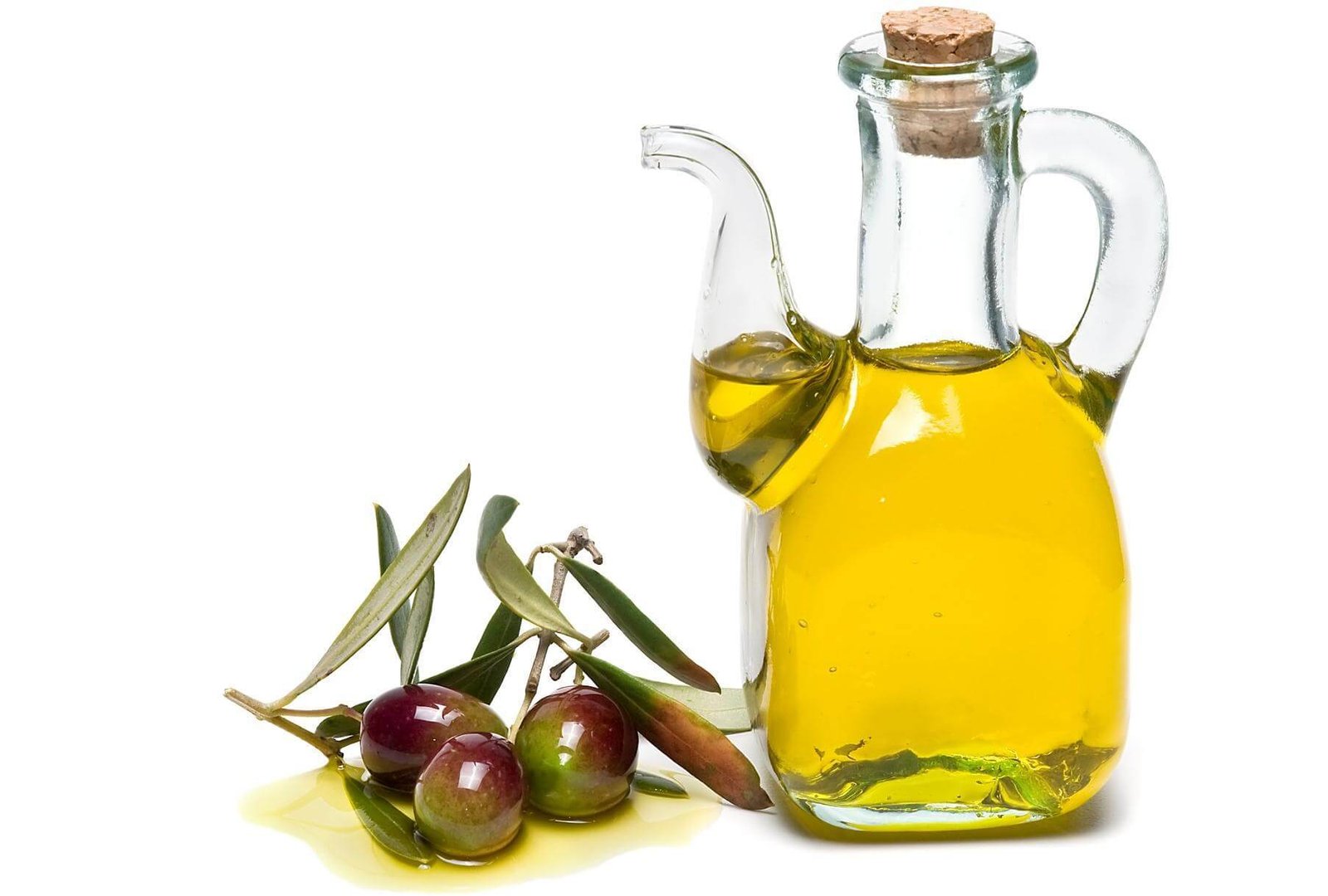
Extra virgin olive oil is a classic Greek gift. Look for the harvest date, producer, region and an intact seal. Crete, the Peloponnese and Lesvos are well-known producing regions. Extra virgin oil has free acidity no higher than 0.8%; this is not the only measure of quality.
A small dark-glass bottle or tin is easier to pack than a large container. Buy from supermarkets or local producers and compare prices per litre. Larger bottles belong in checked baggage.
3. Greek cheeses
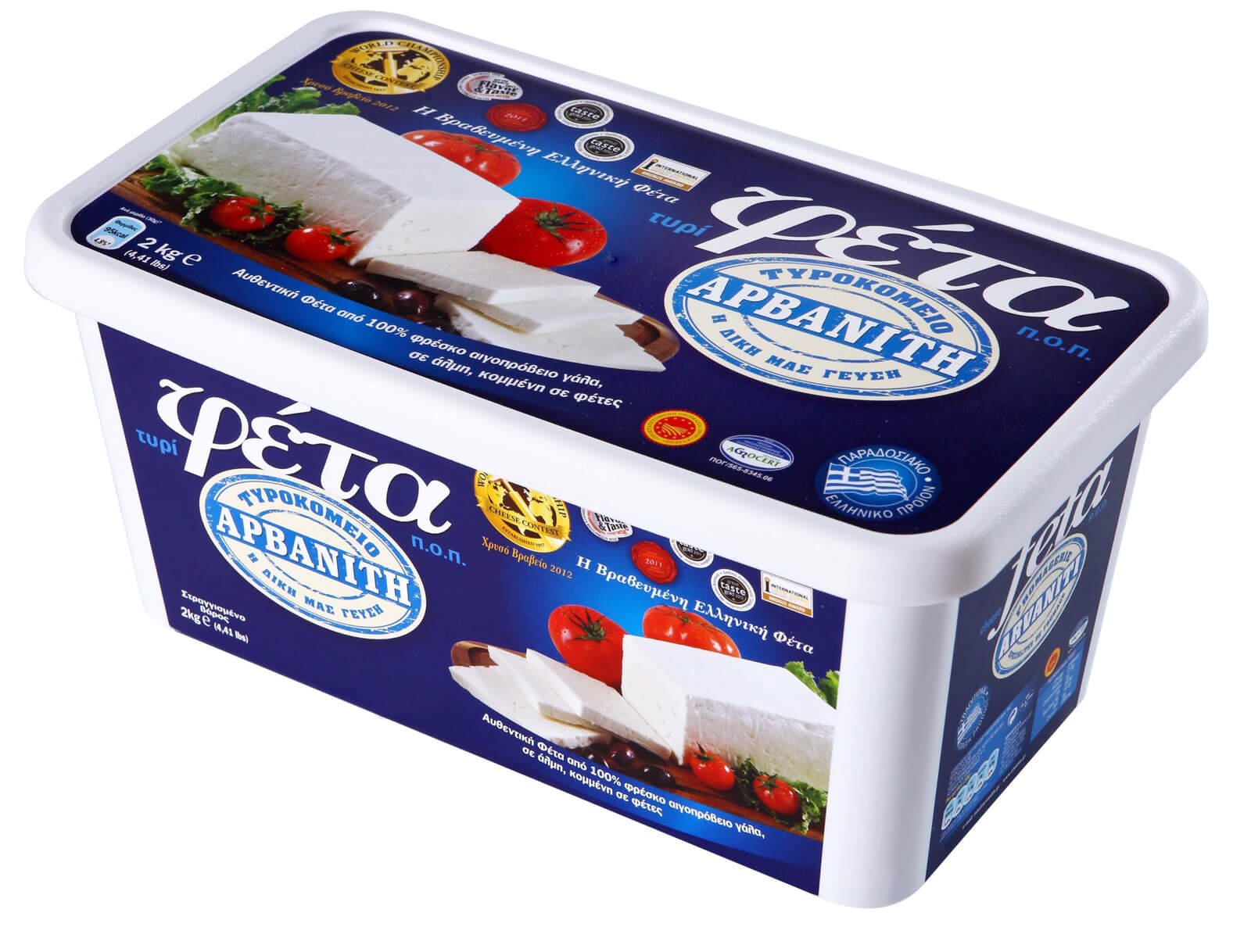
Feta PDO is made in Greece from sheep’s milk or a mixture of sheep’s and goat’s milk. Graviera has a firm texture and a nutty, often slightly sweet flavor; kefalotyri is saltier and excellent for grating. Choose sealed packaging and follow the storage instructions. Check your destination’s dairy import rules before purchasing.
4. Greek honey

Thyme honey has a distinctive floral aroma; pine honey is darker and less sweet, while wildflower honey varies with the season. Look for honey from a named producer on Crete, Rhodes or Thassos. On Rhodes, the Honey Museum in Pastida is a useful stop for learning about local beekeeping.
5. Greek sweets and snacks
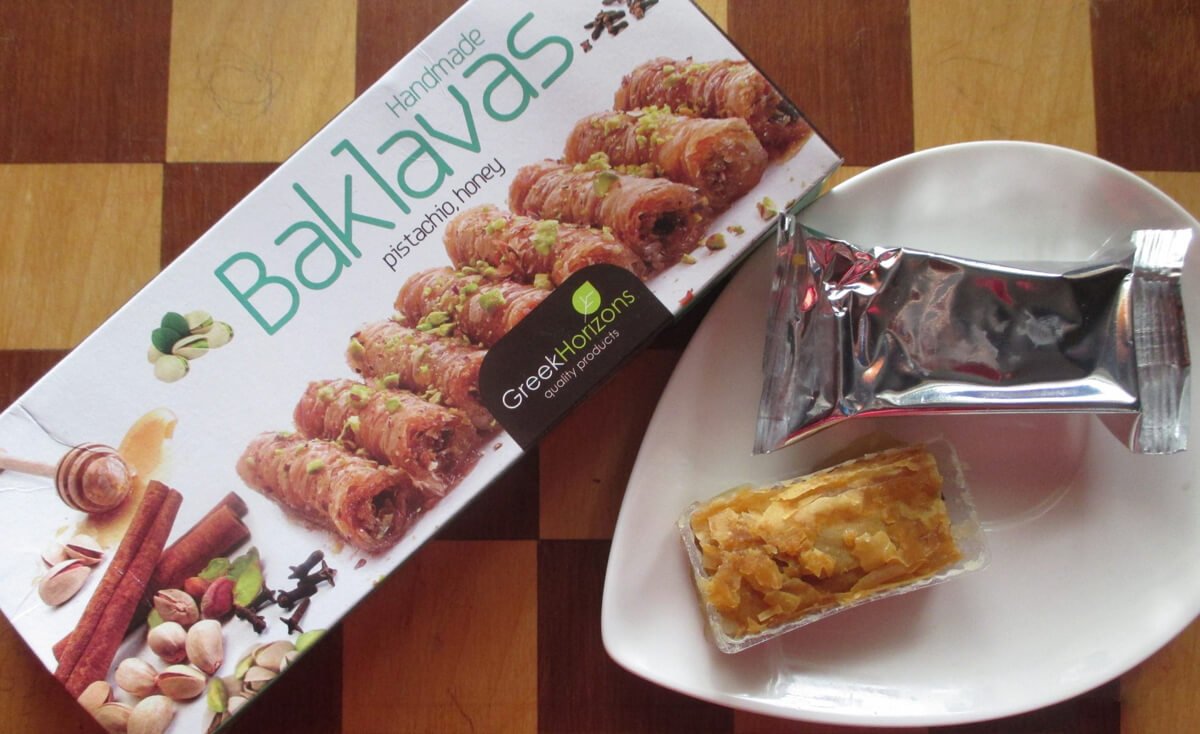
Baklava, loukoumi, sesame-and-honey pasteli and pistachio sweets are easy gifts to share. Choose a sealed box of sweets with a clear shelf life. Pasteli is particularly convenient for carry-on luggage if permitted at your destination.

6. Ouzo, tsipouro and rakomelo
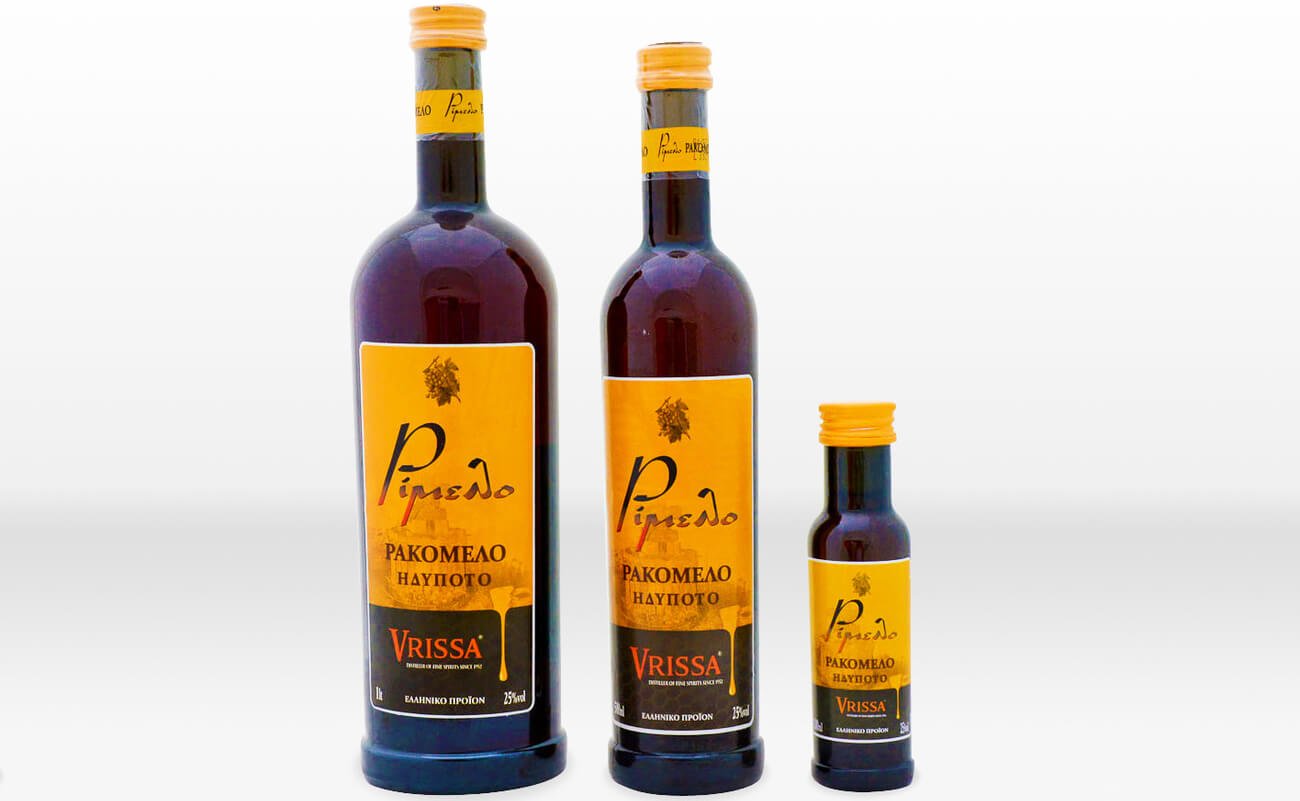
Ouzo is an anise-flavored spirit traditionally served with water and meze. Tsipouro and Cretan tsikoudia are grape-based spirits; rakomelo combines a spirit with honey and spices. Metaxa is another distinctive Greek drink. Small sealed bottles make attractive gifts, but even miniatures must comply with cabin liquid rules and destination alcohol limits.
7. Greek wine
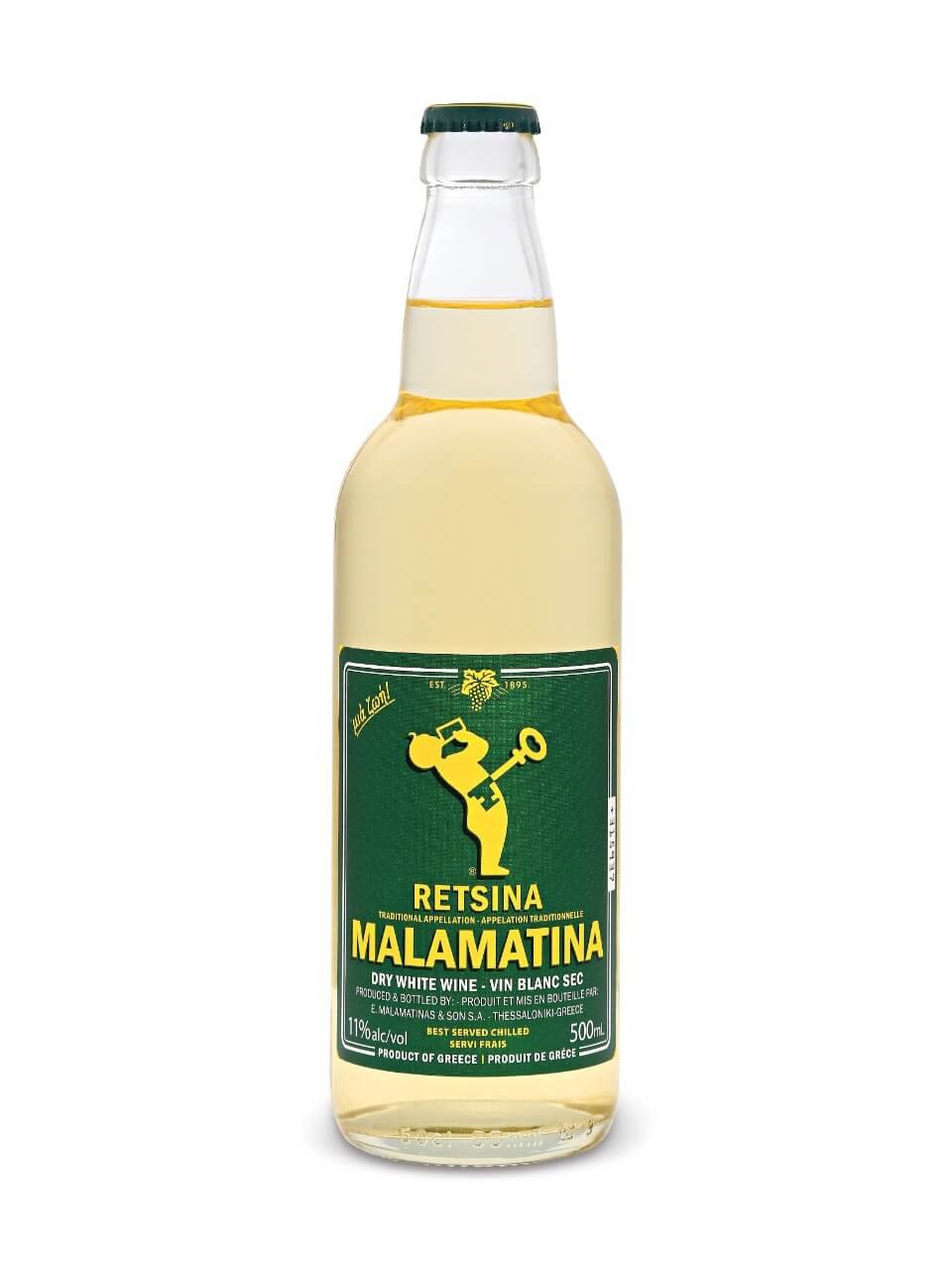
For a wine lover, consider Assyrtiko from Santorini, Agiorgitiko from Nemea, Xinomavro from northern Greece or traditional resin-flavored retsina. A specialist wine shop (kava) can help you choose a bottle for your budget and explain the region and vintage.
8. Greek herbs, spices and mountain tea
Dried oregano, mountain tea (sideritis), saffron from Kozani and herb blends for Greek salads are lightweight, fragrant gifts. Buy sealed packets with an ingredient list and check your destination’s rules on plant products. Greek coffee is another practical alternative.
9. Handmade Greek jewelry

Look for silver earrings, olive-leaf pendants, minimalist gold designs and the traditional mati (evil-eye) charm. Ask whether a piece was made locally, check the metal hallmark and keep the receipt. Small workshops in Athens and island towns offer more individual designs than mass-produced souvenirs.
10. Olive oil soap and Greek cosmetics
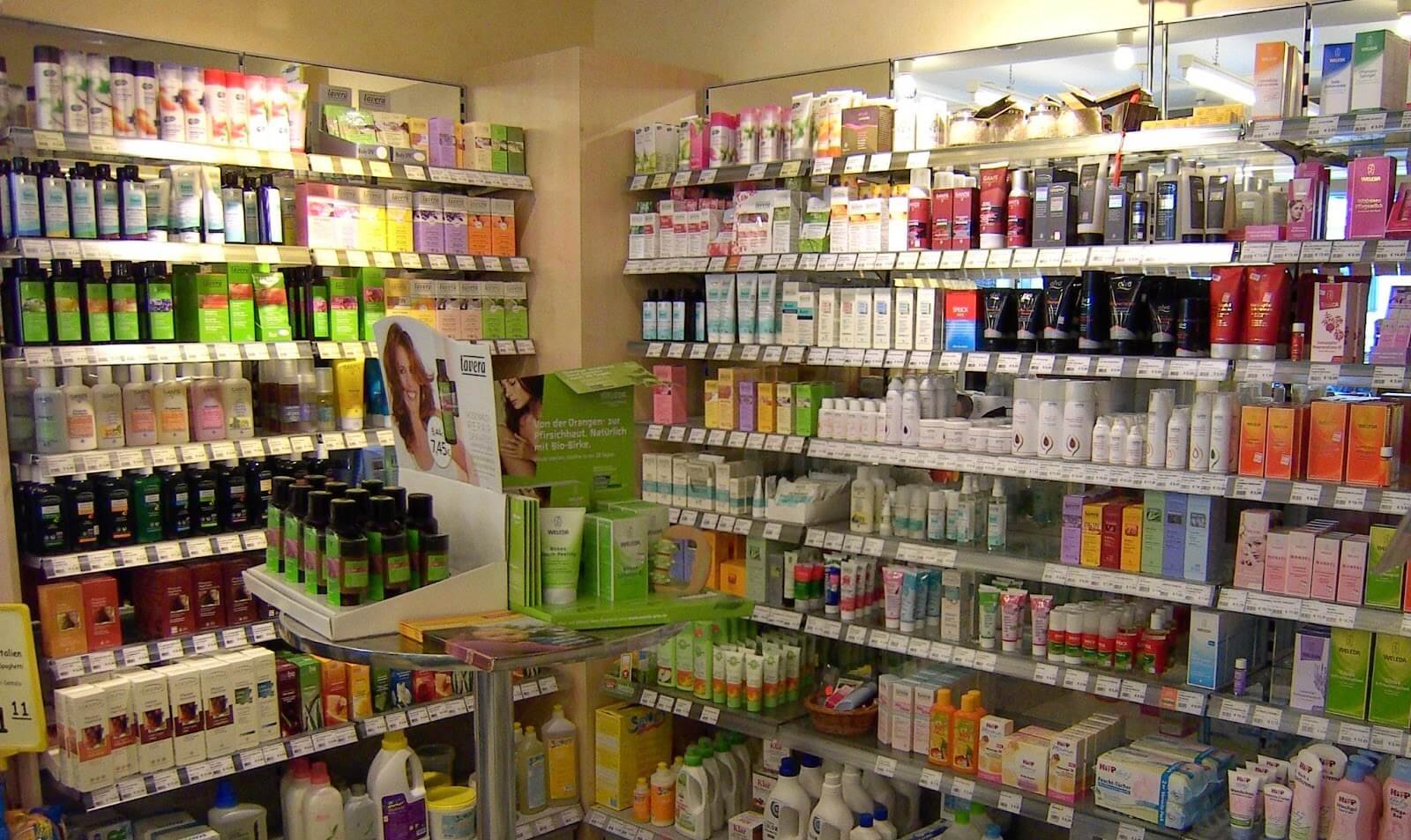
Solid olive oil soap is an easy, compact gift. Greek brands such as Korres, Apivita and Bioselect make soaps, hand creams and skincare products. Pharmacies and specialist shops are good places to compare ingredients, sizes and prices.
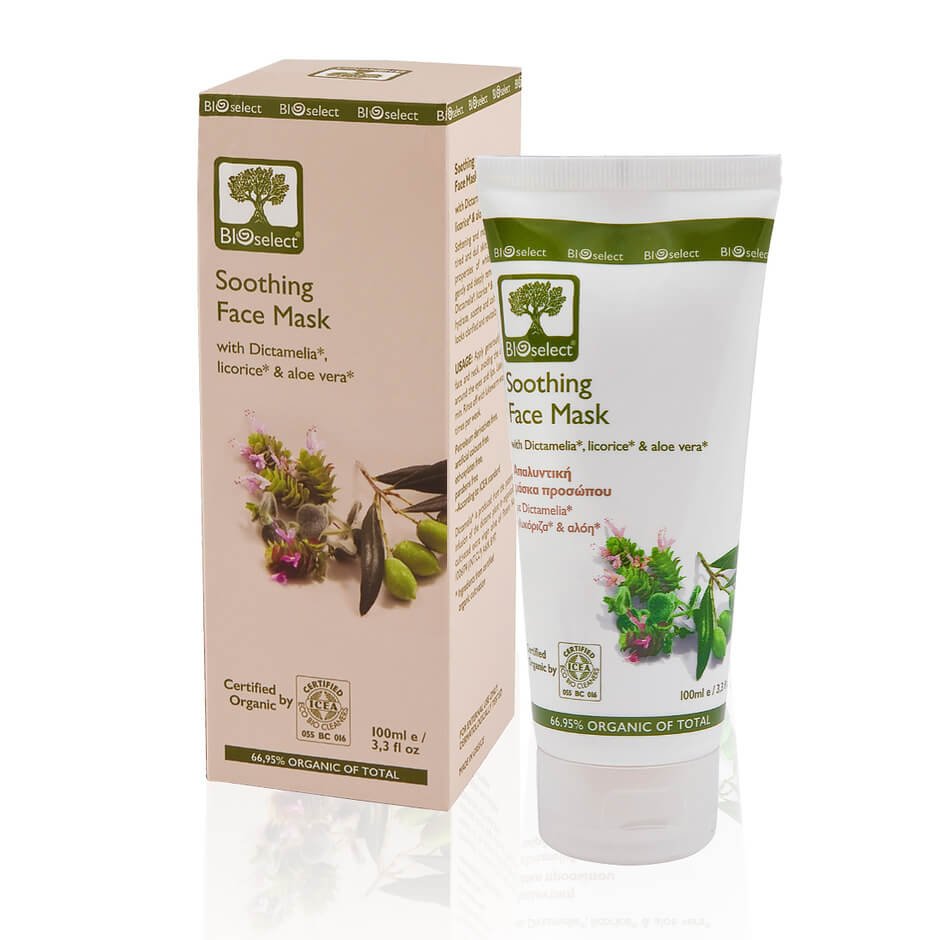
Do not assume that natural cosmetics are free of allergens or synthetic ingredients. Check the label, especially when buying for someone with sensitive skin. Creams and gels count as liquids at airport security.
11. Ceramics, magnets and artisan souvenirs

A hand-painted ceramic bowl, small plate or mug makes a lasting reminder of Greece. Browse Plaka and Monastiraki in Athens, pottery workshops on Crete or local craft shops on the islands. Ask whether the item is handmade and food-safe if you intend to use it for meals.
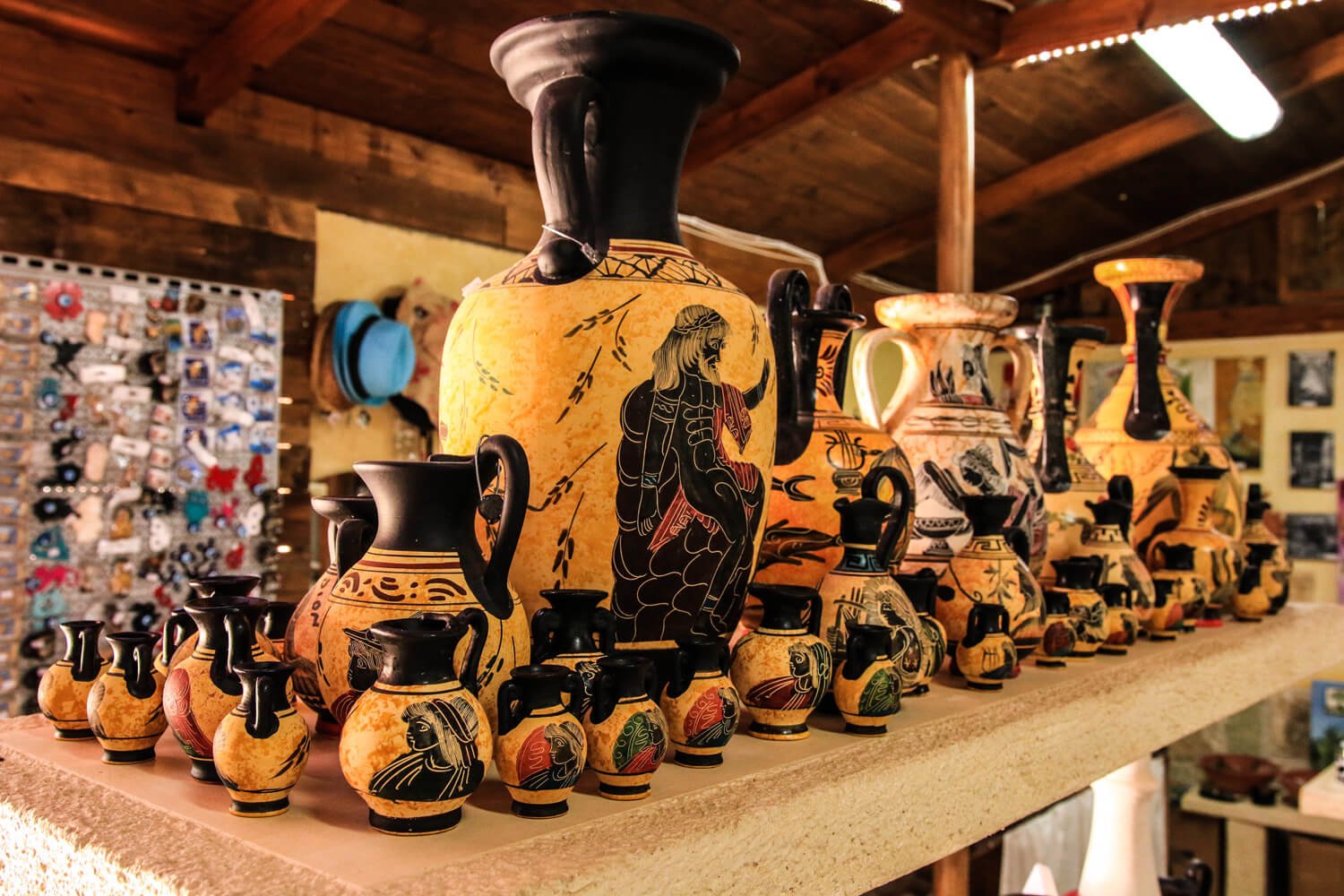
Modern reproductions of amphorae can make lovely decorations. Keep the receipt and documentation for replicas; never remove archaeological objects or buy items of uncertain provenance.
12. Byzantine-style icons
Religious icons, including small wooden reproductions and hand-painted works, are traditional gifts from church and monastery shops. Choose a clearly modern work, ask about its origin and keep proof of purchase. Genuine antiquities may require official export permission.
Where to buy souvenirs in Greece
Athens: browse Plaka, Monastiraki and the central market for crafts, packaged foods and spices. Greek islands: look for regional products directly from farmers, beekeepers, wineries and craft workshops. Supermarkets: usually a practical choice for sealed olives, olive oil, sweets and local drinks. Compare the price per kilogram or litre for the best value.
What to bring back from Greece on a budget
For a small budget, choose packaged mountain tea, oregano, a bar of olive oil soap, a magnet or a small box of pasteli. A bottle of local oil or a jar of honey is ideal when you have more room in your suitcase. Handmade ceramics, silver jewelry and quality wines are good choices when you want something special.
Packing Greek souvenirs and customs rules
Pack oil, honey, wine and other liquids in leak-resistant bags inside checked luggage. Wrap glass and ceramics in clothing, keep jars upright when possible, and leave enough space for weight limits. For flights departing the EU, the standard cabin rule is containers of up to 100 ml in a transparent one-litre bag; see the official EU luggage guidance. Sealed duty-free purchases have separate conditions.
Within the EU, dairy products for personal consumption are generally permitted subject to temporary restrictions. If travelling outside the EU, check the rules of the destination country for cheese, honey, plants and alcohol before buying. See the EU food travel guidance and your destination customs authority. Avoid animal products made from protected species and antiques without appropriate documentation.
Frequently asked questions about Greek souvenirs
What is the most popular souvenir from Greece?
Extra virgin olive oil is one of the most practical choices. Olives, thyme honey, ouzo, ceramics and evil-eye charms are also popular.
What can I bring back from Greece in hand luggage?
Solid souvenirs such as soap, jewelry, magnets and dry packaged sweets are usually easy to carry. Liquids, creams, honey and brined foods may be subject to security restrictions, and food import rules still apply.
Are Greek souvenirs cheaper at markets or duty-free?
Supermarkets and local markets often offer more choice and better unit-price comparisons. Duty-free can be convenient for packaged liquids after security, but is not automatically cheaper.
What is a unique gift from Greece?
Choose a handmade ceramic, regional thyme honey, a bottle of Assyrtiko, Cretan herbs or a piece of locally crafted silver jewelry.

Konstantin is an acclaimed travel writer, celebrated for transforming ordinary journeys into extraordinary narratives. With years of experience exploring diverse destinations across the globe, his work blends vivid storytelling, cultural insights, and practical advice to inspire wanderlust and guide readers toward unforgettable adventures.
As a key contributor to enjoythetrip.org website, Konstantin has built a loyal readership through their expertise in uncovering both iconic landmarks and off-the-beaten-path treasures. He specializes in providing travelers with honest, actionable tips, whether it’s finding the best resorts in Maldives, exploring cultural hubs like Paris, or diving into the natural wonders of Croatia.