
Wondering what to bring back from Tanzania and Zanzibar? The best Tanzania souvenirs capture the country’s flavours, crafts and cultural traditions. Zanzibar spices, locally roasted coffee, tanzanite, colourful textiles and handmade beadwork make memorable gifts for friends and family.
Quick list: what to buy and where
Short on time? Here are some of the best Tanzania souvenirs and where to find them:
- Spices — Stone Town markets and spice shops in Zanzibar.
- Coffee — shops and markets in Arusha and larger towns.
- Tanzanite jewellery — buy only from certified dealers and keep the certificate.
- Khanga and kitenge fabrics — local markets.
- Wood carvings and Maasai beadwork — curio markets in Arusha and tourist areas.
- Woven baskets and painted plates — Stone Town craft shops.
Each country has its own unique features that make it a memorable destination for travelers. These diverse experiences help tourists decide what to bring back from Tanzania as gifts for their families and friends. So, what should you consider when choosing a gift?
10 best souvenirs from Tanzania and Zanzibar
1. Zanzibar spices
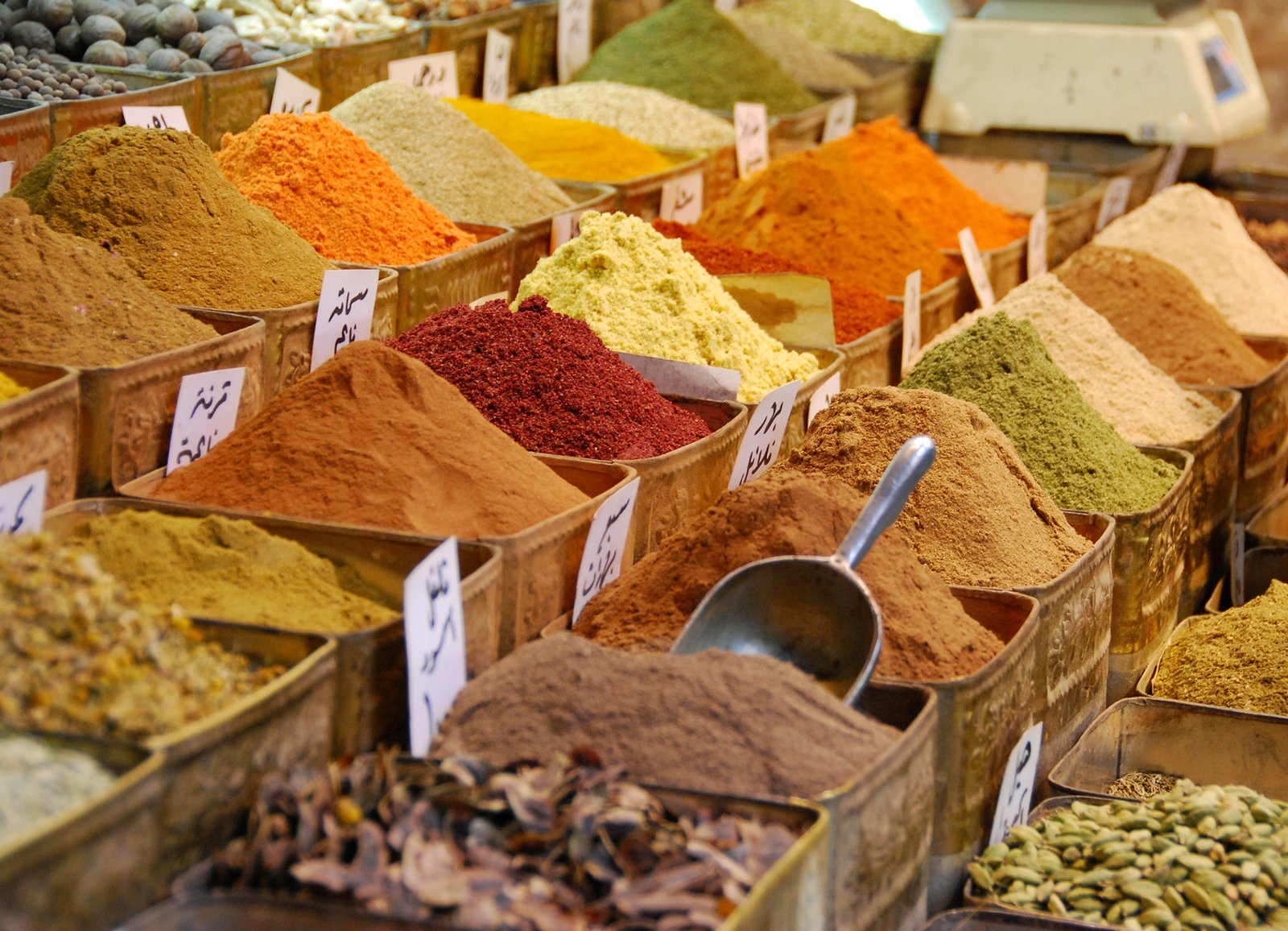
On the main island of the archipelago, which is Zanzibar, many plants are grown and later processed into spices:
- nutmeg;
- cardamom;
- vanilla;
- cinnamon;
- cloves;
- turmeric;
- black and white pepper;
- ginger;
- other exotic types of culinary seasonings.
There are many spice farms in the center of the island. If you go on a tour, you can see the shrubs and trees that produce the fragrant spices we use in our dishes. The finished products are sold directly at the farms. This is a great gift for gourmets and those who appreciate the exquisite flavors and aromas of their meals.
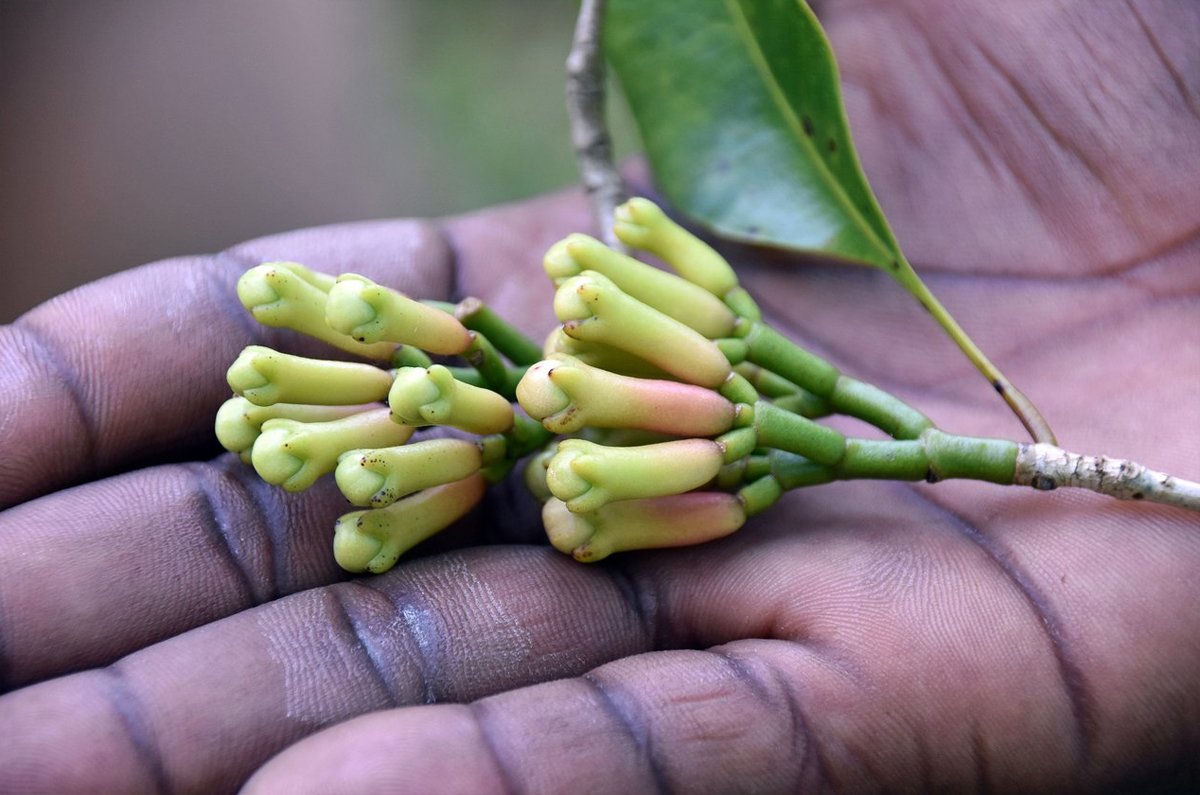
Spices are an important part of Zanzibar’s history and culinary culture. Local markets and farm shops offer whole cloves, cinnamon sticks, vanilla pods and spice blends. Choose a packet of pilau masala for rice dishes or whole cloves for tea. Sealed, labelled packs make convenient gifts.
Zanzibar Beaches – Where is the Best Place to Swim on the Island
Darajani Market in Stone Town and the spice farms near Kizimbani are excellent places to compare spice blends. A small set of individually packed spices is easier to carry than large bags.
2. Tanzanian coffee
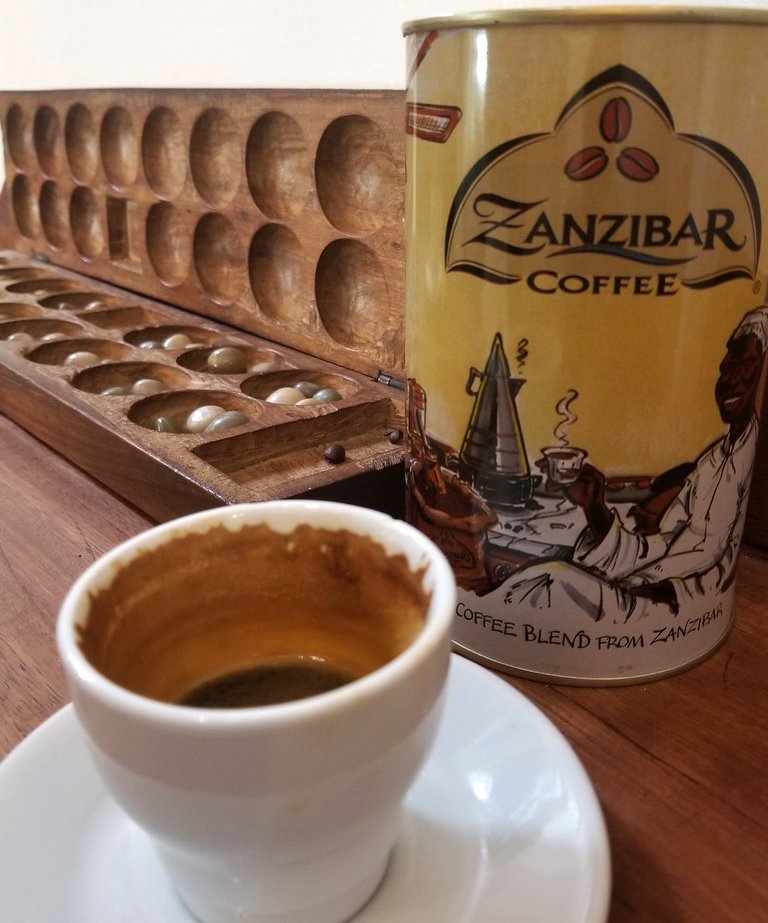
The fruits of the Tanzanian coffee tree differ from those of the Vietnamese and other varieties. Therefore, the taste and aroma of the coffee itself also differ from those of other varieties. Only coffee enthusiasts will be able to appreciate the qualities of this coffee. What better gift can you give your coffee-loving friends than bringing them a new variety of coffee beans from Tanzania?
Tanzania grows Arabica in the Kilimanjaro, Arusha and southern highland regions, as well as Robusta mainly around Lake Victoria. Stone Town markets and coffee shops stock locally roasted beans from the mainland. For reliable freshness, compare roast dates and buy sealed packs of whole beans.
Look for Kilimanjaro, Moshi or Mbeya single-origin coffee. Medium roasts often bring out bright fruit and citrus notes, while darker roasts offer a fuller body. A 250 g bag makes an easy gift for coffee lovers. Learn about local growing regions from the Tanzania Coffee Board.
3. Tropical fruit preserves and dried fruit
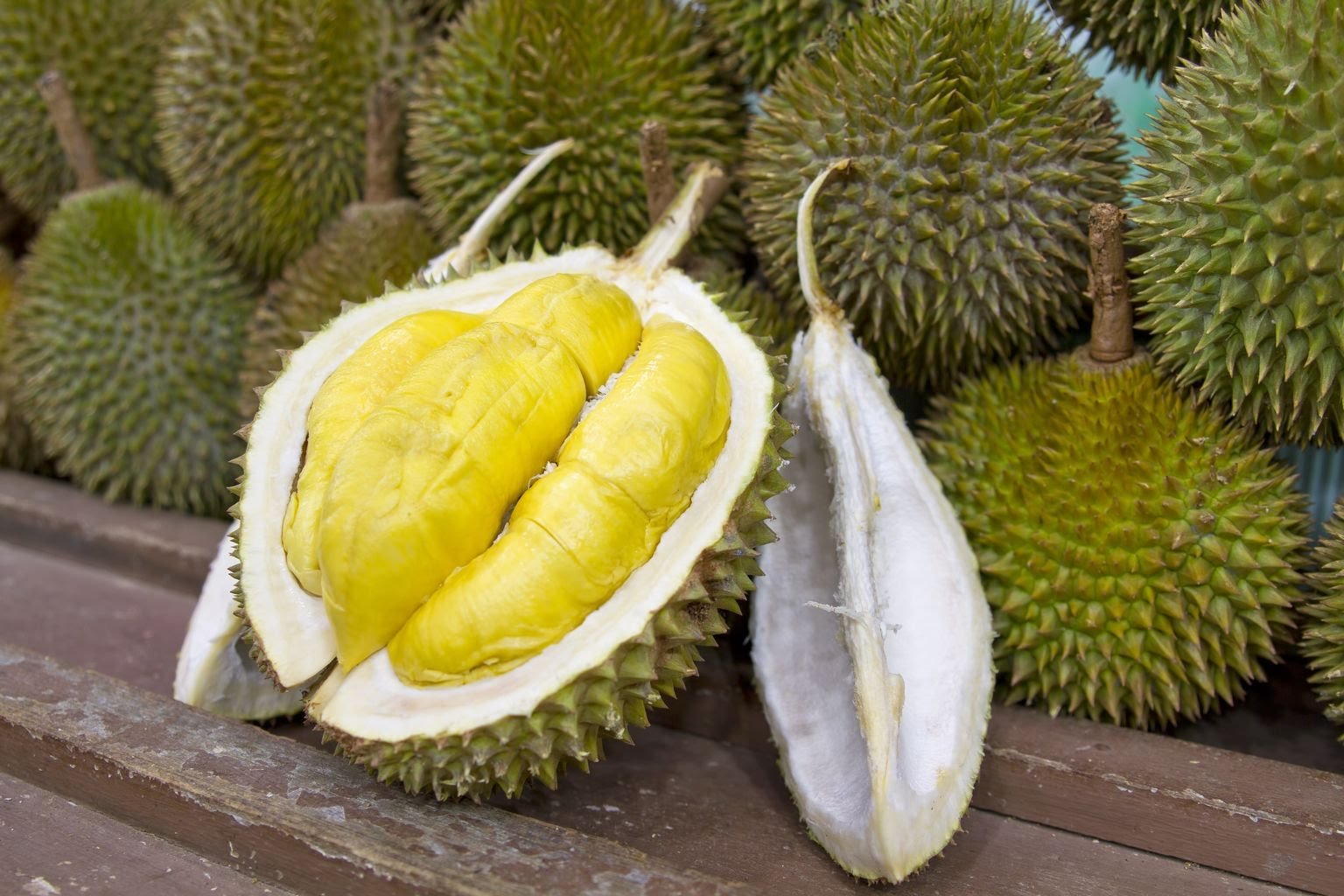
Zanzibar is a fruit paradise. And the king of all fruits is the durian. It can reach up to 30 cm in size and sometimes weigh more than 8 kg. The surface of the fruit is hard and covered with thorns. Inside, there are several chambers filled with tender and juicy flesh with a nutty and cheesy flavor. People who have never tried the fruit may have different opinions about its taste, but unlike its smell, everyone enjoys it. The aroma of the durian is often met with negative reactions.
According to the reviews of tourists who have tried mangoes in Zanzibar, the fruit has a different taste and aroma compared to the varieties grown in Asia.
Depending on the time of year you choose to travel to Tanzania, the following types of fruits will be available to you:
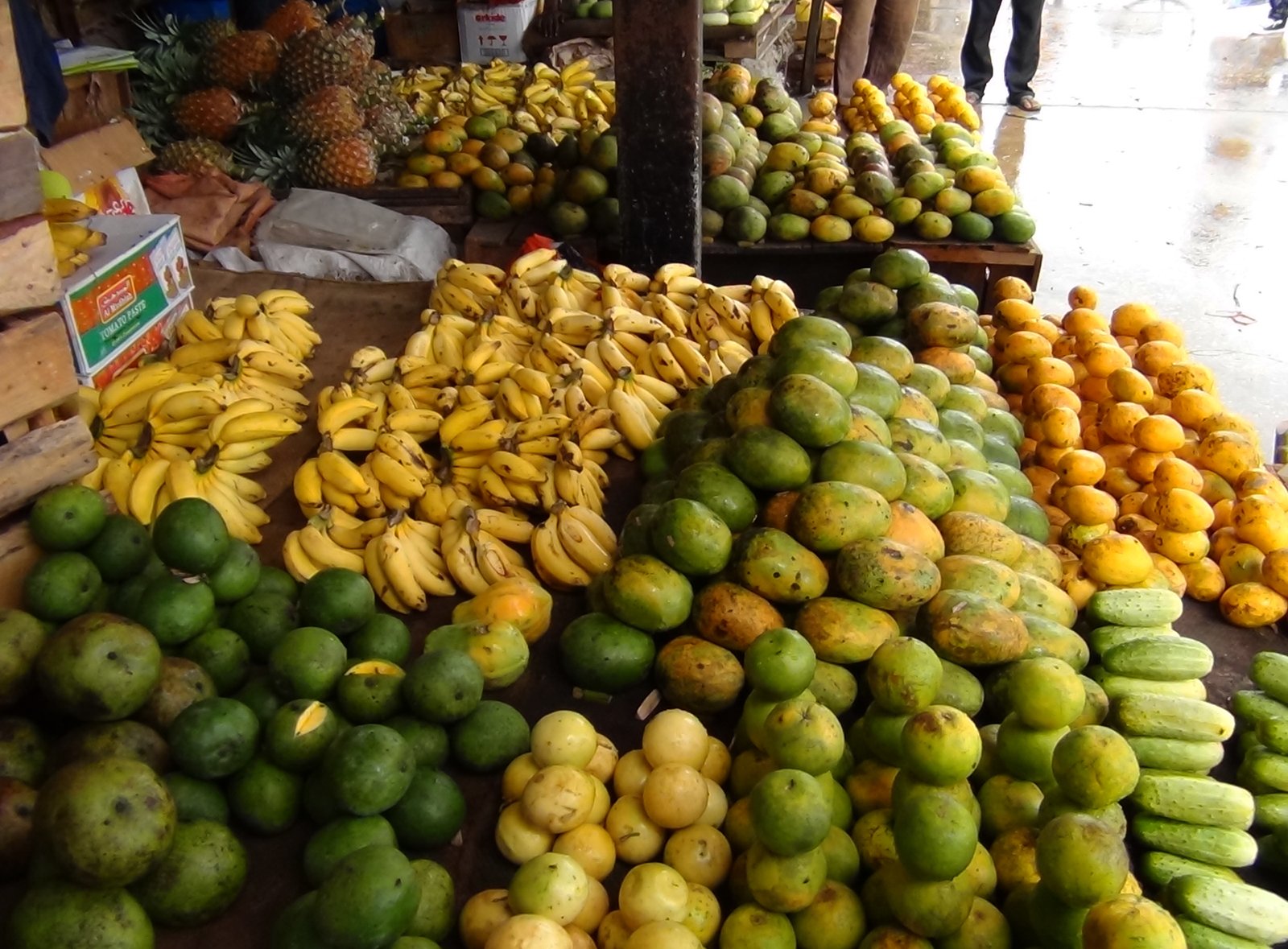
- bananas;
- lime and oranges;
- breadfruit;
- cream apples;
- coconuts;
- other types of strange fruits.
Fresh tropical fruit is best enjoyed during your stay, as import rules vary by destination and fruit can spoil on long journeys. Instead, look for sealed dried mango, banana chips, coconut products, fruit jam or chutney. They capture the island’s flavours in a form that is much easier to pack.
At Darajani Market, browse mangoes and seasonal tropical fruits, then choose commercially packed preserves from established shops or local producers.
4. Wooden carvings and decorative crafts
Decor items can serve as a souvenir brought from Tanzania. Here are produced original things of various sizes from mango, black, pink trees.
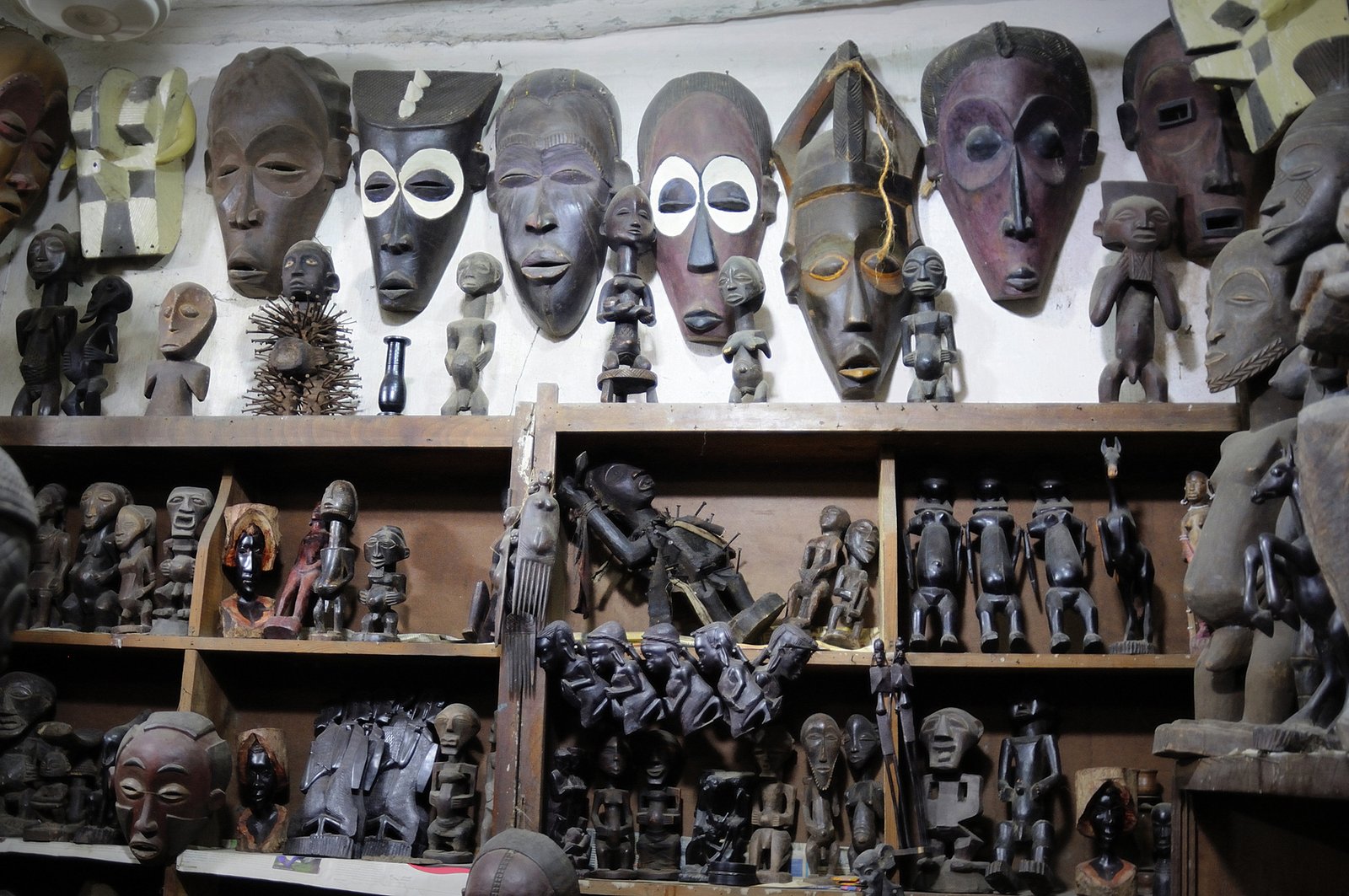
- Statuettes in the form of animals. The figurines are also made of stone by skilled craftsmen. Such items are suitable as gifts for colleagues or collectors.
- Masks for wall decoration.
- The panel.
- Tableware.
- Jewelry, rosary beads.
- Carved doors. Made to order. The waiting time for the finished product is approximately six months.
Souvenirs of Zanzibar are sold everywhere. Therefore, it is possible to look for the necessary options, save money. Local craftsmen often give the goods for sale. But if you find outlets where manufacturers offer their own products, then the price will be lower, without markup. From them you can order the production of the desired gift, to bring a unique souvenir to your friends.
Small giraffe or elephant figurines, carved bowls and decorative soapstone pieces are practical alternatives to large sculptures. Compare the finish and ask the artisan about the materials. Choose legally sourced materials and keep your receipt.
5. Tanzanite jewelry
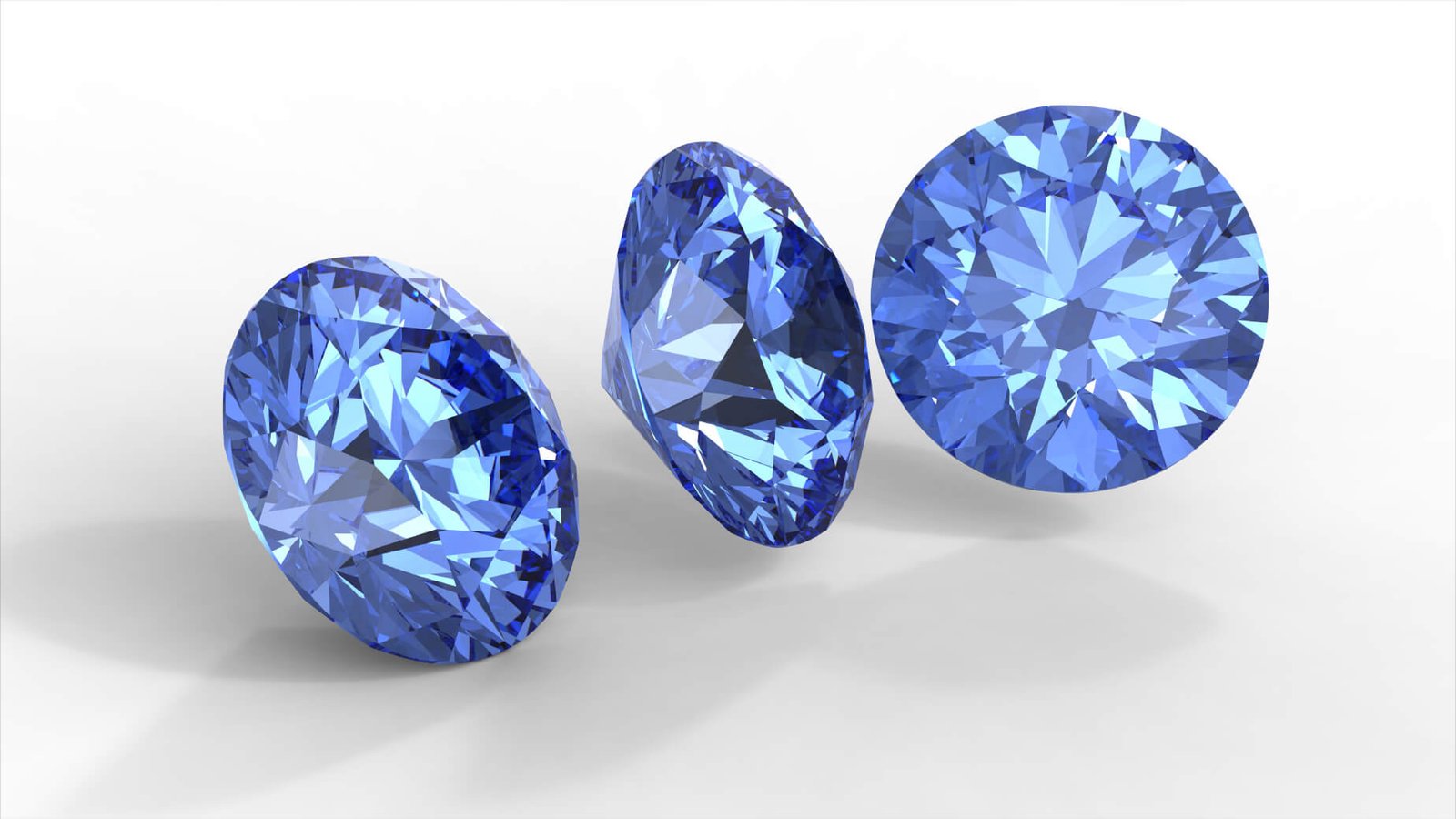
Tanzanite is among Tanzania’s most distinctive souvenirs. The blue-violet gemstone comes from the Merelani Hills in northern Tanzania, near Mount Kilimanjaro, its only commercial source. Its striking colour can shift from blue to violet depending on the viewing angle.
Important clarification: tanzanite is a gemstone (a blue-violet variety of zoisite), not a diamond. The nickname “blue diamond” that you sometimes hear refers to its colour, not to the diamond family.
The country also produces the following on an industrial scale:
- sapphire and emerald;
- diamonds;
- rubies and garnet.
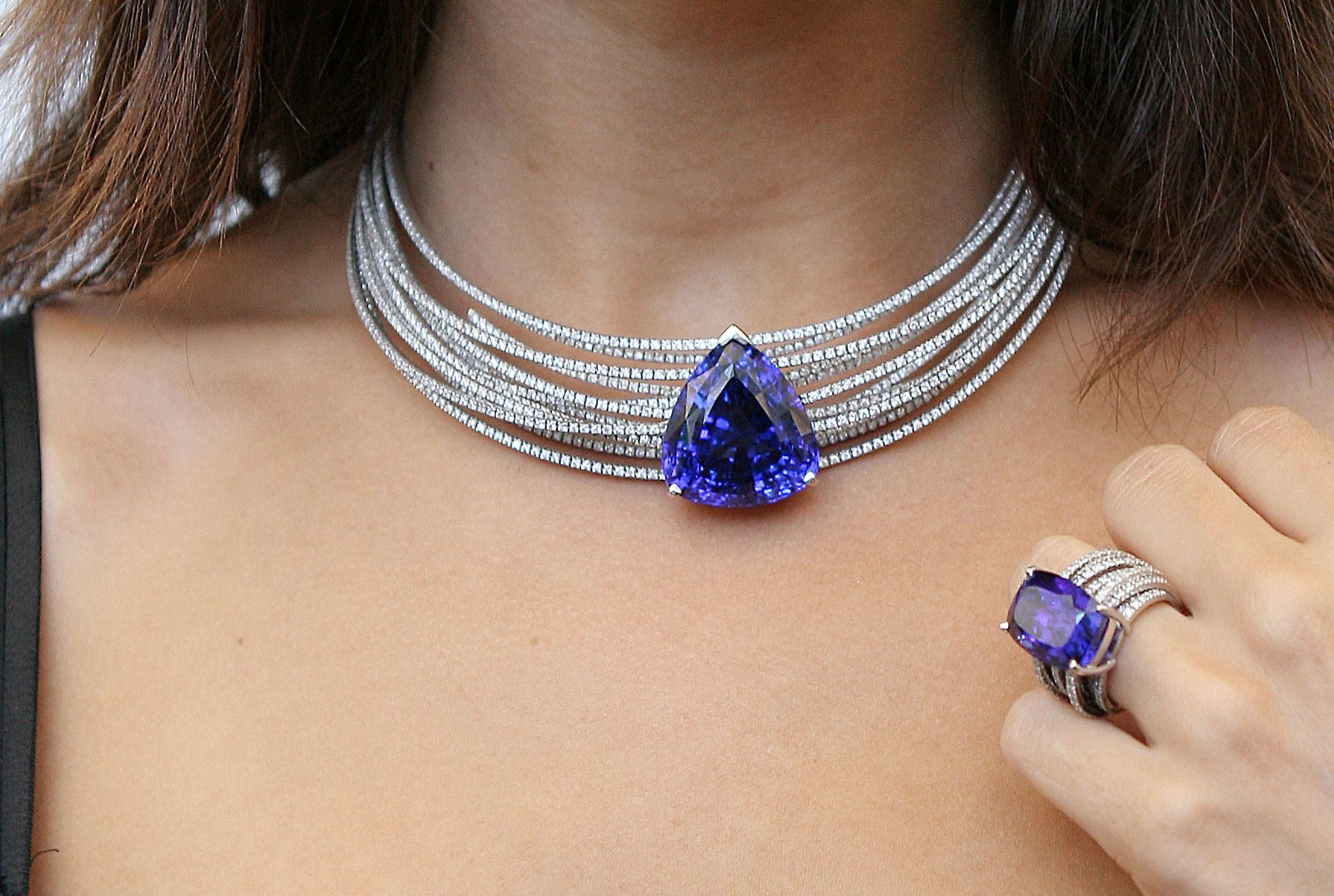
The most competent solution will be to buy tanzanite in specialized jewelry stores in Tanzania. This approach is necessary not only from the point of view of the safety of the acquisition and the originality of the product. It is worth remembering about the certificates-checks, which will serve as a supporting documentation when exporting a souvenir from the country, will become at the customs justification for the tourist, indicating the origin of the decoration.
Where to go on safari in Tanzania
A pendant or pair of earrings can be a more affordable choice than a large faceted stone. Compare colour, clarity and carat weight, and request a written certificate and receipt. The Gemological Institute of America’s guide to tanzanite explains the stone’s characteristics.
6. Tingatinga paintings
Tingatinga paintings are incredibly beautiful and unique souvenirs. Inspired by the famous Tanzanian artist, many paintings have been created that replicate his style.
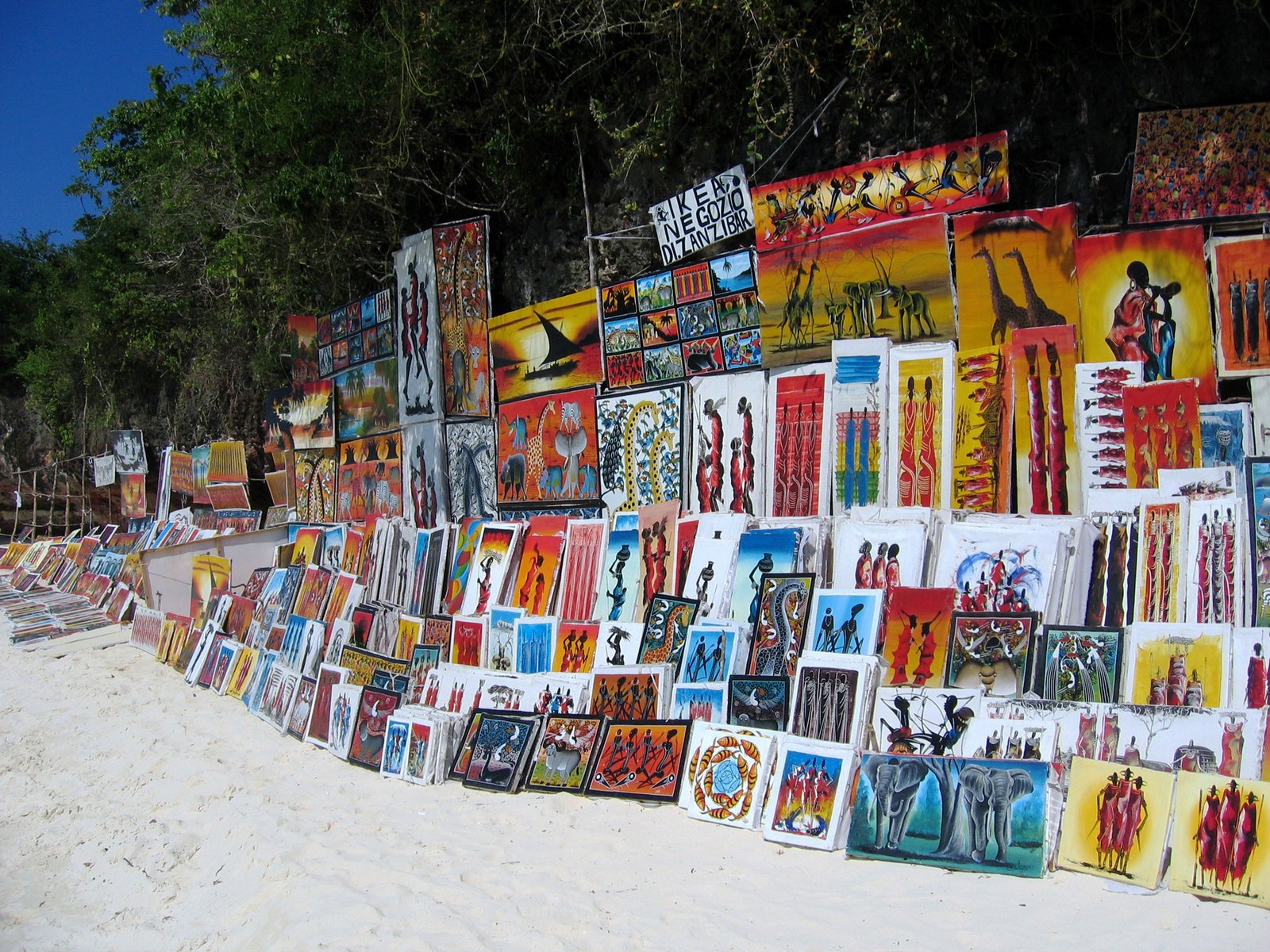
Enamel paints are applied to muslin. As a rule, such paintings are colorful and depict animals, fish, birds, and human silhouettes. Sometimes, they depict biblical scenes. The second name for this style of painting comes from the traditional square shape of the paintings.
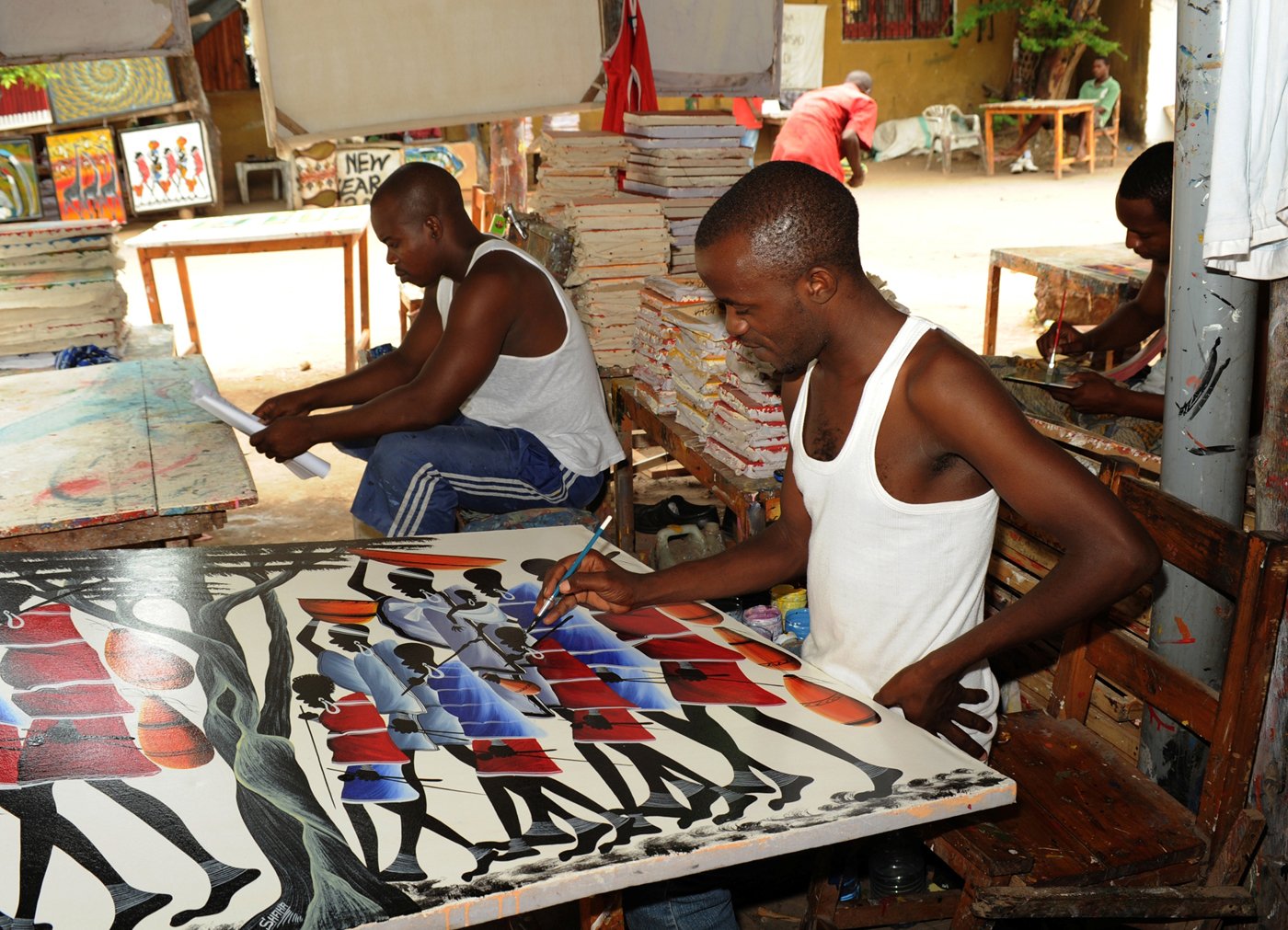
What else more positive can be brought from Zanzibar as a gift to people whom you want to please, to fill their lives with bright emotions and colors? These “juicy” paintings are suitable for transforming any room. Whether it is an office or a children’s room, a bedroom or a large meeting room – such a work of art will become an accent that attracts attention, evokes a smile and a positive mood.
Edward Saidi Tingatinga developed a colourful painting style in Dar es Salaam. Today, artists sell original work in galleries and markets, often depicting giraffes, elephants, birds and everyday life. Ask whether a painting can be removed from its frame and rolled in a tube for travel.
7. Kanga, kitenge and kikoi textiles
As a souvenir of their trip or as a gift, tourists often purchase products that reflect the culture, traditions, and way of life of the African people. Fabrics made in Tanzania are particularly popular. These are colorful cotton materials, sometimes with a touch of synthetic fibers.
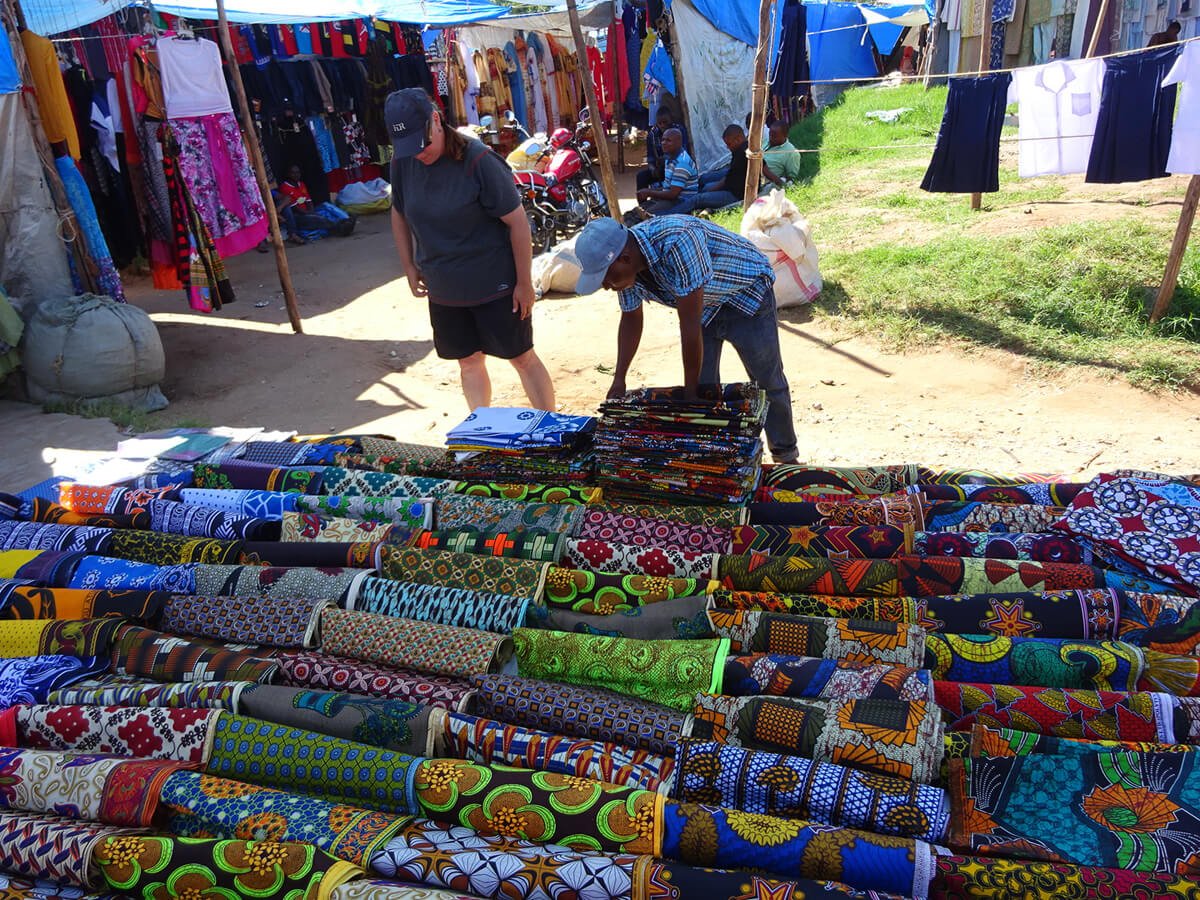
You can bring home products made from them. There are unique options of traditional clothing available to everyone:
- elements of national costumes;
- kanga is a rectangular piece of cloth that is wrapped around the body (worn by women and sometimes by men);
- Kitenge is a patterned fabric used for dresses, shirts and other tailored clothing.
- a kikoi is usually a striped piece of fabric with fringe and tassels;
- sundresses;
- skirts;
- modern printed T-shirts.
Stone Town is a lively place to shop for fabrics.
Whatever you bring home from the textile, wearing this clothing is a pleasure. The color scheme will surely remind you of a warm and welcoming country, warming you with its colorful hues. Such a souvenir will surely be pleasant and unexpected for your loved ones.
A kanga often has a decorative border and a Swahili saying printed along the edge. Ask the seller to translate the message before choosing one as a gift. A kikoi can double as a beach wrap or scarf, while kitenge fabric makes a colourful accessory or custom-made garment.
8. Makonde sculptures
You can bring Makonde figurines as a gift to people you want to surprise. They vary in size, cost, and texture. Tanzania is the birthplace of these figurines. They are made from traditional African wood.
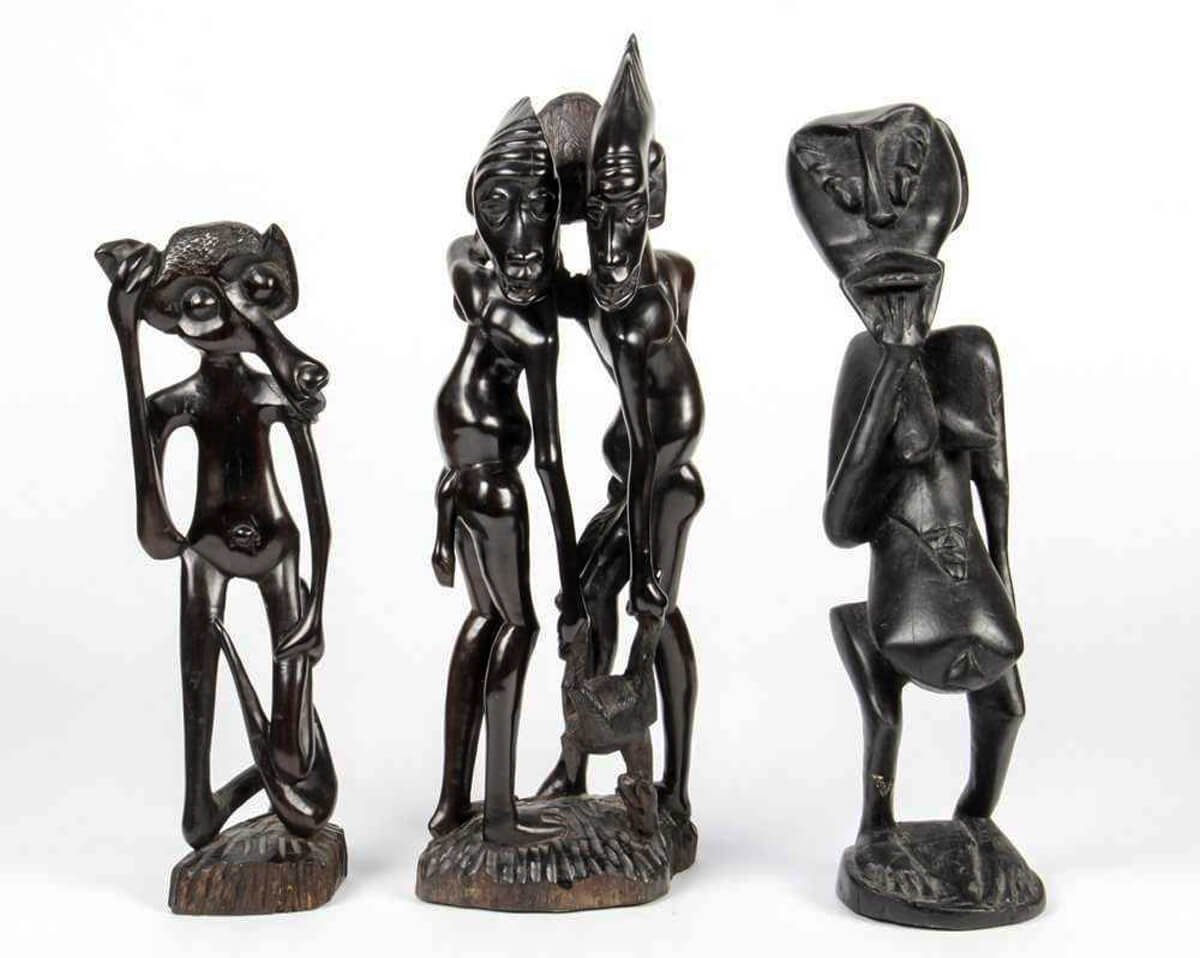
Main motives:
- the struggle between good and evil;
- love;
- life and death;
- human origin;
- faith;
- religious subjects;
- totems and images of various national deities.
If you haven’t yet decided on the most suitable option and don’t know what to bring back from Zanzibar, these figurines are a safe bet. Look for works made by Makonde artisans in Tanzania.
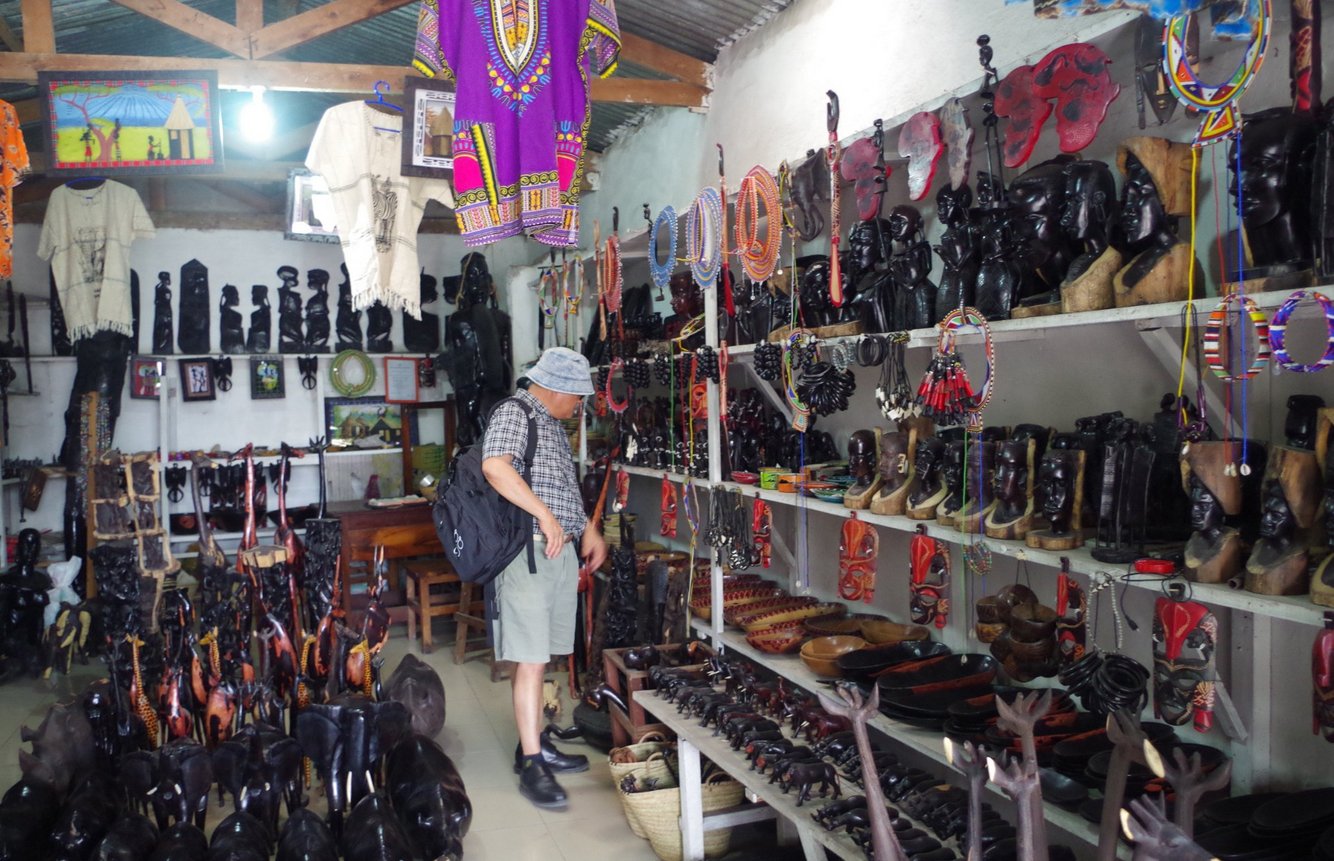
There is a large selection in the following cities: Dar es Salaam, touristic Arusha. The most popular place to order or buy a job is the Mwenge Market.
According to an ancient legend of the Maconde people, their sculptures come to life. Modern statuettes are a modernist form of art designed for tourists and providing good profits to local artisans. The wood carving used in Maconde is characterized by precision and flexibility of lines, a special attitude of the masters to small details.
A traditional ujamaa sculpture depicts interconnected figures, often representing family and community. Smaller pieces are easier to pack, and buying directly from a workshop helps support the artist. Ask for information on wood origin and choose contemporary pieces made from legally sourced materials.
9. Maasai beadwork and jewelry
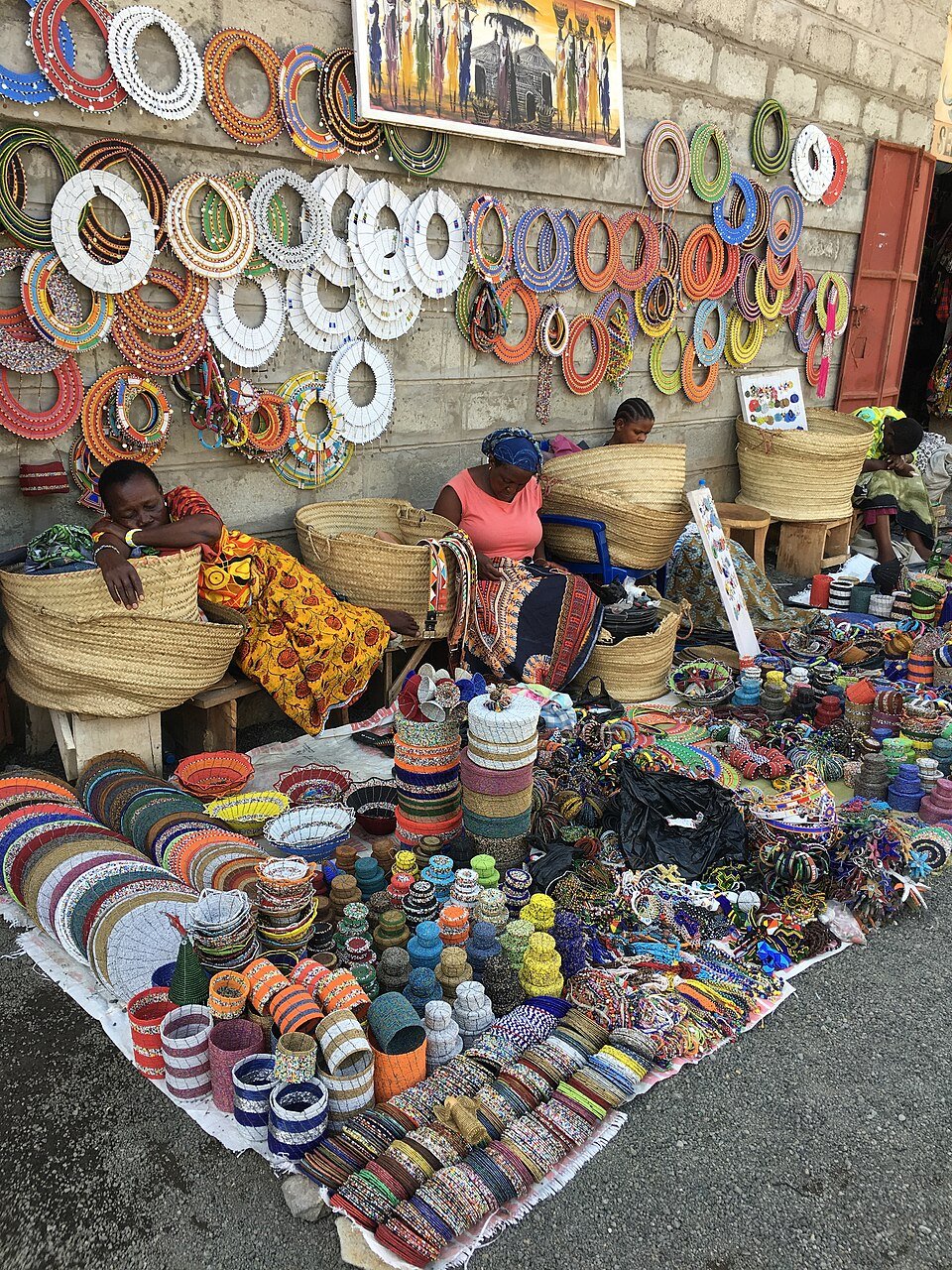
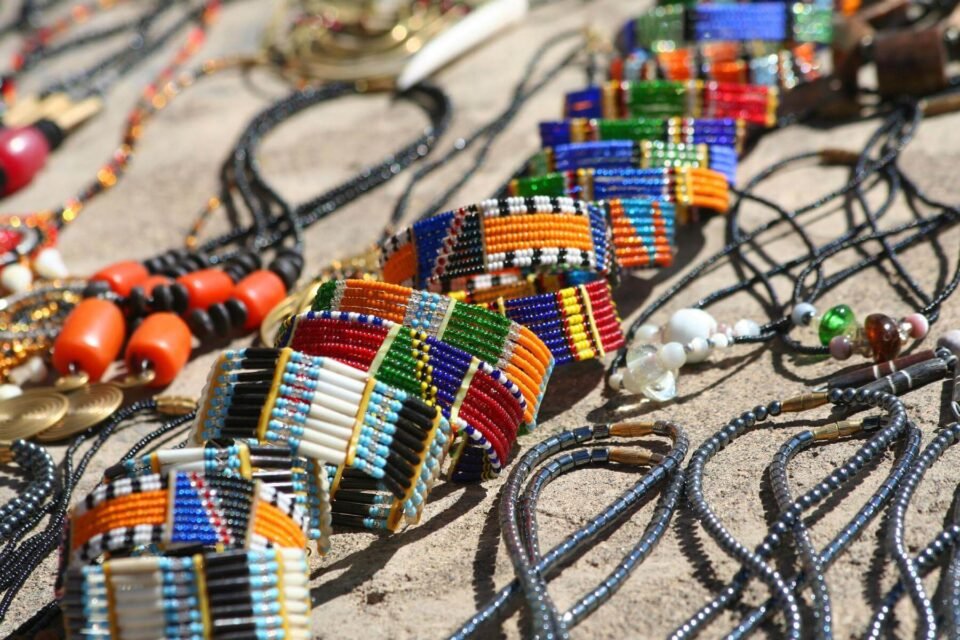
Colourful beaded bracelets, earrings, necklaces and belts are among the most recognisable gifts of northern Tanzania. Maasai beadwork often combines bold geometric patterns with bright colours. The designs vary by artisan and community, and a simple bracelet is particularly easy to pack.
Visit the Maasai Market in Arusha to browse work from local artisans. Ask how the pieces were made, and choose a design that suits the person receiving the gift. Larger beadwork items, such as decorative mats, can also make attractive home accessories.
10. Woven baskets and painted souvenir plates
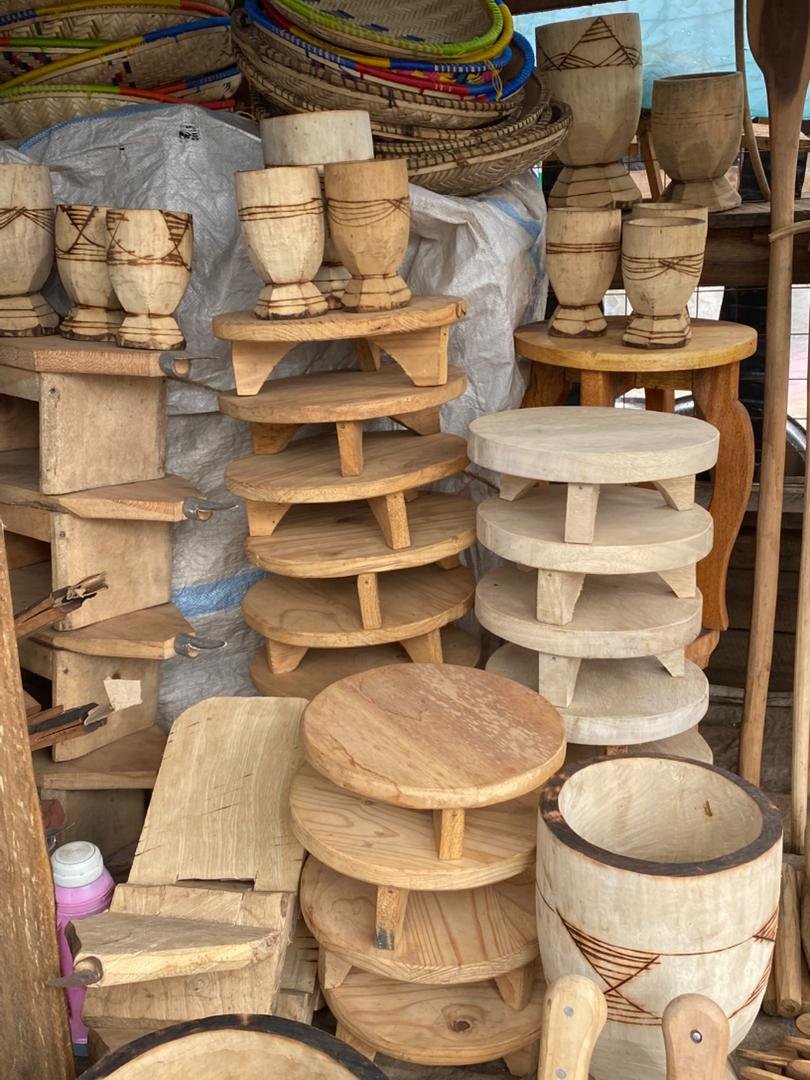
Handwoven baskets, coasters and small storage trays are useful gifts that showcase Tanzanian craftsmanship. Browse coiled and woven designs in natural fibres and colourful patterns. A flat mat or nested basket takes up relatively little luggage space.
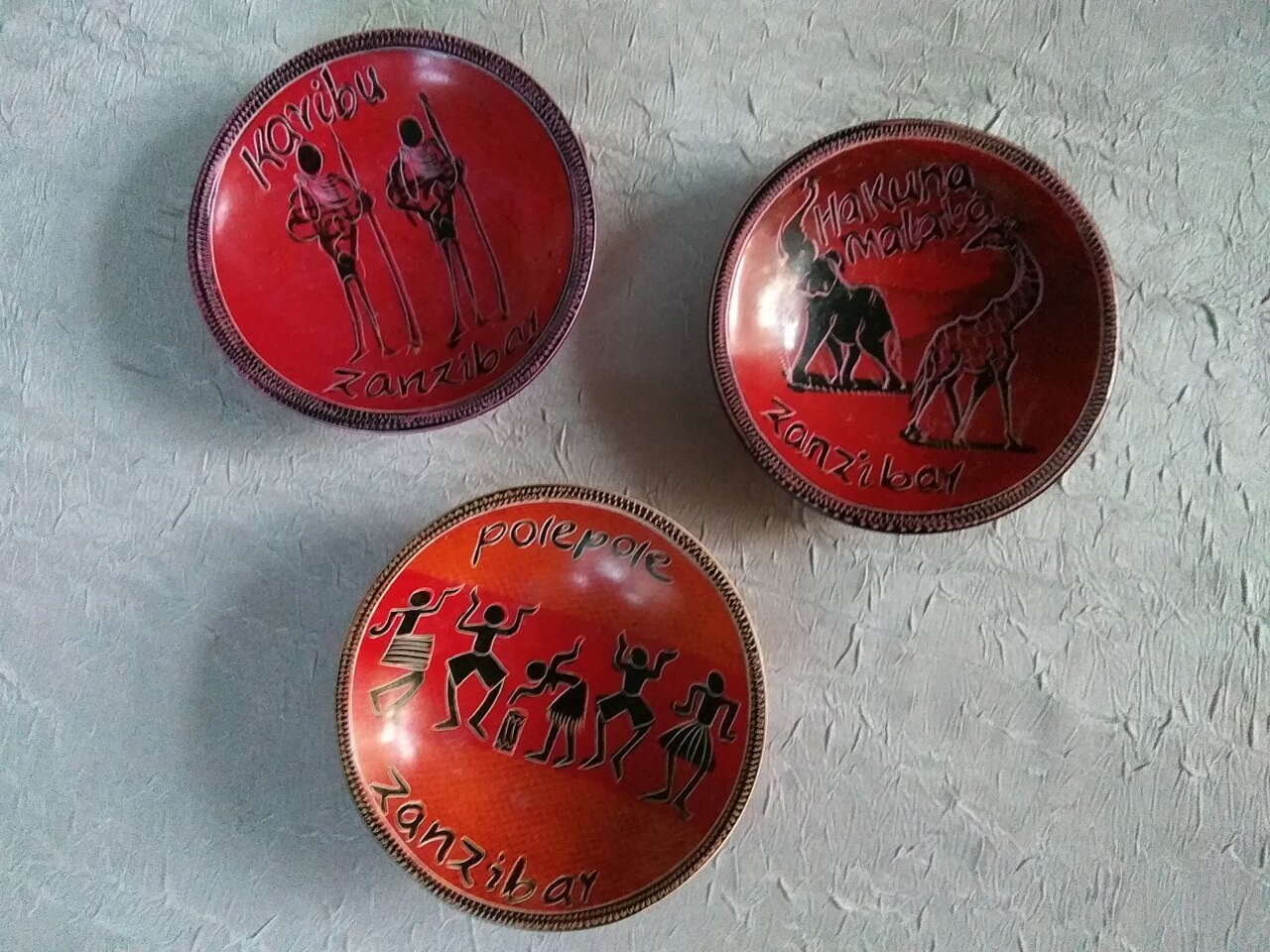
Painted souvenir plates from Zanzibar are another option for decorating your home. Choose a small plate with a local design and ask the seller to wrap it well. Avoid crafts made of coral, shells or other wildlife products.
Where to buy Tanzania souvenirs: shopping map
For spices and textiles, start in Zanzibar’s Stone Town. Arusha is convenient for beadwork, mainland coffee and gemstone stores. Dar es Salaam has specialist workshops and painting galleries. Open the interactive map of each shopping area below.
Darajani Market, Stone Town · Kizimbani spice farms · Old Fort craft shops · Maasai Market, Arusha · Mwenge Woodcarvers Market, Dar es Salaam · Tingatinga Arts Cooperative, Dar es Salaam
For more inspiration, browse the Tanzania tourism shopping guide.
Tips for buying tanzanite safely
Tanzanite is mined in Tanzania, and fakes are common in tourist areas. Buy from a reputable, certified dealer, ask for written documentation, and keep the receipt with your jewellery. For official guidance on minerals and gemstones, start with the Tanzania Ministry of Minerals rather than trusting street prices alone.
Planning the rest of the trip? See Stone Town, what to see in Zanzibar, Arusha, Tanzania safari parks and Mount Kilimanjaro.
What can you bring home from Tanzania?
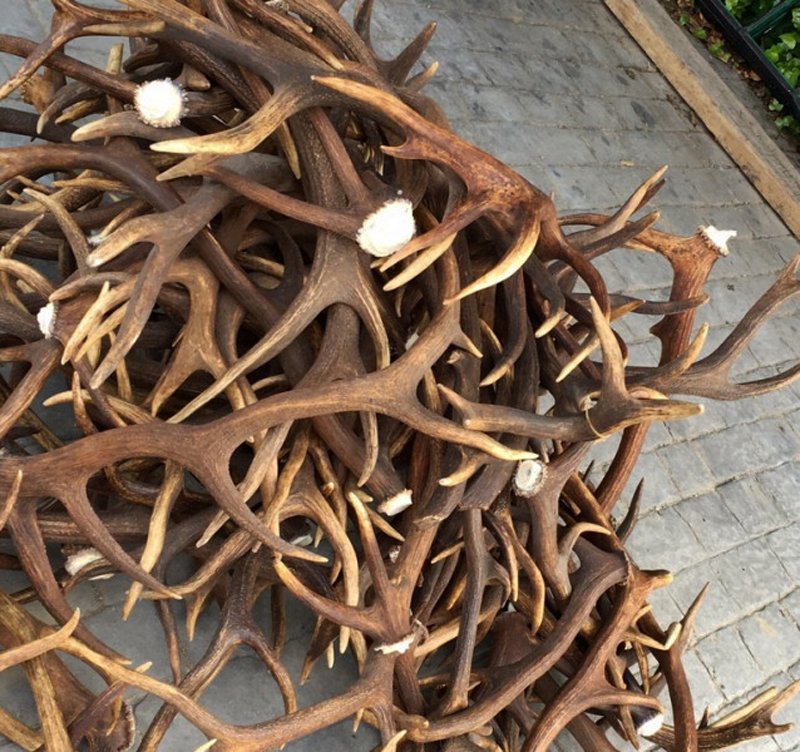
Choose modern crafts, packaged spices and roasted coffee for straightforward gifts. Tanzania restricts the removal of wildlife and certain natural materials. Avoid ivory, animal horns, coral, seashells and protected woods. For gemstones, keep receipts and any required export documentation. Check the requirements for your destination before travelling with food or plant products.
See the official Tanzania travel guidance for information on wildlife and protected materials. For valuable purchases or larger quantities, check current Tanzanian customs and export requirements before buying.
Based on your own priorities and intentions, it is easy to decide what to bring back from Zanzibar. Knowing the tastes and interests of your loved ones, you can definitely surprise them with unique souvenirs from Tanzania. The main consideration is the amount of money you have allocated for these purchases, as well as your desire to provide additional pleasure to those you care about.
Frequently asked questions
What is the cheapest souvenir to buy in Tanzania?
Spices, coffee and printed fabrics are usually the best value. Gemstone jewellery costs much more and needs careful buying.
Can you bargain in Tanzanian markets?
Yes, polite bargaining is normal in many markets. Agree the price before you pay, and walk away if it does not feel right.
Can I take shells or spices home?
Pack commercially sealed spices and check destination import rules. Avoid shells or coral because their removal is restricted.
Explore Zanzibar on a guided tour
A guided spice farm visit or a Stone Town walking tour is a convenient way to discover local products and meet sellers.

Konstantin is an acclaimed travel writer, celebrated for transforming ordinary journeys into extraordinary narratives. With years of experience exploring diverse destinations across the globe, his work blends vivid storytelling, cultural insights, and practical advice to inspire wanderlust and guide readers toward unforgettable adventures.
As a key contributor to enjoythetrip.org website, Konstantin has built a loyal readership through their expertise in uncovering both iconic landmarks and off-the-beaten-path treasures. He specializes in providing travelers with honest, actionable tips, whether it’s finding the best resorts in Maldives, exploring cultural hubs like Paris, or diving into the natural wonders of Croatia.