
These Italian alternatives from Lonely Planet swap Venice, Florence, Cinque Terre and other crowded places for Treviso, Lucca, Lerici and more.
Instead of drowning in the crowds of tourists in Rome or Venice, it’s worth visiting equally fascinating, but less crowded, Italian alternatives.
During the high season, the most famous tourist destinations in Italy can be crowded, which creates inconvenience for travelers and locals and makes Italian alternatives appealing. The Lonely Planet publication suggests paying attention to less well‑known cities and resorts that can offer more pleasant experiences.
Treviso, Veneto: alternative to Venice
Instead of Venice – Treviso. Treviso is suitable for those who are looking for canals, museums, and gastronomy. The historic center is crossed by canals dating back to the 15th century, and among the attractions are the Church of San Nicolò, the Duomo, and the Luigi Bailo Museum. The author also advises trying cicchetti, drinking prosecco or spritz, and tasting tiramisu, which Treviso claims as its birthplace.
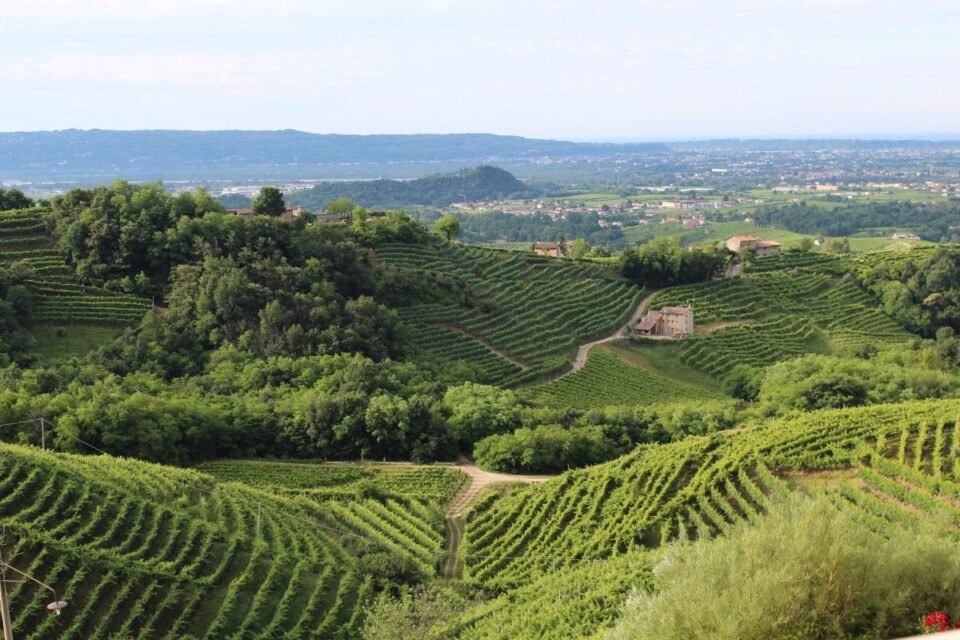
Allow one or two nights to explore the Buranelli canals, Piazza dei Signori and the historic fish market. It is also a useful base for a day trip into the Prosecco hills.
Lucca, Tuscany: alternative to Florence
Instead of Florence – Lucca. Lucca attracts visitors with its Renaissance architecture and ancient city walls. Lonely Planet recommends taking a walk around Piazza dell’Anfiteatro and visiting the San Martino Cathedral, which houses a wooden image of Christ dating back to the 8th or 9th century. Among the local dishes, it’s worth trying the tordelli lucchese pasta.
Spend a day cycling around the city walls and exploring the medieval centre, then stay overnight to enjoy the streets after day visitors leave.
Lake Iseo, Lombardy: alternative to Lake Garda
Instead of Lake Garda, there is Lake Iseo. Lake Iseo is located between Garda and Como and combines Alpine landscapes, the island of Monte Isola, and opportunities for hiking, cycling, water sports, and boat tours. Nearby is the Franciacorta wine region, known for its sparkling wine produced using the traditional method of bottle fermentation.
Base yourself in Iseo or Sulzano and take a ferry to Monte Isola. The official lake tourism site lists regular ferry connections. Allow two or three days.
Lerici, Liguria: alternative to Cinque Terre
Instead of Cinque Terre – Lerici. Lerici, located on the Poets’ Bay, is suggested by the author as an alternative to Cinque Terre. It has beaches, picturesque pastel‑colored houses, and the San Giorgio Castle, and from the pier you can set off for Porto Venere, Palmaria, or Cinque Terre. Among the local attractions, the small bay of La Caletta also stands out.
Stay two or three nights for a mix of beach time and waterfront walks. Boat connections vary seasonally and depend on sea conditions.
Scicli, Sicily: alternative to Taormina
Instead of Taormina – Scicli. Scicli in Sicily was largely destroyed by the earthquake of 1693, after which the city was rebuilt in the style of Sicilian Baroque. The publication advises visiting the Beneventano Palace, the Church of San Bartolomeo, and the Chiafura cave complex, and for a beach holiday, head to Donnalucata or Sampieri.
Combine the Baroque centre with nearby Modica or Ragusa and a visit to the coast. Allow two nights or more; a car can be useful for beach trips.
Urbino, Marche: alternative to San Gimignano
Instead of San Gimignano – Urbino. The historic center of Urbino is UNESCO-listed, and the main attraction of the city is the Palazzo Ducale with the National Gallery of the Marche. It features works by Piero della Francesca, Titian and Raphael, who was born in Urbino. The author also recommends walking through the medieval streets and climbing up to the Albornoz fortress.
Spend a full day in the historic centre and Palazzo Ducale. Plan an overnight stay if you want time to enjoy the steep medieval streets and quieter evenings.
Locorotondo, Puglia: alternative to Alberobello
Instead of Alberobello – Locorotondo. Locorotondo in the Itria Valley is included in the list of the most beautiful villages in Italy. Its compact center consists of narrow streets and white houses, and the town is known for its DOC wine. As the author notes, tourists can stay in one of the trulli (traditional white stone houses with conical roofs) in the surrounding area and use it as a starting point for trips around the region.
Use the village as a two- or three-night base for the Itria Valley, including Cisternino and Martina Franca. Book a trullo nearby if you prefer a rural stay.
Cetara, Amalfi Coast: alternative to Positano
Instead of Positano – Cetara. Cetara retains the atmosphere of a fishing town on the Amalfi Coast and is famous for dishes made with anchovies and red tuna, particularly the colatura di alici sauce. Here you can combine walking along the coast with relaxing on the beaches.
Allow a day or two for the fishing village, coastal views and local seafood. Check seasonal ferry services and bus schedules before planning a day trip.
Want more Italian alternatives? See 5 quiet, affordable places to visit in Italy in 2026 and Lonely Planet’s best Italian beaches. Official planning starts at Italia.it.
Italian alternatives at a glance
| Popular destination | Alternative | Best for | Suggested stay |
|---|---|---|---|
| Venice | Treviso | Canals and gastronomy | 1–2 nights |
| Florence | Lucca | Historic walls and cycling | 1–2 nights |
| Lake Garda | Lake Iseo | Lake scenery and ferries | 2–3 nights |
| Cinque Terre | Lerici | Coastal walks and beaches | 2–3 nights |
| Taormina | Scicli | Baroque architecture | 2–3 nights |
| San Gimignano | Urbino | Renaissance art | 1–2 nights |
| Alberobello | Locorotondo | White villages and trulli | 2–3 nights |
| Positano | Cetara | Seafood and coastal scenery | 1–2 nights |
Map of the eight Italian alternatives
For fewer crowds, consider May, June or September and compare transport and accommodation costs before choosing a base. The coastal destinations may still be busy on summer weekends.
Italian alternatives: frequently asked questions
What Italian alternatives does Lonely Planet suggest?
Treviso instead of Venice, Lucca instead of Florence, Lake Iseo instead of Lake Garda, Lerici instead of Cinque Terre, Scicli instead of Taormina, Urbino instead of San Gimignano, Locorotondo instead of Alberobello, and Cetara instead of Positano.
Why is Treviso a good alternative to Venice?
Its historic center is crossed by canals dating back to the 15th century, with sights such as the Church of San Nicolò, the Duomo and the Luigi Bailo Museum. It is also widely considered the birthplace of tiramisu.
What makes Urbino and Locorotondo special?
Urbino’s UNESCO-listed center has the Palazzo Ducale with the National Gallery of the Marche, including works by Raphael, who was born there. Locorotondo in the Itria Valley is one of the most beautiful villages in Italy, known for its DOC wine and nearby trulli.
What is the alternative to Lake Garda?
Lake Iseo.
Related guides on Enjoy The Trip: Matera: The Fascinating 9,000-Year-Old Cave City in Italy, After visiting more than 100 cities in Europe, an experienced tourist chose the best alternatives to the capitals.

Konstantin is an acclaimed travel writer, celebrated for transforming ordinary journeys into extraordinary narratives. With years of experience exploring diverse destinations across the globe, his work blends vivid storytelling, cultural insights, and practical advice to inspire wanderlust and guide readers toward unforgettable adventures.
As a key contributor to enjoythetrip.org website, Konstantin has built a loyal readership through their expertise in uncovering both iconic landmarks and off-the-beaten-path treasures. He specializes in providing travelers with honest, actionable tips, whether it’s finding the best resorts in Maldives, exploring cultural hubs like Paris, or diving into the natural wonders of Croatia.