
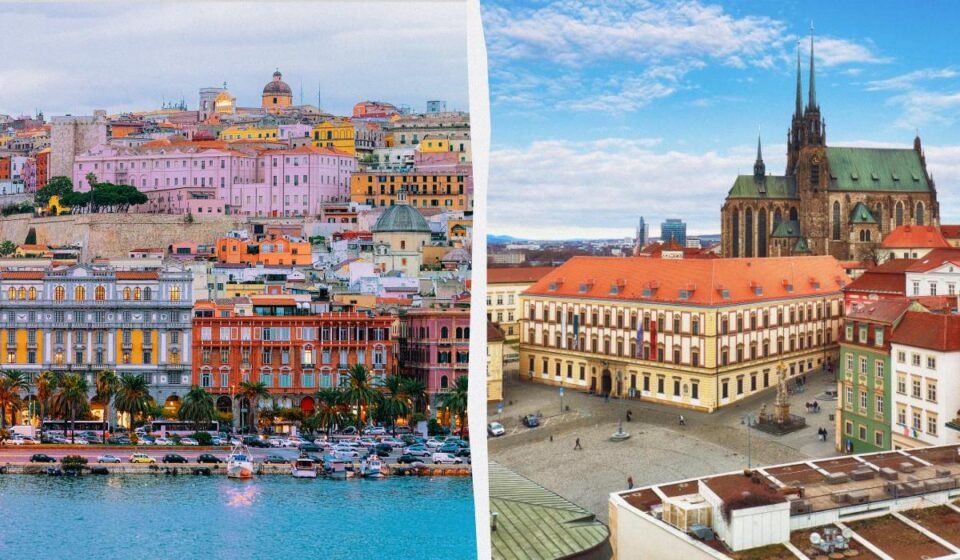
These five cities will pleasantly surprise tourists, and these are the best alternatives to the capitals.
For their first acquaintance with a country, tourists often choose capitals that end up being overcrowded – for example, Amsterdam, Berlin, Paris or Rome. However, quite often “second” and even “third” cities can pleasantly surprise travelers, except that there won’t be the capital’s crowds or inflated prices.
Experienced traveler Vinicius Costa, who has visited more than a hundred cities in Europe, named five best alternatives to popular European capitals in his article for Travel Off Path.
Cagliari, Italy – alternative to Rome
Although Costa does not deny the tourist attraction of Rome, but the huge crowds, the introduction of fees for everything (especially the author is outraged by the fee of 5 euros for visiting the Pantheon, which used to be free) and widespread commercialization discourages him from visiting the “Eternal City”, which is increasingly like an”amusement park”.
“But in Cagliari, by contrast, everything I love about Italy has been preserved — without all the hustle and bustle that comes with mass tourism. It’s a full‑fledged capital, even if it’s the capital of the island of Sardinia. The city is located on the coast, pleasing to the eye with pastel‑colored buildings and a labyrinth of winding, cobblestone streets leading to the fortified castle quarter at the top of the hill — and it has what Rome lacks: real beaches with white sand and turquoise seas,” the seasoned traveler notes.
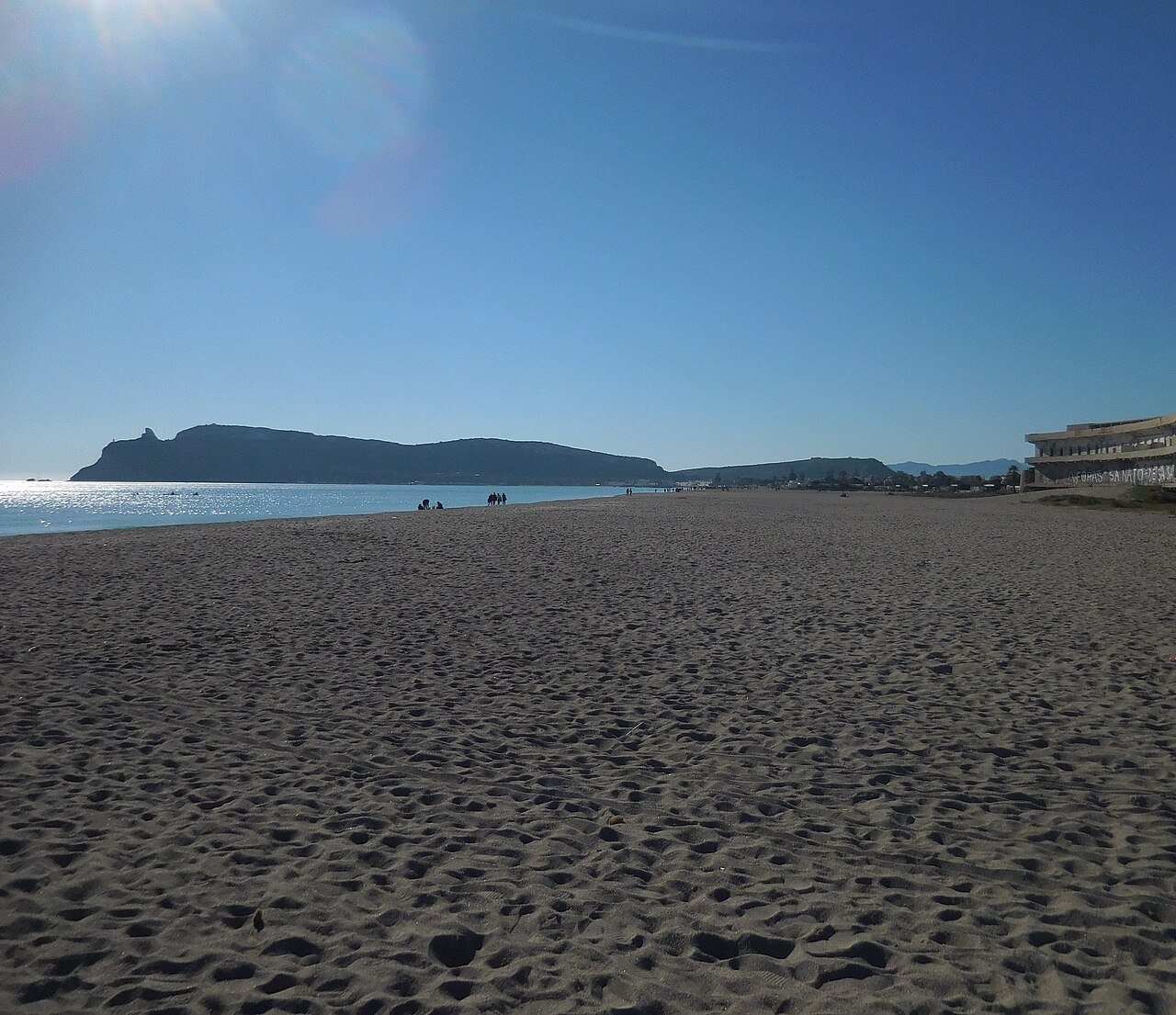
Spend your first morning exploring the Castello district, the Cathedral of Santa Maria and the panoramic Bastione di Saint Remy. Head down to the Marina quarter for Sardinian seafood and a stroll along the waterfront. On your second day, take a local bus to Poetto beach, or explore the wetlands of Molentargius, famous for flamingos.
Best time to visit: May–June and September for sightseeing and beach days. Allow three nights; Cagliari Elmas airport has rail connections to the city centre.
Brno, Czech Republic – alternative to Prague
Costa complains that many travel bloggers, out of habit, even in 2026, continue to call Prague “underrated.”
“They’re stuck in outdated stereotypes from the era of the socialist bloc and clearly have never tried to push their way through the crowds in this medieval capital, which has now become one of the most crowded and overcrowded cities in Europe. Forget about the chaos on Charles Bridge and head straight to Brno: the city is smaller, no less beautiful, and, fortunately, not flooded with tourists — so much so that the city itself even craves their influx,” he says.

Start at the Cabbage Market, climb to the Cathedral of Saints Peter and Paul, and explore the fortress and museum at Špilberk Castle. Architecture lovers can reserve a tour of the UNESCO-listed Villa Tugendhat. Brno is also a gateway to the vineyards and limestone caves of South Moravia.
Best time to visit: April–October. Two or three nights are ideal; Brno is easily reached by train from Prague, Vienna and Bratislava. Explore more sights on Visit Brno.
Limerick, Ireland – alternative to Dublin
According to a seasoned tourist, he will never go to Dublin again, where a pint of beer costs 12 dollars, and the noisy, drunken crowds in the Temple Bar area make staying in the Irish capital unbearable.
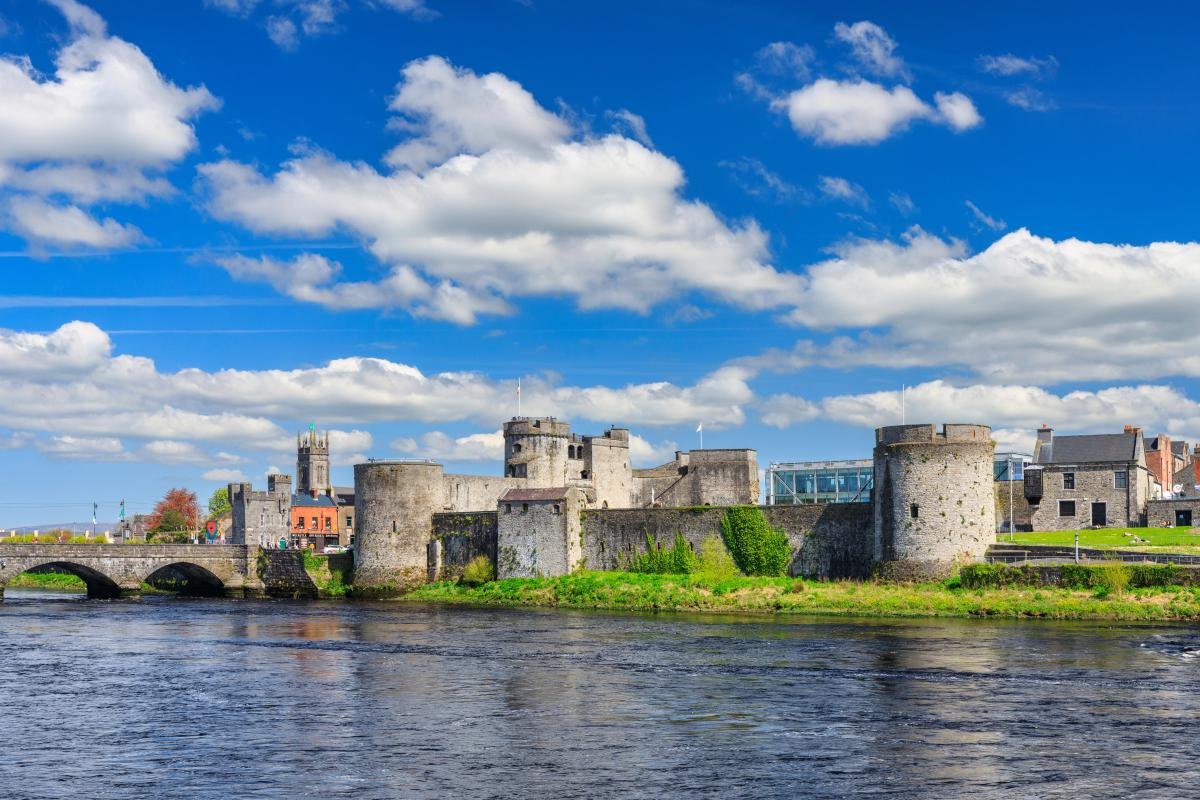
“I’m not a fan of Irish cities in general, but if someone held a gun to my head and made me choose one — no, it wouldn’t be the dreadful Galway or Cork — then my choice would be Limerick. Despite its small size, this city on the banks of the River Shannon has a vibrant character: it has a real medieval quarter, pubs right at the edge of the swift current, and a unique atmosphere of a student city — without Dublin’s pretentiousness and the overcrowding caused by tourists from all over the world,” Costa said.
Explore King John’s Castle, St Mary’s Cathedral and the medieval streets of King’s Island before walking along the Shannon. Visit the Milk Market at the weekend to discover regional produce and artisan food. Spend another day at the Hunt Museum or take a trip to Bunratty Castle and Folk Park.
Best time to visit: May–September. Stay two or three nights and consider flying into Shannon Airport. Check the Milk Market visitor information before travelling.
Ponta Delgada, Portugal – alternative to Lisbon
“If you want to see Lisbon, but without the crowds of tourists, the pickpockets snatching phones, and the endless staircases, you’ll find a calmer and even more picturesque ‘sister’ of this city in Ponta Delgada — a place located thousands of miles from mainland Portugal,” says the author of the selection.
He explains that Ponta Delgada is the historical capital of the Azores and a real gem of the island of San Miguel-a green corner, reminiscent of the animated “Jurassic World”. In addition to cascading waterfalls, black sand beaches and mist – shrouded forests, this city seems to be frozen in time-in the era of the great Portuguese geographical discoveries.
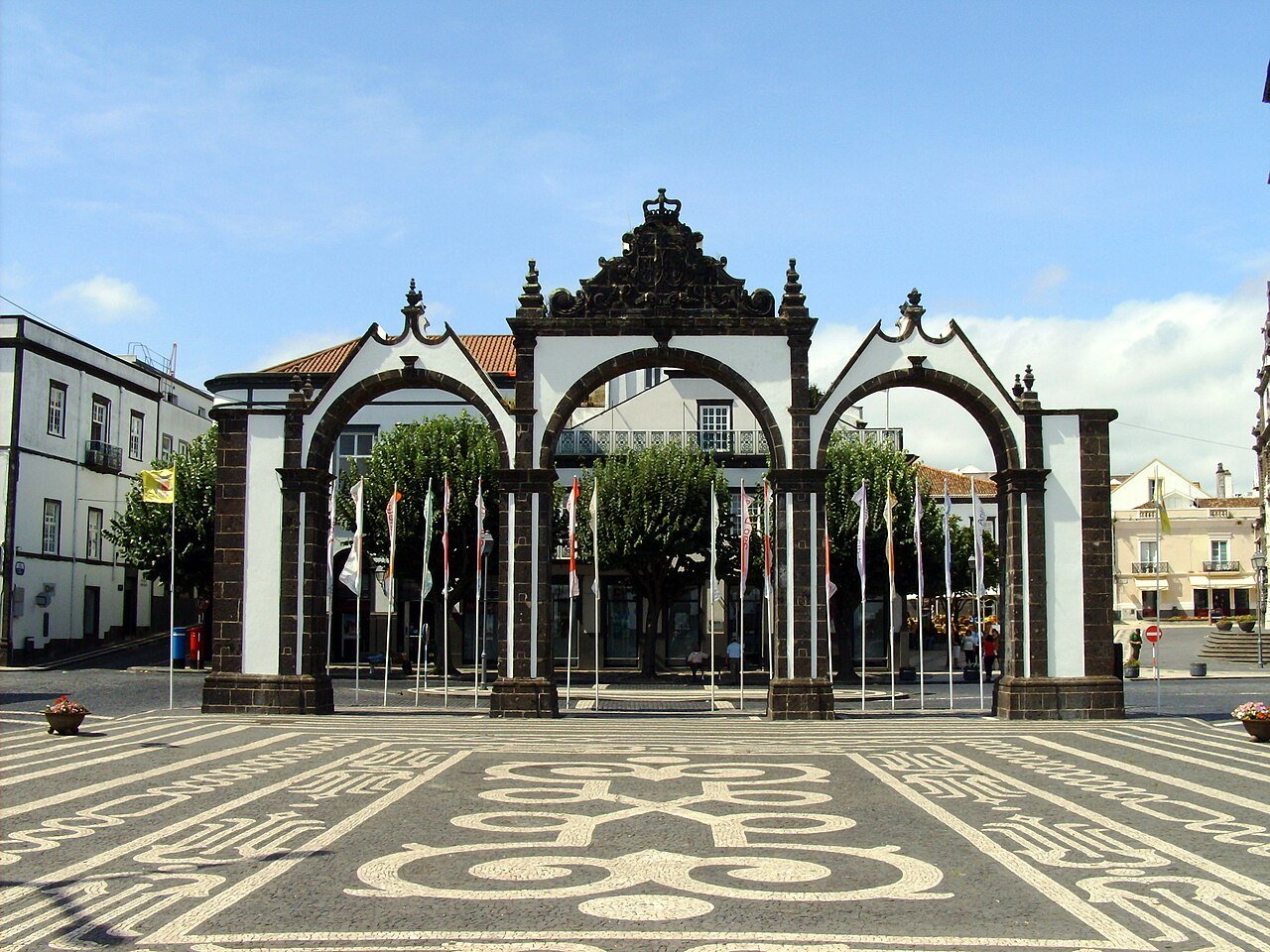
Begin at Portas da Cidade and walk through the historic centre to the marina and the local market. São Miguel rewards longer trips: visit the twin lakes of Sete Cidades, the geothermal landscape of Furnas and the viewpoints around Lagoa do Fogo. Whale-watching excursions depart from the waterfront.
Best time to visit: May–September. Allow four or five days to explore the island, ideally using a rental car or guided excursions. Weather can change quickly, so keep your itinerary flexible.
Trondheim, Norway – alternative to Oslo
Although Costa considers Oslo to be an excellent city, he is also convinced that it’s unlikely anyone would travel all the way to Norway for the sake of futuristic glass skyscrapers and an ultra‑modern opera house.
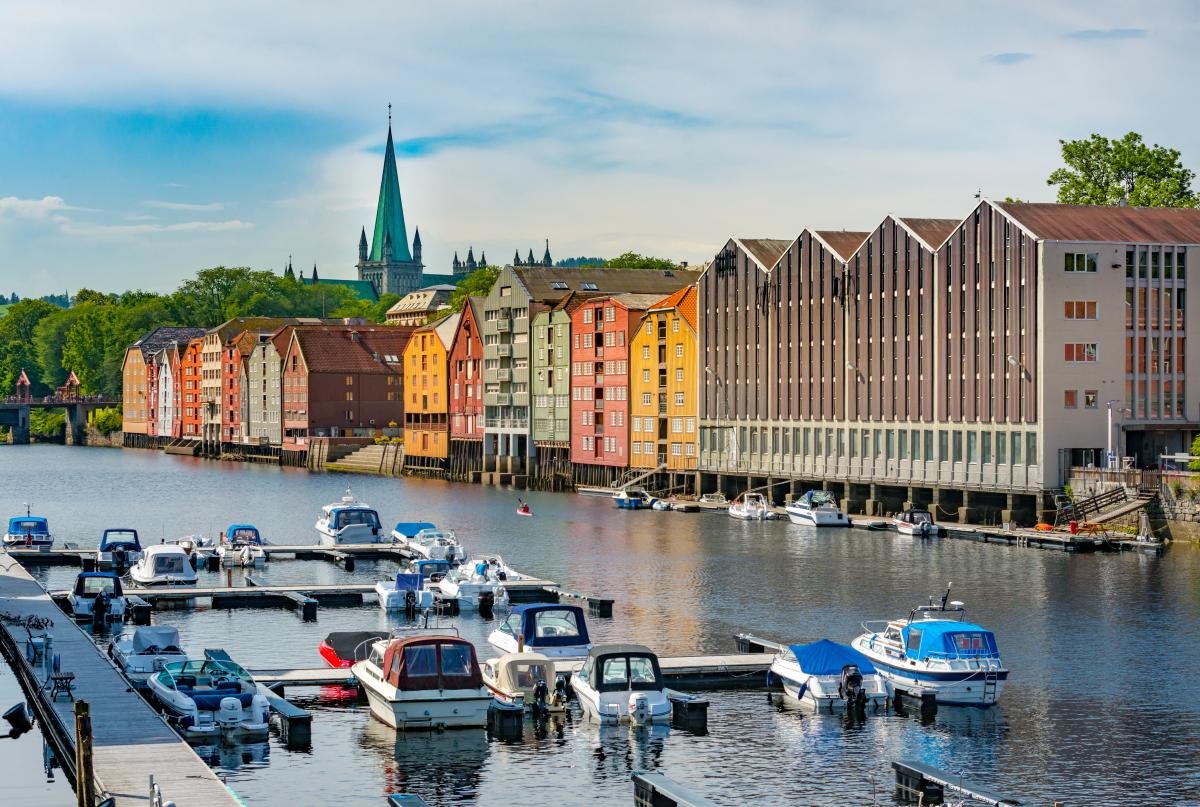
“I’m not an expert on Norway at all — I only had a quick look at the capital and drove along the fjords in the western and central parts of the country — but, judging by what I saw, Trondheim is the best place to get a full impression of Scandinavia. It has everything: a majestic cathedral reaching up to the sky (the oldest structure of its kind in such northern latitudes in Europe), cozy cobblestone streets with colourful wooden houses, and a picturesque promenade that looks like a postcard come to life,” the expert explains.
Visit Nidaros Cathedral, cross the Old Town Bridge and discover the colourful timber buildings of Bakklandet. Follow the Nidelva river, explore the Kristiansten Fortress and enjoy cafés and local food in the city centre. For outdoor activities, spend a day in the forests and trails around Bymarka.
Best time to visit: June–August for long daylight hours and outdoor walks. Two or three nights give you time to appreciate the city; Trondheim is accessible by air and long-distance rail.
Looking for more alternatives to the capitals? See our Ponta Delgada guide to the Azores capital and 7 underrated European cities for 2026. Official planning starts at Visit Europe.
Best alternatives to European capitals at a glance
| Destination | Instead of | Ideal for | Suggested stay |
|---|---|---|---|
| Cagliari | Rome | Beaches and history | 3 nights |
| Brno | Prague | Architecture and food | 2–3 nights |
| Limerick | Dublin | Castles and riverside walks | 2–3 nights |
| Ponta Delgada | Lisbon | Volcanic scenery and island trips | 4–5 nights |
| Trondheim | Oslo | Nordic culture and outdoor walks | 2–3 nights |
Frequently asked questions
Which cities are the best alternatives to the capitals?
Vinicius Costa, who has visited more than 100 European cities, picked Cagliari instead of Rome, Brno instead of Prague, Limerick instead of Dublin, Ponta Delgada instead of Lisbon and Trondheim instead of Oslo, writing for Travel Off Path.
Why choose Cagliari over Rome?
Costa says Cagliari, the capital of Sardinia, keeps everything he loves about Italy without mass tourism, with pastel buildings, a hilltop castle quarter and real beaches with white sand.
Why choose Ponta Delgada over Lisbon?
He calls it Lisbon’s calmer, more picturesque “sister”: the historical capital of the Azores on São Miguel, with waterfalls, black sand beaches and misty forests.

Konstantin is an acclaimed travel writer, celebrated for transforming ordinary journeys into extraordinary narratives. With years of experience exploring diverse destinations across the globe, his work blends vivid storytelling, cultural insights, and practical advice to inspire wanderlust and guide readers toward unforgettable adventures.
As a key contributor to enjoythetrip.org website, Konstantin has built a loyal readership through their expertise in uncovering both iconic landmarks and off-the-beaten-path treasures. He specializes in providing travelers with honest, actionable tips, whether it’s finding the best resorts in Maldives, exploring cultural hubs like Paris, or diving into the natural wonders of Croatia.