

Portuguese food combines Atlantic seafood, seasonal vegetables, hearty meat dishes and traditional pastries. From caldo verde and bacalhau to Porto’s francesinha and the famous pastel de nata, explore ten traditional Portuguese dishes and discover where to try them.
Exploring the cuisine of new countries is always interesting and a bit thrilling: what if you don’t like it? At first, in Portugal, I curiously looked at the local soups, which come in various colors and usually have a puree-like consistency. This was quite surprising, as was the fact that meat and poultry are loved here just as much as back home, but are prepared differently. The fish and seafood menu can be overwhelming, which is logical given that Portugal is surrounded by the ocean on two sides.
How to figure out what to order? Don’t panic: here, I will tell you about the most popular dishes in Portugal that you should definitely try. I will also give each dish my own gastronomic rating, and you can share your impressions in the comments. And by the way, I do not recommend reading this text on an empty stomach.
The prices below reflect the author’s original visit and are illustrative. Check current restaurant menus when planning your food budget.
Traditional Portuguese food at a glance
| Dish | What to expect | Where to try it |
|---|---|---|
| Caldo verde | Potato and greens soup | Minho, northern Portugal |
| Bacalhau à Brás | Salt cod, eggs and potatoes | Lisbon |
| Cozido à Portuguesa | Meat and vegetable stew | Furnas, São Miguel |
| Arroz de polvo | Octopus rice | Coastal towns |
| Carne de porco à Alentejana | Pork and clams | Alentejo and Algarve |
| Sardinhas assadas | Grilled sardines | Lisbon in June |
| Batata-doce com castanhas | Roasted sweet potatoes and chestnuts | Autumn markets |
| Francesinha | Meat and cheese sandwich | Porto |
| Bifana | Pork sandwich | Vendas Novas and Lisbon |
| Pastel de nata | Custard tart | Belém, Lisbon |
1. Caldo Verde
This comforting soup originated in northern Portugal and is common in homes and traditional restaurants. Enjoy it with broa, a rustic cornbread.
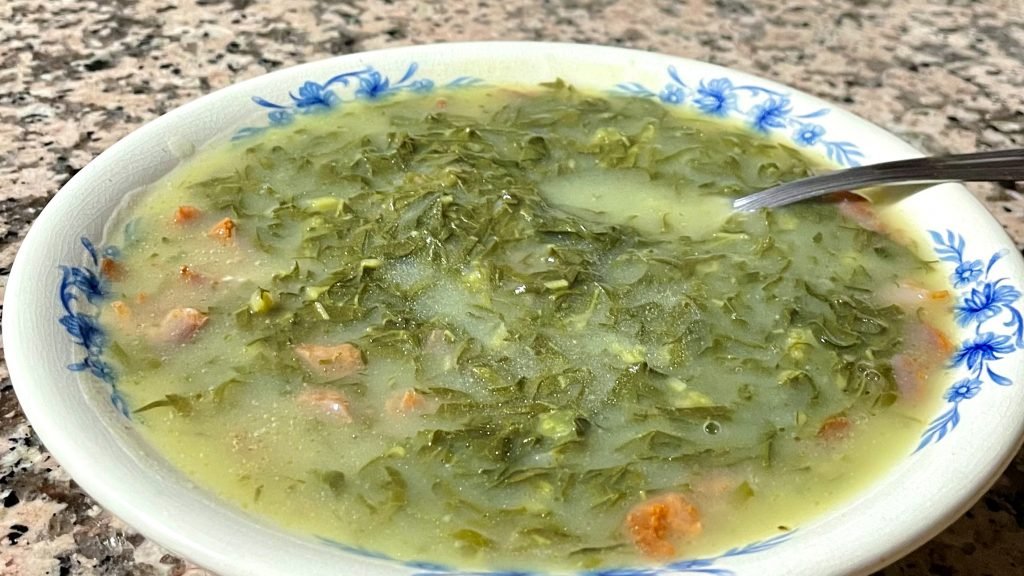
At the heart of this soup is a unique type of cabbage called gallega. This exotic plant grows on tall stems and does not form heads. When preparing caldo verde, the Portuguese cut the cabbage leaves into thin strips and add them to a vegetable puree-broth made from potatoes, onions, garlic, and olive oil. The green soup is traditionally served with spicy chouriço sausage. Mmm… Delicious!
Cost per serving: from €2.50. My rating: This is my favorite Portuguese soup. Highly recommended!
2. Bacalhau à Brás
A staple in Lisbon’s tascas, this dish has a soft scrambled-egg texture with crisp potato strands. Ask about the house version, as seasoning and presentation vary.

Cod is not found off the Portuguese coast, but the locals have managed to add over a hundred recipes for this fish to their cuisine. Bacalhau, as cod is called in Portugal, is sold as large salted carcasses. The fish is soaked for a couple of days, and then culinary masterpieces are created with it. And just imagine, even residents of Norway, where cod is native, come to Portugal to learn how to cook this fish.
My favorite dishes: Bacalhau com Natas — a casserole of cod and potatoes in cream, Bacalhau à Lagareiro — fish fillet with baked potatoes, and Bacalhau à Brás. For this dish, the potatoes are cut into thin strips, the fish is shredded by hand, and then fried together with onions. Beaten eggs are added at the end. Bacalhau à Brás is garnished with olives and parsley before serving.
Cost per serving: from €9. My rating: Love it! And I advise all tourists: if you don’t know what to order in a restaurant, go for bacalhau. You won’t regret it.
3. Cozido à Portuguesa
On São Miguel, book a restaurant serving the Furnas version in advance; pots are lowered into the geothermal ground and cooked slowly for several hours.

Cozido à Portuguesa is a very hearty and time-consuming dish. It uses various types of meat, traditional sausages, and bacon, which are slowly simmered in a large pot. At the end, cabbage, potatoes, onions, and carrots are added. The boiled vegetables are served as a side dish along with rice.
Interestingly, some restaurants prepare this Portuguese stew only once a week. In the village of Furnas on the Azores Islands, this dish is cooked underground in natural steam baths created by volcanic activity.
Cost per serving: from €15. My rating: I tried it only once. In a restaurant version in the village of Lapa, there was almost no meat, but plenty of boiled fat, so it wasn’t to my taste. But I’ve heard many positive reviews about Cozido, especially in the Azorean version. Try it and share your experience.
4. Arroz de Polvo
Rice absorbs the rich seafood broth and is often served slightly soupy. Try it in a coastal seafood restaurant, where fresh octopus is a house speciality.
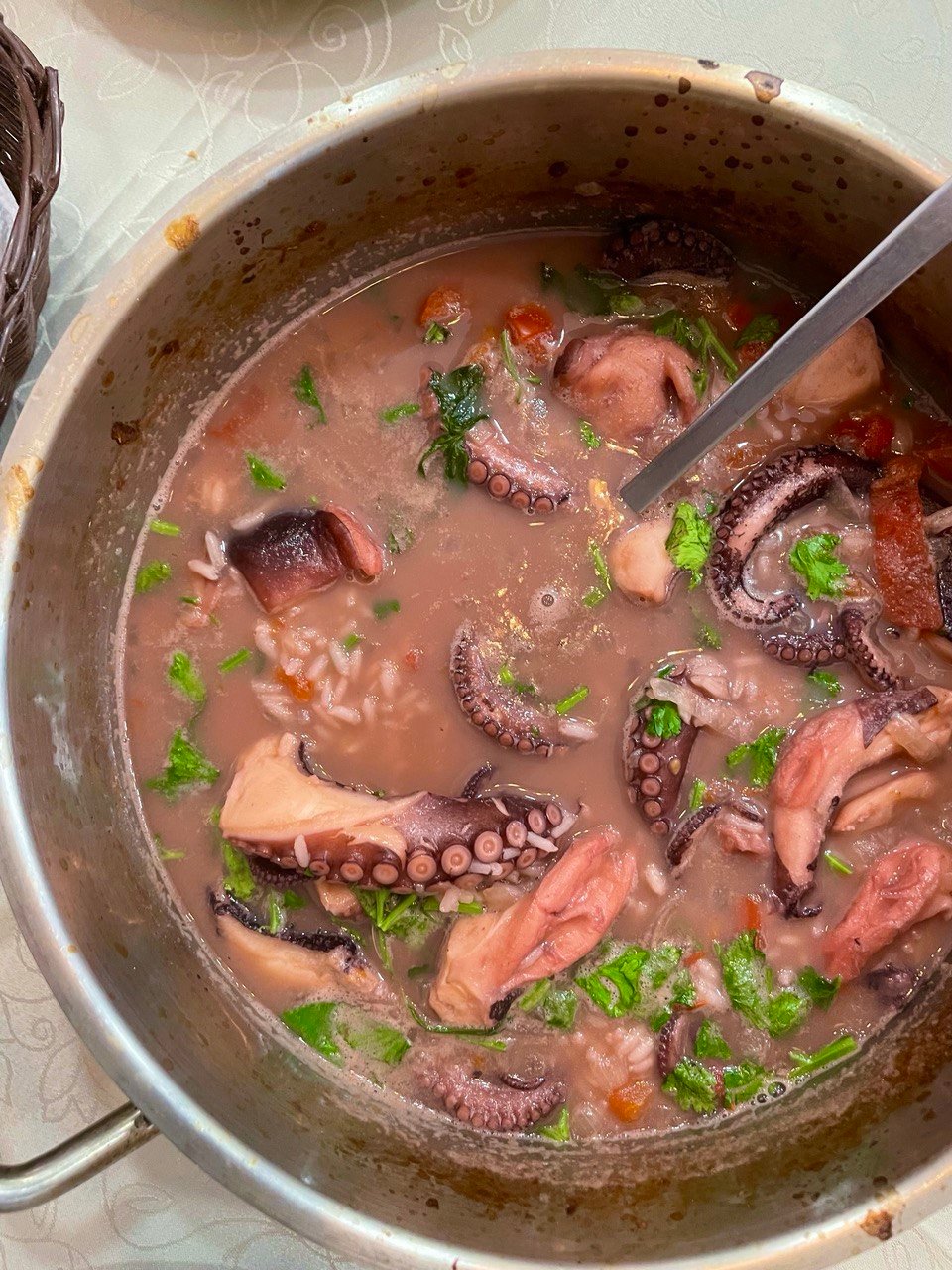
For this dish, a small octopus is chosen so it can be cooked whole. Carrots, tomato pulp, chili pepper without seeds, onions, and garlic are sautéed in olive oil. Rice is cooked with this vegetable mixture in the broth left from cooking the octopus. The rice and octopus are served in a deep dish and finished with fresh coriander or parsley.
Cost per serving: from €16.50. My rating: Honestly, I prefer grilled octopus and fluffy rice, but many people here love Arroz de Polvo, and locals even consider it a delicacy.
5. Carne de Porco à Alentejana
The combination of garlic-marinated pork and clams is a distinctive example of Portugal’s inland and coastal culinary traditions.
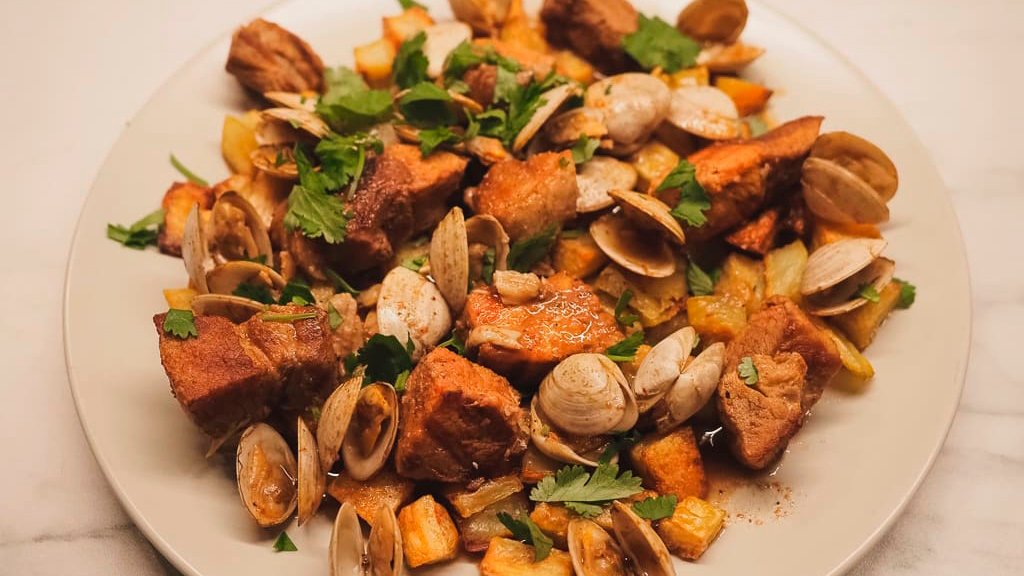
This dish was invented in the Algarve region, so why does it have Alentejo in its name? It’s because of the special way of cooking meat, which was invented in Alentejo. The pork is marinated overnight in a paste of garlic, red pepper, and salt. It is then fried until crispy, with white wine added. Potatoes are cut into cubes, parboiled, and also fried. Clams are added to the pork and allowed to open. The potatoes, meat, and clams are served swimming in olive oil. The dish is garnished with fresh cilantro.
Cost per serving: from €9.50. My rating: Incredibly delicious! But I recommend having it for lunch, not dinner, as it’s very rich.
6. Sardinhas Assadas
The best-known sardine celebrations take place during the June popular saints festivals, particularly Santo António in Lisbon. Availability of fresh local sardines varies with the season.

In June, Portugal is filled with the aroma of grilled sardines. During the festivals held across the country at this time, the fish is grilled. It turns out very juicy and aromatic. But you can try grilled sardines not only at festive fairs — they are served in restaurants year-round. The fish is traditionally eaten with corn-wheat bread. A glass of cold beer is a perfect complement to the dish.
Cost per serving: from €8. My rating: Very tasty! I love sardines, both grilled and fried in a pan.
7. Batata-Doce Assada com Castanhas e Bacon
Chestnuts are especially associated with autumn and São Martinho celebrations in November. This sweet-and-savory combination makes an enjoyable seasonal side dish.
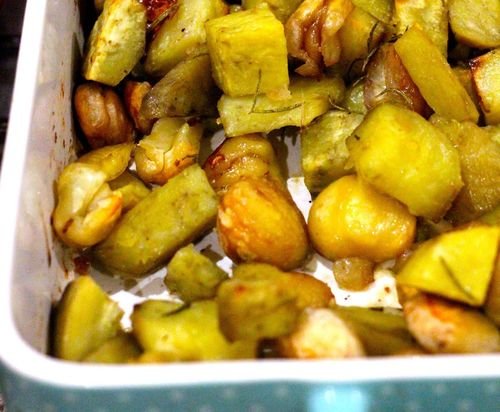
I really wanted to add something with chestnuts to the top list. And I chose this dish. When creating this culinary masterpiece, chestnuts are baked with sweet potatoes and bacon in the oven, generously drizzled with olive oil, and a couple of sprigs of aromatic rosemary are added. The recipe is very simple. And if you’re renting an apartment in Portugal, you can easily make this dish yourself by buying all the ingredients in a local store.
Cost per serving: from €7. My rating: Quite an unusual combination for my taste buds. And I probably couldn’t eat it often, but it was interesting to try, so I recommend it to you as well.
8. Francesinha
Porto is the classic place to order a francesinha. The meat-filled sandwich is covered with melted cheese and a rich tomato-and-beer sauce. It is a substantial meal.
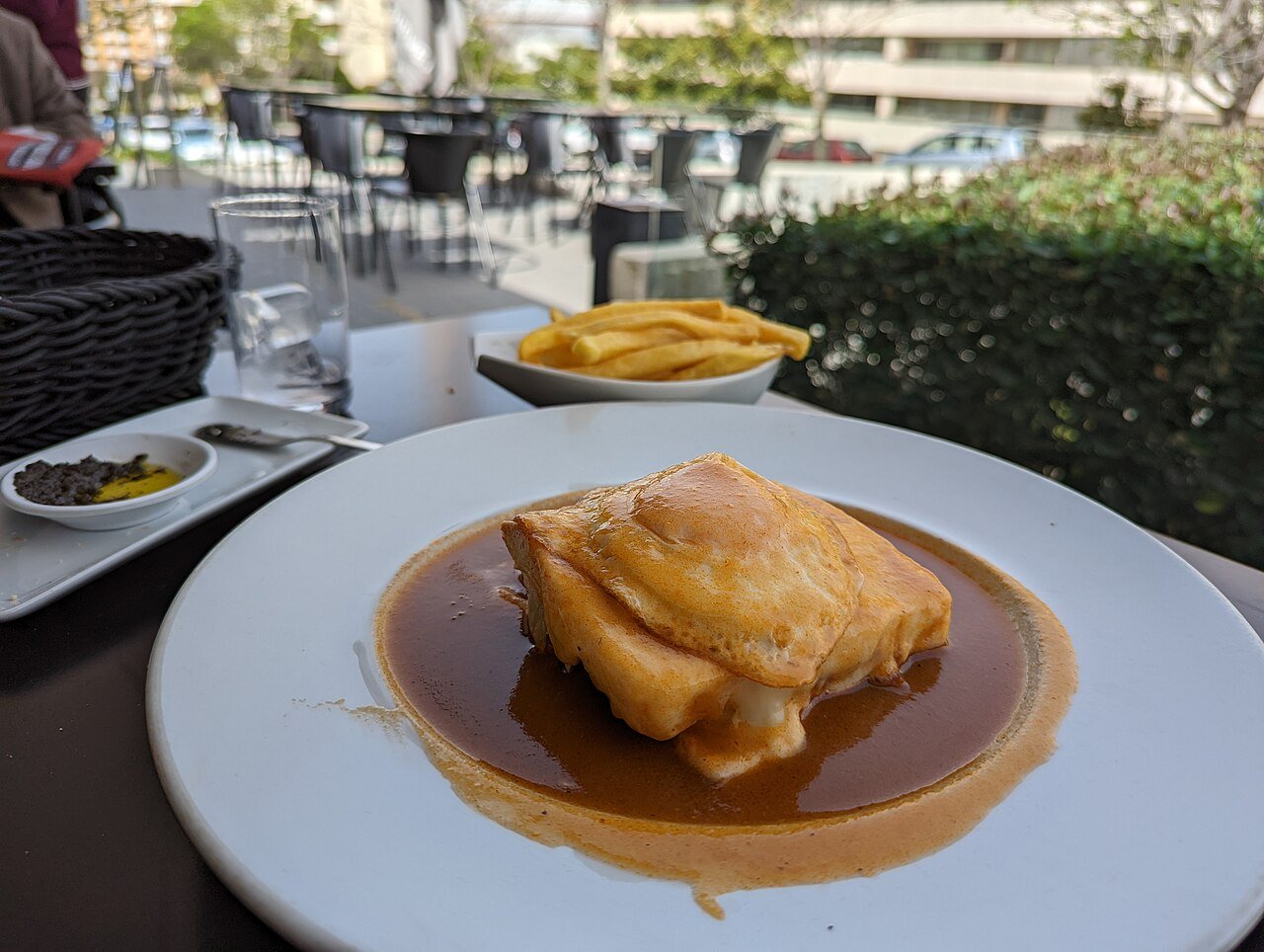
Portuguese have managed to turn a meat-filled toasted sandwich with cheese into something unique, tender, and hearty. Between toasted slices of white bread, various types of meat are laid: ham and mortadella, beef steak, and pork belly. This multi-layered construction is covered with a spicy tomato-beer sauce, topped with cheese, and put in the oven for a few minutes. Usually, “little French woman,” as the dish’s name translates, is served with a fried egg on top and a portion of French fries. I’ve also seen that Francesinha is made with seafood, but I haven’t tried that version yet.
Cost per serving: from €7.50. My rating: I liked it. Francesinha can be eaten for breakfast, lunch, or dinner. Highly recommended.
9. Bifana
Vendas Novas is particularly associated with bifanas. In Lisbon, try the sandwich at a snack bar with mustard or piri-piri according to taste.
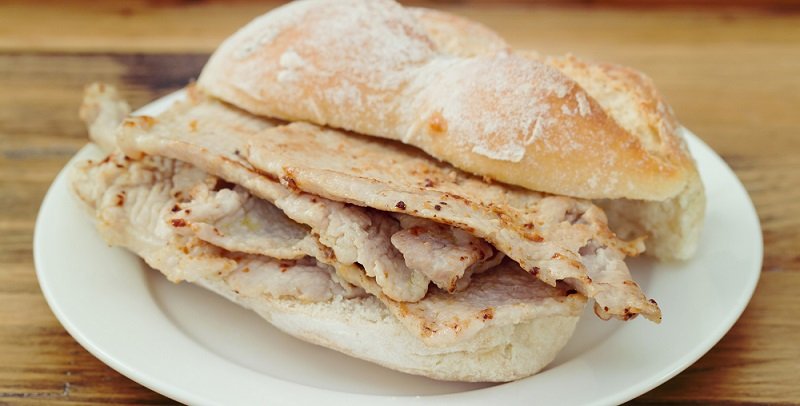
This is a favorite snack of the Portuguese, and the recipe is very simple. A white bun is cut in half, and slices of pork, which were first fried in a pan and then stewed in a sauce of wine or beer with spices and garlic, are placed inside.
Cost per serving: from €3.50. My rating: Too dry for me. I’d like to add cheese, vegetables, and sauce, like in a classic burger. If I have to choose from local fast food, I prefer their hot dogs — Cachorro-quente. In the bun, they put not only the sausage but lots of sauces, salad, and thinly sliced potatoes.
10. Pastel de Nata
Enjoy a warm pastel de nata with a little cinnamon and an espresso. Pastéis de Belém is the historic bakery associated with the original guarded recipe.
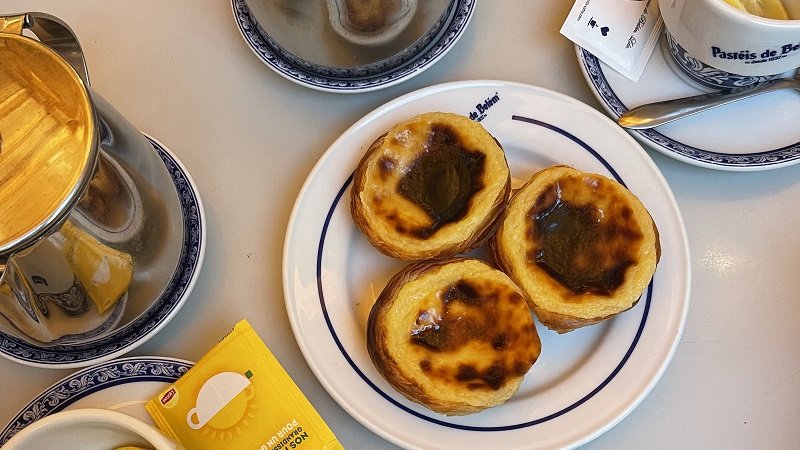
I saved this famous Portuguese dessert for the end. Puff pastry baskets filled with custard cream are made all over the country. But you can try the pastry according to the original recipe at the historic Pastéis de Belém bakery in Lisbon. It is located next to the Jerónimos Monastery, whose traditions inspired the bakery’s historic recipe. Don’t be surprised by the exclusivity of the dessert: Portugal has many monasteries, so each town has pastries unique to it.
Cost per serving: from €1. My rating: Don’t limit yourself to buying just one pastel because you will definitely want more!
Where to try Portuguese food
Lisbon is ideal for bacalhau, bifanas and custard tarts; Porto for francesinha; the Algarve for fish and shellfish; and São Miguel for the geothermal cozido of Furnas. Look for tascas and ask about the prato do dia, the daily special, which often includes a side dish.
Frequently asked questions
What is the most famous food in Portugal?
Bacalhau, or salt cod, is a national favourite. Caldo verde, grilled sardines, francesinha and pastel de nata are also widely associated with Portuguese cuisine.
What is a typical Portuguese breakfast?
A popular café breakfast is coffee with a bread roll, toast or pastry. Pastel de nata is a delicious sweet treat with an espresso.
What should I eat in Porto?
Start with francesinha, try a traditional bifana or fish dish and visit a local bakery for pastries.
Is Portuguese food expensive?
Prices depend on location and the restaurant. Daily specials, soups and sandwiches are often good-value options, especially away from major tourist landmarks.
Top 10 Authentic Souvenirs to Get from Portugal

Konstantin is an acclaimed travel writer, celebrated for transforming ordinary journeys into extraordinary narratives. With years of experience exploring diverse destinations across the globe, his work blends vivid storytelling, cultural insights, and practical advice to inspire wanderlust and guide readers toward unforgettable adventures.
As a key contributor to enjoythetrip.org website, Konstantin has built a loyal readership through their expertise in uncovering both iconic landmarks and off-the-beaten-path treasures. He specializes in providing travelers with honest, actionable tips, whether it’s finding the best resorts in Maldives, exploring cultural hubs like Paris, or diving into the natural wonders of Croatia.