
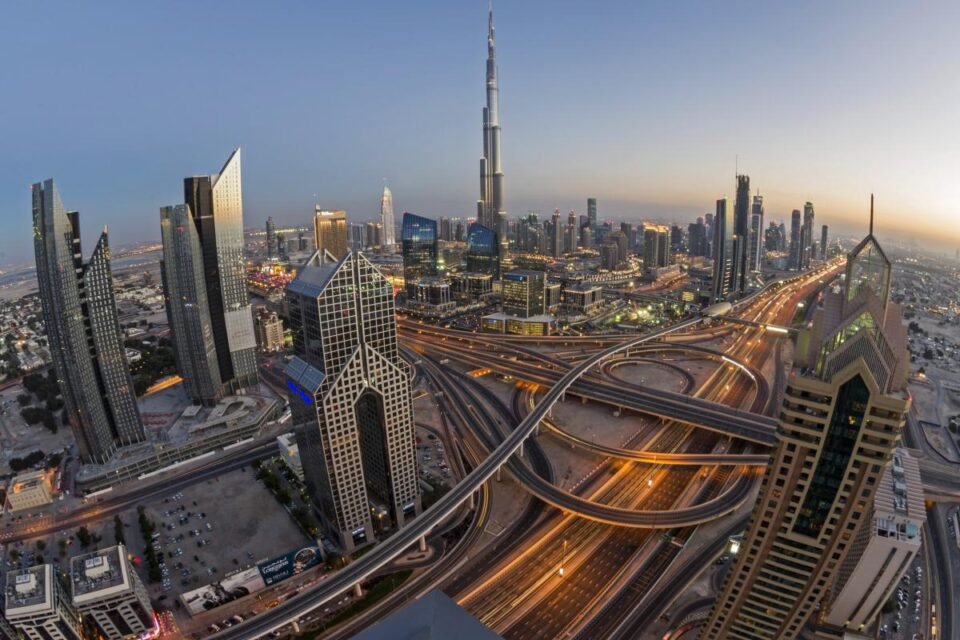
Old Dubai is the city beyond the skyscrapers: Dubai Creek, abra boats between Deira and Bur Dubai, the Al Fahidi quarter and the art spaces of Alserkal Avenue.
Few tourists know this, but Dubai also has an old city with narrow streets and no high‑rise buildings.
Dubai is associated with giant skyscrapers, luxurious shopping centers, and expensive restaurants, but behind the gleaming facade of the emirate lie historic neighborhoods, old boats, and street food.
At the time of writing, despite tensions in the wider Middle East, life in Dubai continued at its usual pace, wrote the Daily Mail. Hotels, restaurants, and shops are operating in the city, and the tourism sector is recovering after the previously introduced restrictions.
At the same time, there are few travelers here in summer due to the heat: the daytime temperature can exceed 40 degrees. The tourist season begins closer to November, when it gets cooler.
Where to find old Dubai
One way to see the city from a different perspective is to head to Dubai Creek. This sea arm has been an important trade route for many generations. Trade routes between Persia, East Africa, and India intersected here.
Today, traditional wooden boats – abras – run between the Deira and Bur Dubai districts. The trip costs only 1–2 dirhams.
Nearby is the historic Al Fahidi district, with narrow streets, sand‑colored buildings, and traditional wind towers. The atmosphere of old Dubai has been preserved here, which is very different from the modern architecture of the city center.
Dubai surprises with its art
Another unusual place is Alserkal Avenue in the industrial district of Al Quoz. Former warehouses and factory premises have been transformed into a creative cluster with contemporary art galleries, an independent cinema, cafes, food trucks, and fitness studios.
The area resembles the creative neighborhoods of major European cities and will especially appeal to those who are interested in contemporary art, music, and unconventional spaces.
What surprises the local cuisine
The gastronomic scene in Dubai also turned out to be much more diverse than the usual set of restaurants associated with large hotels.
The reason is the international composition of the emirate’s population. Most of the city’s residents were born outside the UAE, so you can try dishes from a wide variety of cuisines from around the world here.
Among fine‑dining establishments, the Orfali Bros restaurant stands out; it has been awarded a Michelin star. Its menu combines Syrian culinary traditions with modern gastronomic techniques.
Another option is the Tresind restaurant, which specializes in modern Indian cuisine. Here, traditional dishes are given an unusual shape and presentation.
For those who prefer simpler food, it’s worth checking out the Mexican Taqueria El Primo. Long lines form here for tacos and tostadas.
You can also get to know the less well‑known gastronomic side of the city during walking tours through the districts of Dubai. Such routes allow you to try dishes from different national cuisines and at the same time learn more about the history of the city.
For a broader two-day itinerary that still leaves room for Creek abra rides and Al Fahidi lanes, see what to see in Dubai in 2 days. Official tips for the historic waterfront start at Visit Dubai’s Dubai Creek page.
Old Dubai highlights
- Dubai Creek and abra boats
- Al Fahidi historic quarter
- Alserkal Avenue in Al Quoz
- Restaurants such as Orfali Bros, Tresind and Taqueria El Primo
Old dubai: frequently asked questions
Where is “old Dubai”?
Head to Dubai Creek, the historic sea arm that linked trade routes between Persia, East Africa and India. Traditional wooden abras still run between Deira and Bur Dubai for 1–2 dirhams. Nearby, the Al Fahidi district keeps sand-coloured buildings, narrow streets and wind towers that feel far from the skyscraper centre.
When is the best season?
Summer daytime temperatures can exceed 40°C, so few travellers visit then. This article says the tourist season begins closer to November, when it cools down. Hotels, restaurants and shops continue to operate as tourism recovers from earlier restrictions.
Where to find art and food beyond hotels?
Alserkal Avenue in Al Quoz turns former warehouses into galleries, an independent cinema, cafés and studios. For food, the piece highlights Michelin-starred Orfali Bros (Syrian-modern), Tresind (modern Indian) and Taqueria El Primo for casual tacos — plus walking tours through districts for everyday cuisines.
How do I get around old Dubai?
Take an abra across Dubai Creek between Deira and Bur Dubai – it is cheap and authentic.
What is the best season to explore old Dubai?
The season starts around November, when it is comfortable to walk outside.
Related guides on Enjoy The Trip: Dubai most popular beaches – which one to choose.

Konstantin is an acclaimed travel writer, celebrated for transforming ordinary journeys into extraordinary narratives. With years of experience exploring diverse destinations across the globe, his work blends vivid storytelling, cultural insights, and practical advice to inspire wanderlust and guide readers toward unforgettable adventures.
As a key contributor to enjoythetrip.org website, Konstantin has built a loyal readership through their expertise in uncovering both iconic landmarks and off-the-beaten-path treasures. He specializes in providing travelers with honest, actionable tips, whether it’s finding the best resorts in Maldives, exploring cultural hubs like Paris, or diving into the natural wonders of Croatia.