
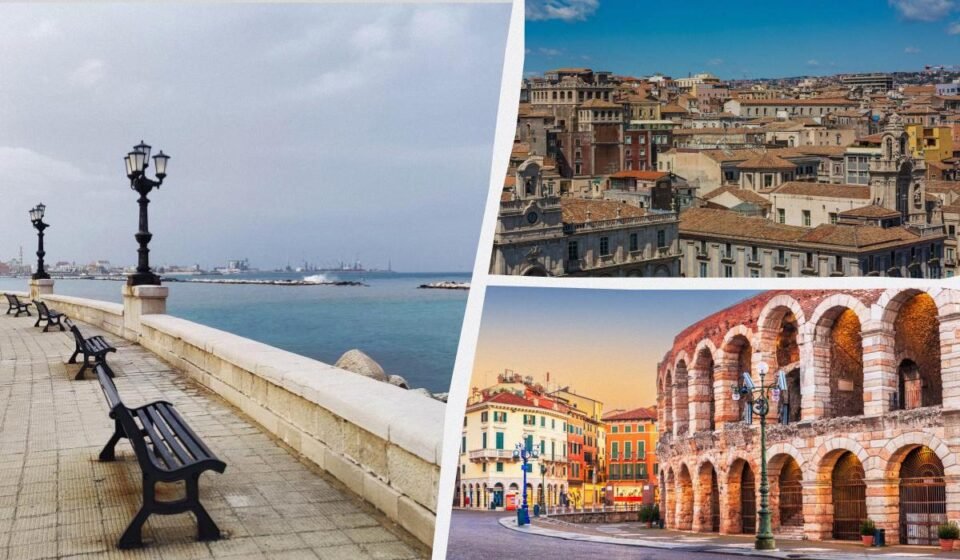
These alternatives to Rome are Bari, Catania and Verona, three Italian cities with history, food and fewer crowds.
Rome is a dream trip for many, but the crowds can spoil it. Looking for alternatives to Rome? Three underrated Italian cities offer plenty to see with far fewer people.
Taila Nichole Thompson picked them for Express.co.uk on 6 July 2025. Her choices are Bari, Catania and Verona.
Why Look for Alternatives to Rome
Rome gets about 10.3 million visitors a year, according to the Express. In busy months, that can make it hard to enjoy the city or see the Colosseum without heavy crowds.
Timing makes a big difference. Rome is very walkable, with many sights linked by car-free zones. Still, a quieter city can give you a calmer Italian break.
Bari: One of the Best Alternatives to Rome
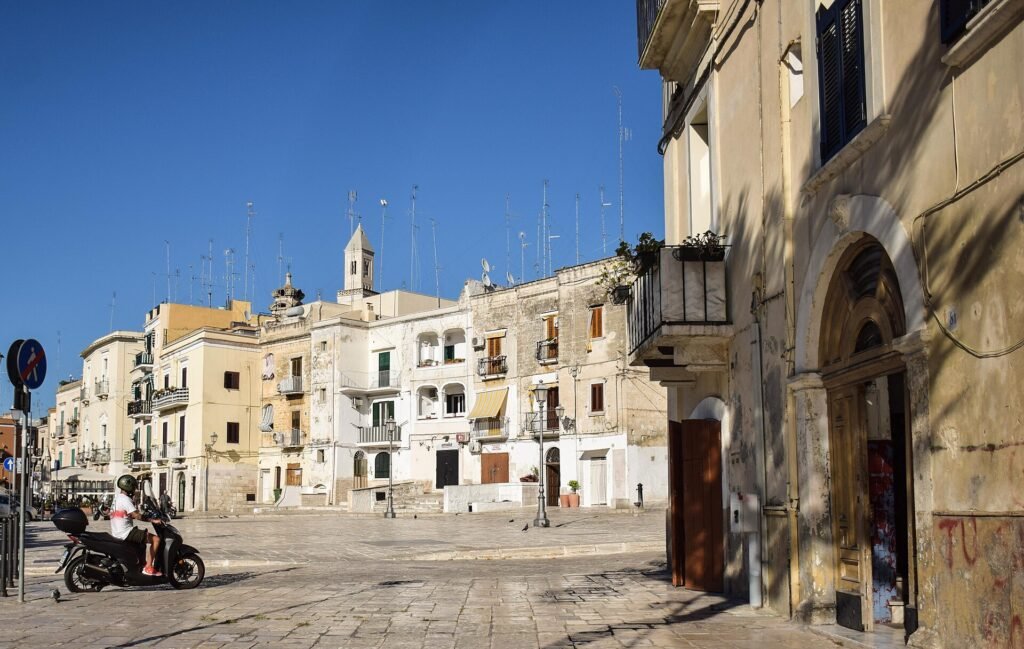
Bari, in Puglia, may be the most cost-effective choice. It is an affordable and lively port city on the Adriatic Sea. You can walk through the old town, try fresh seafood and visit small villages nearby. The Express calls it an underrated city in one of Europe’s most visited holiday nations.
In Bari Vecchia, the oldest part of the city, you can watch locals make orecchiette pasta right on the street. Bari is the third-largest city in southern Italy, with about 316,000 people. The Express says it is “never overrun by tourists”.
What to do: spend the morning exploring the narrow lanes of Bari Vecchia and watching pasta being made. Stop for an orecchiette lunch or fresh seafood before a walk along the Adriatic waterfront. The historic centre is compact and easy to explore at a relaxed pace.
How long to stay: allow two days for Bari itself, or three days if you want to explore the coast. Choose accommodation close to the historic centre if you prefer sightseeing on foot, or near the railway station for day trips around Puglia.
Nearby, you can also visit Polignano a Mare, one of the most beautiful places in Italy.
Catania: Food and Views Under Mount Etna
Catania is a port city right under Mount Etna. It has beautiful views and great food, so it suits anyone who loves to eat. Its central square, Piazza del Duomo, has the Elephant Fountain next to Catania Cathedral.
What to do: start in Piazza del Duomo to see the cathedral and Elephant Fountain, then explore the surrounding streets and food markets. Try Sicilian specialities, from pastries and arancini to fresh fish. Leave time to enjoy a leisurely meal in the historic centre.
How long to stay: two days give you time to explore the city. Add a full day for Mount Etna if you want to see Sicily’s volcanic landscape. Check current access conditions and choose a suitable guided excursion, particularly if you want to explore higher elevations.
For more of the island, see our guide to 11 places in Sicily beyond Etna.
Verona: More Than Romeo and Juliet
Verona is famous for the story of Romeo and Juliet. Yet it is a quiet city with old buildings and pretty streets. As the Express notes, Verona “may often be overlooked in favour of Italy’s larger metropolises like Rome, Florence and Venice”. Its compact, walkable centre is full of genuine trattorias.
According to the official Visit Verona website, the Arena is the best-preserved ancient amphitheatre in the world. The Romans built it around the middle of the 1st century AD, and it held about 30,000 people. It was built outside the Roman walls so crowds would not fill the town centre. The stone is limestone from Valpolicella. In 1913, the Arena staged its first opera, Verdi’s Aida, and it still hosts a famous summer opera festival. The old town is also a UNESCO World Heritage Site, recognised in 2000.
What to do: begin around the Arena, then wander through the historic centre and its squares. The city is especially rewarding for travellers interested in Roman history and medieval architecture. If you plan to attend an opera, book tickets and accommodation early and check the festival programme.
How long to stay: allow one full day for the principal sights or two days for a slower visit. Stay within walking distance of the historic centre for sightseeing, or near the station if you are continuing your journey by train.
Planning a visit? Try our Verona in one day guide.
Bari vs Catania vs Verona: which city should you choose?
| City | Best for | Suggested stay |
|---|---|---|
| Bari | Adriatic coast, food and old-town atmosphere | 2–3 days |
| Catania | Sicilian cuisine, markets and Mount Etna | 2–3 days |
| Verona | Roman heritage, architecture and opera | 1–2 days |
All three choices can make excellent city breaks outside the summer peak, although conditions differ. Bari is a natural fit for a coastal holiday, Catania for a food and nature trip, and Verona for travellers who want to experience Roman monuments in a compact historic city. For more ideas, see our guide to Roman ruins in Europe without the crowds.
Still Want Rome? Tips Beyond the Alternatives to Rome
If you still dream of Rome, go outside the peak season. Solo traveller Melissa Byron shared this advice on her blog: “Travelling between November and April would have meant fewer tourists and a more relaxed experience.”
Alternatives to Rome at a glance
- Bari: Bari Vecchia and street-made orecchiette
- Catania: food and views under Mount Etna
- Verona: the Arena and its summer opera festival
Alternatives to Rome: frequently asked questions
What are the best alternatives to Rome?
Bari, Catania and Verona offer history and food with fewer crowds.
Which alternative to Rome is best for food?
Catania, with its markets and Sicilian cuisine.
Is Verona a good alternative to Rome?
Yes, for its Roman Arena, old town and opera festival.
Related guides on Enjoy The Trip: Matera: The Fascinating 9,000-Year-Old Cave City in Italy, Italian Alternatives to Venice: Lonely Planet’s 8 Amazing Picks.

Konstantin is an acclaimed travel writer, celebrated for transforming ordinary journeys into extraordinary narratives. With years of experience exploring diverse destinations across the globe, his work blends vivid storytelling, cultural insights, and practical advice to inspire wanderlust and guide readers toward unforgettable adventures.
As a key contributor to enjoythetrip.org website, Konstantin has built a loyal readership through their expertise in uncovering both iconic landmarks and off-the-beaten-path treasures. He specializes in providing travelers with honest, actionable tips, whether it’s finding the best resorts in Maldives, exploring cultural hubs like Paris, or diving into the natural wonders of Croatia.