
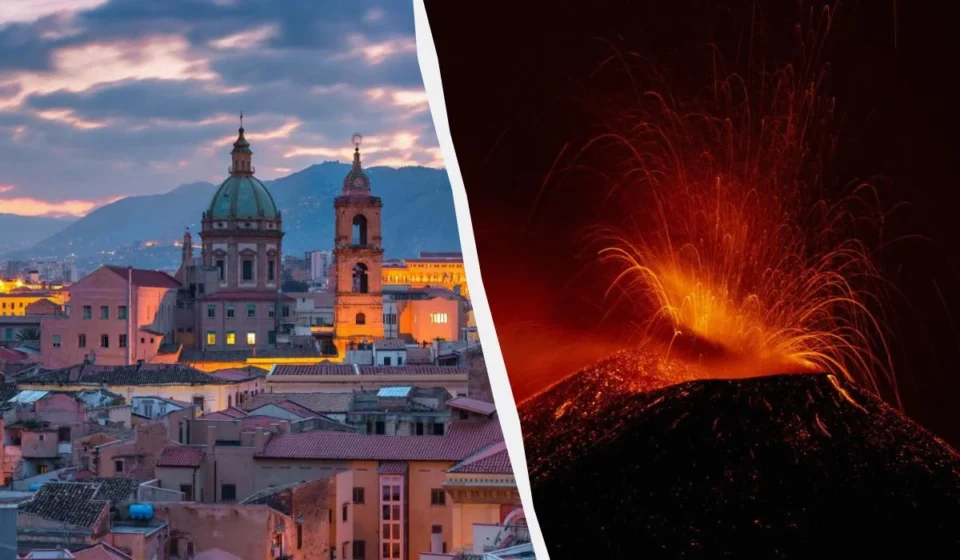
Sicily, Italy, combines ancient Greek temples, Baroque towns, beaches, volcanic landscapes and regional cuisine. Discover eleven places worth exploring, from Palermo and Cefalù to Mount Etna and Syracuse. It was even named the best place in Europe for solo travellers.
The UK holiday company eShores has picked 11 places in Sicily that are worth a visit. In its words: “Take active volcanoes, medieval towns, dramatic coastlines, and sun-soaked beaches, then mix in Italian culture, buzzing markets and world-class food and wine – that’s the beautiful island of Sicily.”
Coastal Places in Sicily: Cefalù, San Vito Lo Capo, Taormina
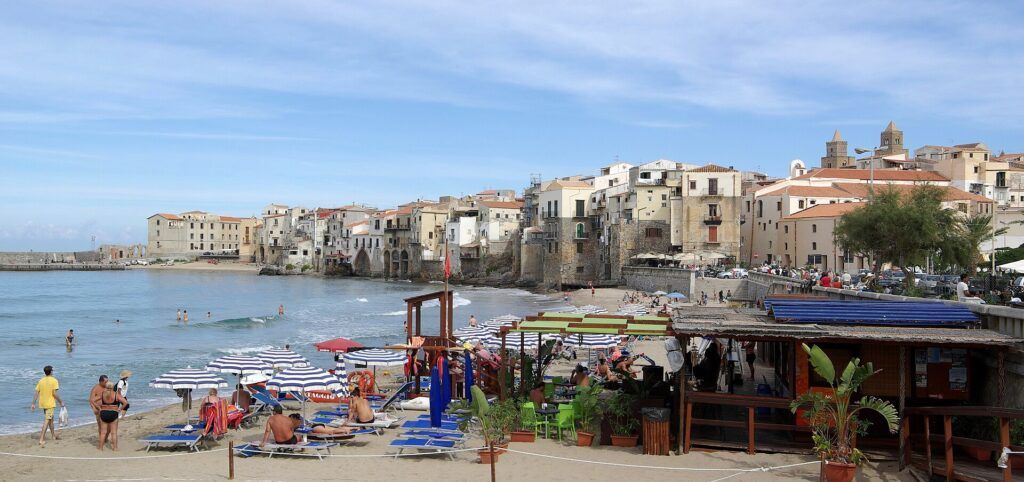
Cefalù sits just along the coast from Palermo. Its 12th-century Norman cathedral holds some of the finest Byzantine mosaics in Italy. A long golden beach lies right in the town centre. For views, climb La Rocca, a 270-metre cliff. The walk is steep; allow sufficient time and check current access and weather.
San Vito Lo Capo has what many call Sicily’s most spectacular beach. The white sand stretches for nearly two kilometres. In addition, the nearby Zingaro Nature Reserve has coastal scenery and coves. Check the reserve’s current opening and trail conditions before visiting.
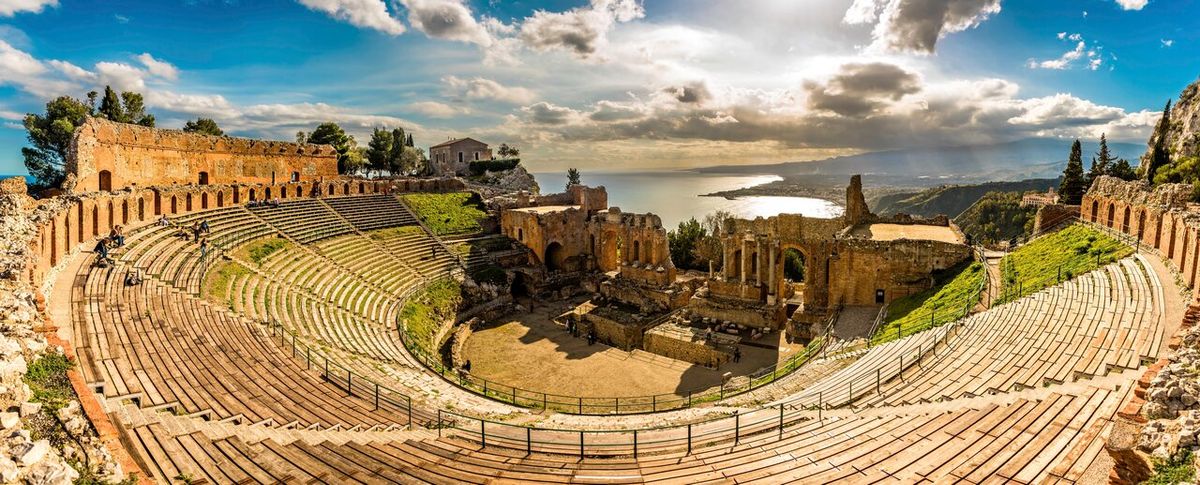
Taormina is the island’s most glamorous resort, built on cliffs above the Ionian Sea. Its Greek-Roman theatre dates from the 3rd century BC. The town also starred in The White Lotus season 2. Then take the cable car down to Mazzarò Beach and Isola Bella. For more sand, see our guide to the best beaches in Sicily.
Places in Sicily for City Lovers: Palermo, Catania, Syracuse
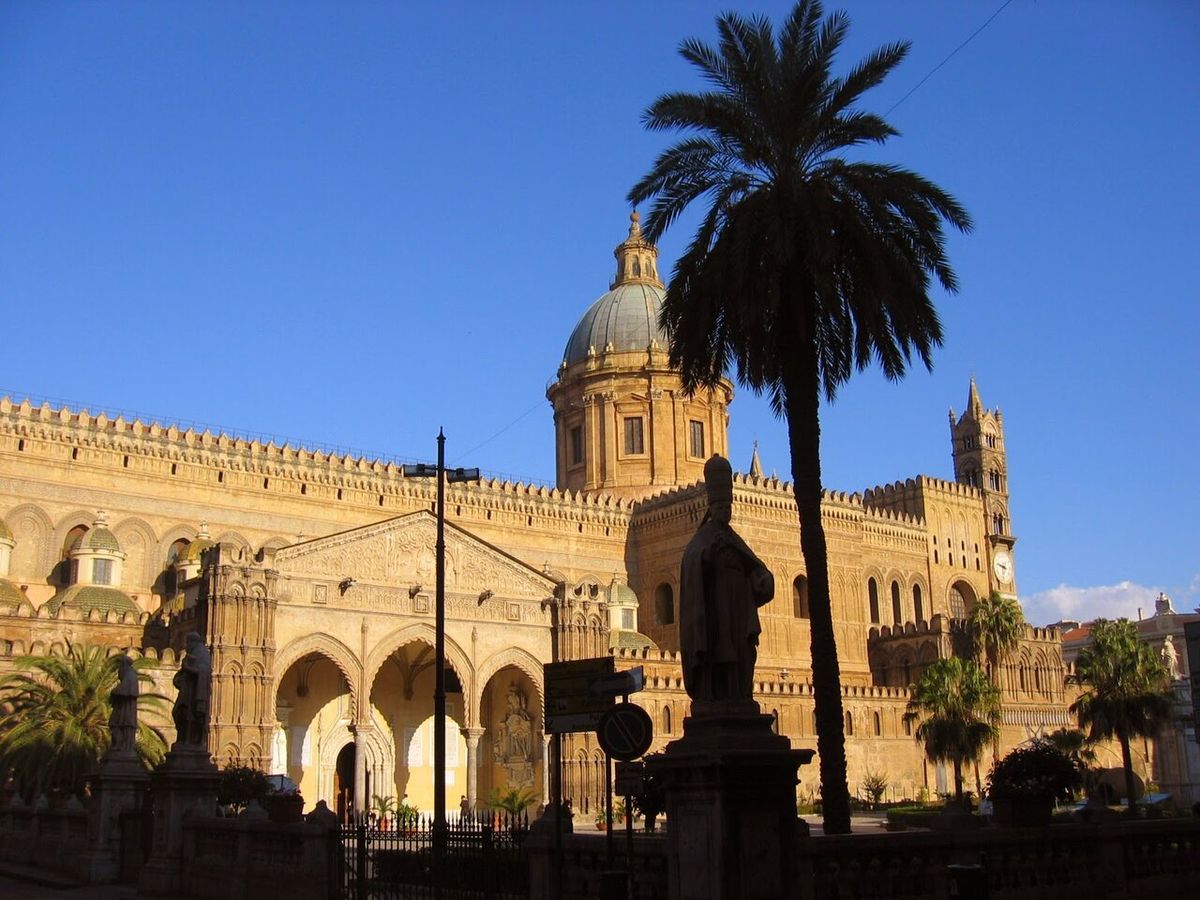
Palermo is the bustling, food-loving capital. Start at the Quattro Canti, then see the Fountain of Shame nearby. At the Ballarò, Capo or Vucciria markets, try panelle or arancini. On top of that, Teatro Massimo is one of Europe’s largest opera houses.
Catania is built mostly from black volcanic stone. Students keep it lively, and Etna is just 35 km away. Also, don’t miss the Elephant Fountain in Piazza del Duomo.
Syracuse feels like a slice of ancient Greece. On the island of Ortigia, the cathedral was built into a 5th-century BC temple of Athena. As a result, its Doric columns are still visible.
Mount Etna: Volcano and Wine
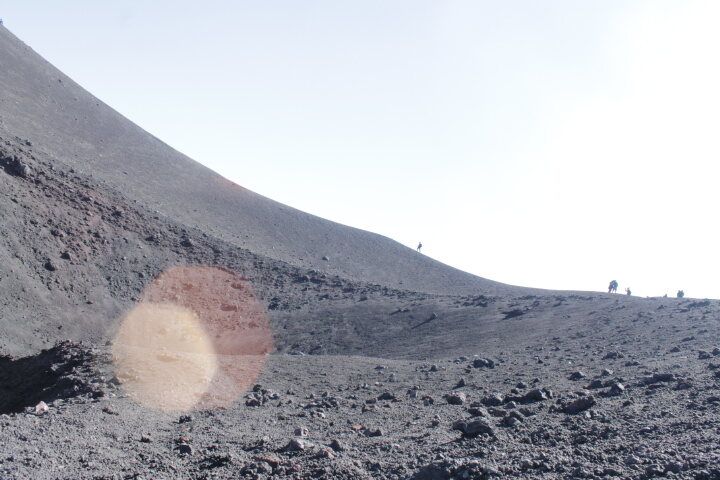
Mount Etna is an active volcano and a UNESCO World Heritage Site. Its summit height changes with volcanic activity. The Etna cable car normally reaches approximately 2,500 metres. Access depends on weather, volcanic activity and local safety restrictions; check official notices and follow professional advice. The volcanic soil also gives Etna Rosso and Etna Bianco wines their character.
Baroque Places in Sicily: Noto and Ragusa
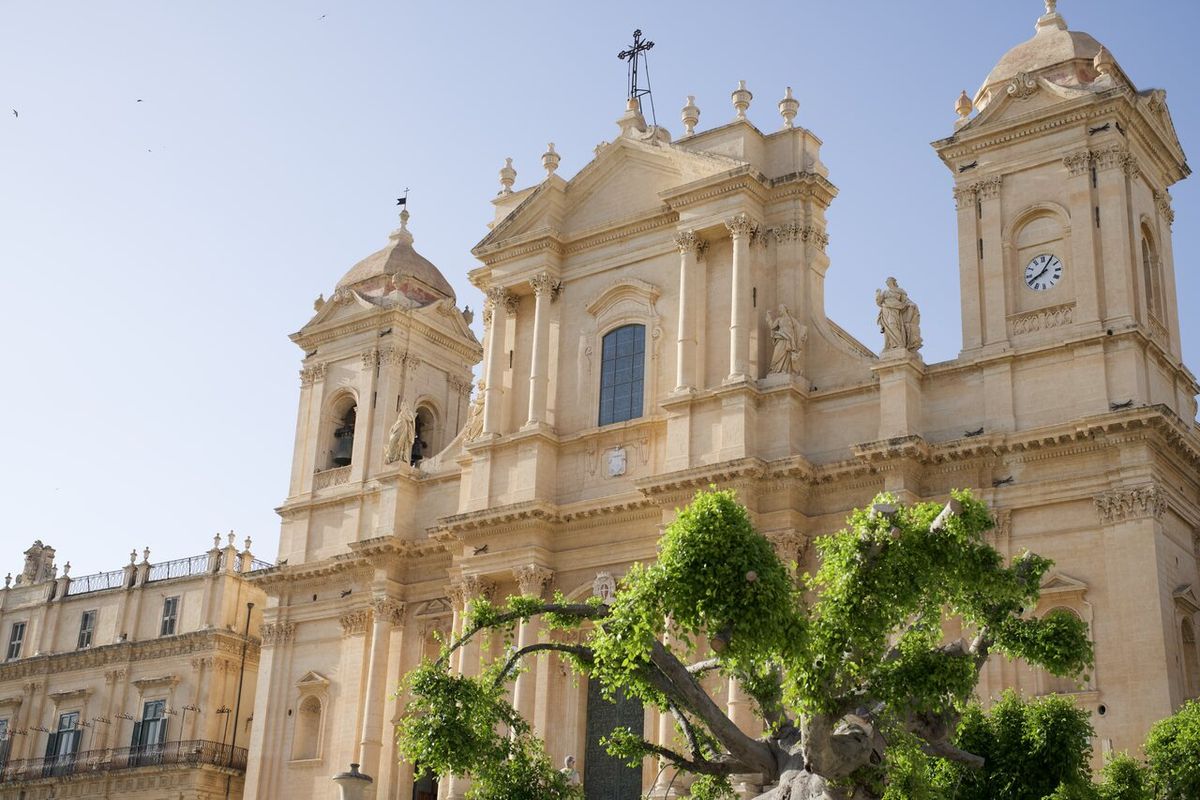
Noto is a picture-perfect Baroque town of warm limestone. It is also famous for almond sweets, such as almond biscuits and granita with almond syrup.
Ragusa spreads across several hills. Its old lower town, Ragusa Ibla, is often called an open-air museum. Above all, the huge Cathedral of San Giorgio is its highlight.
Ancient Agrigento and Medieval Erice
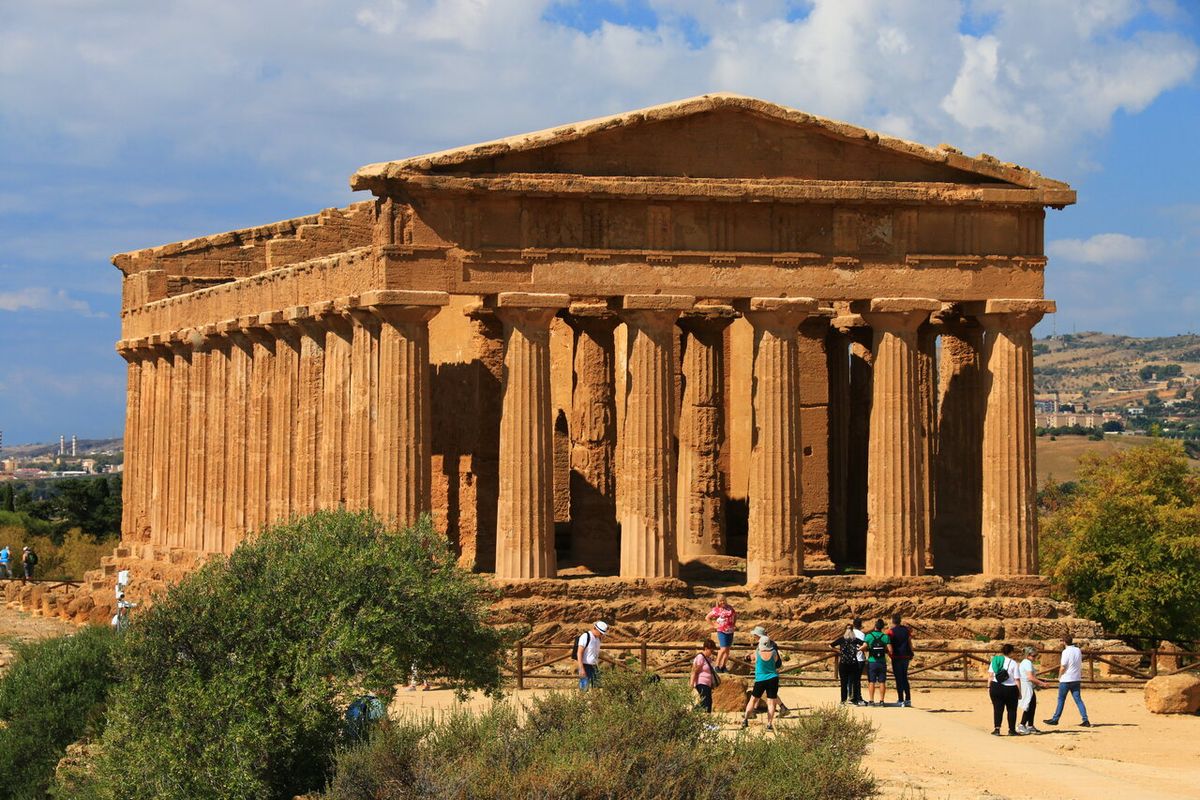
Agrigento is home to the Valley of the Temples. The fifth-century BC Temple of Concordia is remarkably well preserved. Check official tickets and visitor information. Also, about 15 km away, the white cliff of Scala dei Turchi offers dramatic coastal views; check local access restrictions.
Erice is a medieval hilltop town above the Tyrrhenian Sea. The seasonal cable car from Trapani is one way to reach Erice; check operating hours and weather. It also has two castles and more than 60 churches. Want more of Italy? Read Lonely Planet’s 8 interesting places in Italy.
11 best places to visit in Sicily
| Destination | Area | Highlights |
|---|---|---|
| Cefalù | North coast | Norman cathedral and beach |
| San Vito Lo Capo | North-west | Sandy beach and coastal landscapes |
| Taormina | East coast | Ancient theatre and Isola Bella |
| Palermo | North coast | Historic architecture and markets |
| Catania | East coast | Baroque centre and local food |
| Syracuse | South-east | Ortigia and Greek heritage |
| Mount Etna | East | Volcanic landscape and vineyards |
| Noto | South-east | Baroque architecture |
| Ragusa | South-east | Historic Ragusa Ibla |
| Agrigento | South coast | Valley of the Temples |
| Erice | West | Medieval hilltop town |
For additional destination information, see the official Visit Sicily travel guide.
Map of Sicily attractions
Locate Palermo, Taormina and the Valley of the Temples on Google Maps.
Suggested 10-day Sicily itinerary
Days 1–3: Palermo and Cefalù
Base yourself in Palermo for its markets and architecture. Take a day trip to Cefalù, then continue towards the west coast.
Days 4–5: Erice and San Vito Lo Capo
Explore Erice and the beaches near San Vito Lo Capo. Check the Zingaro reserve’s current status if you want to hike.
Day 6: Agrigento
Allow time for the Valley of the Temples, then continue towards the south-east.
Days 7–8: Ragusa, Noto and Syracuse
Explore the Baroque towns and Ortigia. For a slower pace, extend this section by another day.
Days 9–10: Catania, Taormina and Etna
Explore Catania, then choose Taormina and an Etna excursion according to your travel time and current weather and volcanic conditions. Consider an extra day for both experiences without rushing.
Where to stay and how to get around Sicily
Choose Palermo as a base for the north and west, Catania for the east, and Syracuse or nearby towns for the south-east. Trains and buses connect many of the major towns; a car makes remote beaches and hill towns easier to reach. Compare Catania hotels on Trip.com and browse Sicily guided tours and excursions on GetYourGuide.
Frequently asked questions
How many days do you need in Sicily?
A week works for one part of the island. Ten days or longer allow time to explore both eastern and western Sicily.
What is the best time to visit Sicily?
Spring and early autumn offer pleasant conditions for sightseeing. Summer is popular for beaches, with heat and larger crowds. Check seasonal services.
Can you visit Sicily without a car?
Yes. Many major cities are connected by public transport. A car or organised excursion helps reach smaller villages, rural attractions and remote beaches.
Is Mount Etna safe to visit?
Access depends on volcanic activity and local restrictions. Check official alerts and use authorised guides where required.
Which part of Sicily is best for a first trip?
Eastern Sicily offers Catania, Taormina, Etna and Syracuse. Western Sicily offers Palermo, Cefalù, Erice and coastal towns. Choose the region that best matches your interests and available time.

Konstantin is an acclaimed travel writer, celebrated for transforming ordinary journeys into extraordinary narratives. With years of experience exploring diverse destinations across the globe, his work blends vivid storytelling, cultural insights, and practical advice to inspire wanderlust and guide readers toward unforgettable adventures.
As a key contributor to enjoythetrip.org website, Konstantin has built a loyal readership through their expertise in uncovering both iconic landmarks and off-the-beaten-path treasures. He specializes in providing travelers with honest, actionable tips, whether it’s finding the best resorts in Maldives, exploring cultural hubs like Paris, or diving into the natural wonders of Croatia.