
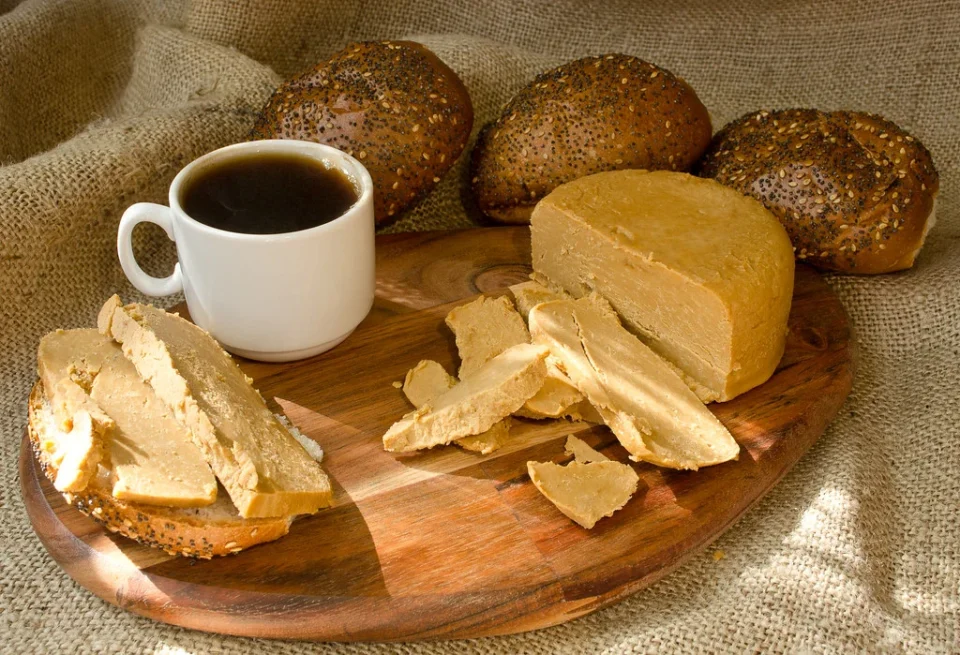
The inhabitants of the Scandinavian Peninsula and their closest neighbors live up to their proud title of Viking descendants. They have learned to extract the maximum from the resources available to them — and they clearly have strong stomachs.
What do they eat? That’s what we’ll talk about today. Here’s a selection of the most exotic Scandinavian dishes. Spoiler: most are fish-based, since the sea is nearby after all.
You can bring your love for some northern land products home. For example, I fell in love with brunost cheese. Trying the rest is as extreme as skydiving. Some are indeed dangerous to health. So be prepared.
1. Surströmming
Starting with a trump card, the first place in our top goes to “rotten fish.” If you accidentally spill it on your clothes — throw them away.
Swedish stinky herring is a quest for the brave. There’s even talk of banning it in multi-story buildings. It’s no wonder, the smell is so pungent it will wake up all your neighbors.
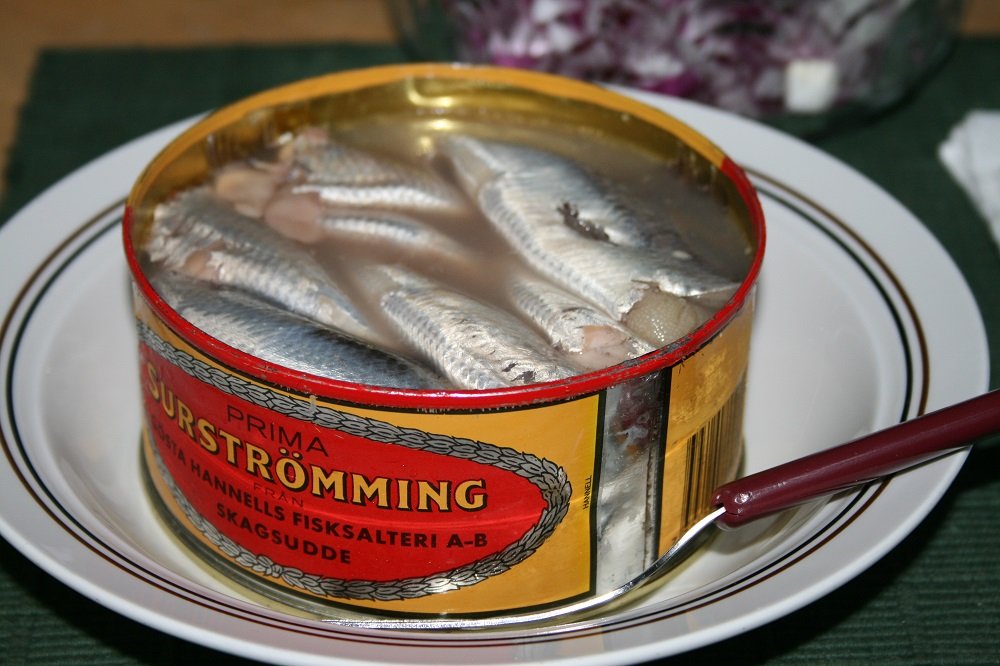
How is surströmming made? The fish is soaked in a saline solution for several days, then sealed in barrels for fermentation. It is believed that the dish appeared during the war between the Swedes and the Prussian feudal lords. Apparently, salt supplies were running low, and there wasn’t enough for proper fish preservation. Naturally, the herring began to ferment. But the warring Swedes found it acceptable.
The fish smells because it releases acetic and propionic acids, giving it its distinctive odor. But for the locals, it’s a culinary landmark, their pride, and a delicacy. Surströmming is eaten with tomatoes, bread, and onions. It even has its own festivals.
2. Rakfisk
A bit reminiscent of the first item. A Norwegian delicacy. Also fish (usually trout, sometimes whitefish or char), also with a pungent smell. It’s also salted, sealed in barrels, and forgotten for a while, sometimes for a couple of months, sometimes for six months. People get used to anything! Despite the smell, Norwegians consume hundreds of tons of this pungent fish every year. Rakfisk is served with onions, black bread, and sour cream.
3. Lutefisk
Visually — a white stress-relief slug. The fish (usually cod) is first dried and then soaked in lye. A remarkable dish. And here’s why. On the one hand, it’s a classic Scandinavian Christmas dish. As familiar to them as Olivier salad is to us during the holidays. So what’s the catch?
The catch is that if you look at the product from another angle, it’s extremely dangerous to health. Lutefisk can only be eaten after the most thorough thermal processing. The product contains a toxic substance — the amino acid lysinoalanine. It causes acute kidney failure.
People with unprepared stomachs should not try it, even locals don’t eat lutefisk more than once a month.
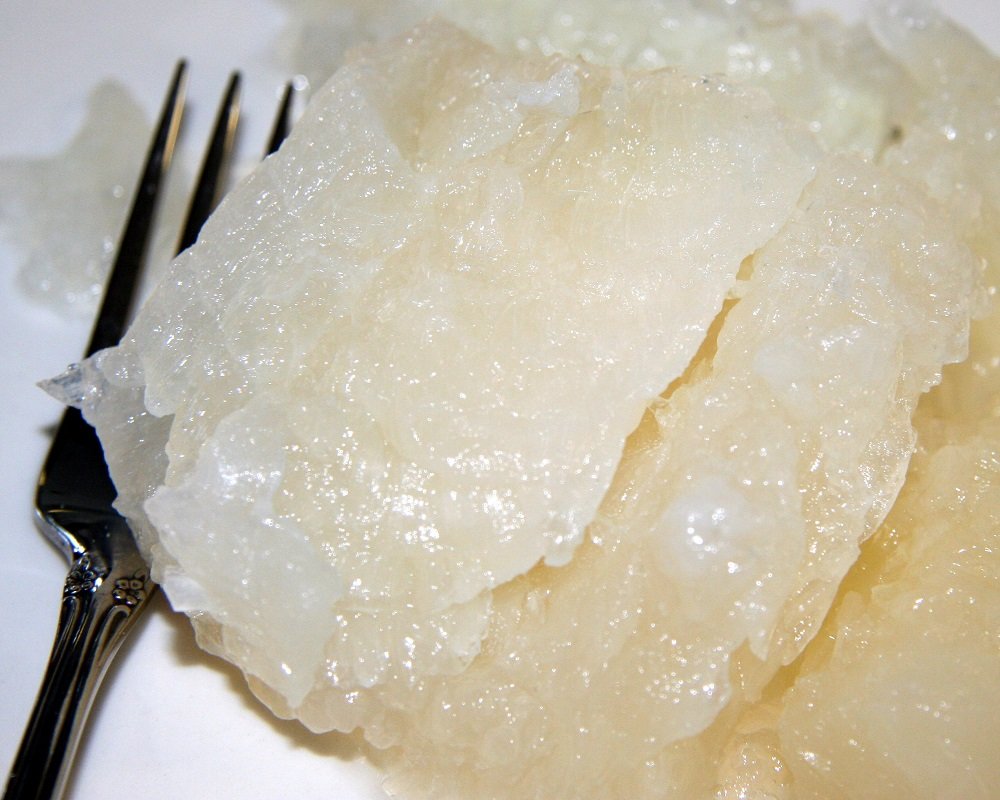
By the way, there’s a 16th-century legend about how the dish appeared. Centuries ago, a lightning strike burned down a fish warehouse, and all its contents mixed with ash. The inventive Vikings decided to eat at least what was left, soaking the fish in water beforehand. Due to the chemical reaction with the lye, the fish became gelatinous and people liked it.
Nowadays, lutefisk is often eaten with bacon, onions, mashed potatoes, and sometimes even with sweet cheese — which we’ll talk about next.
4. Brunost
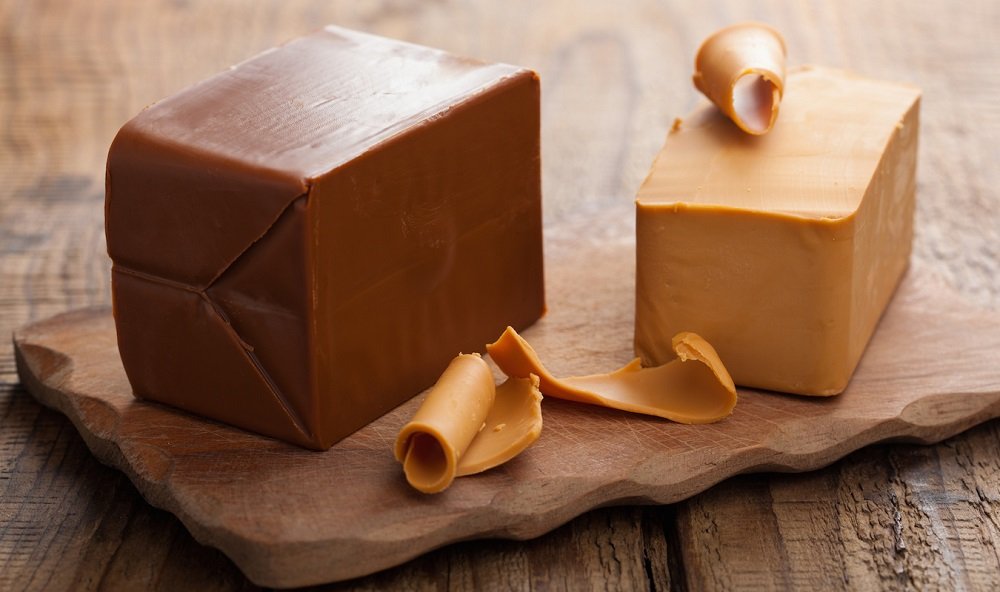
Let’s break up our fish series with some dairy products. Brunost cheese is one of the rarest and youngest types of cheese. It was invented by Norwegian farmer Anne Hov in the late 19th century. She saved her Gudbrandsdalen valley from poverty in the 1880s thanks to her discovery. Previously, Norwegians boiled whey to produce a soft, sweet brown cheese. Anne decided to add sour cream to it — and her invention took off and is still in demand.
Brunost tastes like boiled condensed milk or salted caramel. There are different variations, but it’s a sweet cheese, although it may contain no sugar at all. Usually, brunost is made from a mixture of cow and goat milk in different proportions, sometimes with the addition of sheep’s milk. This product can at least be recommended to try!
5. Hákarl
How about some shark meat? Unfortunately, it’s also rotten. The meat of the Greenland shark is soaked in ammonia and urea because the fish have no kidneys. So fresh shark meat can’t be eaten. But the Scandinavians — experienced people — let it ferment in a barrel, and it’s good to eat. In Icelandic supermarkets, hákarl is sold packaged and used as a snack with beer.
6. Øllebrød
Speaking of beer. Øllebrød is a beer soup. Popular and much-loved in Norway. But after cooking, only the name and a light beer aroma remain. The soup is made from beer and milk, with a bit of flour, honey, sometimes eggs, various spices, and croutons. There are different variations. It is considered an immune-boosting dish. It doesn’t cause kidney failure — and that’s already good!
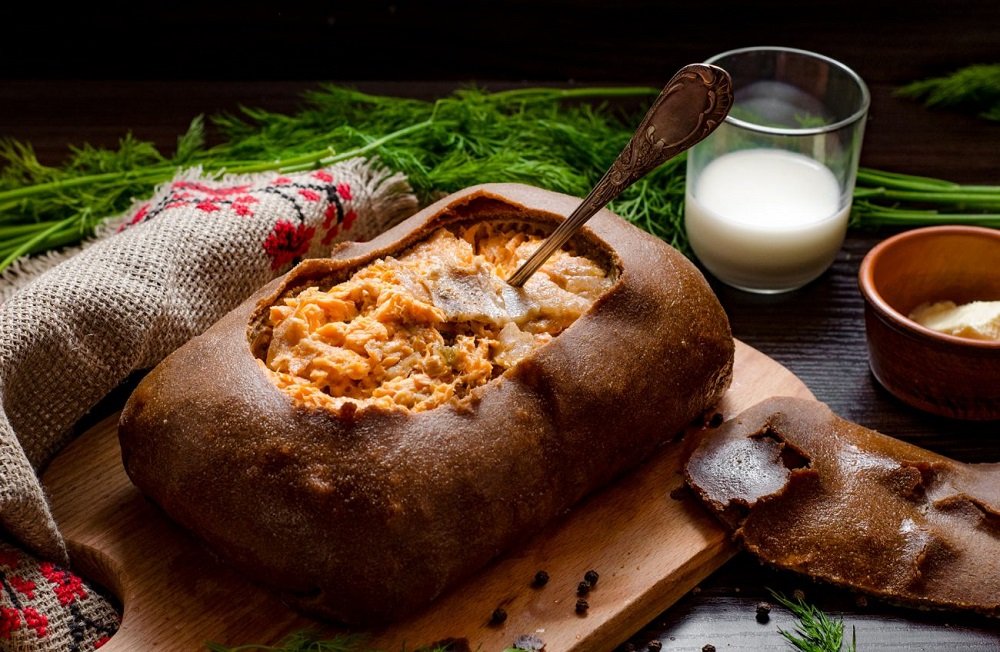
7. Kalakukko
Here’s some bread to go with the soup. Traditional Finnish bread: rye dough on the outside, pork fat, and chopped salmon inside. Interestingly, the bones are not removed from the fillet. The bread is baked for up to six hours. During this time, the bones soften themselves.
8. Muktuk
How about some skin? Not just any skin, but whale skin! Yes, muktuk is frozen whale skin with blubber. Whales are as common in the Scandinavian diet as sharks. Muktuk is eaten in small cubes with onions, garlic, and bread. Although thawed whale skin is also edible, it can sometimes be dried.
In Greenland, muktuk is always present on the Christmas table, another unusual analogue to our Olivier salad. But again, it’s a safe-for-health analogue.
Overall, Scandinavian cuisine has much to offer: sour cream porridges, moss dishes, caviar sold in tubes, reindeer snacks, bone marrow tartare, and much more.
Try, experiment, and adopt experiences, like various cranberry additives that go well even with potato pancakes — a Norwegian once taught me.
PS: Which item from the list would you like to try, or on the contrary, which would you never agree to taste?
Curious how these Scandinavian dishes fit into everyday northern travel? Dig into our guide to Norwegian national dishes you need to try and pick edible gifts with Norway souvenir ideas to bring home. Broader trip planning starts at Visit Norway.
Frequently asked questions
Which Scandinavian dish tops this unusual list?
Surströmming, Swedish fermented herring often called “rotten fish.” The fish is soaked in a saline solution for several days, then sealed in barrels for fermentation. It releases acetic and propionic acids that create a pungent smell; locals still treat it as a culinary landmark and eat it with tomatoes, bread, and onions, and it even has its own festivals.
Are any of these dishes considered risky?
Lutefisk (usually dried cod soaked in lye) is a classic Scandinavian Christmas dish, but the article warns it contains the amino acid lysinoalanine and can only be eaten after thorough thermal processing; people with unprepared stomachs should skip it, and even locals rarely eat it more than once a month. Hákarl is fermented Greenland shark meat that must be processed because fresh shark meat contains ammonia and urea.
What milder options appear on the list?
Brunost is a sweet brown Norwegian cheese invented by Anne Hov in the late 19th century; it tastes like boiled condensed milk or salted caramel. Øllebrød is a Norwegian beer soup made from beer and milk with flour, honey, spices, and croutons. Kalakukko is Finnish rye bread filled with pork fat and chopped salmon, baked for up to six hours so the bones soften. Muktuk is frozen whale skin with blubber, eaten in small cubes and present on Greenland Christmas tables.

Konstantin is an acclaimed travel writer, celebrated for transforming ordinary journeys into extraordinary narratives. With years of experience exploring diverse destinations across the globe, his work blends vivid storytelling, cultural insights, and practical advice to inspire wanderlust and guide readers toward unforgettable adventures.
As a key contributor to enjoythetrip.org website, Konstantin has built a loyal readership through their expertise in uncovering both iconic landmarks and off-the-beaten-path treasures. He specializes in providing travelers with honest, actionable tips, whether it’s finding the best resorts in Maldives, exploring cultural hubs like Paris, or diving into the natural wonders of Croatia.