
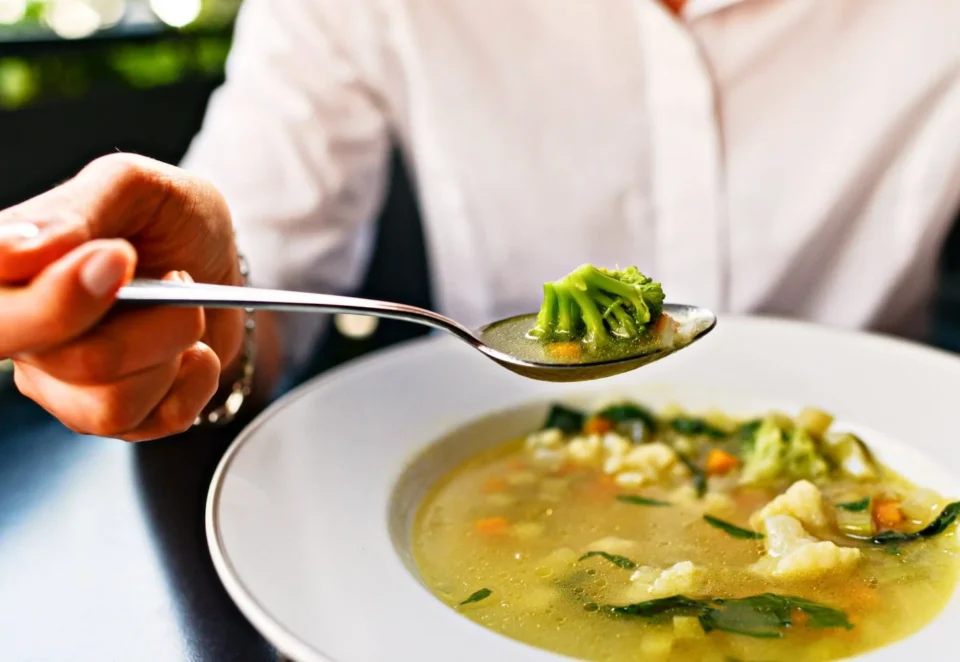
These 10 national soups from around the world are a delicious way to explore local food culture. From Vietnamese phở and Spanish gazpacho to Polish żurek and Finnish salmon soup, each has a distinct flavour. Compare ingredients, where to try them and sample menu prices.
National soups at a glance
| Soup | Country or tradition | Key ingredients |
|---|---|---|
| Phở bò | Vietnam | Beef, rice noodles, herbs |
| Palóc leves | Hungary | Lamb, green beans, sour cream |
| French onion soup | France | Onions, broth, cheese toast |
| Gazpacho | Spain | Tomatoes, peppers, olive oil |
| Miso soup | Japan | Miso, dashi, tofu |
| Żurek | Poland | Sour rye, sausage, egg |
| Chili con carne | USA (Tex-Mex) | Meat, chilies, spices |
| Lohikeitto | Finland | Salmon, potatoes, cream |
| Bird’s nest soup | Chinese cuisine | Edible swiftlet nests |
| Shkembe chorba | Bulgaria | Tripe, milk, garlic |
Menu price examples were checked against available 2026 menus. Prices depend on the location, portion and restaurant.
Soup is a staple of cuisines around the world. From light broths to hearty stews, each country has its own favourite flavours. Many food lovers mark International Soup Day on April 5, and we can’t overlook this event. Let’s take a look around the world and see which soups are popular in different countries.
1. Pho Bo (Vietnam)
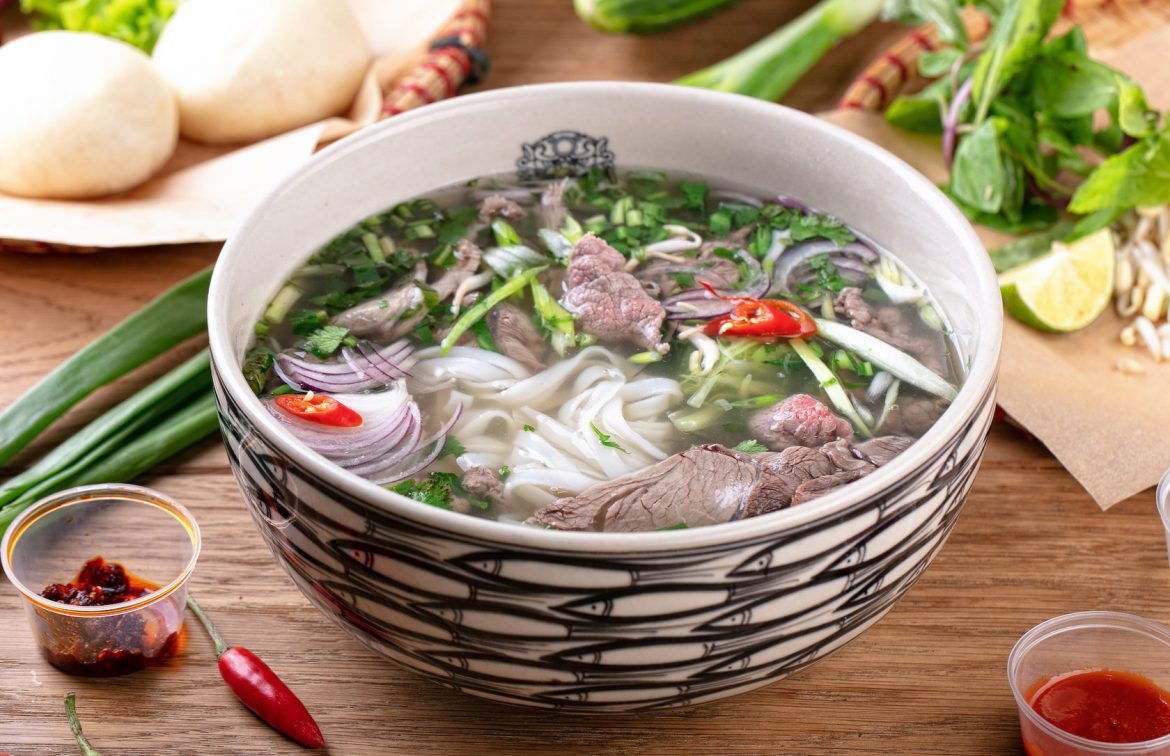
Pho Bo is a traditional Vietnamese beef and noodle soup with added greens and spices. Thanks to its rich flavour and affordability, it is popular throughout Vietnam, particularly at breakfast.
Above all, the most important part of this dish is the rich broth, which cooks slowly with spices such as star anise, cinnamon, cloves and ginger. See the Vietnam Tourism guide to phở. Street vendors continuously cook it throughout the day in large pots, periodically refreshing the ingredients.
In fact, you can season your bowl at the table. Vendors serve the broth, noodles and beef with herbs and condiments to taste.
For example, try phở bò at a street café that specialises in the soup. Usually, it’s a simple establishment with long metal tables, often busiest in the morning. Look for busy cafés that locals frequent.
For comparison, the 2026 menu price is 135,000 VND at Mias restaurant. Street-stall prices vary.
2. Palóc Leves (Hungary)
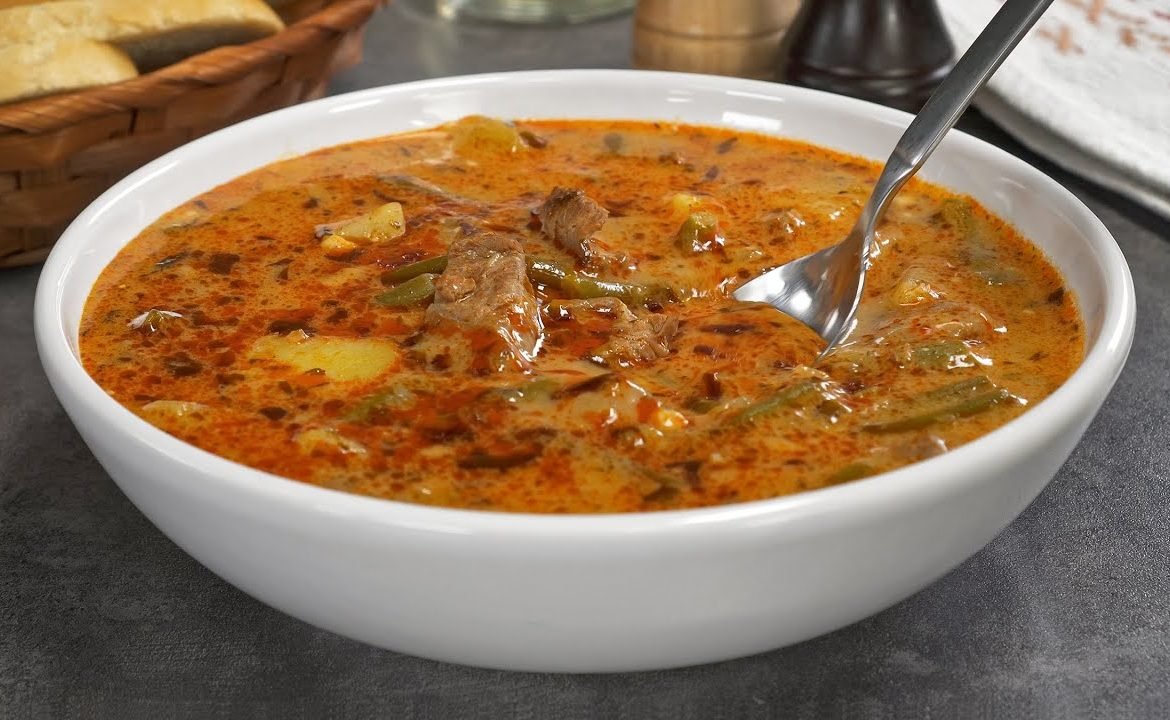
Of course, Hungary’s culinary calling card is goulash, without which no lunch is complete. As a rule, this dish ends the meal because there’s no strength to eat anything else. In restaurants, the portions are large, thick, and hearty. Palóc leves is a separate Hungarian soup, with a tangy, creamy broth.
In particular, traditional palóc soup combines lamb, onions, potatoes, green beans and paprika. Finally, cooks add a dressing of garlic, sour cream, flour and dill. This gives the soup a creamy texture. In addition, paprika is important, which is called “red gold” in the country. It gives the soup not only a rich color but also a rich aroma.
If you’re in Budapest, visit small establishments like Lanchid Brasserie, Hungarikum Bisztro, or For Sale Pub. They make this soup just wonderfully.
As a rule, prices vary by restaurant; see Visit Hungary for the regional dish.
3. French Onion Soup (France)
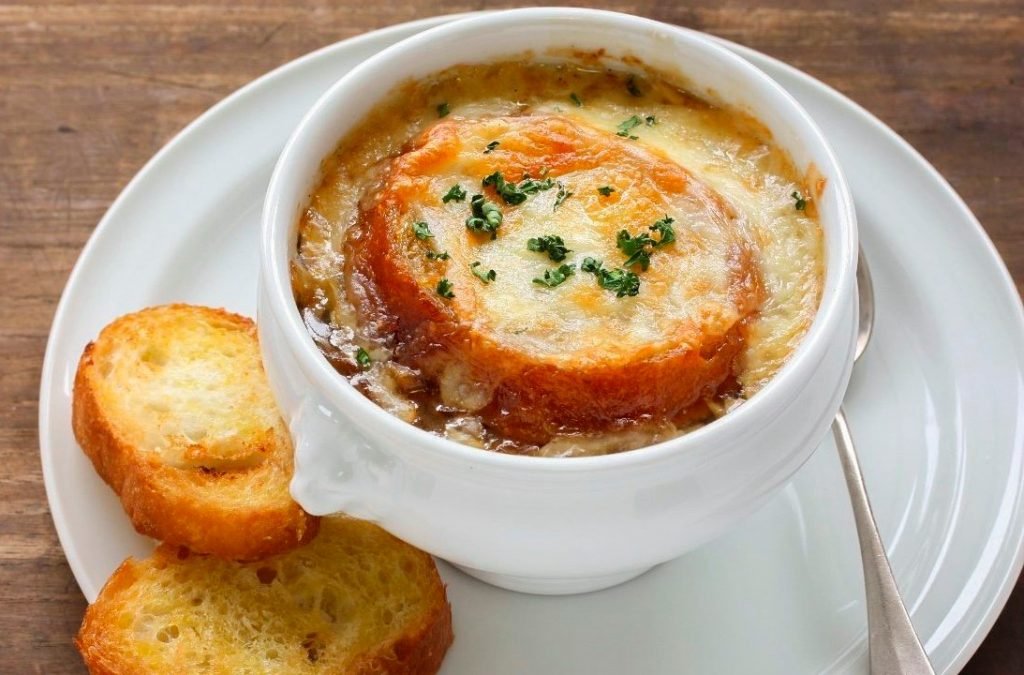
French onion soup is a classic of French cuisine. Historically, onion soups have a long history in France, where they were once inexpensive everyday meals. However, gradually people appreciated it and decided that even in noble circles it would be welcome at the table. Even the wizards from the Harry Potter universe spoke highly of it.
Interestingly, the word “soup” comes from the Latin word “suppa,” which literally means “a piece of bread soaked in gravy,” and onion soup is a clear confirmation of this. Moreover, a crouton with garlic and melted cheese tops the soup.
If you don’t like the taste of onions, don’t worry. However, the onions mellow during cooking. For example, some cooks add wine or brandy during cooking. Keep in mind that this soup will warm you up at any time of the year, especially since it is prepared in almost all restaurants in France.
For comparison, €15.90 is the November 2026 price at Café Madame, Paris.
4. Gazpacho (Spain)
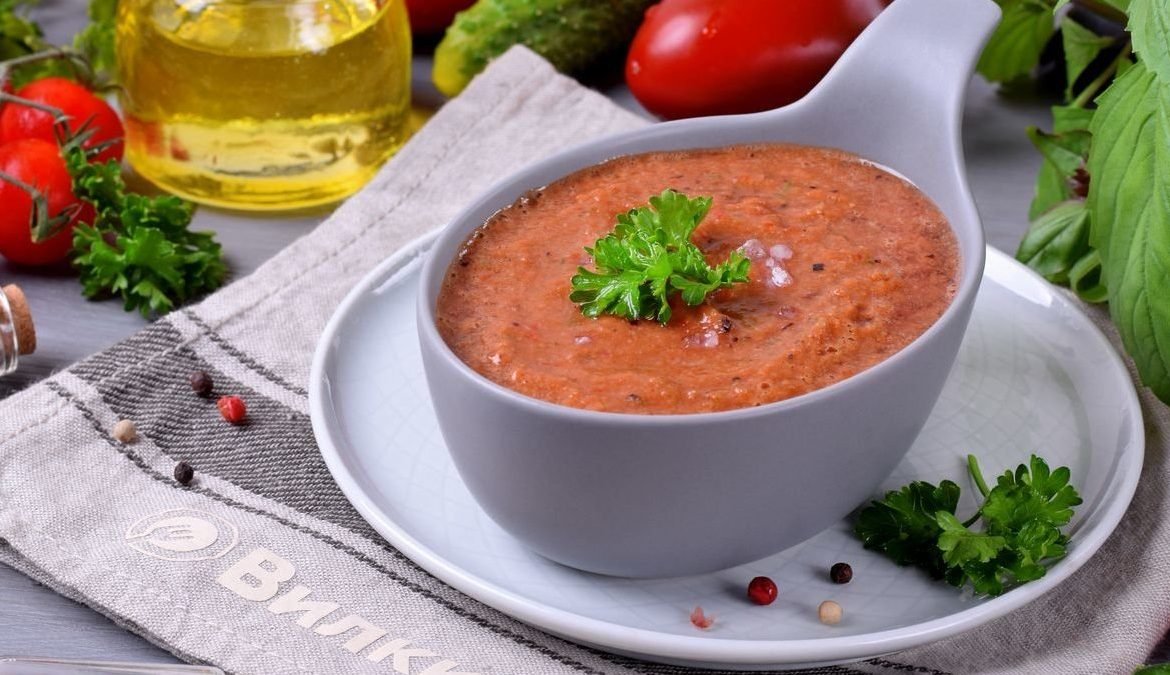
Gazpacho is a chilled soup from Andalusia, especially popular during hot Spanish summers.
Gazpacho usually combines tomatoes, peppers, garlic, olive oil, vinegar and sometimes bread. Cooks blend and chill the mixture. See the Spanish tourism recipe.
Above all, the key to proper gazpacho is good tomatoes. For example, diced cucumber, peppers and bread can accompany the soup. Light and refreshing, and most importantly — rich in vitamins, this Spanish summer soup can be tried in almost any café.
However, prices vary by café and season.
5. Miso Soup (Japan)
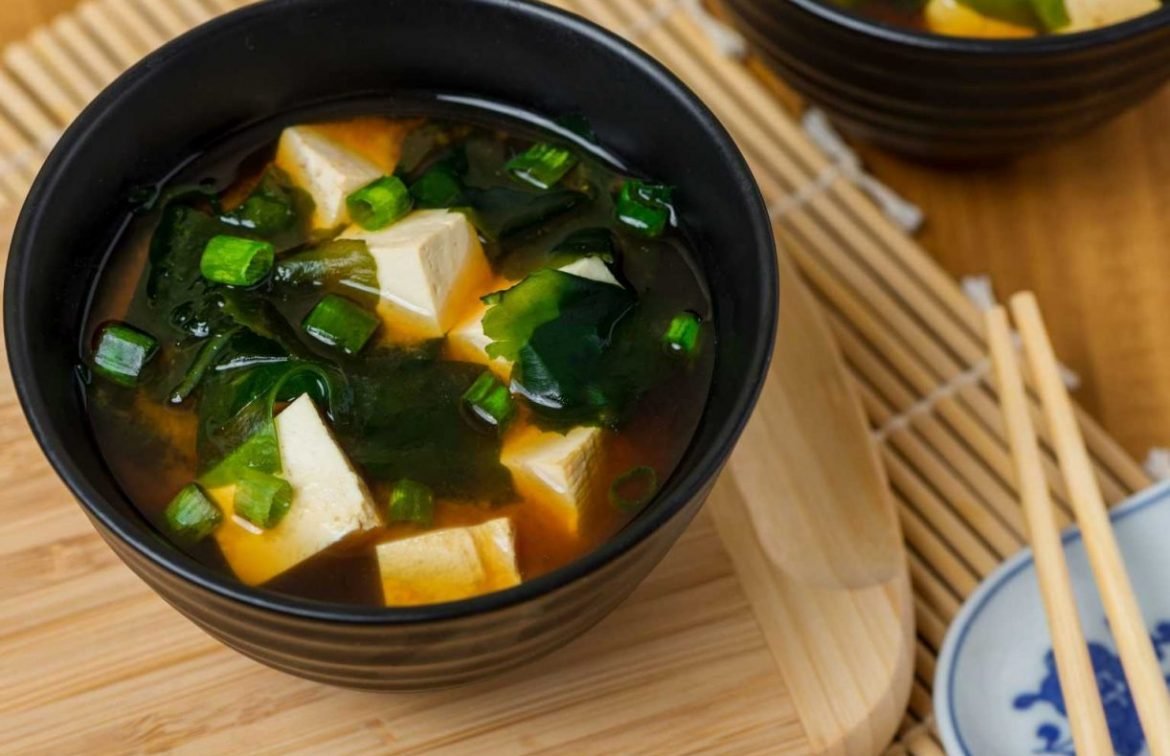
Miso soup, or misoshiru, is a familiar part of Japanese meals, from breakfast to dinner. This dish has remained one of the most popular in Japan for centuries.
Its savoury flavour comes from fermented soybean paste and dashi.
First, cooks use miso paste made from soybeans. Next, they can add dried wakame seaweed. Dashi provides a savoury base and can use kombu seaweed or bonito flakes. Finally, tofu adds a soft texture.
Typically, miso soup comes as part of a set meal; prices vary.
6. Żurek (Poland)
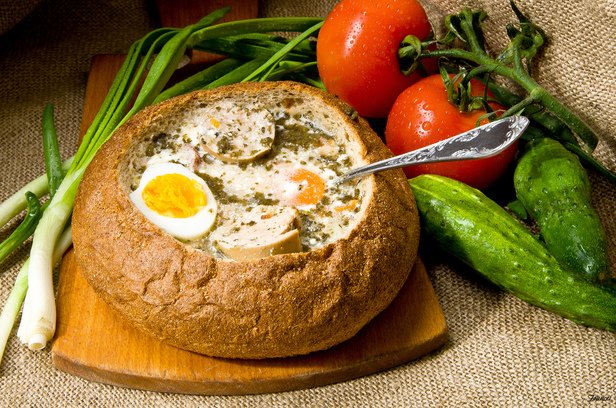
Żurek is a traditional Polish sour rye soup. Many restaurants and families prepare their own version. In particular, the rye sourdough base gives this dish its distinctive taste.
The sourdough made from rye breadcrumbs, flour, garlic, allspice, and bay leaves should ferment for about 4 days. When it acquires the smell of lightly salted cucumbers, you can start making the soup itself. Cooks add sausage, potatoes, herbs, boiled eggs and sour cream.
Some Polish restaurants serve Żurek in a hollowed-out loaf of bread. On the other hand, it’s convenient (no dishes to wash), and most importantly — very tasty.
For example, many cafés around Warsaw’s Old Town Market Square serve żurek. Compare menus and explore our guide to traditional Polish dishes.
For comparison, PLN 38 at a Warsaw restaurant on its published delivery menu (November 2026).
7. Chili con Carne (Tex-Mex, USA)
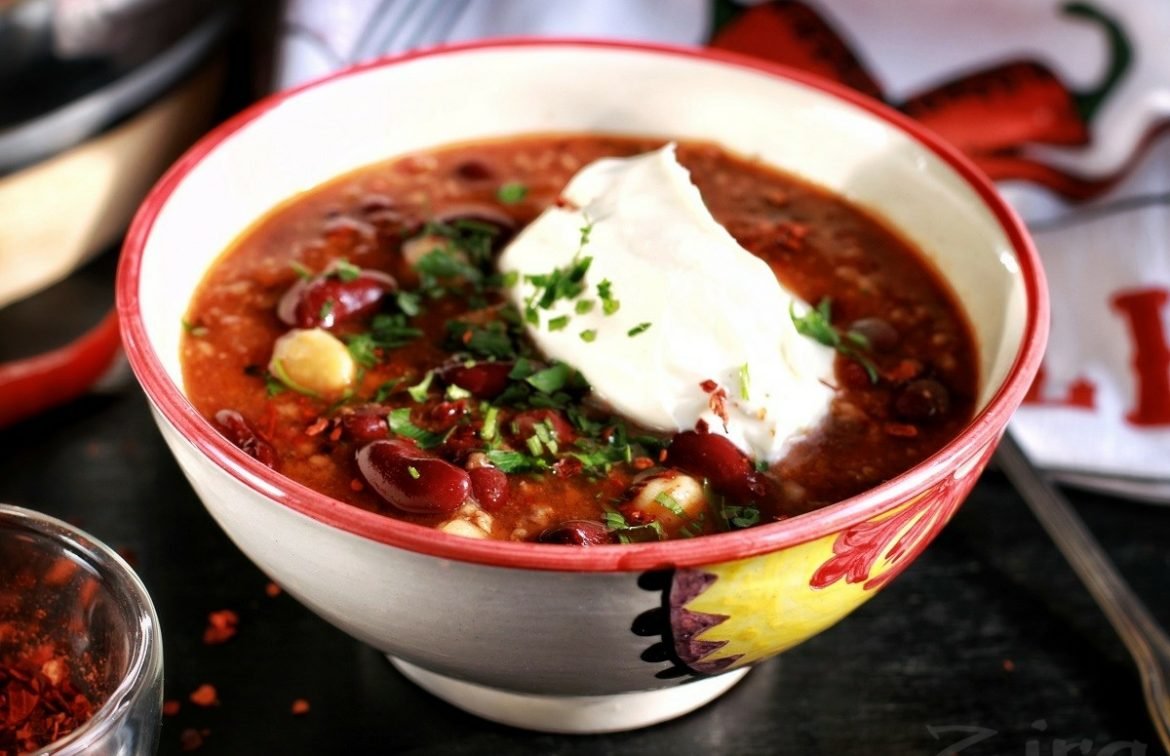
Chili con carne is a hearty Tex-Mex stew and the official state dish of Texas. The name of the dish translates to “chili with meat.” Just a couple of spoonfuls of this culinary delight will turn you from an ordinary tourist into a fire-breathing dragon.
In fact, chili con carne is closer to a stew. Many versions combine beef, chilies, tomatoes and spices. Some also include beans. Don’t forget the chili peppers. Ground beef gives the dish a thick texture. For a deep flavour, cooks simmer the ingredients slowly.
Like many national dishes, chili con carne has many variations: vegetarian, with cheese and sour cream, and even with chocolate. However, spiciness is its main feature.
In general, prices vary by restaurant and portion size.
8. Lohikeitto (Finland)
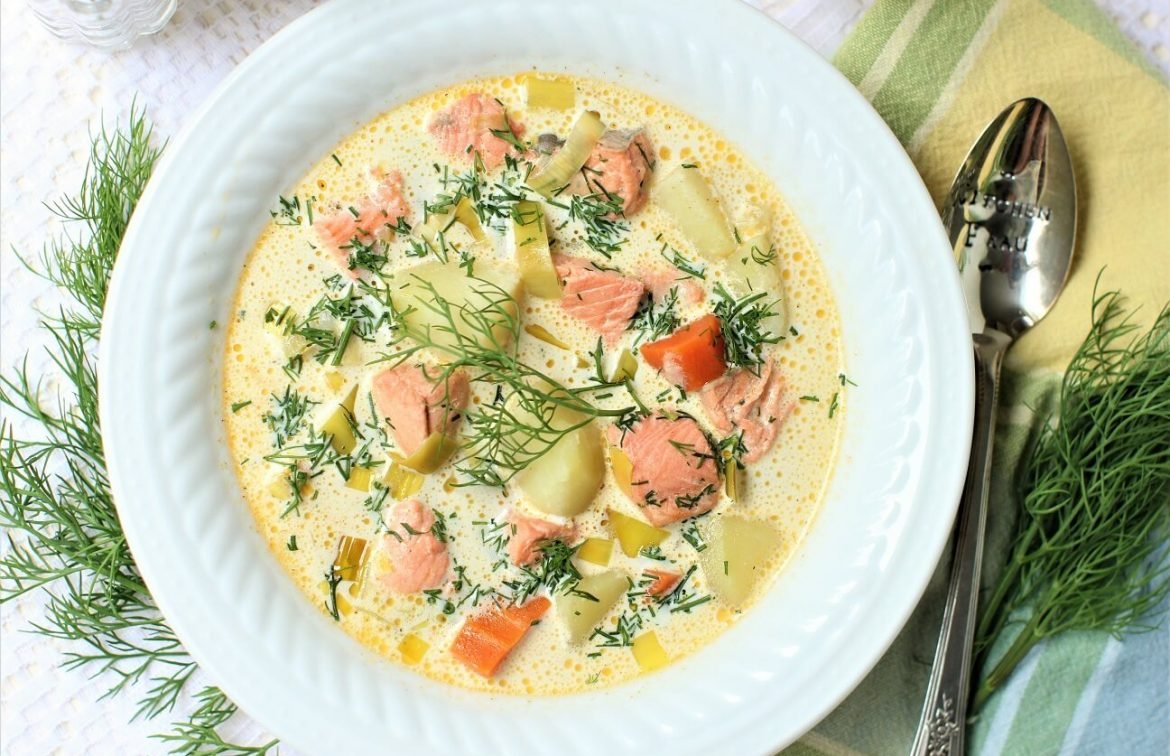
Lohikeitto is a classic Finnish salmon soup that visitors can find in many restaurants in Helsinki.
In other words, a more familiar name for this soup is “creamy fish soup.” The recipe is very simple, and if you wish, you can easily make it at home. Cooks often start with fish broth, potatoes and leek, then add salmon, dill and cream. A couple of tablespoons of butter won’t hurt either. Serve it with rye bread.
Finland is one of the most expensive countries in Europe, so if you decide to dine in a restaurant, pay attention to the Kalakeitto soup. For example, kalakeitto can contain white fish and milk.
For example, €14–20 in 2026 at Merimakasiini in Helsinki.
9. Bird’s Nest Soup (China)
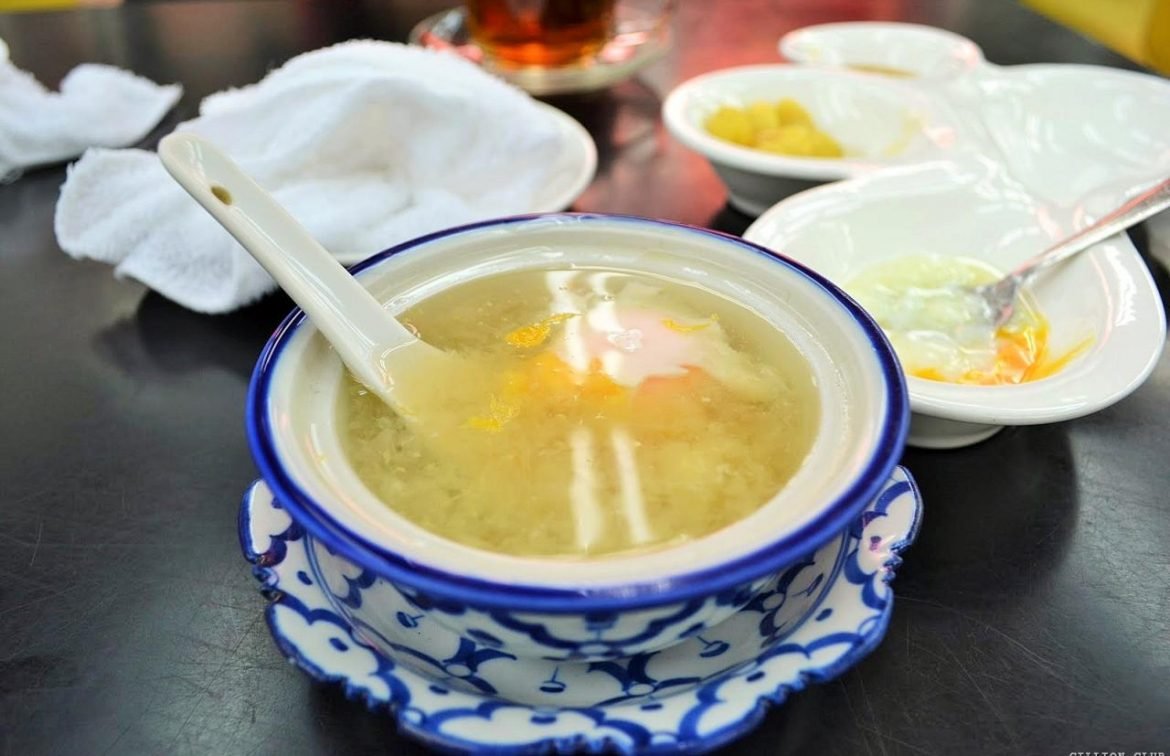
It’s hard to imagine how someone came up with the idea of eating bird nests. The soup made from swiftlet nests is one of the strangest and most expensive dishes in the world. Prices depend on the quality and source of the edible nests.
But it’s not surprising, as nest collectors literally risk their lives at work, climbing cliffs on flimsy wooden ladders. “Harvesting” occurs infrequently: only three times a year, and the labor-intensive cleaning process further increases the cost of the finished product.
In Chinese culinary tradition, this dish is a luxury delicacy. Some recipes use chicken broth and garnish the bowl with ham and spring onions. However, cooked bird nests have a jelly-like consistency and are not to everyone’s taste.
For example, HKD 760 for superior bird’s nest soup at Lung King Heen, Hong Kong.
10. Shkembe Chorba (Bulgaria)
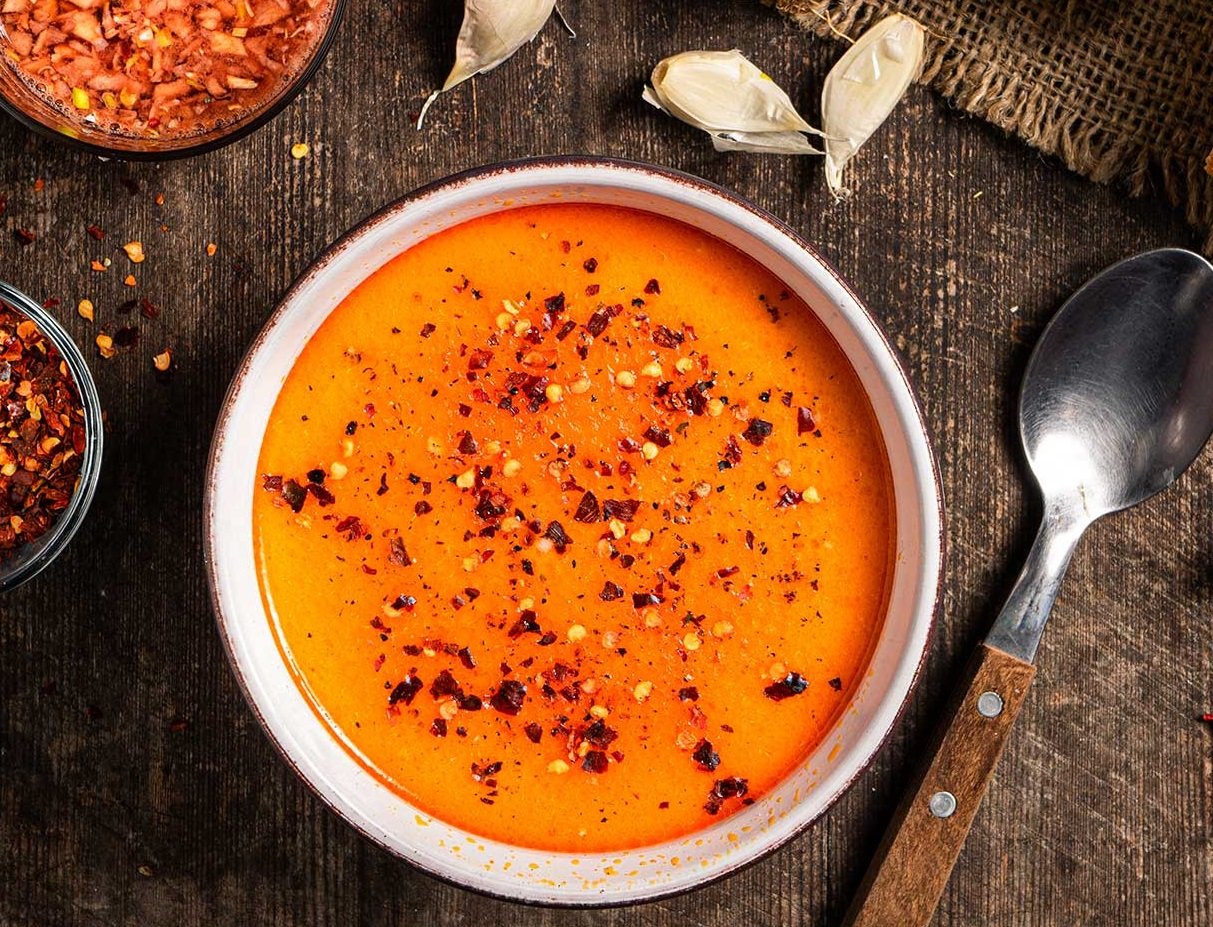
Shkembe Chorba is a must-have dish on the menu of any self-respecting national restaurant in Bulgaria. In fact, it is a spicy, hearty, and for some people, incredibly delicious soup that is popular among Bulgarians.
Cooks use lamb or beef tripe. At first, the tripe emits a terrible “aroma,” so only the most resilient can go through the whole process at home. But after several hours of boiling, the smell disappears, and the tripe can be used in the soup.
In addition, Shkembe Chorba is often called a “hangover soup” and is often consumed with cold beer. Traditionally, locals often enjoy it after a night out, although it is not a proven hangover remedy. However, keep in mind that it’s not to everyone’s taste.
Ultimately, there is no middle ground when it comes to Shkembe Chorba: you will either love this soup from the first spoonful or won’t be able to eat it at all.
National soups FAQ
Which national soups are served cold?
Gazpacho is a popular chilled Spanish soup. In addition, it makes a refreshing starter on hot days.
Which soups are made with fish?
Lohikeitto traditionally contains salmon and cream. Moreover, Japanese miso soup often uses fish-based dashi.
Which soup has a sour taste?
Polish żurek gets its tang from fermented rye. Meanwhile, palóc soup has a pleasantly sour note from sour cream.

Konstantin is an acclaimed travel writer, celebrated for transforming ordinary journeys into extraordinary narratives. With years of experience exploring diverse destinations across the globe, his work blends vivid storytelling, cultural insights, and practical advice to inspire wanderlust and guide readers toward unforgettable adventures.
As a key contributor to enjoythetrip.org website, Konstantin has built a loyal readership through their expertise in uncovering both iconic landmarks and off-the-beaten-path treasures. He specializes in providing travelers with honest, actionable tips, whether it’s finding the best resorts in Maldives, exploring cultural hubs like Paris, or diving into the natural wonders of Croatia.