
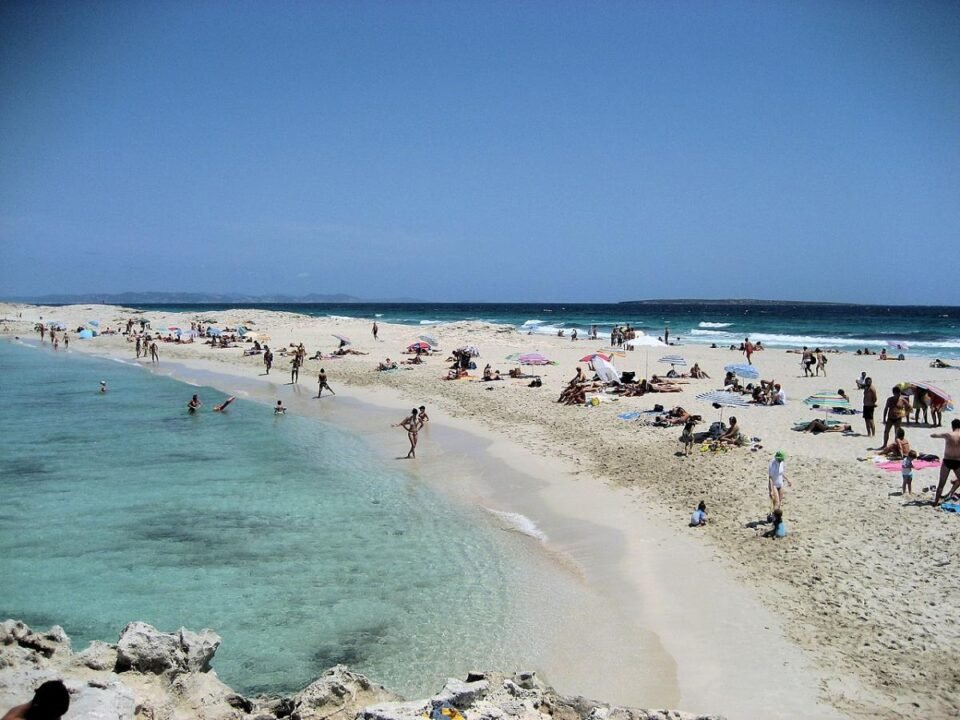
Formentera, Spain, is the smallest of the main Balearic Islands and a beautiful destination for a Mediterranean beach holiday. Its white sandy beaches, turquoise sea, coastal trails and traditional villages offer a relaxing alternative to Ibiza’s nightlife. The island covers around 83 square kilometres and can easily be explored over a few days.
This guide highlights five beautiful places to visit, from the famous Ses Illetes beach to the historic La Mola lighthouse, plus practical advice on ferries, accommodation and when to travel.
5 beautiful places to visit in Formentera
| Place | Highlights | Suggested time |
|---|---|---|
| Ses Illetes Beach | White sand and shallow turquoise sea | Half day |
| Playa de Migjorn | Long southern shoreline and coves | Half or full day |
| Cala Saona | Sheltered cove framed by reddish cliffs | 2–3 hours |
| La Mola Lighthouse | Historic lighthouse and Mediterranean views | 1–2 hours |
| Sant Francesc Xavier | Historic village, church and local cafés | 1–2 hours |
1. Ses Illetes Beach
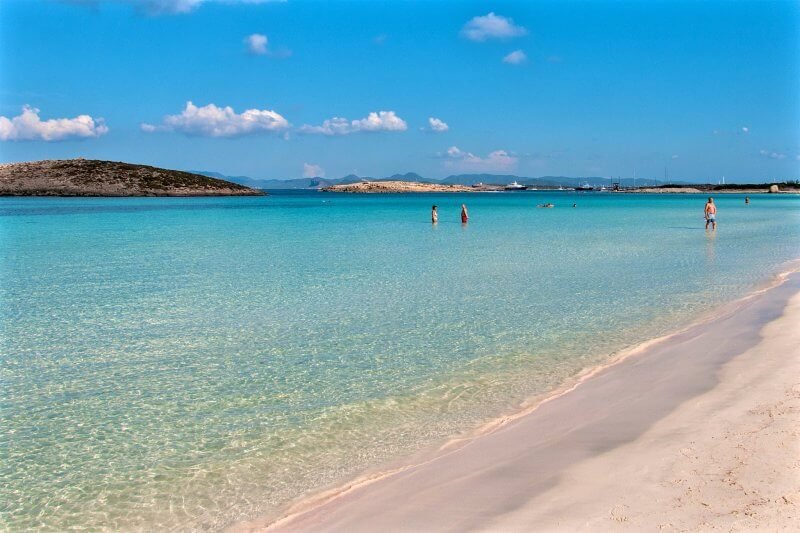
On the northern Es Trucadors peninsula, Ses Illetes lies within the protected Ses Salines natural park. Its exceptionally pale sand, low dunes and offshore islets create one of the most recognisable coastal landscapes of the Balearics. The water is often shallow and clear when the weather is calm, making it attractive for swimming and relaxing. The beach features in Lonely Planet’s Best in Travel 2025 selection.
Practical tips: Arrive early during summer, when day visitors from Ibiza can fill the available parking and popular beach areas. Use the official paths and check access rules for motor vehicles. Bring water, shade and sun protection. The nearby Llevant Beach is another option when conditions on its side of the peninsula are suitable.
Suggested time: Half day.
2. Playa de Migjorn
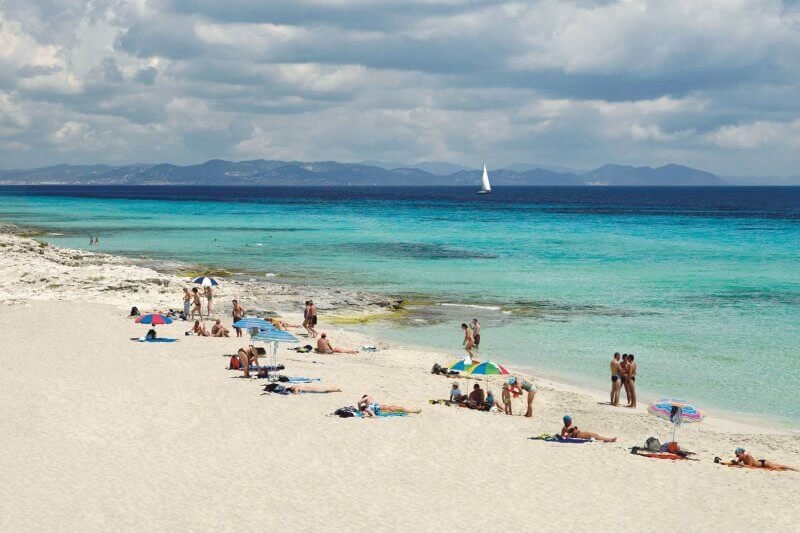
Migjorn stretches along much of southern Formentera, with sandy stretches separated by rocky sections. The changing landscape makes it rewarding to explore different areas rather than choose the first access point. Es Arenals is a particularly attractive part of this coast, while other sections contain smaller bathing areas, beach bars and accommodation.
Practical tips: Choose a serviced section if you need easy access to refreshments or toilets. Check local flags before swimming, as southerly winds can make the water rough. Some rocky entrances require extra care. Consider staying near Migjorn for a relaxed holiday with plenty of time by the sea.
Suggested time: Half or full day.
3. Cala Saona
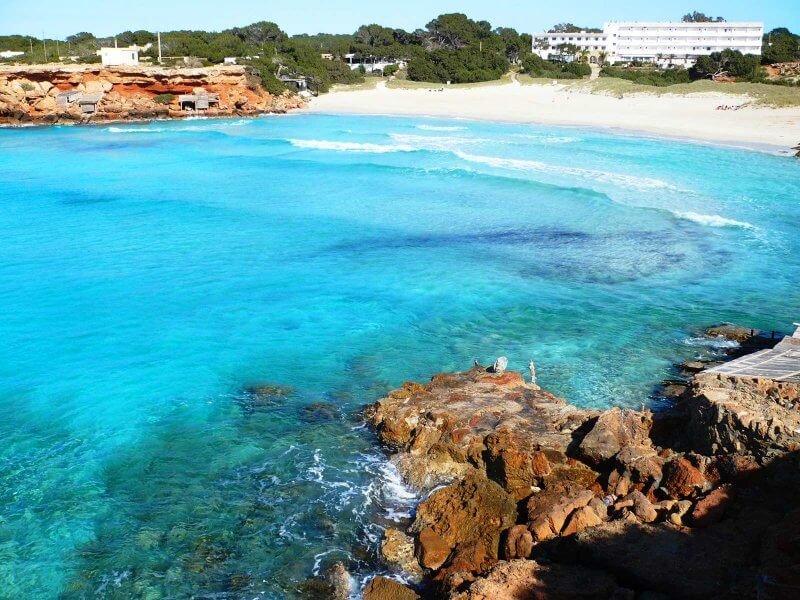
On the western side of the island, Cala Saona is a compact sandy bay between rocky headlands. The contrast of reddish cliffs, pale beach and clear water is particularly striking in late afternoon. Its westward orientation also makes it a favourite spot for watching the sun dip toward the horizon.
Practical tips: The beach is small and gets busy in summer. Visit earlier for swimming or return later to enjoy the evening light. Kayaking and paddleboarding can be enjoyable when conditions permit. Stay on existing cliff paths and keep away from unstable edges.
Suggested time: 2–3 hours.
4. La Mola Lighthouse
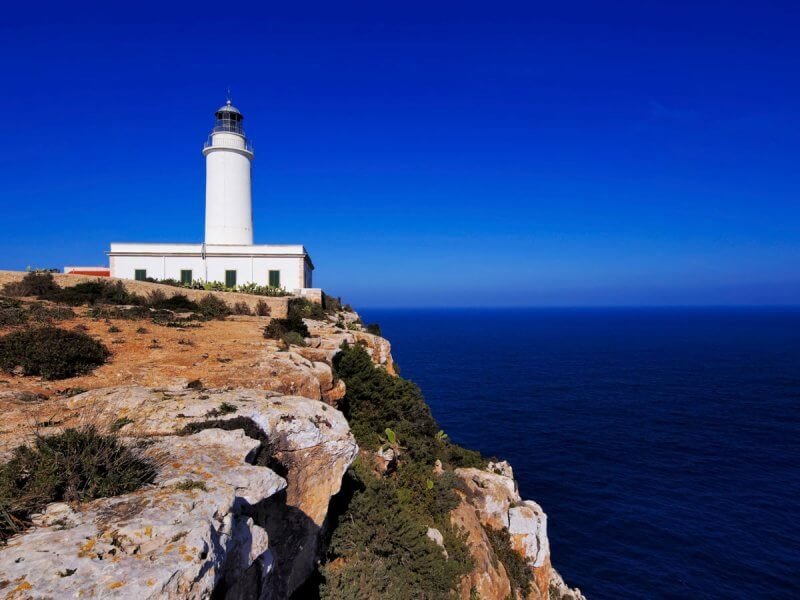
The lighthouse stands on the eastern plateau of La Mola at the edge of cliffs about 120 metres above sea level. It began operating in 1861 and now also houses a cultural exhibition devoted to the island’s maritime heritage. The countryside around El Pilar de la Mola offers a different perspective from the low coastal resorts, with farmland and traditional buildings.
Practical tips: Check opening hours for the exhibition before travelling. Combine the lighthouse with the village and its nearby traditional windmill. The route from El Pilar to the lighthouse can be walked or cycled along a designated green route. Be particularly cautious near the exposed cliffs in windy conditions.
Suggested time: 1–2 hours.
5. Sant Francesc Xavier
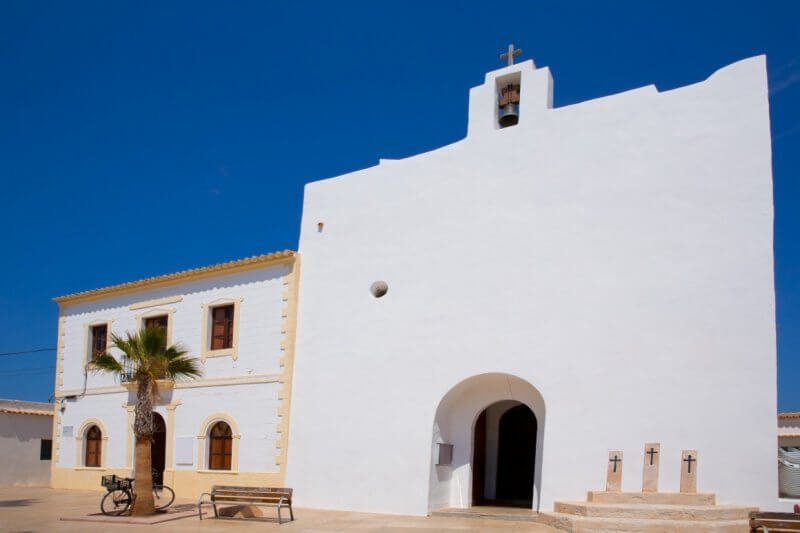
Formentera’s main town has a compact historic centre, a distinctive whitewashed fortified church and pedestrian streets with shops and cafés. It is a pleasant place to discover the island’s everyday life, browse local crafts and enjoy lunch away from the beaches. Its inland position also makes it a convenient base for exploring the western and southern coasts.
Practical tips: Take time to wander around the central square and nearby streets, and check the opening hours of local cultural sites. If you have extra time, combine the village with Cap de Barbaria lighthouse or a visit to Cala Saona.
Suggested time: 1–2 hours.
Map of Formentera attractions
Find Ses Illetes Beach, Playa de Migjorn, Cala Saona, La Mola Lighthouse, Sant Francesc Xavier on Google Maps.
When to visit Formentera
June through September is popular for swimming and beach holidays. July and August are the busiest months, with higher accommodation demand and more day visitors. May, early June and late September can suit travellers who enjoy milder weather and fewer crowds, although swimming conditions and seasonal services vary. Winter is quieter and some tourist businesses close.
How to get to Formentera
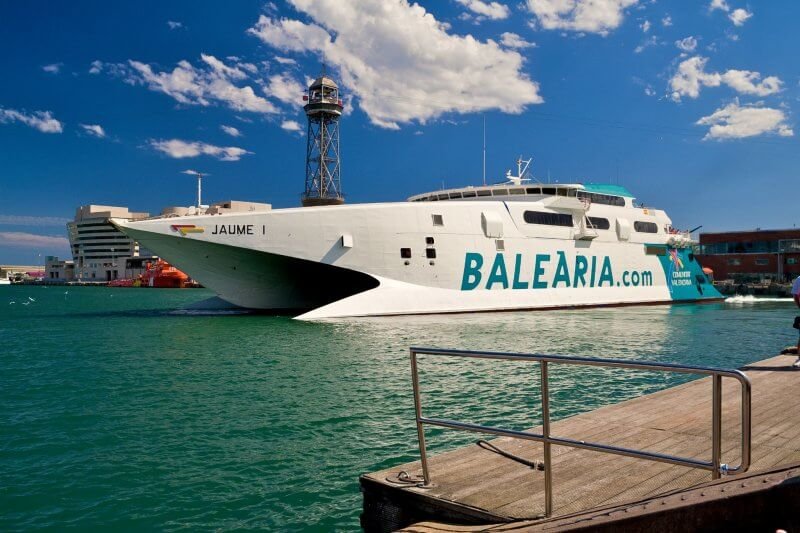
Formentera has no commercial airport. Fly to Ibiza and travel to La Savina harbour by ferry from Ibiza Town. Journey times vary by operator and vessel, so compare timetables before booking. Allow adequate time between your flight and ferry, especially if travelling with luggage or arriving late in the day.
Local buses, taxis, bikes and rental vehicles are available on the island. Check current vehicle access rules before bringing a car, and follow signed cycling routes. The official green routes guide helps plan walks and rides.
Where to stay in Formentera
Es Pujols is convenient for restaurants, beach access and evening activity. Migjorn suits travellers looking for a more relaxed coastal stay, while La Savina is practical for short trips and ferry connections. Sant Francesc offers a central village setting. Book accommodation well in advance for the busiest summer weeks.
Browse Formentera boat trips and guided activities on GetYourGuide and compare hotels on Trip.com.
Three-day Formentera itinerary
Day 1: Explore Ses Illetes and nearby Llevant Beach, then dine in Es Pujols.
Day 2: Spend the morning at Migjorn, visit Sant Francesc in the afternoon and enjoy sunset at Cala Saona.
Day 3: Discover La Mola lighthouse, the village of El Pilar and the island’s eastern countryside.
Read our complete Formentera island guide, guide to the Balearic Islands and top attractions in Ibiza. For local information visit Formentera Tourism.
Frequently asked questions
Is Formentera worth visiting?
Yes. Formentera is especially appealing for travellers seeking sandy beaches, clear Mediterranean water and a compact island to explore at a relaxed pace.
What is the best beach in Formentera?
Ses Illetes is the island’s best-known beach. Migjorn and Cala Saona are also excellent choices depending on the weather and the type of beach experience you prefer.
Can you visit Formentera on a day trip from Ibiza?
Yes. Ferries connect Ibiza with La Savina, but an overnight stay allows more time for beaches, villages and lighthouses.
How many days do you need in Formentera?
Three days allow you to visit the main attractions. Four to seven days offer more time for swimming, cycling and exploring different beaches.

Konstantin is an acclaimed travel writer, celebrated for transforming ordinary journeys into extraordinary narratives. With years of experience exploring diverse destinations across the globe, his work blends vivid storytelling, cultural insights, and practical advice to inspire wanderlust and guide readers toward unforgettable adventures.
As a key contributor to enjoythetrip.org website, Konstantin has built a loyal readership through their expertise in uncovering both iconic landmarks and off-the-beaten-path treasures. He specializes in providing travelers with honest, actionable tips, whether it’s finding the best resorts in Maldives, exploring cultural hubs like Paris, or diving into the natural wonders of Croatia.