
Discover ten hidden gems in Europe, from historic Polish and Spanish cities to Alpine scenery, Adriatic beaches and Irish waterways.
As a rule, surveys of most travel agencies do not show “hidden gems” – small settlements in the hinterland and away from the bustling metropolises that tourists have not yet discovered. And if you are deciding where to go on your next European holiday, pay attention to the list from the team of experts “Which? Travel”. The Which? Travel selection of underrated European destinations offers inspiration for exploring beyond the usual tourist routes.
The selection includes everything from fabulous Italian communes to budget-friendly Balkan resorts with beaches that are just as good as those in Croatia or Greece; from a UNESCO-protected Portuguese city to a historic Polish city with riverside islands.
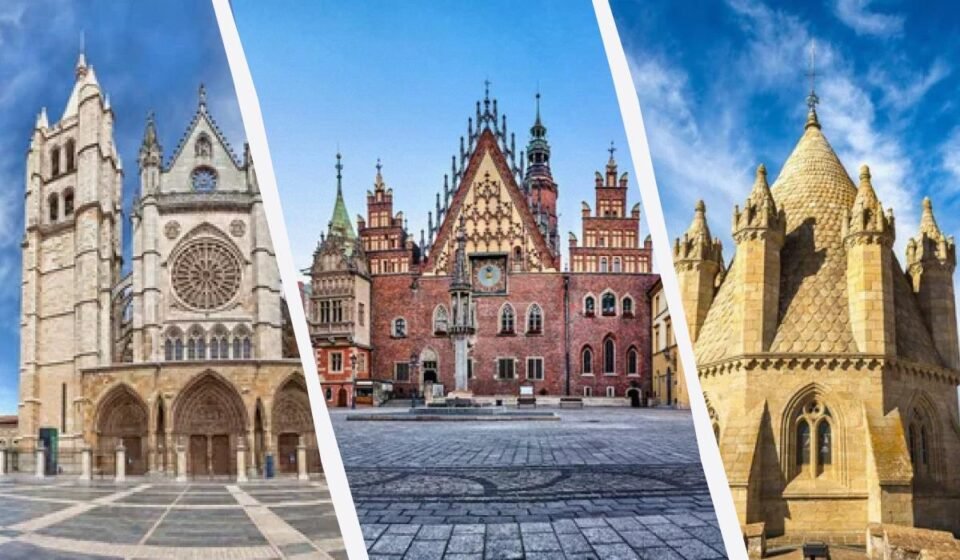
1. Wrocław, Poland: a historic city break
According to experts, this city with an impressive medieval square and Renaissance houses resembles Krakow, but the prices are significantly lower and there are fewer tourists. So if you’re wondering where to go as a budget-conscious traveler, then Wroclaw should definitely be at the top of your list.
You can sit on the shore of one of the 14 islands, try a local drink, or eat dumplings at the Christmas market. Which? quoted examples of £20 for food and drinks and £100 for a luxury hotel stay. Actual prices vary.
Plan your visit: Allow two or three days for Rynek Market Square, Cathedral Island, river walks and the Centennial Hall. Wrocław is accessible by air and rail. Spring and early autumn are excellent for exploring on foot.
2. León, Spain: Gothic architecture and tapas
Leon is often a stopover for pilgrims on the Santiago pilgrimage route. However, the city is worth visiting for its own sake. The main attraction is the Gothic cathedral with its vibrant stained-glass windows, known as the House of Light.
Don’t miss the Royal Pantheon of San Isidoro, a Romanesque mausoleum with 11th-century frescoes comparable to the Sistine Chapel. And don’t miss the opportunity to enjoy the tapas culture thriving in the Barrio Húmedo’s old quarter, where many bars serve a snack with drinks. Try local delicacies such as morcilla black pudding and cecina dried meat.
Which? Travel writes that the large Parador de León, a former monastery and pilgrim hospital run by the Spanish Paradores chain, which is recognized as one of the best international hotel chains, is an ideal place to stay.
Plan your visit: Spend one or two nights in León to see Casa Botines, the cathedral and historic centre. Madrid has rail connections to León.
3. Murcia, Spain: architecture and local food
Next, less than an hour from Alicante Airport, Murcia is a city with few tourists. As you drive past the vast citrus orchards, you’ll immediately feel the relaxed atmosphere of the old town.
This place reflects 1200 years of history, including magnificent baroque architecture and sunny squares. Although Murcia is located in the interior of the country, you can try seafood dishes, such as the local tapas “Marinera,” a crunchy bread ring topped with Russian salad and an anchovy.
Plan your visit: Murcia rewards a leisurely visit to its cathedral, the Real Casino and pedestrian squares. Spring and autumn are particularly pleasant.
4. Cartagena, Spain: Roman heritage
Finally, Cartagena, which was just a modest military town 20 years ago, is now a tourist center in the southeast of Spain that is a must-visit destination for anyone interested in museums and ancient architecture.
The city has been associated with the navy for centuries, but the discovery of the Roman theater ruins was a turning point. Today, there are numerous museums and guided tours, including those dedicated to the wars.
But the real charm of this place is walking along the streets lined with Art Nouveau buildings and tapas bars.
Plan your visit: Explore Cartagena’s Roman Theatre Museum, harbour and naval heritage. Consider a day trip to the beaches of Calblanque.
5. Bolzano, Italy: an Alpine escape
The fairy-tale Alpine landscape, German signs, and cozy Austrian restaurants with homemade soups make Bolzano seem unusually “German” at first glance, but this is precisely its special charm.
The city is known for its trilingual university and the museum of the Iceman of Otzi, a naturally preserved man who lived more than 5,000 years ago.
Although the city is definitely not a budget-friendly destination, some hotels provide guest passes covering participating public transport, and buses and cable cars take you directly from the center to the Dolomites, with its breathtaking views and crystal-clear lakes.
Plan your visit: Allow two to four days in Bolzano for the South Tyrol Museum of Archaeology and a cable-car outing to Renon. The city is connected by train to Verona and Innsbruck.
6. Budva, Montenegro: Adriatic beaches and old town
Experts note that just south of the crowded Dubrovnik is the peaceful Balkan coast: turquoise water and terracotta roofs. Many tourists miss Montenegro when looking for the best cities in Europe for tourism, and in fact – in vain.
The history of Budva dates back more than 2,500 years. The old town, surrounded by walls, with its narrow streets and sea views, is impressive in its architecture. However, the area outside the city walls is just as beautiful, with around 20 beaches for summer vacations.
The original comparison found good-value food and accommodation, although prices vary by season.
Plan your visit: Spend two or three days in Budva. Visit Mogren Beach and the walled old town. Tivat and Podgorica airports provide access to the coast. June and September are appealing for beach holidays.
7. Bar, Montenegro: quieter beaches and history
Bar combines an Adriatic waterfront with the ruins of Stari Bar, a historic fortified settlement inland. Explore its stone streets, cafés and olive groves before returning to the coast. The town is connected to Budva by bus and has a railway station. Allow a day or two, especially in June or September.
8. Ljubljana, Slovenia: riverside culture
Finally, Ljubljana is a dream city with pastel buildings in the Baroque and Art Nouveau styles. The river Ljubljanica flows through the center, with beautiful bridges and embankments.
There are many cafes and bars along the river, where you can sit under the weeping willows. Try the local wines and small dishes at the TaBar restaurant, a former Yugoslav bicycle factory.
On a hill above the town, there is a castle with historical tours and great views of the old town. It is a convenient place to go on excursions: Lake Bled, Postojna caves and Predjama castle.
Plan your visit: Allow two or three days in Ljubljana for its castle, central market and riverside cafés, plus an excursion to Lake Bled.
9. Évora, Portugal: history in the Alentejo
Evora is a favorite among Portuguese people, but foreign tourists usually believe that the list of must-visit Portuguese cities is limited to Lisbon, Porto, and the Algarve.
This UNESCO-listed city with its olive groves, sunny vineyards, and medieval architecture provides a glimpse into Portugal’s off-the-beaten-path charm.
Évora can be reached from Lisbon by train or road.
Plan your visit: Stay one or two nights in Évora for the Roman Temple, cathedral and Chapel of Bones. Spring and autumn are comfortable for sightseeing. For more inspiration, see our guide to underrated European cities with ancient ruins.
10. Carrick-on-Shannon, Ireland: a riverside escape
Carrick-on-Shannon is a small town on the River Shannon, a popular base for domestic boating holidays. The main reason is its location on the outskirts of the lake region.
You can arrange boat hire and a briefing and explore the 63-kilometer Shannon-Erne waterway, passing by swamps, ancient castles, and villages.
The locals are friendly, and there are always people, good food, and live Irish music in local pubs.
Plan your visit: Stay a few nights in Carrick-on-Shannon for river cruises and countryside walks. The town has train connections from Dublin. Late spring to early autumn is ideal for boating.
Looking for more hidden gems in Europe? See 10 affordable European city breaks and Salerno, Italy’s trending city. Official planning starts at Visit Europe.
Compare the hidden gems in Europe
| Destination | Best for | Suggested stay |
|---|---|---|
| Wrocław | Historic city break | 2–3 days |
| León | Gothic cathedral and tapas | 1–2 days |
| Murcia | Baroque architecture | 1–2 days |
| Cartagena | Roman theatre and harbour | 1–2 days |
| Bolzano | Alpine scenery | 2–4 days |
| Budva | Adriatic beaches and old town | 2–3 days |
| Bar | Stari Bar and coast | 1–2 days |
| Ljubljana | City and nature | 2–3 days |
| Évora | Roman heritage | 1–2 days |
| Carrick-on-Shannon | River and countryside | 2–3 days |
Frequently asked questions
Who chose these hidden gems?
The experts at Which? Travel.
Why is Wroclaw a hidden gem?
It resembles Krakow, with a medieval square, but has lower prices and fewer tourists.
What is León known for?
Its Gothic cathedral, called the House of Light, and tapas in the Barrio Húmedo.

Konstantin is an acclaimed travel writer, celebrated for transforming ordinary journeys into extraordinary narratives. With years of experience exploring diverse destinations across the globe, his work blends vivid storytelling, cultural insights, and practical advice to inspire wanderlust and guide readers toward unforgettable adventures.
As a key contributor to enjoythetrip.org website, Konstantin has built a loyal readership through their expertise in uncovering both iconic landmarks and off-the-beaten-path treasures. He specializes in providing travelers with honest, actionable tips, whether it’s finding the best resorts in Maldives, exploring cultural hubs like Paris, or diving into the natural wonders of Croatia.