
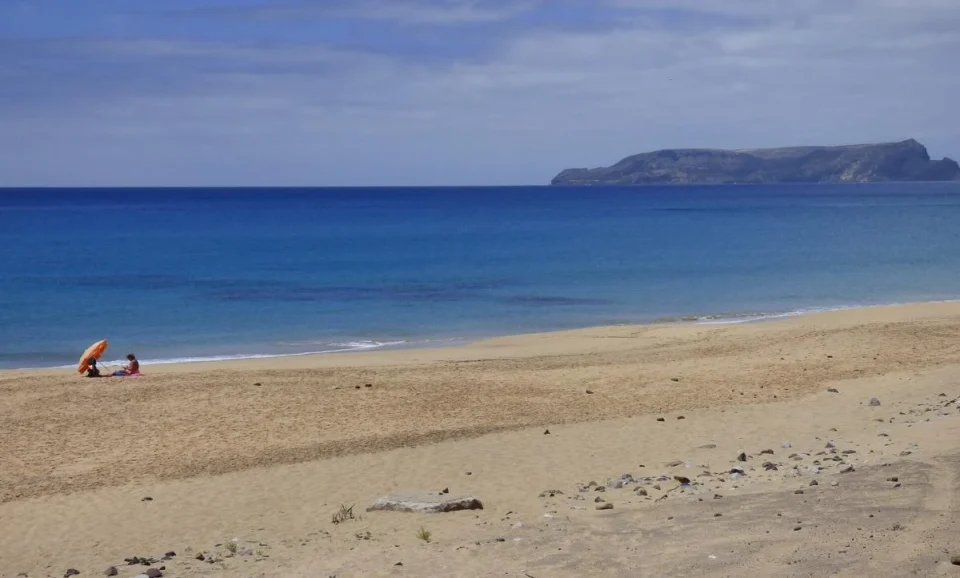
Porto Santo Beach is a nine-kilometre stretch of golden sand on a Portuguese island in the Madeira archipelago. The island offers fantastic opportunities for diving among sunken ships.
In Portugal, there is a charming beach known for its long, spacious sandy beaches and blue water, but it is rarely crowded. This is what Express writes about.
We’re talking about Praia do Porto Santo, which has made it onto the list of unexpectedly popular beach destinations for 2026, compiled by Iglu Cruises.
“These are places that usually don’t attract many visitors, but recently they’ve seen a significant increase in interest in search engines. It’s easy to see why people like this Portuguese beach so much,” the publication notes.
In particular, Iglu Cruises emphasized that Praia do Porto Santo beach in Madeira, which has received 81.8 % 5‑star ratings out of more than 1,600 reviews, offers a magnificent 9‑kilometre stretch of golden sand.
Its calm, warm waters and atmosphere, which match the island’s rhythm of life, consistently surpass the more bustling centres on the mainland, earning this beach the top spot in Portugal. The island offers fantastic opportunities for diving among sunken ships off its coast, as well as the chance to visit the former home of Christopher Columbus in the charming main town of Vila‑Baleira. Located in the Madeira archipelago, it underscores that Portugal’s island territories boast some of the calmest and cleanest coastal areas in the Atlantic,” the company said in a statement.
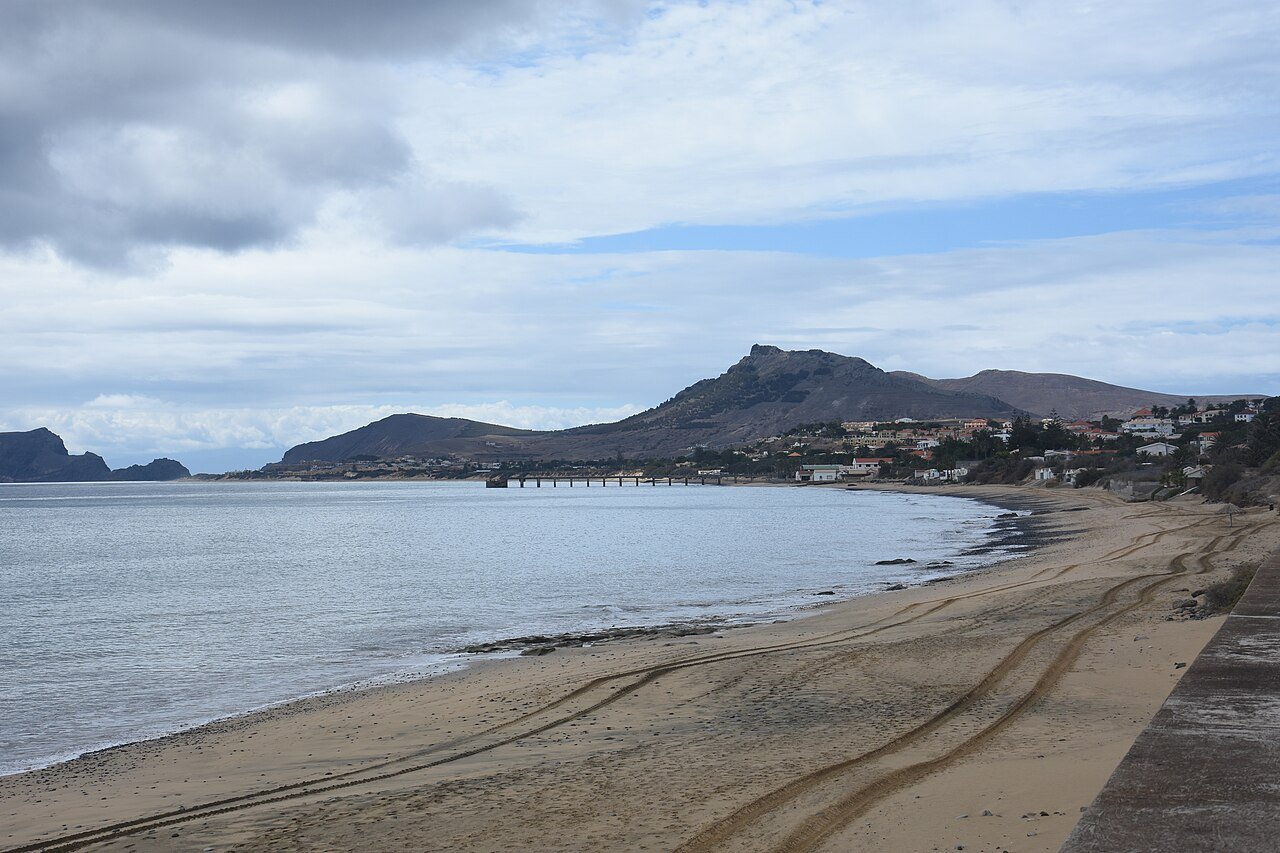
At the same time, the beach located on Porto Santo Island (a smaller neighboring island of Madeira) is unusual. It is the archipelago’s exceptional long golden-sand beach, stretching for 9 kilometers along the southern coast. However, on the main island of Madeira, pebble beaches or beaches with artificial sand predominate. Such a long strip consists of several separate sections, each with its own name.
“These are Penedo, Cabeço da Ponta, Calheta, Fontinha, Pedras Pretas, and Ribeiro Salgado, some of which have the ‘Blue Flag’ status. If you have limited mobility, Praia da Fontinha is the only beach accessible to people with disabilities,” Express adds.
Furthermore, Porto Santo enjoys a warm and dry climate with one of the longest beach seasons in the country, which lasts from late spring to early autumn.
“July and August are the peak season, when the sea is calmest, whereas in June or September the air temperature is the same, but there are fewer people on the beaches. The dry and stable climate ensures plenty of sunshine throughout the year, and the warm, clear, and calm water is ideal for swimming and water sports,” the publication notes.
If you are building a mild-weather winter or shoulder-season plan around Portugal’s islands, compare ideas in our list of wonderful winter trips in Europe. For official destination information on the archipelago, see Visit Portugal’s Madeira page.
Which section of Porto Santo Beach should you choose?
| Beach section | Best for |
|---|---|
| Fontinha | Central location, cafés and facilities |
| Pedras Pretas | Families and easy access to town |
| Penedo | Quiet beach walks |
| Cabeço da Ponta | Beachfront stays and turquoise water |
| Calheta | Rocky scenery at the western end |
Fontinha is convenient for a short trip because it is next to the old pier in Vila Baleira. For a quieter day, head towards Penedo or explore Cabeço da Ponta. Calheta is particularly scenic at the end of the golden shore, where the landscape becomes rocky. Check facilities and seasonal lifeguard arrangements on the official Porto Santo Beach guide.
How to get to Porto Santo from Madeira
The Lobo Marinho ferry from Funchal generally takes around two and a half hours. Check the Porto Santo Line timetable in advance, especially outside summer. Short inter-island flights also connect the two islands. From the port or airport, arrange a taxi, bus or hotel transfer to Vila Baleira.
A ferry day trip is possible if the timetable allows, but a stay of two or three nights leaves time to explore the beaches and inland scenery without rushing.
Things to do beyond the beach
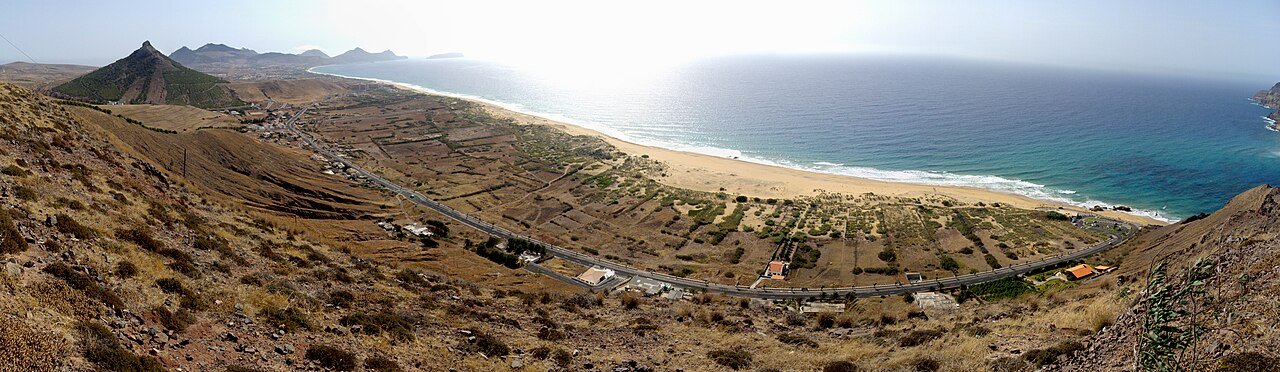
Explore the historic centre of Vila Baleira and Casa Colombo, a museum connected with Christopher Columbus. For sweeping island views, visit the Pico do Castelo viewpoint or Portela. Divers can explore offshore wrecks with a local dive centre, while walkers can enjoy marked routes in the interior. Browse the official island attractions for more ideas.
Where to stay on Porto Santo
Choose Vila Baleira for restaurants, shops and convenient beach access. Beachfront accommodation farther west near Cabeço da Ponta suits a slower holiday. June and September are worth considering for fewer visitors than the peak summer months. Winter is better suited to walking and sightseeing than a guaranteed swimming holiday.
Map of Porto Santo Beach
Frequently asked questions
How long is Porto Santo’s beach?
Praia do Porto Santo offers about a 9-kilometre stretch of golden sand along Porto Santo’s southern coast. On the main island of Madeira, pebble beaches or artificial sand are the norm. The long strip is split into named sections such as Penedo, Cabeço da Ponta, Calheta, Fontinha, Pedras Pretas and Ribeiro Salgado.
When is the best time to visit?
Porto Santo has a warm, dry climate and one of Portugal’s longest beach seasons, from late spring to early autumn. July and August are peak, when the sea is calmest; June or September bring the same air temperatures with fewer people on the sand.
Is Fontinha accessible?
Fontinha Beach is a practical option for visitors seeking facilities near Vila Baleira. Confirm current accessibility arrangements with the beach operator before visiting. Some sections also hold Blue Flag status. Beyond the beach, the island offers diving among sunken ships and a visit to Christopher Columbus’s former home in Vila Baleira.
How long is the ferry from Funchal to Porto Santo?
The ferry crossing usually takes about two and a half hours. Check the timetable before booking a day trip.

Konstantin is an acclaimed travel writer, celebrated for transforming ordinary journeys into extraordinary narratives. With years of experience exploring diverse destinations across the globe, his work blends vivid storytelling, cultural insights, and practical advice to inspire wanderlust and guide readers toward unforgettable adventures.
As a key contributor to enjoythetrip.org website, Konstantin has built a loyal readership through their expertise in uncovering both iconic landmarks and off-the-beaten-path treasures. He specializes in providing travelers with honest, actionable tips, whether it’s finding the best resorts in Maldives, exploring cultural hubs like Paris, or diving into the natural wonders of Croatia.