
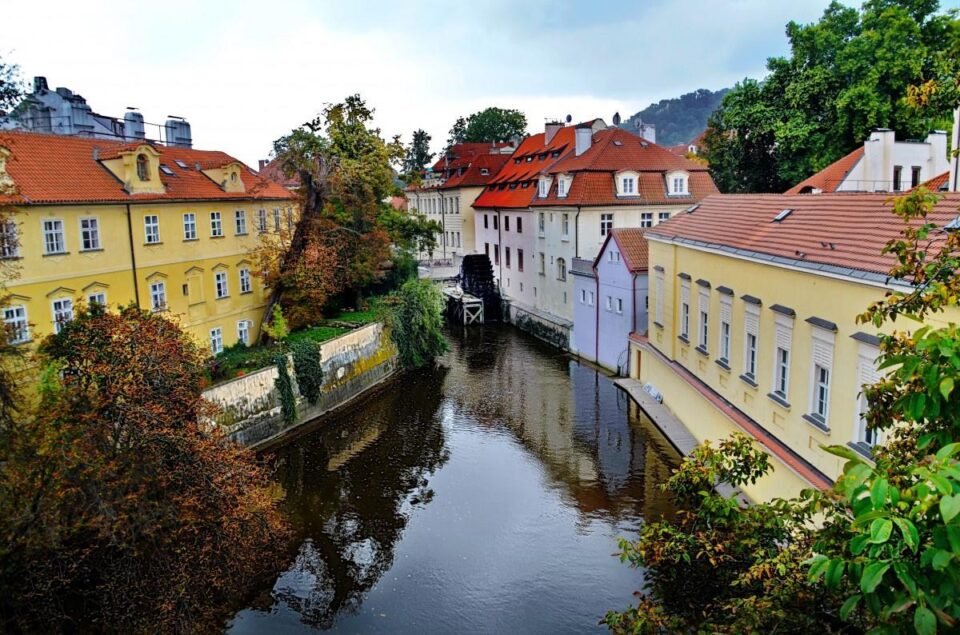
Autumn is the perfect time for a vacation, when there is no crazy summer heat, but also no winter cold. These five autumn destinations in Europe offer a mix of cultural city breaks, parks, thermal baths and sunshine.
Autumn is the perfect time for a tourist calendar. The summer heat is over, the crowds of tourists have dispersed, and European cities are quieter and more comfortable. It’s the perfect time to enjoy cafes without noise, visit museums without queues, and stay in hotels at affordable prices.
According to InsureAndGo, by booking transportation tickets and hotel rooms a month or two in advance for a mid-season vacation, you can have a very budget-friendly vacation. However, the beauty of autumn is that spontaneous trips during this time of year are also not too expensive.
As for specific vacation destinations, experts recommend choosing one of the following options in September and October.
Best autumn destinations in Europe compared
| City | Suggested month | Stay | Best for |
|---|---|---|---|
| Copenhagen | September | 3 days | Harbours, hygge, museums |
| Prague | September–October | 3 days | Old Town and parks |
| Budapest | September–October | 3–4 days | Thermal baths and Danube |
| Seville | October–November | 3–4 days | Warm weather and architecture |
| Florence | October | 3–4 days | Art, gardens and Tuscan cuisine |
Copenhagen, Denmark
In autumn, the capital of Denmark immerses itself in its slow-paced lifestyle, known as hygge. Autumn is the perfect time to stroll through the cobblestone streets of Nyhavn, visit the Tivoli Gardens, and indulge in Danish pastries with hot chocolate at a café.
In the fall, there are fewer tourists in Copenhagen, so sightseeing is no longer a race against time.
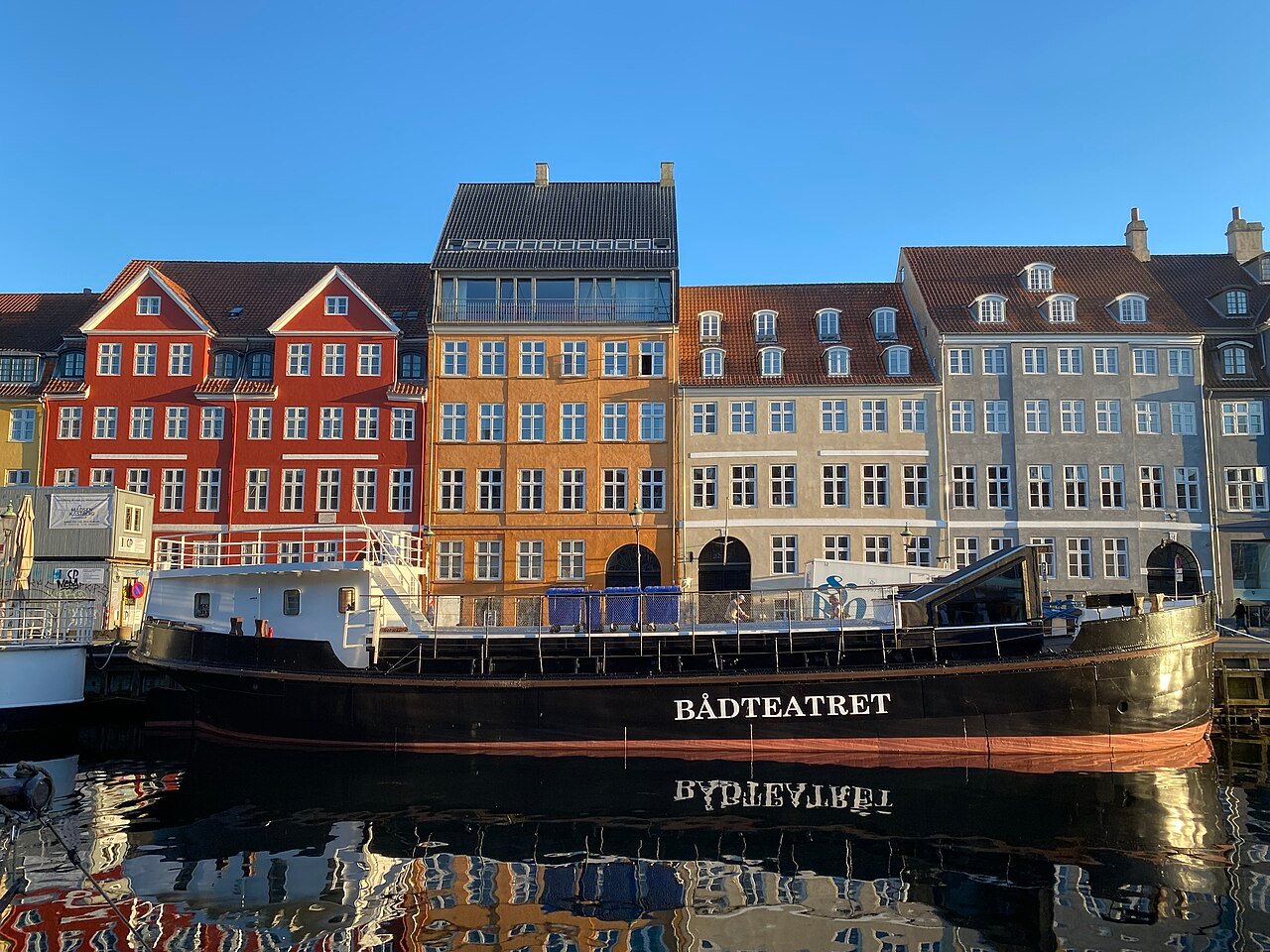
Plan your visit. Spend three days exploring Nyhavn, Rosenborg Castle, the National Museum and the waterfront. Stay near the central station or Indre By for convenient transport. Tivoli has seasonal opening periods, including its Halloween programme. Bring a rain jacket and check the official autumn guide.
Prague, Czech Republic
The Czech capital looks like an illustration from a medieval fairy tale all year round, but it’s still more pleasant to explore the charms of Old Town Square, Charles Bridge, and St. Vitus Cathedral under the gentle September or October sun than under the scorching July sun.
In addition, it is in the fall that the festival season begins in Prague, with classical music concerts, harvest fairs, and seasonal cuisine. However, even in the fall, there will be fewer crowds than in the summer.
Plan your visit. Allow three days for Prague Castle, Malá Strana, the Jewish Quarter and the Old Town. Walk across Charles Bridge early in the morning, then explore Petřín Gardens or Letná Park for views of the Vltava. Stay in New Town or Malá Strana for easy tram connections.
Budapest, Hungary
The Hungarian capital has its own special autumn romance. Unhurried walks along the Danube embankment are ideal at this time of year. And swimming in the famous Széchenyi thermal baths is more pleasant when it’s +15 outside, rather than +35.
In October, Budapest also hosts a season of festivals featuring contemporary art, dance, and music throughout the city. During this time, visitors can enjoy classic Hungarian dishes such as goulash, kürtőskalács (chimney cake), and spicy mulled wine.
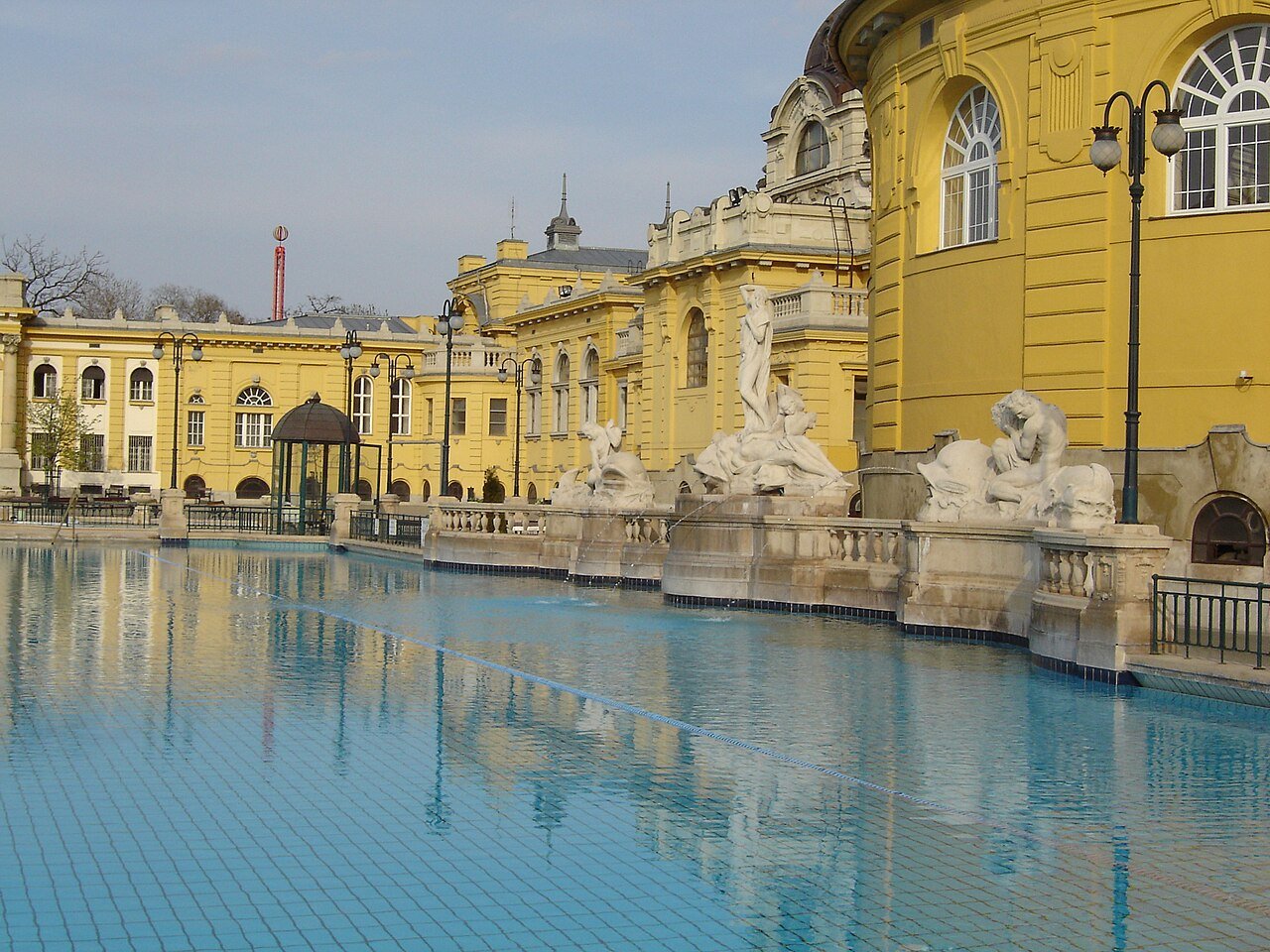
Plan your visit. Combine Buda Castle and Fisherman’s Bastion with the Parliament, Great Market Hall and City Park. Dedicate half a day to the thermal baths and check the available ticket types before booking. Districts V and VI are convenient bases for a first visit.
Seville, Spain
While northern and central Europe is already feeling the approach of winter in the fall, southern Spain continues to live in a summer routine. However, the number of degrees on the outdoor thermometer is not as extreme, and the crowds of British and German vacationers have already returned home. Seville offers an autumn getaway with an average temperature of around 25°C and plenty of sunshine.
This is a great time to explore the city’s historical sites without the crowds of tourists, relax in bars and restaurants, and take a separate day trip to the coast if time permits.
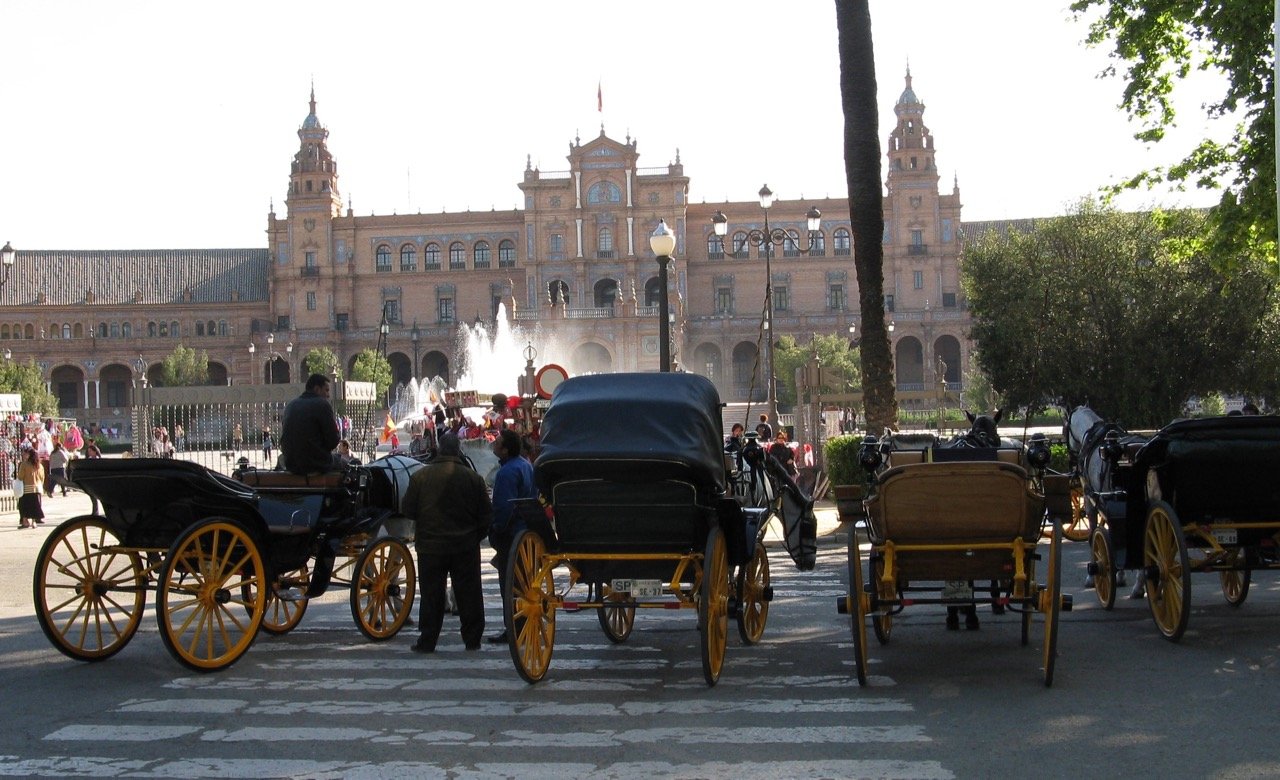
Plan your visit. Explore the Real Alcázar, Cathedral, Santa Cruz and Plaza de España. Spend an evening in Triana sampling tapas and seeing a flamenco performance. October is a particularly appealing month for longer walks. Stay in Santa Cruz or El Arenal and reserve timed tickets for the Alcázar.
Florence, Italy
The summer heat is gone, but the city’s artistic treasures, from Michelangelo’s “David” to Botticelli’s “The Birth of Venus,” are still there. Autumn is often quieter, although advance reservations remain useful at the busiest galleries.
In addition, this is the season for truffles, and the food markets are full of autumn delicacies.
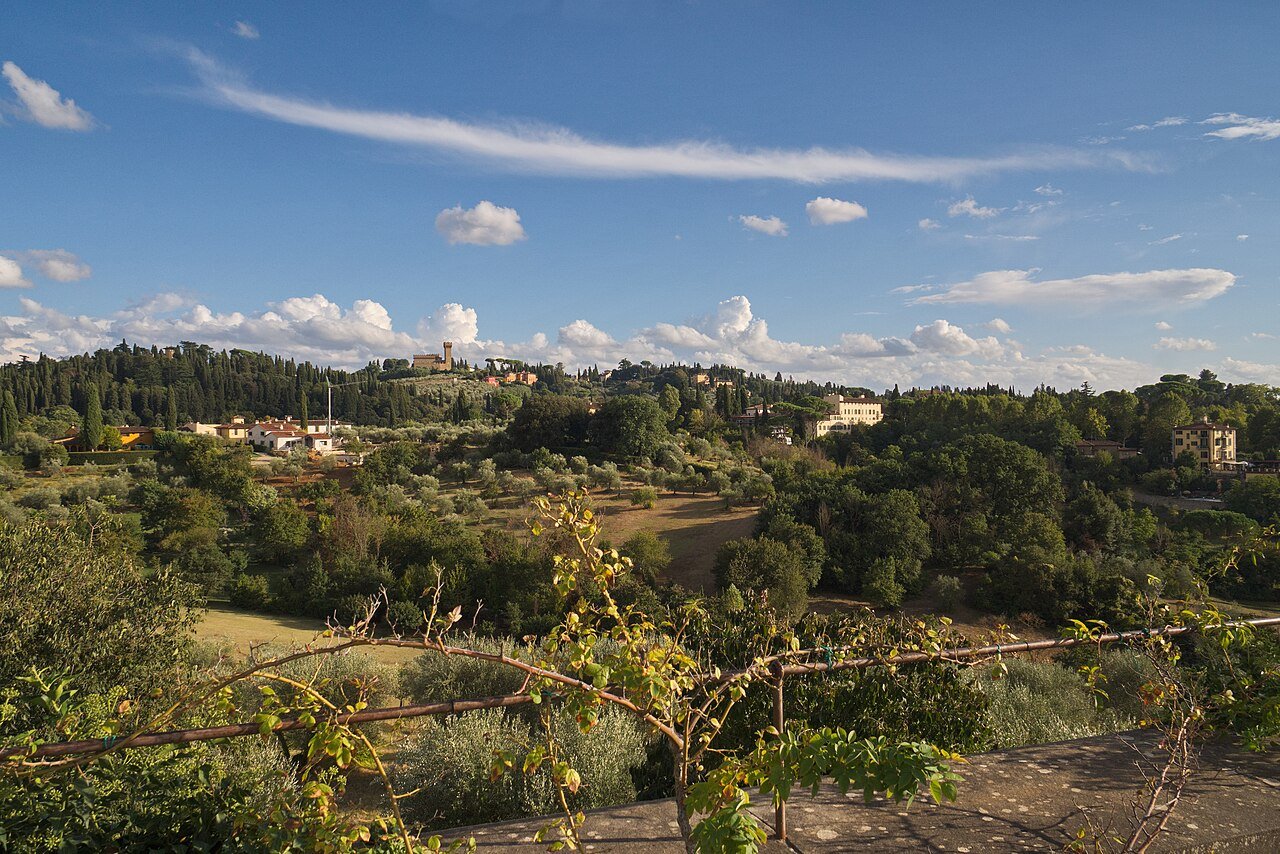
Plan your visit. Spend three or four days visiting the Duomo, Uffizi Gallery, Accademia and Ponte Vecchio. Cross the Arno for the Boboli Gardens and artisan shops in Oltrarno. An extra day allows a trip to Siena or the Chianti countryside. Book major museums in advance.
How to plan an autumn city break in Europe
Choose September for longer days in northern Europe, October for central European parks and museums, or late October and November for southern Spain. Compare accommodation near public transport and book popular attractions before departure. Budget separately for museum tickets and local transport; prices depend on the date and ticket category.
Frequently asked questions
Which European city is warmest in autumn?
Seville is generally the warmest of these five destinations, especially in October.
Which autumn destinations in Europe are best for a weekend?
Prague and Copenhagen work well for a three-day weekend. Budapest, Florence and Seville benefit from a fourth day for baths, museums or nearby excursions.
Is September or October better for European travel?
September generally offers longer daylight hours, while October is ideal for autumn colours and cooler sightseeing weather.

Konstantin is an acclaimed travel writer, celebrated for transforming ordinary journeys into extraordinary narratives. With years of experience exploring diverse destinations across the globe, his work blends vivid storytelling, cultural insights, and practical advice to inspire wanderlust and guide readers toward unforgettable adventures.
As a key contributor to enjoythetrip.org website, Konstantin has built a loyal readership through their expertise in uncovering both iconic landmarks and off-the-beaten-path treasures. He specializes in providing travelers with honest, actionable tips, whether it’s finding the best resorts in Maldives, exploring cultural hubs like Paris, or diving into the natural wonders of Croatia.