
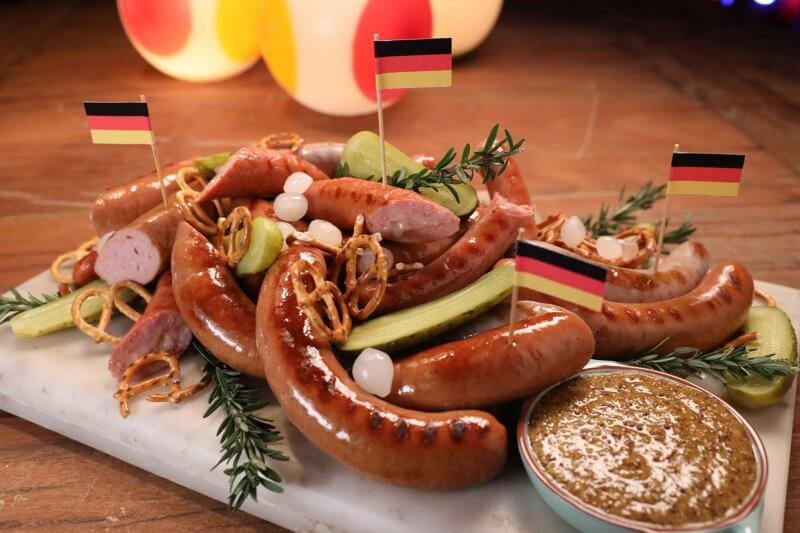
German national cuisine is full of local flavours. Try white sausages in Bavaria, dumplings in Swabia or currywurst in Berlin. For dessert, try Black Forest cake. Below, find the best local dishes, breads, sweets, snacks and drinks.
German national cuisine at a glance
| Traditional dish | Where to try it | What to expect |
|---|---|---|
| Weißwurst | Munich, Bavaria | Veal sausage, pretzel and sweet mustard |
| Maultaschen | Swabia | Filled pasta parcels |
| Currywurst | Berlin | Sausage with curry tomato sauce |
| Eisbein | Berlin | Pork knuckle with sauerkraut |
| Labskaus | Hamburg | Corned beef, potato and beetroot |
| Bratwurst | Thuringia | Grilled sausage |
| Stollen | Dresden | Christmas fruit bread |
| Black Forest cake | Black Forest | Chocolate, cherries and cream |
Explore the regions of Germany for more traditional recipes on the German National Tourist Board website.
Map of German culinary regions
German national cuisine is often hearty. It offers a wide range of breads, sausages, greens and meat dishes. However, local food traditions have developed over centuries. They reflect regional crops, trade, climate and the influence of neighbouring countries.
History of German national cuisine
Politics, trade and social change have influenced German food over the centuries. For example, much changed under Kaiser Wilhelm II and during the two world wars. However, local home cooking stayed important.
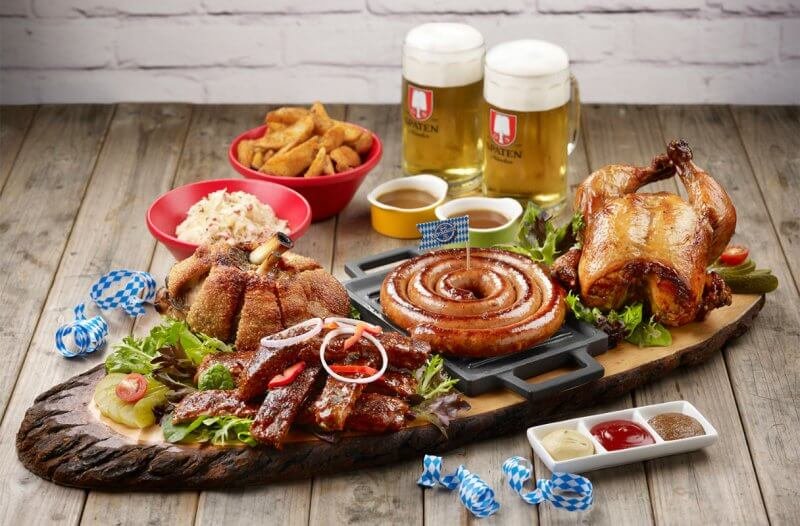
After the two world wars, Germany faced years of food shortages. In the post-war period, travel, cookbooks and new links with other cultures brought fresh ideas into kitchens. As a result, today’s German cuisine blends long-standing local dishes with new flavours and international influences.
Regional traditions in German national cuisine
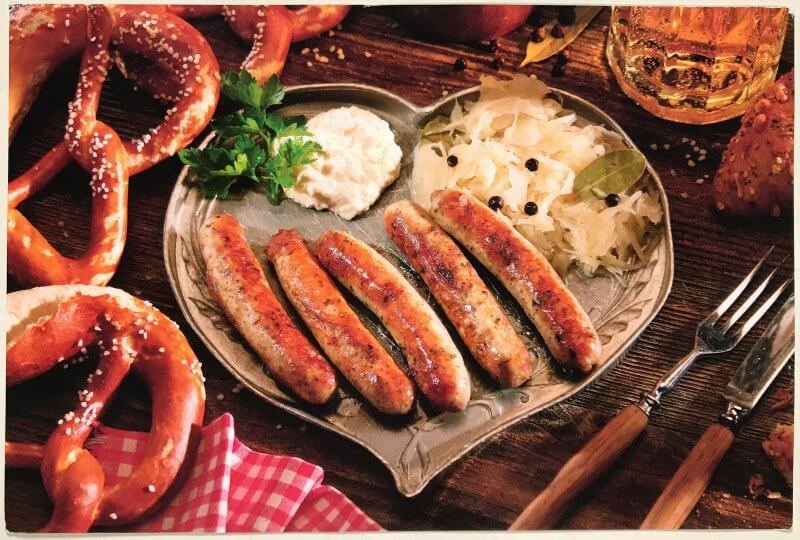
Germany has a long history of regional food traditions. Today, many German dishes are popular around the world.
It’s good to know! In Germany, cooks keep adapting their local recipes. Wine lovers also enjoy wines from German regions.
Pork plays a large role in traditional German food. For example, cooks use it to make sausages and pâtés. In fact, there are many local types of sausage, each with its own recipe.
In addition, bread and pastries are an important part of German food. Germany also has hundreds of types of bread and many baked sweets.
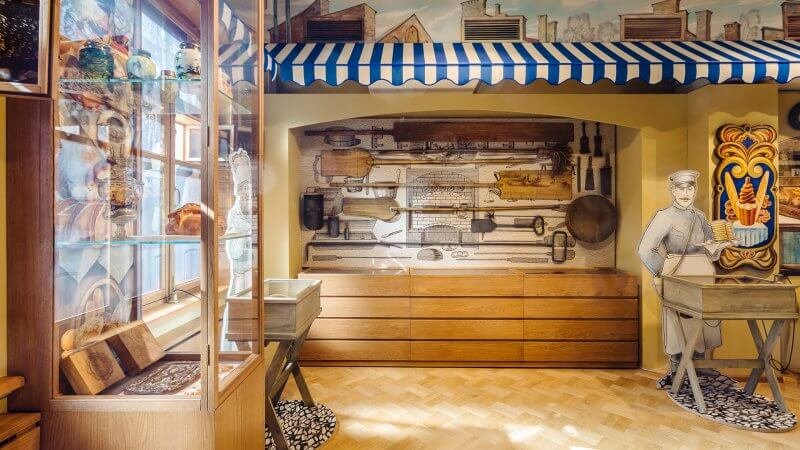
An interesting fact! In Ulm, you can visit the Museum of Bread and Art to learn about bread.
A classic side dish for meat is sauerkraut. In addition, cooks fry, boil, bake or stew potatoes and make potato pancakes.
What do you eat for breakfast in Germany? A typical breakfast may include rolls, bread, ham, cheese, jam, honey and yoghurt. At lunch, you might enjoy a hot meal with meat, potatoes or vegetables. Meanwhile, some families eat a cold evening meal known as Abendbrot.
Interesting facts about German national cuisine
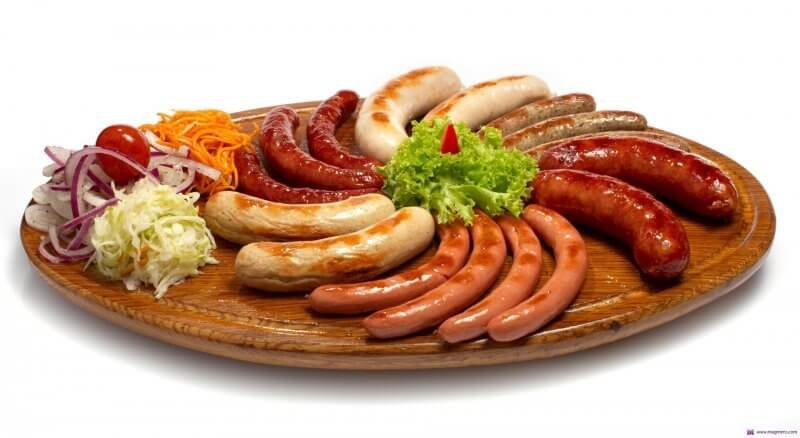
- In many cities, you can find sausage stands with affordable snacks. For example, try a grilled sausage with potato salad or in a bread roll.
- Some hearty dishes are more common in restaurants than in daily home cooking. However, tourists enjoy ordering such dishes, and there are many restaurants offering traditional German cuisine.
- On weekends, coffee and cake are a popular afternoon treat. The choice of cake often depends on the season.
- For example, Kaffee und Kuchen (coffee and cake) is a popular way to meet friends.
- Breakfast is often a hearty meal, although habits vary.
- In addition, many cafes offer breakfast menus throughout the morning.
- Food traditions vary by region. For example, the north is known for fish and potatoes. Meanwhile, the Alps offer cheese and mountain dishes.
What to eat in Germany: regional specialities

Many guests think of sausages and beer when they visit Germany. In fact, the two go well together. However, each region has its own dishes and ways of cooking. In the south-west, French food has also shaped local cooking. In Bavaria, sausages, sauerkraut, and sweet mustard are the hallmarks of the region. Meanwhile, the Rhineland is known for potato pancakes and marinated beef. Hamburg is famous for seafood. If you visit Cologne, try the local pastries and explore the city’s museums, including the Chocolate Museum.
The rich range of German national cuisine includes both simple and elaborate dishes.
Main dishes of German national cuisine
White Sausages Weißwurst
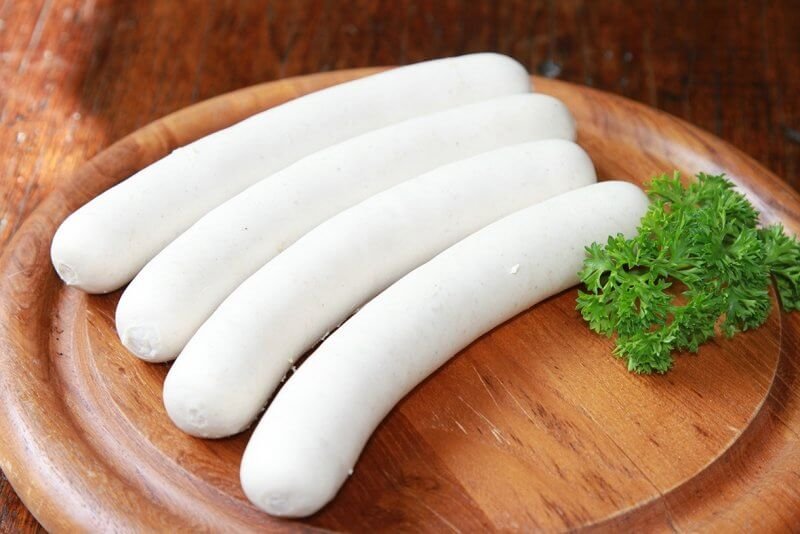
Weißwurst means white sausage. Cooks usually use veal, pork fat, herbs and spices. Lemon adds a fresh taste.
Tradition links the Munich sausage to the 19th century. Locals often eat it before noon, although that custom is less strict today. See Munich’s guide to Bavarian food.
You can enjoy the warm sausage with a pretzel and sweet mustard.
Beef rolls (Rinderrouladen)
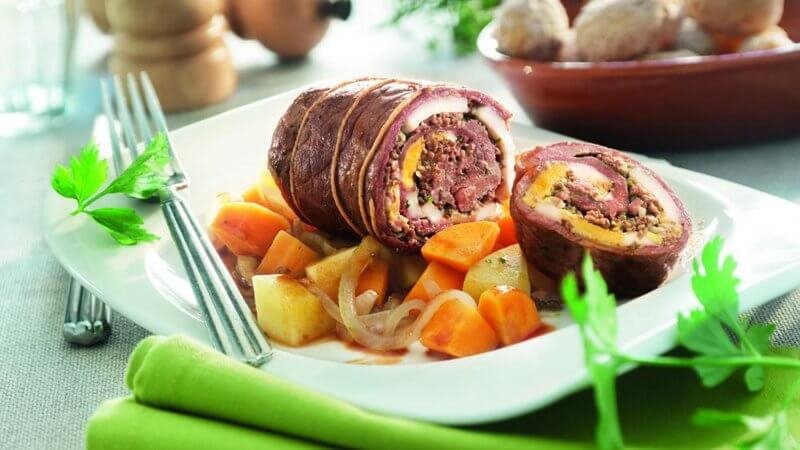
Many families serve this dish on Sundays. In fact, it is a favourite in cold weather. Cooks fill the meat with chopped pickles, bacon, fried onions and mustard.
Serve the beef rolls with a rich sauce of stock, red wine and vegetables. For example, try them with dumplings, cabbage or potatoes.
Maultaschen

These Swabian dumplings have a pasta shell. The filling often includes minced meat, pork, herbs and spices. Then cooks fold the dough into small parcels and simmer them in broth.
An interesting fact! According to a local legend, monks at Maulbronn created Maultaschen. Today, you can find both meat and vegetarian fillings.
Berlin-style knuckle
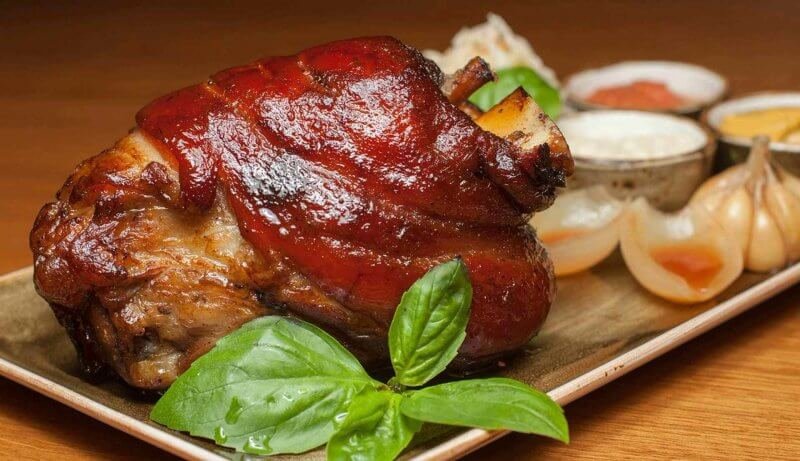
This traditional dish is popular in eastern Germany. Berlin-style Eisbein is traditionally a boiled or simmered pork knuckle. In contrast, Bavarian Schweinshaxe is often roasted. For extra flavour, cooks add juniper, garlic and spices. In addition, restaurants often serve the meat with mashed peas and sauerkraut.
An interesting fact! The name Eisbein literally means ice leg.
Labskaus

Labskaus is a hearty sailors’ dish, popular in northern Germany. It combines corned beef, mashed potatoes and beetroot. In Hamburg, it often comes with pickles, herring and a fried egg. See Hamburg’s guide to Labskaus.
Königsberger Klopse
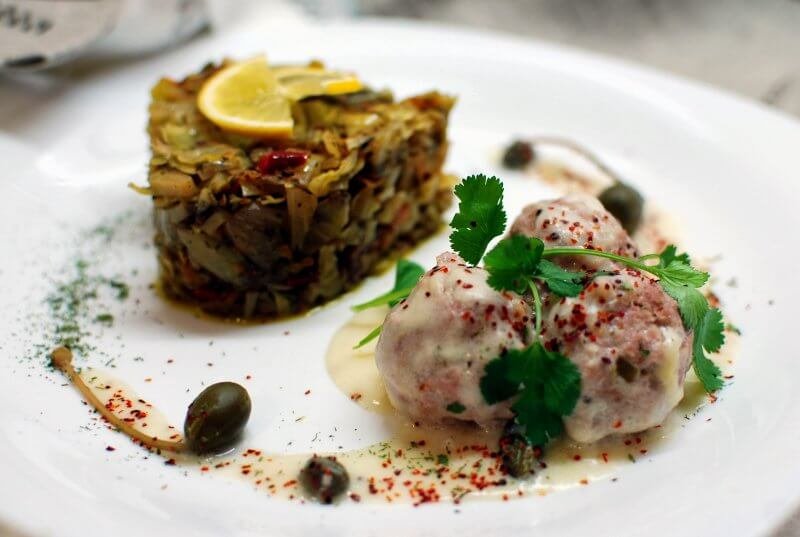
Germans have enjoyed these meatballs since the 19th century. A classic recipe uses minced veal, eggs, bread, anchovies, lemon, mustard and white wine.
It’s good to know! Shops sell ready-made versions. However, you can also try the classic dish in a restaurant.
Falscher Hase (German meatloaf)
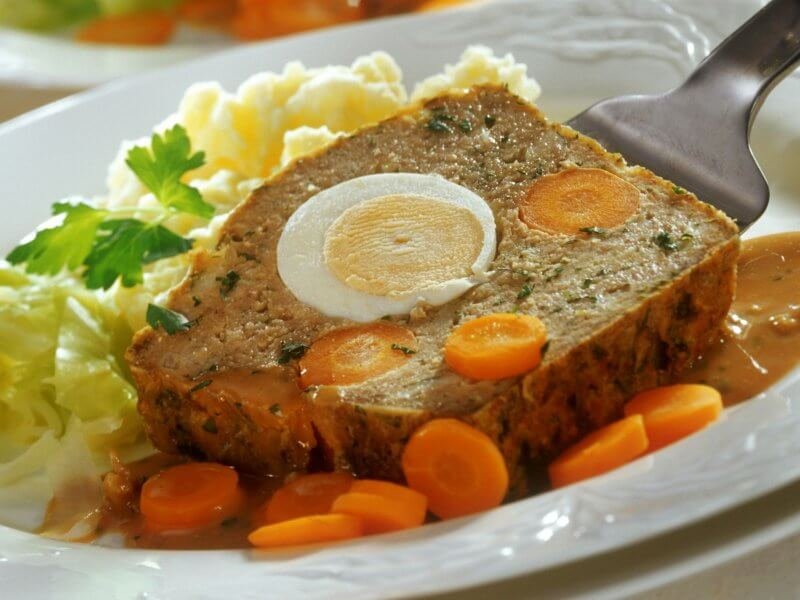
Despite its unusual name, this is a meatloaf with onions and potatoes. Cooks often add whole boiled eggs inside.
The dish became a practical home-cooked meal during times of scarcity. Its shape resembles a hare’s back, hence the name.
Schnitzel
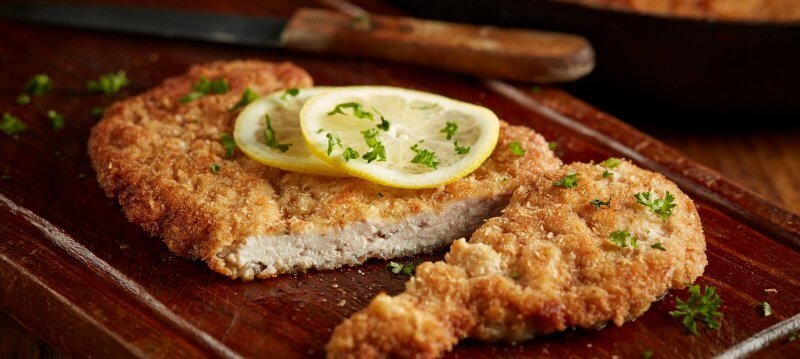
Schnitzel is well known around the world. However, cooks serve it in different ways across Germany. For example, Hamburg serves a cutlet with a fried egg. Holstein adds capers and anchovies as well. Classic Wiener Schnitzel uses veal. German menus also offer breaded pork cutlets, often called Schnitzel Wiener Art.
It’s good to know! Many schnitzels have a crisp breadcrumb coating. A wedge of lemon is a common garnish.
Side dishes in German national cuisine
Sauerkraut
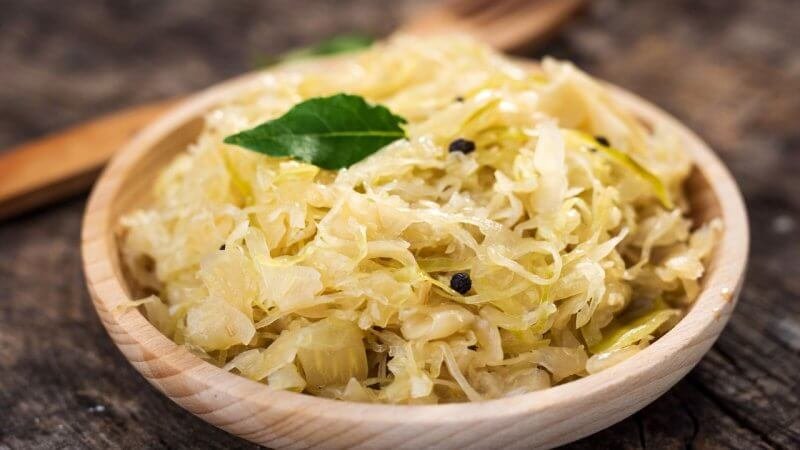
Sauerkraut is a classic side dish. Cooks ferment shredded cabbage with salt. Then they may simmer or fry it and serve it with meat, potatoes or sausages.
Traditionally, cooks let the cabbage ferment for weeks. Today, you can buy jars of sauerkraut in most food shops.
An interesting fact! Germans enjoy eating sauerkraut as a beer snack.
Potato dishes

At first, many people in Germany were reluctant to grow or eat potatoes. Over time, people learned how useful potatoes could be. In years when other crops failed, potatoes helped feed many families. Since then, cooks have created many local potato dishes.
An interesting fact! In German, a potato is called Kartoffel.
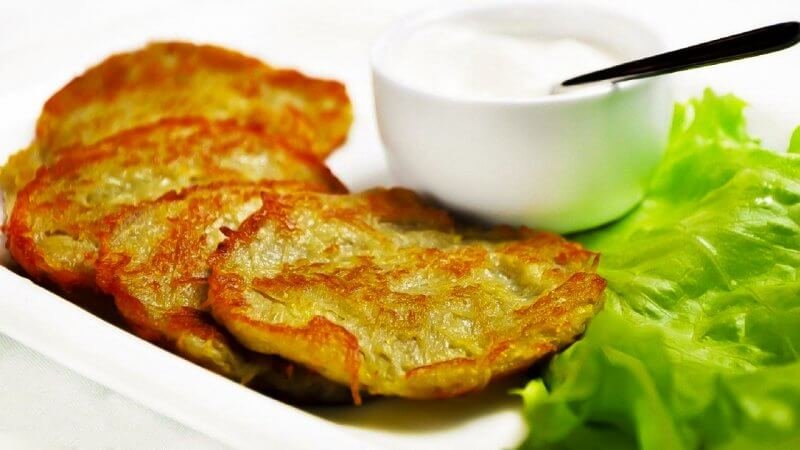
The most common potato dishes:
- Knödel — boiled potato balls served with meat and sauce;
- potato salad — each region has its own style;
- potato pizza, a popular dish in Swabian cuisine;
- In Mecklenburg, people love potato soup with baked plums and ham;
- potato sausage — cooks use potatoes, minced meat and spices;
- potato pancakes — recipes vary, with or without flour, raisins, milk or yeast;
- mashed potatoes with apple sauce, or pear sauce in Mecklenburg.
Desserts and baking in German national cuisine

Black Forest cake (Schwarzwälder Kirschtorte)
The exact origin of Black Forest cake is still unclear. However, it became well known in the 20th century. Its classic combination is chocolate sponge, whipped cream and cherries. Since then, the cake has gained fans in Germany and across the world. Today, bakers soak the sponge in cherry spirit or syrup. Then they layer it with cream and cherries. Finally, they add grated dark chocolate.
In particular, the cake recalls the Black Forest and its cherry spirit, Kirschwasser.
Stollen (Christmas fruit bread)
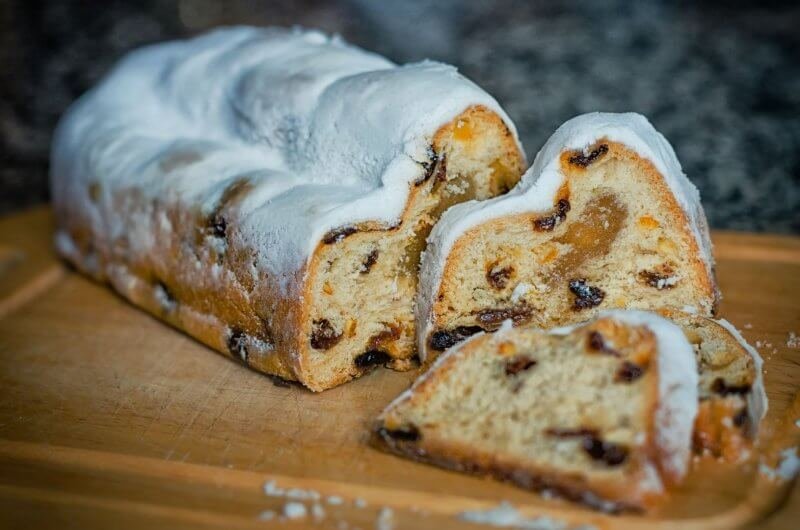
Stollen has a rich mix of spices. In addition, it often contains raisins, nuts and candied fruit. Bakers coat it with icing sugar, a look said to recall the infant Jesus in white cloth.
Stollen has a long Christmas tradition. Early versions were simple, but later recipes added butter and rich fruit fillings.
An interesting fact! One legend credits Heinrich Drasdo, a court baker from Torgau.
Today, bakers make stollen with many types of filling. In particular, Dresden stollen is a classic. Dresdner Christstollen has protected status. In fact, the old name Stritzel gave Dresden’s Christmas market its name, Striezelmarkt. If you let the bread rest after baking, the flavour deepens.
Brezel or bretzel

A traditional German pretzel, popular in the southern regions of Germany. Bakers have made pretzels for centuries. The classic twist is easy to spot. In fact, the shape looks like hands folded in prayer. In addition, bakers often add coarse salt. You can also find ones with sesame, pumpkin seeds, sausage or cheese.
An interesting fact! Before baking, bakers dip the dough in lye. This is why the pretzel is called a Laugenbrezel.
German street food
You can also find quick snacks at food stands in towns across Germany.
What is eaten in Germany from street food:
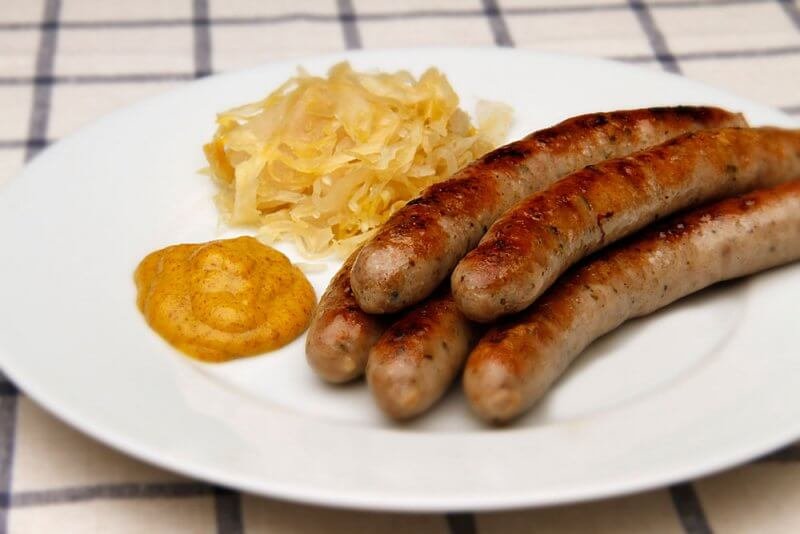
- Bratwurst is a grilled sausage, often served in a bread roll;
- Currywurst is sliced sausage with curry-flavoured tomato sauce, often served with fries. See Berlin’s currywurst guide.
- Leberkäse is a slice of baked meat in a roll;
- A fish roll often has pickled herring, pickles, onion and lettuce.
Drinks
Of course, Germany is primarily associated with high-quality beer. The famous Bavarian beer purity law dates to 1516. Today, classic German beer styles commonly use malt, hops, water and yeast.
An interesting fact! There are more than 1,200 breweries in Germany, not including private breweries.
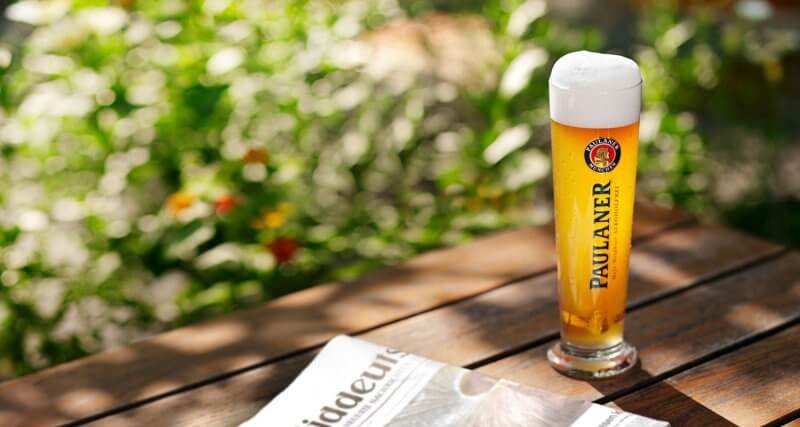
German beer often has a thick head of foam. In addition, Germany produces wines, schnapps, mulled wine and cider. Besides alcoholic drinks, coffee and tea are popular choices.
It’s good to know! For a soft drink, try Bionade, a fizzy drink in a range of flavours.
In short, restaurant portions are often hearty. From region to region, there is always something new to try.
Frequently asked questions about German national cuisine
What is typical German food?
Popular dishes include sausages, sauerkraut, potato dumplings, beef rolls, schnitzel and regional breads. However, dishes differ across the country.
What German food should tourists try first?
Start with currywurst in Berlin, Weißwurst in Munich or Maultaschen in Swabia. For dessert, try Black Forest cake or a slice of Christmas stollen.
Can vegetarians enjoy German food?
Yes. Potato pancakes, pretzels, salads and cheese dishes are common choices. Also, ask whether soup, sauces or dumplings contain meat stock, bacon or lard.
Where can you try German national cuisine?
Visit local markets, traditional inns and bakeries. For example, Munich is known for Bavarian food, Hamburg for seafood and Dresden for stollen.

Konstantin is an acclaimed travel writer, celebrated for transforming ordinary journeys into extraordinary narratives. With years of experience exploring diverse destinations across the globe, his work blends vivid storytelling, cultural insights, and practical advice to inspire wanderlust and guide readers toward unforgettable adventures.
As a key contributor to enjoythetrip.org website, Konstantin has built a loyal readership through their expertise in uncovering both iconic landmarks and off-the-beaten-path treasures. He specializes in providing travelers with honest, actionable tips, whether it’s finding the best resorts in Maldives, exploring cultural hubs like Paris, or diving into the natural wonders of Croatia.