
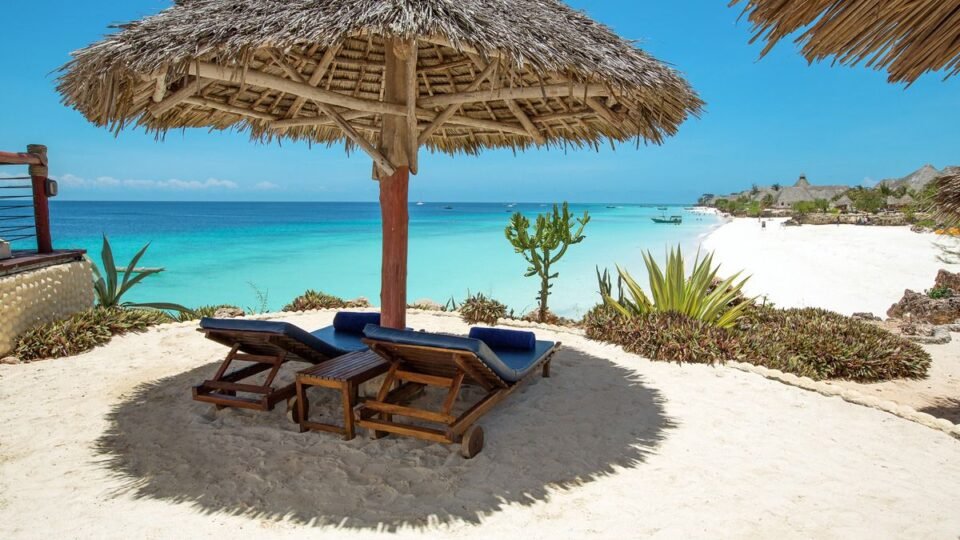
Zanzibar is a popular holiday destination throughout the year, with warm tropical weather, beautiful beaches and an Indian Ocean that is usually warm enough for swimming. This guide to Zanzibar weather by month explains the island’s two rainy periods and two relatively dry periods, so you can choose the best time for your holiday.
For the most reliable beach weather, choose June to September, or January and February if you prefer more heat and warmer water. October can still be pleasant, but the short rains may begin. April and May are the wettest months, so they are better suited to flexible travel plans and travellers looking for lower accommodation rates.
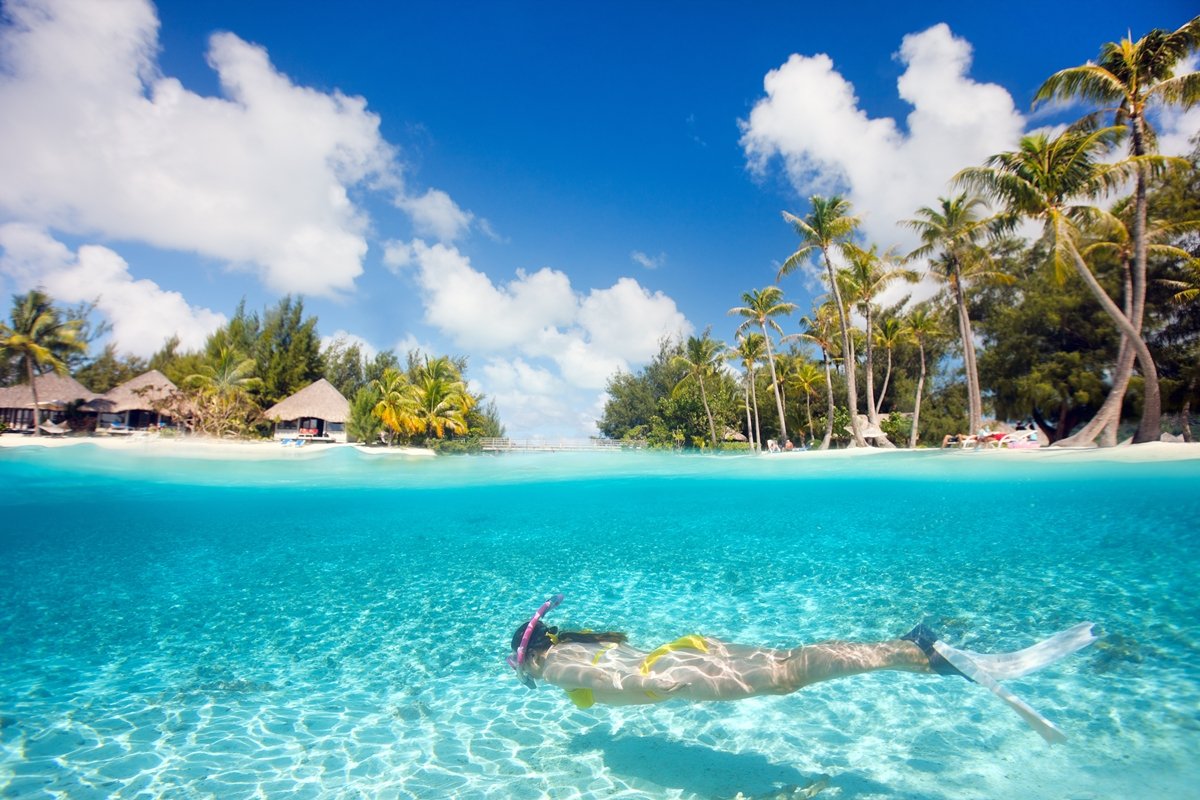
Zanzibar weather by month: temperature, rainfall and sea temperature
Zanzibar has a tropical monsoon climate. The table below gives typical monthly conditions for Unguja, the main island, using published climate averages rather than a forecast for a specific year. Day and night temperatures are approximate average daily highs and lows; water temperatures are rounded estimates.
| Month | Day / night (°C) | Sea (°C) | Rainfall (mm) | Season |
|---|---|---|---|---|
| January | 31 / 23 | 29 | 87 | Short dry |
| February | 32 / 24 | 29 | 86 | Short dry |
| March | 32 / 23 | 29 | 127 | Long rains begin |
| April | 30 / 24 | 29 | 403 | Long rains |
| May | 29 / 23 | 28 | 249 | Long rains |
| June | 28 / 22 | 27 | 54 | Main dry |
| July | 28 / 21 | 26 | 48 | Main dry |
| August | 29 / 20 | 26 | 37 | Main dry |
| September | 30 / 19 | 26 | 33 | Main dry |
| October | 30 / 20 | 27 | 105 | Transition / short rains |
| November | 30 / 21 | 28 | 187 | Short rains |
| December | 31 / 23 | 29 | 145 | Short rains / festive season |
Sources: Zanzibar Government, BIG-Z environmental framework (2025 update), Table 1 for air temperatures and rainfall; SeaTemperature.info for sea surface temperature averages. Conditions vary by coast, year and day; the numbers are not weather guarantees.
Source: Zanzibar Ministry of Finance, BIG-Z environmental framework (2025 update), Table 1.
When is the best time to visit Zanzibar?
The long dry period is usually June to September, when rainfall is comparatively low and temperatures are slightly cooler. The short dry period is January to February, which is hotter and has warmer sea temperatures. According to the Tanzania Meteorological Authority’s climate statement, the long rains (Masika) generally run from March to May and the short rains (Vuli) occur from October to December.
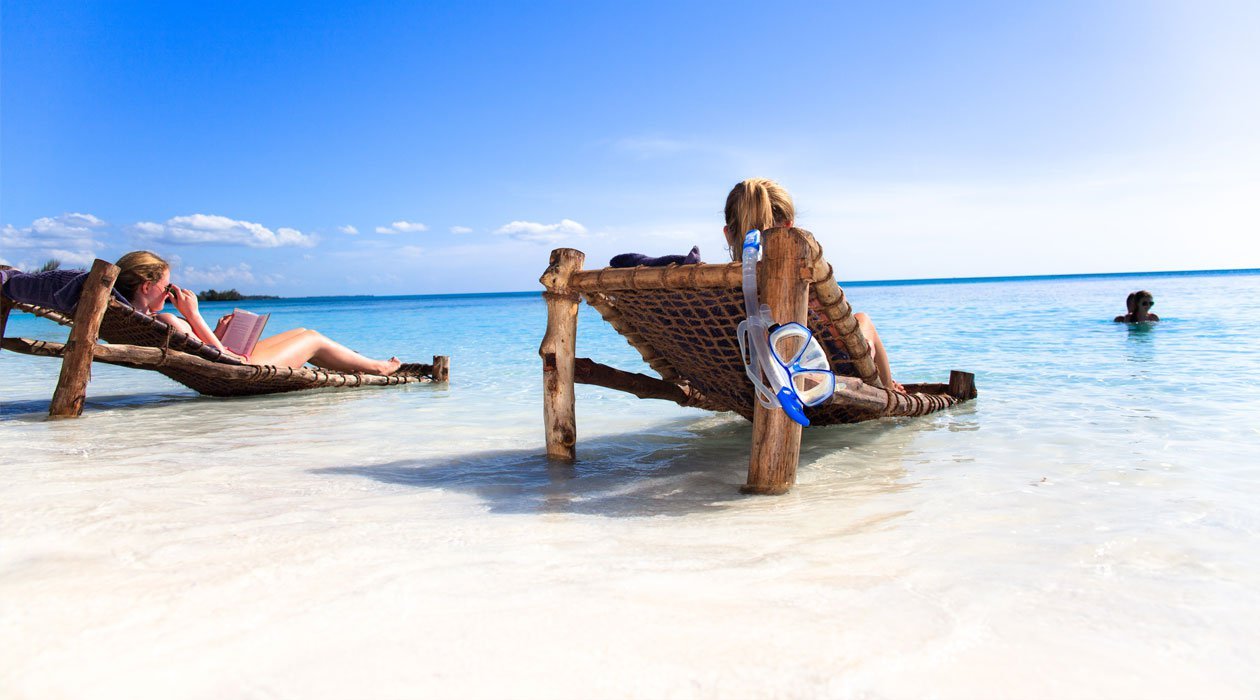
January and February: the hot, short dry season
January
January is hot and humid, with generally favourable beach conditions between showers. The ocean is warm, around 29°C, making it a good time for swimming and relaxing at the coast. Book early for the New Year period, when popular resorts can be busy.
February
February is typically one of the drier and hottest months. It is a strong choice for a classic beach holiday, snorkelling and a combination of resort time and sightseeing, provided you are comfortable with daytime temperatures around 32°C.
March to May: the long rainy season (Masika)
March
March is a transition month. Early in the month there may still be good beach weather, but rain becomes more frequent as the long rainy season develops. Sea temperatures are among the warmest of the year. Choose flexible excursions and avoid relying on uninterrupted sunshine.
April
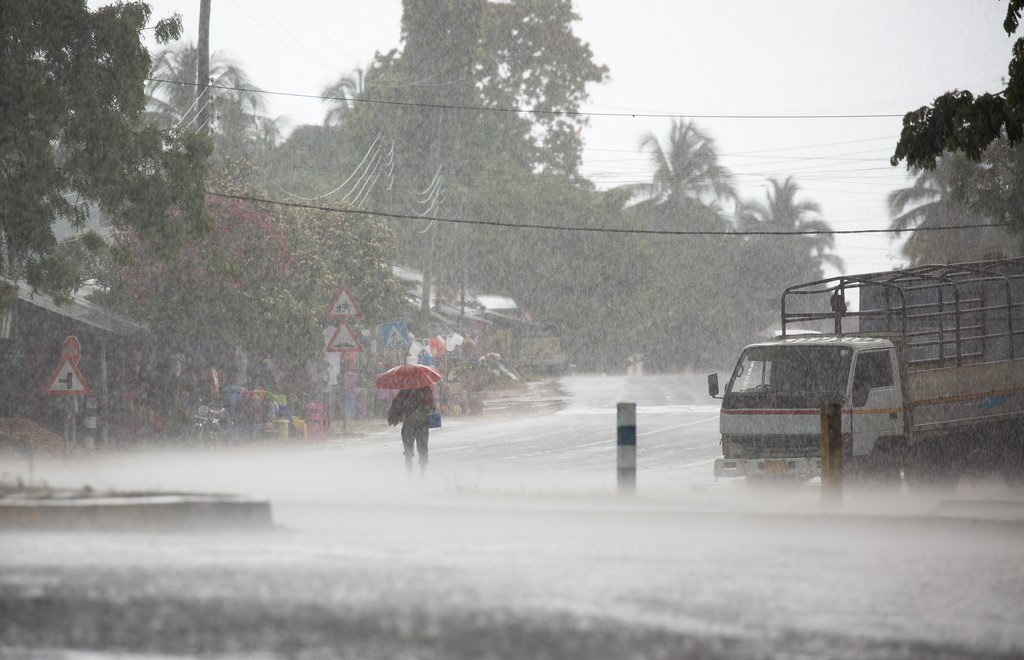
April is typically the rainiest month on Unguja. Heavy downpours, wet roads and cloudy periods are more likely, although sunshine is still possible. Some accommodation and excursion operators may reduce services or close temporarily, so confirm availability. If daily beach weather is your top priority, consider another month.
May
May remains wet, particularly earlier in the month, but the transition towards the drier season can become noticeable as June approaches. It can be a good option for a quieter trip if you accept the risk of rain and check which hotels and activities will operate.
June to September: the main dry season
June
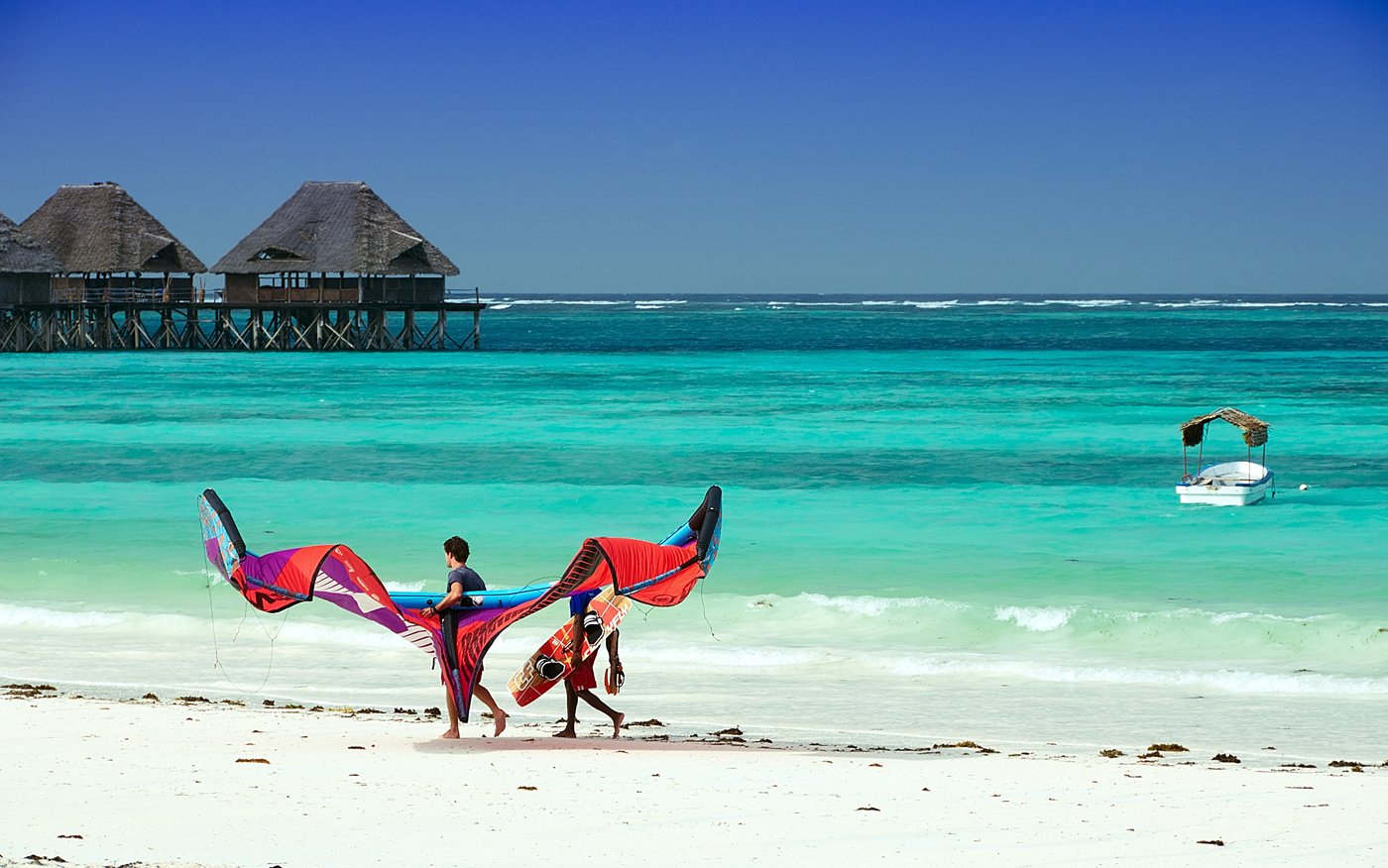
June brings less rainfall and more comfortable daytime heat. The sea starts to cool a little but is still warm. It is a good month for combining beach time with Stone Town or a spice farm visit. Breezier conditions begin to favour kitesurfing on the east coast.
July
July is among the cooler, drier months, with average daily highs around 28°C. It is popular for beach holidays, sightseeing and water sports. The ocean is around 26°C, and wind may make exposed beaches feel cooler.
August
August usually offers relatively dry weather and pleasant temperatures. It is a popular holiday month, so reserve accommodation early. East-coast winds can be strong enough for kitesurfing, while more sheltered beaches may suit relaxed swimming.
September
September is normally very dry, with daytime warmth returning gradually. It is one of the best months for a beach holiday if you want less intense heat, and a good time to explore markets and historic sites without the peak rainy-season humidity.
October to December: a transition into the short rains
October
October can be a lovely shoulder-season month, with rising air and sea temperatures. However, rainfall typically increases compared with September and the short rainy season may begin. Choose flexible plans if you want to spend most days outdoors.
November
November is usually wetter and more humid. Showers and longer rainy spells are possible, but there may still be good periods for swimming and sightseeing. Prices and crowds vary, so compare your exact travel dates.
December
December is warm, with a warm sea and a continuing chance of showers during the short rainy season. Christmas and New Year can be especially busy and expensive, even though the weather is not consistently dry. Book holiday dates in advance.
Best months for swimming, diving and kitesurfing
The sea around Zanzibar remains warm throughout the year, typically about 26–29°C. The warmest water is generally around February to April, while July to September is slightly cooler. Water temperature alone does not determine whether a particular beach is suitable: tides, wind, waves and currents matter too.

For swimming with less disruption at low tide, explore the northern beaches of Nungwi and Kendwa. Tides are more noticeable along the shallow east-coast lagoons around Paje and Jambiani. At low tide, the sea can retreat a long way; check the local tide schedule and follow beach safety advice. See our guide to the best swimming beaches in Zanzibar.
For kitesurfing, the main windy period is usually June to September, with another season from late December to February. Check the local kite school’s seasonal advice and the wind forecast, especially if you are a beginner. Snorkelling and diving are possible year-round when local sea conditions permit; visibility is affected by currents, wind and rainfall. Ask your operator before booking.
What to do in Zanzibar during the rainy season
The rainy season does not mean that every day will be washed out. But heavy rain can affect outdoor trips, ferries and boat excursions, so allow for changes rather than assuming showers will always be short or fall at a particular time of day. Accommodation may be cheaper than at peak periods, although discounts and availability depend on the property.

Visit Stone Town, browse its markets, explore historic architecture or book a spice farm visit when conditions allow. A rainy afternoon is also an opportunity to enjoy the resort, local cuisine or a spa. If you are combining Zanzibar with a mainland safari, plan the two separately: weather and wildlife-viewing conditions on mainland Tanzania are not identical to those on the island.
Tours and activities for your Zanzibar holiday
Compare available excursions for your dates, such as snorkelling, beach trips and island tours. For boat tours, check cancellation terms and confirm wind, tides and sea conditions with your operator.
Best time to visit Zanzibar by travel style
| Your priority | Recommended time |
|---|---|
| Most reliable dry beach weather | June–September |
| Hot weather and warmer ocean | January–February |
| Less intense heat | July–August |
| Kitesurfing | June–September or late December–February |
| Flexible budget trip | May or other shoulder dates; compare hotel availability |
| Festive celebrations | Late December–early January; expect peak prices and crowds |
Practical tips before you travel

Pack light clothing, a sun hat, sunscreen, and a light rain jacket if travelling during the wet months. For breezy evenings in July and August, a light layer may be useful. Keep plans flexible around heavy rain and pay attention to local marine weather warnings. Check the Tanzania Meteorological Authority for current forecasts and the marine weather service before boat trips.
Choose your accommodation according to your priorities: a swimmable beach, water sports, proximity to sights, or a quiet resort. Zanzibar is an island shaped by the Indian Ocean, and conditions can differ noticeably from one coast to another.
Frequently asked questions about Zanzibar weather
What is the best month to visit Zanzibar?
June to September is the main dry period. January and February are good alternatives if you prefer hotter weather and warmer water. October can still be pleasant, but rain becomes more likely.
What is the rainiest month in Zanzibar?
April is typically the wettest month, followed by May. The duration and amount of rain vary significantly between years and locations.
Is Zanzibar worth visiting in the rainy season?
Yes, if your itinerary is flexible and you do not expect guaranteed beach weather. Check that your hotel and chosen excursions operate, and compare cancellation terms.
Can you swim in Zanzibar all year?
The sea is generally warm enough year-round, but safe swimming depends on tides, waves and currents. Choose a suitable beach and follow local advice.
Is December a good time to visit Zanzibar?
It can be, particularly if you want a warm festive holiday. Expect a chance of rain and higher demand around Christmas and New Year.
Where should I stay in Zanzibar at low tide?
Nungwi and Kendwa generally offer more consistent access to the sea than many shallow east-coast beaches. Conditions still vary by location and tide.
Plan your Zanzibar trip
Read our guides to the best beaches for swimming, Nungwi, Kendwa and Stone Town to choose the right base for your holiday.

Konstantin is an acclaimed travel writer, celebrated for transforming ordinary journeys into extraordinary narratives. With years of experience exploring diverse destinations across the globe, his work blends vivid storytelling, cultural insights, and practical advice to inspire wanderlust and guide readers toward unforgettable adventures.
As a key contributor to enjoythetrip.org website, Konstantin has built a loyal readership through their expertise in uncovering both iconic landmarks and off-the-beaten-path treasures. He specializes in providing travelers with honest, actionable tips, whether it’s finding the best resorts in Maldives, exploring cultural hubs like Paris, or diving into the natural wonders of Croatia.