
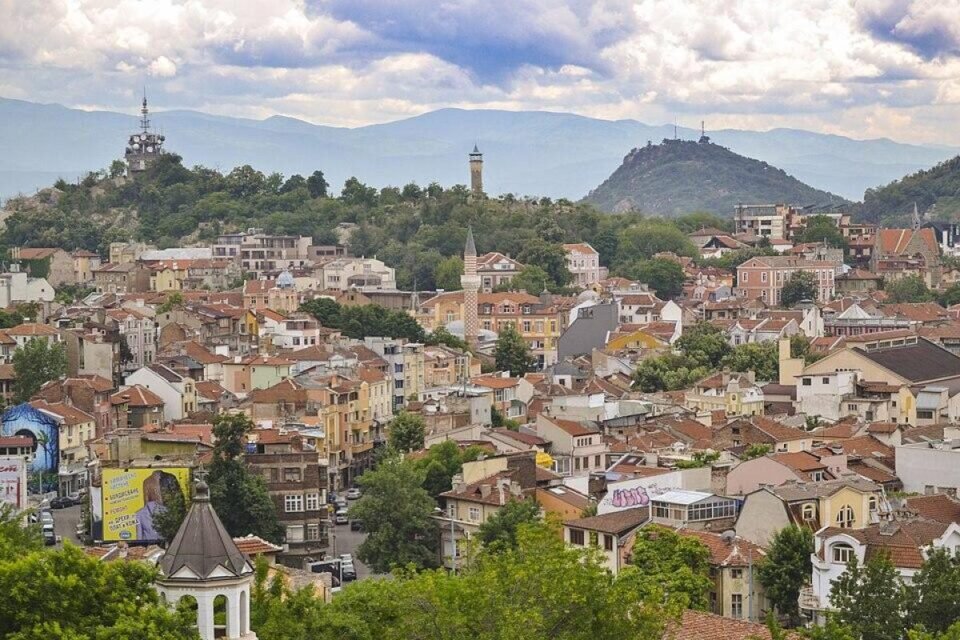
Plovdiv is one of the oldest cities in the world. Its history goes back more than 8,000 years. Yet it remains underrated on the European travel scene, writes Sarah Barltrop for Express.
Why Plovdiv Deserves a Visit
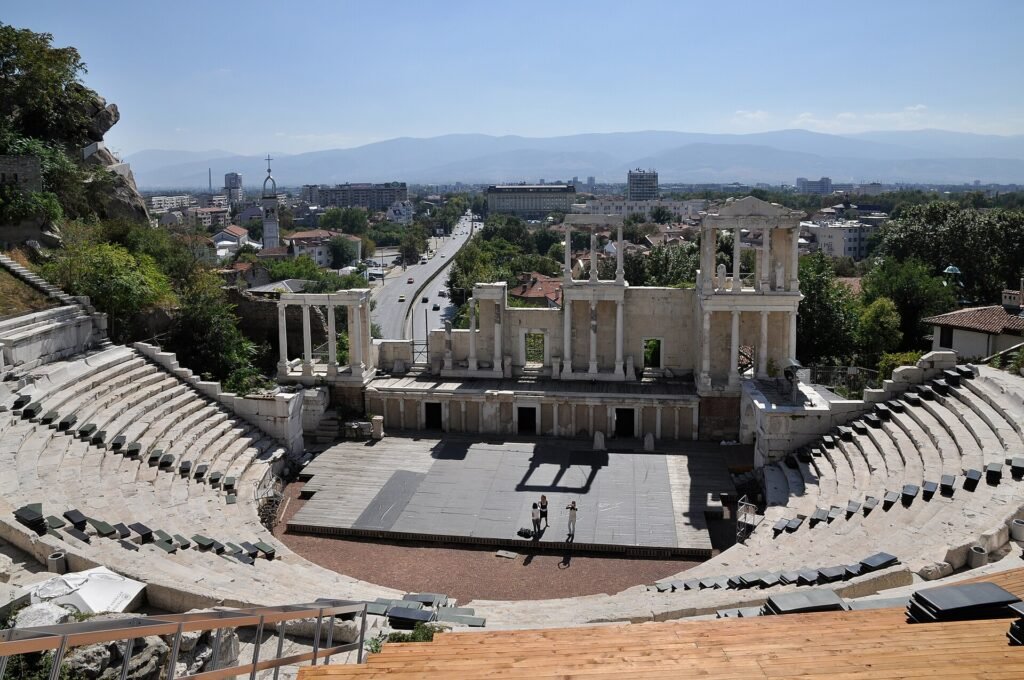

Above all, this Bulgarian city is full of Roman ruins. According to Midlife Travel Tales, a couple of travel YouTubers, it “deserves to be at the top of your Europe travel bucket list”. Also, they call it a “treasure trove of travel inspiration”. In their words, it will “capture your heart and leave you wondering why you ever overlooked it”.
Old Town and Kapana
First, the Old Town is especially striking. There, beautifully preserved houses in soft pastels line its cobbled lanes.
Next comes Kapana, the historic creative district. Inside, its maze of narrow pedestrian streets is full of art galleries and artisan workshops. You will also find trendy cafes, restaurants and lively nightlife.
8,000 Years of Plovdiv History
Beneath the modern city lie thousands of years of history. In fact, archaeological finds date its founding as early as the 7th millennium BC, in the Neolithic Age. As a result, it is older than Athens and Rome.
Later, in 342 BC, Philip II of Macedonia conquered the city, says a later Express article. He renamed it Philippopolis, the “City of Philip”. In addition, a religious building from a Cretan-Mycenaean culture was found in 1975. Citing Plovdiv.bg, Express dates it to about 1750 BC.
Rome left the deepest mark. After the Romans seized the city in 72 BC, it became a major crossroads of the empire. Indeed, it lay right on the Via Militaris, the main military and trade route through the Balkans.
Roman Ruins in Plovdiv
Clearly, this history shows in the city’s stunning architecture. Today, Roman ruins are part of daily life. For example, the Roman Theatre still hosts plays, concerts and festivals.
To find it, head between two of the city’s hills, Taksim Tepe and Dzhambaz Tepe. From the main pedestrian street and the Dzhumaya Mosque, it is a short but steep walk.
Meanwhile, an ancient Roman stadium lies beneath the modern shopping street. In its heyday, it could hold thousands of spectators. Back then, athletic games and chariot races may have taken place there.
Nearby, the Ancient Forum is remarkably well preserved. Once, it was the centre of civic life. On top of that, the city has an Odeon, colourful mosaics, an Aqueduct, old walls and the remains of Thracian settlements.
What to Eat and How to Get There
Besides, food is another highlight. The couple praised Plovdiv’s “vibrant cultural scene” and hearty dishes. In particular, many draw on Turkish, Mediterranean and Balkan tastes.
So try flaky pastries such as banitsa, or slow-cooked stews like kavarma. Grilled minced meats like kebapche are also worth a taste.
Getting there is easy, too. Direct flights from London, Manchester or Birmingham take around three and a half hours.
Want more of Bulgaria? Then explore Sofia or the seaside city of Burgas. Finally, see why some call Plovdiv the oldest city in Europe.

Konstantin is an acclaimed travel writer, celebrated for transforming ordinary journeys into extraordinary narratives. With years of experience exploring diverse destinations across the globe, his work blends vivid storytelling, cultural insights, and practical advice to inspire wanderlust and guide readers toward unforgettable adventures.
As a key contributor to enjoythetrip.org website, Konstantin has built a loyal readership through their expertise in uncovering both iconic landmarks and off-the-beaten-path treasures. He specializes in providing travelers with honest, actionable tips, whether it’s finding the best resorts in Maldives, exploring cultural hubs like Paris, or diving into the natural wonders of Croatia.