
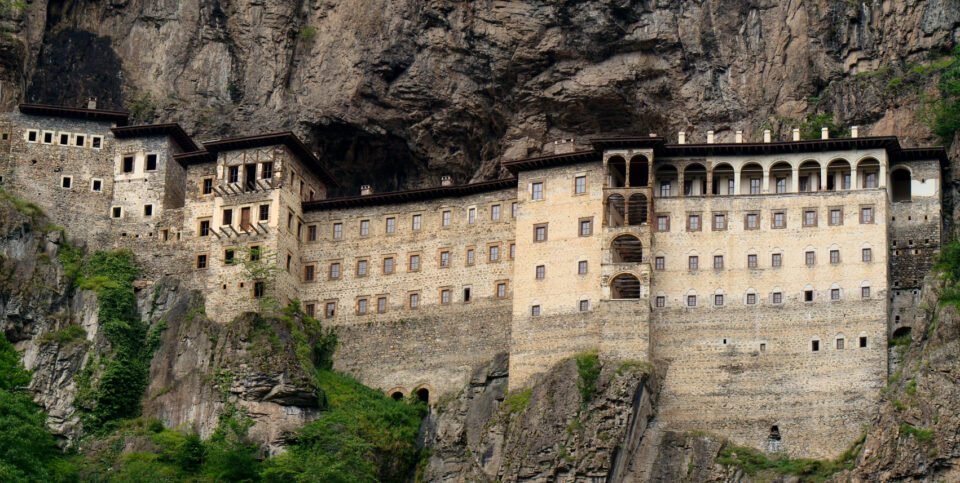
Panagia Sumela (also called Sumela Monastery) is a spectacular Greek Orthodox cliff monastery near Trabzon, Turkey. The complex overlooks the forested Altındere Valley. Find out how to visit, what to see, current ticket prices and the story of its famous icon.
Panagia Sumela at a glance
| Location | Altındere Valley, Maçka, Trabzon |
| Admission | €20 international visitors |
| Opening hours | 08:00–17:00 (November 2026) |
| Last ticket sales | 16:30 |
| Time to allow | 2–3 hours on site, plus travel |
| Access | Shuttle or uphill walk, followed by steps |
The monastery appears on Turkey’s UNESCO World Heritage Tentative List. Check opening times and access before travelling, especially in winter.
Map of Panagia Sumela
Panagia Sumela is an old monastery in northeastern Turkey, about 48 km from Trabzon. Its history spans over 16 centuries. Another striking feature is how the builders carved the structure into the rocks about 300 metres above the valley floor and 1,150 metres above sea level. In addition, for many centuries the walls of the sanctuary contained the miraculous icon of the Virgin Mary “Odigitria of Sumel”, after which the temple was named.
According to tradition, St. Luke, the patron saint of artists and doctors, painted the icon of the Virgin Mary. It is believed that the apostle repeatedly witnessed the miraculous healings that Jesus Christ gave to sinners during his earthly life. Saint Luke also wrote one of the Gospels that have survived to this day, and is the first iconographer.
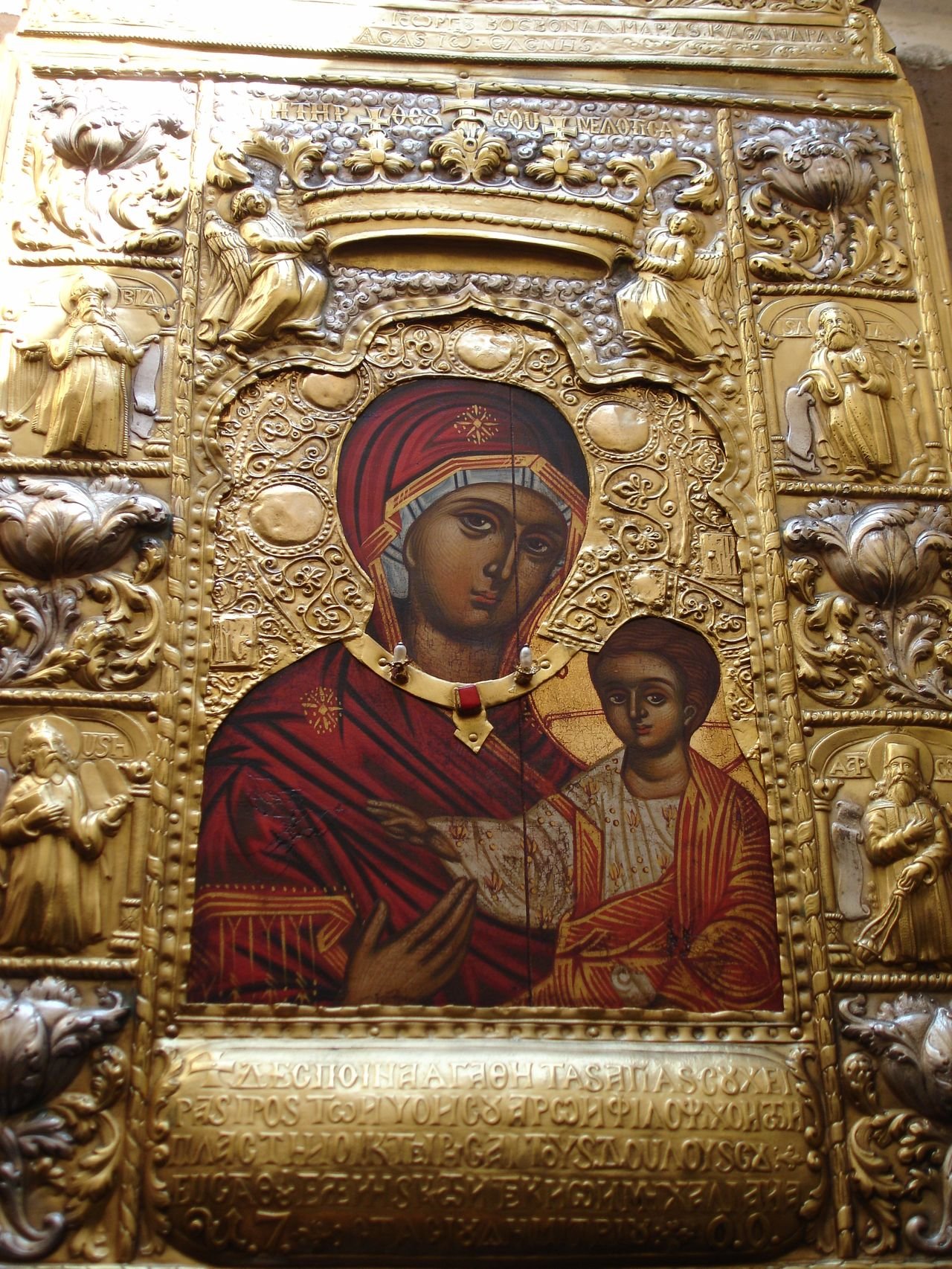
In Orthodox tradition, pilgrims pray before the icon of Panagia Soumela for comfort, health, hope and family concerns, including the wish to have children.
Moreover, Panagia Sumela draws visitors of many faiths. Some come from Turkish resorts. Others plan their whole trip around the site. Time and looting damaged many of the old paintings. However, the church still has a sacred atmosphere.
History of Panagia Sumela
According to legend, Greeks kept the icon in a church in Thebes after St. Luke’s death. Later, the Virgin appeared to a priest from Athens. She called him and his nephew to become monks. The men took the names Barnabas and Sophronius. They went to Thebes, where the priests gave them the icon. Next, they travelled east to Mount Mela. Tradition dates the founding of the monastery to 386.
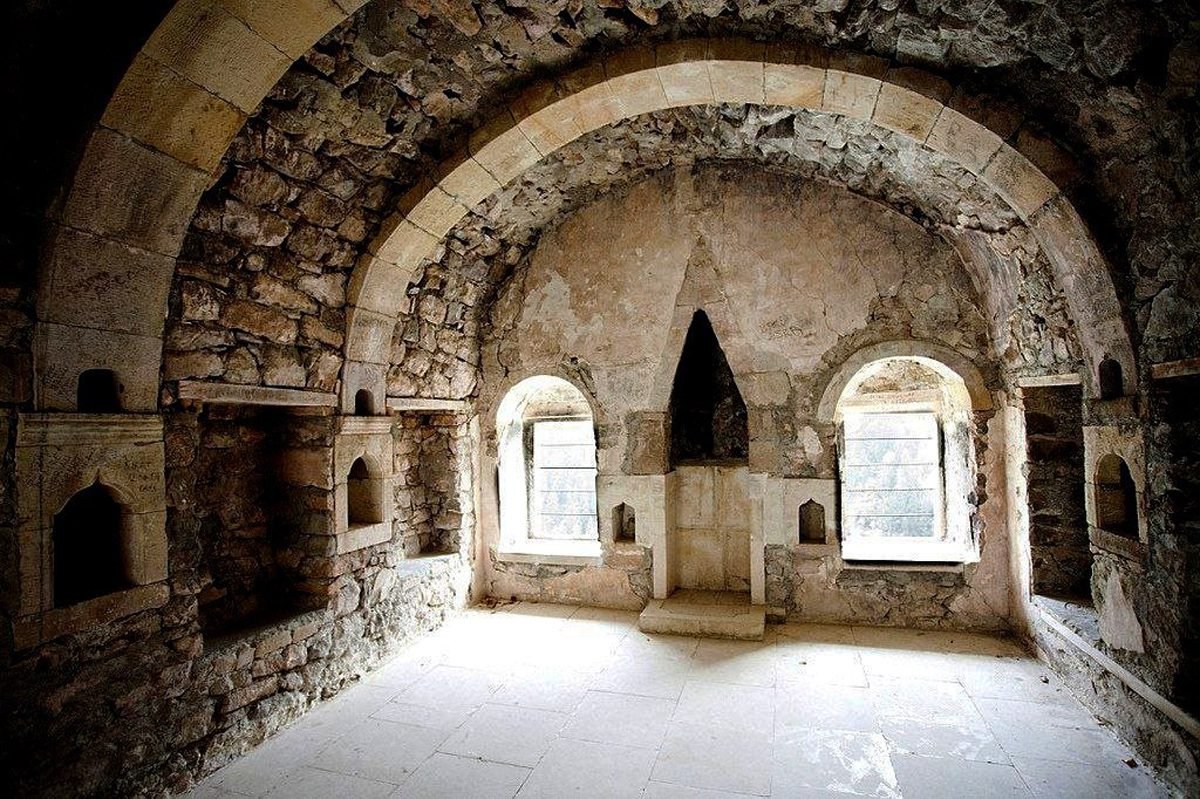
Over time, pilgrims travelled to the monastery to honour the icon and seek spiritual comfort. Despite the great popularity and inaccessibility of the church, vandals tried to plunder it several times. Over the years, the monastery suffered damage and looting during its long history, but the icon survived. Later, the site underwent restoration and pilgrims returned.
The Empire of Trebizond and later history
The monastery thrived under the Empire of Trebizond. This Greek Orthodox state emerged in the early 13th century. From the 13th to the 15th century, rulers gave the monastery land and support. Later, Ottoman rulers also granted the monastery privileges. This continued until the beginning of the 20th century.
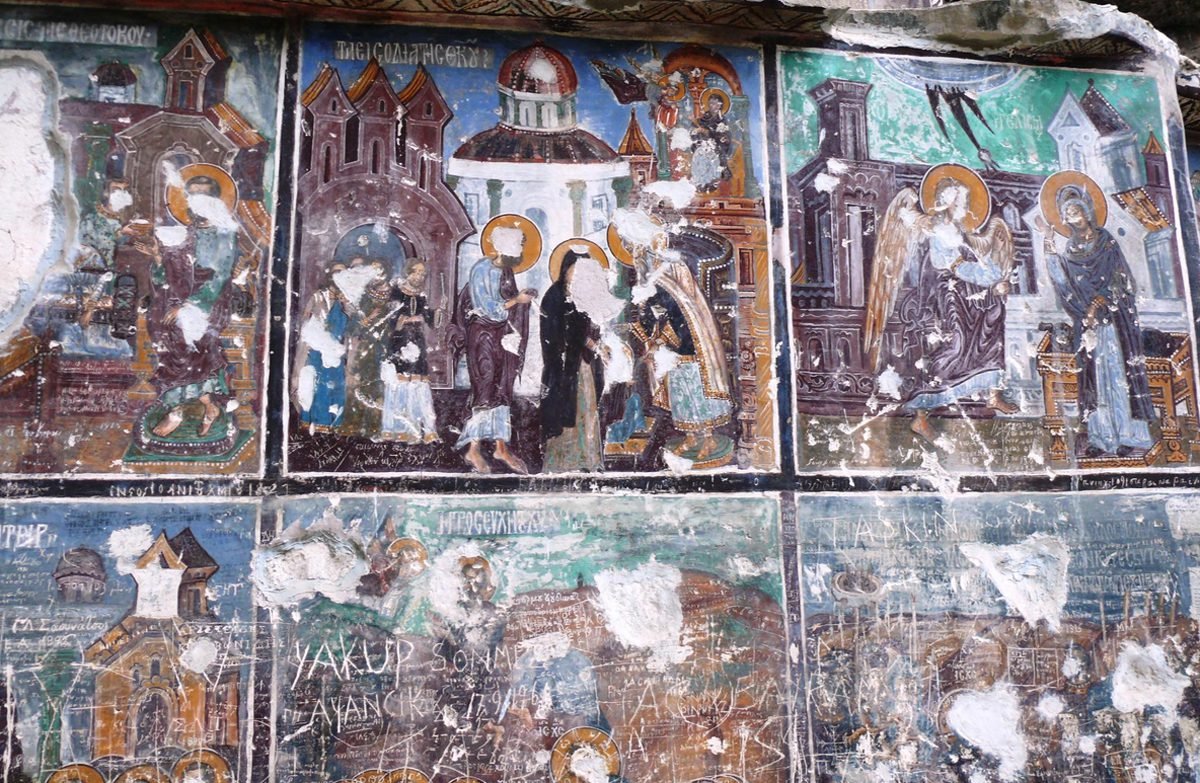
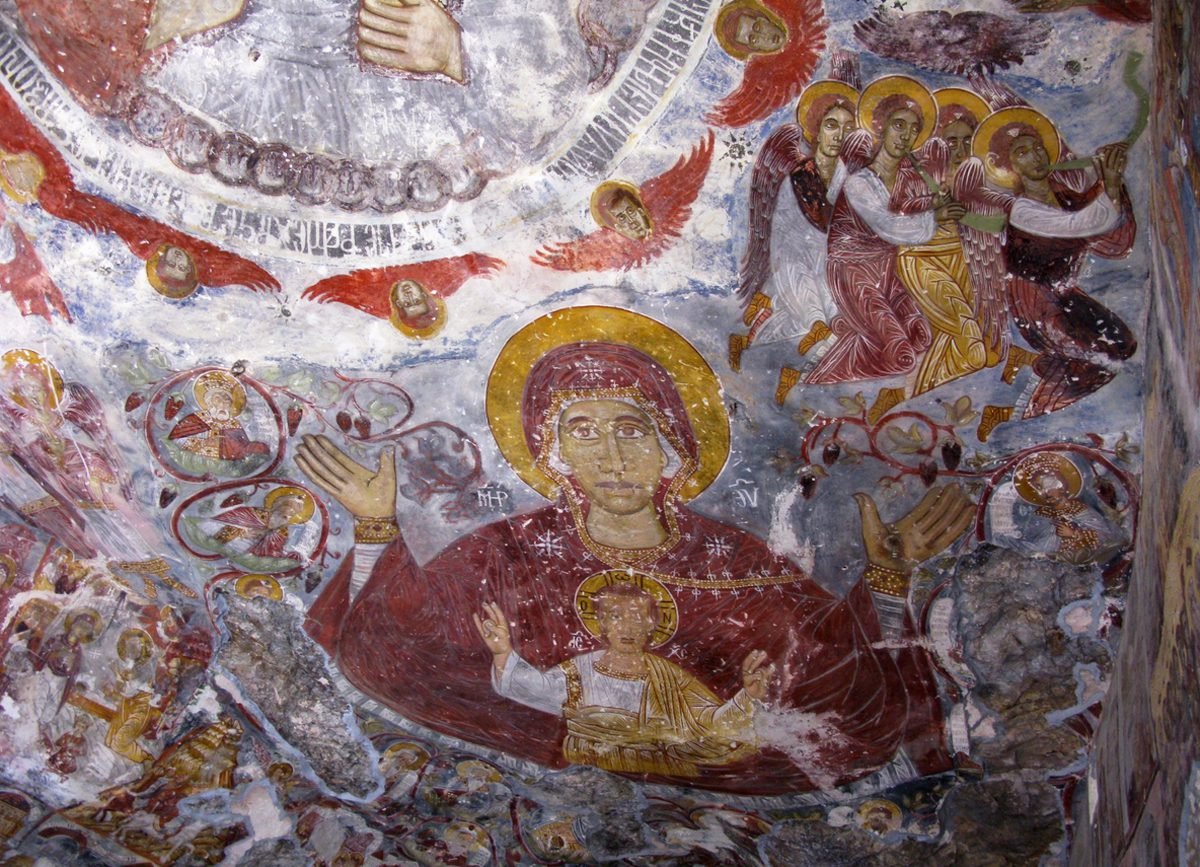
Following the upheavals of the early twentieth century, the monks left the monastery, and the site suffered further damage. Many wall paintings suffered damage, although important frescoes survive. But one monk still managed to hide the icon: the servant managed to bury it in the ground. In 1931, monks recovered the icon and brought it to Greece. Today, visitors can find it at the Panagia Soumela monastery in Vermio. In Turkey, visitors can now explore the historic site as a museum.
What to see at Panagia Sumela
Today, the complex has a rock church, guest rooms for pilgrims, monks’ cells, a library, kitchens and chapels. On the path stands an old fountain. It once held spring water. In local tradition, the water had healing powers.
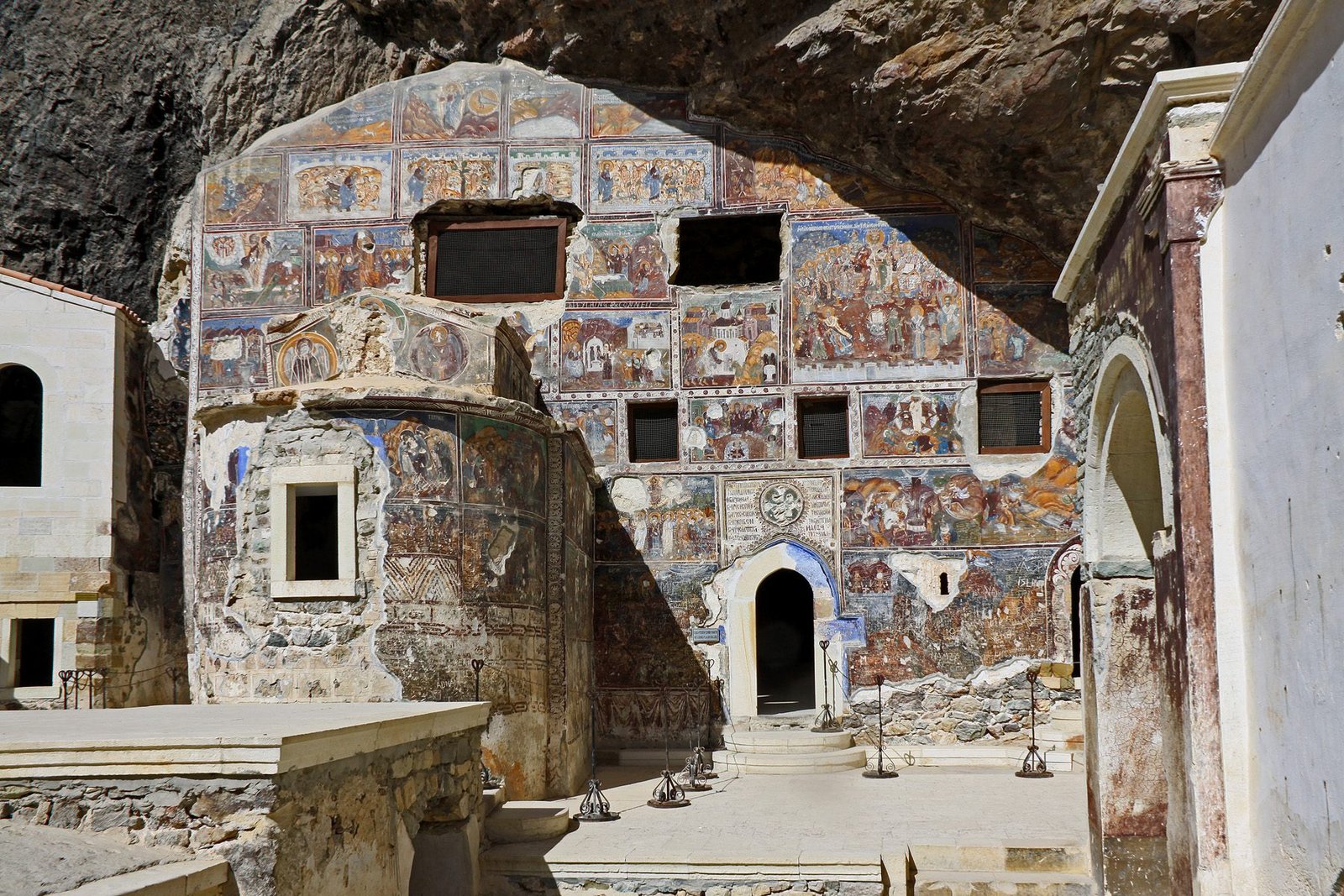
At its heart lies a cave church. Inside and out, frescoes show scenes from the Bible. In some chapels, you can also see half-erased images of the Virgin and Christ. Nearby, an aqueduct once brought water to the site. Restoration work repaired many of its arches.
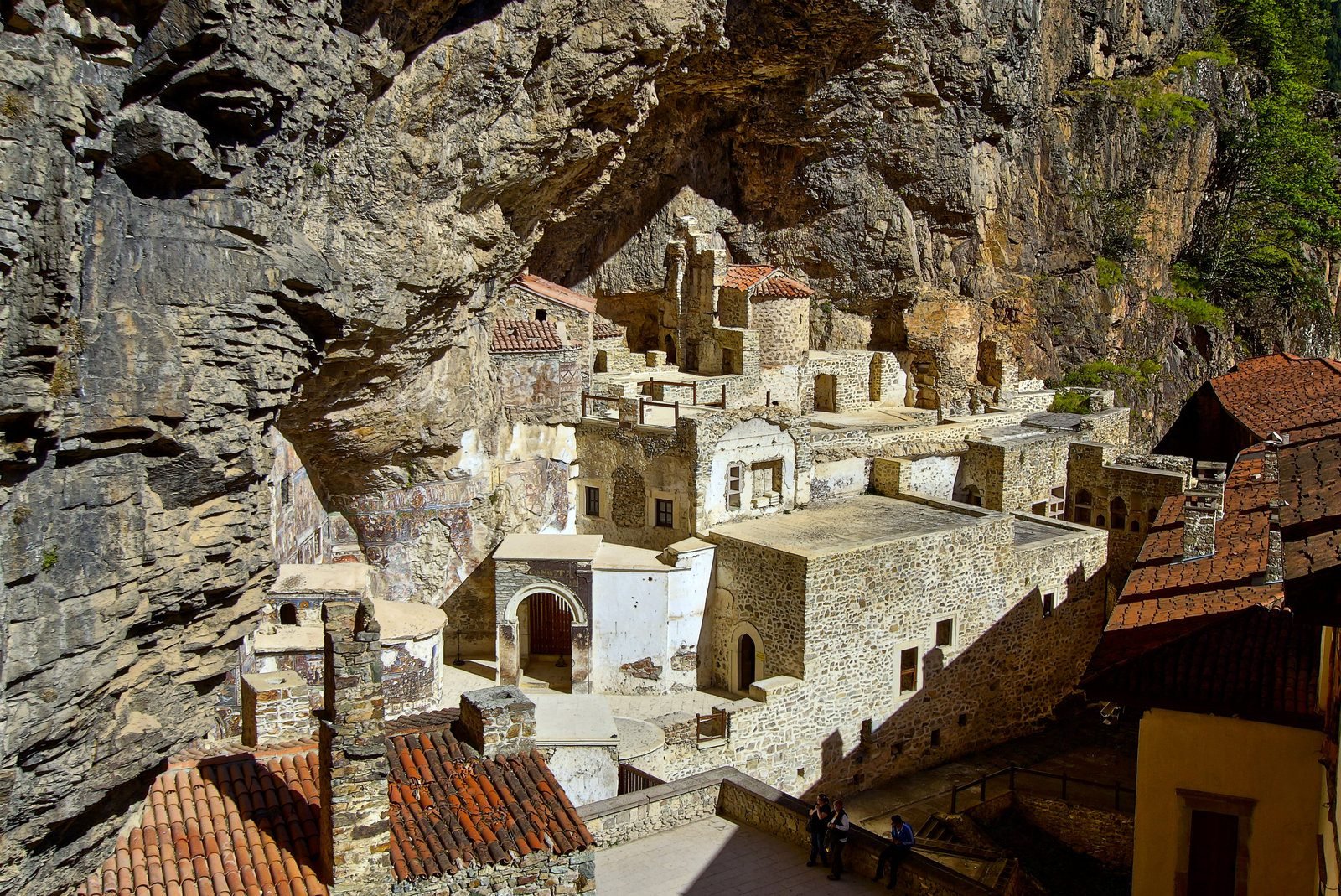
Much of the historic complex survived because the builders made use of the rock face. In 2010, the authorities permitted a special Orthodox liturgy for the Feast of the Dormition. Services depend on permission and arrangements for each year.
How to get to Sumela Monastery from Trabzon
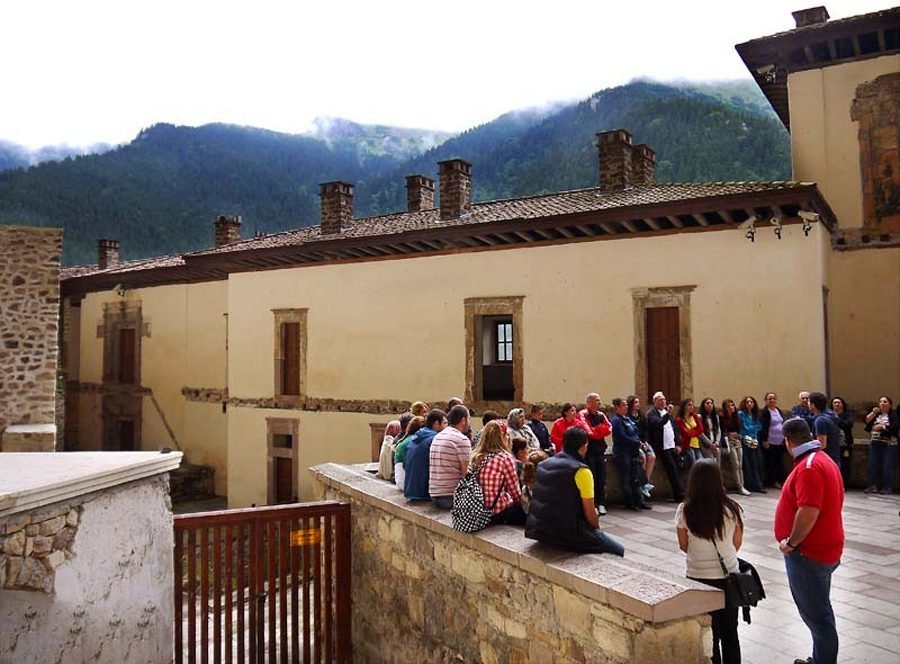
Sumela Monastery lies in a remote mountain valley in northeastern Turkey. There are three different ways to get here. One easy option is a guided day trip from Trabzon. Many tours include return transport. In addition, a guide can explain the history and frescoes. Tour prices vary depending on the operator, group size and inclusions.
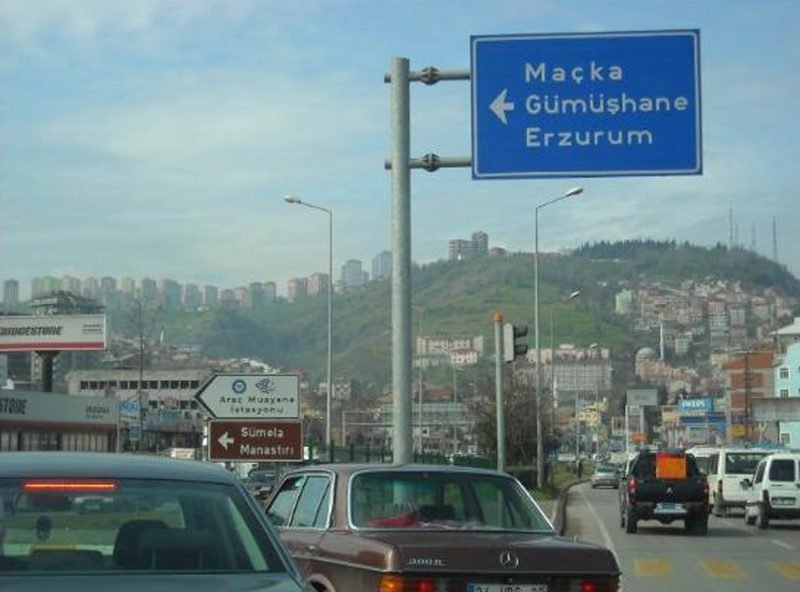
Alternatively, if you want to get to Panagia Sumela on your own, then you will need to order a taxi or rent a car. Agree on the return fare with a taxi driver, or compare current car rental prices before travelling. Take the E 97 highway, go to the sign that says Maçka, and then turn into the mountains to reach the parking station. From the valley parking area, visitors can usually take a shuttle closer to the monastery. However, the final approach still involves an uphill path and steps.
Panagia Sumela tickets and opening hours
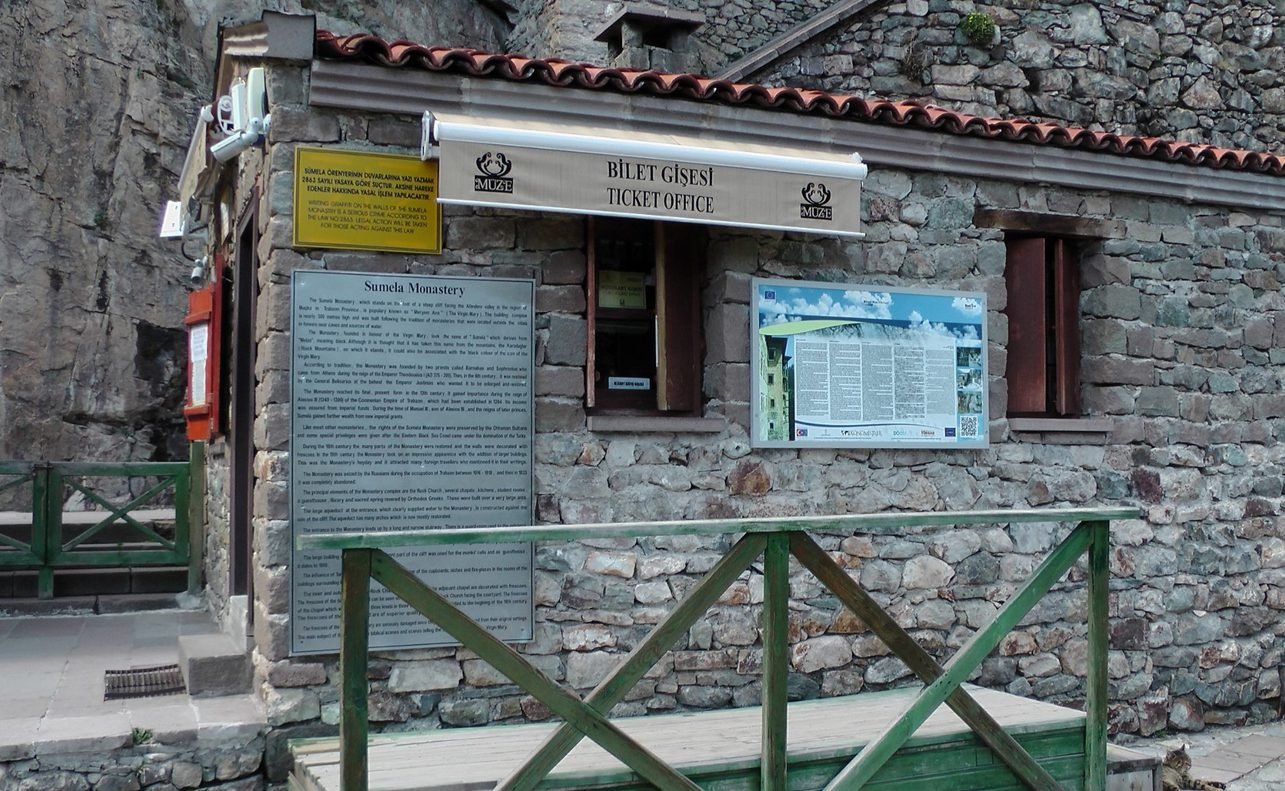
- Address: Altındere Mahallesi, Altındere Vadisi, 61750 Maçka / Trabzon, Turkey.
- Opening hours (November 2026): daily 08:00–17:00, last ticket sales 16:30. Seasonal times may differ.
- Admission: €20 for international visitors, according to the Ministry’s 2026 tariff. Parking and shuttle costs are separate. Check official visitor information.
Tips for visiting Sumela Monastery

- When going to this monastery in Turkey, be sure to wear comfortable sports shoes. Expect uneven ground and steps on the final walk.
- Don’t forget to bring water with you. Please note that there is a cafe only at the foot of the mountain. It is quite possible that a few light snacks will not hurt you either.
- Carry some Turkish lira for local transport, parking and small purchases.
- Remember that in the mountains the air temperature is always lower, so when you go on the road, be sure to bring warm clothes.
Nemrut Dag: The 2000-Meter-High Ancient Complex in Turkey
Panagia Sumela FAQ
Is Sumela Monastery open to visitors?
Yes. The historic complex operates as a museum. However, individual areas may close during restoration or bad weather.
How much does it cost to visit Sumela Monastery?
In 2026, foreign visitors pay €20. In addition, budget for parking or shuttle transport if needed.
Where is the original Panagia Soumela icon?
The original icon is now at the Panagia Soumela monastery near Veria in northern Greece. Meanwhile, the historic site in Turkey remains an important place of pilgrimage.
Can you visit Sumela on a day trip from Trabzon?
Yes. Allow half a day or longer for the drive, shuttle, walk and museum visit. Moreover, sturdy shoes are helpful on the steep approach.

Konstantin is an acclaimed travel writer, celebrated for transforming ordinary journeys into extraordinary narratives. With years of experience exploring diverse destinations across the globe, his work blends vivid storytelling, cultural insights, and practical advice to inspire wanderlust and guide readers toward unforgettable adventures.
As a key contributor to enjoythetrip.org website, Konstantin has built a loyal readership through their expertise in uncovering both iconic landmarks and off-the-beaten-path treasures. He specializes in providing travelers with honest, actionable tips, whether it’s finding the best resorts in Maldives, exploring cultural hubs like Paris, or diving into the natural wonders of Croatia.