
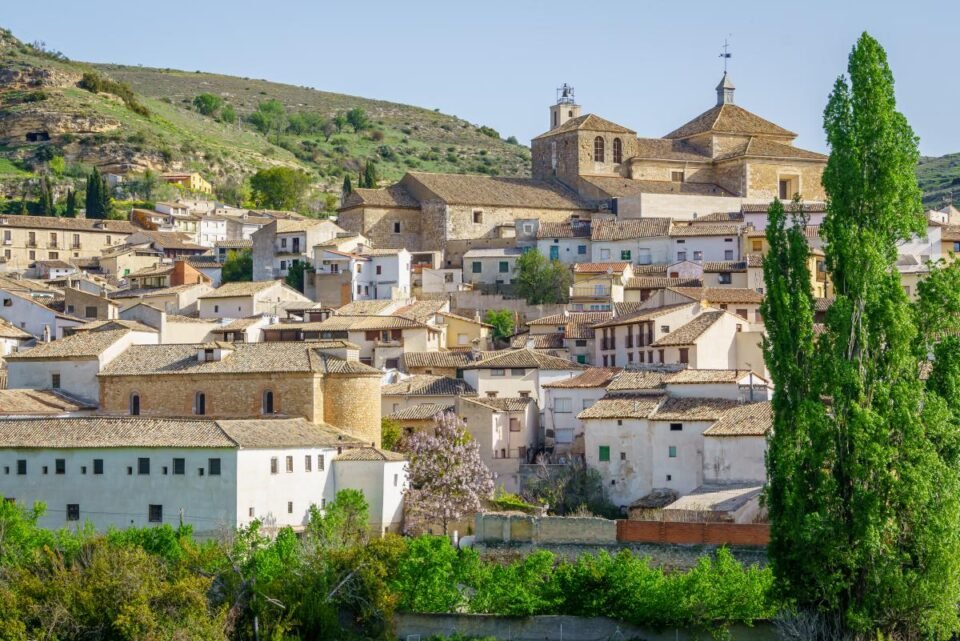
Pastrana, Spain, is a quiet Renaissance town in the hills of La Alcarria. It lies about 85 km from Madrid and 45 km from Guadalajara, so it makes an easy day trip by car.
The town still has its old medieval street plan. It sits above the valley of the Arlés river. In 1966, Spain declared Pastrana a Conjunto Histórico-Artístico (historic-artistic site). The town has around 1,000 residents. The cobbled streets stay calm even in high season.
History of Pastrana: From the Order of Calatrava to the Dukes
Pastrana began in the 13th century under the Order of Calatrava. King Sancho III of Castile had set up this order of knights and monks in 1158. The first church and a 14th-century wall still stand from the small medieval village.
In 1369, King Henry II of Castile granted Pastrana the privilege of villazgo. As a result, it gained town status and its own courts. By the 15th century, it had grown into a busy trade centre.
Later, in 1541, King Charles I sold the town to Ana de la Cerda, Countess of Mélito. She began building her palace the following year. In 1569, her grandson sold Pastrana to Ruy Gómez de Silva, secretary to King Philip II, and his wife Ana de Mendoza, the Princess of Éboli. They became the first Dukes of Pastrana, and the town flourished.
In the same year, Saint Teresa of Ávila founded the Carmelite Convento del Carmen here. So Pastrana also became a key place of faith. In the 18th century, however, the dukes moved to Madrid. After that, the town slowly lost its power.
Top Sights in Pastrana, Spain
Ducal Palace
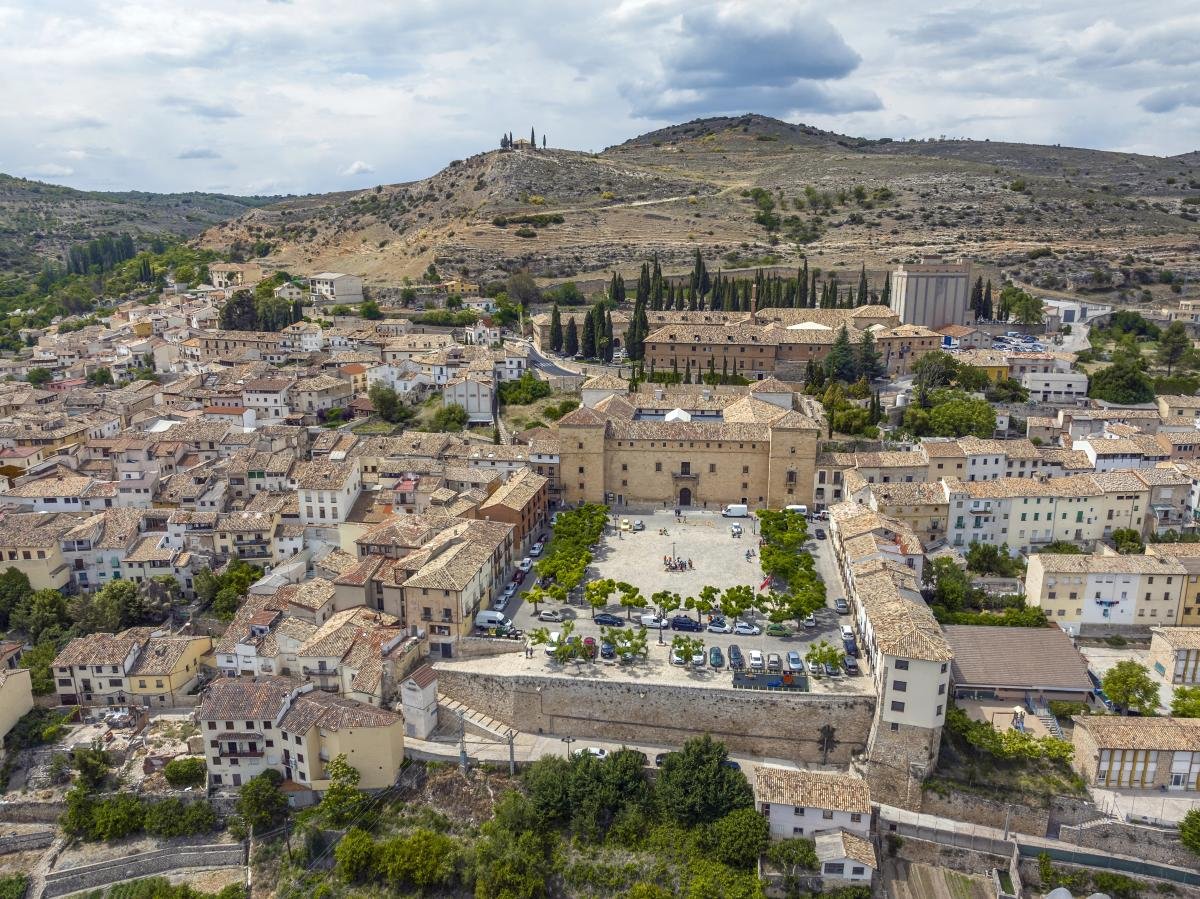
The Ducal Palace is a fine Renaissance building. The Princess of Éboli was confined here until her death. Her story still draws visitors. Start at Plaza de la Hora, where the palace dominates the square. The tourist office is inside the palace; guided visits are available, subject to the published schedule.
Colegiata and Tapestry Museum
The Colegiata mixes 14th-century Gothic and 17th-century Renaissance styles. In addition, its museum holds a famous set of 15th-century Flemish tapestries. They once belonged to King Afonso V of Portugal. Some of them have been shown in museums around the world. The museum visit includes the collegiate church and the ducal crypt; the tapestries depict episodes of Portuguese military history.
Fuente de los Cuatro Caños
The Fuente de los Cuatro Caños is a striking 16th-century fountain. It is a popular place to meet. Nearby, stately manors line the cobbled streets, and the Convent of San Francisco is also worth a look. Continue through the narrow lanes towards Plaza del Ayuntamiento and look for the traditional stone houses.
Convent of El Carmen and Santa Teresa
The Carmelite convent is associated with Saint Teresa of Ávila and the religious history of Pastrana. Check the opening times for the Santa Teresa museum and combine the visit with the Ducal Palace.
Pastrana admission prices
The regional tourism office lists a combined palace and Santa Teresa museum ticket for €5. The tapestry museum lists €5 admission and requires a minimum group of five for guided visits. Confirm schedules and availability before leaving Madrid.
| Attraction | Published price |
|---|---|
| Ducal Palace + Santa Teresa Museum | €5 |
| Tapestry Museum | €5 |
| Historic streets and public squares | Free |
Sources: regional tourism office and tapestry museum, checked in November 2026.
Getting to Pastrana from Madrid
By car, the drive from Madrid takes roughly 1 hour 15 minutes. Follow the A-2 to Guadalajara and then the N-320. For opening hours and guided tours, check the official Pastrana tourism website.
Pastrana sees far fewer tourists than most Spanish towns. That is exactly its charm: a living museum full of stories of mystics, nobles and writers. If you are planning two days in Madrid, it pairs well with other day trips from Madrid, such as Toledo.
One day in Pastrana: suggested itinerary
Morning: Start at Plaza de la Hora and visit the Ducal Palace. Lunch: Explore the old town and sample local La Alcarria honey or regional dishes. Afternoon: Visit the collegiate church and tapestry museum, then walk to the fountains and convents. Reserve guided visits in advance if your trip falls on a weekday.
Map of Pastrana
Frequently asked questions
Is Pastrana worth a day trip from Madrid?
Yes. The town combines Renaissance architecture, the Ducal Palace, historic streets and an important collection of Flemish tapestries.
How much time do you need in Pastrana?
Allow four to six hours for the main attractions, lunch and a leisurely walk. Check museum opening hours when planning your itinerary.
What is Pastrana famous for?
The town is best known for the Renaissance Ducal Palace, the Princess of Éboli, Flemish tapestries and its connection with Saint Teresa of Ávila.

Konstantin is an acclaimed travel writer, celebrated for transforming ordinary journeys into extraordinary narratives. With years of experience exploring diverse destinations across the globe, his work blends vivid storytelling, cultural insights, and practical advice to inspire wanderlust and guide readers toward unforgettable adventures.
As a key contributor to enjoythetrip.org website, Konstantin has built a loyal readership through their expertise in uncovering both iconic landmarks and off-the-beaten-path treasures. He specializes in providing travelers with honest, actionable tips, whether it’s finding the best resorts in Maldives, exploring cultural hubs like Paris, or diving into the natural wonders of Croatia.