
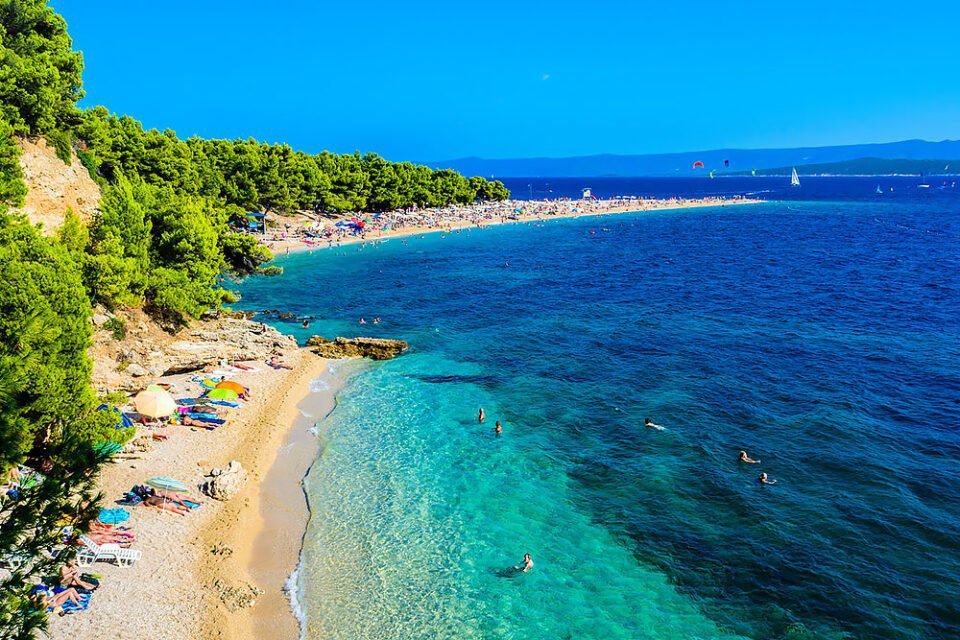
In the Adriatic Sea, off the coast of Croatia, there are over a thousand different islands. Brač island is one of the largest and most famous. The mild Mediterranean climate and extraordinary landscapes attract travelers from all over the world.
Brač island at a glance: Choose Bol for Zlatni Rat and watersports, Supetar for easy ferry access from Split, or villages such as Pučišća, Postira and Milna for a slower coastal holiday. Plan around three to five days for beaches, mountain scenery and historic sites.
History of Brač island
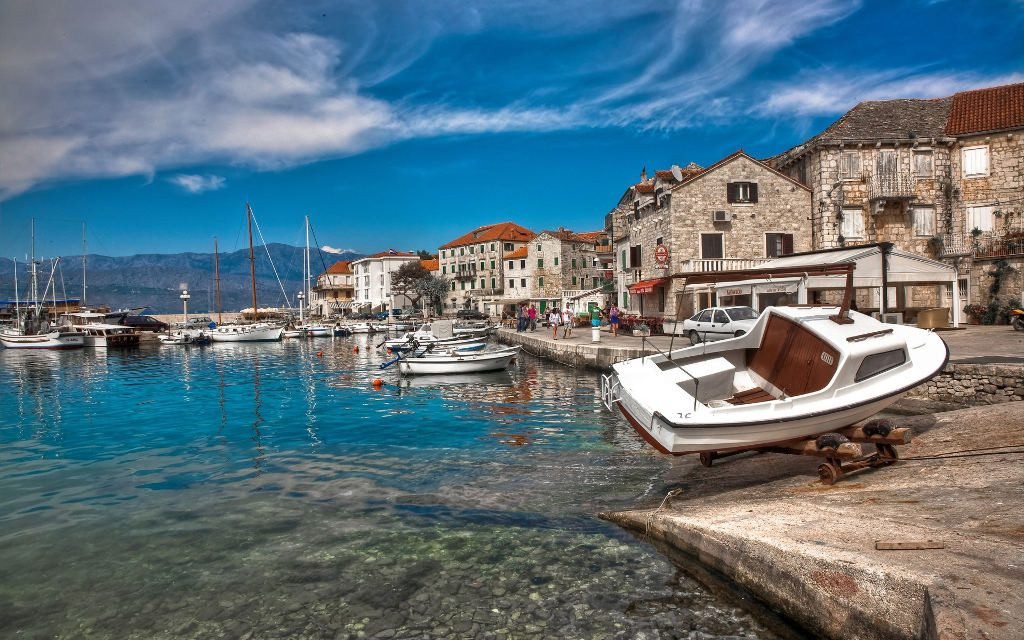
Brač has a rich history. Since the Neolithic era, thanks to its climate, fertile soils, and magnificent landscapes, the island has been a coveted prize for various peoples. Pre-Indo-European tribes, Illyrians, Slavs, Romans, Franks, Venetians, Byzantines, and Austrians have all controlled it. Excavations are continuously conducted here, uncovering artifacts from different times and peoples.
Best beaches on Brač island
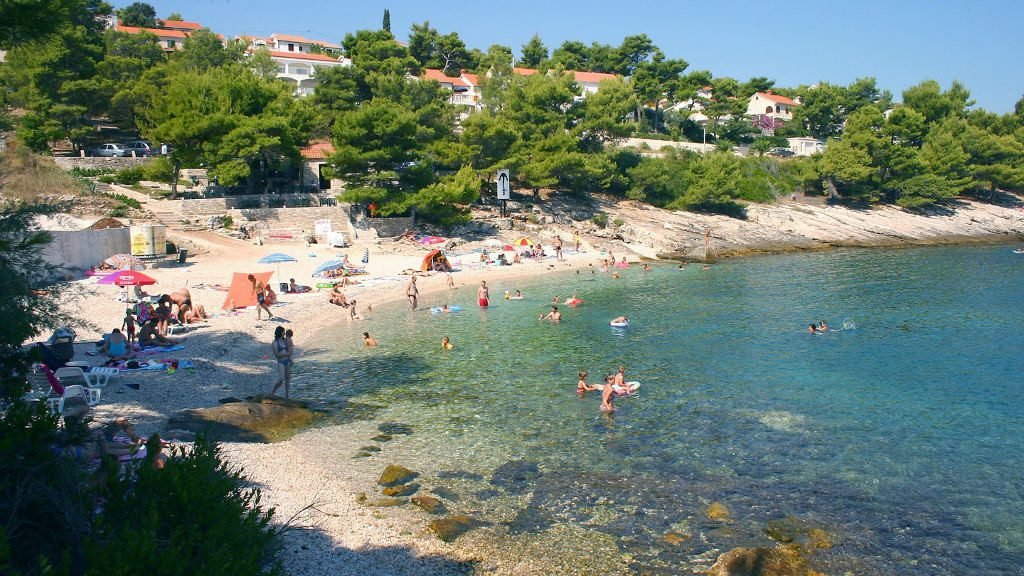
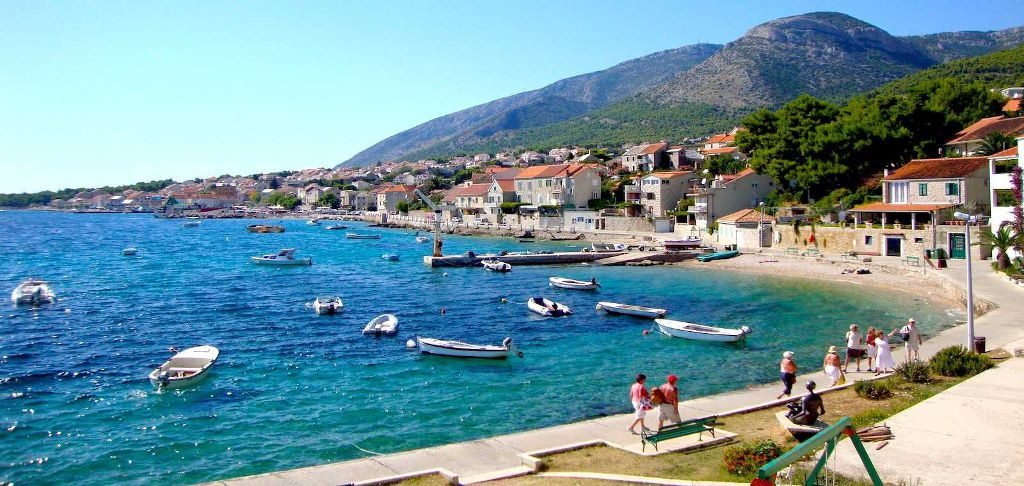
The island’s coastline stretches for 175 km. The beaches are primarily pebbly. The shoreline is diverse, with numerous coves and lagoons that have preserved their pristine beauty. Meanwhile, various settlements of varying sizes and types are scattered along the coast. Each has hotels, entertainment venues, and wellness centers. The island offers favorable conditions for tourists.
Beyond Zlatni Rat, consider Lovrečina Bay near Postira for its sandy shallows, Murvica for quieter pebble coves and beaches around Supetar for easy facilities. Bring water shoes for the common pebble shores. At Zlatni Rat, follow lifeguard instructions and be aware that currents around the tip can be strong.
Things to do on Brač island
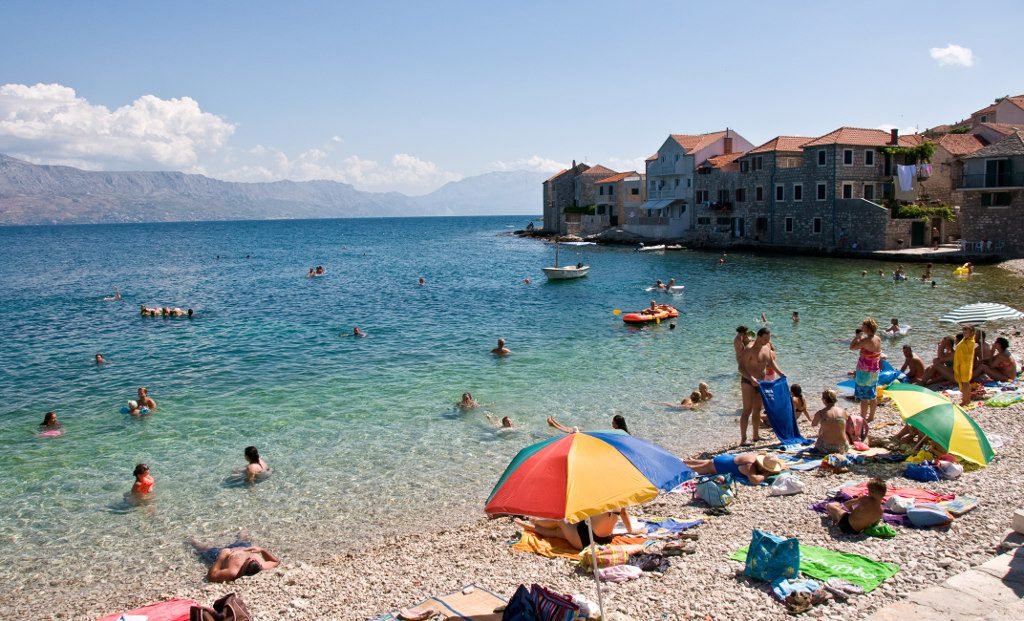
For active vacationers, there are opportunities to engage in almost any water sport, as well as facilities for football and tennis. Children on the beaches are entertained by animators, playgrounds, and water attractions.
The island boasts numerous restaurants that cater to the tastes of the most discerning gourmets. They serve dishes made from seafood, meat, and vegetables in phenomenal combinations. The dishes are not only very tasty but also healthy and beautifully presented. Wine from local vineyards will impress even the most demanding connoisseurs.
Top Brač island attractions
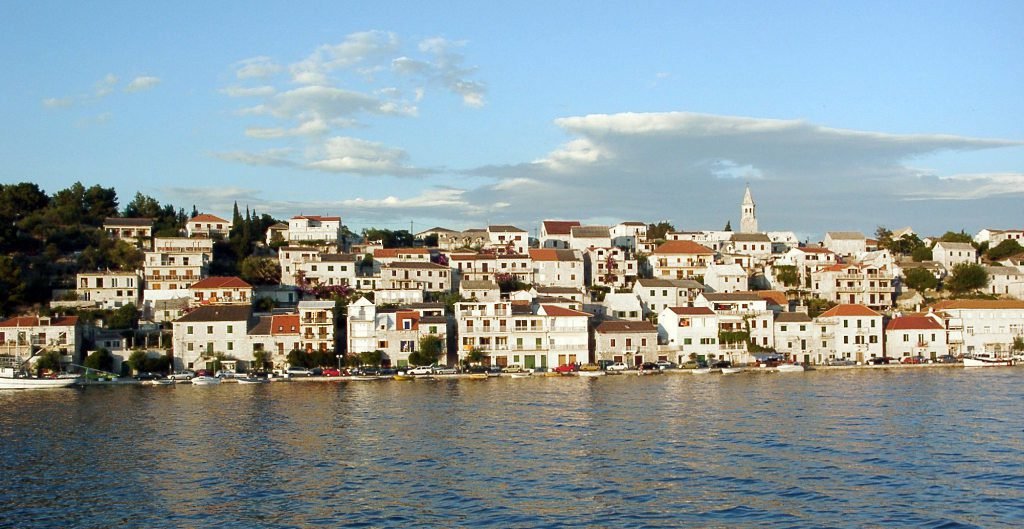
Bol – The Calling Card of Croatia
Visitor tips: Bol’s waterfront is ideal for evening strolls and restaurants. Follow the shaded promenade west to Zlatni Rat, or visit the Dominican monastery on the eastern side of town. Bol is a convenient base for windsurfing, boat trips and hiking.
The resort town of Bol, located on the island, is the calling card of Croatia. The hospitality industry and entertainment sector are well-developed here. Tourists from all over the world come here to relax under the gentle sun and swim in the warm waters of the Adriatic Sea.
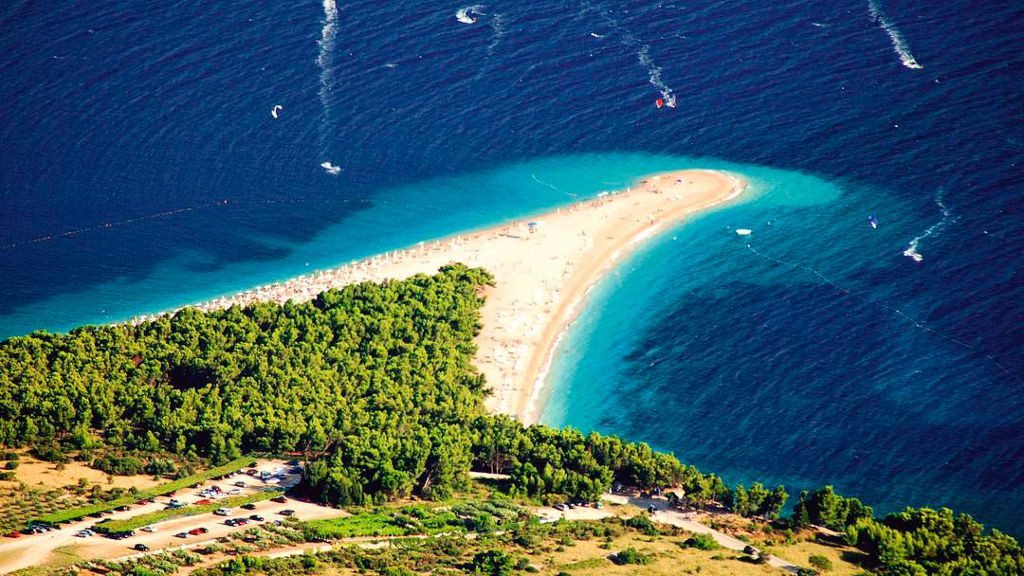
Zlatni Rat Beach – the Golden Horn
Visitor tips: The beach is about two kilometres from central Bol and can be reached on foot, by seasonal tourist transport or taxi boat. Access to the public beach is free; loungers, parking and watersports cost extra.
Zlatni Rat Beach, located nearby, was named the most beautiful beach in Europe by the “Daily Telegraph” in 2009. Also known as the “Golden Horn,” it juts into the azure waters of the sea for several hundred meters and constantly changes shape depending on the current and wind. The golden-white pebbly “horn” is surrounded by a pine forest.
Vidova Gora
Visitor tips: The marked ascent from Bol is a demanding hike. Start early, bring water and sturdy shoes, and allow several hours for the round trip. Driving is a good alternative if time is limited.
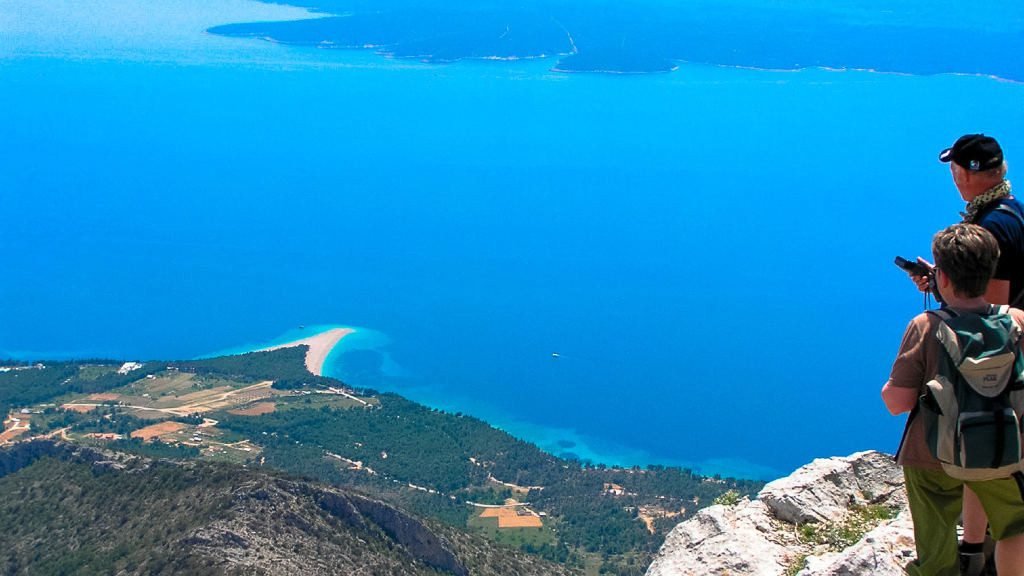
The cape is easily visible from Vidova Gora, another natural attraction. The mountain is named after Saint Vitus. The ruins of his church, built in the 13th-14th century AD, still stand at the summit. Many legends about Vidova Gora are linked to the ancient Slavic god Svantovit. At 778 metres, Vidova Gora is the highest point of the Croatian islands. Hike from Bol or drive up the paved road from the inland plateau, then walk to the viewpoint.
Natural Beauty
The landscapes along the way are mesmerizing. Pines grow directly on the rocks at an angle, and lush grass and green shrubs grow from picturesque stones. Far below, vineyards, olive groves, and red-roofed houses stand in clusters. This beauty is surrounded by the crystal-clear blue sea, with the mountains of other Dalmatian islands visible in the distance. The vast expanses are awe-inspiring, making one feel the grandeur and power of the surrounding nature.
Stone Carving School
Visitor tips: Pučišća is a picturesque harbour town with white limestone houses. Check opening arrangements in advance if you want to visit the stone carving school.
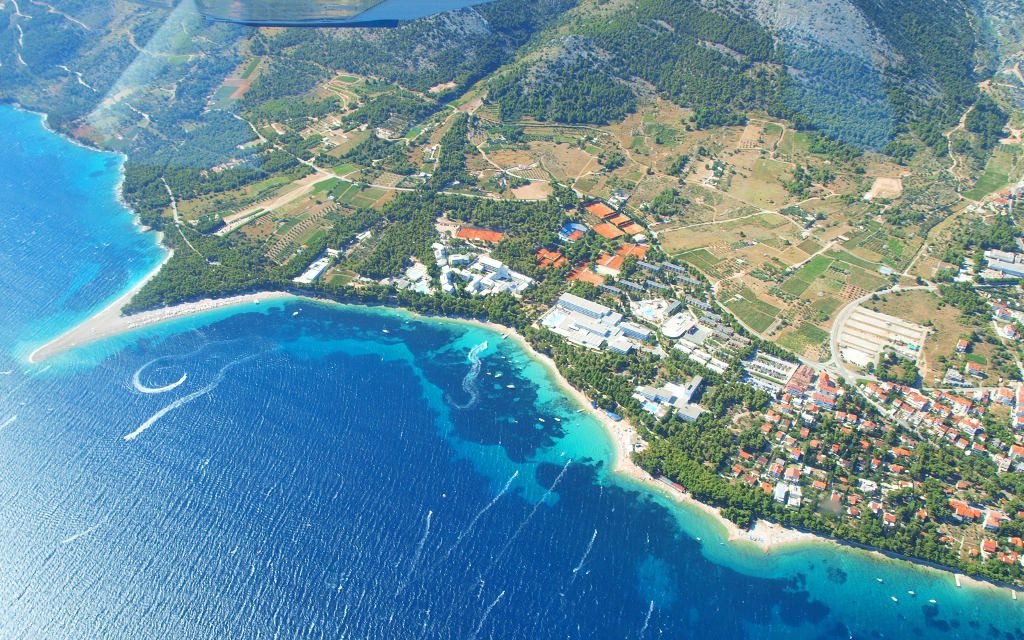
The island is famous not only for its resorts but also for its beautiful ivory-colored stone. It is used to make small souvenirs, jewelry, large statues, and interior and exterior items. There is even a stone carving school in Pučišća, where students create true works of art. Brač limestone has been used in many notable buildings, including Diocletian’s Palace in Split.
Besides tourism and stone processing, islanders engage in winemaking, olive oil production, and fishing. They are hardworking and known for their hospitality and friendliness. This warmth extends to travelers and is a true reflection of their nature.
Supetar – The Largest Town on Brač
Visitor tips: Explore the harbour, parish church and coastal promenade, then take a short trip inland to Škrip for the island museum and olive oil traditions. Supetar is ideal if you prefer frequent ferry connections.
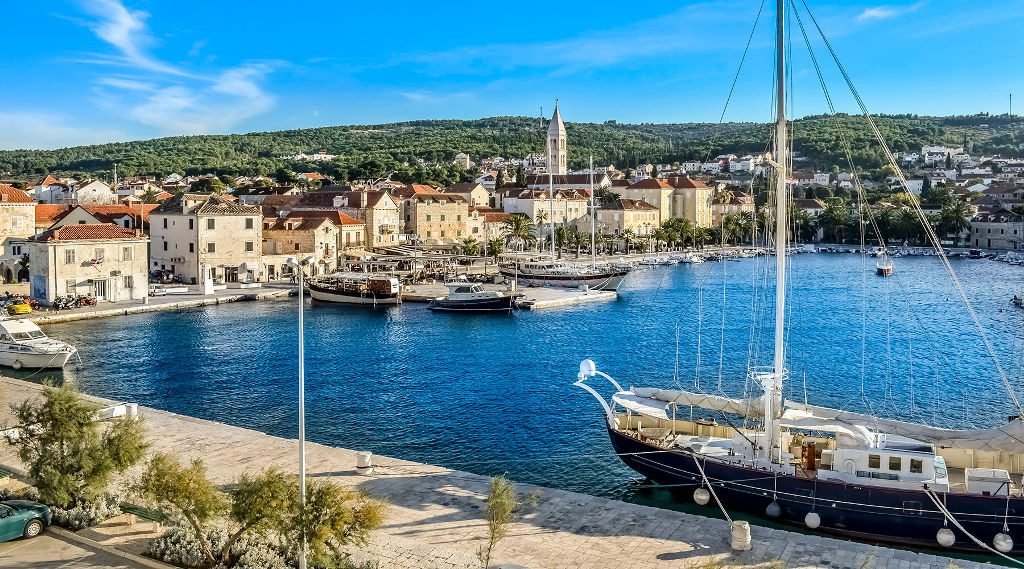
The houses here are built in the Romanesque style. Walking through the streets, tourists feel like they have traveled back in time to an old village with cozy alleys and colorful churches. The region is dotted with monuments from a distant past.
On the outskirts of the town, archaeologists still find fragments of estates built for relaxation by Roman nobles. Near Supetar lies the village of Škrip. The ancient houses are covered in wild grape vines. Everything here is paved with stones, from walls and paths to roofs.
Blaca Hermitage
Visitor tips: The official museum lists adult admission at €8 and children up to 14 at €2. It normally opens Tuesday–Sunday 09:00–17:00 from mid-June to mid-September and 09:00–15:00 in the cooler season. The approach involves a steep 2.5 km path; bring water and sturdy footwear. Check current museum hours.
Brač is also famous for other attractions. In the island’s interior, on the western slope of Vidova Gora, stands an ancient monastery on a steep cliff, surrounded by greenery. This place is called “Blaca Hermitage.” The building was constructed by Glagolitic monks fleeing Turkish invaders in the 16th century.
It seems as though the structures “grew” from the rock. The monks were educated people engaged in writing and astronomy. After the last priest’s death in 1963, the place was used as a museum. Visitors can see fascinating household items, religious paintings, a scientific library with thousands of books, historic astronomical instruments, and printing presses.
Dragon’s Cave
Visitor tips: Arrange a guided visit in advance and confirm the meeting point in Murvica. The cave is reached by an uphill walk, so wear hiking footwear and bring water.
Near the village of Murvica, on the southern slope of Vidova Gora, lies the “Dragon’s Cave.” According to legends, the ancient Slavic goddess Mokosh lived here. The cave is 20 meters long and divided into four parts, with one section housing a chapel. The walls are decorated with rock carvings of a dragon, a lion with an open mouth, the moon, and the Virgin Mary with angels. Researchers have yet to agree on the origin of these bas-reliefs, fueling many myths.
Getting around Brač island
The local roads are worth noting. They are smooth and well-maintained, making traveling around the island a pleasure. Roads are generally paved, but some village streets are narrow and summer traffic can be busy. Although you can bring a car on the ferry, tourists often rent bicycles and scooters.
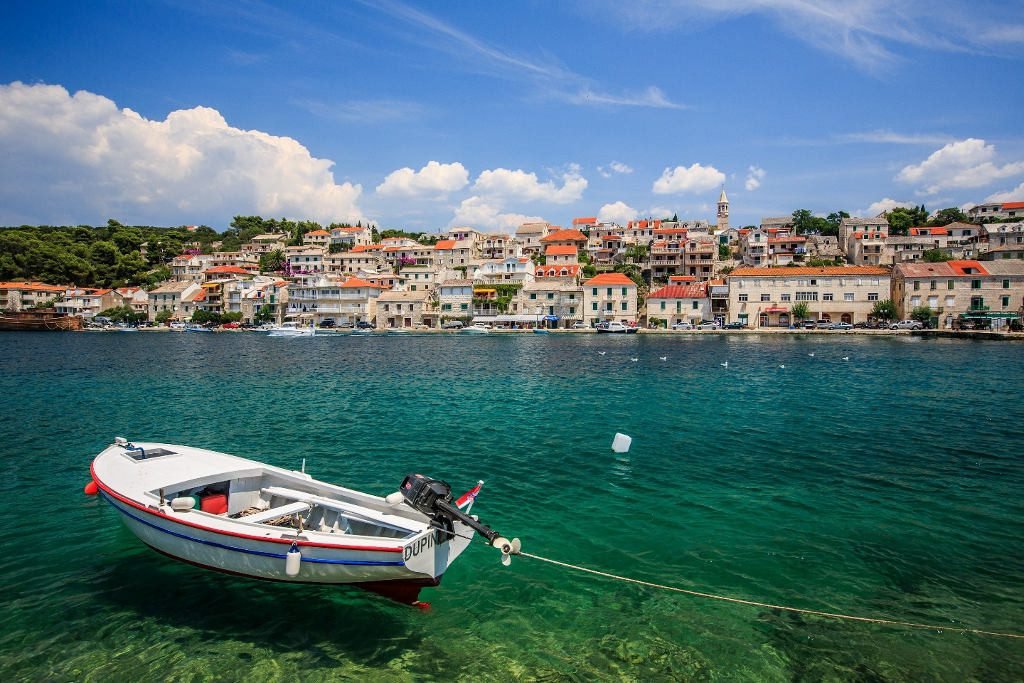
The landscape is quite hilly, so keep in mind that pedaling uphill can be challenging. However, frequent stops will allow you to admire the stunning scenery. Enjoy the sight of fragrant plants growing between the stones, breathe in the healing air of the pine forest, watch sheep and goats grazing, and feel the vastness of the Dalmatian islands.
The Mediterranean is a true paradise for travelers, lovers of new experiences, warm air, and clean sea, nature enthusiasts, and admirers of historical heritage. The island of Brač is a real gem for them.
Best Croatia All-Inclusive Resorts for Holidays
How to get to Brač island from Split
The main year-round connection is Jadrolinija ferry 631 from Split to Supetar, taking about 50 minutes. The 2026 published standard adult fare is €6.50 one way, with vehicle tickets priced separately. Check the official ferry schedule and tariffs. A passenger-only catamaran from Split to Bol takes about 65 minutes on line 9603. Check whether the departure suits your travel date; its ticket is tied to a specific sailing.
| Route | Transport | Best for |
|---|---|---|
| Split–Supetar | Car ferry, approx. 50 min | Year-round access and rental cars |
| Split–Bol | Passenger catamaran, approx. 65 min | Direct access to Zlatni Rat area |
| Makarska–Sumartin | Car ferry | Eastern Brač and road trips |
Where to stay on Brač island
Bol: best for beach holidays and activities. Supetar: easiest for transport and families. Postira and Pučišća: quieter villages with historic harbours. Milna: a sheltered bay with marinas and waterfront dining. A car is convenient for exploring the interior, while staying in one town works well without a car.
Brač island map and three-day itinerary
Day 1: Supetar harbour and Škrip. Day 2: Bol, Zlatni Rat and Vidova Gora. Day 3: Blaca Hermitage and Pučišća, with time for a leisurely beach stop.
Frequently asked questions about Brač island
Is Brač worth visiting? Yes, it offers excellent beaches, traditional villages, hiking and historic sites within easy reach of Split.
How many days do you need on Brač? Three to five days gives you time to explore both coasts and the interior. A day trip can cover Bol or Supetar.
When is the best time to visit? May, June and September typically offer pleasant weather and fewer crowds; July and August are peak beach season.
Can you visit Brač without a car? Yes. You can use ferries, local buses, taxis and walking routes, especially if based in Supetar or Bol. Check bus schedules before planning remote sites.
Is Zlatni Rat sandy? Zlatni Rat is mainly fine pebbles rather than sand.

Konstantin is an acclaimed travel writer, celebrated for transforming ordinary journeys into extraordinary narratives. With years of experience exploring diverse destinations across the globe, his work blends vivid storytelling, cultural insights, and practical advice to inspire wanderlust and guide readers toward unforgettable adventures.
As a key contributor to enjoythetrip.org website, Konstantin has built a loyal readership through their expertise in uncovering both iconic landmarks and off-the-beaten-path treasures. He specializes in providing travelers with honest, actionable tips, whether it’s finding the best resorts in Maldives, exploring cultural hubs like Paris, or diving into the natural wonders of Croatia.