
Italy offers countless rewarding destinations beyond its busiest cities. Puglia, Basilicata, Marche, Abruzzo and Sardinia combine beautiful coastlines, cultural heritage, historic villages and distinctive regional food. These five regions can be excellent choices for a slower-paced Italian holiday, especially beyond the peak summer weeks.
Inspired by a Travel Off Path selection highlighting alternative Italian travel destinations, this guide compares the regions and explains what to see, where to stay and how to get around. Some individual attractions are popular, so plan your dates and itinerary carefully.
Compare five beautiful Italian regions
| Region | Best for | Suggested base | Suggested stay |
|---|---|---|---|
| Puglia (Apulia) | Adriatic coast and whitewashed towns | Bari or Monopoli | 5–7 days |
| Basilicata | Cave dwellings, mountains and rural villages | Matera or Maratea | 3–5 days |
| Marche | Renaissance towns and Adriatic scenery | Ancona, Sirolo or Urbino | 4–6 days |
| Abruzzo | Mountain villages, national parks and lakes | L’Aquila or Sulmona | 4–6 days |
| Sardinia | Beaches, archaeological sites and island towns | Alghero, Cagliari or Cala Gonone | 7–10 days |
1. Puglia (Apulia)

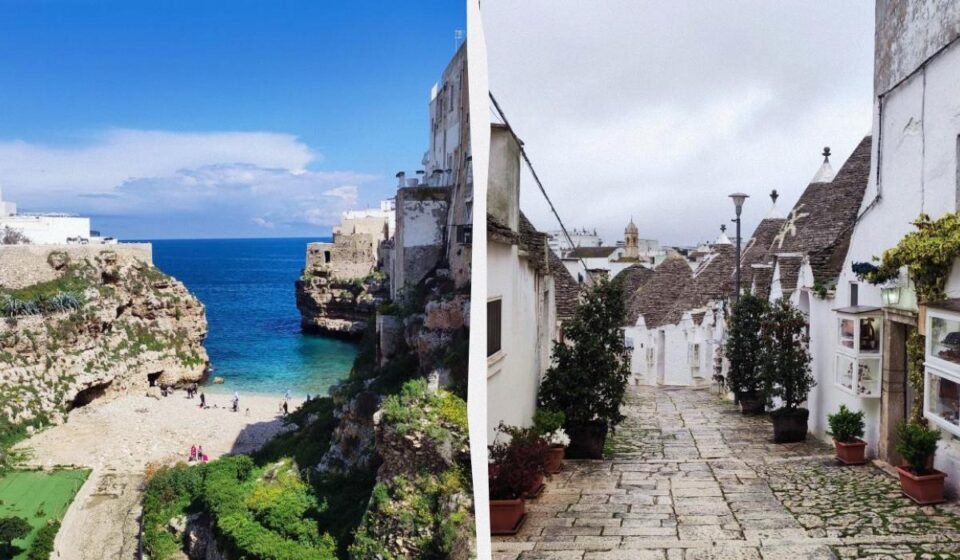
Puglia forms the heel of Italy’s boot and offers a mix of Adriatic and Ionian beaches, olive groves and historic towns. Bari’s old town is filled with narrow lanes, Romanesque churches and traditional street food. Polignano a Mare is known for its cliffside houses and the Lama Monachile cove, while Monopoli combines a harbour with an attractive historic centre.
Things to see: Travel inland to Alberobello, where the distinctive stone trulli are a UNESCO World Heritage Site. Visit Locorotondo and Ostuni for whitewashed streets, or spend a day in Lecce exploring Baroque architecture and local food. Farther south, the Salento peninsula offers sandy beaches and coastal towns.
Planning your visit: Fly to Bari or Brindisi. Coastal towns are connected by regional trains, while a car is useful for the Itria Valley and smaller villages. May, June and September often provide a balance of pleasant weather and fewer crowds. See the official Alberobello guide.
Suggested stay: 5–7 days. Open map · Tours and activities.
2. Basilicata
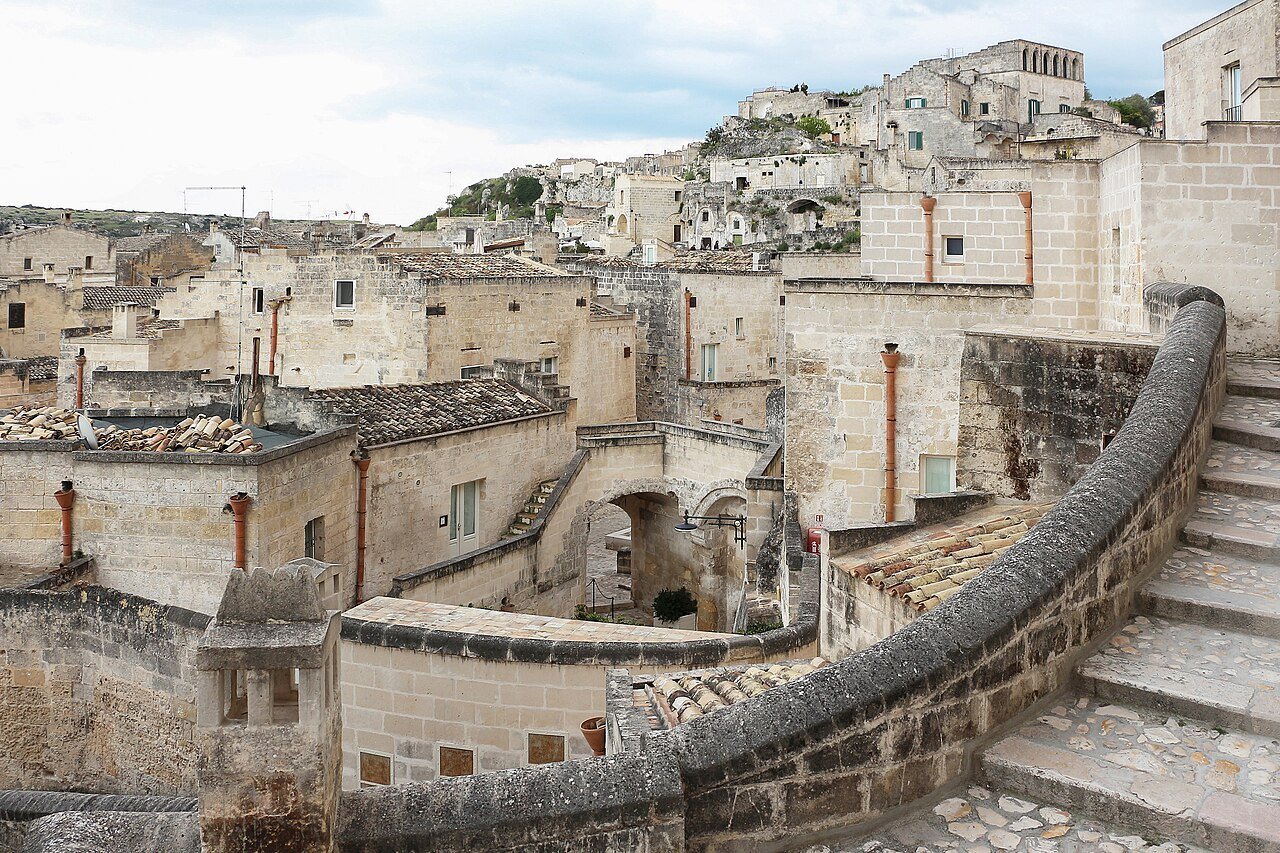
Basilicata is a region of historic settlements, rugged mountains and varied coastlines. Its most famous city, Matera, preserves the Sassi districts of cave houses, churches and narrow paths carved into limestone. The UNESCO-listed landscape is particularly striking from viewpoints across the ravine.
Things to see: Spend a day exploring Sasso Caveoso and Sasso Barisano, visit a traditional cave dwelling and discover rock churches. For a different landscape, Maratea offers Tyrrhenian coastal scenery. Pollino National Park, shared with Calabria, is ideal for longer nature excursions and mountain walks; allow adequate travel time from Matera.
Planning your visit: Bari Airport is a practical gateway to Matera, with onward bus services and other connections. A car helps explore remote villages and parks. Stay in Matera for heritage and Maratea for the coast. Spring and autumn are excellent for sightseeing. Read our Matera travel guide.
Suggested stay: 3–5 days. Open map · Tours and activities.
3. Marche
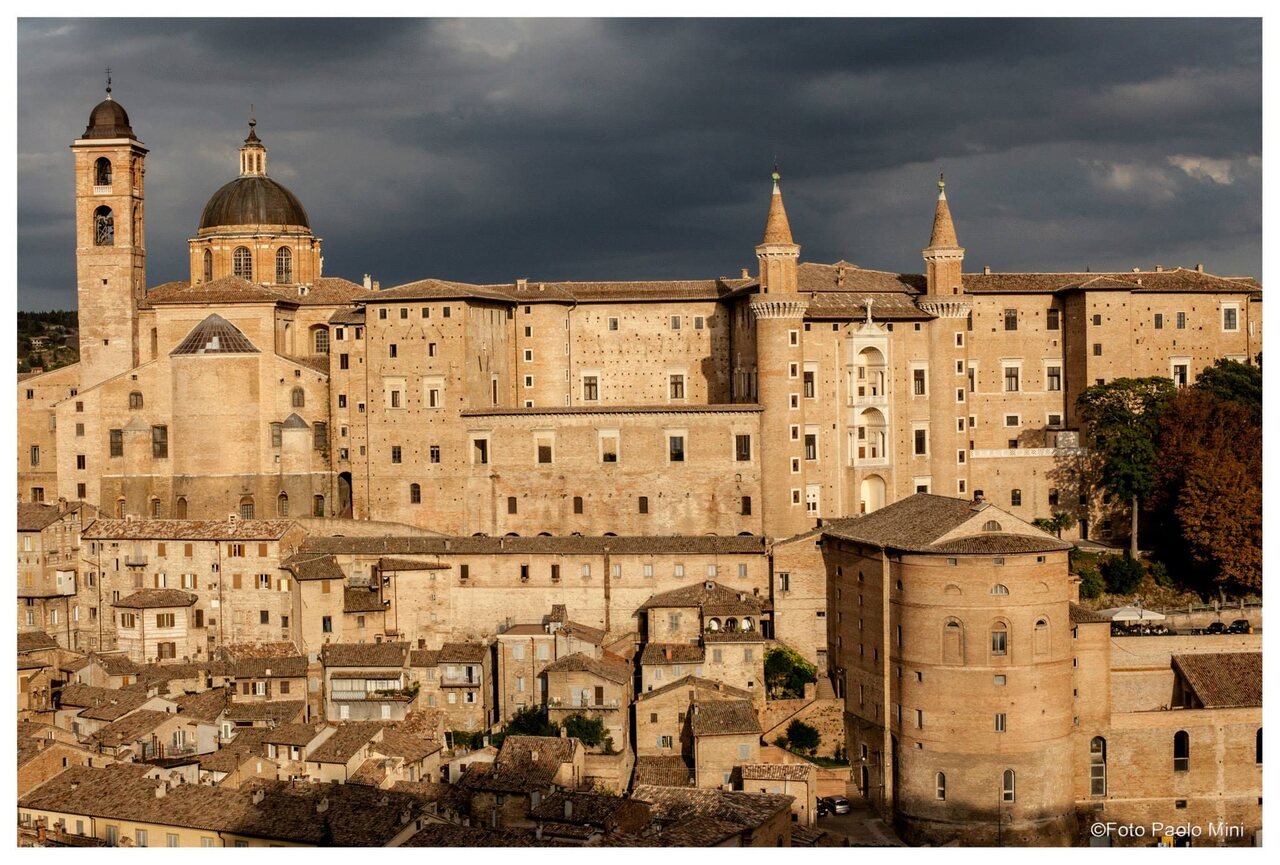
Marche stretches from the Apennines to the Adriatic Sea. Its capital Ancona is a historic port, while the nearby Riviera del Conero has limestone headlands, wooded hills and attractive bays. Inland, Urbino preserves a remarkable Renaissance centre and the Palazzo Ducale, home to the Galleria Nazionale delle Marche.
Things to see: Explore the coastal villages of Sirolo and Numana, then travel inland to Urbino and the historic town of Ascoli Piceno. The Frasassi Caves form another distinctive natural attraction. If you enjoy countryside landscapes, the Sibillini Mountains offer scenic villages and walking routes, subject to local access and weather.
Planning your visit: Ancona has rail connections and an airport. Use trains for coastal towns and consider a car for inland itineraries. June or September can be appealing for the coast; spring and autumn suit cultural trips. Check Conero Park tourism information before hiking.
Suggested stay: 4–6 days. Open map · Tours and activities.
4. Abruzzo
Abruzzo combines dramatic Apennine landscapes with an Adriatic coastline. L’Aquila was designated Italian Capital of Culture for 2026, reflecting its architectural heritage and ongoing recovery following the 2009 earthquake. Visit the Basilica of Collemaggio, the Fountain of the 99 Water Spouts and the historic centre, checking access to monuments undergoing restoration.
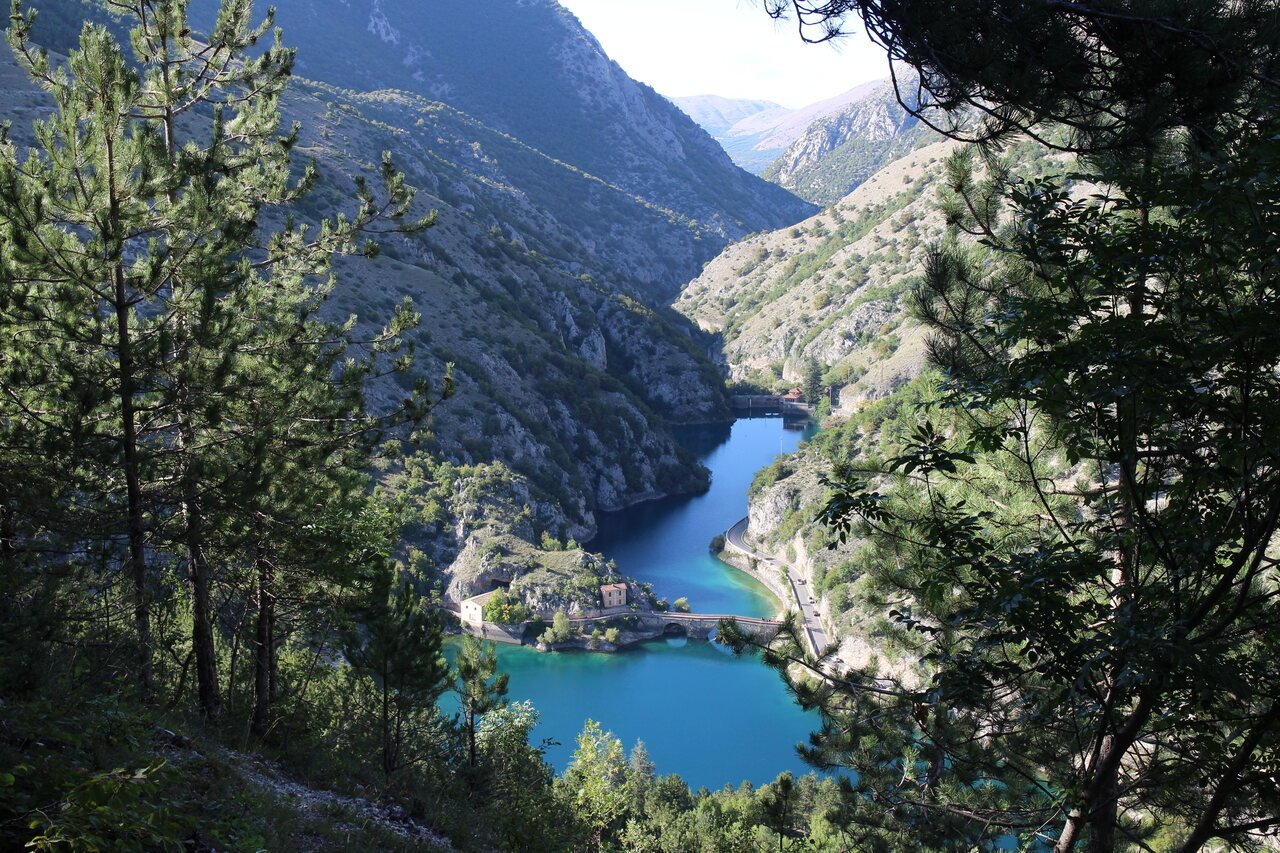
Things to see: Discover Santo Stefano di Sessanio and the Rocca Calascio area, where stone villages and mountain scenery create memorable viewpoints. Lake Scanno and the nearby village are lovely for exploring rural Abruzzo. The Gran Sasso and Abruzzo, Lazio and Molise national parks offer a variety of outdoor routes.
Planning your visit: A rental car helps reach villages and trailheads. L’Aquila and Sulmona are practical inland bases, while Pescara provides coastal access. Choose spring to early autumn for mountain sightseeing and check weather and seasonal road conditions. See L’Aquila’s cultural programme and Lake Scanno tourism information.
Suggested stay: 4–6 days. Open map · Tours and activities.
5. Sardinia
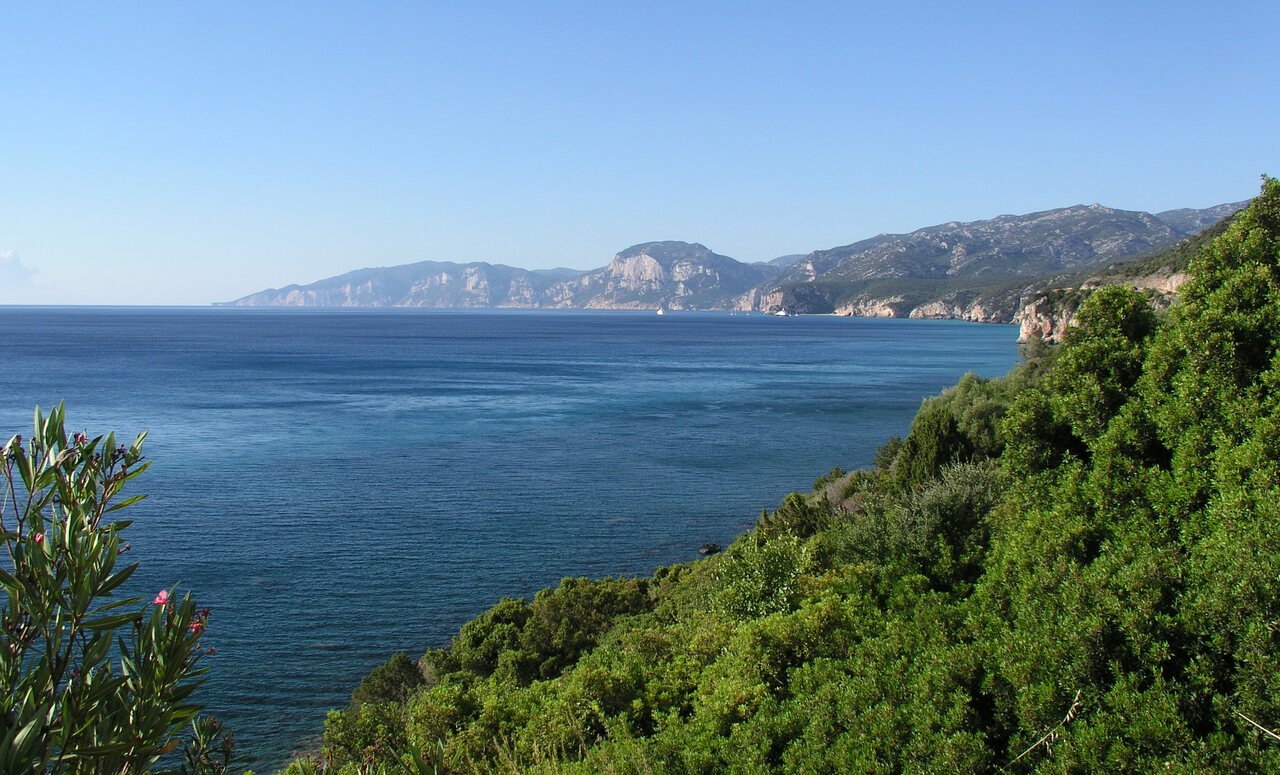
Sardinia offers beaches, rugged cliffs, historic towns and a distinctive island culture. The northeastern Costa Smeralda is well known for its coastal resorts, while Alghero on the western side has a walled old town and Catalan heritage. Cagliari, the regional capital, combines its hilltop Castello district with markets and Poetto Beach.
Things to see: The Gulf of Orosei on the east coast is ideal for coastal excursions from Cala Gonone, subject to sea conditions and access rules. Explore traditional inland villages and archaeological sites such as Su Nuraxi at Barumini. Choose one or two areas for a shorter trip, as the island is large and transfers take time.
Planning your visit: Fly to Cagliari, Alghero or Olbia, or use a ferry from mainland Italy. A car is convenient for exploring smaller beaches and inland towns. May, June and September can offer quieter conditions than peak summer, but popular resorts still attract visitors. See the official Cala Gonone guide.
Suggested stay: 7–10 days. Open map · Tours and activities.
Map of these five Italian regions
Explore individual maps: Puglia (Apulia), Basilicata, Marche, Abruzzo, Sardinia.
Suggested itinerary for southern Italy
For a ten-day mainland holiday, spend four days in Puglia around Bari, Polignano and the Itria Valley, three days in Matera and Basilicata and three days exploring the Salento region. Consider Marche and Abruzzo together for a separate central Italian road trip. Sardinia is best treated as its own island holiday.
When to visit these Italian regions
April to June and September to October are attractive for city sightseeing, countryside walks and food holidays. July and August bring warmer sea temperatures but also higher demand for coastal accommodation. Check regional transport, seasonal attraction hours and beach access requirements. Compare hotels on Trip.com and reserve popular stays ahead.
Basilicata’s star stop is Matera — for a closer look at the cave city, see our Matera guide. For more low-crowd Italian ideas in the same spirit, compare five quiet, affordable places to visit in Italy in 2026. Official regional inspiration starts at Italia.it.
Frequently asked questions
Which lesser-known regions of Italy are worth visiting?
Puglia, Basilicata, Marche, Abruzzo and Sardinia all offer attractive destinations beyond the biggest cities. Their highlights range from beaches to historic villages and mountains.
Which region is best for beaches?
Puglia and Sardinia offer a wide variety of coastal resorts and beaches. Marche also has attractive Adriatic coastal areas around the Conero Riviera.
Which region is best for culture and history?
Matera in Basilicata, Urbino in Marche, Alberobello in Puglia and L’Aquila in Abruzzo are rewarding cultural destinations.
Can you visit these regions without a car?
Many larger towns are reachable by train or bus, but a car is useful for rural villages, beaches and national park visits. Consider guided day tours if you prefer public transport.

Konstantin is an acclaimed travel writer, celebrated for transforming ordinary journeys into extraordinary narratives. With years of experience exploring diverse destinations across the globe, his work blends vivid storytelling, cultural insights, and practical advice to inspire wanderlust and guide readers toward unforgettable adventures.
As a key contributor to enjoythetrip.org website, Konstantin has built a loyal readership through their expertise in uncovering both iconic landmarks and off-the-beaten-path treasures. He specializes in providing travelers with honest, actionable tips, whether it’s finding the best resorts in Maldives, exploring cultural hubs like Paris, or diving into the natural wonders of Croatia.