
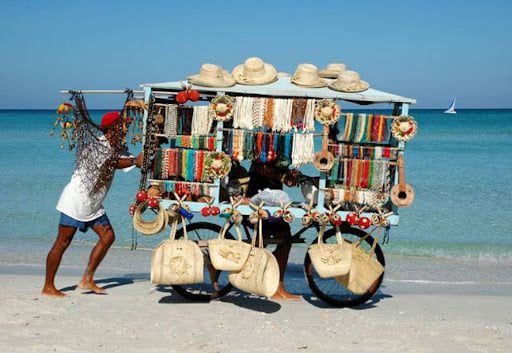
Wondering what to bring back from the Dominican Republic? The best Dominican Republic souvenirs include larimar and amber jewelry, Dominican coffee, chocolate, mamajuana, rum and handmade faceless dolls. This practical guide covers 20 gift ideas, typical prices in Dominican pesos and the best places to shop.
Dominican Republic souvenirs: 2026 price guide
| Gift | Indicative price (RD$) |
|---|---|
| Coffee, 250 g | 300–600 |
| Cacao nibs or paste | 200–500 |
| Mamajuana, bottle | 500–1,200 |
| Larimar pendant | 800–2,000 |
| Amber pendant | 500–3,000 |
| Small carnival mask | 400–800 |
| Handwoven basket | 300–1,500 |
| Rum | 300–5,000 |
| Limé doll | 200–2,000 |
These indicative local prices come from a 2026 Samaná market guide and a Dominican shopping price guide. Resort shops and premium artisan pieces may cost more.
20 best souvenirs from the Dominican Republic
1. Chocolate

Dominican cacao is used in chocolate bars and artisan confections. Choose a locally made bar with the cacao origin and percentage on its label. Dark chocolate is easy to share, but protect it from heat during the trip.
The Dominican Republic is an important cacao-growing country, with plantations in regions such as Duarte and San Cristóbal. Look for single-origin chocolate, small tasting assortments and bars with tropical fruit or sea salt. A chocolate workshop in the Colonial City of Santo Domingo can be an enjoyable place to learn about production and taste several varieties before deciding what to take home.
For a gift, choose a sealed box or individually wrapped bars, and keep them away from direct sunlight.
2. Coffee
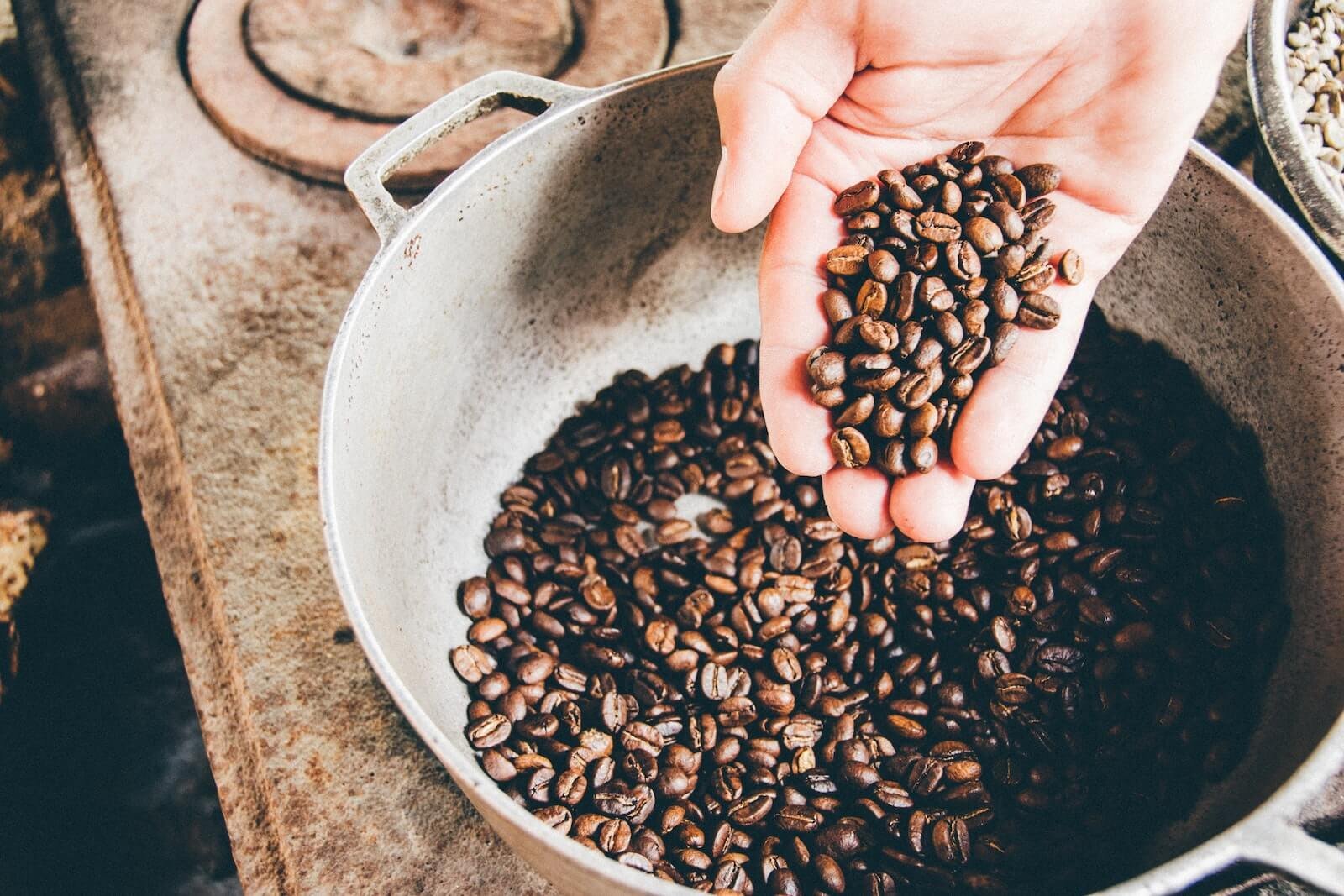
Coffee from Barahona, Jarabacoa and other mountain-growing areas is a practical gift. Café Santo Domingo is widely available; specialty roasters offer single-origin beans. A sealed 250 g pack is an easy souvenir for coffee lovers.
The mountainous interior provides a range of growing conditions, so coffees can differ considerably in aroma and acidity. Medium roasts are versatile, while a darker roast suits people who prefer a more pronounced flavour. Compare bags marked with the growing region and roasting date.
Supermarkets offer familiar local brands, while independent cafés and roasters are good places to discover smaller producers. Whole beans retain their aroma longer than ground coffee when stored correctly.
3. Cacao and cocoa

Look for unsweetened cacao powder, nibs and traditional cacao paste. They can be used for baking or hot chocolate. Check ingredients and whether added sugar is included.
Cacao nibs are pieces of roasted cacao beans with a crunchy texture and a naturally bitter taste. Cacao paste is ground cacao that can be melted into a rich drink or used to make desserts. Unsweetened powder works well in cakes and breakfast recipes. The range is particularly interesting at shops attached to chocolate workshops.
A sealed pack is a convenient gift for someone who enjoys cooking, especially when paired with a recipe for traditional hot chocolate.
4. Tropical fruit products
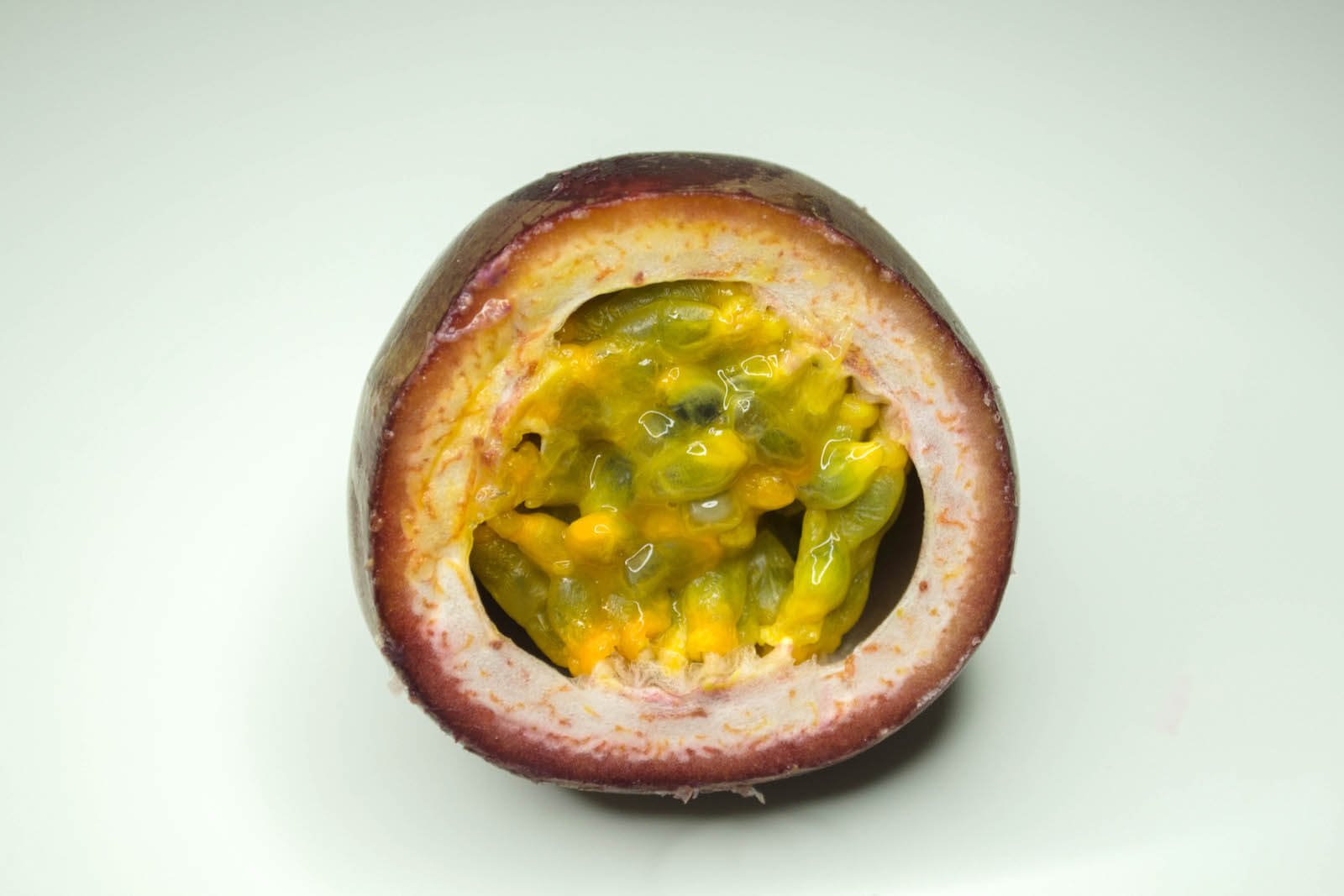
Try fresh mango, passion fruit and sapote during your stay. For gifts, choose sealed dried fruit, fruit preserves or sweets. Fresh produce can be restricted at your destination.
Passion fruit, guava, pineapple and mango are also sold in jams, juices, dried snacks and confectionery. A small jar of guava preserve can be paired with cheese or toast, while dried fruit is convenient for travelling. Look for labels that identify the producer and fruit content.
Buy fresh fruit to enjoy locally and choose commercially processed products for the journey home.
5. Herbal tea
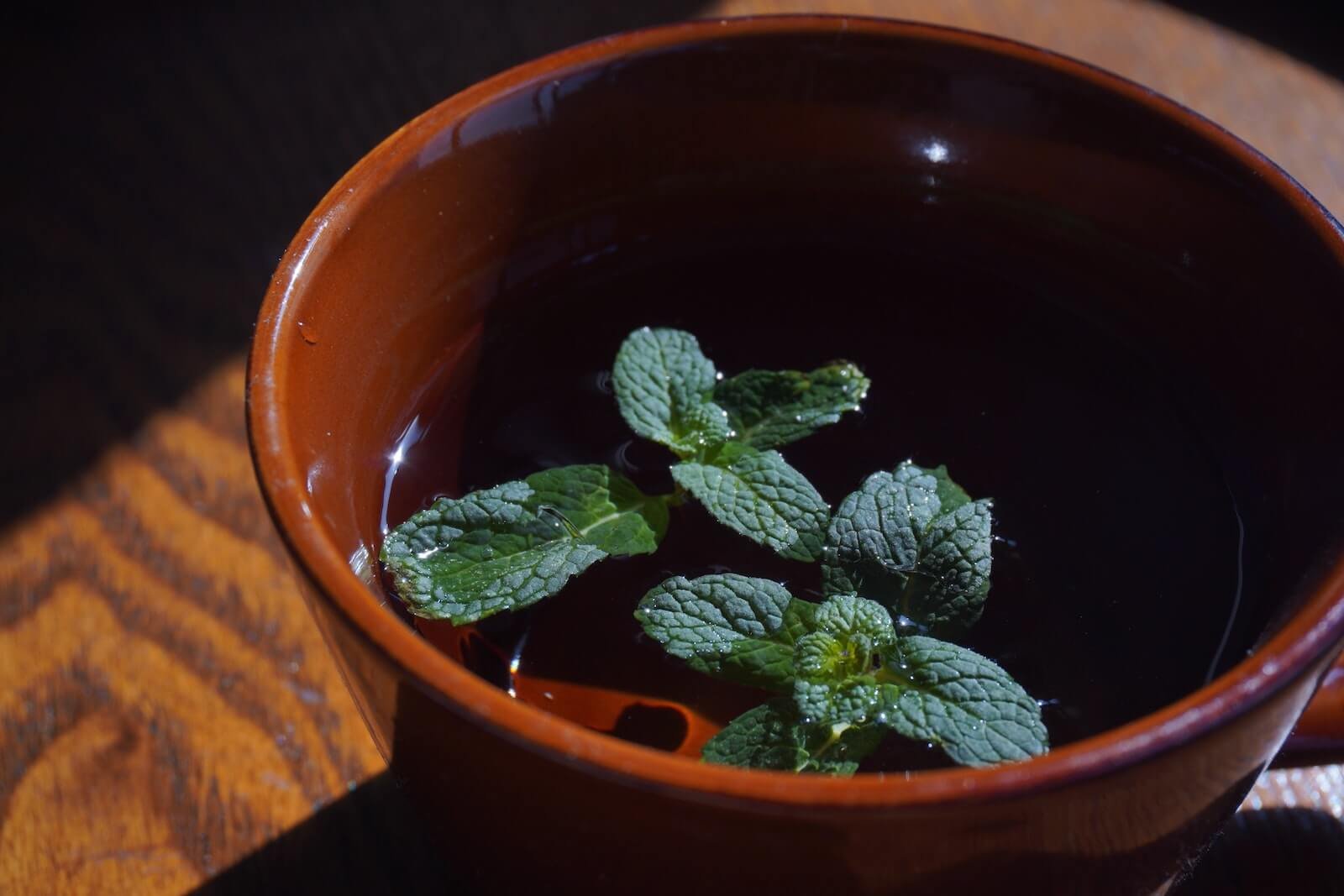
Explore packaged herbal infusions and cacao tea from local shops. Check the ingredients and choose sealed products with clear labels.
Look for infusions featuring lemongrass, ginger, hibiscus or cacao shells. A few different small packets are an attractive gift for tea drinkers and take up little luggage space. Specialty food stores and grocery shops are convenient places to browse.
Read the ingredient labels and choose food products from reputable suppliers rather than unlabeled mixtures.
6. Dominican rum
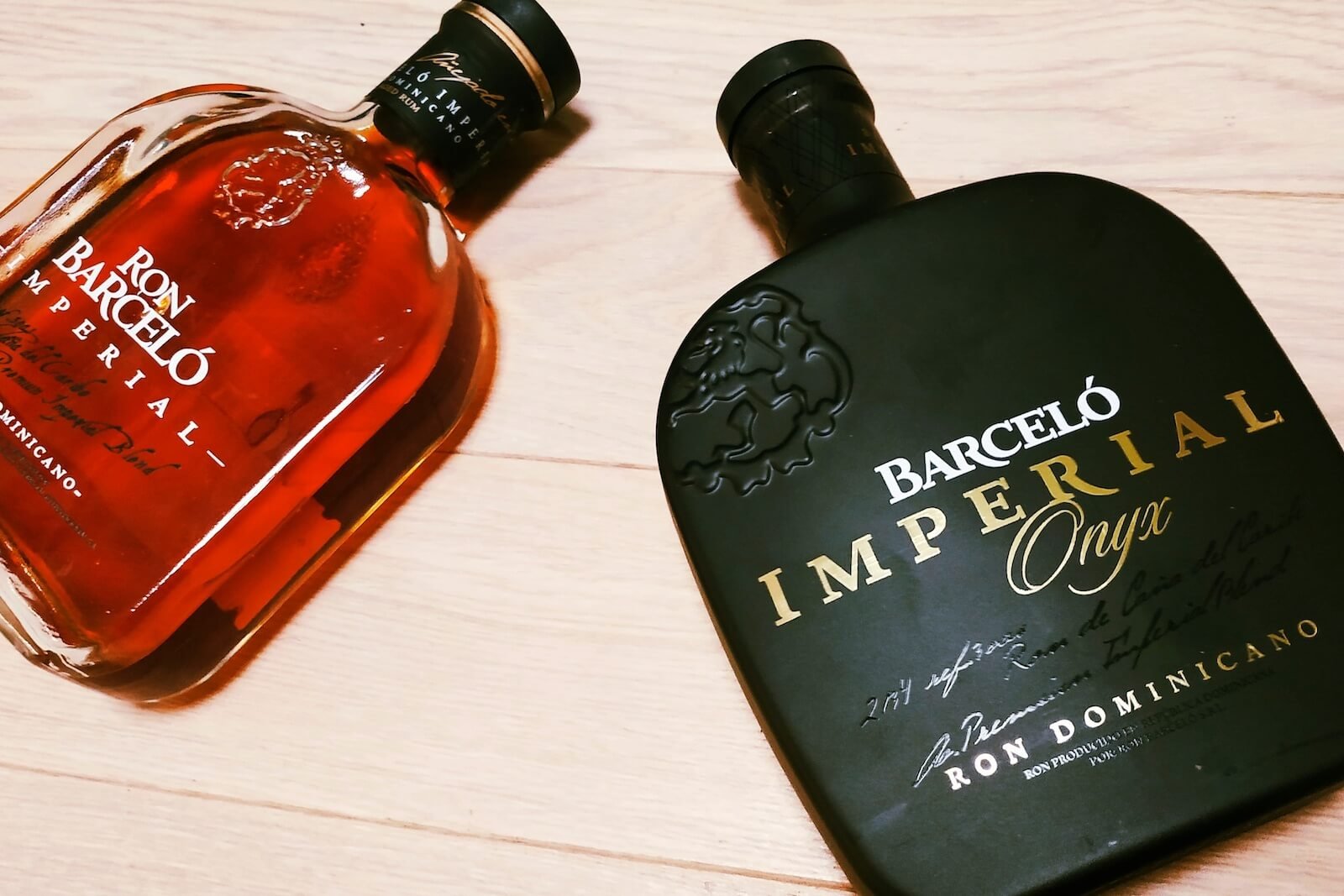
Brugal, Barceló and Bermúdez are well-known Dominican rum brands. Aged rum makes a classic adult gift. Buy sealed bottles from established stores and check customs and airline allowances.
Dominican rum is made from sugarcane-derived ingredients and comes in several styles, from light mixing rums to aged dark spirits. The familiar brands offer different bottle sizes and expressions, so a small bottle is a practical choice for an adult recipient.
A licensed shop or supermarket is often a good place to compare prices. Check the label for alcohol strength and pack glass carefully according to your airline’s rules.
7. Mamajuana

Mamajuana is a traditional drink prepared with rum, red wine, honey and a mixture of roots, bark and herbs. A ready-to-drink sealed bottle is generally easier to transport than a kit containing plant material.
The drink is associated with Dominican hospitality and is often offered in restaurants. Its flavour varies with the mixture of botanicals, wine, rum and honey. Commercially prepared bottles differ in sweetness and strength, so check the label and choose a reputable producer.
Visitors can find it in supermarkets, specialist beverage shops and resort gift shops.
8. Spices
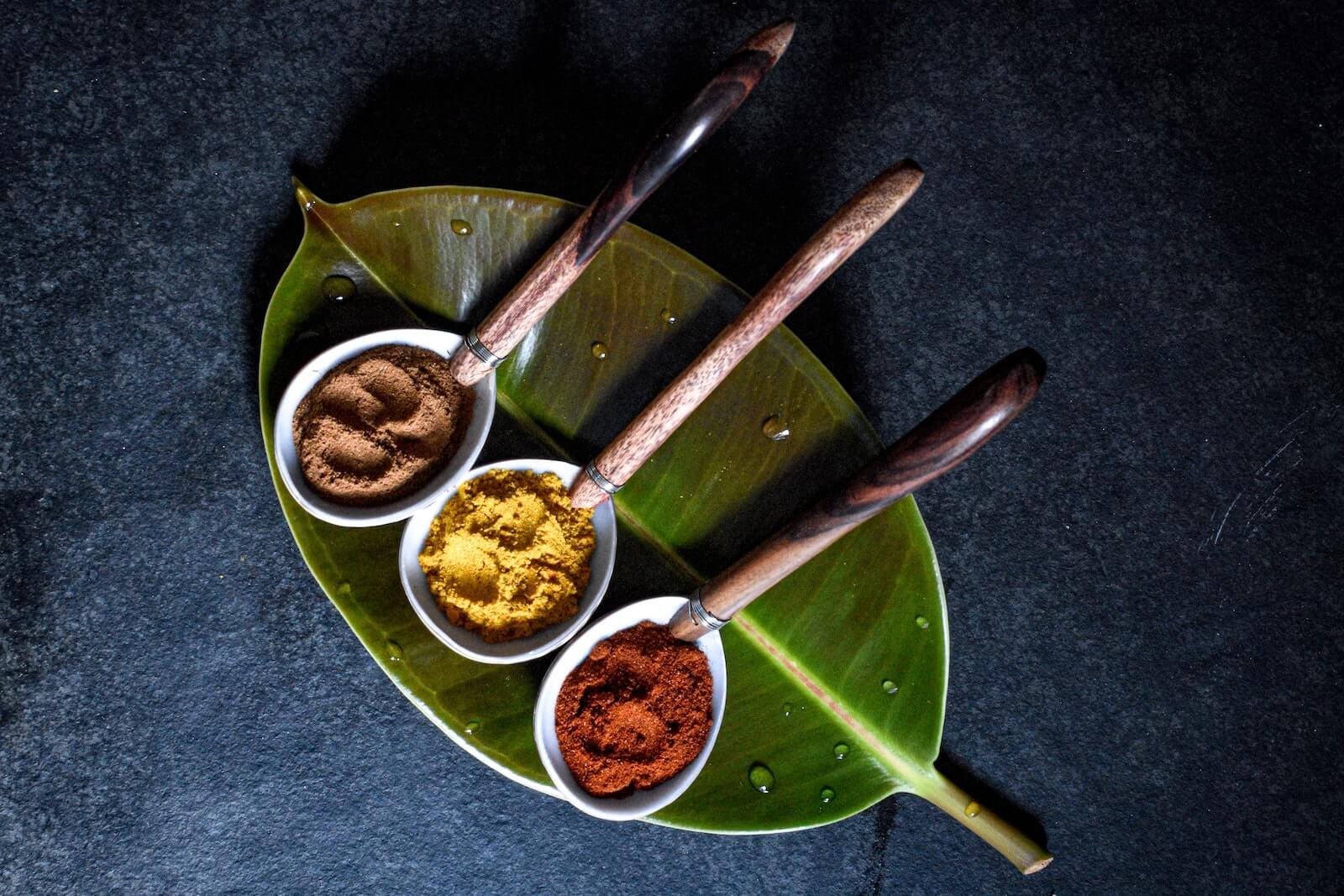
Annatto, oregano, garlic and seasoning blends bring Caribbean flavours to your kitchen. Choose commercially packaged spices and check their origin.
Annatto, known locally as bija, gives dishes a warm orange-red colour. Dominican-style oregano and seasoning mixtures can be useful additions to rice, beans, stews and grilled dishes. A set of small spices makes an inexpensive gift for home cooks.
At markets, ask about the ingredients and compare packaged varieties. Keep strong-smelling spices tightly sealed.
9. Local oils
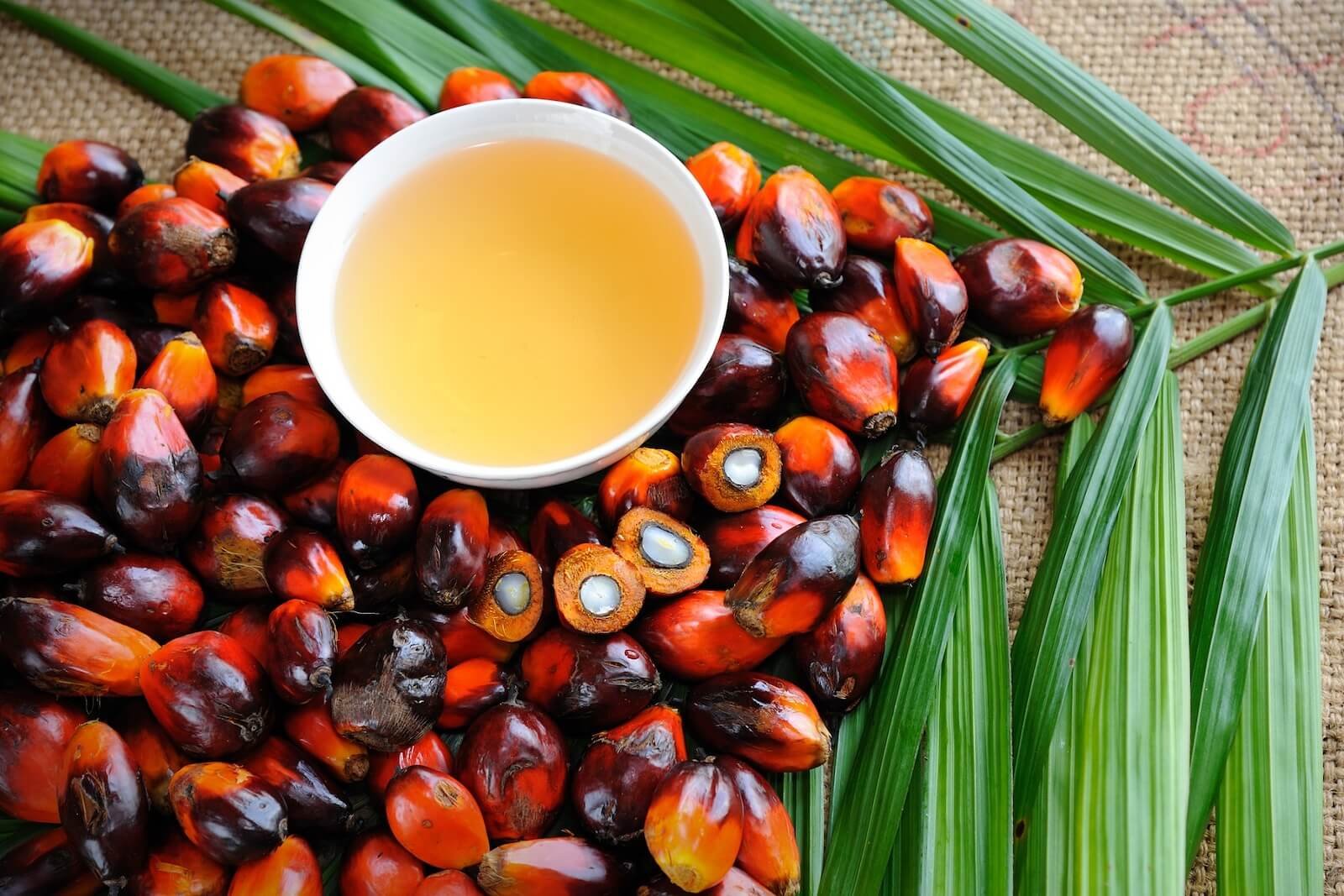
Small bottles of locally produced oils, such as coconut oil, can be found in grocery and craft shops. Choose food-grade products for cooking or clearly labelled cosmetic products for body care.
Coconut oil and aromatic oils are sold in both food and personal-care forms. Small bottles or jars are practical gifts for people who enjoy experimenting with Caribbean cooking or beauty products. Freshness, ingredients and the manufacturer’s name are worth checking.
Shop in a supermarket or established local cosmetics shop. Use a leakproof bag for liquids during transport.
10. Faceless Limé dolls
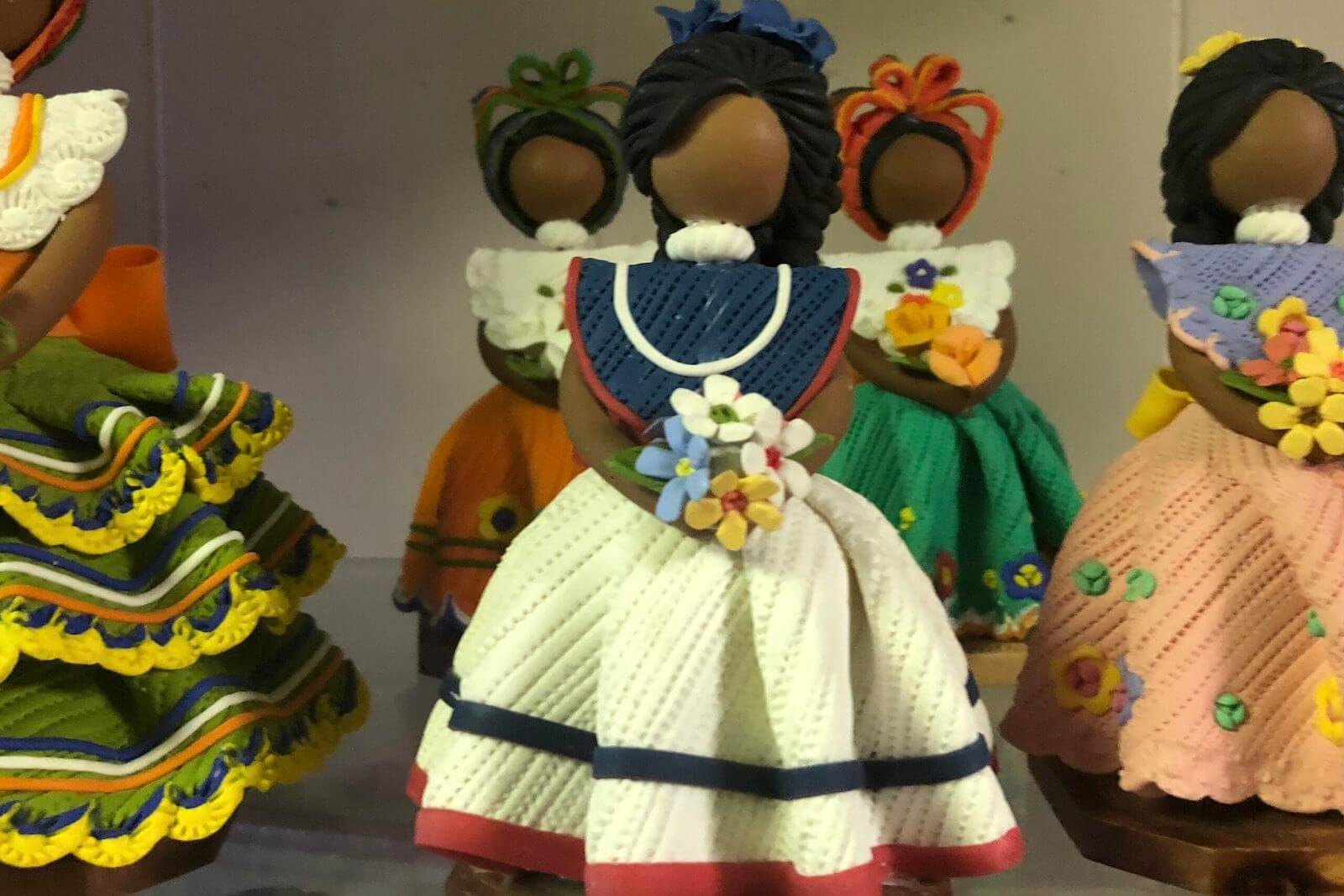
Traditional faceless dolls are a distinctive Dominican craft. Ceramic figures in colourful dresses represent the country’s diverse cultural heritage. Ask artisans to wrap fragile pieces securely.
These distinctive figures are often called muñecas sin rostro in Spanish. Their brightly painted dresses may depict traditional clothing, market vendors or women carrying flowers and baskets. The absence of facial features is often understood as a representation of the island’s mixed cultural heritage.
Browse craft shops in Santo Domingo or Puerto Plata for handmade versions. A small ceramic doll makes a lovely keepsake, while larger pieces are better suited to carefully packed luggage.
11. Local paintings
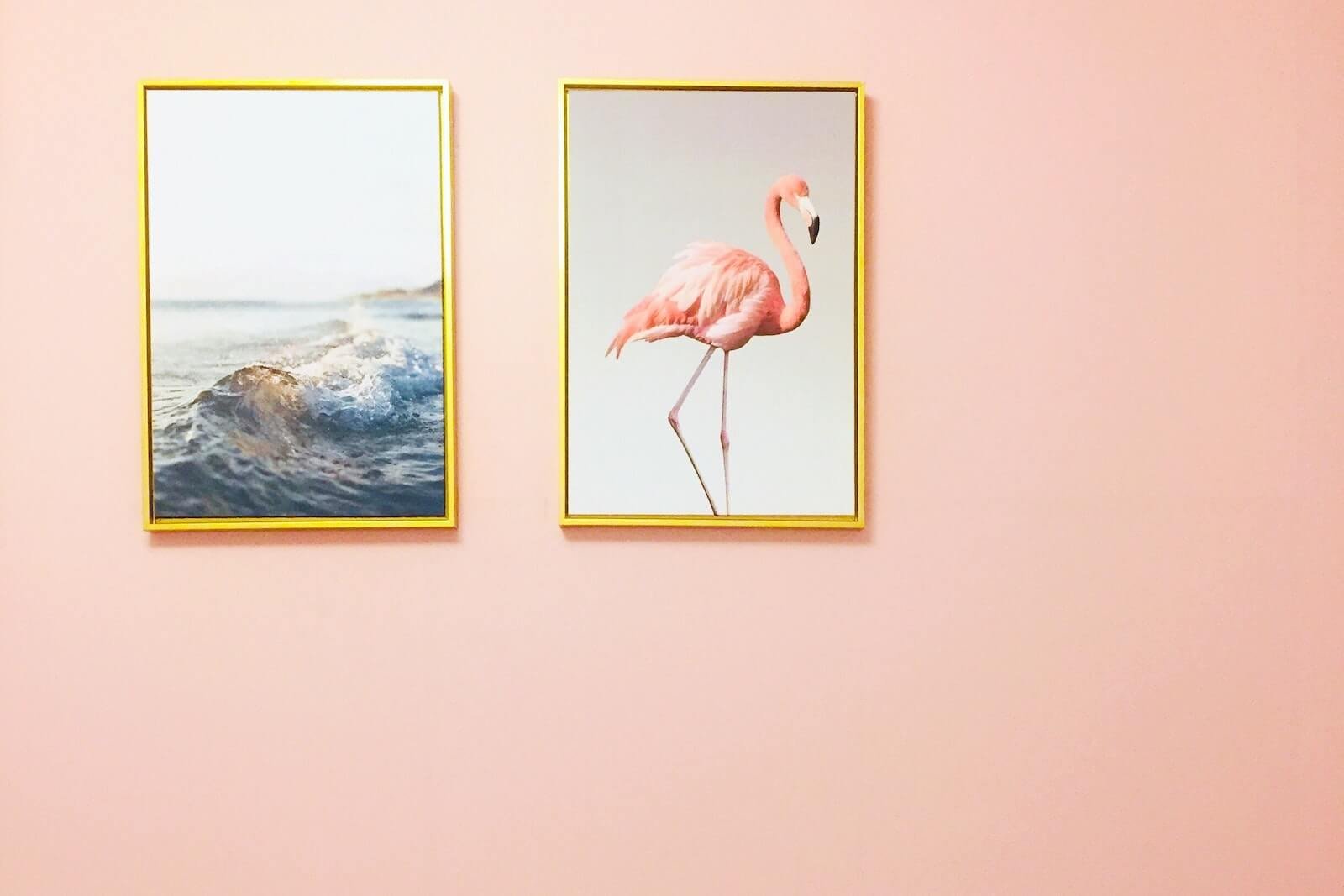
Galleries and craft markets offer vibrant landscapes, street scenes and Caribbean art. Ask who created the piece and consider a small unframed canvas or print for easy packing.
Dominican artists often take inspiration from coastal villages, street life, music and the tropical landscape. You may find colourful paintings of houses, boats, dancers and fruit markets alongside abstract work and contemporary prints. The galleries of Santo Domingo’s Colonial City are worth exploring.
Ask whether the work is an original or a reproduction and whether an artist signature or provenance is available. A rolled canvas is easier to transport than a framed painting.
12. Dominican cigars
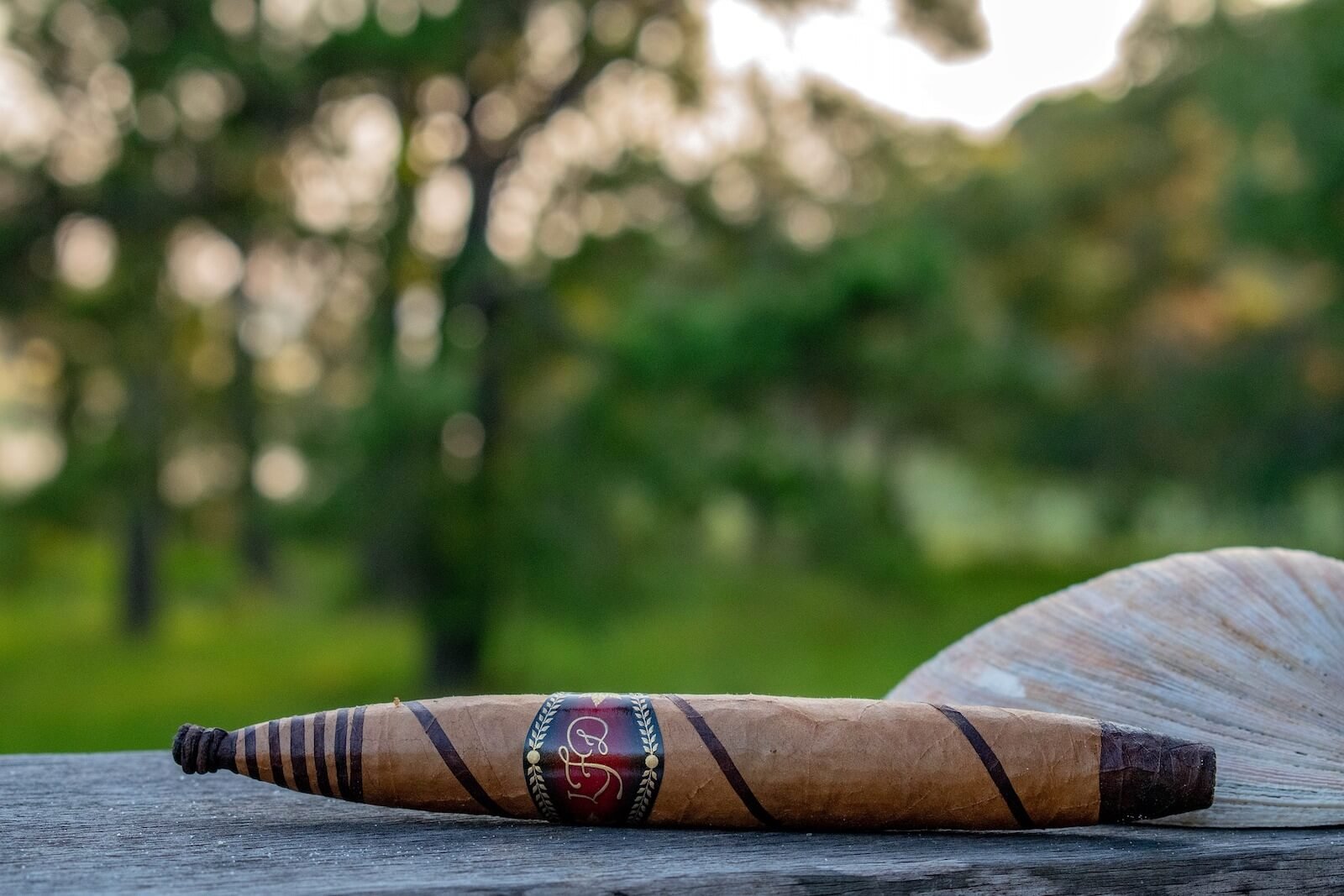
The country is known for cigar production, including established brands such as Arturo Fuente and La Aurora. Adult travellers who choose tobacco gifts should purchase from reputable specialist shops and follow destination-specific customs rules.
Cigar making is particularly associated with the Cibao Valley and Santiago. Specialist stores may carry locally produced cigars in different sizes and packaging. The traditional industry is also part of the country’s agricultural and manufacturing heritage.
For adult travelers who purchase tobacco, retain the receipt and follow local import rules.
13. Handmade textiles
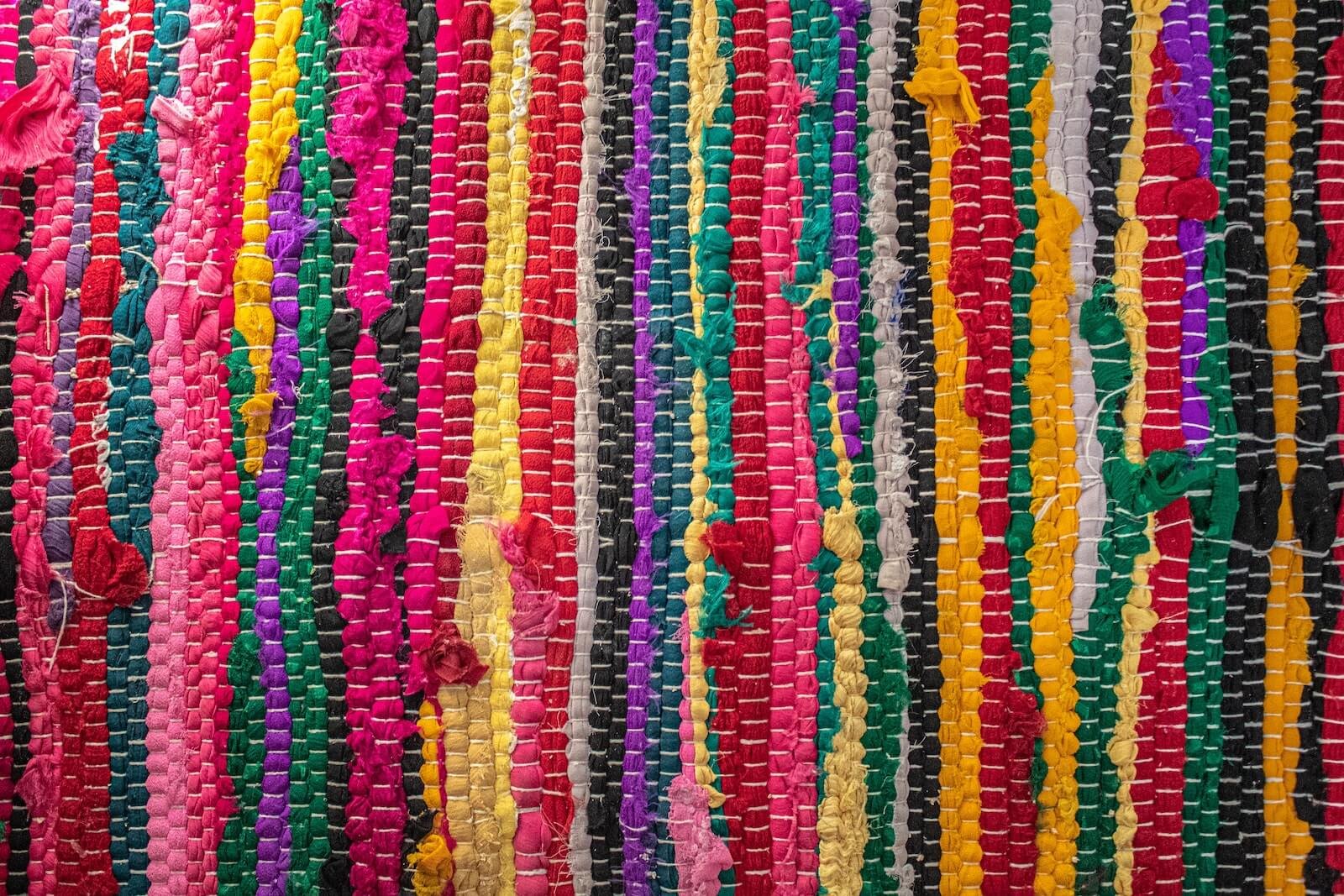
Colourful woven rugs, bags and fabric accessories can add a Caribbean touch to your home. Look for artisan-made pieces and compare size, stitching and materials.
Woven handbags, placemats, embroidered pouches and small rugs are popular choices for home decoration. Many patterns use bright Caribbean colours and simple geometric designs. A compact fabric item is especially easy to fold into a suitcase.
Inspect seams and finishing and ask whether the material was woven locally. Look for craft cooperatives and independent artisan stalls.
14. Larimar jewelry

Larimar is a distinctive blue variety of pectolite associated with the Dominican Republic. Pendants, earrings and rings make memorable gifts. Buy from an established jeweller, ask about the stone and setting, and request a receipt or authenticity certificate for expensive pieces.
Larimar is found in the Dominican Republic, particularly in the southwest near Barahona. Its characteristic blue and white patterns can resemble the sea or clouds. Polished cabochons are often set in silver, and each natural stone has a different pattern.
Prices vary with colour, stone quality, size and the metal setting. In Puerto Plata and Santo Domingo, visit established jewelry shops and ask for a written description identifying the material.
15. Local cosmetics

Soap, cocoa butter products and coffee-based body scrubs are popular everyday gifts. Choose clearly labelled ingredients and sealed containers. Solid soap is particularly convenient for carry-on luggage.
Cocoa butter soaps, coconut-based creams and scrubs scented with coffee or tropical fruit can be found in local stores. Consider small gift sets or bars of soap with attractive packaging. Labels should list ingredients and the maker.
Choose products suited to the recipient’s preferences, and avoid fragrances or ingredients they are sensitive to.
16. Carnival masks
Colourful carnival masks reflect Dominican festival traditions. Small handmade decorative versions are easier to transport. Ask about the character represented and the artist who made it.
Dominican carnival traditions differ from town to town. Masks inspired by the colourful diablos cojuelos characters are frequently decorated with horns and elaborate patterns. Miniature decorative masks are a distinctive alternative to generic souvenirs.
Ask about the local tradition represented. Craft markets and artisan workshops are the best places to compare materials and craftsmanship.
17. Handwoven baskets
Baskets and woven accessories are useful crafts that can be found at markets and artisan cooperatives. Choose compact finished pieces and check whether the material is permitted in your destination.
Look for baskets made from woven plant fibres, along with smaller trays, handbags and decorative containers. The form and pattern vary according to the artisan. A shallow basket or small pouch is easier to pack than a large rigid piece.
Purchase clean finished crafts and check your destination’s rules for plant-based products.
18. Dominican amber
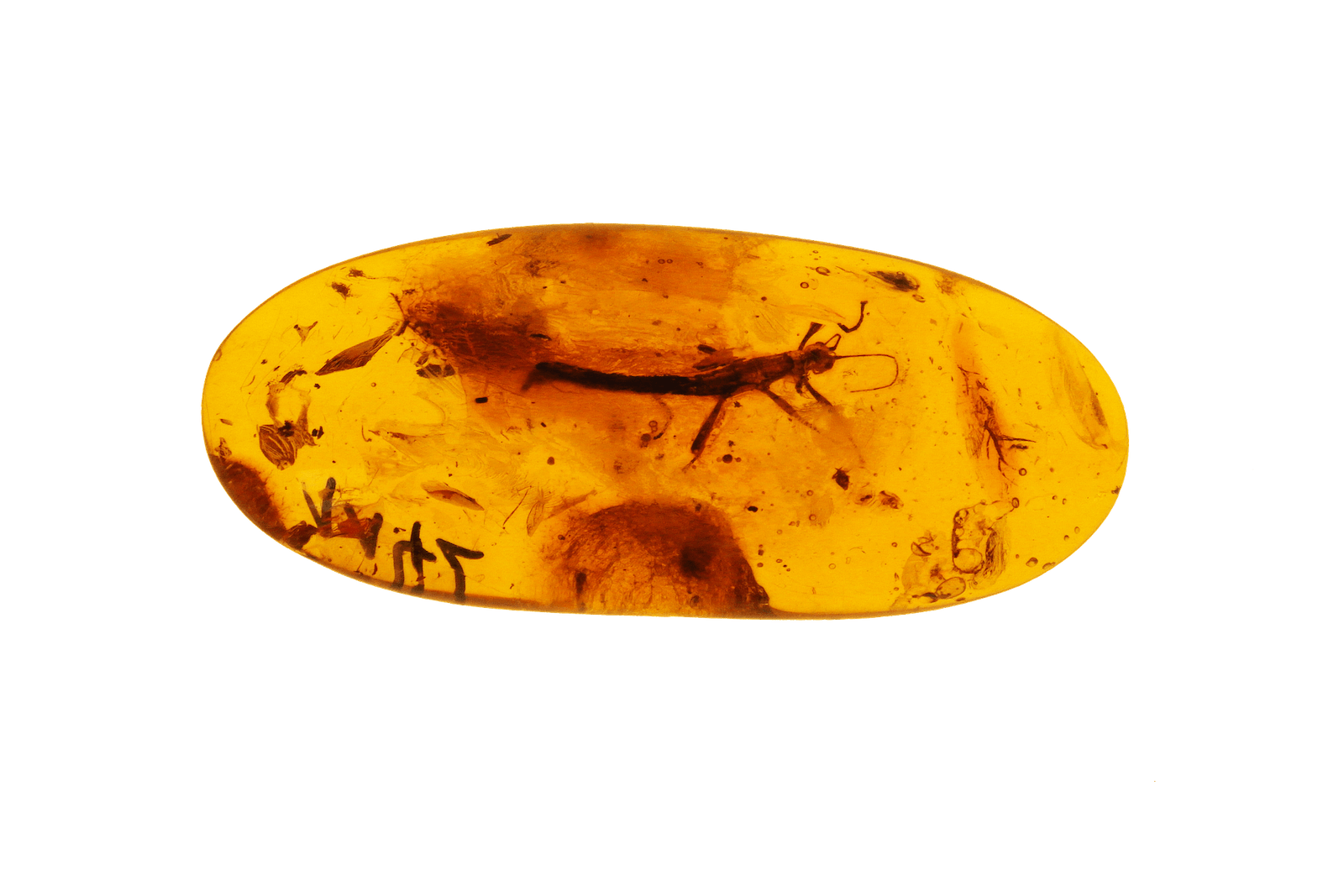
Dominican amber is fossilised tree resin that can range from honey-coloured to rarer blue-toned specimens. A small polished pendant or silver-set piece is a distinctive gift. Ask whether it is natural, treated or reconstituted.
Amber is often sold in shades of honey, yellow and brown, sometimes with natural inclusions. Dominican blue amber is prized for its appearance under certain lighting. The amber trade is associated with Puerto Plata, where visitors can also learn about the material in museums.
Compare several reputable jewelry shops. Ask about treatments and authenticity, especially for unusual colours or pieces with inclusions.
19. Coconut-shell jewelry

Bracelets, earrings and decorative accessories made from finished coconut shells are lightweight gifts. Choose pieces made by local artisans and avoid jewelry containing unidentified marine animal parts.
Artisans can turn cleaned and polished coconut shell into lightweight beads, pendants, bracelets and earrings. The natural brown grain gives each piece a slightly different appearance. Small accessories are inexpensive and easy to carry.
Choose finished pieces from local craft stalls and inspect clasps and smooth edges.
20. Wooden crafts
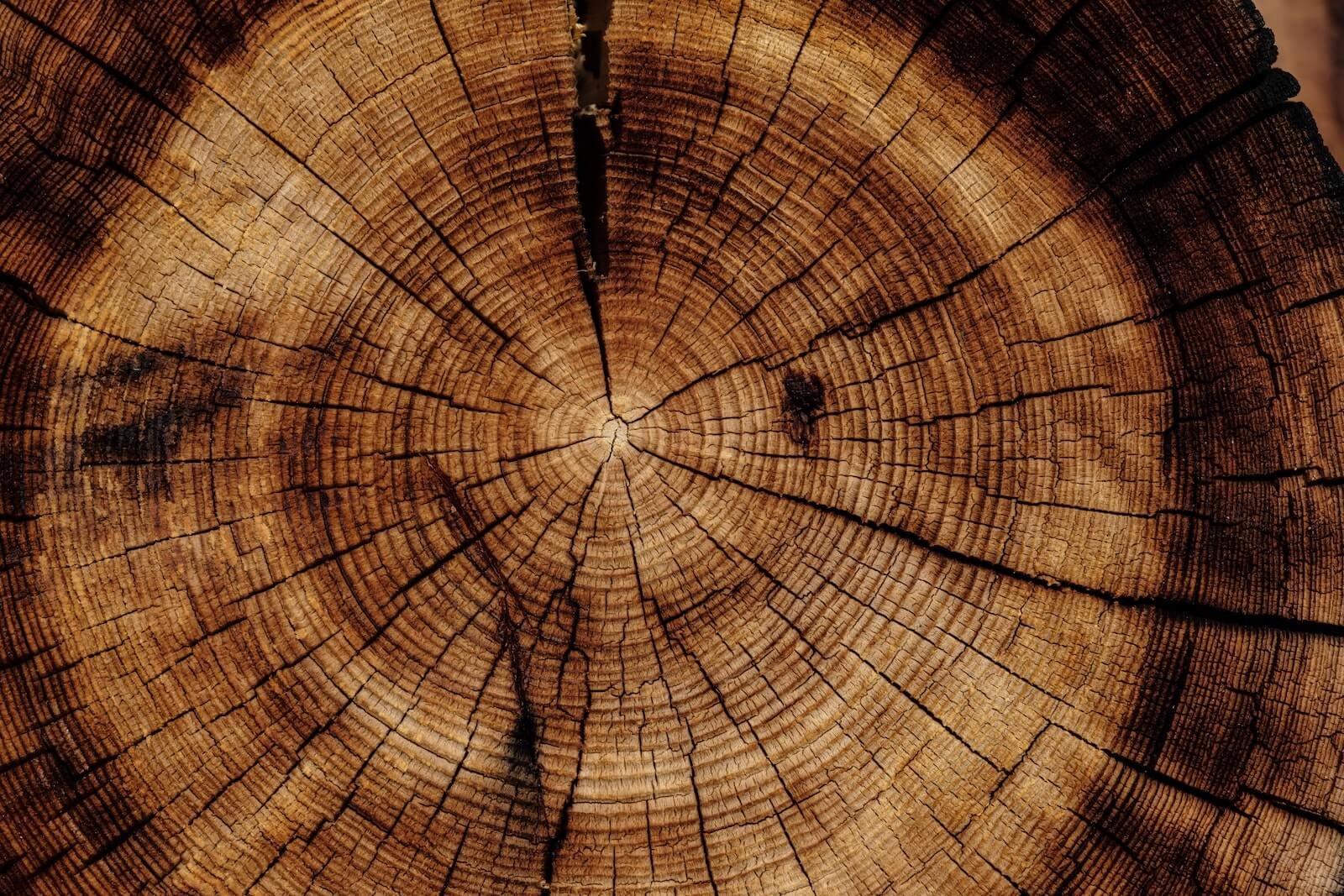
Look for wooden figurines, boxes and contemporary Taíno-inspired designs made from documented legal materials. Purchase finished crafts from local makers and retain receipts for valuable items.
Hand-carved bowls, figurines, boxes and decorative panels can reflect local craftsmanship and Caribbean imagery. Modern Taíno-inspired carvings are also available from artisan shops. The time spent carving and finishing a piece helps explain variations in price.
Ask the maker what wood was used and choose legally sourced, finished items. Small pieces are easier to pack and less prone to damage.
Where to buy souvenirs in the Dominican Republic
Santo Domingo: Browse the galleries and shops of the Colonial City for local art, dolls and jewelry. Supermarkets and specialty shops are good for coffee, cacao and rum.
Puerto Plata: Explore artisans around Parque Central and specialist shops for amber and jewelry.
Punta Cana and Bávaro: Resort shops and shopping villages are convenient. Compare prices at supermarkets and independent shops before buying.
Samaná and Las Terrenas: Visit local markets and craft stalls for cacao, coffee, handwoven baskets and jewelry.
The official Dominican tourism guide also highlights regional markets and galleries.
Customs and practical packing tips
Keep valuable jewelry receipts and choose sealed food products with labels. Pack bottles and fragile ceramics securely in checked luggage. Alcohol and tobacco allowances depend on your destination and transit countries. Check Dominican customs guidance and your home customs authority, such as US Customs for the United States. Avoid coral, protected wildlife products and archaeological objects.
Explore Dominican culture on a guided tour
A coffee, cacao or cultural tour can introduce you to local producers and traditional crafts.
Planning your trip? Explore Santo Domingo, Punta Cana and our Dominican Republic weather guide.
Frequently asked questions
What are the most authentic Dominican Republic souvenirs?
Larimar jewelry, amber, coffee, chocolate, mamajuana and faceless dolls are among the best-known local gifts.
What are the cheapest gifts?
Small packs of coffee, cacao, spices and simple crafts are good budget options.
Can I bargain for souvenirs?
Polite bargaining is common at some markets. Prices are normally fixed at supermarkets and brand stores.
Can I take rum and mamajuana on a plane?
Sealed bottles may travel in checked baggage subject to airline and destination rules. Confirm applicable alcohol limits before flying.
Where can I buy genuine larimar?
Choose established jewelry stores or artisans who can explain the origin of the stone and offer a receipt.

Konstantin is an acclaimed travel writer, celebrated for transforming ordinary journeys into extraordinary narratives. With years of experience exploring diverse destinations across the globe, his work blends vivid storytelling, cultural insights, and practical advice to inspire wanderlust and guide readers toward unforgettable adventures.
As a key contributor to enjoythetrip.org website, Konstantin has built a loyal readership through their expertise in uncovering both iconic landmarks and off-the-beaten-path treasures. He specializes in providing travelers with honest, actionable tips, whether it’s finding the best resorts in Maldives, exploring cultural hubs like Paris, or diving into the natural wonders of Croatia.