
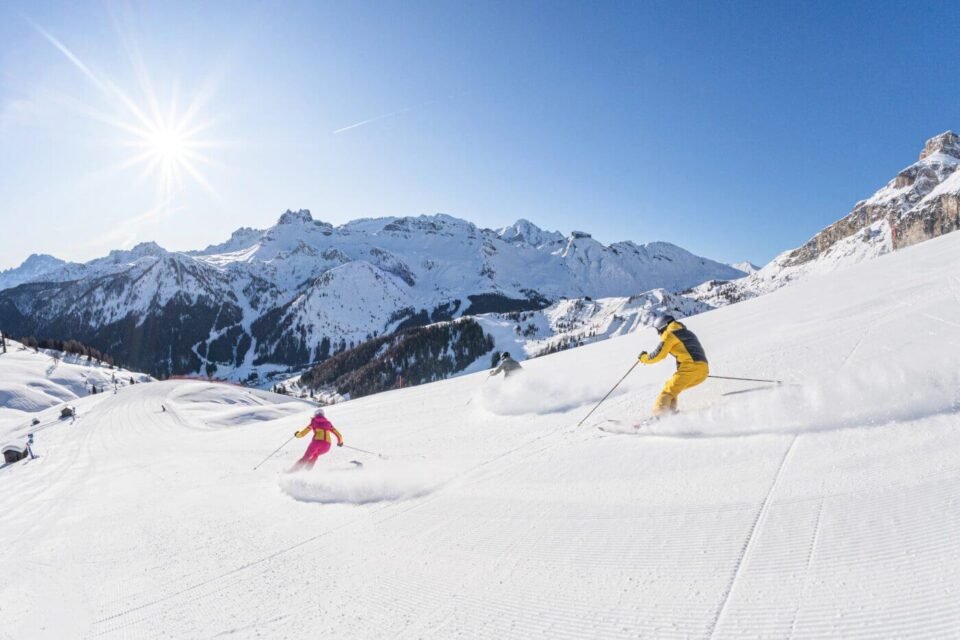
Dolomiti Superski is the world’s largest system of ski resorts with a single ski pass, uniting 12 ski areas, about 450 lifts and approximately 1,200 km of slopes in the Dolomites in northern Italy.
What does the Dolomiti Superski single ski pass offer, and who does it really benefit?
One pass allows you to ski in different valleys and resorts without the need to buy separate ski passes. This is especially convenient for active skiers, those who plan to change skiing regions, and for routes like Sellaronda, which connects several Dolomite regions.
For detailed information about how to get to Sella Ronda from Alta Badia and return, read the separate article.
What is Dolomiti Superski?
A brief overview of the Dolomiti Superski system.
Dolomiti Superski is a unified network of 12 ski areas, each of which is an independent ski region with its own slopes, lifts, and resorts. At the same time, a single ski pass is valid throughout the entire system and allows you to move freely between the areas during the validity period.
Why Dolomiti Superski is considered the largest ski area in the world.
In terms of scale, Dolomiti Superski surpasses most Alpine regions: more than 1,200 km of groomed slopes, about 450 lifts, and dozens of resorts distributed across different valleys. This geography makes the system especially interesting for those who want to see different regions of the Dolomites in a single trip, rather than being limited to just one valley.
Dolomiti Superski ski areas and resorts
How many ski areas are included in Dolomiti Superski?
The system includes 12 ski areas, each with its own character, difficulty level, and resort atmosphere. It is important to note that the regions are distributed across valleys: not all areas are directly connected, and sometimes a short transfer will be required to change location.
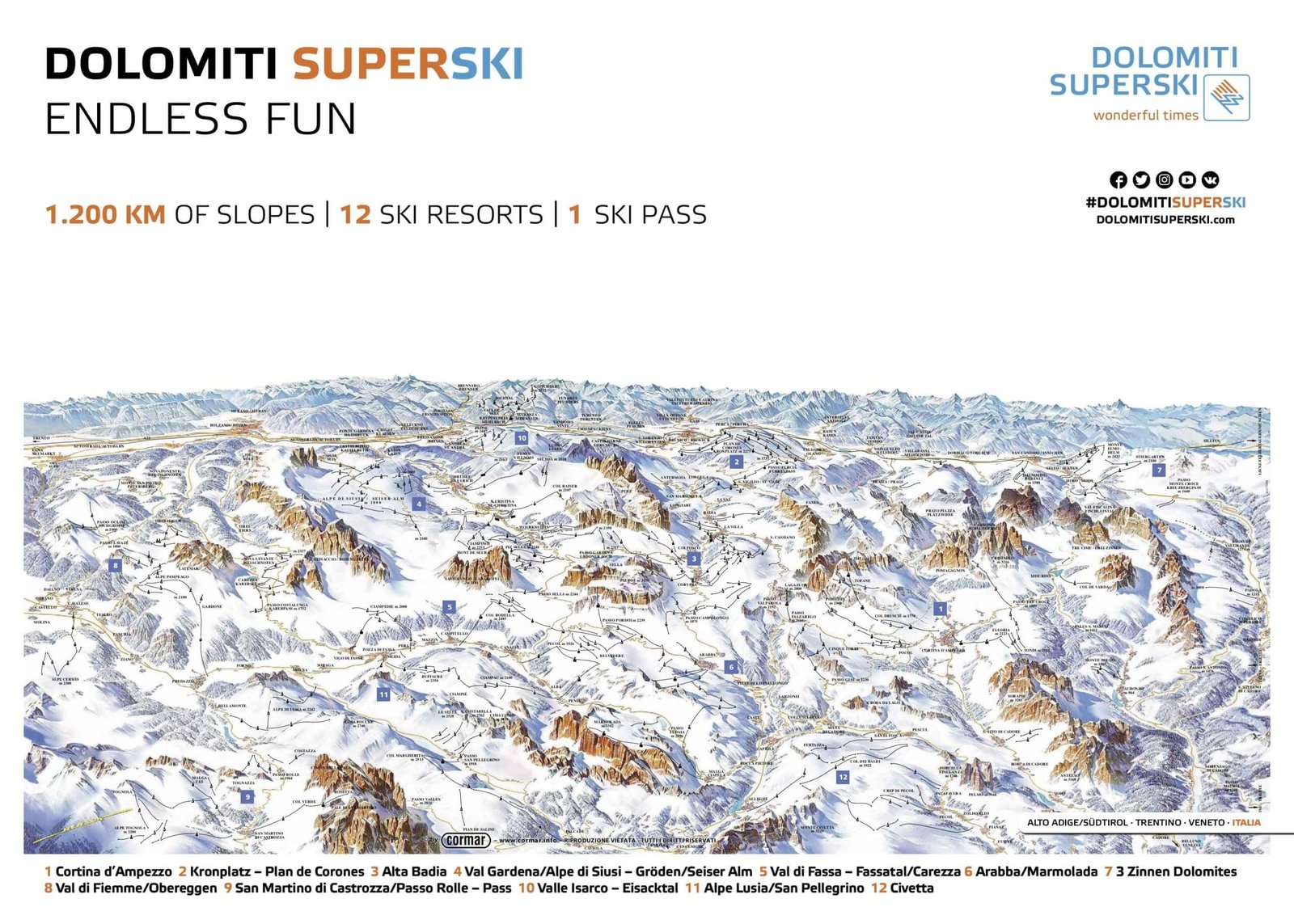
The main regions of Dolomiti Superski
Among the most popular areas that tourists most often choose are:
- Val Gardena is a versatile region with a well-developed infrastructure, a wide selection of medium- and high-level slopes, and direct access to the Sellaronda route.
- Alta Badia — a comfortable skiing area with wide, well‑maintained slopes, ideal for relaxed skiing, family holidays and a measured pace.
- Cortina d’Ampezzo is a prestigious Alpine resort with long, panoramic descents and the status of one of Italy’s most famous ski destinations.
- Val di Fassa is a diverse region with convenient connections between the valleys and the opportunity to combine skiing in several areas at once.
- Kronplatz (Plan de Corones) is one of the most modern regions in the system, known for its fast lifts and wide slopes suitable for skiers of any level.
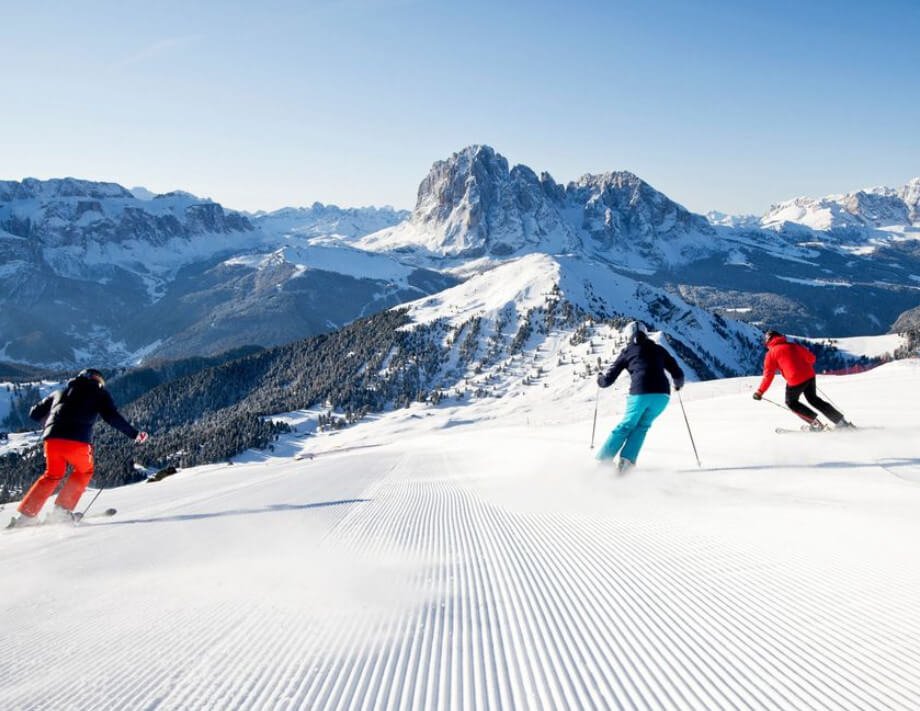
Dolomiti Superski slopes and lifts
Total length of trails
The total length of the trails in the system exceeds 1,200 km. Most trails are regularly updated and maintained in good condition throughout the winter season.Types of trails: for beginners, intermediate, and experienced users.
The slopes at Dolomiti Superski are distributed by difficulty level as follows:
- Blue runs (for beginners) — about 360 km. These are wide and relatively gentle slopes, suitable for learning and gentle skiing. The largest number of such runs are concentrated in the Alta Badia and Kronplatz regions, as well as in the lower sections of large areas near resorts and ski schools.
- Red slopes (intermediate level) — about 720 km. This is the foundation of skiing: long slopes with varied terrain, often with panoramic views. Most red routes are located in Val Gardena, Val di Fassa, Cortina d’Ampezzo, and on the slopes of the Sellaronda route.
- Black runs (for experienced skiers) — about 120 km. These are technically challenging and steeper descents, designed for confident skiers. The most famous black runs are located in the Kronplatz, Val Gardena, and Cortina d’Ampezzo regions.
The system operates approximately 450 lifts, including gondola cable cars, modern chairlifts (including those with protective covers and heating), as well as tug lifts and training lifts. Within each ski area, the lifts are well connected to each other, which allows for movement without long transfers. Ski connections or short transfers are provided between individual regions, which is especially convenient for long routes.
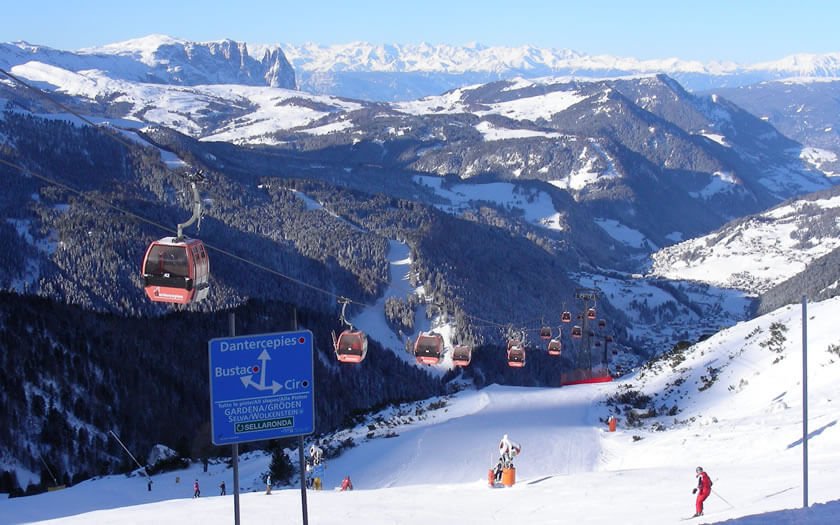
Dolomiti Superski Map
How to read the map of ski areas
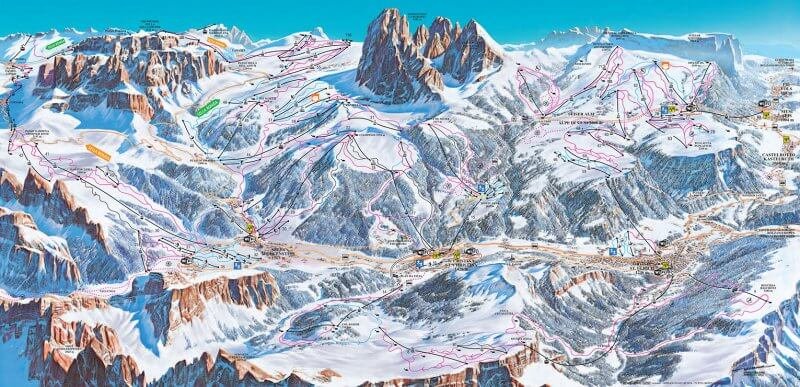
The official Dolomiti Superski map shows the entire system: individual ski areas are highlighted in different colors, the slopes are marked with standard color codes (blue, red, black), the lifts are indicated by symbols depending on their type, and the Sellaronda routes and the main connections between the regions are also shown separately.
Where to download the official road map
Official maps of the ski areas are available in digital format on the Dolomiti Superski website: download the Dolomiti Superski trail map.
Prices for Dolomiti Superski
The cost of Dolomiti Superski for 1 day.
A one‑day Dolomiti Superski ski pass costs on average around 80–85 € for adults during the high season.Price table for 3 / 6 / 7 days
| Term | Adult | Senior | Junior | Kid |
|---|---|---|---|---|
| 3 days | 248 € | 223 € | 173 € | 124 € |
| 6 days | 436 € | 392 € | 305 € | 218 € |
| 7 days | 462 € | 416 € | 323 € | 231 € |
Children and family rates
| Category | Conditions |
|---|---|
| Children under 8 years of age | Free with the purchase of an adult (subject to program terms and conditions) |
| Teens | Reduced price for the Junior rate |
| Family rates | There are special programs for families |
If you’re unsure which option is more advantageous for your trip, check out the detailed comparison with prices, ski areas, and real‑life scenarios — which ski pass to choose: Alta Badia or Dolomiti Superski.
Where and how to buy Dolomiti Superski
Purchase online on the official website
You can buy a ski pass online in advance, which is convenient for planning your trip and helps you avoid queues at the resorts.
Purchasing at resorts and in ticket offices
The ski pass is sold at the ticket offices of all Dolomiti Superski ski areas. The prices are the same throughout the system.
Do I need a card or a deposit
A plastic card is used to use the ski pass. In some cases, a fee of about 5 € may be charged when issuing a new card.
Dolomiti Superski and Sellaronda
The Sellaronda route is fully included in the Dolomiti Superski system and is accessible with this ski pass without restrictions. You can find a detailed analysis of the route, directions, and practical nuances of navigating Sellaronda in a separate article: Sellaronda: route, how to get there, and useful tips.
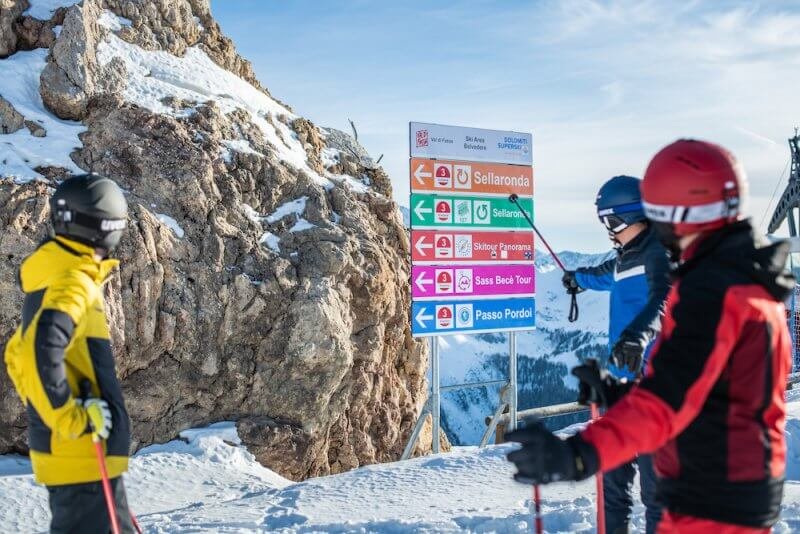
Who benefits from Dolomiti Superski?
Dolomiti Superski is especially advantageous if you:
- do you plan to ride every day;
- Do you want to change the riding zones during the trip?
- Going to take the Sellaronda route;
- do you prefer long panoramic trails;
- You’re traveling with a group that has different skill levels.
Dolomiti Superski or a local ski pass
The choice between Dolomiti Superski and a local ski pass depends on the type of skiing you prefer.
When is Dolomiti Superski beneficial?
- Do you plan to change the ski areas during the trip?
- Would you like to take the Sellaronda route;
- You ride every day and actively;
- Long panoramic routes are more interesting than just a single slope.
When is it better to choose a local ski pass?
- You live and ski in the same valley.
- Don’t plan to move between regions;
- You ride moderately or only part of the days.
- You are traveling with beginners or children and using learning zones.
Brief conclusion
If you want to see the best of the Dolomites and enjoy active skiing, Dolomiti Superski is worth the price. If your goal is relaxed skiing in one area, a local ski pass will often be more practical and cheaper.
Useful tips and life hacks
- It’s better to spend the first day in one area to adapt.
- Plan your moves between regions for weekdays.
- Please note that the weather in different valleys can vary significantly.
- A single ski pass is most suitable for long routes, not for short trips.
- Use the official map and plan your route in advance so you don’t end up in a remote area at the end of the day.
Is Dolomiti Superski open in summer?
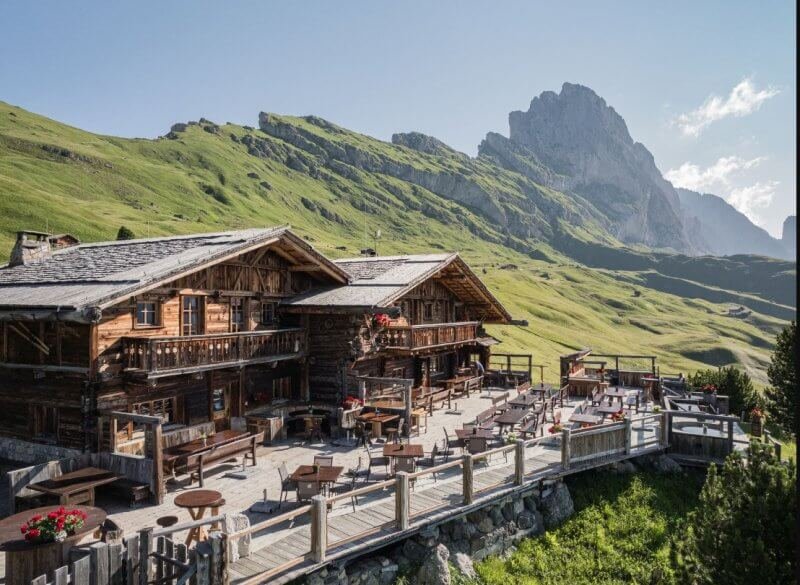
Key point: the winter Dolomiti Superski ski pass does not work as a single ski pass in summer, because it is a product designed for alpine skiing and snowboarding. However, in summer, Dolomiti Superski has a separate lift pass logic (lifts for hiking and cycling) — with separate tickets and rules.What exactly is open
- In winter, the entire “ski network” is operational (within the limits of the open lifts and the official season; the season dates are published in advance).
- In summer, only certain lifts are operational, and a separate Summer Lift Pass is sold (for example, a day pass for adults costs 65 € — this is no longer a ski pass, but a pass for the lifts in summer).
- In summer, the principle is simple: you check which lifts are open in the desired area and buy a summer ticket or pass according to the rules of the summer section.
Sella Ronda is a well‑known ski route in Europe
FAQ: Dolomiti Superski
What is Dolomiti Superski?
Dolomiti Superski is a single ski pass for 12 ski areas in the Dolomites, which provides access to approximately 450 lifts and about 1,200 km of slopes.
How many ski areas are included in Dolomiti Superski?
The Dolomiti Superski system includes 12 ski areas located in different valleys of the Dolomites.
How many kilometers of slopes are there in Dolomiti Superski?
The total length of the trails is approximately 1,200 km.
How many blue, red, and black runs are there?
The system includes approximately 360 km of blue trails, about 720 km of red trails, and about 120 km of black trails.
Is Sellaronda part of Dolomiti Superski?
Yes, the Sellaronda route is fully included in the Dolomiti Superski system and is accessible with this ski pass.
Is Dolomiti Superski suitable for beginners?
Yes, the region has many blue runs and training areas, but the price of a single ski pass isn’t always justified for beginners.
Does Dolomiti Superski operate in the summer?
The winter ski pass is not valid in summer. During the summer season, separate lift‑pass tickets for operating lifts are used according to the summer rules.

Konstantin is an acclaimed travel writer, celebrated for transforming ordinary journeys into extraordinary narratives. With years of experience exploring diverse destinations across the globe, his work blends vivid storytelling, cultural insights, and practical advice to inspire wanderlust and guide readers toward unforgettable adventures.
As a key contributor to enjoythetrip.org website, Konstantin has built a loyal readership through their expertise in uncovering both iconic landmarks and off-the-beaten-path treasures. He specializes in providing travelers with honest, actionable tips, whether it’s finding the best resorts in Maldives, exploring cultural hubs like Paris, or diving into the natural wonders of Croatia.