
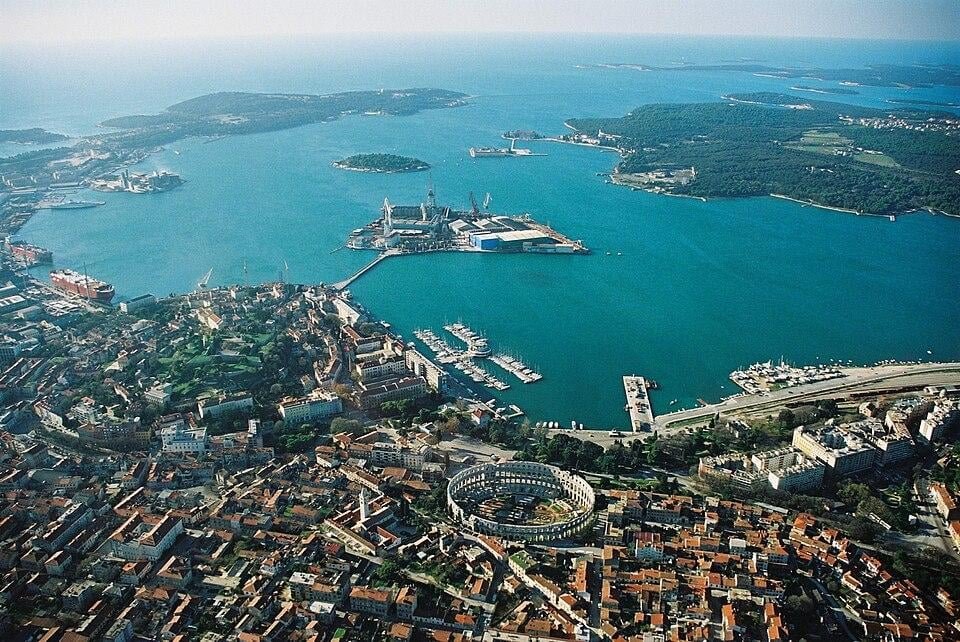
Istria, Croatia, is a peninsula on the northern Adriatic Sea where Roman monuments, picturesque coastal towns, hilltop villages and protected islands meet. The Croatian part of Istria offers an appealing alternative to the busiest Dalmatian resorts, particularly outside the summer high season. Discover seven places worth exploring and plan your holiday with this travel guide.
Why visit Istria?
Most of the peninsula lies in Croatia, with smaller areas in Slovenia and Italy. Its coastal towns display a long history of Mediterranean trade and cultural exchange, while inland villages are surrounded by olive groves, vineyards and forests. With relatively short distances between many attractions, Istria is well suited to a road trip. See the official Istria destination guide.
7 best places to visit in Istria
| Destination | Area | Highlights | Suggested stay |
|---|---|---|---|
| Pula | South | Roman monuments and harbour | 1–2 days |
| Rovinj | West coast | Colourful harbour and old town | 1–2 days |
| Motovun | Central Istria | Medieval hilltop and truffle country | Half day |
| Poreč | West coast | UNESCO basilica and waterfront | 1 day |
| Brijuni National Park | Off the southwest coast | Island scenery and archaeology | 1 day |
| Cape Kamenjak | Southern tip | Rocky coves and nature | Half to full day |
| Grožnjan | Northwest inland | Artists’ village and countryside | Half day |
1. Pula
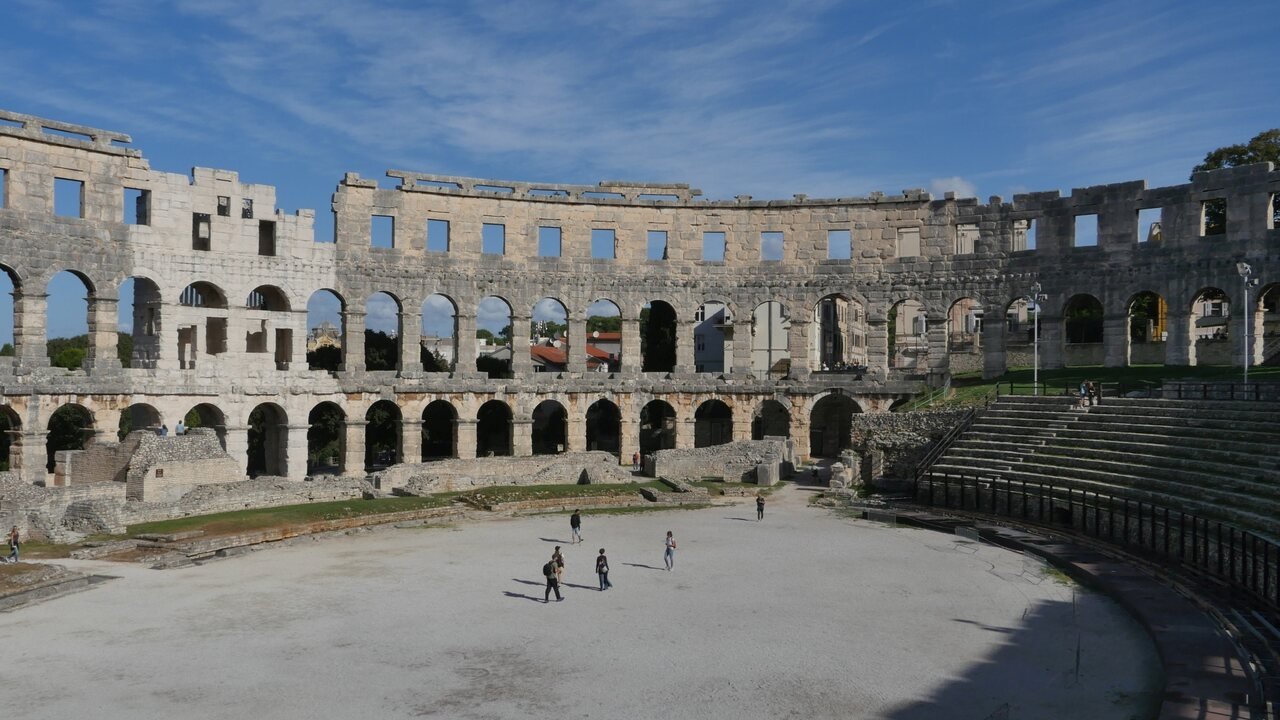
Pula is the principal city of southern Istria and a convenient introduction to its Roman heritage. The Arena, built during the Roman imperial period, is a remarkably preserved amphitheatre. Nearby are the Arch of the Sergii and the Temple of Augustus in the historic centre.
What to see and do: Visit the Arena in the morning, walk through the old streets and continue to the waterfront. For a longer stay, explore the beaches and coves near Verudela. Check attraction opening times and event schedules. Read our Pula travel guide for a more detailed itinerary.
Suggested time: 1–2 days.
2. Rovinj
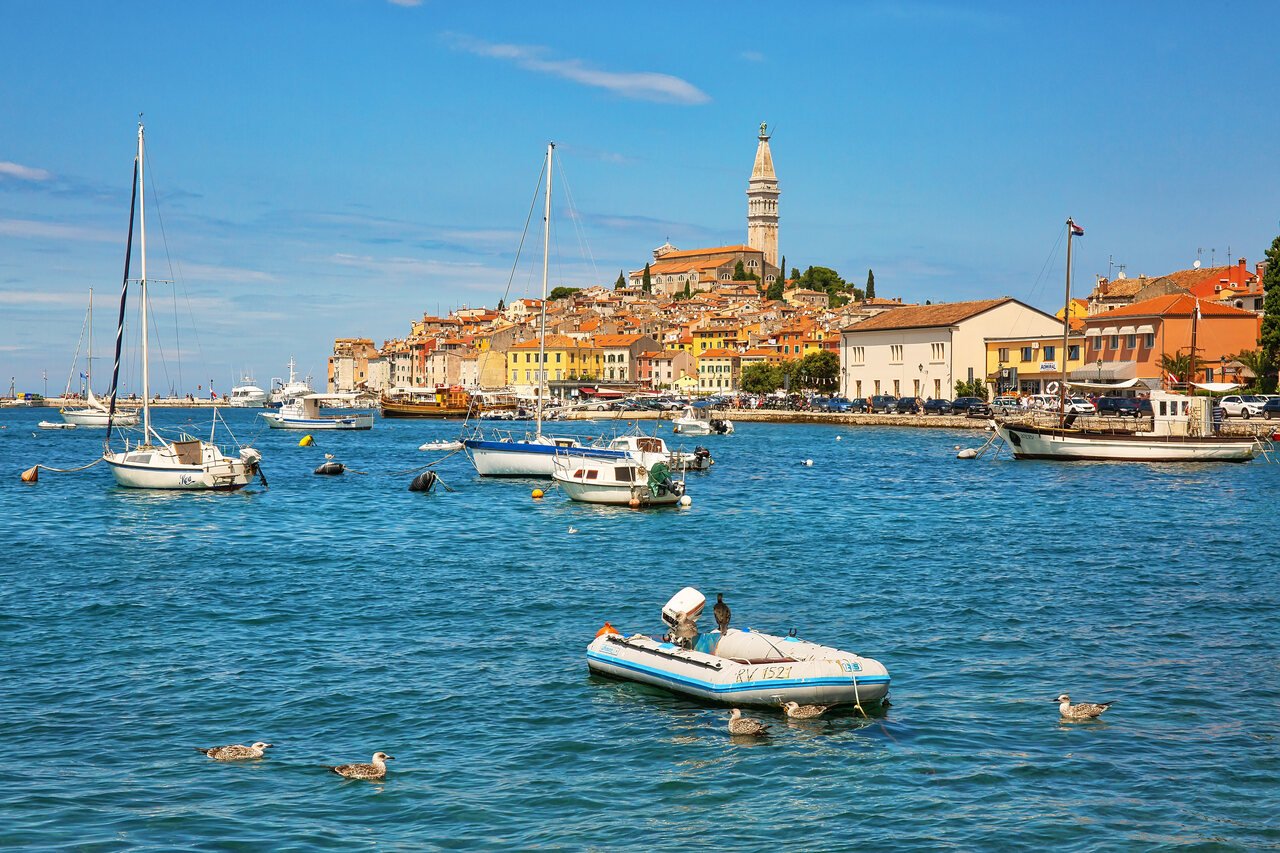
Rovinj’s old town occupies a compact promontory extending into the Adriatic. Its colourful waterfront and narrow stone lanes climb towards the Church of St Euphemia, whose bell tower dominates the skyline. The town’s Italian and Croatian heritage is reflected in its architecture and food.
What to see and do: Explore the harbour, Grisia Street and the church square, then walk towards the Golden Cape forest park (Zlatni Rt) for coastal paths and swimming spots. Visit early to avoid the busiest hours; the centre is largely pedestrian and parking is generally outside the old town.
Suggested time: 1–2 days.
3. Motovun
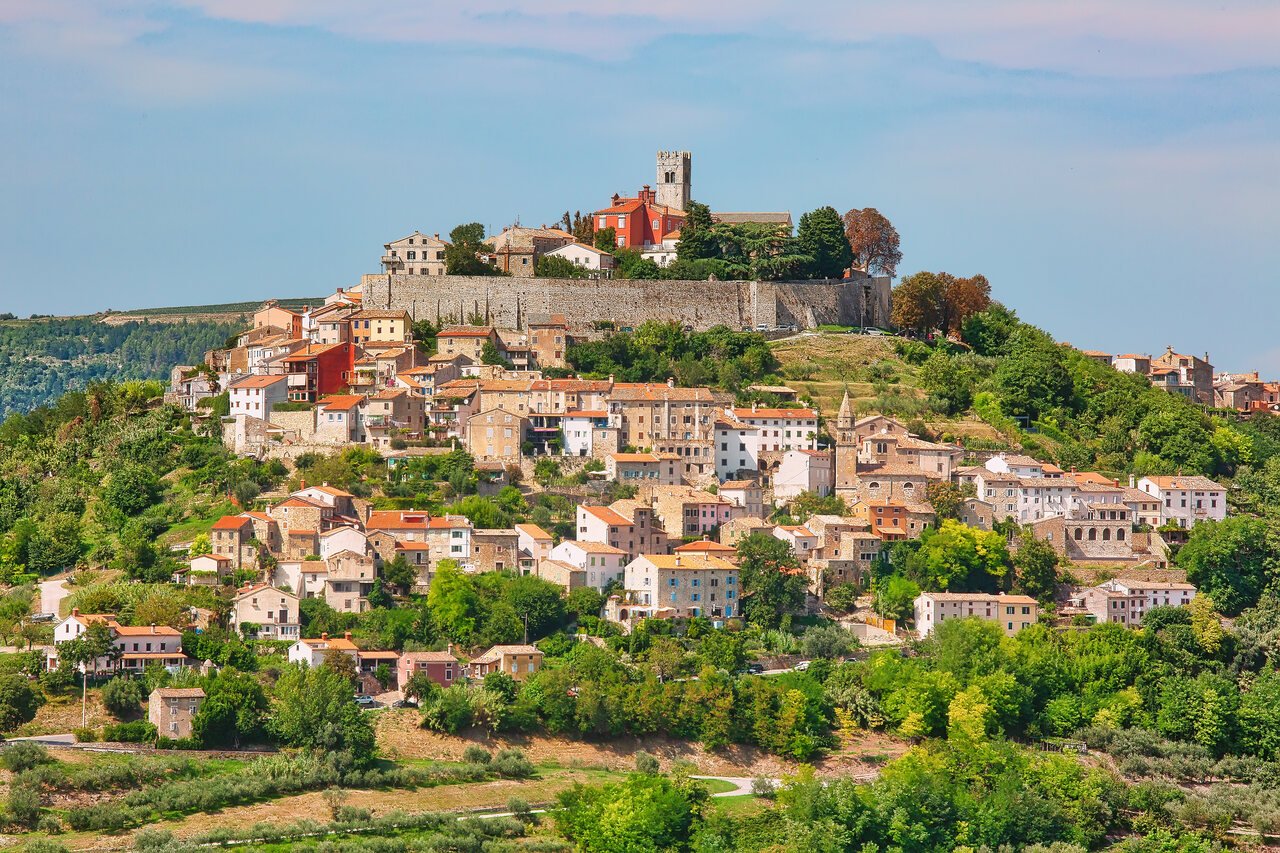
Motovun sits above the Mirna Valley, with vineyard-covered slopes and forest landscapes around the town. The historic walls and gates recall its medieval and Venetian past, while its small squares offer views across inland Istria.
What to see and do: Explore the town walls where accessible, sample local olive oil and try dishes featuring Istrian truffles. Allow a few hours, including a meal and photographs. Check parking arrangements before driving up, as access to the historic centre is limited.
Suggested time: Half day.
4. Poreč
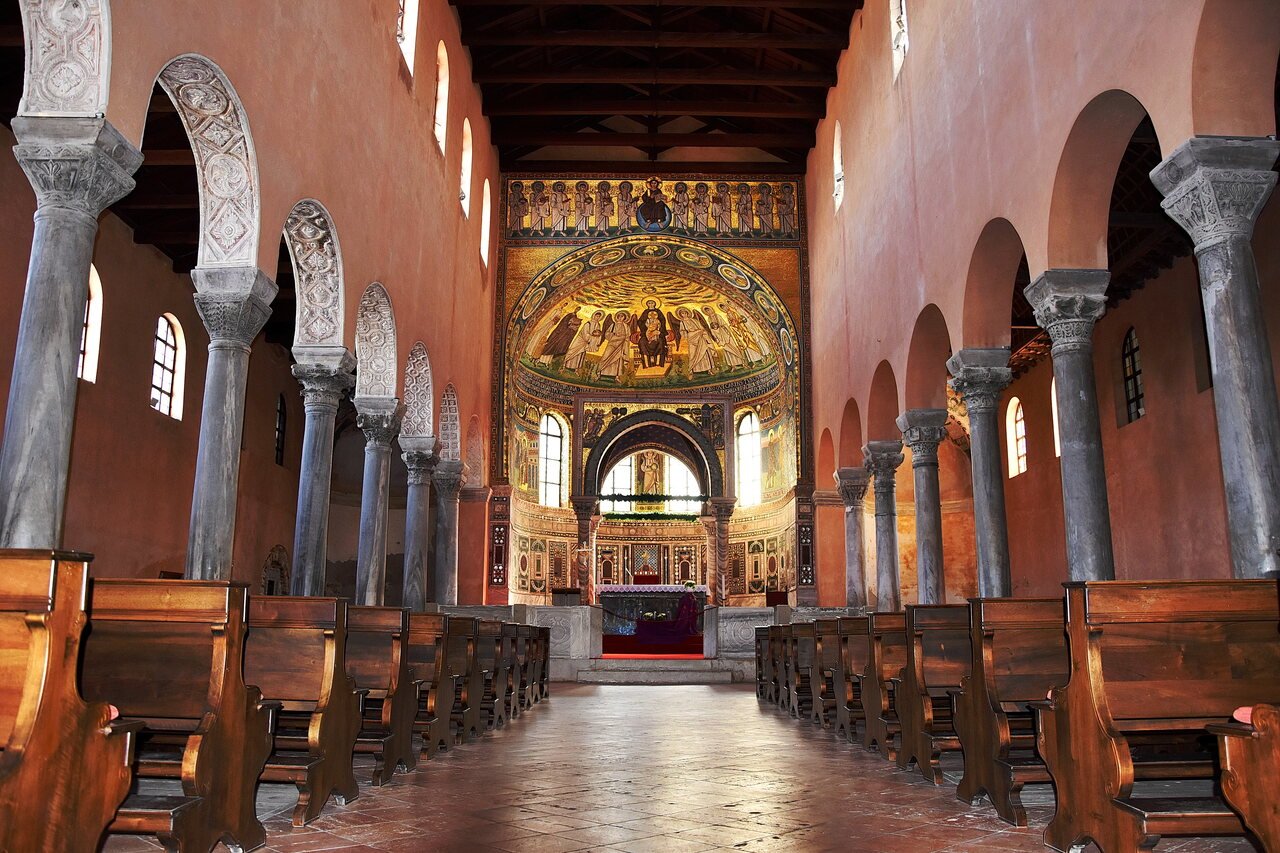
Poreč has a long history visible in the street plan of its historic peninsula. The best-known landmark is the sixth-century Euphrasian Basilica, part of a UNESCO World Heritage complex, particularly celebrated for its mosaics and early Christian architecture.
What to see and do: Allow time for the basilica, old town and a waterfront stroll. The surrounding resort areas have beaches and family facilities. Check church visiting hours and dress requirements before entering, and plan a relaxed afternoon by the sea.
Suggested time: 1 day.
5. Brijuni National Park
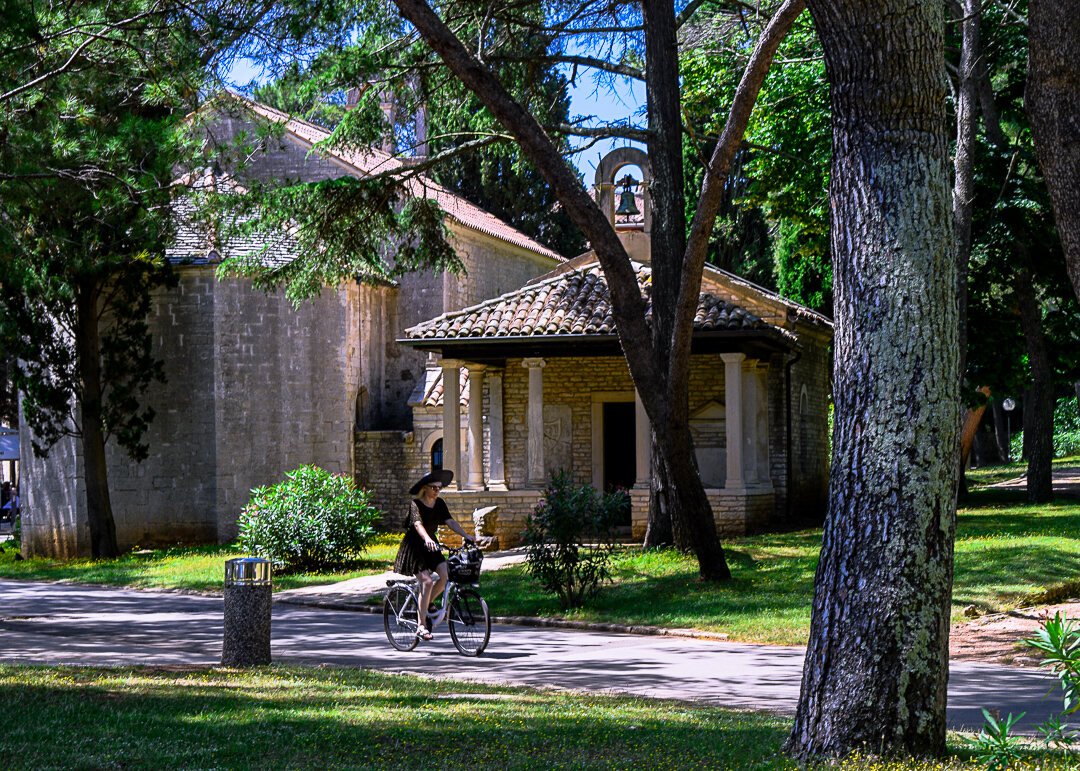
The Brijuni archipelago combines protected landscapes, archaeological remains and a distinctive modern history. Veliki Brijun is the main island for organised visits, with coastal scenery, historic buildings and traces of Roman settlement.
What to see and do: Boats leave from Fažana near Pula. Reserve park admission and check the official transport information and boat schedule. Depending on your ticket, explore on a guided visit or use permitted routes and available rental options. Leave enough time for the return boat.
Suggested time: 1 day.
6. Cape Kamenjak
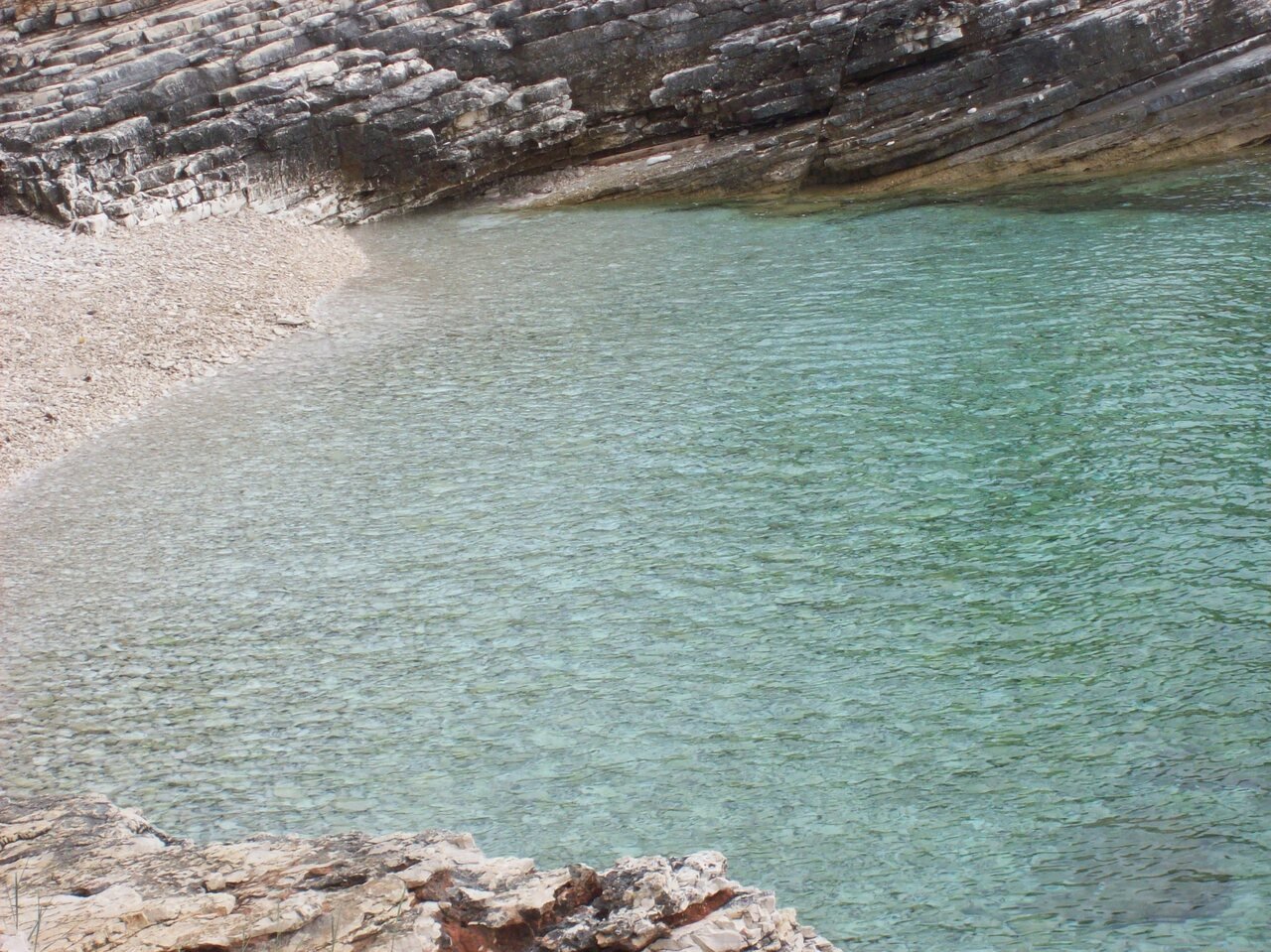
Cape Kamenjak, near Premantura, is a protected peninsula at the southern end of Istria. Its irregular coastline creates small bays, rocky shores and views over the surrounding islands. The inland paths cross Mediterranean vegetation and natural habitats.
What to see and do: Explore marked routes and choose a suitable beach according to sea conditions. Bring water, sun protection and shoes for rocky surfaces. Check the protected area’s official information for access rules, fees and seasonal restrictions.
Suggested time: Half to full day.
7. Grožnjan
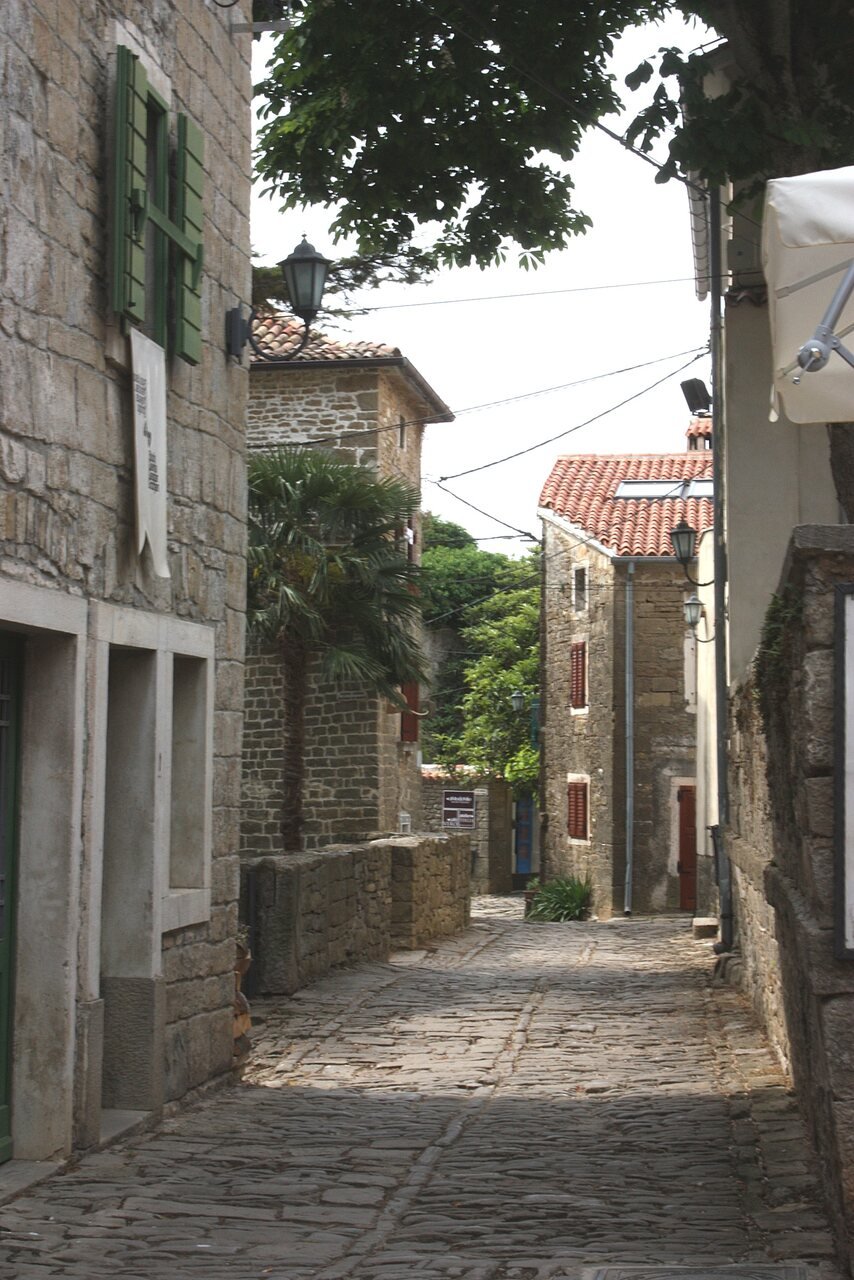
Grožnjan is a small hilltop settlement known for its stone buildings, artistic community and views over rolling countryside. Galleries, studios and music events give the village a different character from the coastal resorts.
What to see and do: Walk through the lanes, browse galleries when open and take time for the viewpoints. Combine it with Motovun or other nearby villages for a countryside day. Check seasonal event dates and restaurant hours, particularly outside summer.
Suggested time: Half day.
Map of Istria attractions
Find Pula, Rovinj, Motovun, Poreč, Brijuni National Park, Cape Kamenjak, Grožnjan on Google Maps.
Suggested five-day Istria itinerary
Day 1: Explore Pula’s Roman Arena and historic centre.
Day 2: Visit Cape Kamenjak or choose a beach near Pula depending on the weather.
Day 3: Take the boat from Fažana to Brijuni and spend the evening in Rovinj.
Day 4: Explore Rovinj and Poreč, allowing time for both old towns.
Day 5: Discover Motovun and Grožnjan and enjoy the local cuisine.
What to eat in Istria
Istria has a strong culinary tradition combining coastal seafood and inland produce. Look for fuži or pljukanci pasta, local truffles, Istrian prosciutto, olive oil and seasonal seafood. The region also produces Malvazija Istarska white wine and Teran red wine. Explore food markets and family-run restaurants in both coastal towns and the countryside.
Best time to visit and how to get around
May, June and September are attractive for a mixture of coast and cultural sightseeing. July and August are warmer and busier, particularly in Rovinj and the popular resorts. Outside summer, check seasonal boat services, restaurants and attraction opening hours. Pula Airport serves the peninsula, and road connections from Slovenia and Italy provide other arrival options. A rental car is particularly useful for the inland villages; buses connect many larger towns.
Where to stay and book tours
Choose Rovinj for a romantic coastal base, Pula for attractions and southern beaches, Poreč for family resort facilities or Motovun for a countryside stay. Compare Rovinj hotels on Trip.com and browse Istria guided tours and excursions on GetYourGuide.
Planning a trip to Istria and the rest of Croatia? Use these 14 golden tips for a cheap holiday in Croatia and see Cavtat, Europe’s most elegant coastal resort. Official Istria planning starts at Istra.hr.
Frequently asked questions
How many days should you spend in Istria?
Five days cover many coastal towns and inland villages. A week allows more beach time and a visit to Brijuni.
Is Istria less crowded than Dalmatia?
Some inland villages and smaller coastal places are quieter, particularly in shoulder season. Major Istrian resorts can still be busy in summer.
Where are the best beaches in Istria?
Cape Kamenjak, the Rovinj coast and areas around Pula and Poreč offer varied beach settings. Many are pebble or rocky rather than sandy.
Can you visit Istria without a car?
Yes, particularly if staying in larger coastal towns. A guided tour or car is useful for rural attractions.
Where is Golden Cape?
Zlatni Rt, or Golden Cape, is a forest park near Rovinj. The similarly named Zlatni Rat beach is on Brač island in Dalmatia.

Konstantin is an acclaimed travel writer, celebrated for transforming ordinary journeys into extraordinary narratives. With years of experience exploring diverse destinations across the globe, his work blends vivid storytelling, cultural insights, and practical advice to inspire wanderlust and guide readers toward unforgettable adventures.
As a key contributor to enjoythetrip.org website, Konstantin has built a loyal readership through their expertise in uncovering both iconic landmarks and off-the-beaten-path treasures. He specializes in providing travelers with honest, actionable tips, whether it’s finding the best resorts in Maldives, exploring cultural hubs like Paris, or diving into the natural wonders of Croatia.