
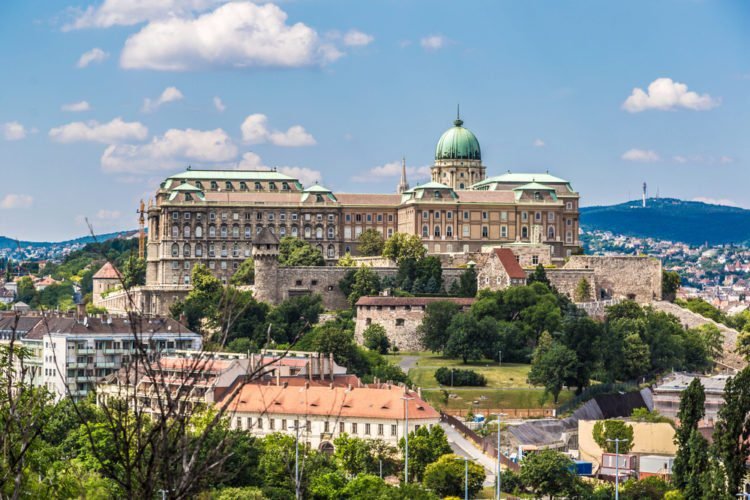
Looking for the best museums in Budapest? On the banks of the Danube, Hungary’s capital blends centuries of history with world-class art, archaeology and imaginative museums for families. Buda, Pest and Óbuda united in 1873, and the city’s museums reflect its rich cultural heritage.
This guide brings together 20 museums and exhibition venues in Budapest, from the grand collections at Heroes’ Square to historic sites in the Castle District. You will find each museum’s address, suggested visit duration, official ticket information and practical tips. There is also a bonus day-trip idea to Szentendre.
Best museums in Budapest at a glance
| Museum | Best for | Time to allow |
|---|---|---|
| 1. Hungarian National Museum | History and archaeology | 1.5–2 hours |
| 2. Hungarian Natural History Museum | Nature and families | 1.5–2 hours |
| 3. Museum of Ethnography | World cultures and architecture | 1.5–2 hours |
| 4. House of Houdini | Magic and families | 45–60 minutes |
| 5. Hungarian Railway History Park | Trains and families | 2–3 hours |
| 6. Hungarian National Gallery | Hungarian art | 2–3 hours |
| 7. Museum of Applied Arts – György Ráth Villa | Art Nouveau and design | 1–1.5 hours |
| 8. Hungarian Jewish Museum and Archives | Jewish heritage | 1.5–2 hours |
| 9. Aquincum Museum and Archaeological Park | Roman history | 1.5–2.5 hours |
| 10. House of Terror | 20th-century history | 1.5–2 hours |
| 11. Museum of Military History | Military history | 45–90 minutes if open |
| 12. Hospital in the Rock Museum | Wartime history | 1 hour |
| 13. Műcsarnok Exhibition Hall (Kunsthalle) | Contemporary art | 1–1.5 hours |
| 14. Museum of Fine Arts | European art and antiquities | 2–3 hours |
| 15. Palace of Wonders (Csopa) | Interactive science for families | 2–3 hours |
| 16. Budapest History Museum – Castle Museum | Budapest history | 1.5–2 hours |
| 17. Kiscell Museum | City history and art | 1–1.5 hours |
| 18. Ludwig Museum | Contemporary art | 1.5–2 hours |
| 19. Hungarian Agricultural Museum | Agriculture and architecture | 1–1.5 hours |
| 20. House of Music Hungary | Interactive music and architecture | 1.5–2 hours |
If you have only one day, choose the Museum of Fine Arts or the Hungarian National Gallery for art, the Hungarian National Museum for history, or the House of Music Hungary for an interactive experience.
Map of the 20 best museums in Budapest
Use this interactive map to plan your museum visits. Numbers match the list below. Tap a marker or select a museum to see its address and directions. Zoom in to explore the Castle District and City Park clusters.
Loading museum map…
Open individual museum locations in Google Maps
- 1. Hungarian National Museum
- 2. Hungarian Natural History Museum
- 3. Museum of Ethnography
- 4. House of Houdini
- 5. Hungarian Railway History Park
- 6. Hungarian National Gallery
- 7. Museum of Applied Arts – György Ráth Villa
- 8. Hungarian Jewish Museum and Archives
- 9. Aquincum Museum and Archaeological Park
- 10. House of Terror
- 11. Museum of Military History
- 12. Hospital in the Rock Museum
- 13. Műcsarnok Exhibition Hall (Kunsthalle)
- 14. Museum of Fine Arts
- 15. Palace of Wonders (Csopa)
- 16. Budapest History Museum – Castle Museum
- 17. Kiscell Museum
- 18. Ludwig Museum
- 19. Hungarian Agricultural Museum
- 20. House of Music Hungary
1. Hungarian National Museum
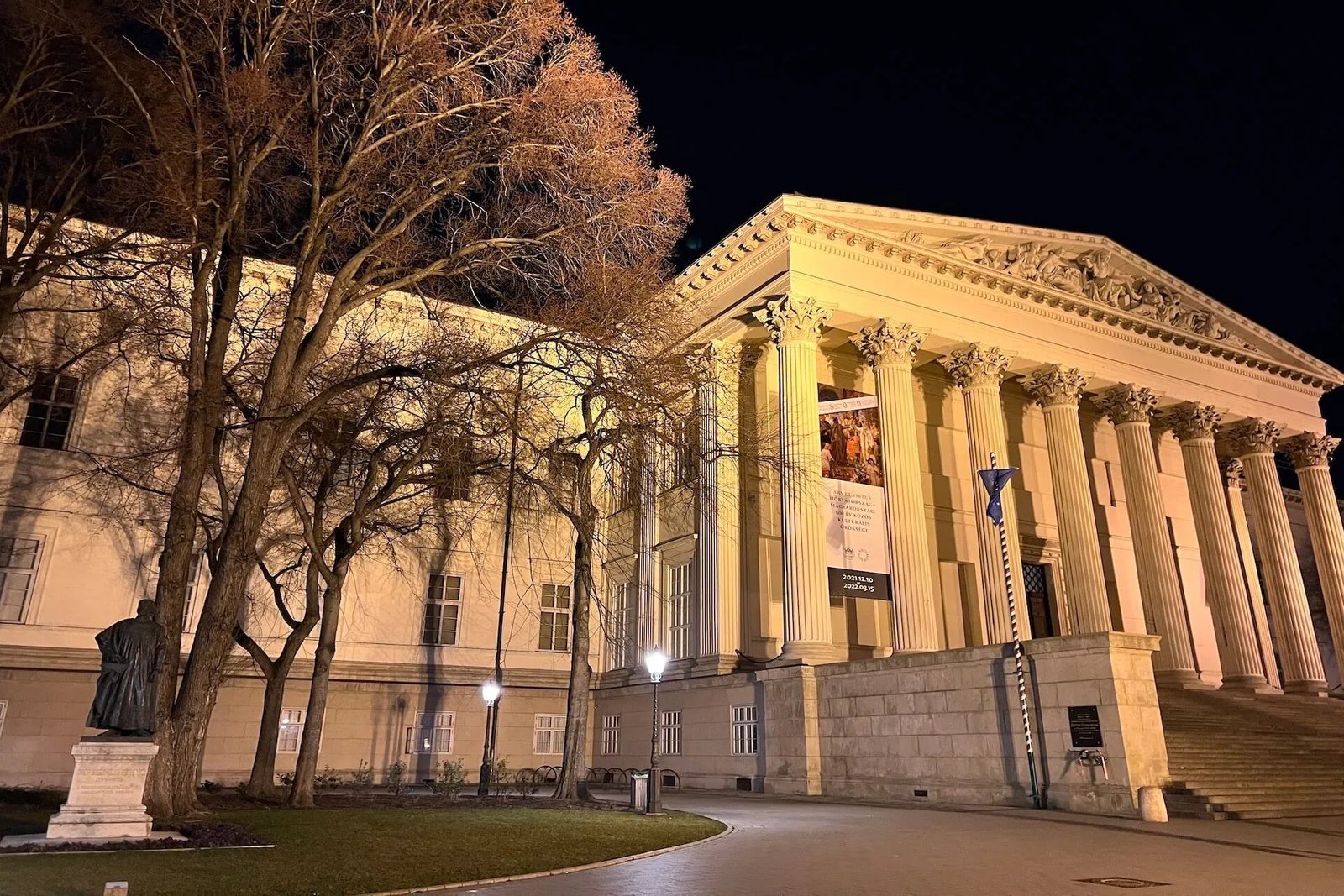
The history of one of Hungary’s largest museums dates back to 1802. Reformer and magnate Ferenc Széchényi, who decided to make his rich collection of historical artifacts accessible to the public, petitioned the emperor. Forty-five years later, a neoclassical building appeared a few hundred meters from the Danube on the old Pest side. The building itself is a cultural asset with a rectangular shape, a facade decorated with columns and an antique portico, and internal staircases adorned with statues by Raffaello Monti.
The museum traces Hungary’s history through archaeological finds, historical objects and works of art. The coronation mantle of 1031 is one of its most treasured artefacts, but its exhibition has been temporarily closed for renovations since December 2025. The Holy Crown of Hungary is kept at the Hungarian Parliament, not in the National Museum.
Address: Múzeum körút 14–16
Best for: History and archaeology
Suggested visit: 1.5–2 hours
Tickets and opening hours: Check the official visitor information.
Tip: Check which galleries are open before buying a ticket.
2. Hungarian Natural History Museum
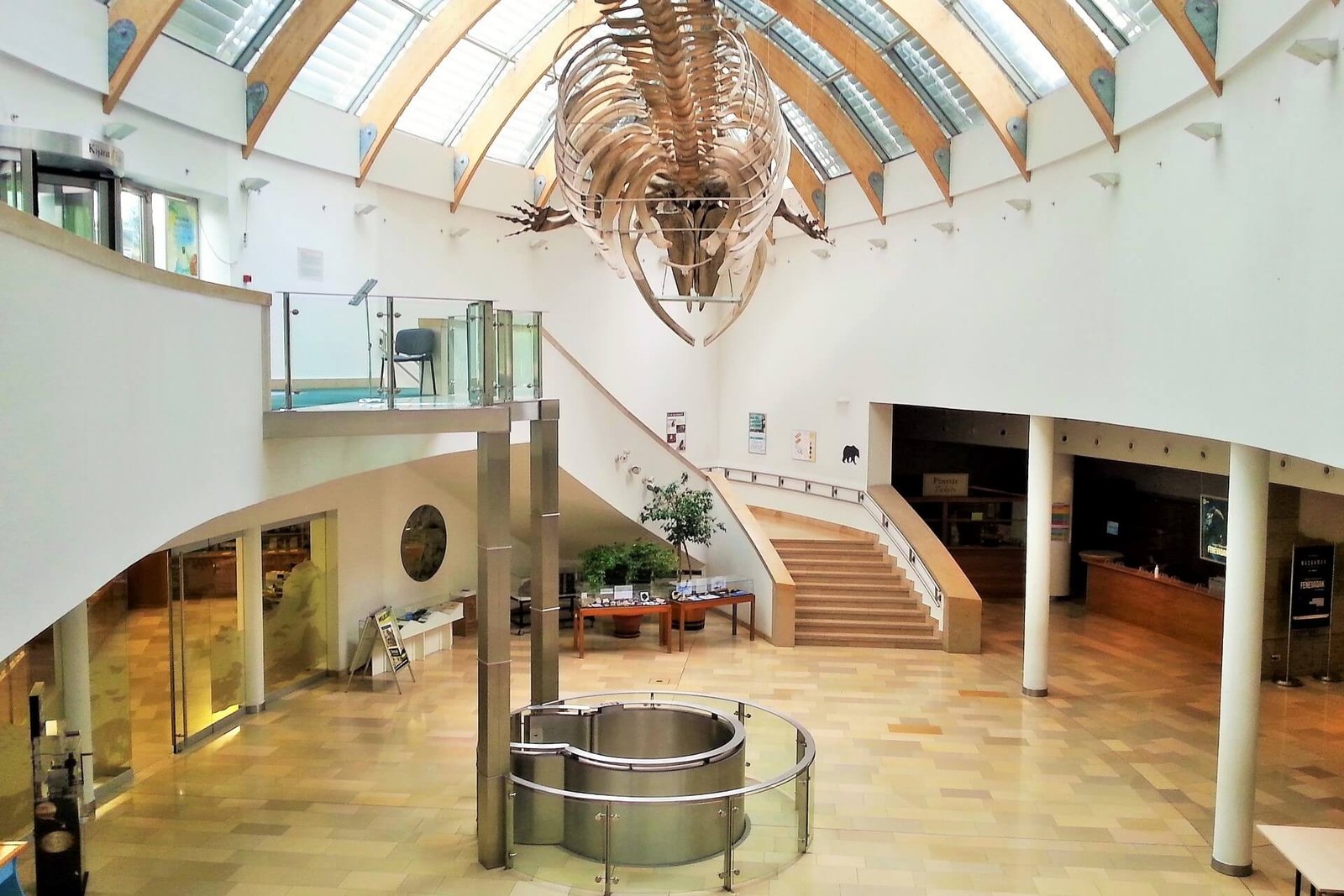
The exhibits here are a time capsule preserving information about the development of flora and fauna on our planet. Its history began in 1802 when Count Ferenc Széchényi donated his personal collection of books and coins to the public. Nine years later, the collection was enriched with paleontological treasures belonging to Austrian Archduke Joseph Reiner. The number of relics kept growing, reaching 48,000 items by 1848 and 1 million by the end of the 19th century.
Today, the exhibits housed in the Ludovika Academy building attract both adults and young visitors. The entire exhibition is divided into several zones: mineralogy, zoology, botany, paleontology, and anthropology. Young visitors will particularly enjoy the section displaying fossil remains of extinct giants like dinosaurs, mammoths, and saber-toothed tigers. Here, a life-size model of a caveman also draws crowds.
Address: Ludovika tér 2–6
Best for: Nature and families
Suggested visit: 1.5–2 hours
Tickets and opening hours: Check the official visitor information.
Tip: Check current exhibitions and family programmes.
3. Museum of Ethnography
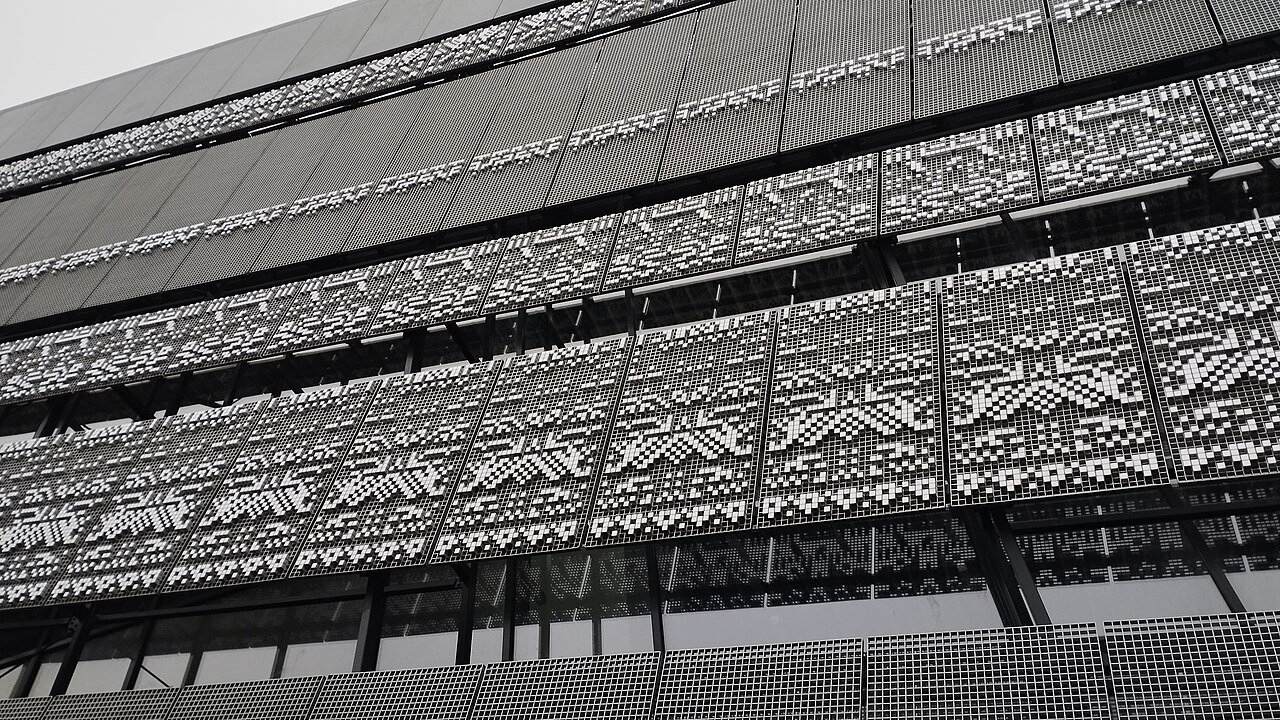
One of Europe’s major ethnographic museums moved from its former home near Parliament to a striking new building in City Park in 2022. The curved building integrates a landscaped roof with modern exhibition spaces.
The collection explores Hungarian traditions and cultures around the world through clothing, crafts, objects of daily life, photographs and ceramics. Allow at least two hours if you want to explore the exhibitions in depth.
Address: Dózsa György út 35
Best for: World cultures and architecture
Suggested visit: 1.5–2 hours
Tickets and opening hours: Check the official visitor information.
Tip: Closed Mondays; combine with City Park.
4. House of Houdini
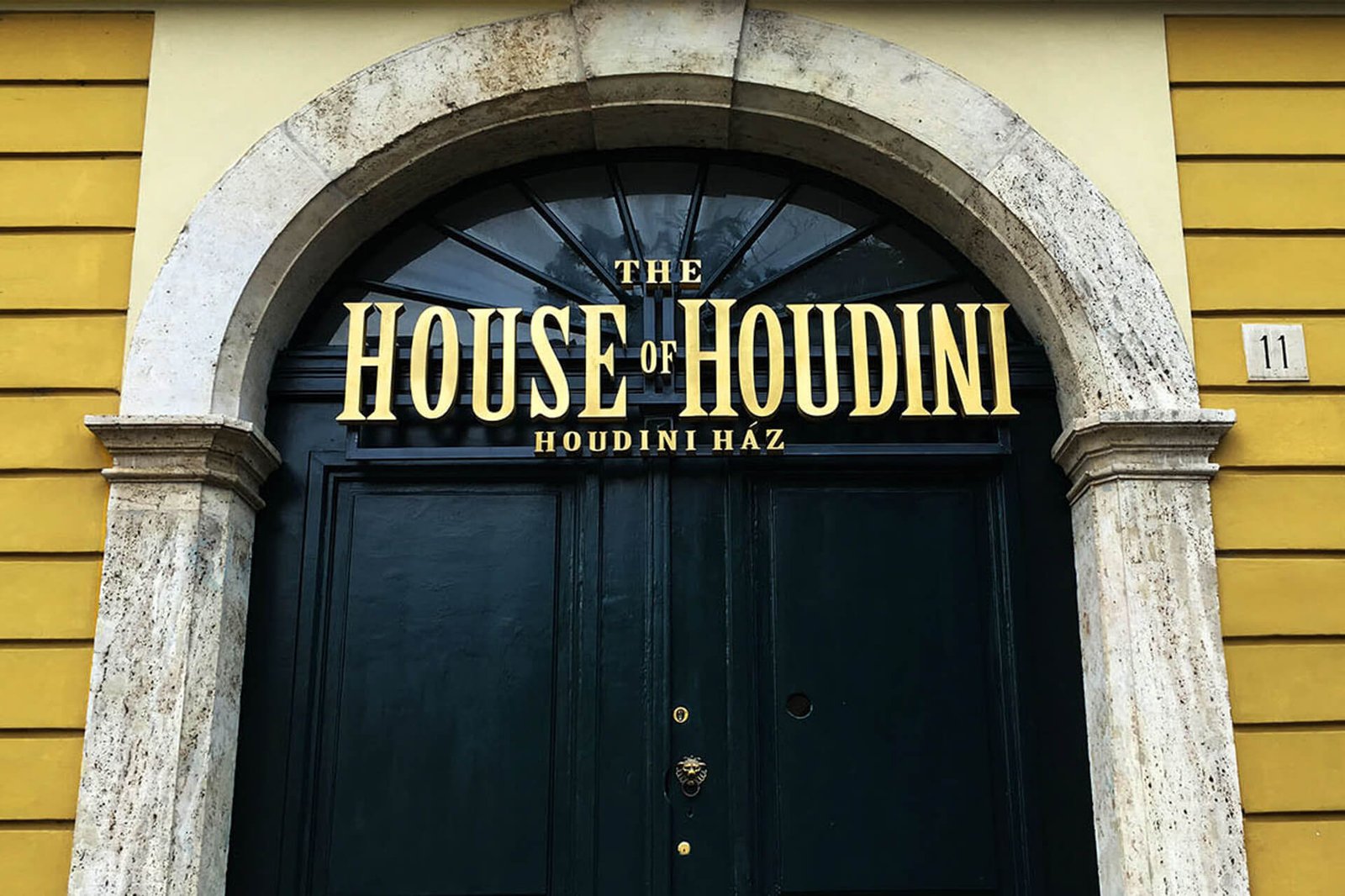
In the Castle District, the House of Houdini is a meeting place for fans of the magical art of illusion. Founded by performer David Merlini, it celebrates the life of Hungarian-born Harry Houdini (born Erik Weisz).
The collection features Houdini memorabilia and props associated with his legacy, including material from the Houdini film production. Guided visits and live magic performances make it a fun stop for families and curious adults.
Address: Dísz tér 11
Best for: Magic and families
Suggested visit: 45–60 minutes
Tickets and opening hours: Check the official visitor information.
Tip: Check available guided visit and live show times.
5. Hungarian Railway History Park

In 2000, an unusual railway museum opened in the northern depot of the Hungarian railway. Its collection is displayed outdoors, with all exhibits (including an old “Chaika” limousine) set on rails. The exhibits are mainly from the 19th and 20th centuries, and there are no ultramodern trains. Among the rarities, visitors will find a steam engine from 1870 and a dining car from the famous “Orient Express,” whose original service linked western Europe with Istanbul.
This entertaining center will surely interest young travelers. Curious visitors can ride a handcar or miniature steam train, “work” as a dispatcher on an interactive railway, explore the inner workings of a locomotive, and pull all the levers in the cab of a century-old train.
Address: Tatai út 95
Best for: Trains and families
Suggested visit: 2–3 hours
Tickets and opening hours: Check the official visitor information.
Tip: Outdoor park with seasonal opening; rides may cost extra.
6. Hungarian National Gallery
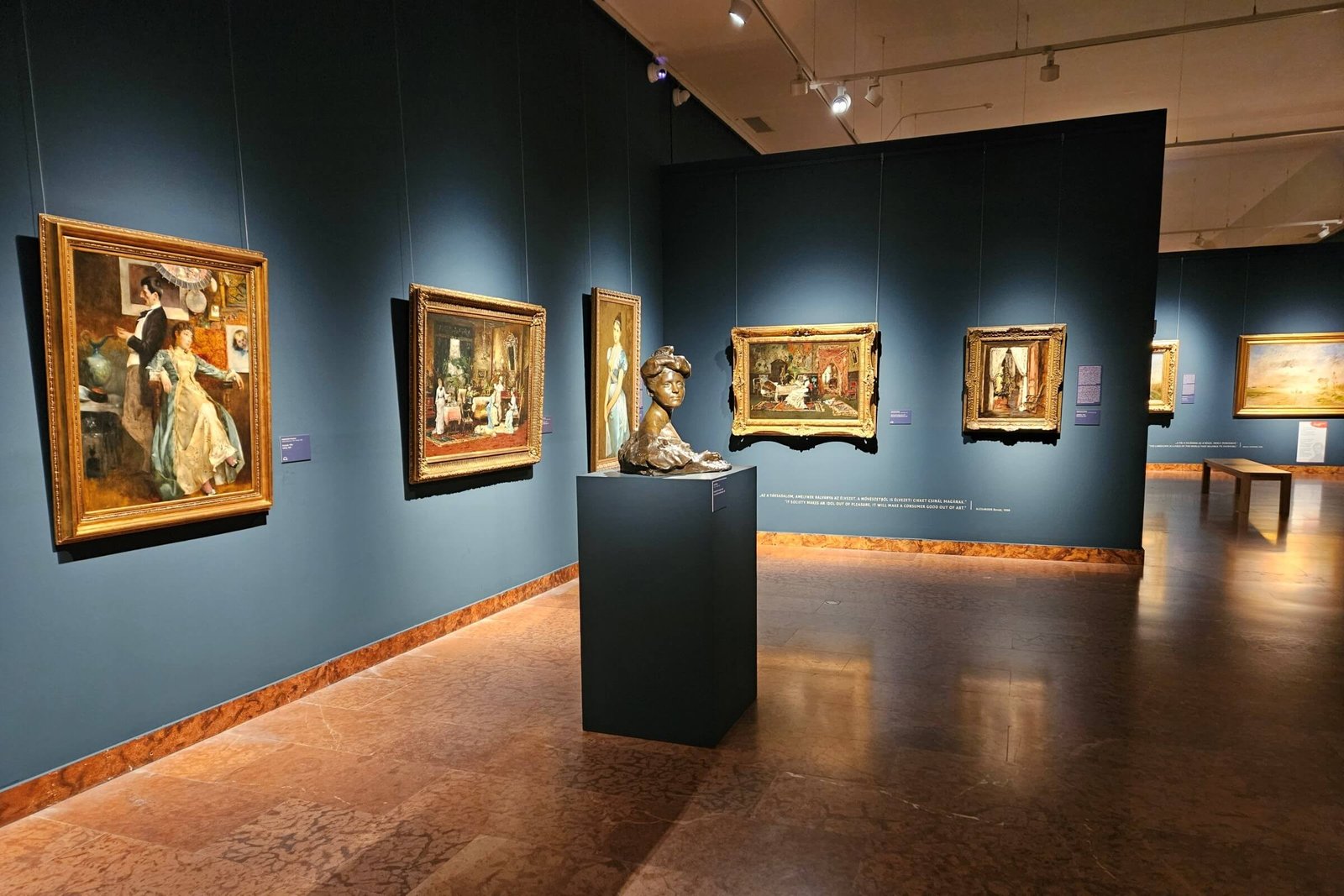
Founded in 1957, the Hungarian National Gallery is located in the Royal Palace. The collection, which includes about 10,000 items, is organized chronologically, starting from the 12th century, the era of Gothic and medieval styles. Visitors will find works from these periods on the first floor, along with art from the late Renaissance and Baroque periods by Hungarian and Austrian masters.
Highlights include 19th-century sculptures and paintings, such as “Women of Heba” by romantic artist Bertalan Székely, “Siege of Buda” by Gyula Benczúr, and “The Last Day of a Condemned Man” by Mihály Munkácsy. The second and third floors of the gallery feature extensive collections of Hungarian paintings and sculptures from the 20th century, divided into pre-war and post-war sections, representing movements such as Expressionism, Surrealism, Pop Art, and Hyperrealism. Temporary exhibitions also regularly introduce visitors to the works of famous artists.
Address: Szent György tér 2
Best for: Hungarian art
Suggested visit: 2–3 hours
Tickets and opening hours: Check the official visitor information.
Tip: Check individual exhibition access and last admission.
7. Museum of Applied Arts – György Ráth Villa
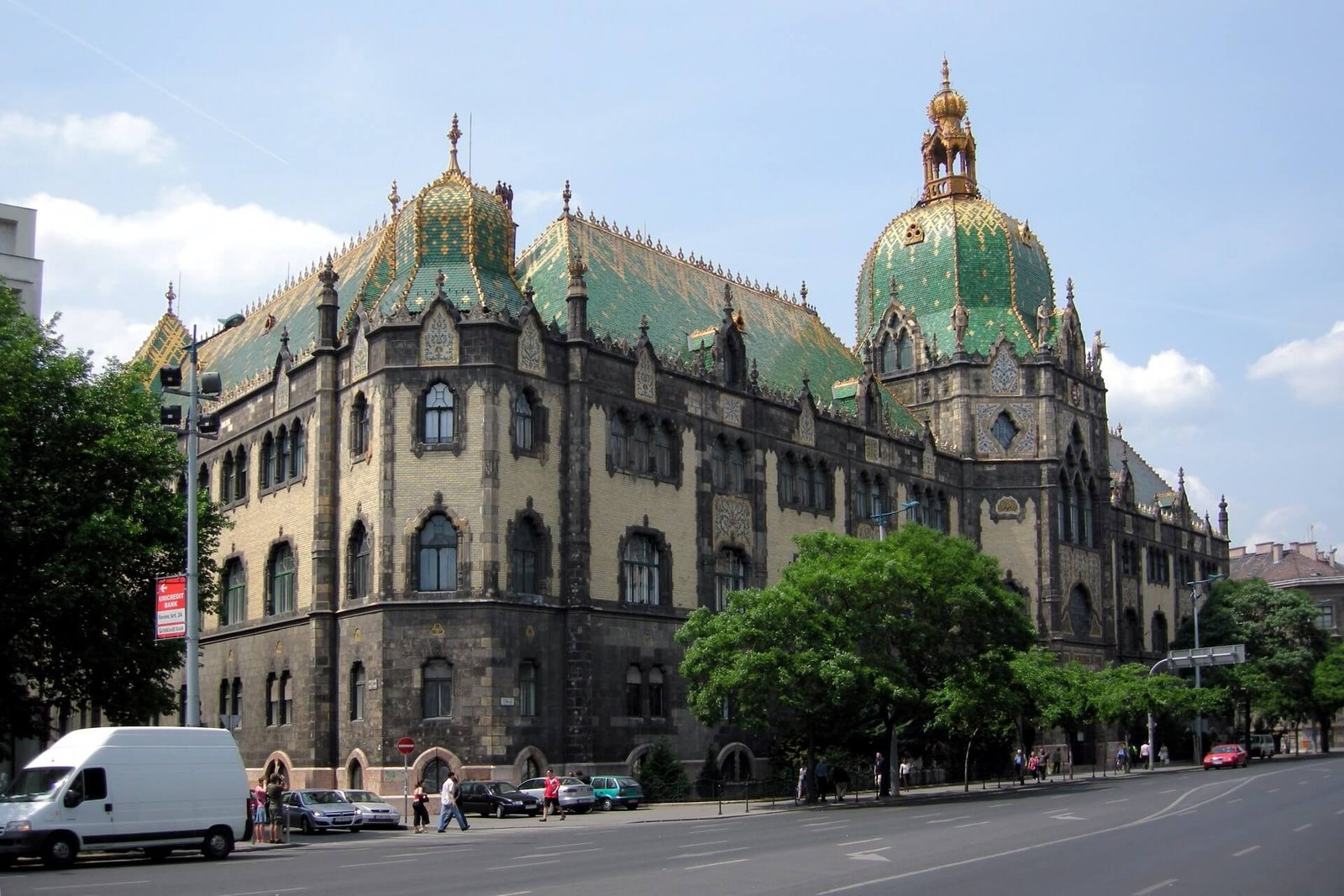
Opened in 1896, the Museum of Applied Arts is associated with one of Budapest’s architectural masterpieces, designed by Gyula Pártos and Ödön Lechner, with distinctive Zsolnay roof tiles and elaborate decoration. The main building on Üllői út is currently closed for reconstruction. The photograph shows that historic building.
For a visit today, head to the György Ráth Villa. Its Art Nouveau displays feature decorative arts, furnishings, ceramics and glass, providing a glimpse of turn-of-the-century European design in an intimate setting.
Address: Városligeti fasor 12
Best for: Art Nouveau and design
Suggested visit: 1–1.5 hours
Tickets and opening hours: Check the official visitor information.
Tip: Visit the Ráth Villa rather than the main building, which is under reconstruction.
8. Hungarian Jewish Museum and Archives

Located on the site of the house where Theodor Herzl, the father of modern political Zionism, was born, this museum opened in 1931. Its exhibits cover the history and culture of the Jewish people, including ceremonial items, books, furniture, and household objects. A large portion of the collection is dedicated to the Holocaust, with visitors able to visit a cemetery for victims of Nazism and a memorial park honoring Swedish diplomat Raoul Wallenberg, who saved thousands of Hungarian Jews during the war. Nearby is the largest synagogue in Europe, built in 1859.
The museum’s collection is largely formed through personal donations from concerned residents and visitors. These contributions continually enrich the archives with Judaica, letters, photographs, paintings by Jewish artists, and personal belongings, all used for exhibitions and research.
Address: Dohány utca 2
Best for: Jewish heritage
Suggested visit: 1.5–2 hours
Tickets and opening hours: Check the official visitor information.
Tip: Check opening times, religious holidays and ticket options for the synagogue complex.
9. Aquincum Museum and Archaeological Park
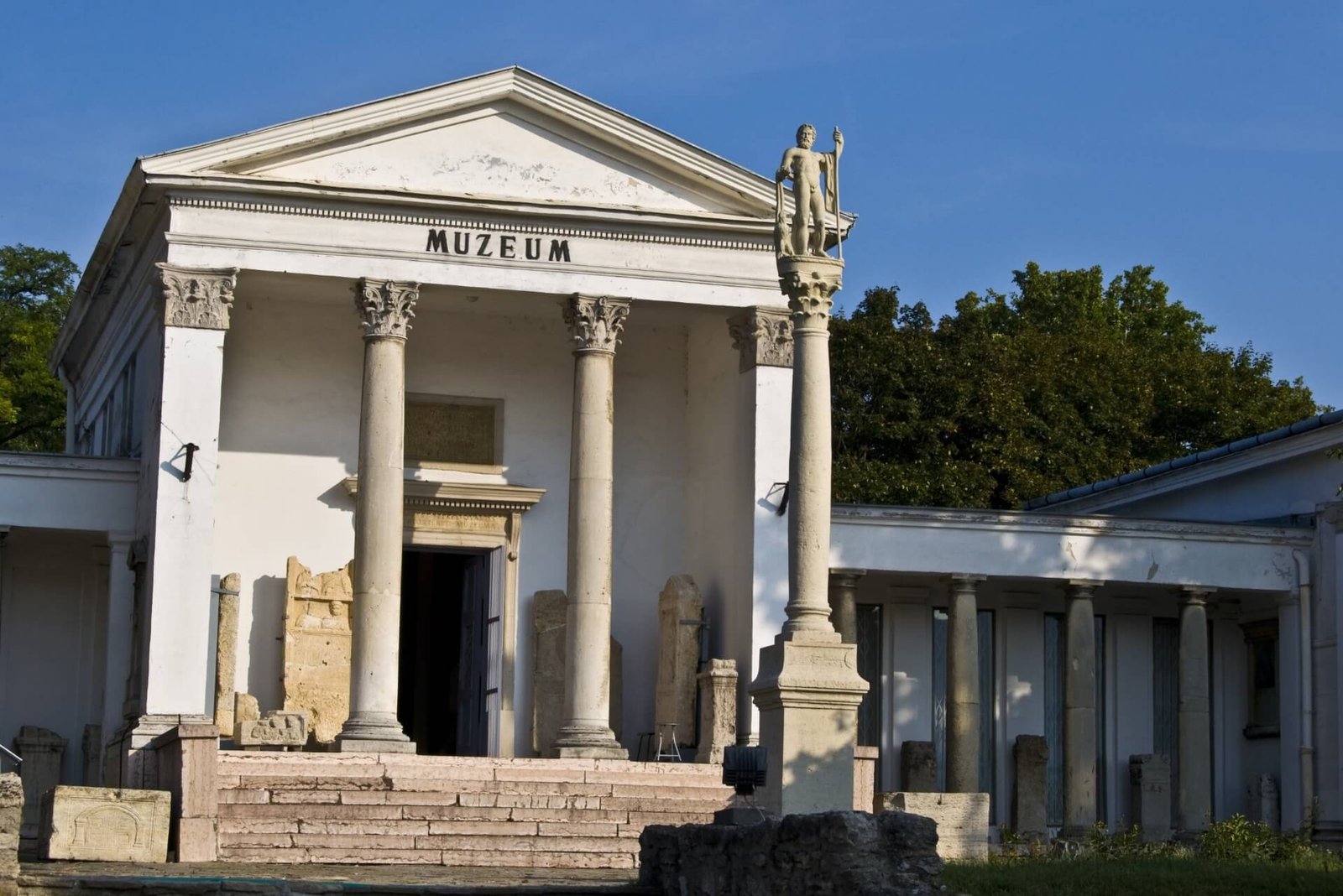
Aquincum was an important Roman city and the capital of the province of Pannonia Inferior, on the site of present-day Óbuda. Traces of ancient architecture were discovered by accident in the late 18th century when local resident István Schönwiener, digging a basement for his house, stumbled upon an ancient sewer system. Organized excavations began in 1881, and 13 years later, a museum dedicated to the ancient city was established.
Aquincum is an entire archaeological park preserving part of the ancient Roman civilian town. Walking along its paths, visitors can see fragments of an aqueduct, ruins of amphitheaters, temples, baths, residential buildings, and remnants of fortress walls. The museum’s neoclassically styled building houses coins, statues, sarcophagi, gladiator weapons, and household items. Notable rare items include a reconstructed 3rd-century water organ and mosaic floors depicting Diana and Hercules.
Address: Szentendrei út 135
Best for: Roman history
Suggested visit: 1.5–2.5 hours
Tickets and opening hours: Check the official visitor information.
Tip: Outdoor ruins are best on a dry day; check seasonal access.
10. House of Terror
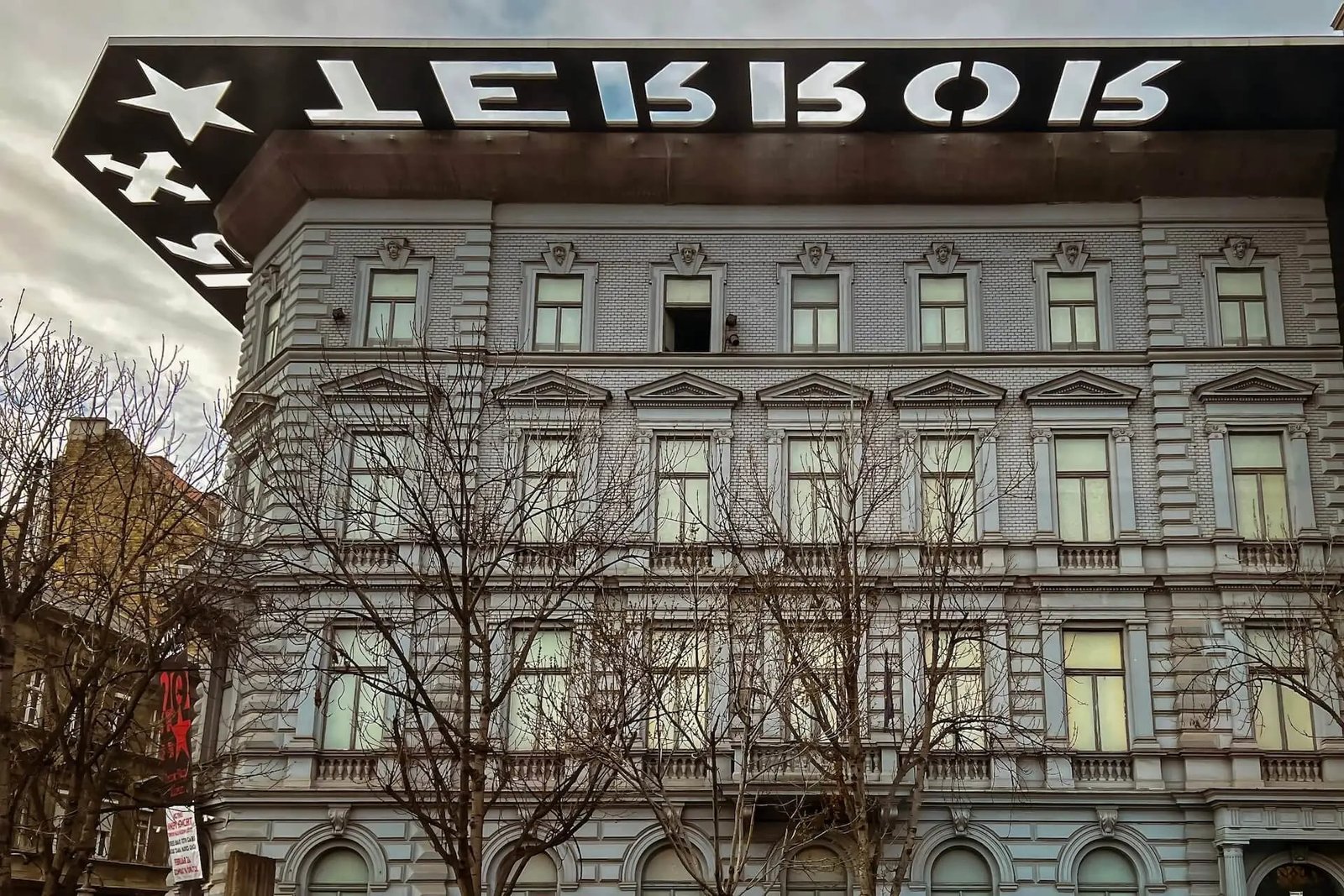
Opened in 2002, the House of Terror occupies a building once used by Hungary’s Arrow Cross movement and later by communist state security organisations. Its exhibitions commemorate victims of political repression under the fascist and communist dictatorships of the twentieth century.
The distinctive façade casts the word TERROR in shadow. Inside, historical documents, photographs, testimonies and reconstructed spaces illustrate the consequences of political persecution. The visit can be emotionally demanding.
Address: Andrássy út 60
Best for: 20th-century history
Suggested visit: 1.5–2 hours
Tickets and opening hours: Check the official visitor information.
Tip: Distressing historical material; consider suitability for children.
11. Museum of Military History
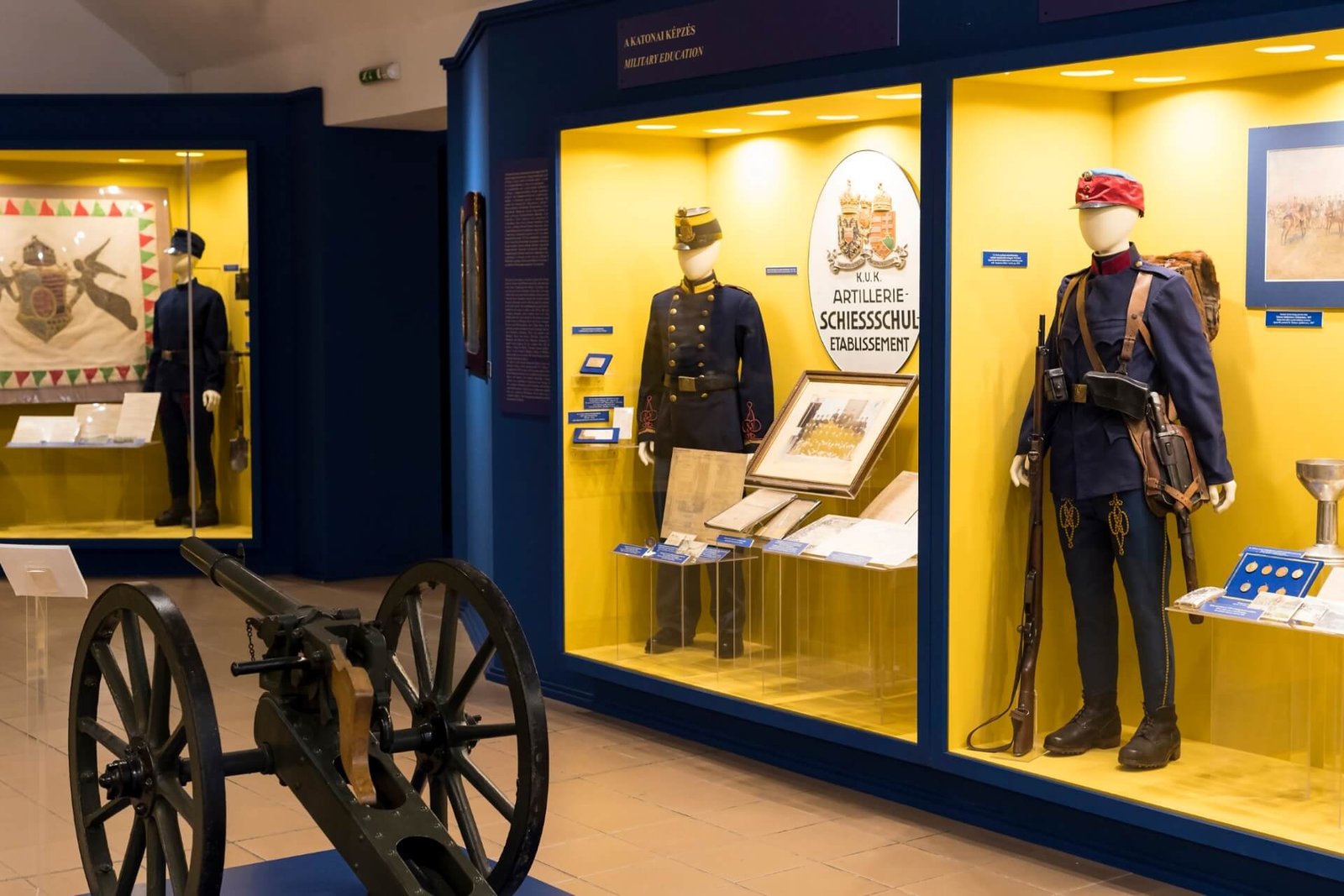
The Museum of Military History has long been associated with the former barracks at Kapisztrán Square in the Castle District. Its collections document Hungary’s military past through uniforms, flags, archival material and historical objects.
After relocating in 2023, the museum began returning to its historic home in 2026. Temporary exhibitions are reopening in phases, while the full permanent displays are being renewed. Confirm what is accessible on your travel dates before making a special trip.
Address: Kapisztrán tér 2–4
Best for: Military history
Suggested visit: 45–90 minutes if open
Tickets and opening hours: Check the official visitor information.
Tip: Reopening is phased; confirm current temporary exhibitions before travelling.
12. Hospital in the Rock Museum
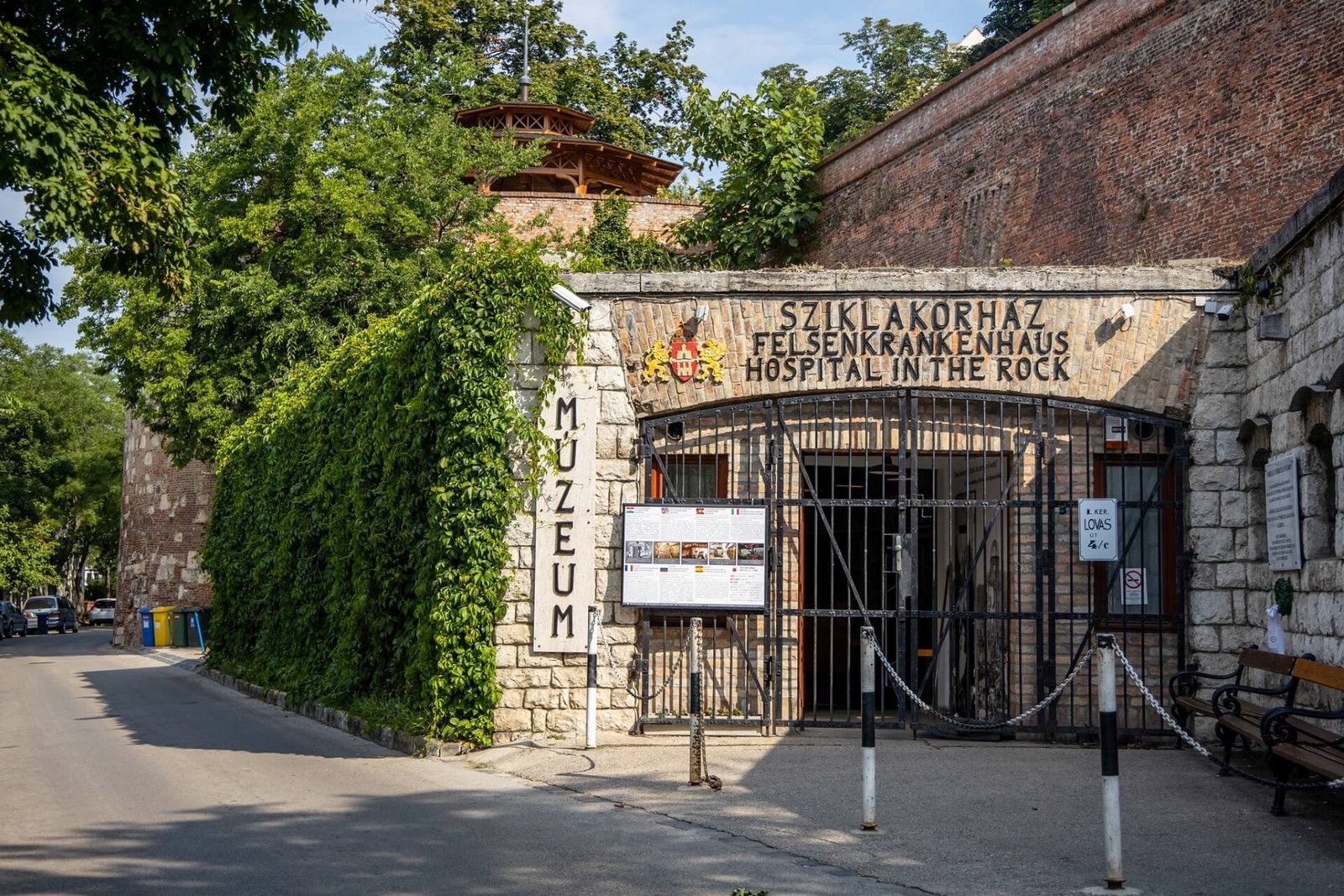
While exploring the Castle District, you’ll encounter many popular city attractions known to millions of tourists. However, few are aware of an unusual place hidden in the catacombs of Buda Castle. In 1939, an air raid shelter was established here in a maze of tunnels and basements spanning 10 kilometers. In 1944, a hospital was set up in the shelter, occupying 2,300 square meters.
In 1956, the hospital treated those wounded during the anti-Soviet revolution, and four years later, the facility was classified and converted into a bunker designed to protect against chemical or nuclear attacks. After the Cold War, the underground complex hosted theatrical performances, and since 2008, it has operated as a museum. The exhibits recreate scenes from the hospital’s history, featuring wax figures of doctors, nurses, and patients. Separate rooms display medical supplies, drugs, gas masks, and mid-20th-century equipment.
Address: Lovas út 4/c
Best for: Wartime history
Suggested visit: 1 hour
Tickets and opening hours: Check the official visitor information.
Tip: Guided visits only; children under six are not admitted. Reserve ahead.
13. Műcsarnok Exhibition Hall (Kunsthalle)
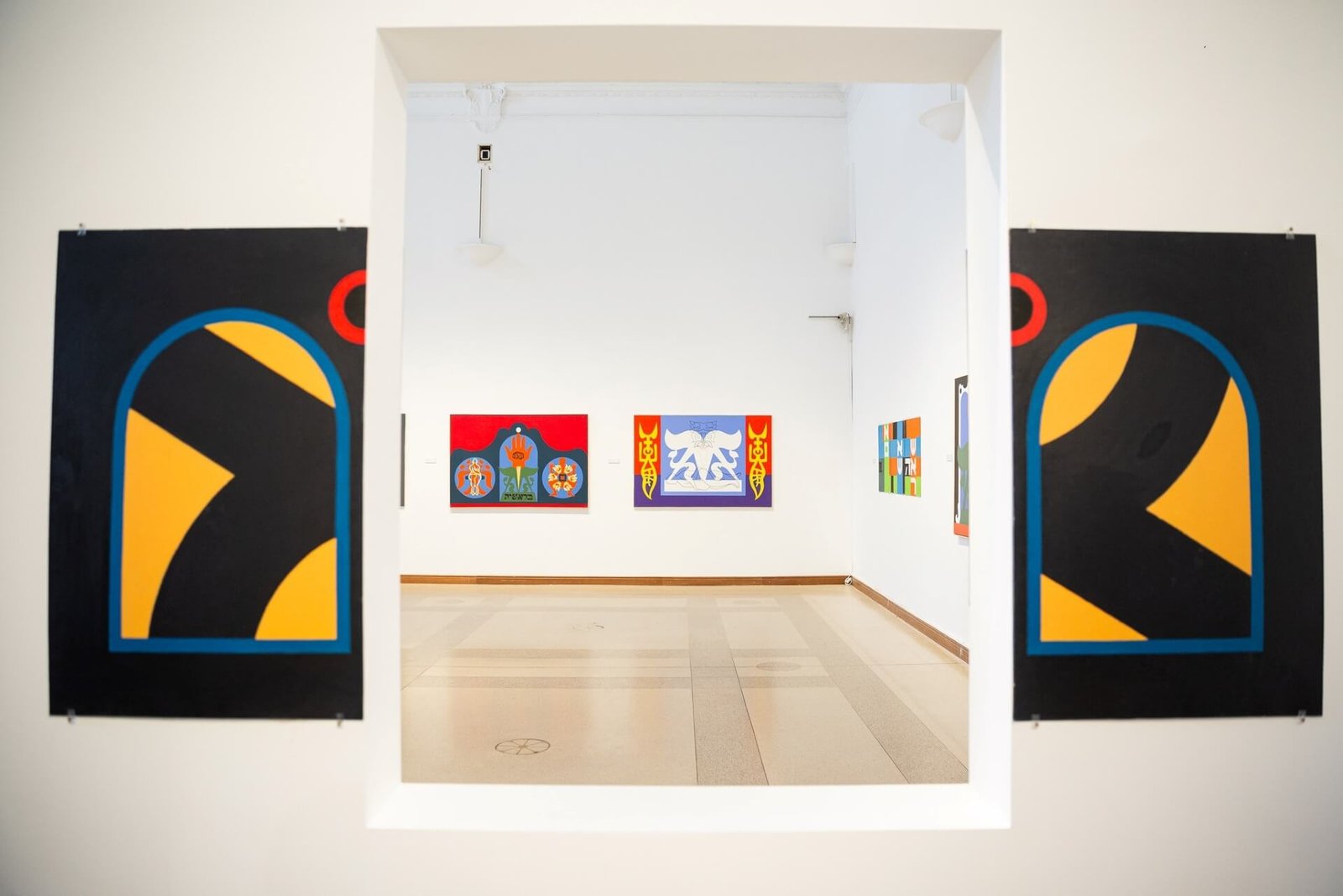
Located on Heroes’ Square, the neoclassical building with Corinthian columns and a mosaic-decorated pediment is impossible to miss. Inside is the country’s largest exhibition center for visual arts, with no permanent collection. The 2,300-square-meter hall exhibits works by contemporary artists.
Temporary exhibitions at Műcsarnok reflect the work of artists in styles such as Modernism, Avant-gardism, Cezannism, Futurism, Surrealism, Pop Art, and Tachism. The hall has showcased frescoes by János Akila, minimalist wooden figures by Zsolt Jósza, stunning photographs by American Alex Webb, and compositions by Hungarian sculptor Cservátius that baffle unprepared viewers.
Address: Dózsa György út 37
Best for: Contemporary art
Suggested visit: 1–1.5 hours
Tickets and opening hours: Check the official visitor information.
Tip: Check the current exhibition calendar.
14. Museum of Fine Arts
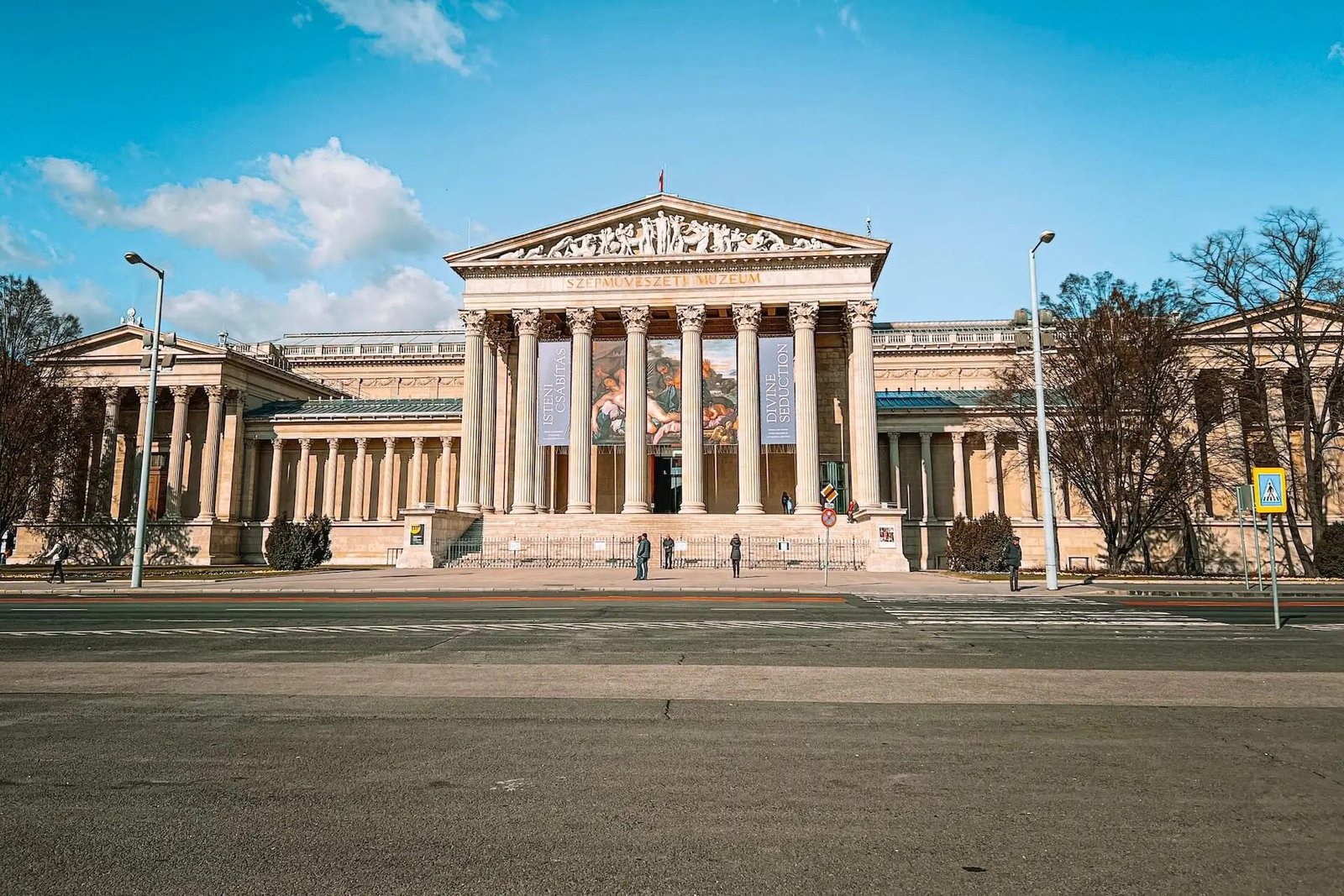
Opposite the Műcsarnok Exhibition Hall is another temple of art, displaying a precious collection. The gallery’s foundation includes 700 works gathered over decades by members of the Esterházy princely family. Opened in 1906 by Austrian Emperor and Hungarian King Franz Joseph, the gallery consists of several sections. The Egyptian section impresses with mysterious mummies, steles, and artifacts from ancient Thebes. The Antiquities section features marble statues and precious jewelry.
The Graphic Department includes sketches and drawings by renowned artists like Rubens, Rembrandt, Leonardo da Vinci, and Chagall. The highlight is the Gallery of Old Masters, showcasing over 2,500 paintings by European artists from the 13th to 18th centuries, including Lucas Cranach, Albrecht Dürer, Hans Holbein, Raphael, Titian, and Francisco Goya.
Address: Dózsa György út 41
Best for: European art and antiquities
Suggested visit: 2–3 hours
Tickets and opening hours: Check the official visitor information.
Tip: Check timed tickets and temporary exhibition charges.
15. Palace of Wonders (Csopa)
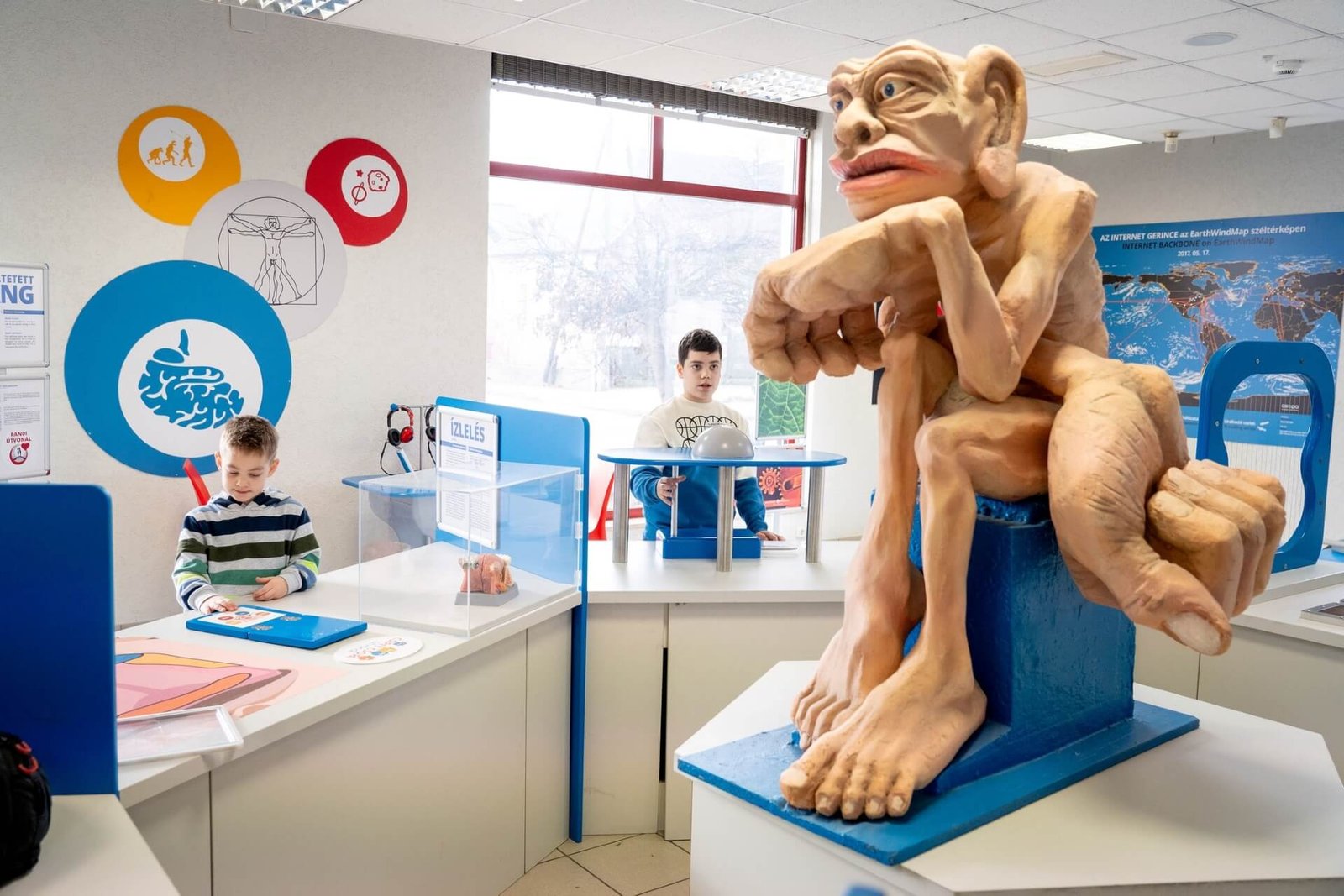
The Palace of Wonders is a large interactive science centre inviting young explorers to discover the world through hands-on experiments. Through playful activities, visitors learn the basics of physics, mathematics and science.
Interactive installations, demonstrations, puzzles and experiments make this an excellent rainy-day option for families. Check which shows and activities are running during your visit.
Address: Mátyás király út 24
Best for: Interactive science for families
Suggested visit: 2–3 hours
Tickets and opening hours: Check the official visitor information.
Tip: Check experiment schedules and any separately ticketed experiences.
16. Budapest History Museum – Castle Museum
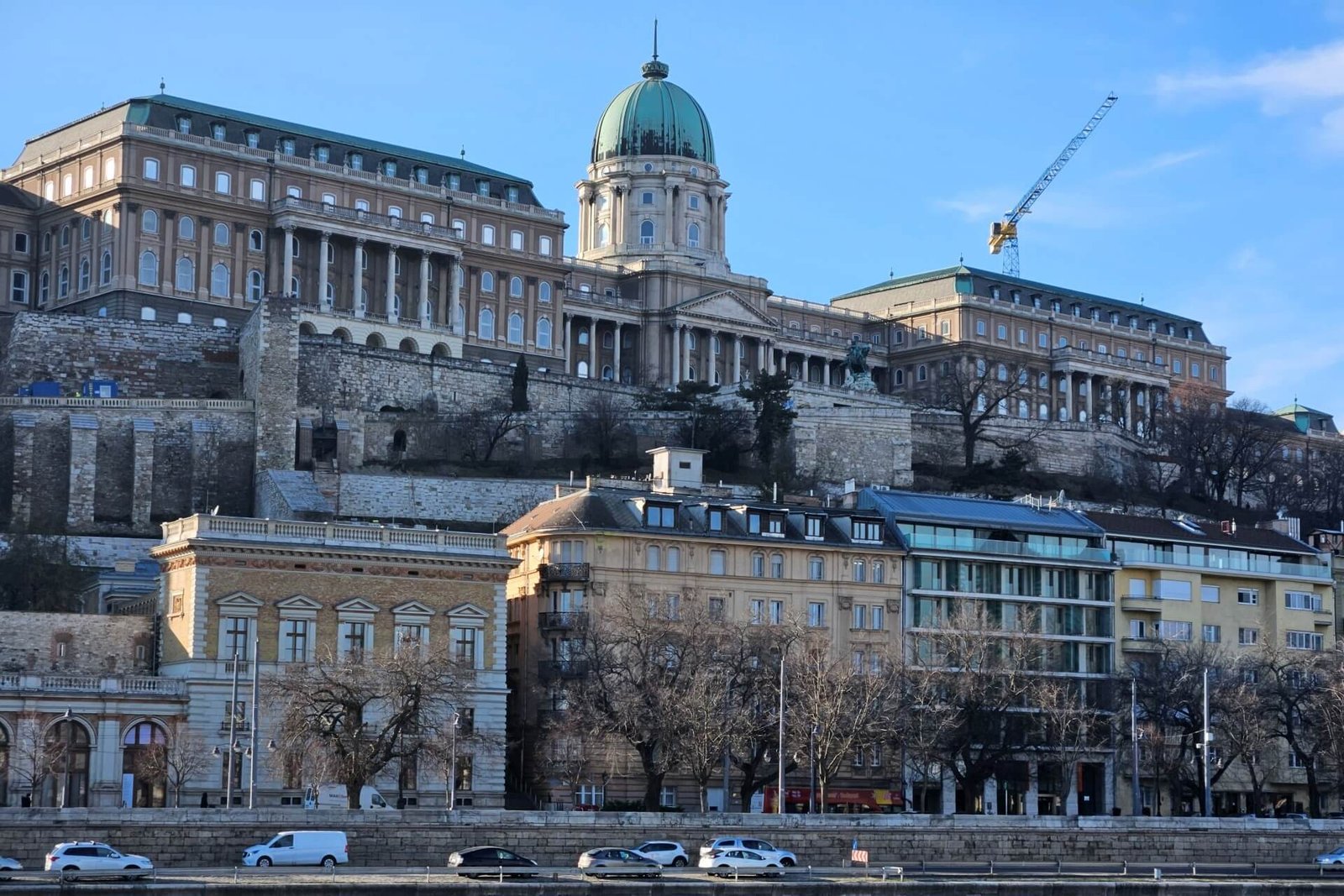
Located in Wing E of the Royal Palace, this museum tells the history of Hungary’s capital from ancient times to the present day. Rooms dedicated to the prehistoric and ancient eras focus on archaeological finds such as household items, craft products, stone tombstones, statues, ancient coins, textiles, and weapons.
The upper floors feature artifacts illustrating modern history, from the Roman Empire era to contemporary times. A special room displays works by local artists.
In 1974, excavations in the northern courtyard of the castle revealed 40 fragments of sculptures from Emperor Sigismund’s reign. These unique relics are now housed in the mezzanine and, along with reconstructed ruins of the medieval fortress and Renaissance palace, a 1380 chapel, and Gothic royal chambers with vaulting, are among the museum’s most important exhibits.
Address: Szent György tér 2, Royal Palace Wing E
Best for: Budapest history
Suggested visit: 1.5–2 hours
Tickets and opening hours: Check the official visitor information.
Tip: Combine with the National Gallery; check access during castle works.
17. Kiscell Museum
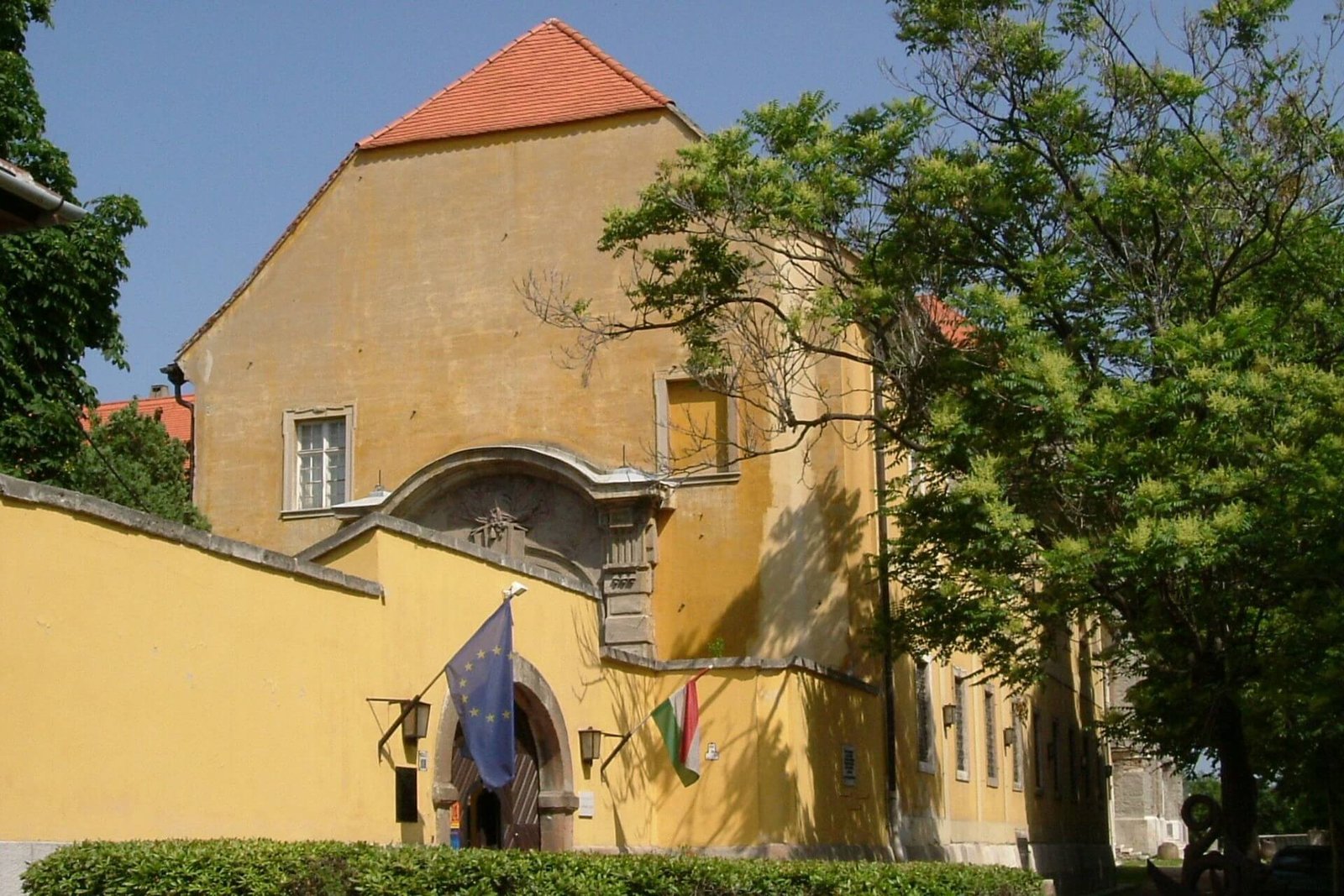
The collections are housed in a Baroque building constructed in 1758 as a Trinitarian monastery. In the early 20th century, the dilapidated structure underwent major restoration, after which its new owner, industrialist and avid collector Miksa Schmidt, organized a display of his rare furniture collection. Four years after World War II, the house became city property according to Schmidt’s will. His work continued, and bright exhibition halls were set up in the former monastery, now part of the Budapest History Museum.
Visitors will find engravings, antique pharmacy items, printing presses, furniture, and clock mechanisms. On the first floor is an art gallery showcasing works by 20th-century Hungarian painters. Temporary exhibitions dedicated to contemporary global art are also held here. The inner courtyard and adjoining church host concert events.
Address: Kiscelli utca 108
Best for: City history and art
Suggested visit: 1–1.5 hours
Tickets and opening hours: Check the official visitor information.
Tip: Check current displays and your route to Óbuda.
18. Ludwig Museum
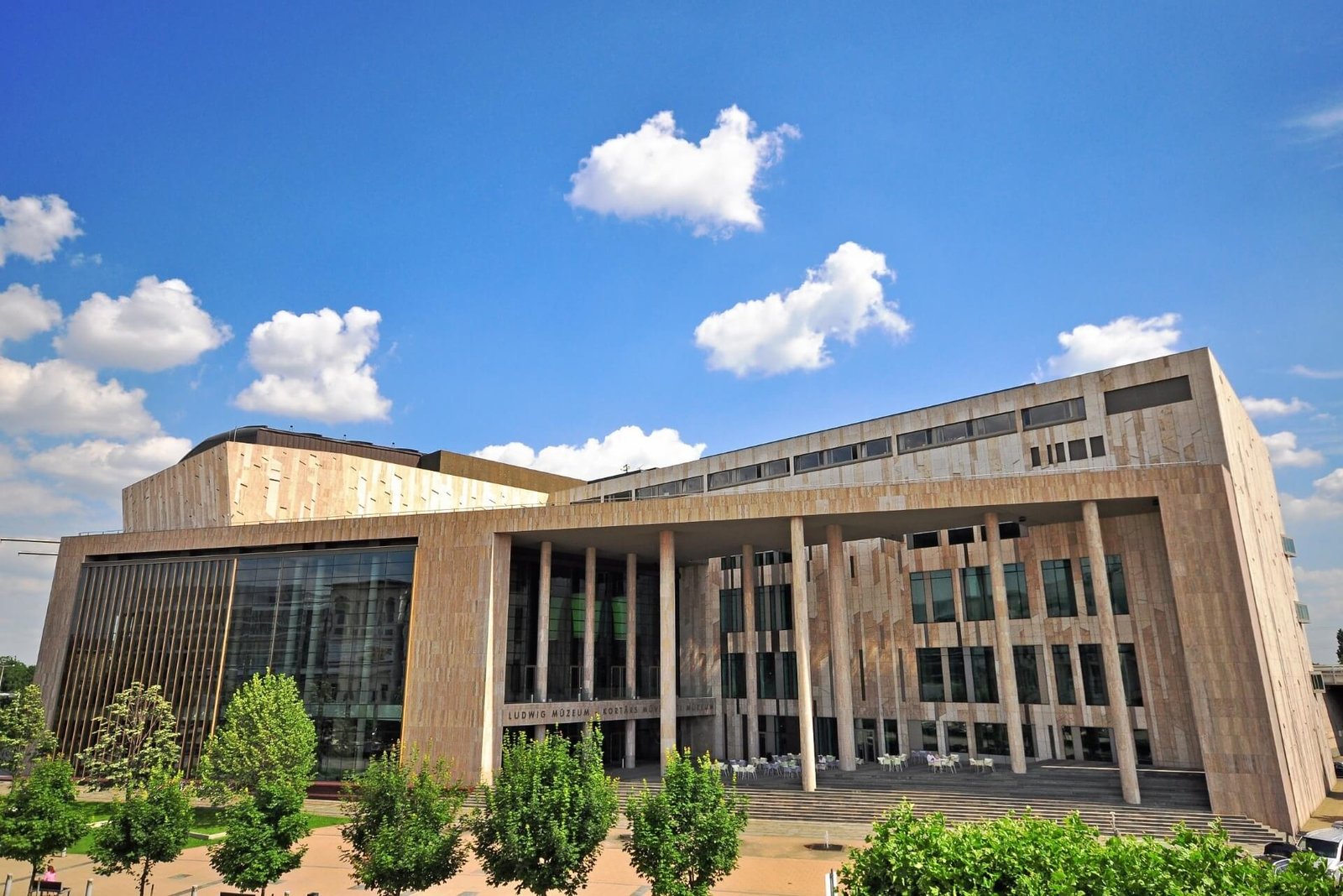
In the Müpa Budapest cultural complex on the Danube, the Ludwig Museum showcases Hungarian and international contemporary art. Its collection grew from the work of art collectors Peter and Irene Ludwig.
Visitors can explore changing exhibitions and works associated with movements such as Pop Art and contemporary conceptual art. Check the exhibition calendar to see which artists and collections are on display.
Address: Komor Marcell utca 1
Best for: Contemporary art
Suggested visit: 1.5–2 hours
Tickets and opening hours: Check the official visitor information.
Tip: Check the current exhibition programme.
19. Hungarian Agricultural Museum
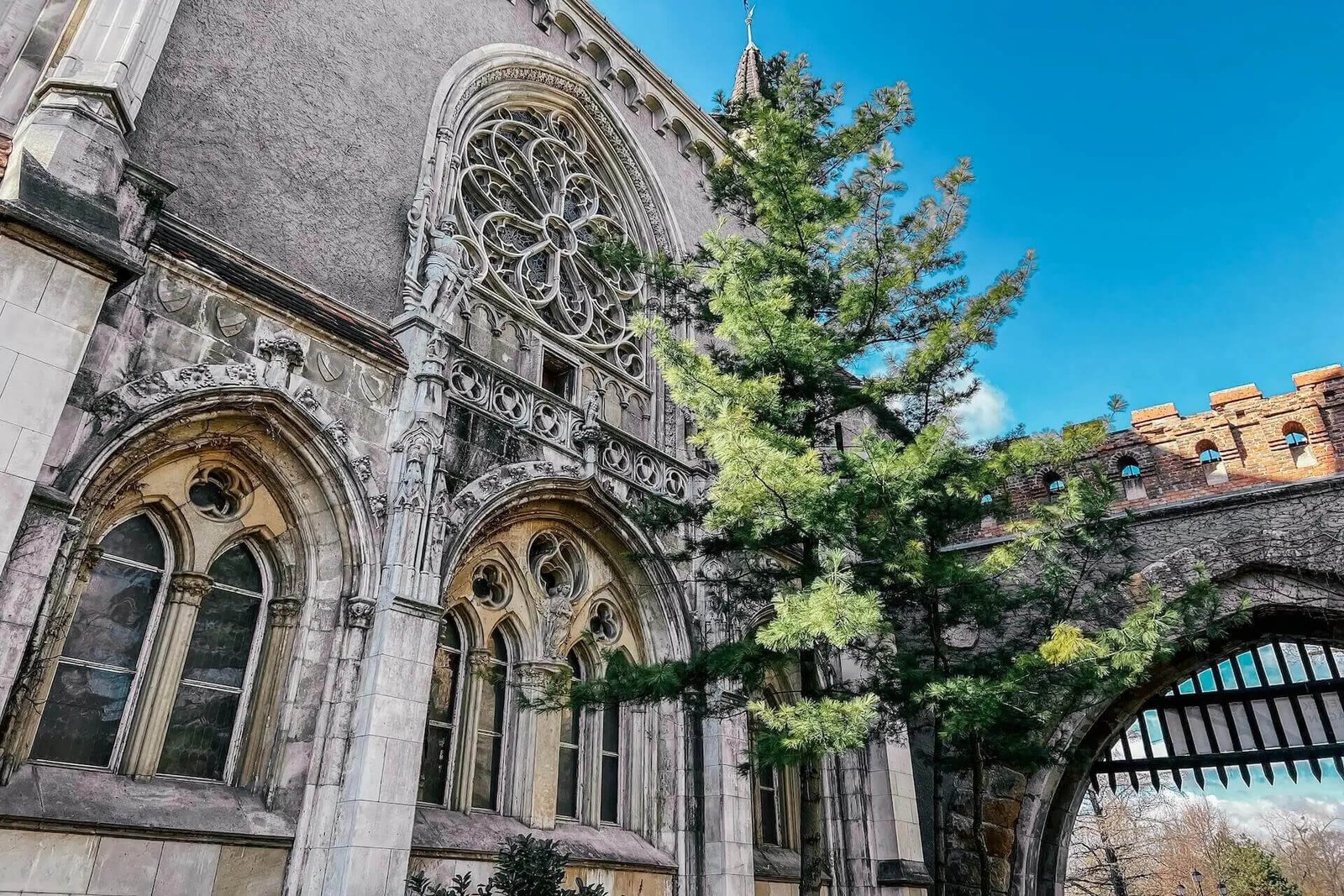
The Hungarian Agricultural Museum is housed in the picturesque Vajdahunyad Castle in City Park. Created for Hungary’s millennium celebrations in 1896, the original exhibition pavilion was later rebuilt in permanent materials and combines several historic architectural styles.
The museum’s collections explore rural life, farming, hunting, fishing and the development of agriculture in Hungary. Check which exhibitions and castle towers are accessible during your visit.
Address: Vajdahunyad Castle, City Park
Best for: Agriculture and architecture
Suggested visit: 1–1.5 hours
Tickets and opening hours: Check the official visitor information.
Tip: Check access and current exhibitions at the castle.
20. House of Music Hungary
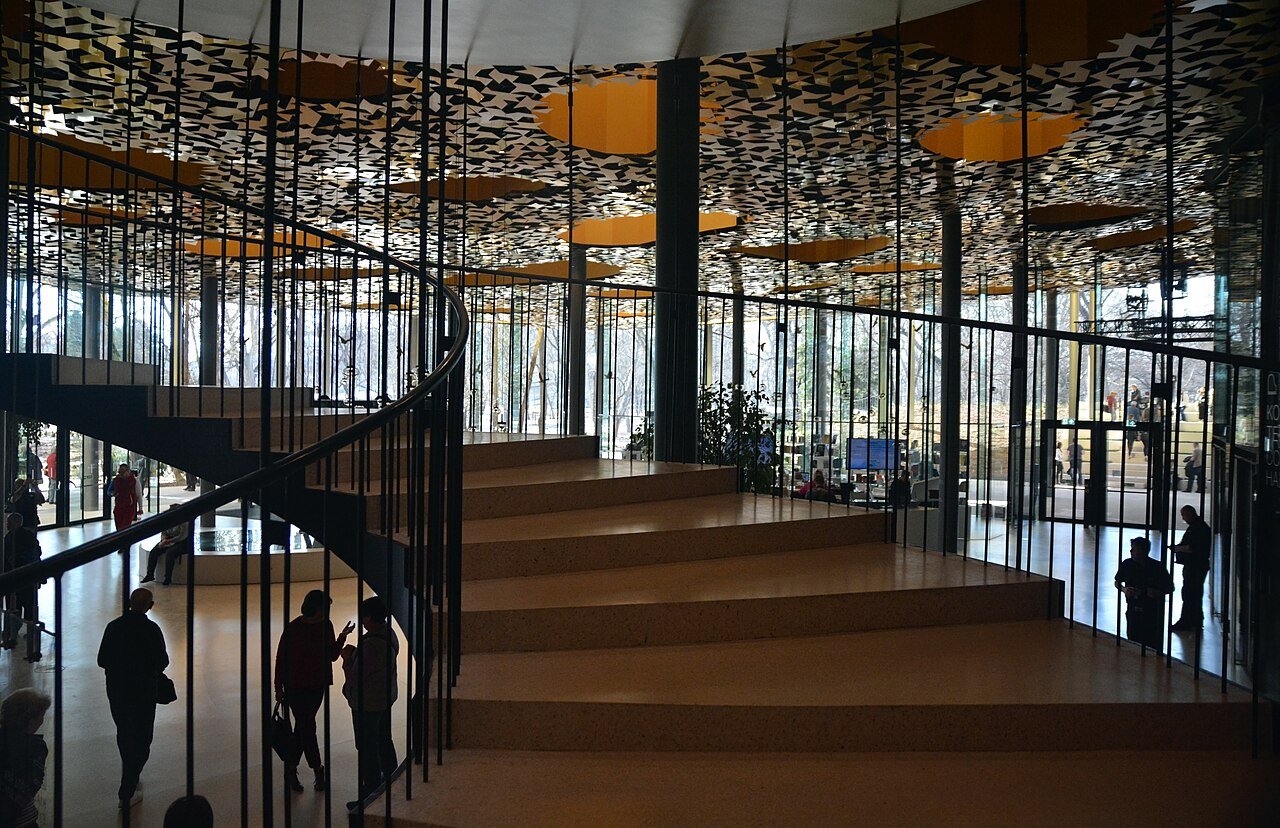
Opened in 2022, House of Music Hungary is a remarkable cultural institution set among the trees of City Park. Japanese architect Sou Fujimoto designed its distinctive roof and glass walls to blend into the surrounding landscape.
Its exhibitions explore the history of music, with interactive experiences and a sound dome. It is especially appealing to families, architecture lovers and visitors who want a different kind of museum experience.
Address: Olof Palme sétány 3
Best for: Interactive music and architecture
Suggested visit: 1.5–2 hours
Tickets and opening hours: Check the official visitor information.
Tip: Book exhibition or sound dome tickets if desired; the building itself can be explored free.
Bonus: Marzipan Museum in Szentendre
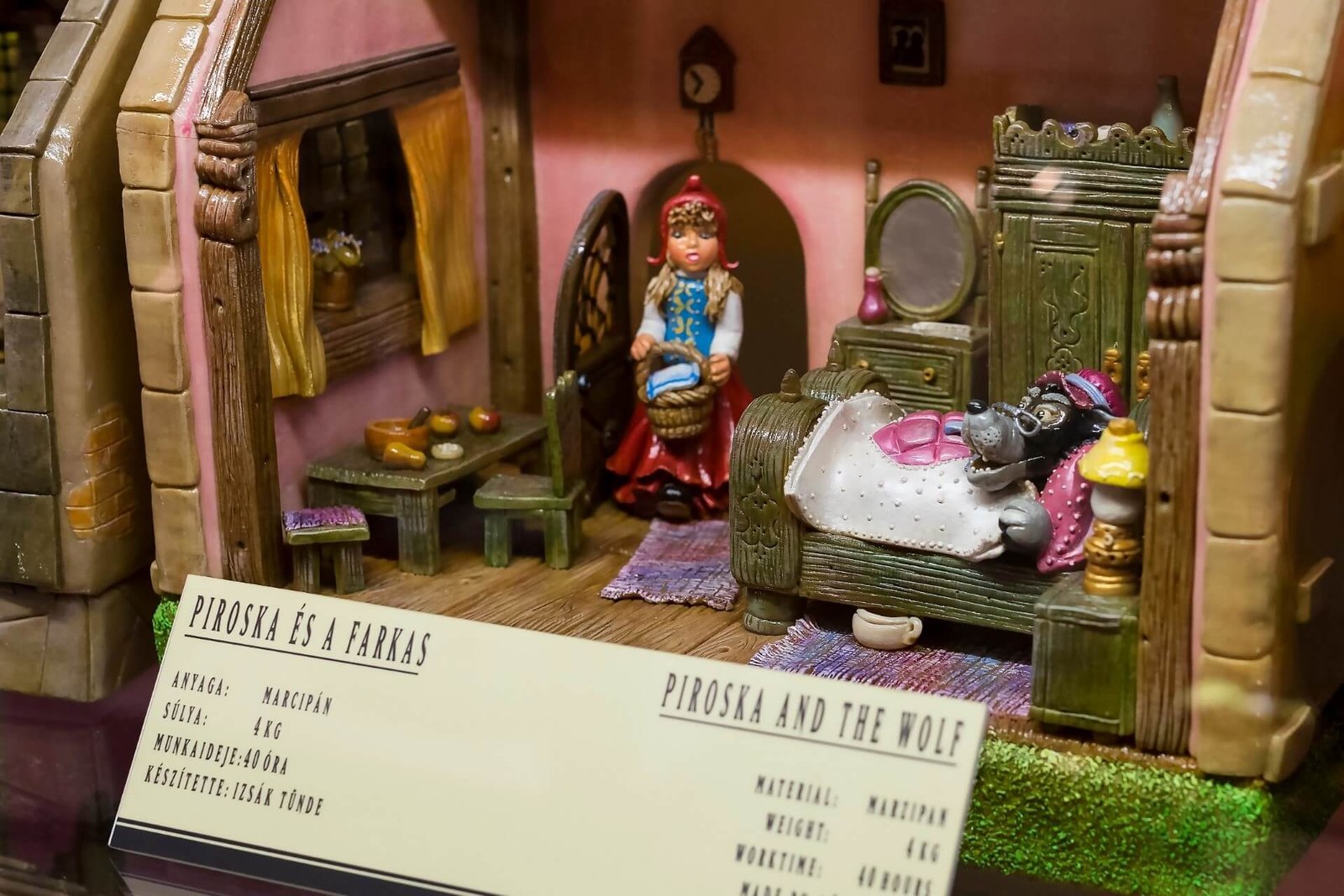
Szentendre, a small romantic town 15 km north of Budapest, is affectionately known as the “Pearl of the Danube” in Hungary. On a narrow street among Baroque churches and picturesque houses lies one of the main attractions — a popular marzipan museum. This paradise for sweet tooths was created in 1994 by confectioner Károly Szabó, who aimed to tell Europe’s history using 5,000 kg of marzipan. Edible busts of Count Széchényi, to whom Budapest owes its chain bridge, and Lajos Kossuth, the father of the Hungarian revolution, sit side by side here.
The creator’s pride is a sweet 1.40 x 1.20-meter painting depicting Austria’s Empress and Hungary’s Queen Maria Theresa surrounded by her eleven children. Nearby are fairy-tale characters, models of famous buildings, and figures of film and pop stars. An equally important part is the confectionery, offering not only marzipan candies but also salami, exquisite Hungarian wines and liqueurs, and in summer months, delightful ice cream.
Address: Szentendre town centre
Best for: Sweet sculptures
Suggested visit: 30–60 minutes
Tickets and opening hours: Check the official visitor information.
Tip: Allow extra time for the journey from Budapest.
Museum tickets and Budapest Card
If you plan to visit several museums, compare individual ticket prices with the official Budapest Card. The card includes public transport and access or discounts at selected museums, but temporary exhibitions and special tours may have separate charges. Verify the current list of included venues before purchasing.
Compare Budapest Card options and museum-related tours for your travel dates below.
How to plan your museum itinerary
One day: City Park and Heroes’ Square
Start at the Museum of Fine Arts, then choose the Museum of Ethnography or House of Music Hungary. For an outdoor break, explore our guide to the 15 best parks in Budapest, including City Park and its Vajdahunyad Castle.
One day: Buda Castle District
Combine the Hungarian National Gallery with the Budapest History Museum – Castle Museum. If you prefer an unusual historical experience, reserve a guided visit to Hospital in the Rock or enjoy a magic show at the House of Houdini.
For families and curious visitors
Choose the Hungarian Natural History Museum, Palace of Wonders or Railway History Park. The railway park is predominantly outdoors, so check its seasonal opening and the weather first.
Practical tips for visiting museums
Many museums close on Mondays, although schedules differ. Check opening hours, accessibility, ticket conditions and temporary closures on official websites before travelling. Allow time for security checks or guided-tour departure times, and use BudapestGO to plan public transport.
Frequently asked questions
What are the best museums in Budapest for a first visit?
The Hungarian National Museum, Museum of Fine Arts and Hungarian National Gallery offer excellent introductions to Hungarian history and art. The Museum of Ethnography and House of Music Hungary are especially appealing for modern architecture and interactive experiences.
Which museums in Budapest are best for children?
The Hungarian Natural History Museum, Palace of Wonders, Railway History Park and House of Houdini are excellent options. Check age requirements and seasonal opening before visiting.
Are museums free with the Budapest Card?
Selected museums are included or discounted, but not every exhibition or guided tour is covered. Check the official card benefits for your chosen pass and travel dates.
Are Budapest museums open on Mondays?
Many major museums close on Mondays. Some interactive attractions and private museums have different schedules, so check the official website for each venue.
How many museums can I visit in one day?
Two major museums are usually enough for an enjoyable day. Choose nearby venues in City Park or Buda Castle to minimise travel time.
Plan the rest of your trip
For more sightseeing inspiration, see our guide to the best parks and gardens in Budapest. Official travel information is available from Visit Hungary.

Konstantin is an acclaimed travel writer, celebrated for transforming ordinary journeys into extraordinary narratives. With years of experience exploring diverse destinations across the globe, his work blends vivid storytelling, cultural insights, and practical advice to inspire wanderlust and guide readers toward unforgettable adventures.
As a key contributor to enjoythetrip.org website, Konstantin has built a loyal readership through their expertise in uncovering both iconic landmarks and off-the-beaten-path treasures. He specializes in providing travelers with honest, actionable tips, whether it’s finding the best resorts in Maldives, exploring cultural hubs like Paris, or diving into the natural wonders of Croatia.