
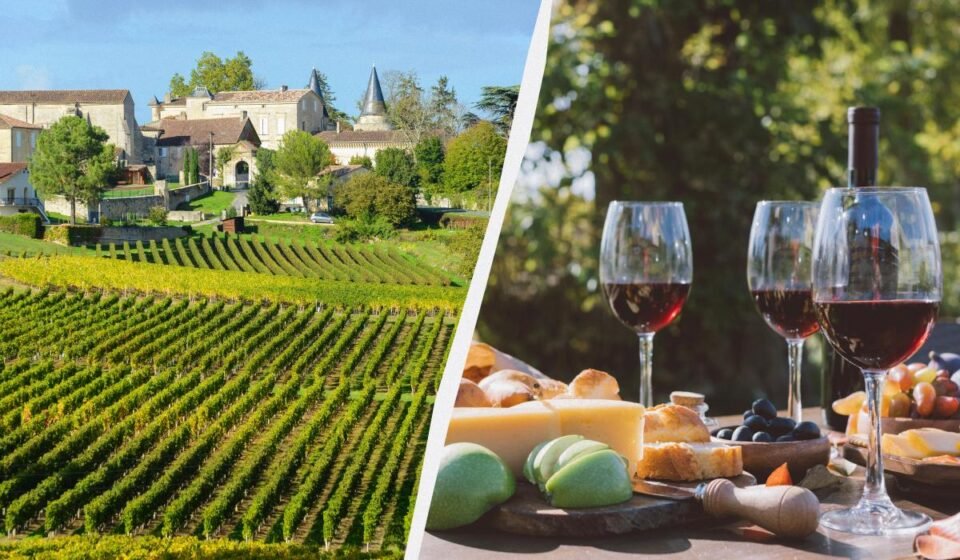
Explore ten of Europe’s most appealing wine regions for a vineyard holiday, from Bordeaux and Tuscany to the Douro Valley and Santorini. This travel guide highlights signature wines, convenient bases, winery visits and practical planning tips.
The order follows Emerald Cruises’ 2025 analysis of tasting experiences and visitor reviews, reported by Time Out. Bordeaux ranked first, followed by Eger and Tuscany. The ranking reflects that study’s methodology and date.
10 best wine regions in Europe at a glance
| Region | Country | Signature wines | Suggested base |
|---|---|---|---|
| Bordeaux | France | Red blends | Bordeaux or Saint-Émilion |
| Eger | Hungary | Egri Bikavér | Eger |
| Tuscany | Italy | Chianti Classico, Brunello | Florence or Siena |
| Rioja | Spain | Tempranillo-based reds | Logroño or Haro |
| Champagne | France | Traditional-method sparkling wine | Reims or Épernay |
| Franciacorta | Italy | Traditional-method sparkling wine | Iseo or Brescia |
| Santorini | Greece | Assyrtiko whites | Fira |
| Ribera del Duero | Spain | Tempranillo-based reds | Peñafiel or Aranda de Duero |
| Douro Valley | Portugal | Port and still wines | Peso da Régua or Pinhão |
| Priorat | Spain | Garnacha and Cariñena blends | Falset |
1. Bordeaux, France
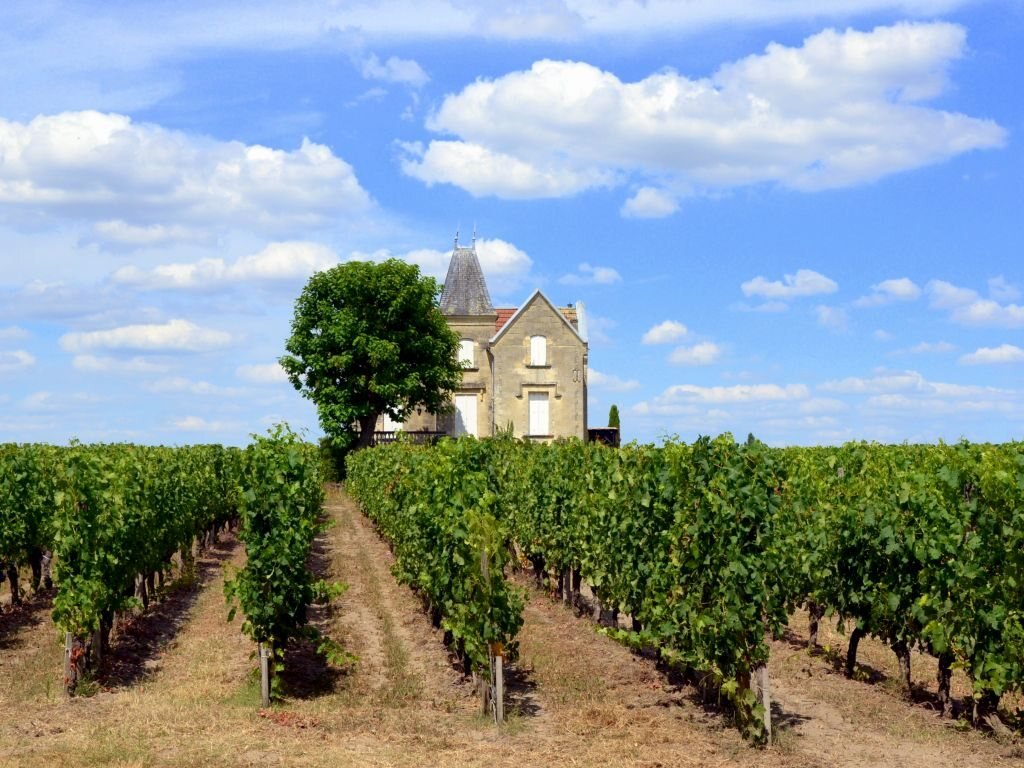
The region stretches across both banks of the Gironde estuary and contains several distinct wine areas. Médoc and Graves are particularly associated with Cabernet Sauvignon-based blends, while Merlot is prominent around Saint-Émilion and Pomerol. Sauternes produces renowned sweet whites, making Bordeaux a varied destination even for visitors who usually prefer white wine.
What to see and do: Spend a day in Bordeaux visiting the Cité du Vin and the historic riverfront. Reserve a separate winery day in Médoc or around medieval Saint-Émilion, where limestone cellars and vineyard-covered slopes surround the village. A visit to Bordeaux can easily fill three or four days.
Explore château visits, Saint-Émilion and the Cité du Vin in Bordeaux. Book estate tours ahead. Signature wine: Red blends. Where to stay: Bordeaux or Saint-Émilion.
Best time and practical tips: May–June or September–October; Bordeaux is a convenient base with rail access and organised tours. Consult Bordeaux Tourism’s vineyard transport guide.
2. Eger, Hungary
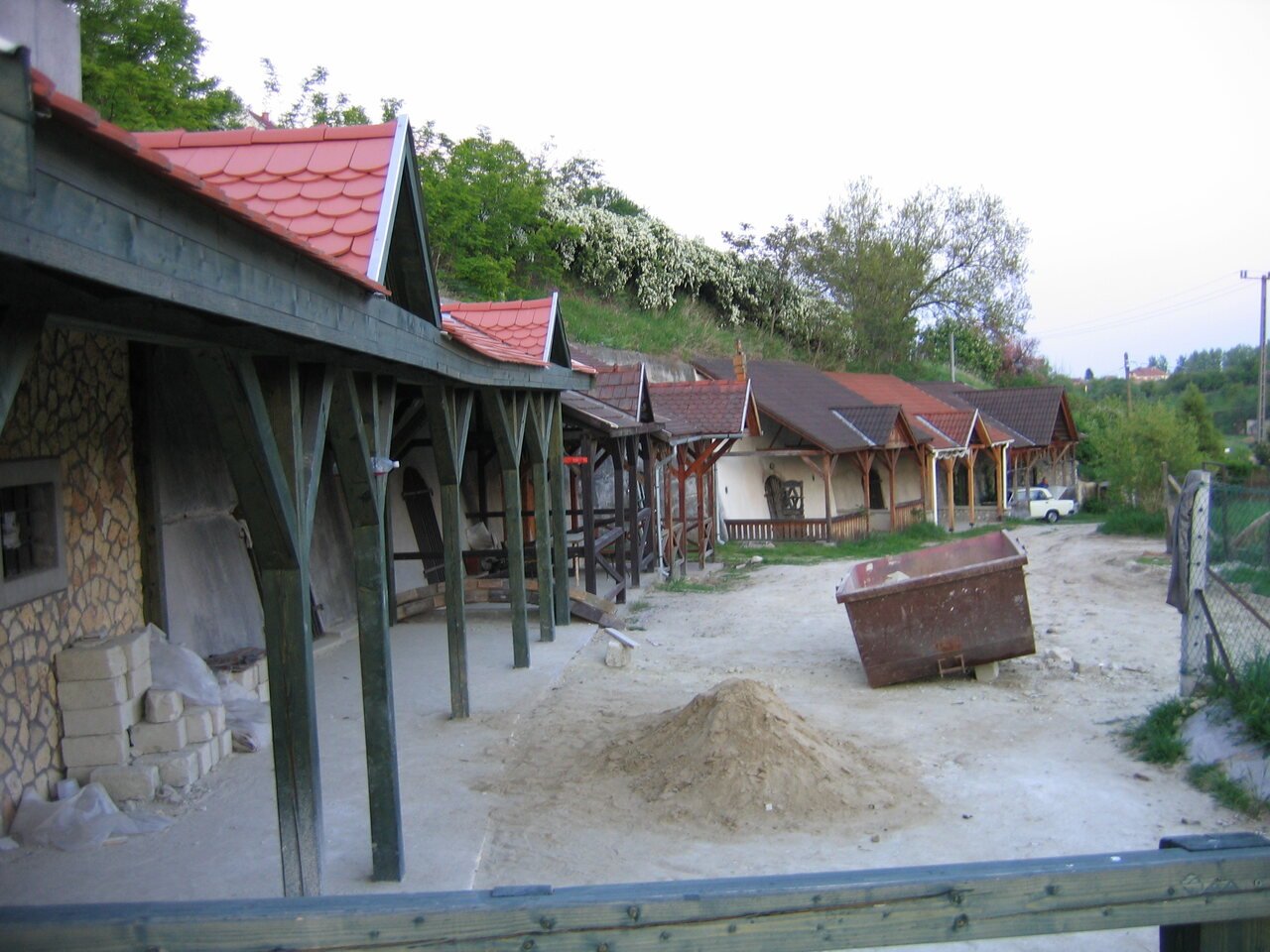
Eger lies in northern Hungary near the Bükk Mountains. Its varied volcanic and sedimentary soils support both red and white wines. The spicy red blend Egri Bikavér (Bull’s Blood) and the aromatic white blend Egri Csillag are particularly representative of the local wine scene.
What to see and do: Explore the castle and Baroque centre, then visit the Szépasszonyvölgy, or Valley of the Beautiful Women, where cellars are carved into the hillsides. Try a tasting that explains local blends, and pair the visit with Hungarian dishes or a relaxing afternoon at the thermal baths.
Discover historic cellars in the Valley of the Beautiful Woman, the castle and local restaurants. Signature wine: Egri Bikavér. Where to stay: Eger.
Best time and practical tips: Two or three days in Eger are sufficient for the town and nearby cellars. Spring and autumn are good for walking; many cellars welcome visitors outside harvest season. Trains connect Budapest with Eger. Find more ideas at Visit Hungary.
3. Tuscany, Italy
Tuscany brings together medieval towns, cypress-lined roads and rolling vineyards. The Sangiovese grape is central to Chianti Classico, Brunello di Montalcino and Vino Nobile di Montepulciano. The region also produces wines commonly known as Super Tuscans, including blends using international grapes.
What to see and do: Explore Greve, Radda and Castellina in Chianti on a leisurely day between Florence and Siena. For a different landscape, take a separate trip to Montalcino and the Val d’Orcia. Family-run estates offer a chance to learn about vineyard work and local olive oil; many visits require advance reservations.
Visit hill towns and wineries near Greve in Chianti or Montalcino. Explore the official Chianti route. Signature wine: Chianti Classico, Brunello. Where to stay: Florence or Siena.
Best time and practical tips: Allow four or five days for a combined cultural and countryside trip. May, June and September offer attractive landscapes. Stay in Siena or a rural agriturismo; use a guided excursion or designated driver for winery visits.
4. Rioja, Spain
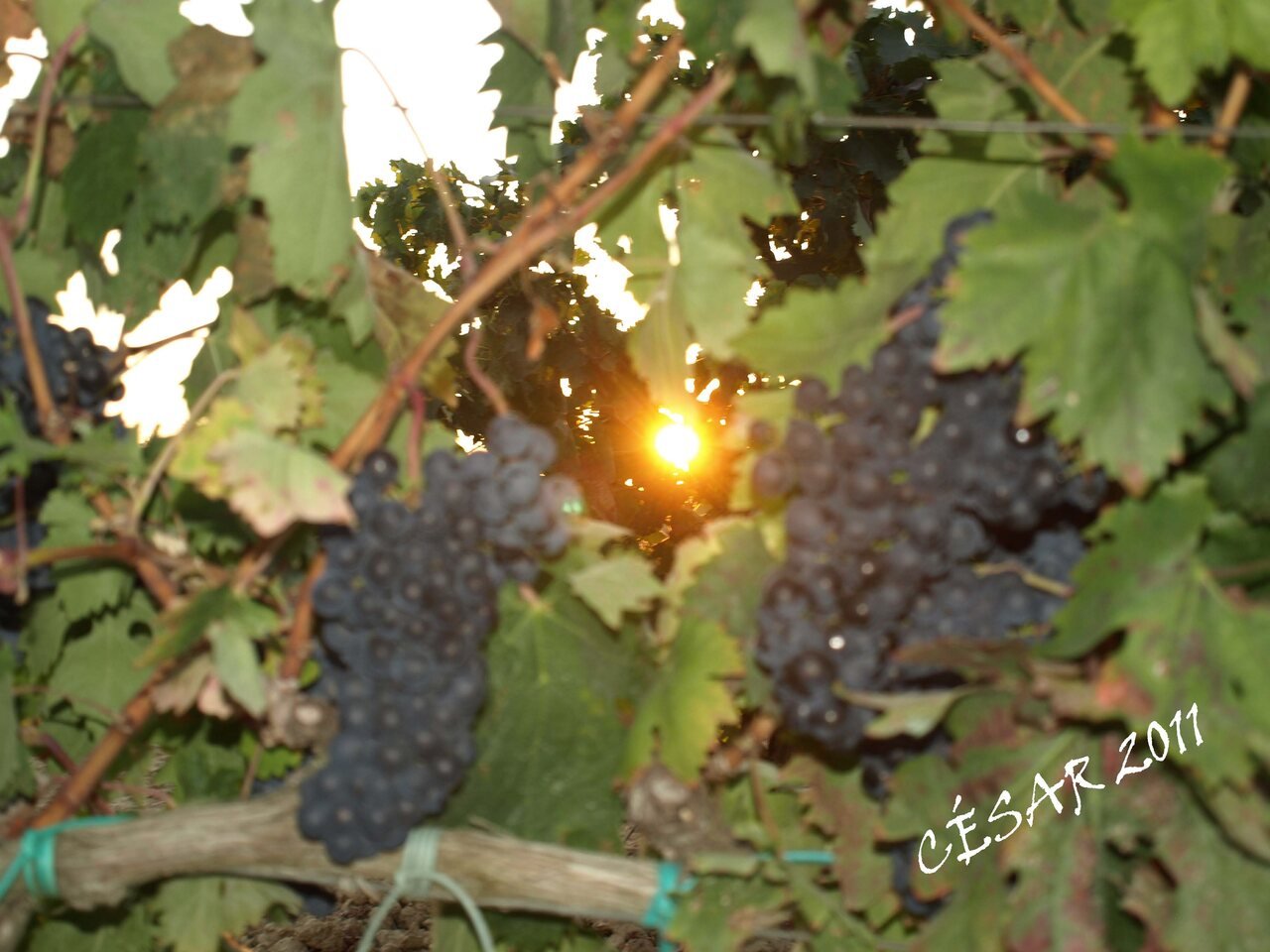
The Rioja wine region follows the Ebro River through several provinces in northern Spain. Tempranillo is its best-known red grape, complemented by Garnacha and other varieties. Rioja also produces white wines from grapes such as Viura. Different ageing categories offer an opportunity to compare styles.
What to see and do: Visit the historic winery quarter around Haro’s railway station, explore the old streets of Laguardia and choose an estate tour that explains barrel ageing. In Logroño, stop for local pintxos around Calle Laurel. The contrast between older bodegas and striking contemporary winery architecture is part of the region’s appeal.
Combine historic bodegas, contemporary winery architecture and tapas in Logroño. Signature wine: Tempranillo-based reds. Where to stay: Logroño or Haro.
Best time and practical tips: Plan three days, based in Haro or Logroño. Spring and early autumn are good for countryside visits. Reserve tours in your preferred language through the Rioja wine council’s visitor information.
5. Champagne, France
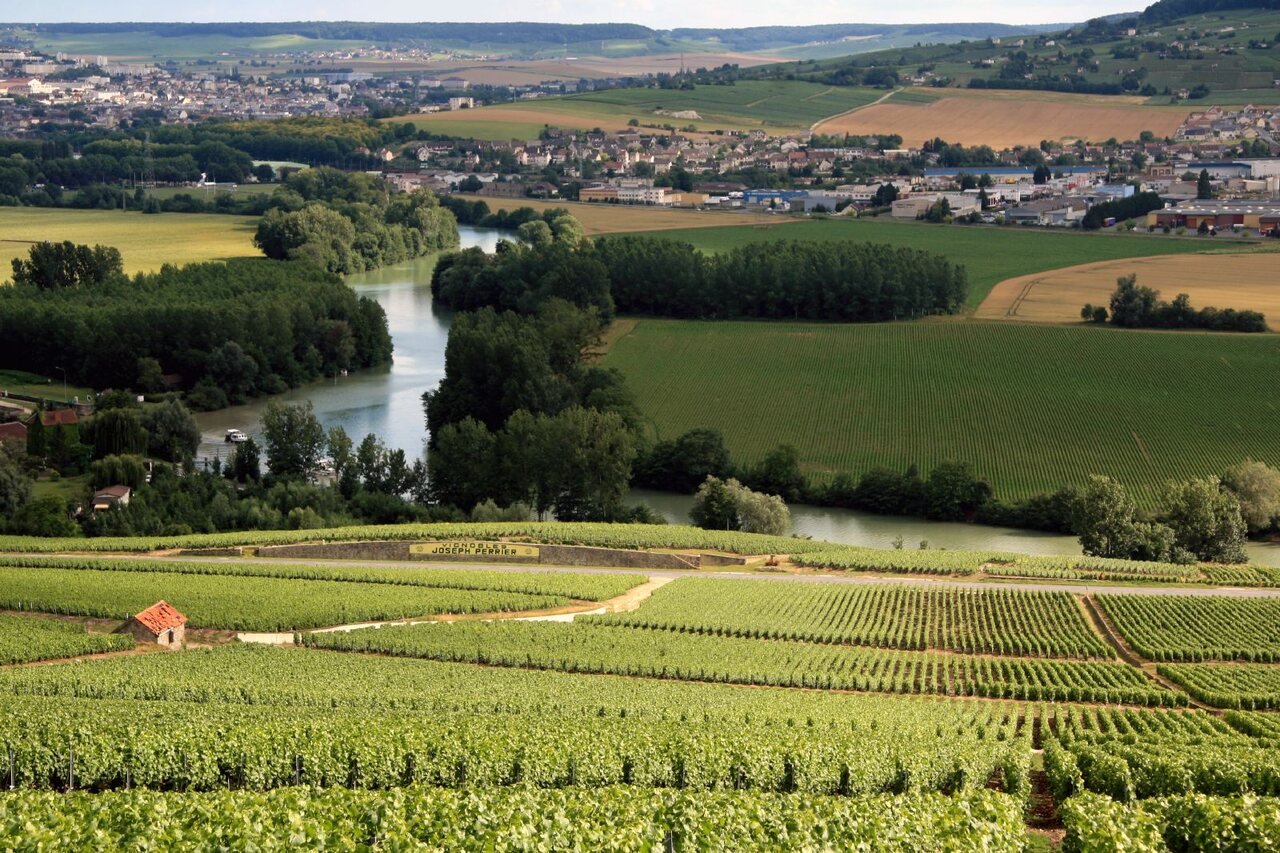
Champagne is known for sparkling wines whose second fermentation takes place in the bottle. Chardonnay, Pinot Noir and Meunier are the principal grapes. The region offers a variety of styles, from crisp Blanc de Blancs to fuller-bodied blends and rosé.
What to see and do: In Reims, combine a visit to historic chalk cellars with the cathedral. In Épernay, explore the Avenue de Champagne and reserve visits to producers. The village of Hautvillers and the Marne Valley provide a scenic contrast to the larger towns, with vineyard roads and smaller estates.
Explore cellar tours and vineyards around the Marne Valley. See official Champagne visitor information. Signature wine: Traditional-method sparkling wine. Where to stay: Reims or Épernay.
Best time and practical tips: Allow two or three days; Reims is convenient by rail from Paris and Épernay also has rail connections. Spring through early autumn is popular, with some cellar visits available year-round. Book ahead and check the Champagne producers directory.
6. Franciacorta, Italy
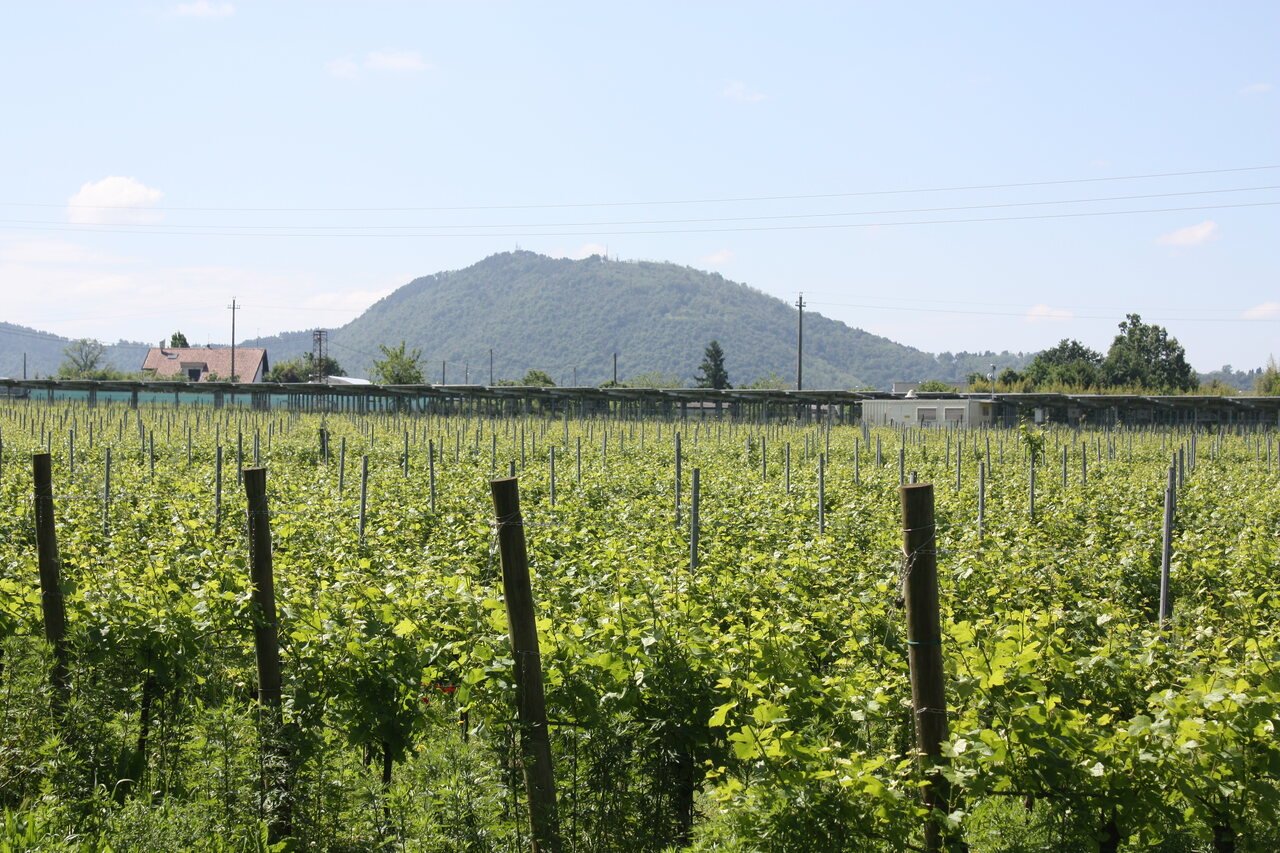
Franciacorta occupies a hilly area of Lombardy south of Lake Iseo. It is known for bottle-fermented sparkling wines, typically made from Chardonnay, Pinot Nero and other permitted grapes. The Satèn style is distinctive for its softer effervescence.
What to see and do: Explore estates around Erbusco, Adro and the surrounding villages. Spend another day by Lake Iseo or take a ferry to Monte Isola, where lakeside walks and traditional restaurants complement the vineyard scenery. Brescia offers Roman heritage and museums for a cultural extension.
Pair winery visits with Lake Iseo and nearby villages. Signature wine: Traditional-method sparkling wine. Where to stay: Iseo or Brescia.
Best time and practical tips: Two or three days work well, with accommodation in Iseo or the countryside. Spring and early autumn suit outdoor excursions. The official Franciacorta wine route has itinerary ideas and a map.
7. Santorini, Greece
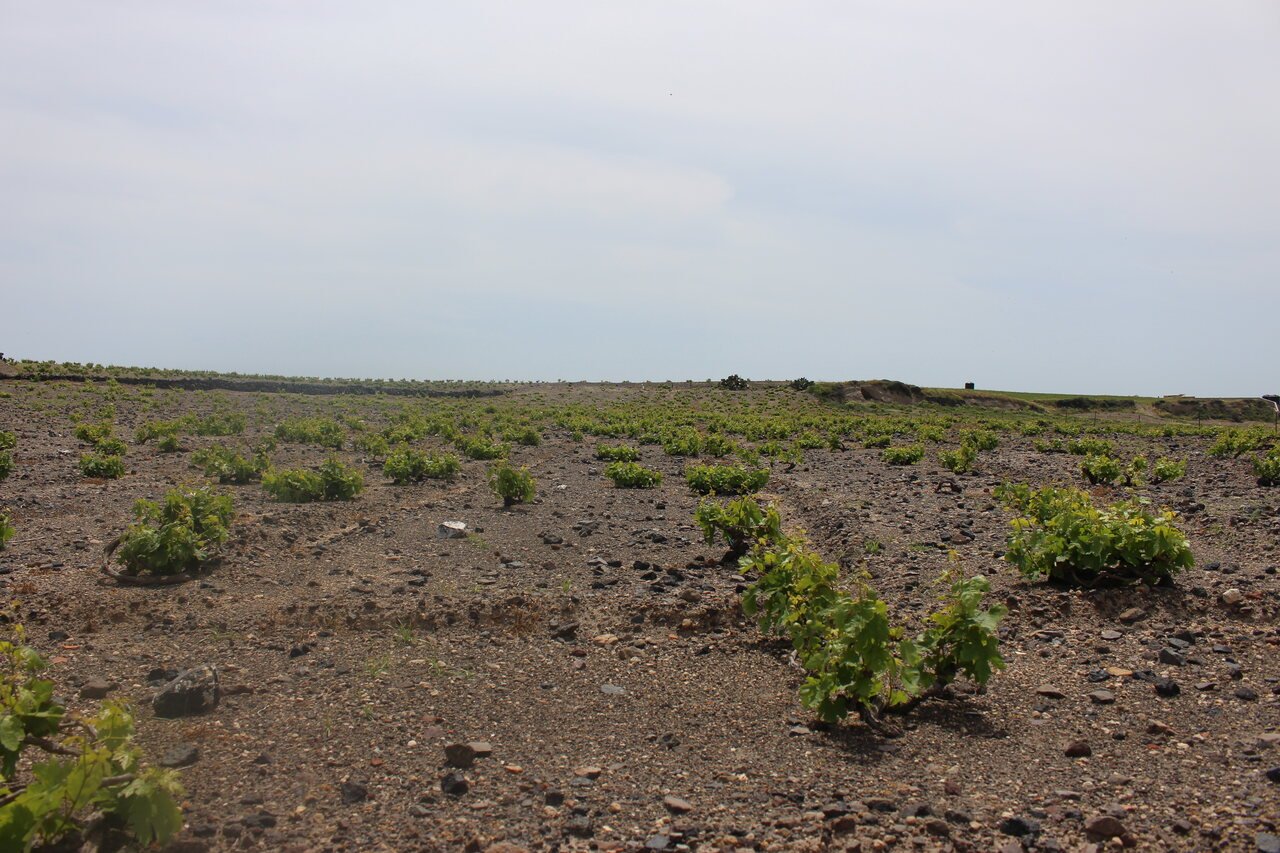
Santorini’s volcanic soils, dry climate and strong winds shape its wine culture. Assyrtiko produces distinctive dry whites, while Vinsanto is a traditional sweet wine made from dried grapes. Growers use low basket-shaped vines to shelter bunches from the wind, a practice explained by Wines of Greece.
What to see and do: Visit wineries near Pyrgos, Megalochori or Exo Gonia to see traditional growing methods. Pair a cellar visit with the hilltop streets of Pyrgos, the caldera views around Fira and local foods such as fava and cherry tomatoes. A guided tour can connect several villages without needing a car.
Explore volcanic vineyards and local cuisine. Reserve tastings with transfers if staying outside the main towns. Signature wine: Assyrtiko whites. Where to stay: Fira.
Best time and practical tips: Allow three or four days for wineries and sightseeing. May, June and September are appealing outside peak summer crowds. Check winery transfer options and opening hours, especially in winter.
8. Ribera del Duero, Spain
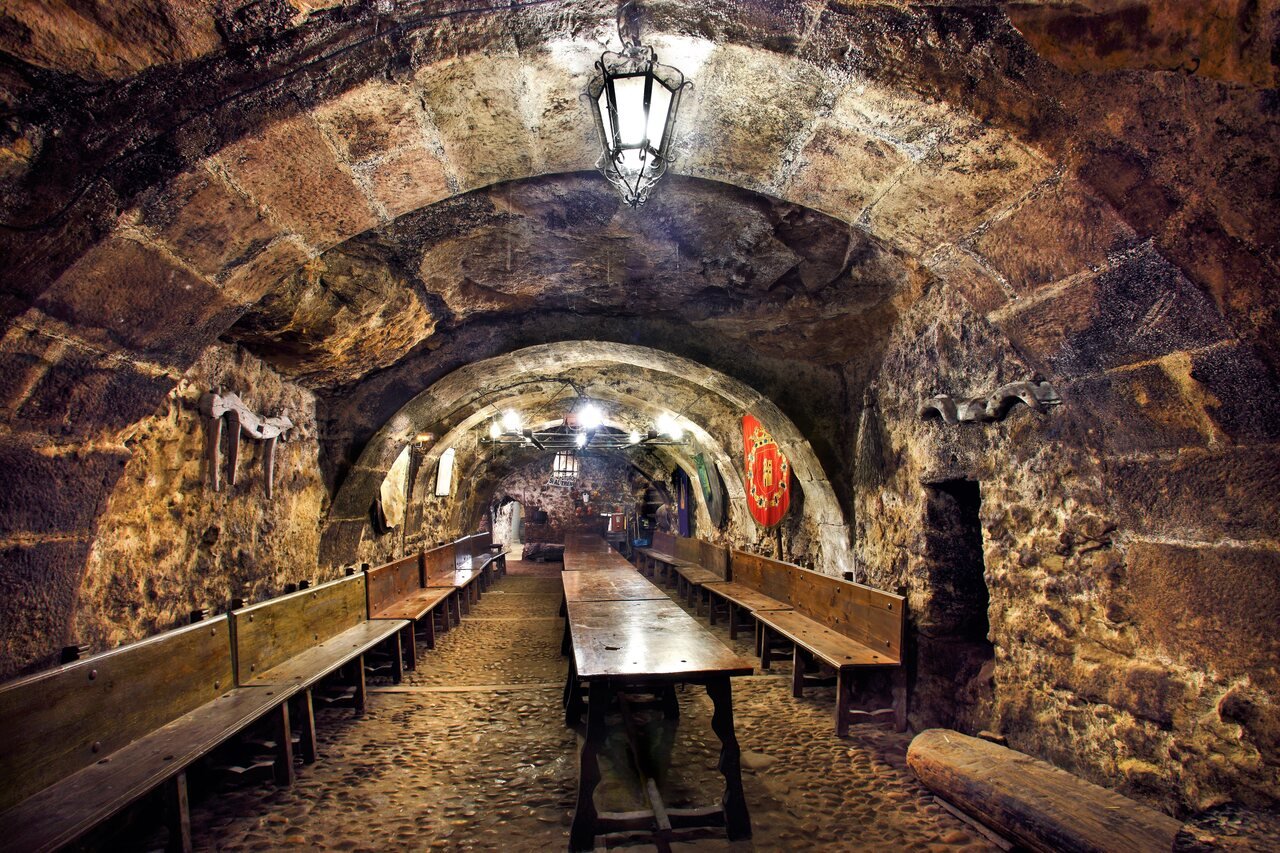
The vineyards of Ribera del Duero spread along the high plateau of Castilla y León. Considerable differences between daytime and night-time temperatures help define the growing conditions. The region is especially known for red wines made primarily from Tempranillo, locally called Tinta del País or Tinto Fino.
What to see and do: Begin in Peñafiel, where the castle houses a wine museum, then visit estates in nearby villages. Aranda de Duero offers historic underground cellars and local cuisine, including roast lamb. Combine a traditional cellar tour with a modern winery to see contrasting production approaches.
Visit cellars and explore the castle and historic towns along the Duero. Signature wine: Tempranillo-based reds. Where to stay: Peñafiel or Aranda de Duero.
Best time and practical tips: Two or three days are suitable, with Peñafiel or Aranda de Duero as a base. May–June and September–October suit countryside touring. Prearrange transport between estates; the regional wine council’s winery listing is a starting point.
9. Douro Valley, Portugal
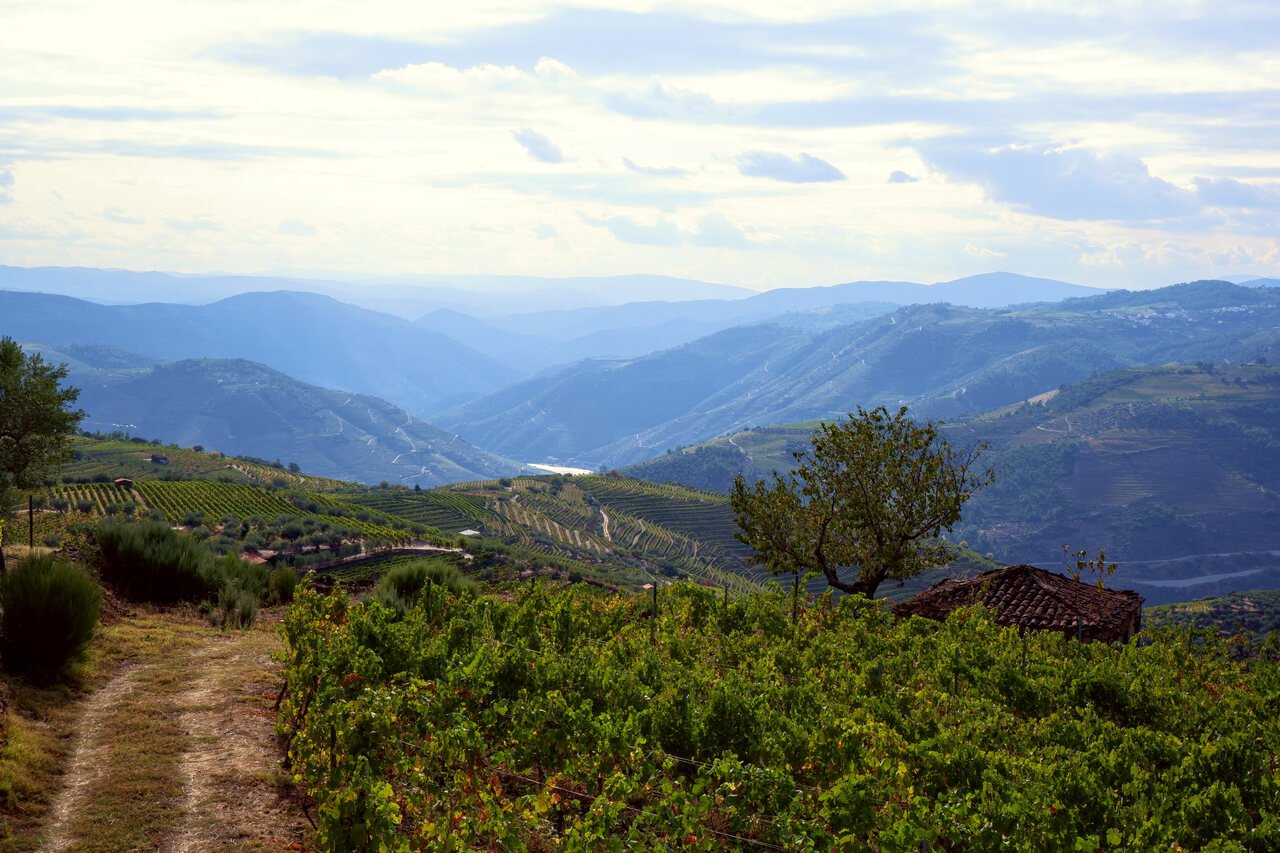
The Douro’s steep terraced vineyards follow the river inland from Porto. Port is the region’s historic fortified wine, while dry reds and whites have also earned international recognition. The demarcated wine landscape has a long history and is recognised by UNESCO.
What to see and do: Stay in Pinhão or Peso da Régua for estate visits and river scenery. Look for traditional azulejo tiles at Pinhão railway station, enjoy viewpoints above the valley and explore a quinta with a cellar tour. In Vila Nova de Gaia across from Porto, visit historic Port lodges to learn about ageing and blending.
Enjoy terraced vineyards and river scenery in the UNESCO-listed Alto Douro Wine Region. Signature wine: Port and still wines. Where to stay: Peso da Régua or Pinhão.
Best time and practical tips: Allow three or four days, including Porto if possible. September and October are popular for harvest experiences, subject to availability. The train offers a scenic alternative to driving; see the official Port and Douro Wine Route.
10. Priorat, Spain
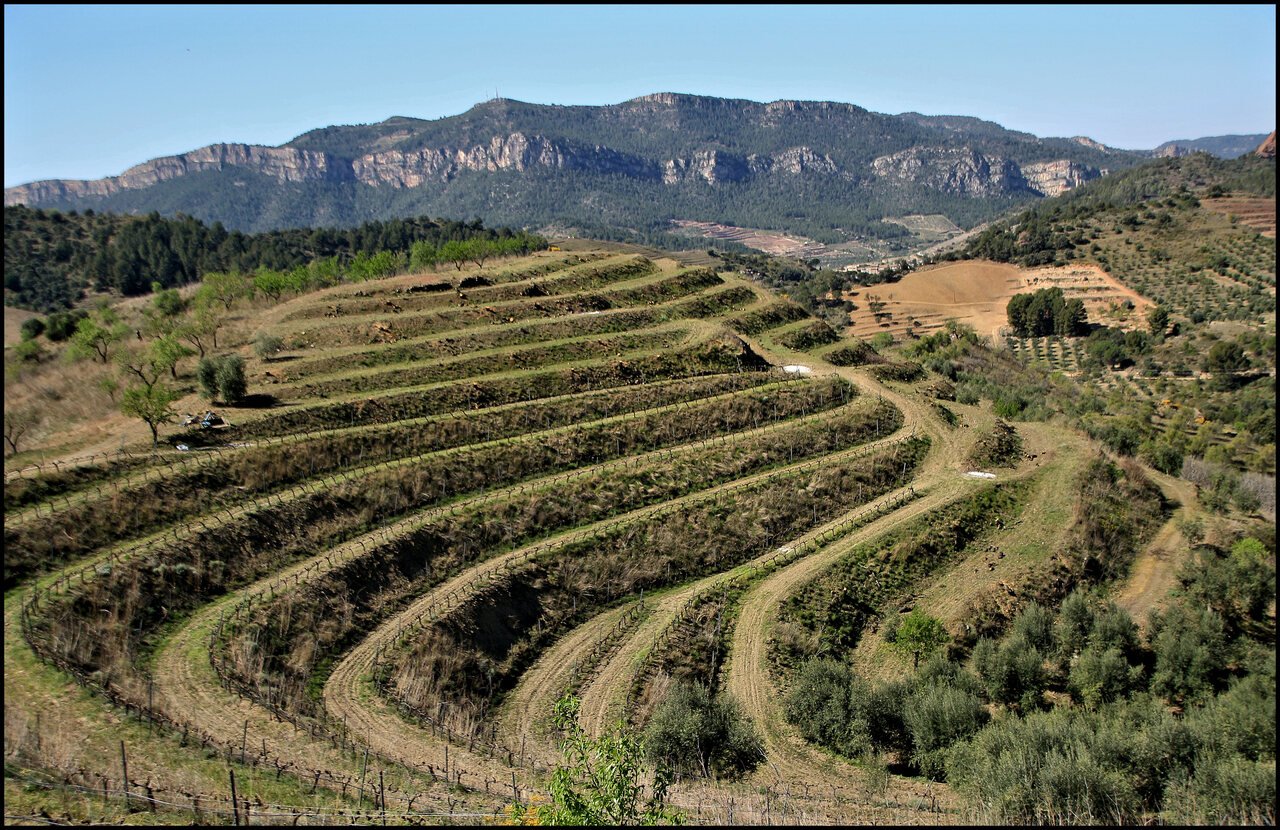
Priorat is a mountainous district of Catalonia inland from Tarragona. Its steep vineyards frequently grow on dark slate-rich soils known as llicorella. Garnacha and Cariñena are central to many of the concentrated red wines; the neighbouring Montsant appellation offers another distinctive local wine tradition.
What to see and do: Explore Gratallops and Porrera, visit the remains of the Carthusian monastery at Escaladei and spend time in Falset. Small estates often welcome visitors by appointment. Between tastings, enjoy mountain viewpoints, local olive oil and the quiet lanes of historic villages.
Discover steep vineyards and villages near the Serra de Montsant. Reserve tastings in advance. Signature wine: Garnacha and Cariñena blends. Where to stay: Falset.
Best time and practical tips: Allow two or three days, staying in Falset or a rural guesthouse. Spring and autumn are attractive for walking and vineyard visits. Roads are winding and public transport is limited, so arrange a private transfer or guided tour. Use the official Priorat winery directory to plan appointments.
Map of European wine regions
Find the regions on Google Maps: Bordeaux, Eger, Tuscany, Rioja, Champagne, Franciacorta, Santorini, Ribera del Duero, Douro Valley, Priorat.
How to plan a European wine holiday
Spring and early autumn are enjoyable for vineyard scenery. Harvest dates vary by region, and some wineries limit visits during harvest. Reserve tours ahead, check tasting languages and confirm transport. Arrange a designated driver, local taxi or guided transfer for tasting days.
Three wine travel itinerary ideas
France, 4–5 days: Spend time in Bordeaux and Saint-Émilion, or choose a separate Champagne trip around Reims and Épernay.
Italy, 4–5 days: Explore Florence, Siena and Chianti, with a day in Montalcino if time permits.
Portugal, 3–4 days: Combine Porto with a stay in the Douro Valley, using the train or a guided excursion.
Where to stay and book vineyard tours
Compare Bordeaux hotels on Trip.com and browse wine excursions on GetYourGuide. Confirm pickup, tasting inclusions and cancellation terms before booking.
Building a wine-trip shortlist after this European top ten? Compare city-focused picks in Europe’s best wine cities, led by Maribor and a global shortlist of five wine regions a traveler loved after 77 visits. For Bordeaux itself, start with Bordeaux Tourism.
Frequently asked questions
Which wine region ranked first?
Bordeaux ranked first in the 2025 Emerald Cruises study, followed by Eger and Tuscany.
When should you visit European vineyards?
Spring and early autumn are popular. Check the winery’s opening times and local harvest schedule.
Which regions are best for sparkling wine?
Champagne in France and Franciacorta in Italy are known for traditional-method sparkling wines.
Can you visit wineries without renting a car?
Yes. Choose a well-connected base and book a guided excursion, taxi or prearranged winery transfer.

Konstantin is an acclaimed travel writer, celebrated for transforming ordinary journeys into extraordinary narratives. With years of experience exploring diverse destinations across the globe, his work blends vivid storytelling, cultural insights, and practical advice to inspire wanderlust and guide readers toward unforgettable adventures.
As a key contributor to enjoythetrip.org website, Konstantin has built a loyal readership through their expertise in uncovering both iconic landmarks and off-the-beaten-path treasures. He specializes in providing travelers with honest, actionable tips, whether it’s finding the best resorts in Maldives, exploring cultural hubs like Paris, or diving into the natural wonders of Croatia.