

Badalona, Spain, is a Mediterranean coastal city just northeast of Barcelona, with golden-sand beaches, Roman ruins, a lively waterfront and local cafés. It is easy to reach by metro or suburban train, making it an attractive day trip from Barcelona or a base for a longer beach holiday. This guide covers the best things to do in Badalona, where to swim, where to stay and how to get there.
General information
Badalona is a Spanish city in the eastern part of the country, located on the Mediterranean coast. Located 11 km from the center of the Catalan capital and 23 km from Barcelona International Airport. Badalona has an area of 21.2 km2 and a population of 220,400.
Interestingly, Badalona shares the metro, airport and Trambesòs (rapid tram line) with the capital of Catalonia. There are also many bus routes connecting these two cities.
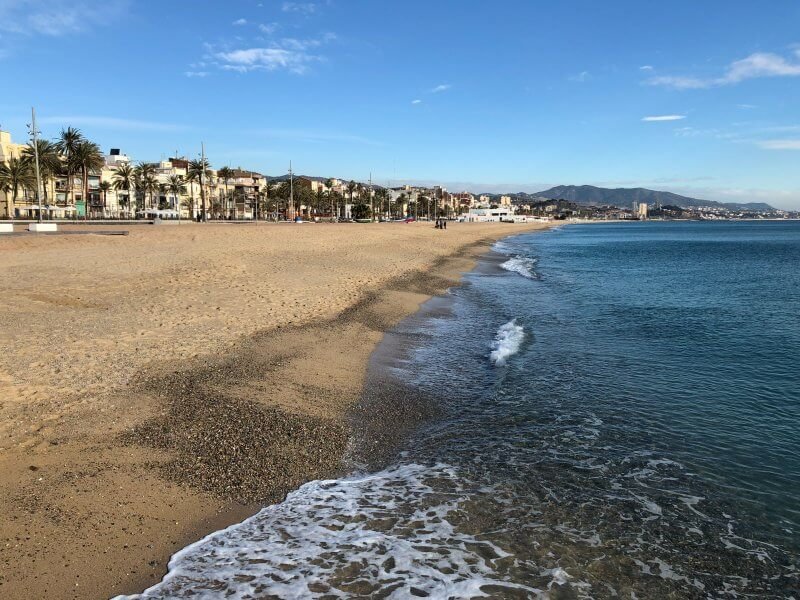
Badalona developed from the Roman settlement of Baetulo into a modern coastal city with a strong industrial and maritime heritage. Its waterfront now combines beaches, walking paths and a marina.
Externally, Badalona looks like a modern metropolis with a large number of office buildings, cafes and hotels. The main advantage of this resort is the presence of a large beach and a long embankment.
Map of Badalona attractions and beaches
Museu de Badalona · Pont del Petroli · Rambla de Badalona · Can Solei i Ca l’Arnús · Sant Jeroni de la Murtra · Platja dels Pescadors
Best things to do in Badalona, Spain
Badalona rewards visitors with a compelling mix of archaeological sites, historic streets, modernist architecture and seaside walks. The central sights are close together, making them ideal for a relaxed day out.
1. Museu de Badalona and Roman Baetulo
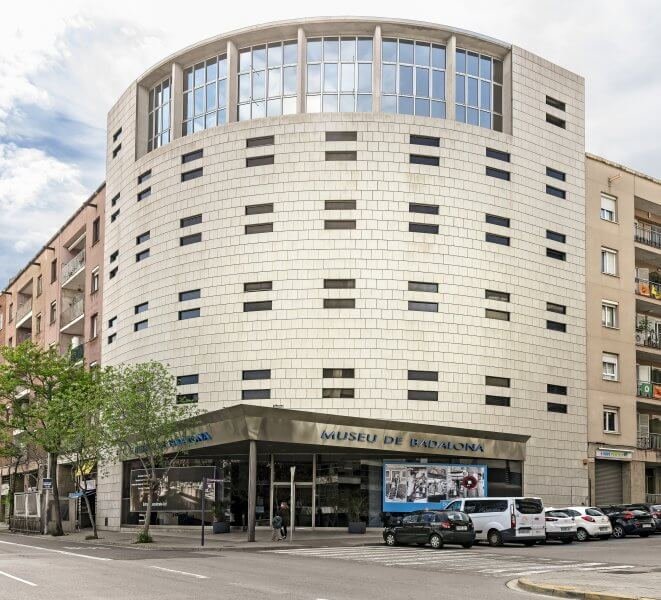
This is the largest and most visited museum of the resort, opened in 1966. It is located on the site of an ancient Roman thermal bath, which was found by archaeologists in 1954. Almost the entire exhibition is dedicated to this historical period – the era of the Roman Empire. The museum also features the following collections and exhibits:
- ancient ceramics and domestic objects;
- Roman artefacts, including the statue of Venus and ancient oil lamps;
- Medieval period (Saint Sebastian’s iconostasis);
- modernity (tiles of the 16th-17th centuries);
- culture of the XX century (paintings “Image of Brittany”, “Convalescent’s Breakfast”, “Dream”, “Panoramic view of Spain”).
Among the most interesting exhibits are:
- Roman baths. They are located in the basement of the museum, and perfectly convey the atmosphere of those times. Tourists consider this part of the museum to be the most interesting.
- Sculpture of Venus. This is a small piece depicting the goddess of beauty, love and fertility.
- Collection of medals TINTAS DE IMPRENTA CH. LORILLEUX & CIA.
Dolphin House
Casa dels Dofins, or Dolphin House, is a Roman residence with striking mosaics and traces of painted walls. Along with Casa de l’Heura, it gives a fascinating glimpse into the homes of wealthy residents of ancient Baetulo. These archaeological sites have separate visiting schedules.

The Garden of Quintus Licinius
This is a small hall on the first floor of the museum, where you can see what kind of garden used to surround a Patrician house. You will take a virtual walk around the site, and see a stone pool built in the 1st century BC, plants that grew here, and hear birds singing.
Practical information:
- Location: Pl. Assemblea de Catalunya 1, 08911 Badalona.
- Opening hours: Tuesday–Saturday 10:00–14:00 and 17:00–20:00, Sundays and public holidays 10:00–14:00. Summer hours and house visits differ.
- Admission: general ticket €6.50, reduced €5.20. Individual sites have separate tickets. See the official schedule for eligibility and current prices.
- Official museum hours and tickets
2. Pont del Petroli and the Anís del Mono statue

The Pont del Petroli is one of Badalona’s most photographed landmarks. The pier was formerly used to unload petroleum from tankers. Its distinctive silhouette and surrounding shoreline make it a lovely photo stop, especially around sunrise or sunset. Access to the outer platform has been restricted, so consult the city’s current notices before planning a walk on the pier.
Near the entrance to the pier is a symbol and attraction of the city of Badalona in Spain-a sculpture of a monkey man with a bottle of anise liqueur in his hand. Interestingly, it was installed not by the city authorities, but by the owners of the liquor factory, who considered it a good advertisement for their product. Perhaps this is a favorite sculpture of both city visitors and local residents – everyone likes to take pictures with it.
Location: Passeig de la rambla, Badalona, Spain.
3. La Rambla and the seafront promenade
La Rambla is the city’s palm-lined pedestrian promenade, with cafés, restaurants and sea views. Walk from Carrer del Mar toward the waterfront, then follow the coastal path toward the Pont del Petroli and the marina. The city’s official seaside audio route is approximately five kilometres return.
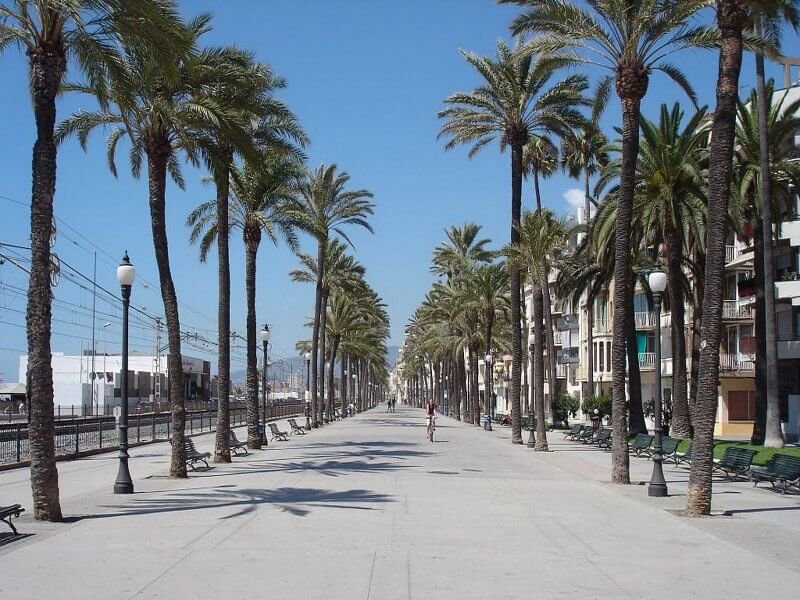
Look for historic houses and modernist architectural details as you stroll. Stop for coffee or an ice cream before spending the afternoon at one of the nearby beaches.
Location: Passeig de la rambla, Badalona, Spain.
4. Can Solei and Ca l’Arnús Park
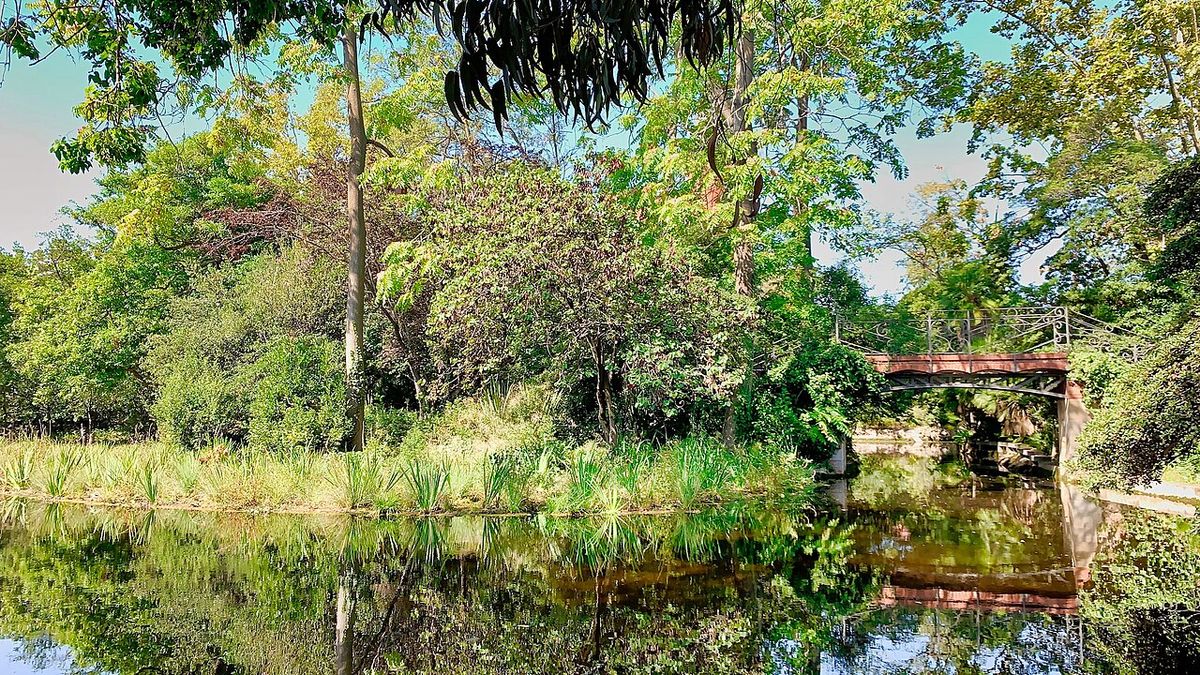
Away from the seafront, the adjoining Can Solei and Ca l’Arnús gardens offer leafy walking paths, ornamental lakes and historic garden structures. Plan a quiet walk here on a hot afternoon. It is a pleasant stop for families who want a change from the beach, and a good way to see a more residential side of the city.
5. Sant Jeroni de la Murtra monastery
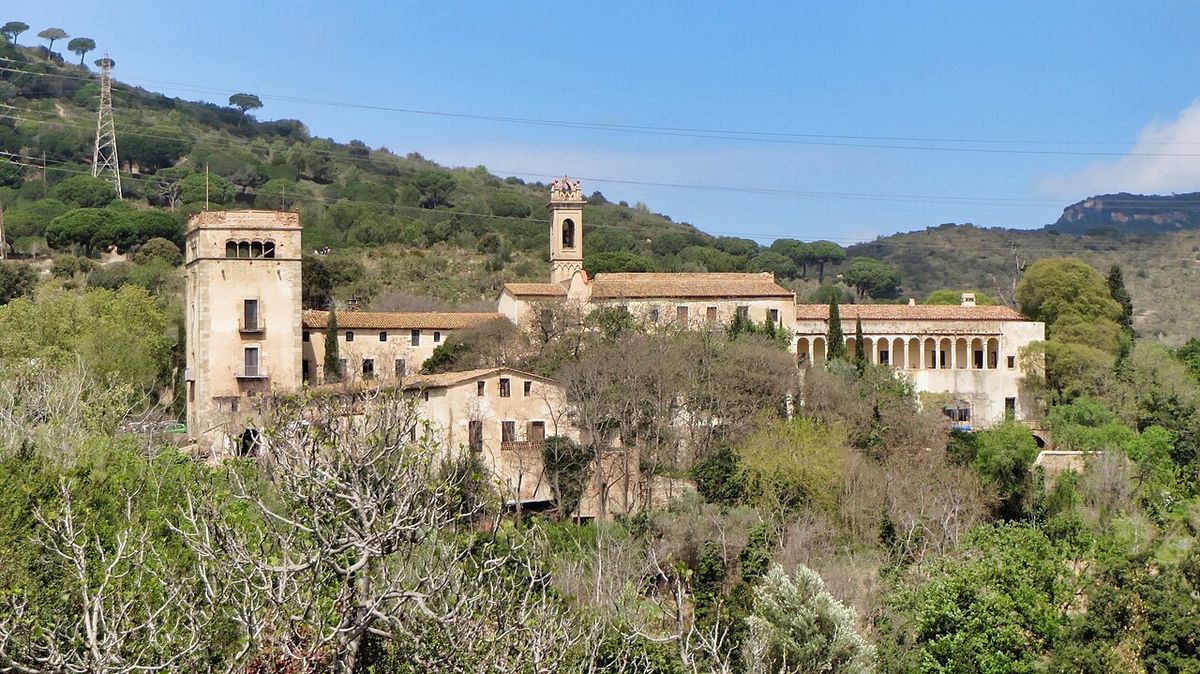
This historic Gothic monastery lies in the hills inland from Badalona. Its cloister, stone architecture and peaceful surroundings make an interesting contrast to the modern waterfront. It is a good choice for visitors with extra time who enjoy history and countryside walks. Guided visits are subject to the monastery’s schedule.
6. Dalt de la Vila and Anís del Mono factory
Explore the old quarter of Dalt de la Vila around the historic church and small streets. Afterwards, head down to the waterfront, where the Anís del Mono factory preserves part of the city’s industrial history. Guided visits to the old town and the factory are listed on the Badalona tourism website.
Best beaches in Badalona
Badalona’s coastline is divided into several named beaches, including Platja dels Pescadors, Platja de l’Estació, Platja del Pont del Petroli, Platja del Coco and Platja de la Marina. The central beaches are particularly convenient for visitors arriving by train.
The beaches have golden, sometimes coarse sand. Sea conditions and the slope of the seabed vary, so choose a supervised bathing area during the summer season.
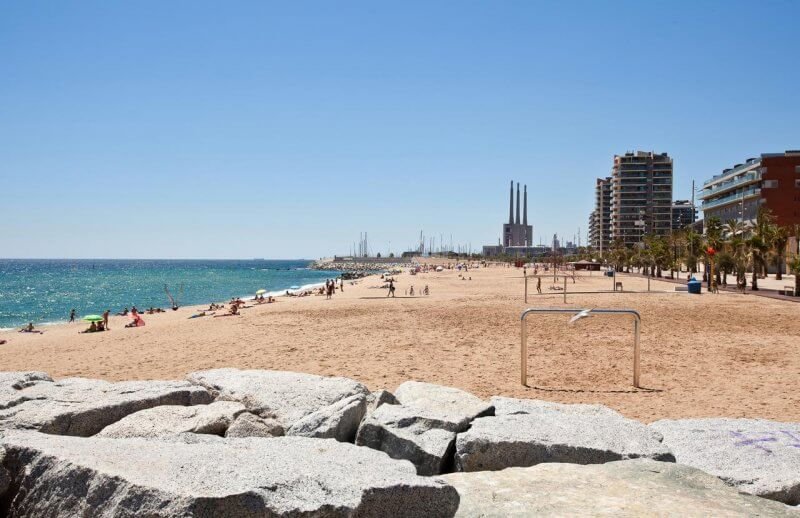
Weekends and summer afternoons can be busy, while weekday mornings are generally more relaxed. The length of the waterfront makes it easy to combine a swim with a walk or lunch by the sea.
Beach facilities vary by section and season. The main waterfront has cafés and restaurants, and several sections provide showers, toilets or other services during the bathing season. See the city’s beach information for details.
Badalona is a suitable holiday destination for those who live in Barcelona, but want to swim in clean water and do not have the opportunity to go far from the Catalan capital.
Platja dels Pescadors
A central urban beach close to La Rambla. It is ideal for a short swim between sightseeing and a meal in town.
Platja de l’Estació and Pont del Petroli
These stretches of coast are close to the R1 railway station and the former oil pier. They are ideal for a quick day trip, with views of the pier and sea promenade.
Platja del Coco and Platja de la Marina
The beaches nearer the marina are convenient for visitors staying south of the historic centre. Combine time on the sand with lunch beside the harbour and a stroll along the waterfront.
Where to stay in Badalona
Badalona offers a useful alternative to accommodation in central Barcelona, especially if you prefer easy access to the beach. Compare prices for your dates, as summer weekends and major Barcelona events can raise demand.
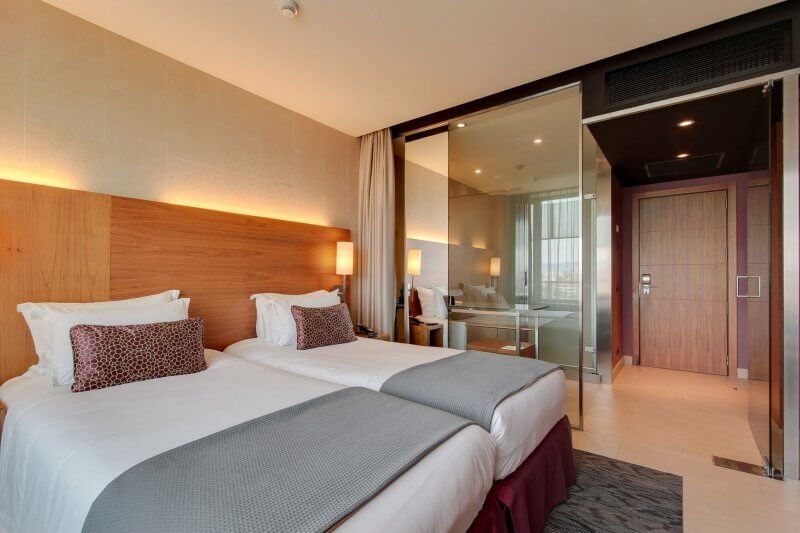
Hotel Marina Badalona 4★

A contemporary waterfront hotel beside the marina and near Platja del Coco. Its rooms include sea-view options, and the wellness area, rooftop pool and restaurant make it especially appealing for couples and travellers planning a relaxing coastal stay. The location is ideal for waterfront walks and evening dining.
Check availability and prices at Hotel Marina Badalona
Hotel Badalona Tower 4★
Located on Avenida de Navarra, this modern hotel is convenient for exploring the old town and Roman museum. It offers comfortable rooms, a rooftop terrace, fitness facilities and El Badiu restaurant, which serves Mediterranean cuisine. It suits travellers who want a practical base for sightseeing and day trips into Barcelona.
Check availability and prices at Hotel Badalona Tower
How to get to Badalona from Barcelona
Getting to Badalona is no problem. There are several options at once.
Metro
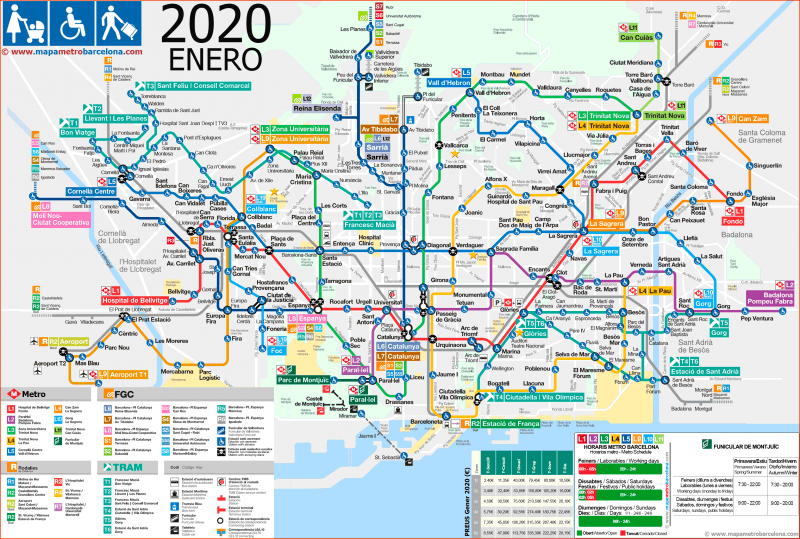
Take metro line L2 towards Badalona Pompeu Fabra, the most convenient stop for the old town and museum. The ride from central Barcelona typically takes around 25–35 minutes. In 2026, a single TMB ticket costs €2.90 and a one-zone T-casual 10-journey ticket costs €13.00. Consult current TMB fares and service updates before travelling.
Railway
Take the Rodalies R1 suburban train from Plaça de Catalunya or Arc de Triomf towards the Maresme coast and get off at Badalona. The station is beside the beach, making the train particularly convenient for a seaside day trip. Consult the Rodalies service website for timetables.
Tram: The Trambesòs network serves Gorg. It is a useful option when staying near Glòries or the eastern districts of Barcelona. Check the route and transfer times in advance.
Bus
Local buses connect Badalona with Barcelona and neighbouring municipalities. For the fastest route from your accommodation, use the public transport journey planner.
Interesting facts about Badalona
- Badalona is known for its distinctive Anís del Mono distillery and maritime heritage.
- The Roman town of Baetulo was established centuries before the modern city of Badalona.
- Every year in May, the coast hosts the ” feast of the burning of all devils” – a huge figure of a monster is brought to the beach, which is burned late in the evening to salutes.
- Be sure to visit the festival dedicated to the feast of the arrival of the Virgin. On this day, local residents launch hundreds of salute volleys into the sky, arrange costume shows and theatrical performances.
- Saint Anastasio is considered the patron saint of Badalona.
Badalona, Spain is the perfect holiday destination for those who want to combine Barcelona sightseeing with a beach holiday.
One day in Badalona: suggested itinerary
Morning: take the train to Badalona and visit the Roman museum and Dalt de la Vila. Lunch: walk along Carrer del Mar to La Rambla and choose a waterfront restaurant. Afternoon: relax at Platja dels Pescadors or Platja de l’Estació, then follow the promenade towards the Pont del Petroli and the marina.
Frequently asked questions
Is Badalona worth visiting from Barcelona?
Yes. Badalona is an easy day trip with a quieter beachfront, Roman archaeology and a pleasant promenade. It also makes a good base for travellers who prefer a coastal stay.
How far is Badalona from Barcelona?
Badalona is immediately northeast of Barcelona. Metro and suburban trains connect the cities, with journeys generally around 20–35 minutes from central Barcelona depending on the starting point.
Are Badalona beaches free?
Yes, public beach access is free. Beach services and facilities vary with the season.
When is the best time to visit Badalona?
May, June and September are pleasant for sightseeing and beach walks. July and August are usually the warmest months for swimming. Spring and autumn are ideal for exploring the Roman museum and old town.

Konstantin is an acclaimed travel writer, celebrated for transforming ordinary journeys into extraordinary narratives. With years of experience exploring diverse destinations across the globe, his work blends vivid storytelling, cultural insights, and practical advice to inspire wanderlust and guide readers toward unforgettable adventures.
As a key contributor to enjoythetrip.org website, Konstantin has built a loyal readership through their expertise in uncovering both iconic landmarks and off-the-beaten-path treasures. He specializes in providing travelers with honest, actionable tips, whether it’s finding the best resorts in Maldives, exploring cultural hubs like Paris, or diving into the natural wonders of Croatia.