
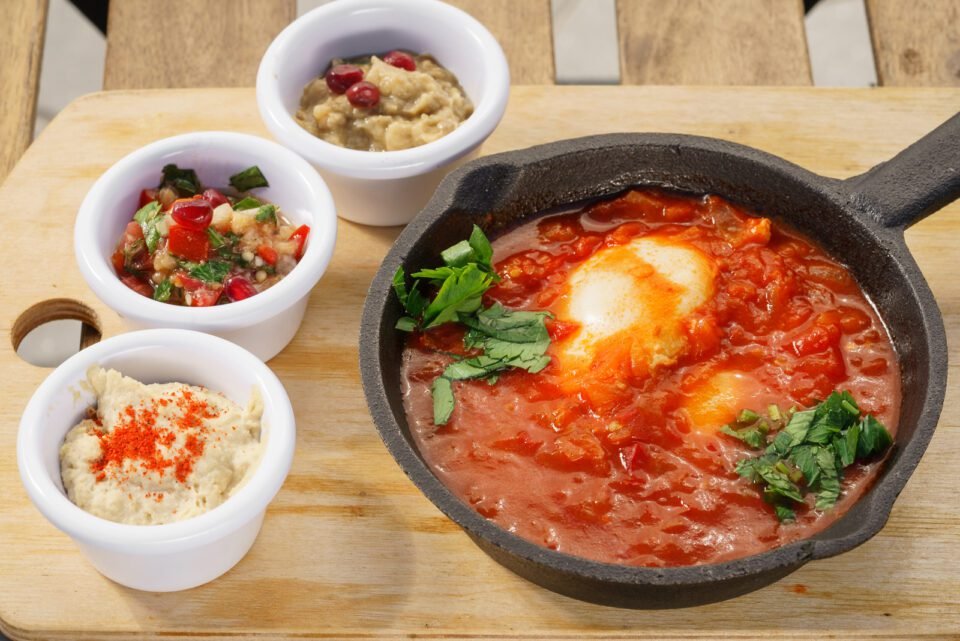
Israeli food brings together the flavors of the Mediterranean, the Middle East, North Africa and Jewish communities from around the world. From warm hummus and crisp falafel to a slow-cooked Shabbat stew and syrup-soaked knafeh, this guide introduces 12 traditional dishes to try, explains where to find them and offers practical tips for eating your way through Israel.
12 traditional Israeli food dishes at a glance
| Dish | What it is | Where or when to try it |
|---|---|---|
| Hummus | Creamy chickpea and tahini dip | Hummusia, lunch |
| Bourekas (burekas) | Flaky filled pastry | Bakery, breakfast |
| Falafel | Crispy fried chickpea balls | Street-food stall |
| Baba ghanoush (babaganush) | Smoky eggplant dip | Meze restaurant |
| Shakshuka | Eggs poached in tomato sauce | Breakfast café |
| Cholent (hamin) | Slow-cooked Sabbath stew | Friday night or Saturday lunch |
| St. Peter’s fish | Grilled tilapia | Sea of Galilee |
| Malawach (malauah) | Flaky fried flatbread | Yemenite bakery or café |
| Israeli salad | Finely chopped fresh vegetables | Breakfast or meze |
| Jachnun (jahnun) | Slow-baked rolled pastry | Saturday breakfast |
| Knafeh (knafe) | Warm cheese and syrup dessert | Sweet shop or market |
| Halva (halvah) | Sesame-based sweet | Market or sweet shop |
What makes the cuisine of Israel distinctive?
Fresh vegetables, legumes, fish, fruit, olive oil and herbs dominate many menus. Immigrants brought cooking traditions from Central and Eastern Europe, the Iberian Peninsula, North Africa, the Middle East and Yemen. Ashkenazi Jewish dishes include chicken broth, tzimmes and cholent, while Sephardic and Mizrahi traditions contribute a wealth of stews, rice dishes, herbs and spices. Palestinian and other local Arab food traditions are also integral to the region’s culinary identity.
Kosher food in Israel
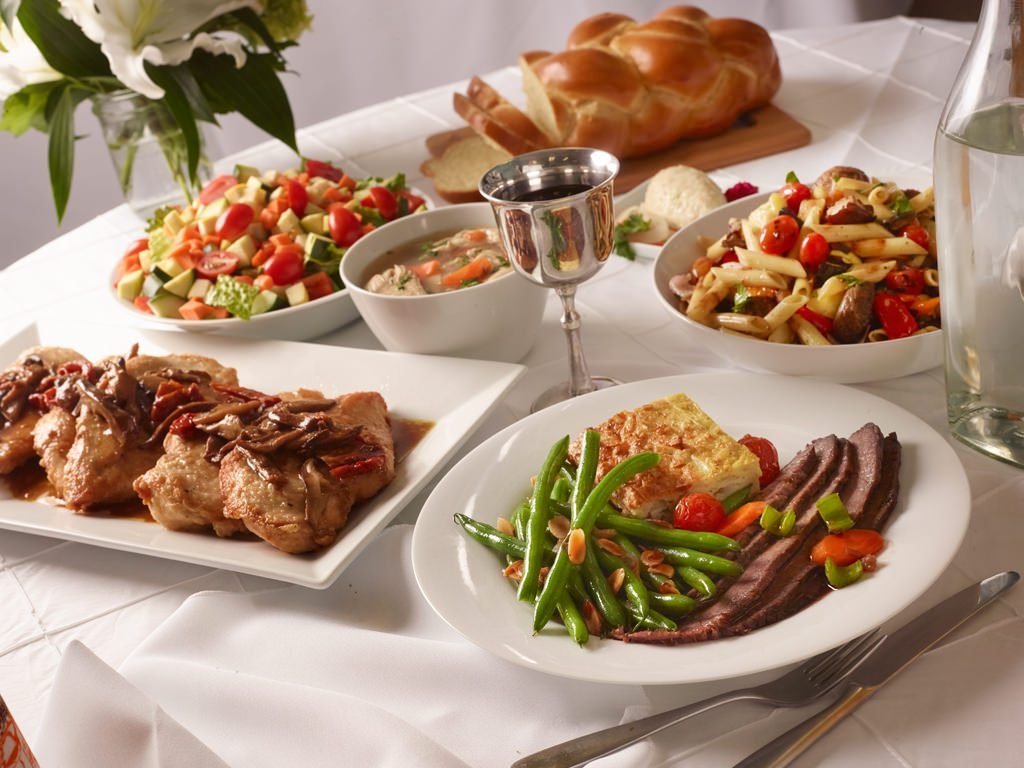
Kashrut is the set of Jewish dietary laws. Among other rules, kosher meat comes from permitted animals and poultry, and fish must have fins and scales. Pork, rabbit and shellfish are excluded. Meat and dairy are kept separate in kosher kitchens, with separate equipment and utensils.

Many restaurants and shops observe these rules, but non-kosher establishments also exist. If certification matters to you, look for a current kosher certificate. For more background, see the OU Kosher certification guide.
10 savory dishes to try in Israel
1. Hummus
Hummus is a smooth, golden-colored spread of cooked chickpeas, tahini, lemon juice and garlic. A generous drizzle of olive oil, paprika and parsley adds richness. Served warm with fresh pita, pickles and raw onion, it can be a starter or a satisfying meal on its own.
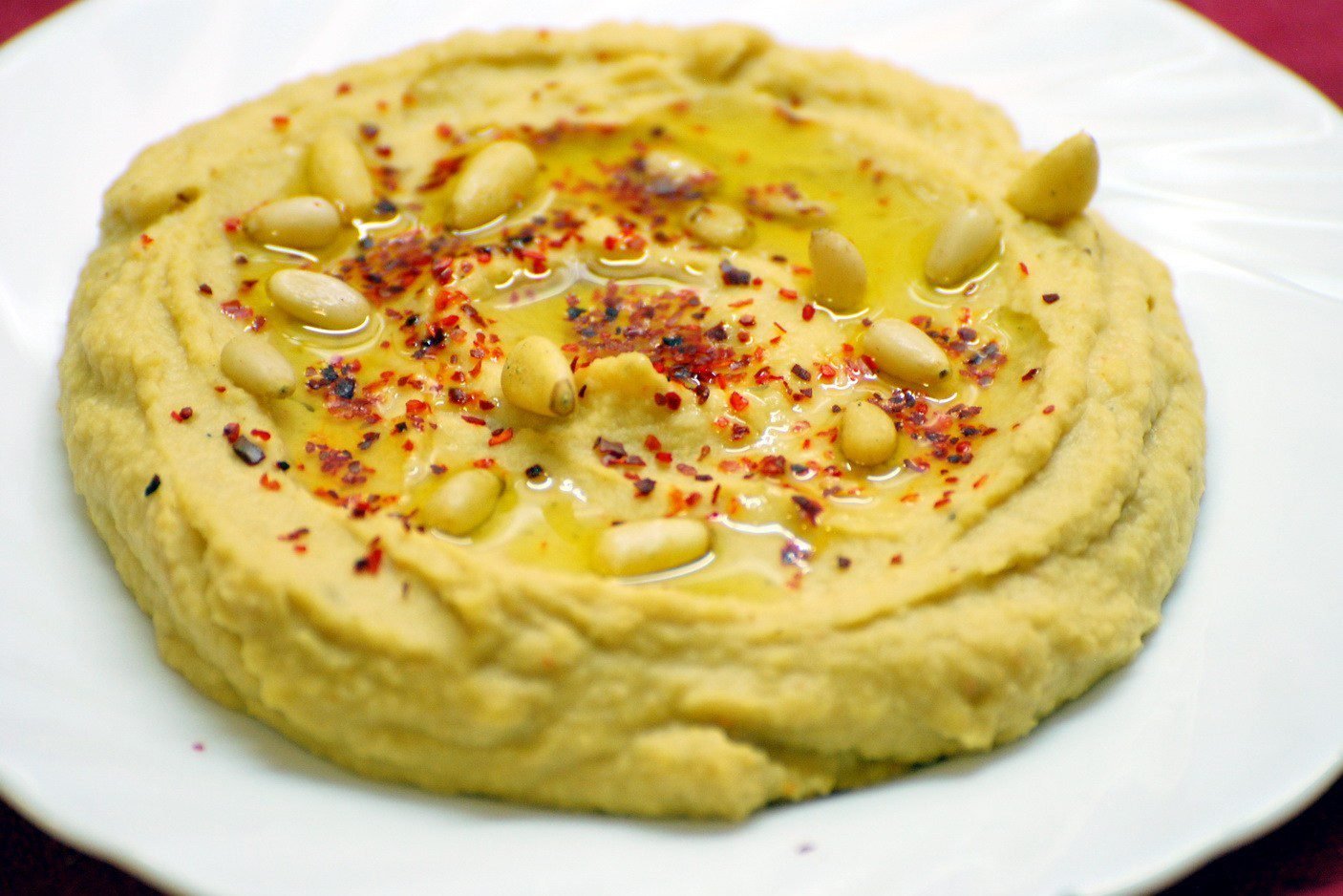
For a different texture, order masabacha, which includes whole warm chickpeas. Hummus with minced meat is called hummus kawarma. Ask for an extra pita to scoop up the last of the sauce.
2. Bourekas (burekas)
With Turkish and Balkan roots, bourekas are crisp, golden pastries made from puff pastry or phyllo. Popular fillings include salty cheese, spinach, potato and mushrooms. The shape often indicates the filling, although signs and bakery staff are the best guide.
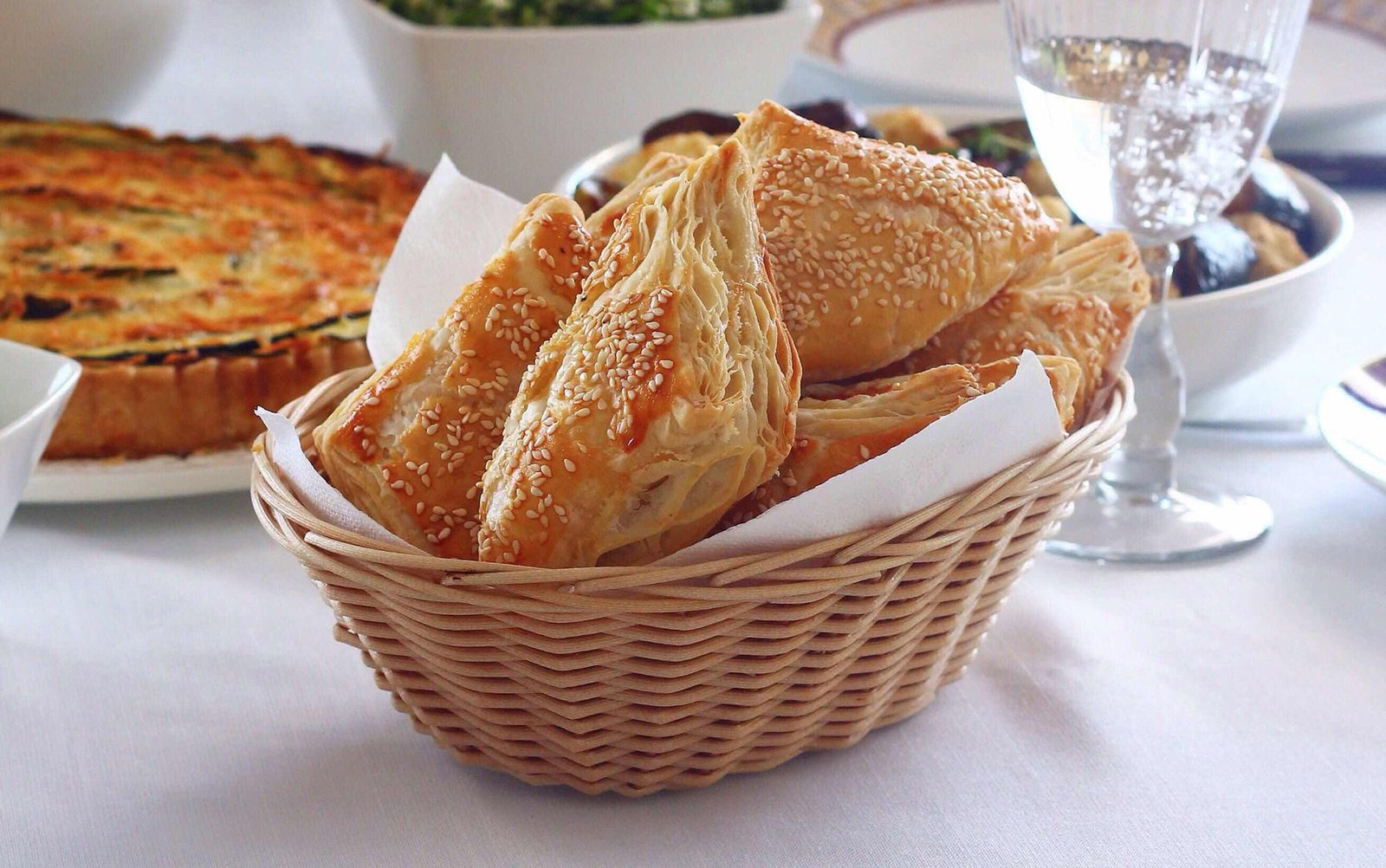
Order a warm cheese or potato boureka with a hard-boiled egg, grated tomato and pickles for a classic bakery breakfast. Small pastries are ideal for sharing and sampling different fillings.
3. Falafel
Falafel is made from ground chickpeas or other legumes, herbs, onion and spices, shaped into small balls and fried until golden. The crisp shell gives way to a fragrant green interior, often flavored with parsley, coriander and cumin. Its origins are debated, and it is enjoyed throughout the Middle East.
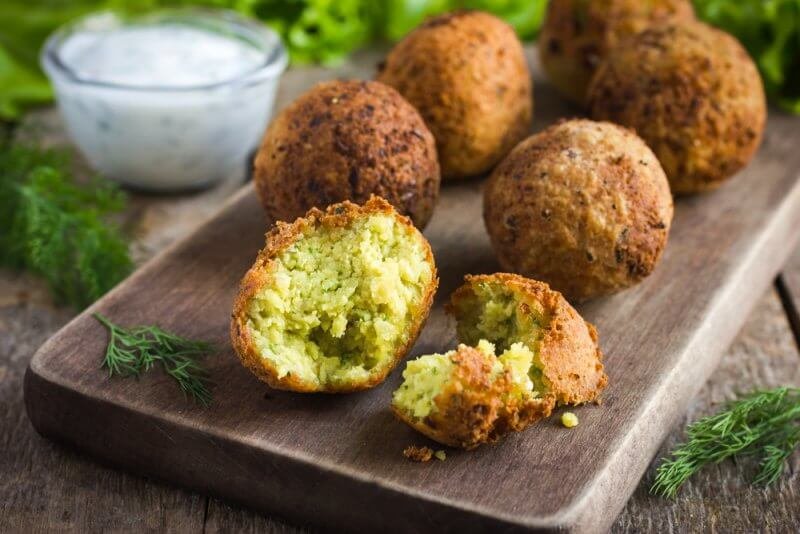
Try a pita filled with freshly fried falafel, chopped salad, pickles and tahini. For extra heat, ask for hot sauce on the side. A falafel plate is a good choice if you prefer to eat without bread.
4. Baba ghanoush (babaganush)
Eggplant is a staple across Israeli and neighboring cuisines. For baba ghanoush, cooks char the eggplant over an open flame, scoop out its tender flesh and blend it with tahini, garlic and lemon juice. This produces a creamy dip with a pronounced smoky flavor.
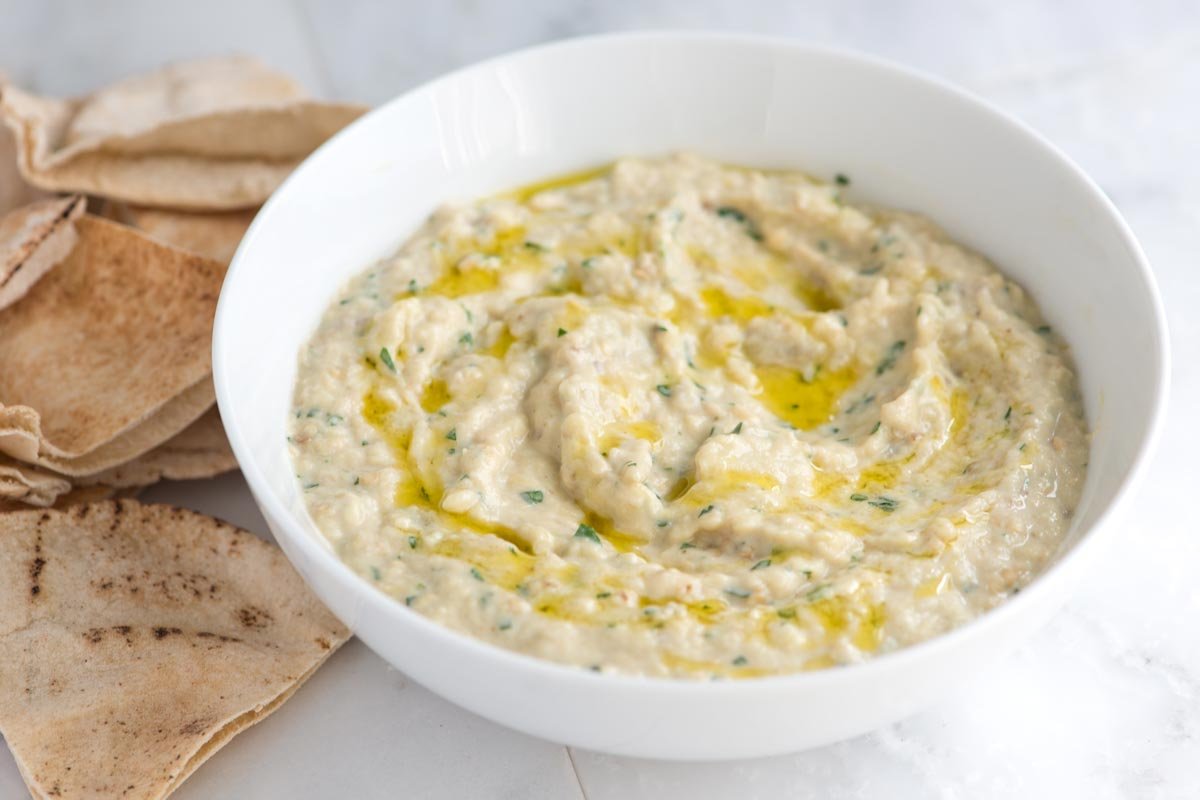
Order it alongside hummus, fresh pita and a selection of small salads. Some local eggplant salads contain mayonnaise or yogurt instead of tahini, so ask about ingredients if you have dietary preferences.
5. Shakshuka
Shakshuka combines eggs with a richly seasoned sauce of tomatoes, bell peppers, onions and spices. The dish has North African roots and is especially popular for breakfast and brunch. It usually arrives in a hot skillet, with soft yolks and bread for dipping.
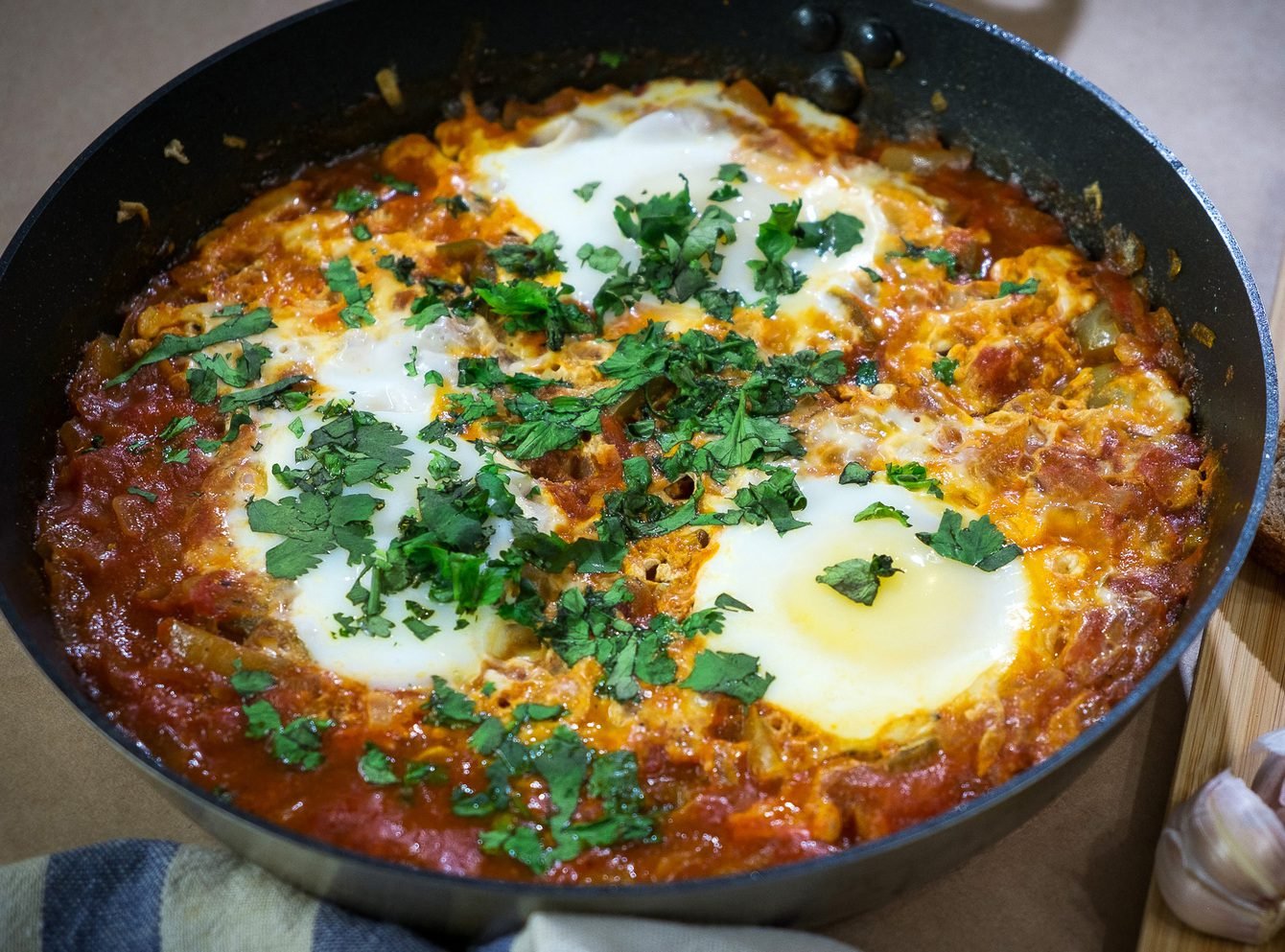
Classic red shakshuka is gently spicy, while green versions use spinach or herbs. Some cafés offer feta, eggplant or a spicy sausage topping. Choose a version that suits your taste and ask for the eggs cooked to your preference.
6. Cholent (hamin)
Cholent and hamin are names for traditional Jewish stews cooked slowly overnight for Shabbat. Recipes vary by family and community. Ashkenazi versions often include beans, barley, potatoes and meat, while Sephardic hamin may include chickpeas, rice, eggs and different spices.
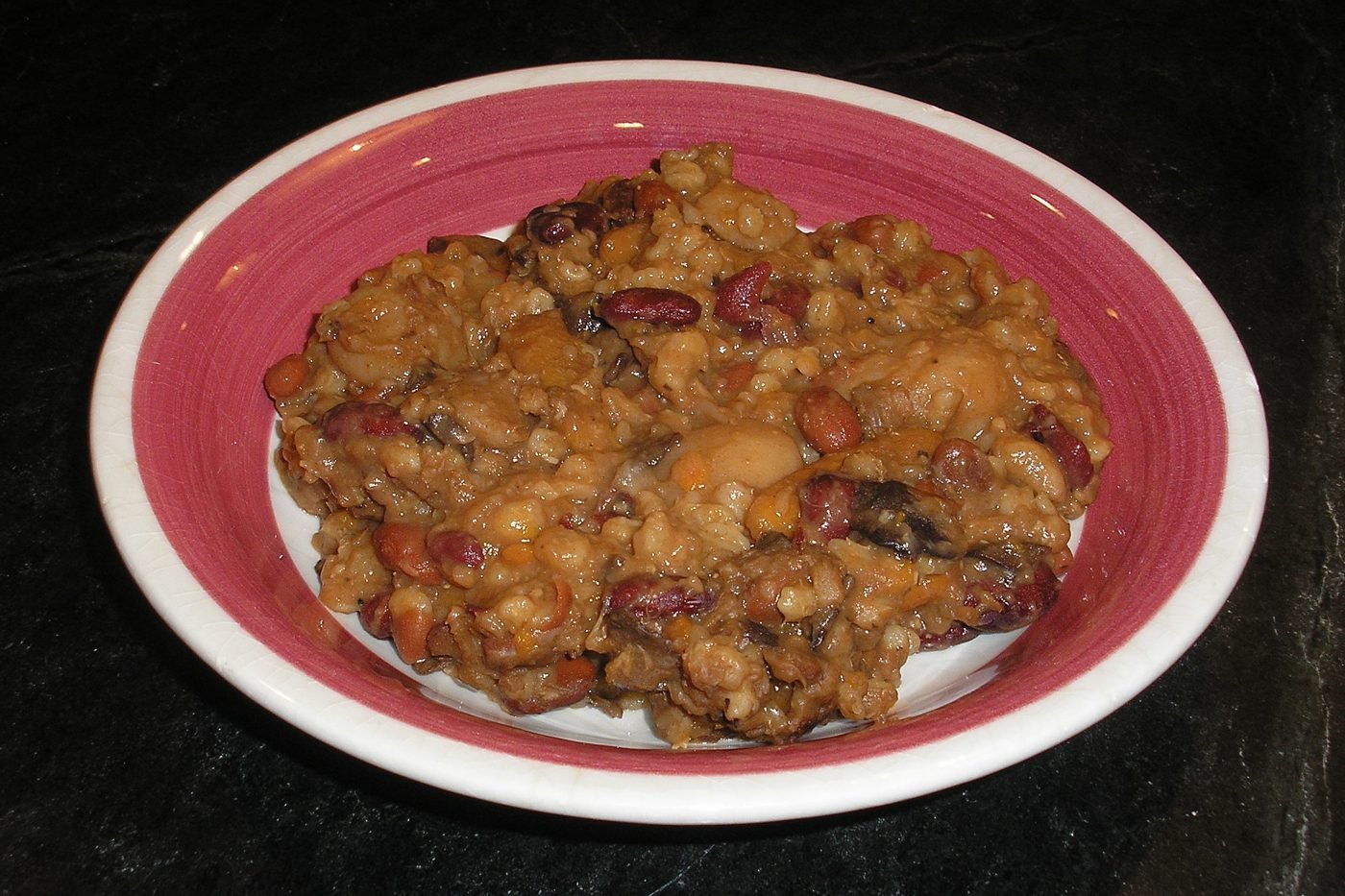
The long cooking time gives the ingredients a deep, concentrated flavor and tender texture. Look for it at traditional delis or restaurants serving a Shabbat menu, and plan ahead because availability varies by day.
7. St. Peter’s fish
The popular freshwater fish is closely associated with the Sea of Galilee. Its name recalls a Gospel story about the apostle Peter finding a coin in a fish. In restaurants, the fish is commonly grilled whole, seasoned with lemon and served with potatoes, salad or rice.
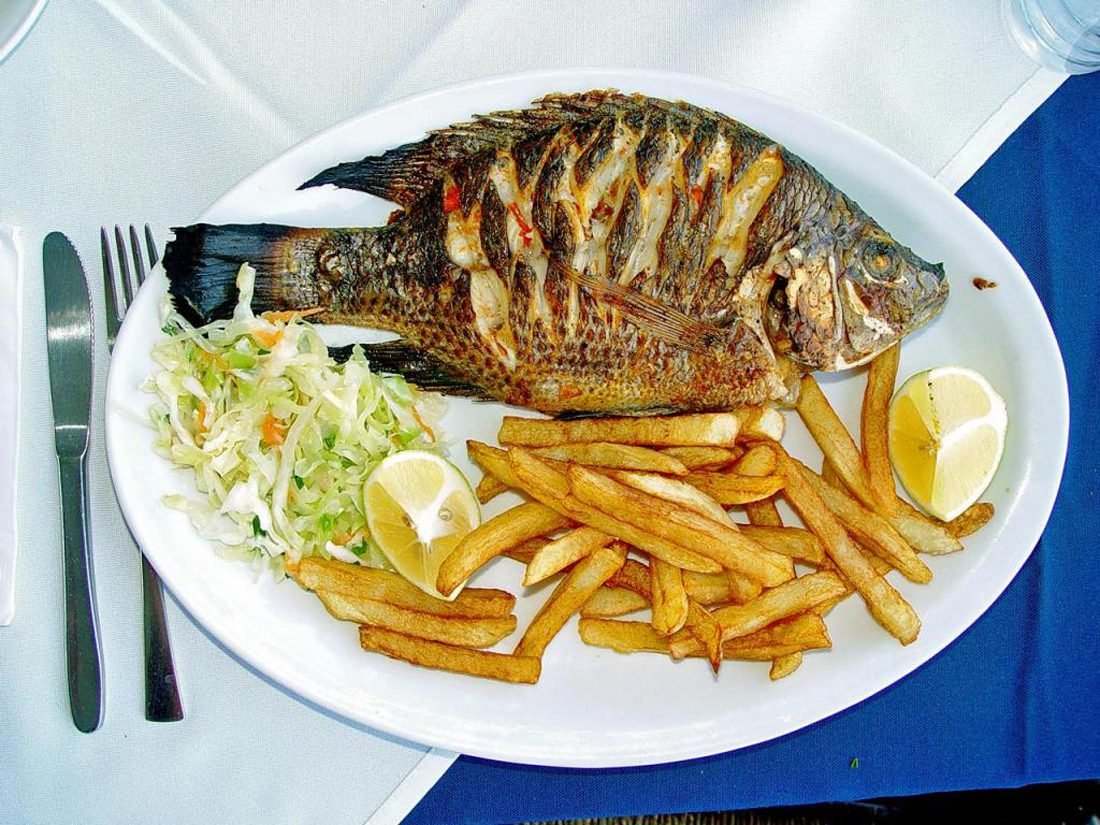
Around Tiberias, a lakeside fish meal can be a highlight of the day. Whole fish may contain small bones, and portion sizes vary. Ask whether the menu price is per fish or by weight before ordering.
8. Malawach (malauah)
Malawach comes from Yemenite Jewish cooking. This round, layered flatbread is pan-fried until its surface turns golden and crisp, while the inside remains tender and slightly chewy. Its rich, buttery texture makes it a filling breakfast or snack.
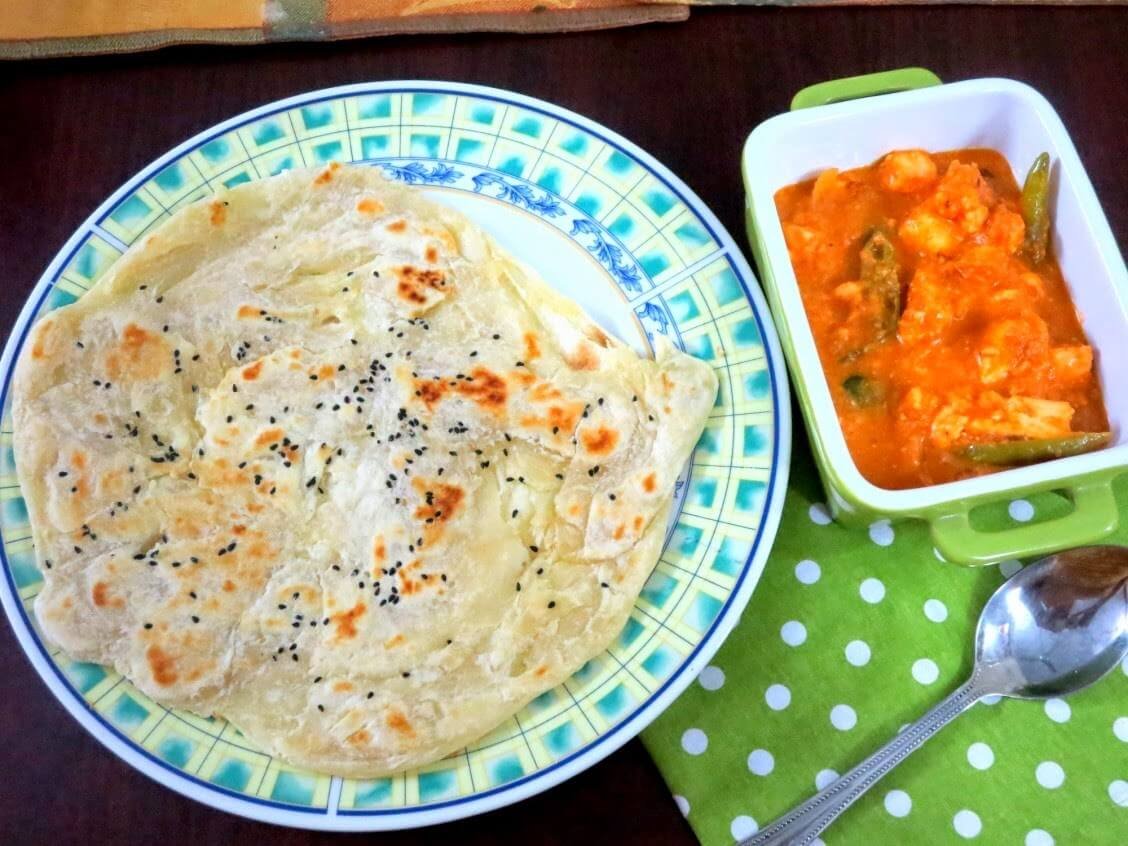
The classic combination includes grated fresh tomato, a hard-boiled egg and spicy zhug, a sauce made with chilies, garlic and herbs. It is also served with sweet toppings or wrapped around savory fillings.
9. Israeli salad
Israeli salad is a refreshing mix of diced tomatoes, cucumbers and sometimes onion, bell pepper or parsley. The vegetables are usually dressed with lemon juice, olive oil and salt. Some cooks add sumac for a pleasantly tart note.
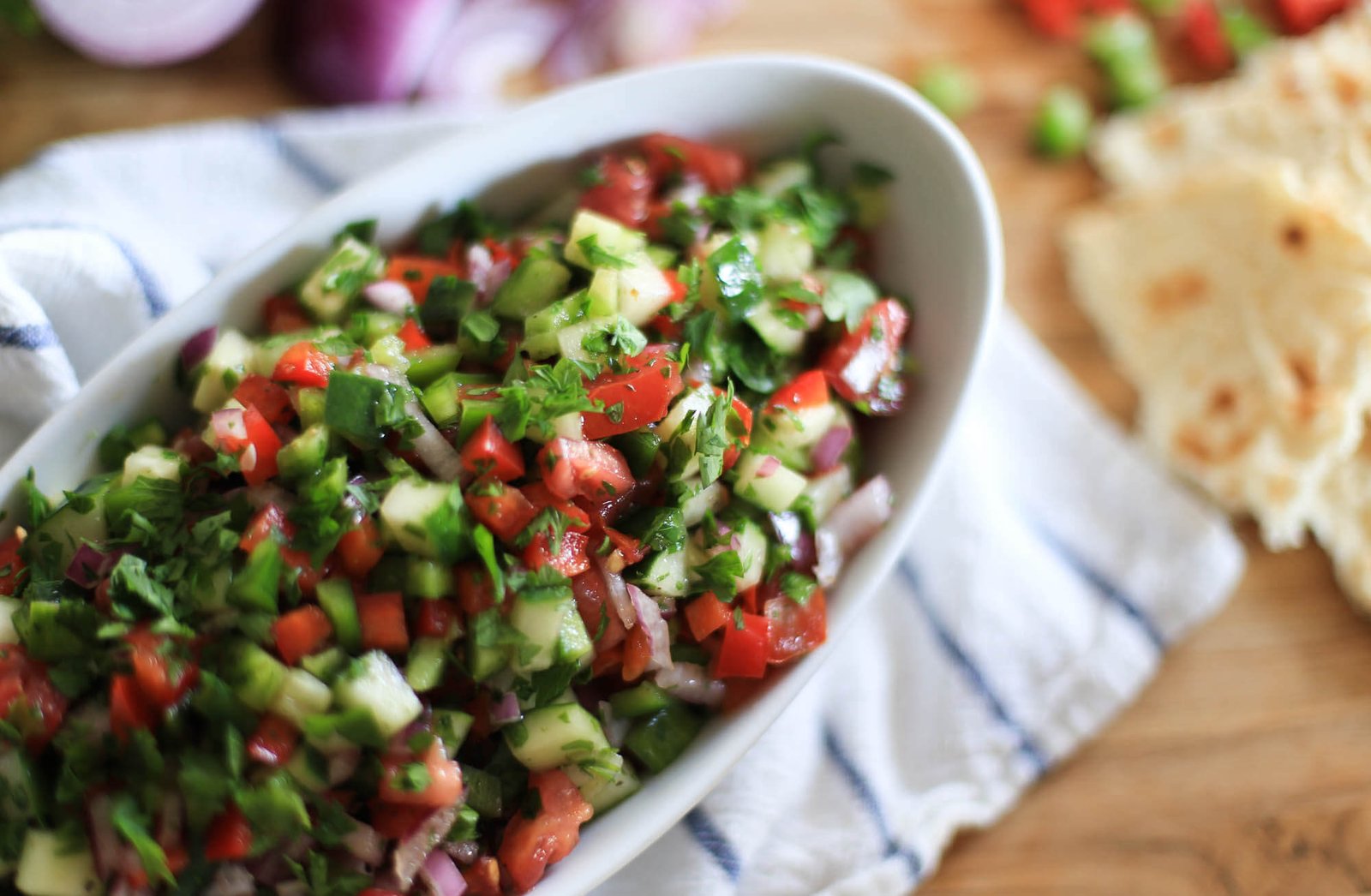
It appears on breakfast tables, next to grilled fish and inside falafel sandwiches. Its fine dice makes the texture especially enjoyable with warm bread, dips or rich pastries.
10. Jachnun (jahnun)
Jachnun is another beloved Yemenite Jewish specialty. Thin sheets of dough are brushed with fat, rolled into tight cylinders and baked slowly overnight. The result is a soft, dense, caramel-brown pastry with a slightly sweet flavor.
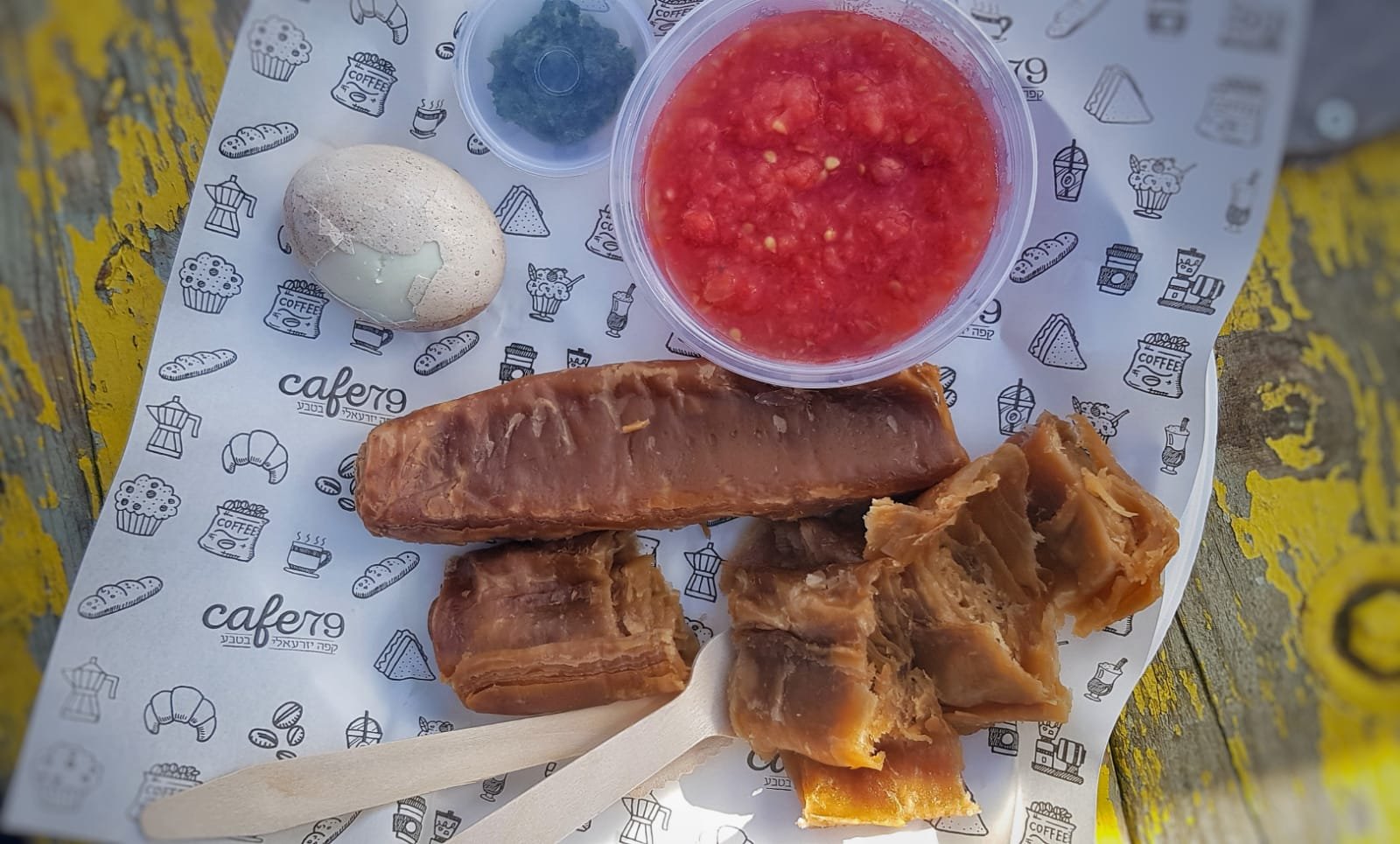
Traditionally served on Shabbat morning, jachnun comes with grated tomato, a hard-boiled egg and zhug. It is substantial enough for a full breakfast. Look for specialist bakeries or cafés that serve it on weekends.
Traditional desserts in Israel
11. Knafeh (knafe)
Knafeh is a celebrated Palestinian and broader Levantine dessert, enjoyed in Israel and across the region. It combines a warm, stretchy cheese filling with shredded kataifi pastry or a fine semolina crust. Sugar syrup and crushed pistachios create a delicious contrast of salty, sweet and crisp textures.
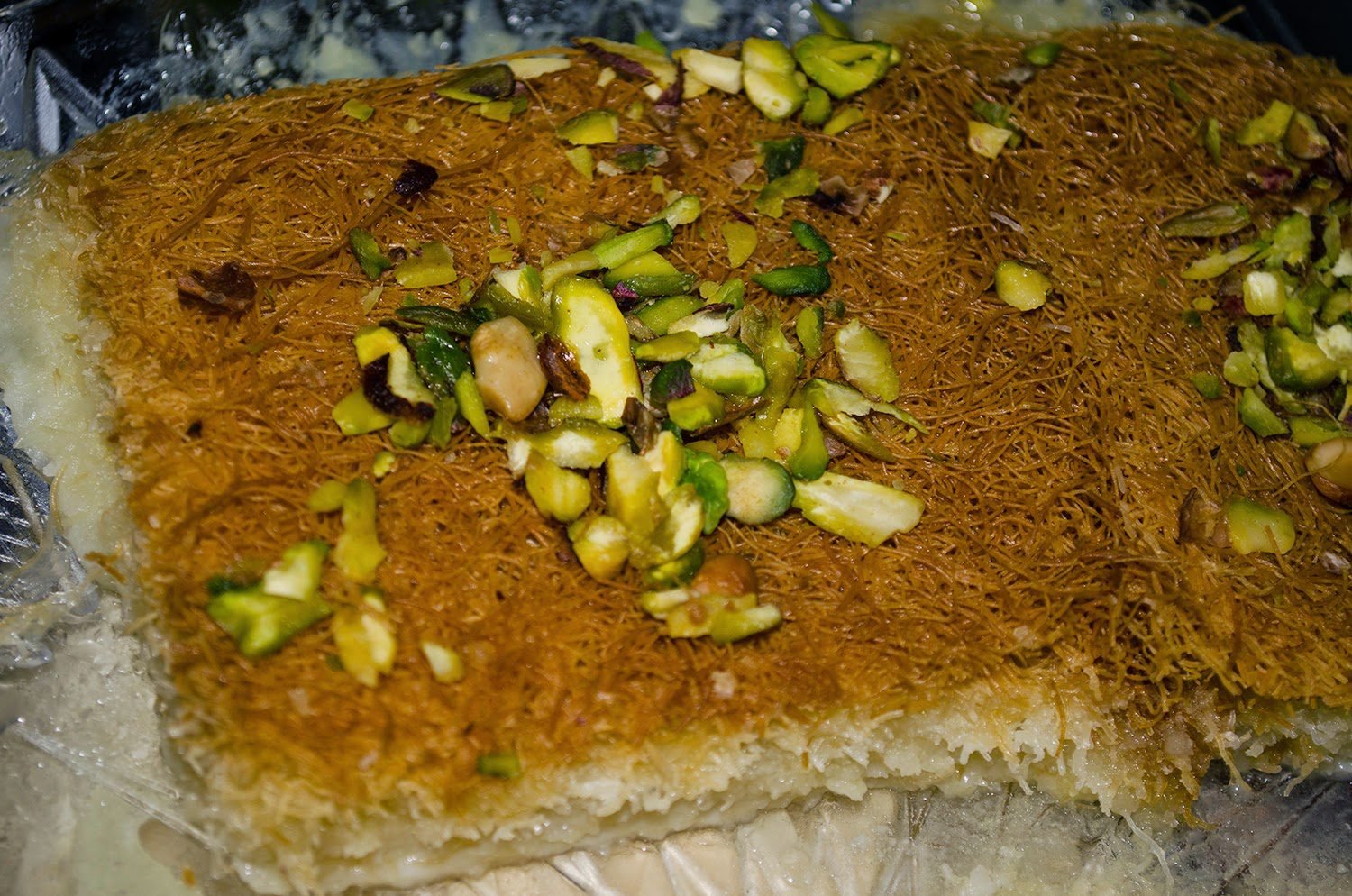
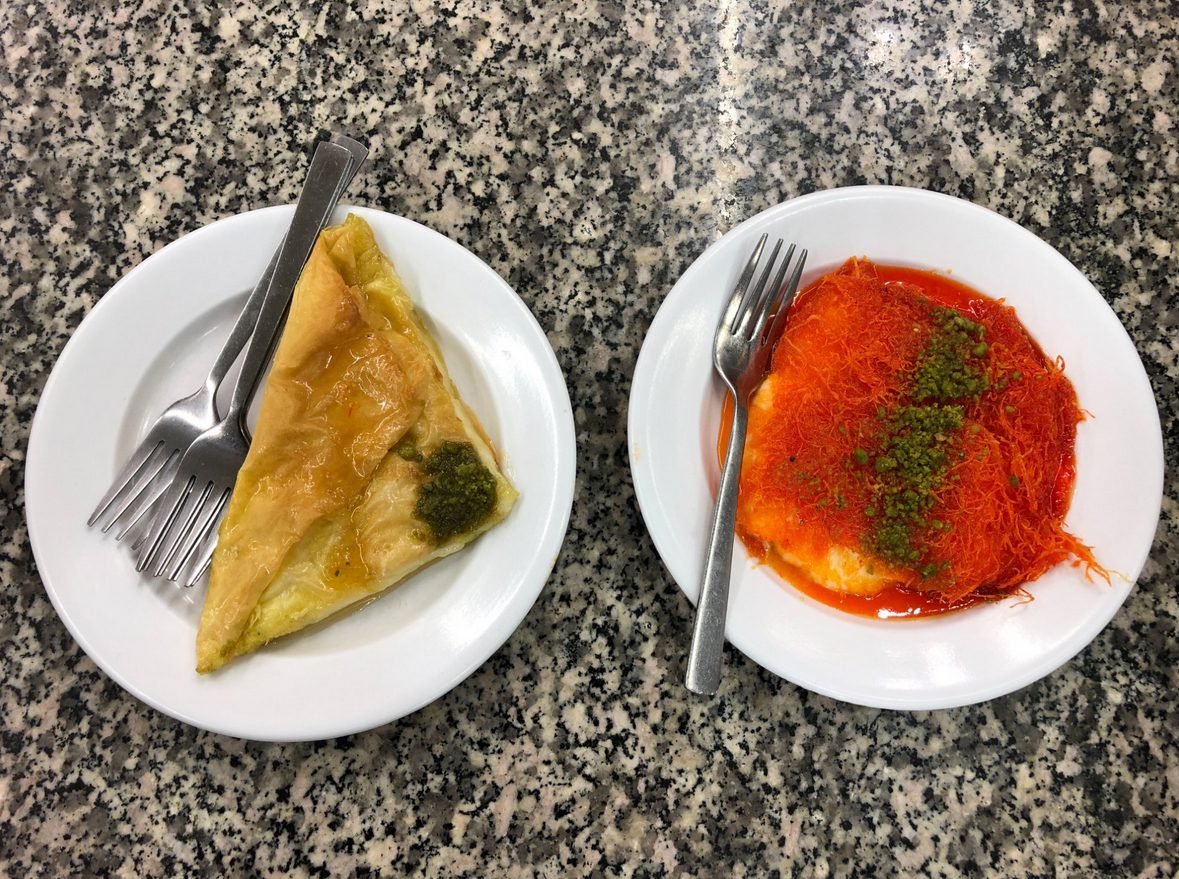
Try it freshly prepared, while the cheese is still warm. Jafar Sweets in Jerusalem’s Old City is a recognizable place to seek out this dessert. Share a portion if you want to sample several sweets during the same market visit.
12. Halva (halvah)
Halva is a dense, crumbly sweet made with tahini and sugar. Sesame gives it a distinctive nutty flavor. Popular variations include pistachio, chocolate, vanilla, coffee and dried fruit, often displayed in large blocks at market stalls.
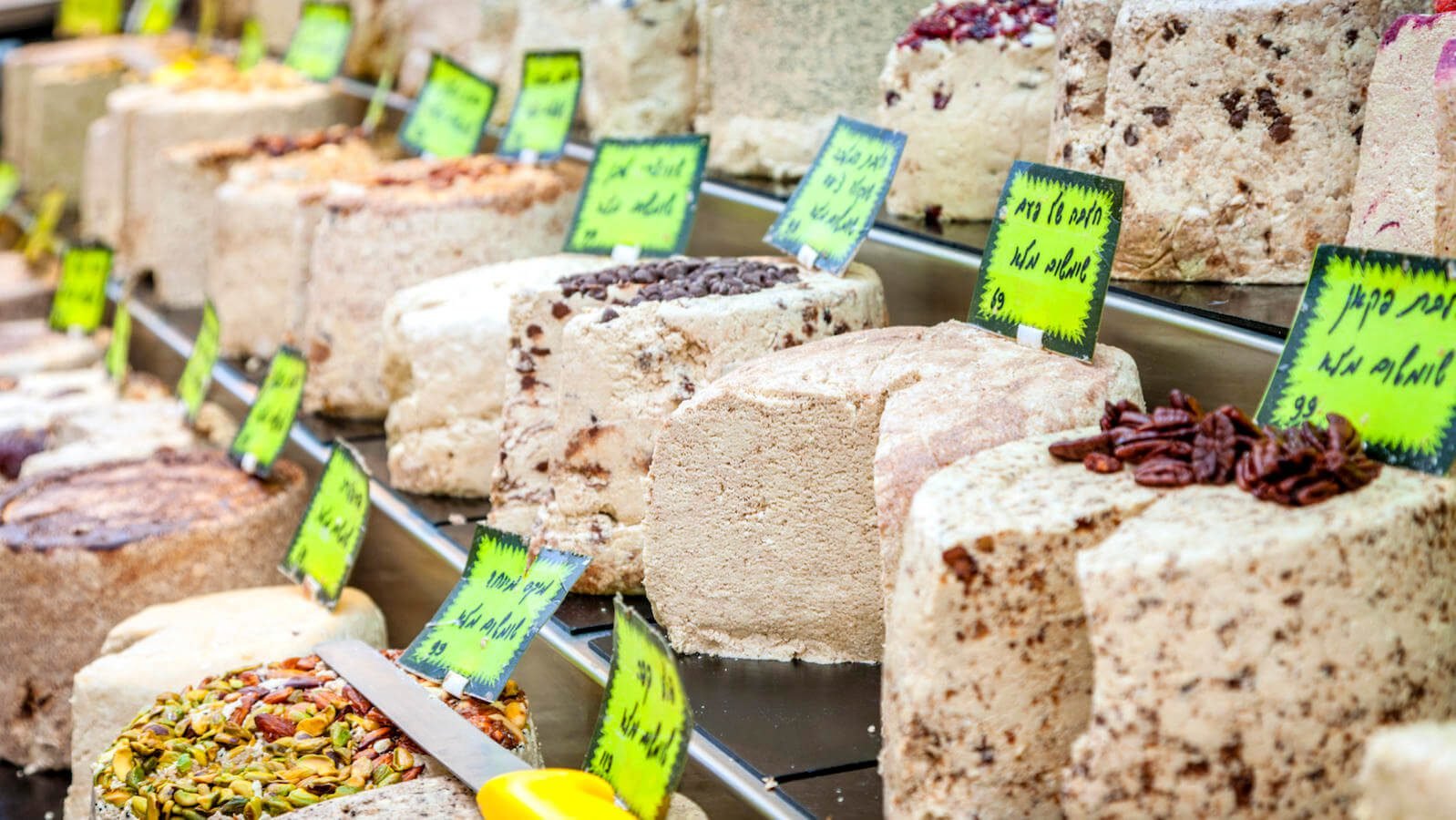
Ask for a small selection of flavors or choose a wrapped block as a souvenir. Enjoy thin slices with mint tea or coffee. Halva is rich, so a small portion is often enough.
Where to eat in Israel: markets and food tours
Food markets are among the best places to understand local cooking, sample spices and discover specialty bakeries. Choose a few dishes rather than ordering a full meal at every stop.
Mahane Yehuda Market, Jerusalem
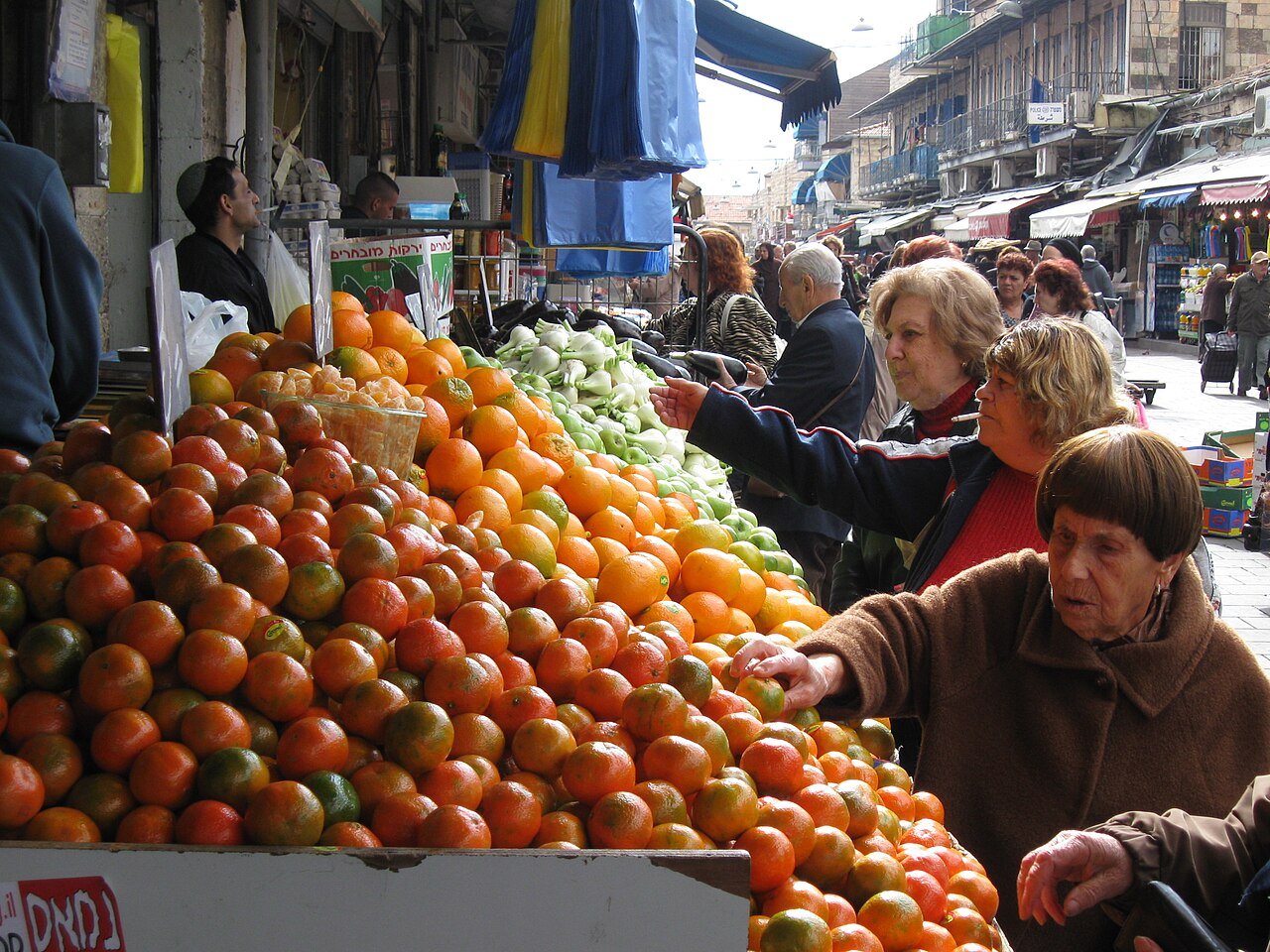
A lively market with stalls selling spices, fresh breads, halva and street food. Visit during the day to explore produce and bakeries, or in the evening for restaurants and bars. View on Google Maps.
Carmel Market, Tel Aviv
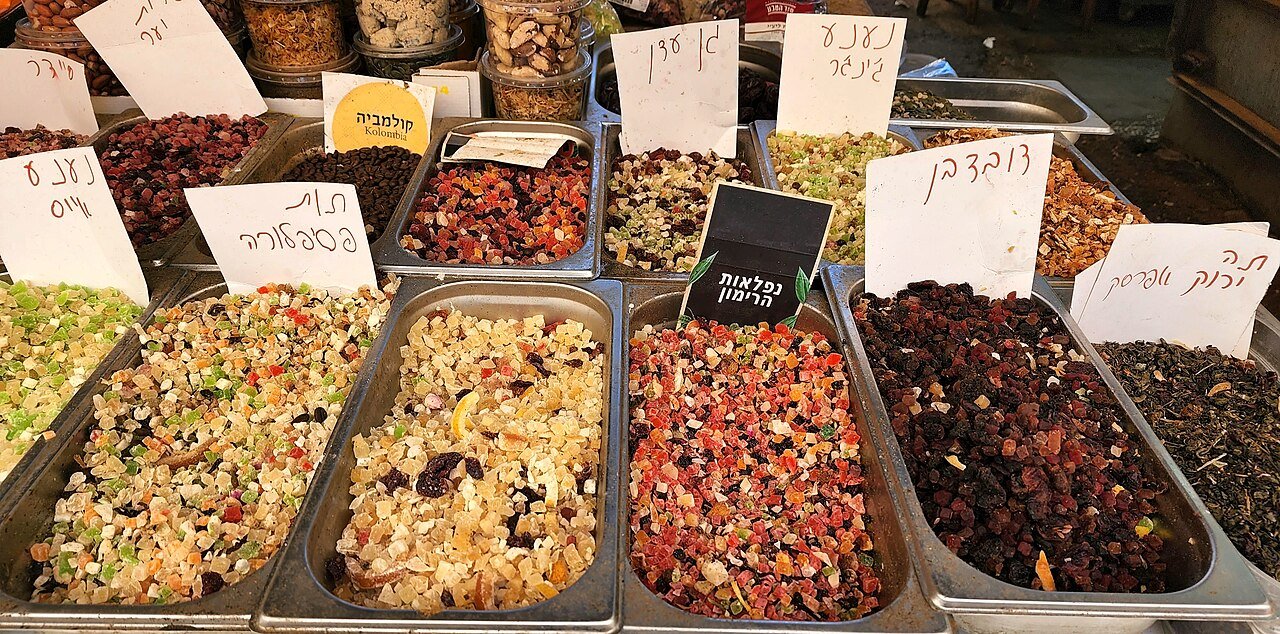
An excellent place to taste falafel, bourekas and fresh fruit juices. The surrounding streets offer cafés and hummus restaurants. View on Google Maps.
Wadi Nisnas, Haifa
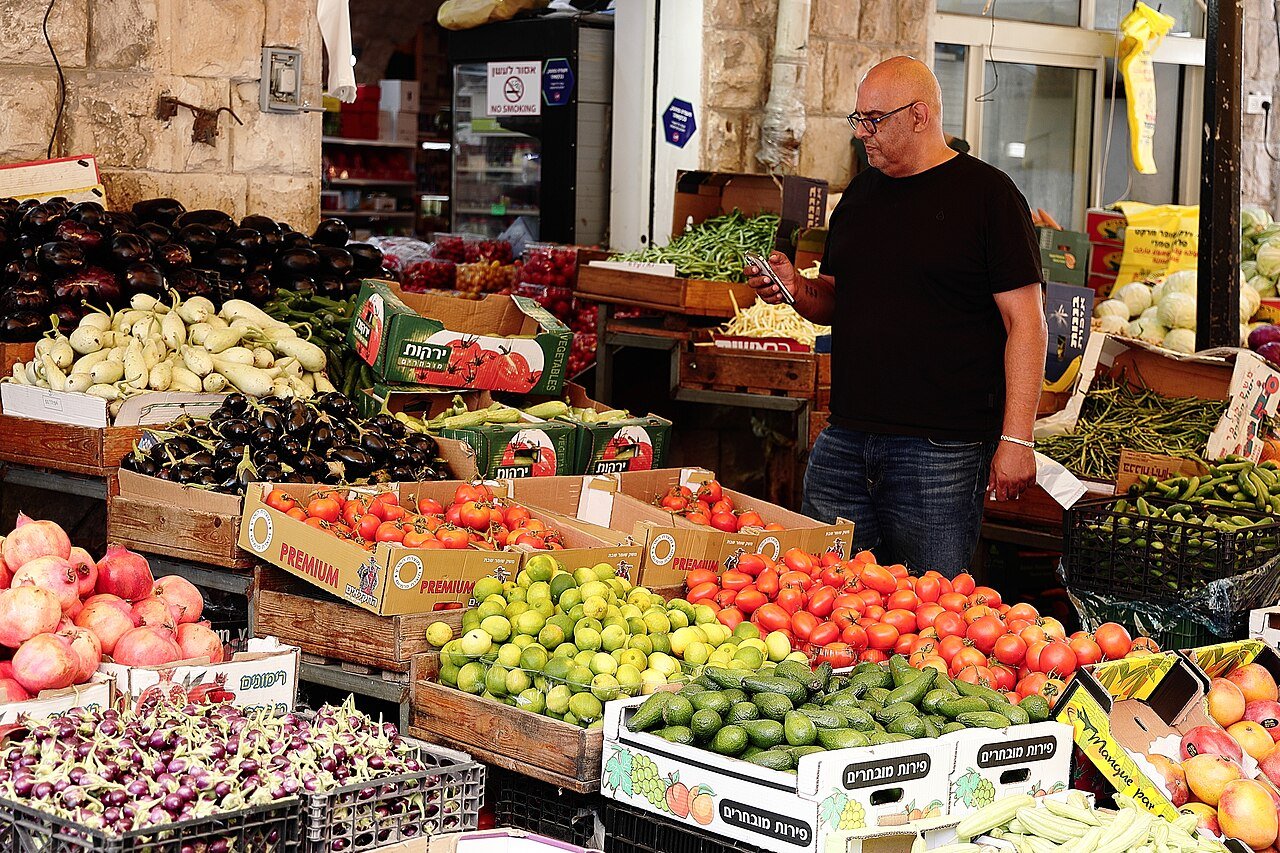
Explore small shops and bakeries serving Arab and Levantine specialties, including sweets and savory pastries. View on Google Maps.
Explore market tastings, religious bakeries and winery visits with a local guide. On Friday afternoons and Saturdays, opening hours can change with Shabbat, so check the details for your chosen market or tour.
Practical tips for eating in Israel
Start with street food. A falafel sandwich, hummus plate or boureka makes a convenient meal. Share small plates to taste more dishes.
Plan around Shabbat. Many Jewish-owned businesses close from Friday afternoon until Saturday evening. Some markets and restaurants remain open depending on the neighborhood.
Understand the menu. Tahini is sesame paste, zhug is a spicy herb sauce, and pita is a pocket flatbread. If you prefer mild food, ask for sauces separately.
Dietary preferences. Hummus, falafel and chopped vegetable salad are often plant-based. Check for eggs, dairy and other ingredients in pastries, dips and sauces.
Budget. Street-food stalls and bakeries tend to be more affordable than sit-down restaurants. Compare posted prices in Israeli new shekels (ILS), especially for fish sold by weight.
Frequently asked questions about food in Israel
What is the most popular food in Israel?
Hummus, falafel and shakshuka are widely enjoyed. Each reflects shared culinary traditions across the region.
What is a traditional Israeli breakfast?
A typical café breakfast may include eggs or shakshuka, chopped salad, cheese, olives, tahini and fresh bread. Yemenite jachnun and malawach are also popular breakfast choices.
Is Israeli food vegetarian-friendly?
Yes. Hummus, falafel, salads, vegetable dips and many pastries offer excellent options. Ask about dairy, eggs and meat-based toppings when ordering.
What sweet should I try first?
Try warm knafeh for its cheese and syrup combination, or sesame halva if you want a sweet to take home.
Read more about the destinations featured in this guide: Ramat Gan and Haifa.
Discover more about regional food traditions at the Intangible Cultural Heritage of Israel Center.

Konstantin is an acclaimed travel writer, celebrated for transforming ordinary journeys into extraordinary narratives. With years of experience exploring diverse destinations across the globe, his work blends vivid storytelling, cultural insights, and practical advice to inspire wanderlust and guide readers toward unforgettable adventures.
As a key contributor to enjoythetrip.org website, Konstantin has built a loyal readership through their expertise in uncovering both iconic landmarks and off-the-beaten-path treasures. He specializes in providing travelers with honest, actionable tips, whether it’s finding the best resorts in Maldives, exploring cultural hubs like Paris, or diving into the natural wonders of Croatia.