
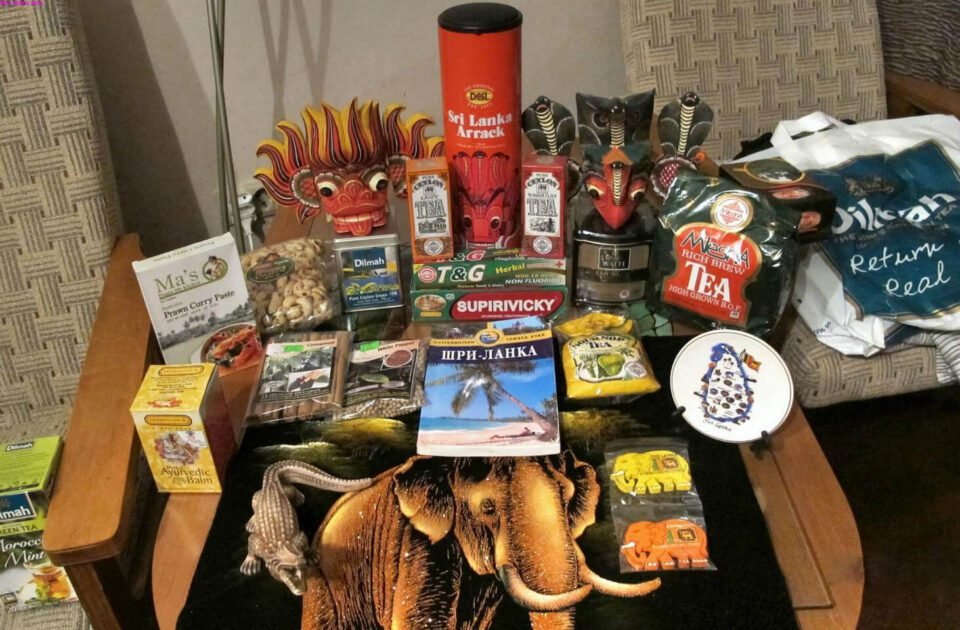
Wondering what to buy in Sri Lanka? The best Sri Lanka souvenirs include Ceylon tea, cinnamon, cashew nuts, traditional batik fabrics, wooden masks and elephant carvings, local arrack, Ayurvedic cosmetics and Ceylon sapphires. Here is a guide to the most memorable gifts, where to shop and what to check before bringing your purchases home.
Best Sri Lanka souvenirs at a glance
| Souvenir | Best place to shop | Budget |
|---|---|---|
| Ceylon tea | Tea shops, supermarkets, plantations | Low |
| Cinnamon and spices | Grocery markets and supermarkets | Low |
| Cashews and packaged sweets | Supermarkets | Low |
| Arrack and local rum | Licensed shops | Low–medium |
| Ayurvedic cosmetics | Pharmacies and established shops | Low–medium |
| Batik and fabrics | Craft shops and workshops | Medium |
| Wooden elephants and masks | Colombo, Ambalangoda | Low–medium |
| Ceylon sapphires and jewellery | Reputable jewellers in Ratnapura or Colombo | High |
Actual prices vary with quality, size, location and exchange rates.
Tea, spices, local alcoholic beverages and sweets are brought from this lost island in the Indian Ocean. But keep in mind that the tea and spices will run out, the bottles will be empty, and clothes, precious stones, and art objects will be able to remind you of your visit to Sri Lanka for a long time.
Where is the best place to shop and what do tourists need to know so that purchases only evoke pleasant memories of their stay in this country?
1. Ceylon tea
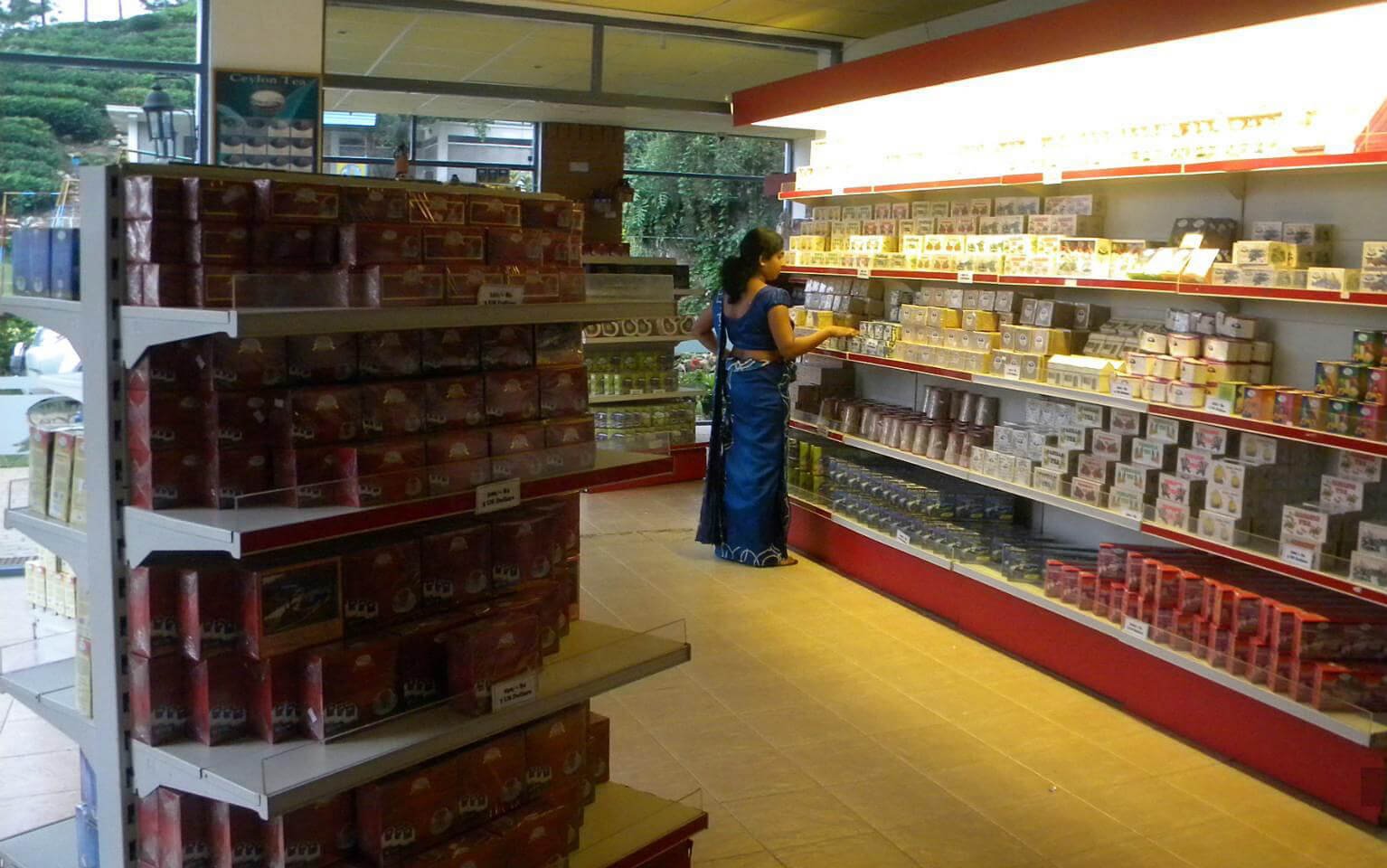
The first in the list of gifts that should be brought from Sri Lanka is Ceylon tea-it is grown on this island and it does not require additional advertising. However, there may be questions about where and what kind of tea to buy in Sri Lanka.
You can buy it in factories that work on tea plantations. It is generally accepted that the products sold here are better, but this is a misconception, and the prices are too high.
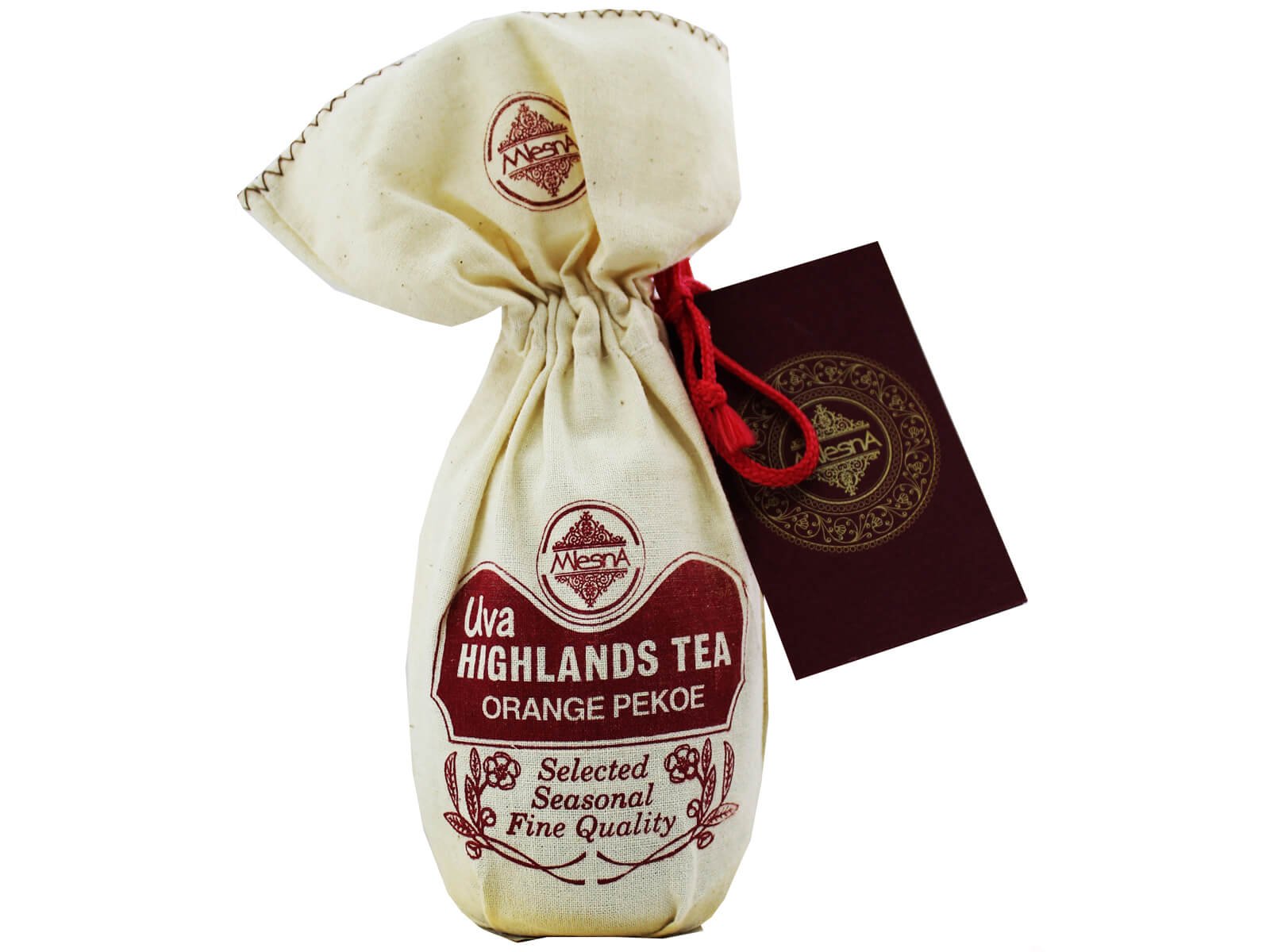
Specialty stores and supermarkets offer a good selection of tea, and at a much more affordable price. For example, a package of good tea “Mlesna” (100 g) can be purchased for $1.7, a simpler tea “Maskeliya” (100 g) costs $1, the same cost and the common in our country “Dilmah” – $1 (100 g). There is also tea packed in souvenir boxes, but you need to pay extra for these beautiful boxes. Please note that the original good product must have a quality mark on the packaging – “lion with a sword”.
The best Ceylon tea is considered high-altitude, which was grown on the southern side of the island (picturesque Nuwara Eliya, ancient Dambulla, Uda Pussellawa). Very slightly different from the previous ones is tea, which was grown in the middle-high territory (Uva, Kandy region) and in the flat area (Ruhuna).
Sri Lanka produces tea, both green and black, with or without additives. But the most popular is, after all, black. The rarest and most expensive is white tea, for the preparation of which only the top 2 leaves are collected. Such tea can be bought only in specialized retail outlets.
Look for the official Lion Logo, which the Sri Lanka Tea Board explains certifies pure Ceylon tea packed in Sri Lanka. For quantities and baggage rules, check current departure guidance before travelling.
2. Local arrack and rum
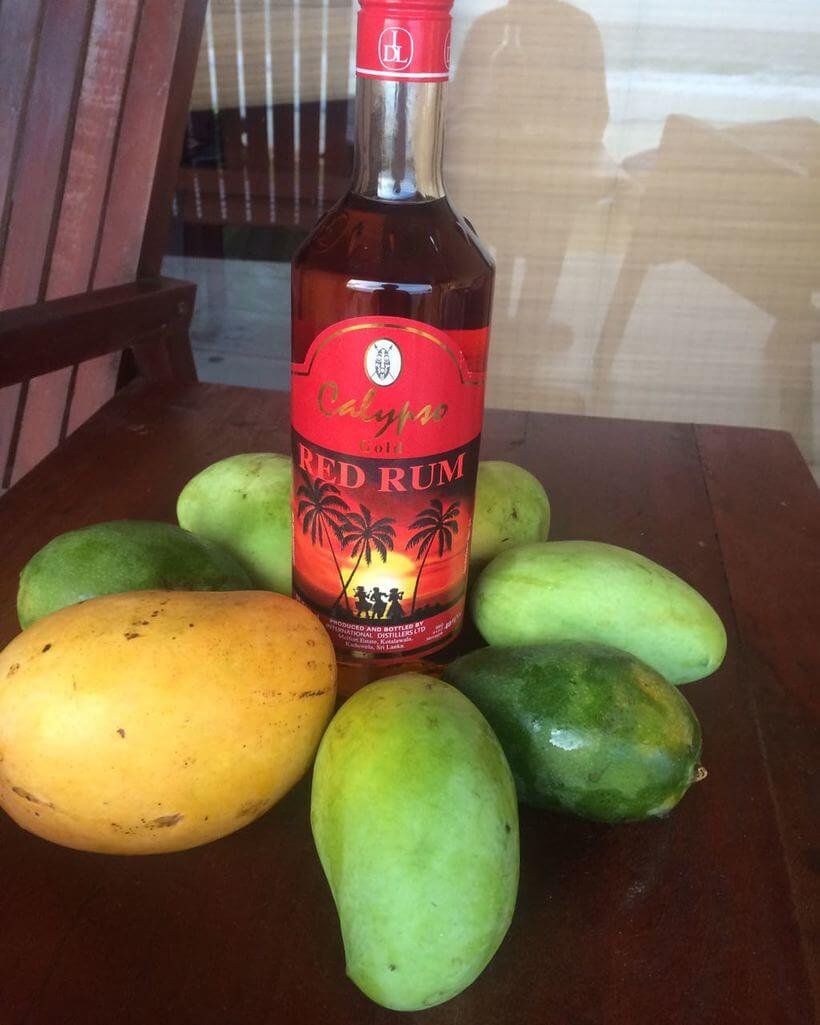
Such national drinks as coconut arak and red rum “Calypso”are especially popular among Sri Lankan citizens and tourists vacationing here.
For the preparation of arak, the juice of coconut palm flowers is used, and a variety of herbs are added to it. Arak can be drunk as an independent drink with ice, you can use it to make cocktails with Cola or soda; drink responsibly. The price of a bottle of arak (0.7 liters) – from $8 and above.
Red rum “Calypso”, which has a pronounced taste of caramel, is made from cane sugar and caramel. To add a beautiful shade, red banana juice is added to it. They drink red rum as an independent drink, mix it with lemon juice and soda, and also pour a little into coffee. A bottle of “Calypso” (0.7 liters) costs from $12.
There is another more interesting, but also more expensive version of this drink-white “Silver Calypso”.
3. Cashew nuts and tropical fruit
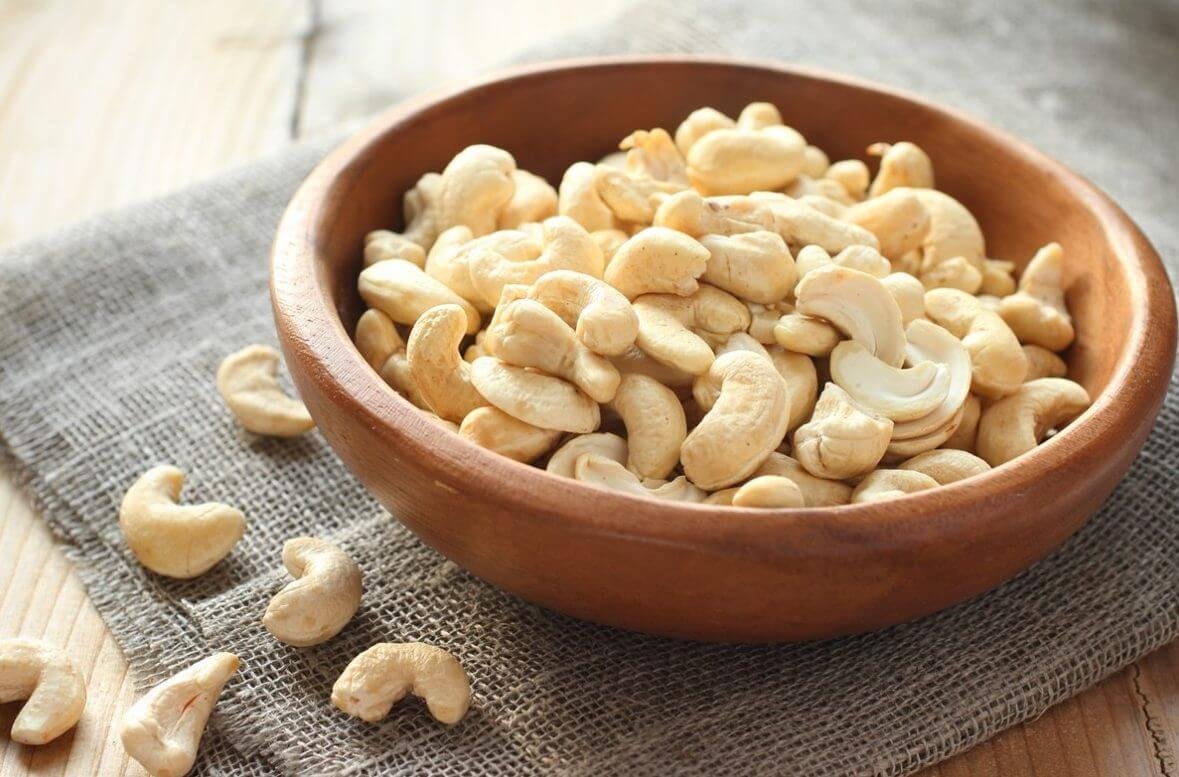
The most common product in Sri Lanka can be considered cashew nuts – among the local population they are as popular as among our people seeds. They are really delicious here: large and not at all dry, as in our stores. It is best to buy them in supermarkets – the quality of nuts is guaranteed, and how much they cost is indicated on the package. The estimated cost per 100 g is $0.5-1.
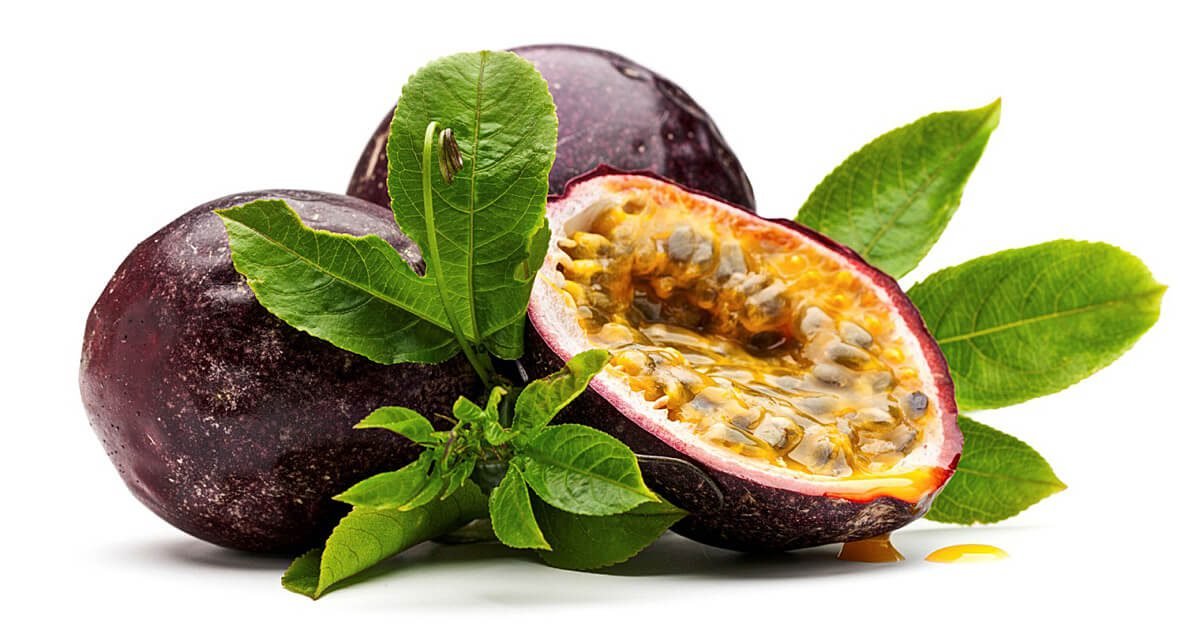
Sri Lanka offers a variety of tropical fruits throughout the year. Pineapples, mangoes, papayas, and passion fruit are very popular among foreign tourists. Each fruit has its own seasonality, and in the off-season, fruits are imported to Sri Lanka from China and Indonesia and prices can vary. In principle, every month some types of fruit ripen on the island, but the peak of variety and the lowest prices are from October to March.
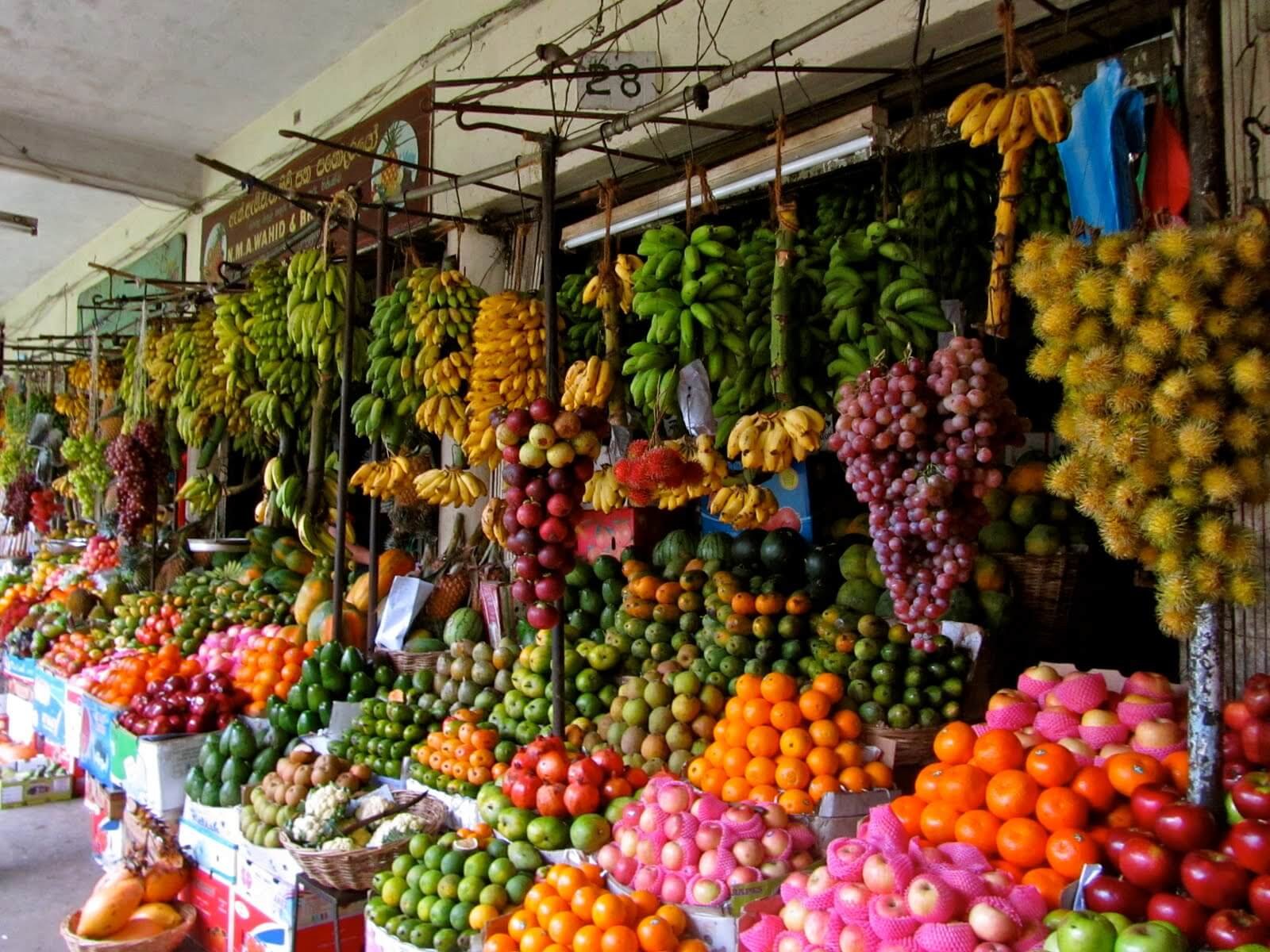
It is desirable to make purchases on the market, and at the same time you can and should bargain, because for foreigners in most cases they ask for money for 1 piece as for 1 kg (the overpayment will turn out once in 5).
To deliver fruit home in good condition, it is recommended to buy them green or just beginning to ripen. And since they keep up too quickly, it is necessary to buy them no earlier than 1-2 days before leaving the country.
Fresh fruit may be subject to agricultural import restrictions in your destination or transit country. Check the relevant plant-health and airline baggage rules before purchasing. Sealed, commercially packaged snacks are often a simpler gift.
4. Ceylon cinnamon and spices
It is thanks to spices that the local Sri Lankan cuisine acquires a huge variety and diversity.
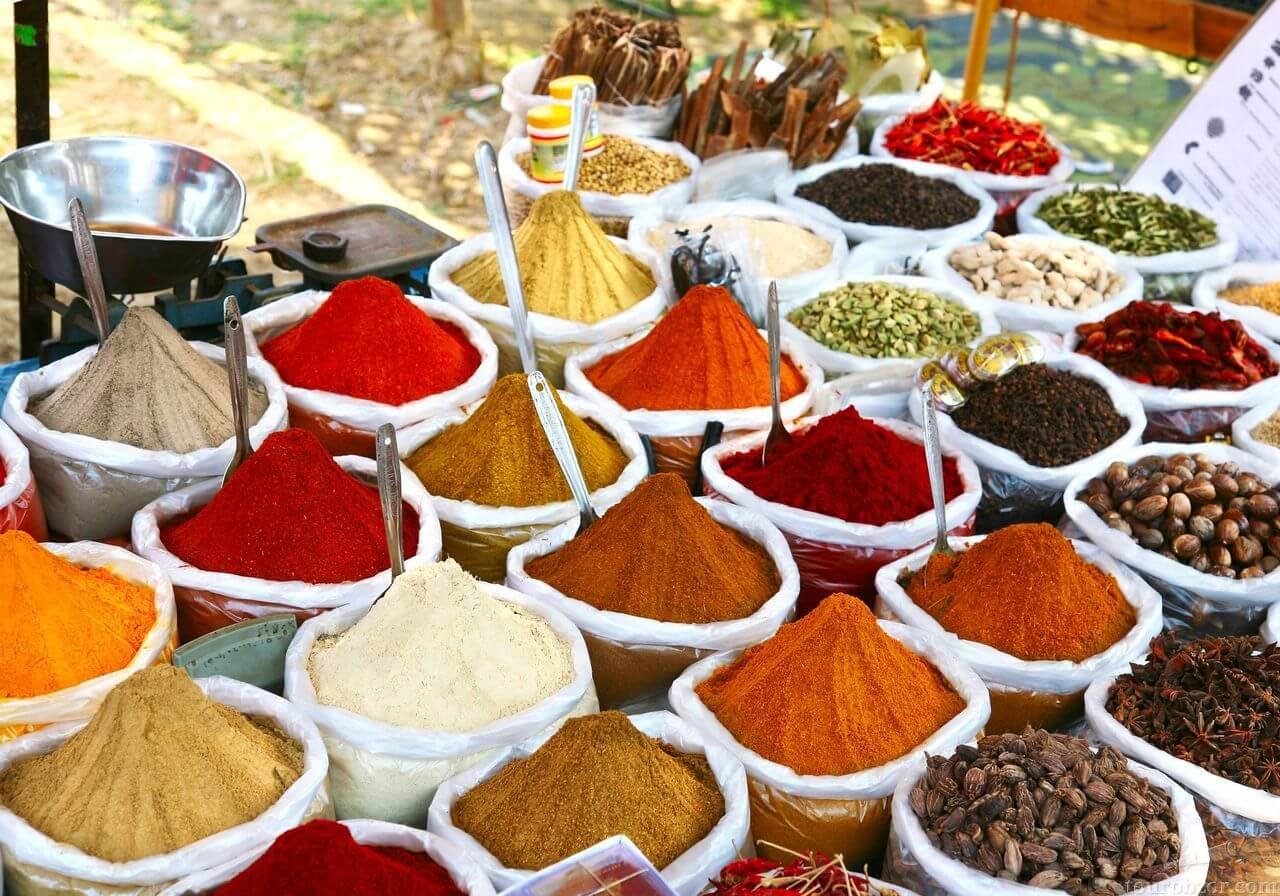
If the question was ” What to bring from Sri Lanka to feel the southern warmth on a frosty winter evening?”, then the most correct answer is “Spices!”
Natural vanilla and cinnamon, cardamom, chili pepper, saffron, curry, turmeric, cloves, nutmeg, ginger-all these spices are offered in huge quantities in supermarkets and in the shopping aisles of grocery markets. Depending on the specific seasoning, it can cost from $1.5 to $3 per 100 grams. And 1 kg of cinnamon sticks can be purchased for $12.
You can also buy spices in the gardens where they are grown, but, as a rule, you will need to pay much more there.
5. Ayurvedic cosmetics and oils
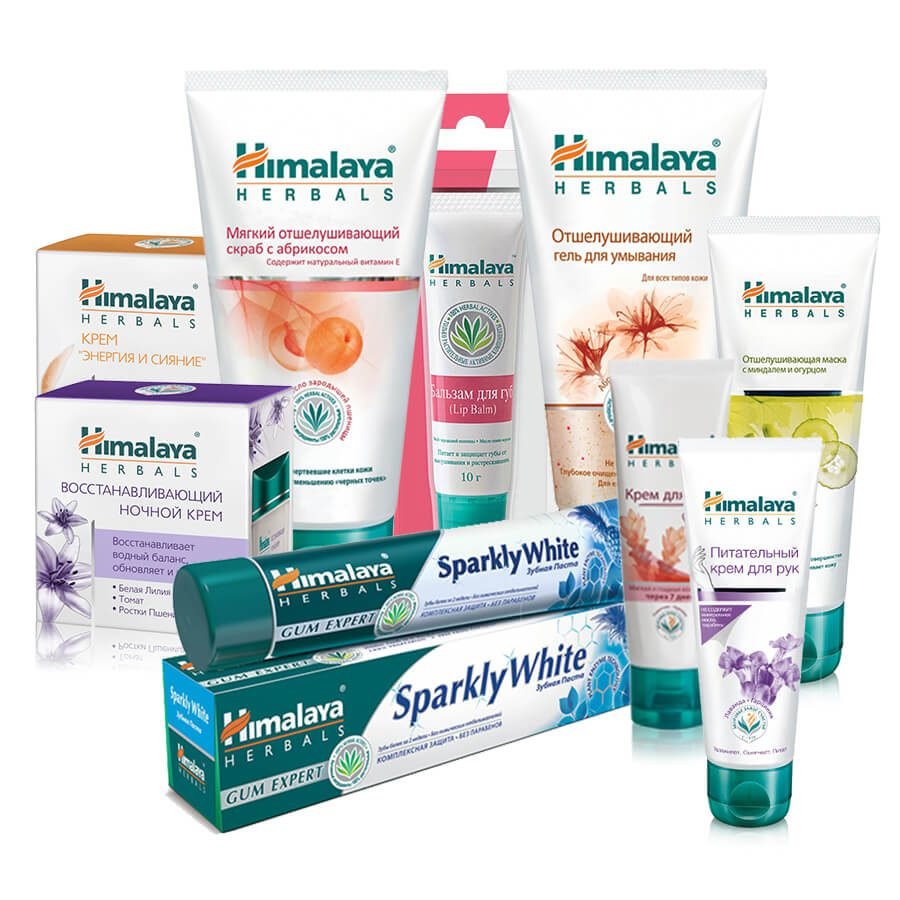
Ayurveda is an Indian alternative medicine that has become widespread in Sri Lanka and has become no less popular than traditional medicine. In 1961, the State Department of Ayurveda was even organized here.
The most common trademarks are Dabur, Nature’s Secrets, Himalaya, and SmithNatural. They produce a variety of cosmetics: cream, tonic, balm, shampoo.
Coconut and sandalwood oils are popular personal-care gifts. The quality of these products is really excellent, because there are enough raw materials for their manufacture in Sri Lanka.
Worthy of attention are toothpastes, which contain natural components of plant origin. For example, a paste with red pepper, which has a burning taste of pepper and the smell of cinnamon, is sold as a personal-care product.
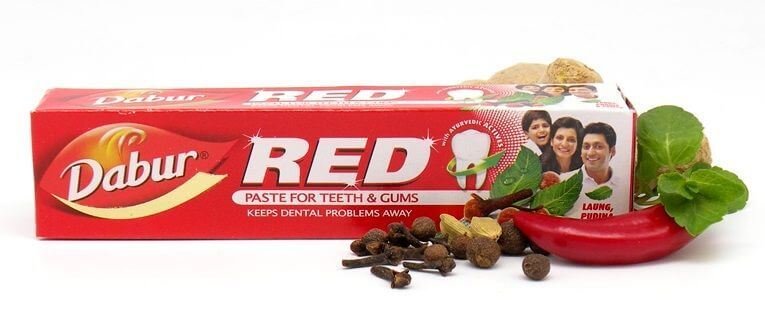
Ayurvedic shops also sell herbal balms, oils and preparations. Buy clearly labelled products from reputable outlets, check ingredients and avoid relying on unverified therapeutic claims. Check the import rules for medicines before taking them home.
It should be noted that even cosmetics that do not position themselves as Ayurvedic are of excellent quality. So, you can buy depilatory products – they are no worse in efficiency than their European counterparts, but their cost is many times lower.
It is advisable to choose any cosmetic products in state pharmacies – the prices there are quite affordable, and the quality is checked. Do not confuse pharmacies and Ayurvedic shops, where the price tag for a similar product will be several times higher.
6. Ceylon sapphires and gemstones
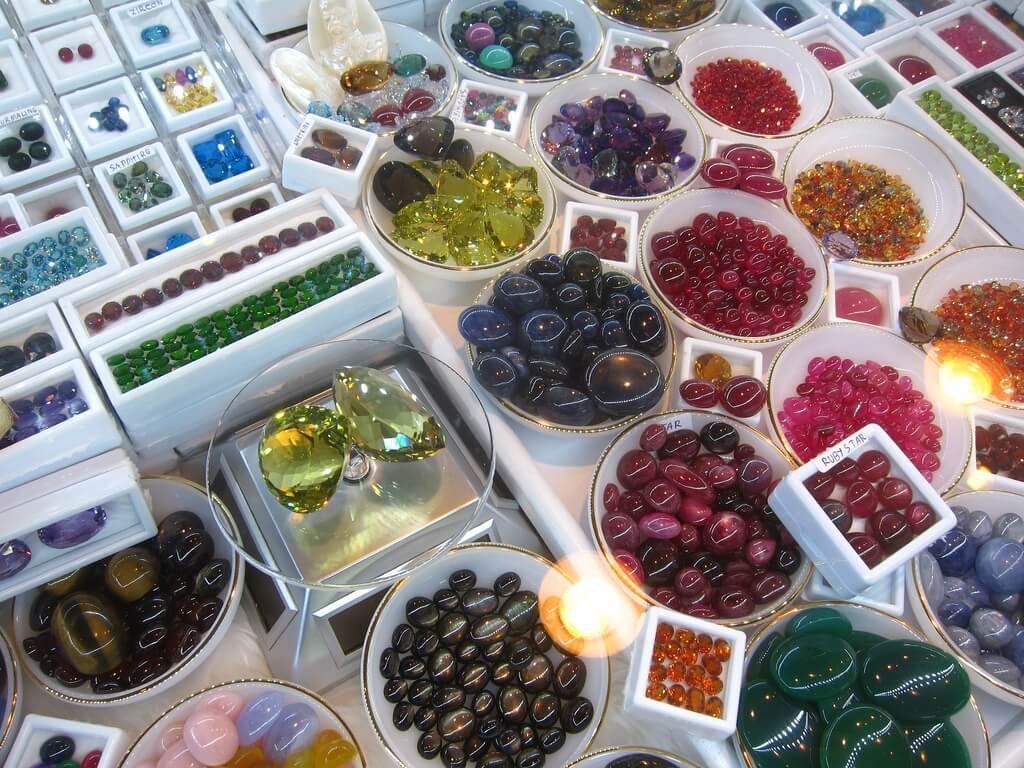
In Sri Lanka, you can find 85 varieties of gems that are known to geologists. Ruby, topaz, cat’s eye, garnet, amethyst, quartz, alexandrite, and blue moonstone are mined on the territory of the state.
But most of all, Ceylon sapphires are valued – they have long been known for their large size, purity and a very rich variety of shades. Especially popular is the blue sapphire, which is recognized as the king of all gems and is the national symbol of Sri Lanka. Pink and blue sapphires are next in the price scale, while the rarest sapphires are red and purple in color.
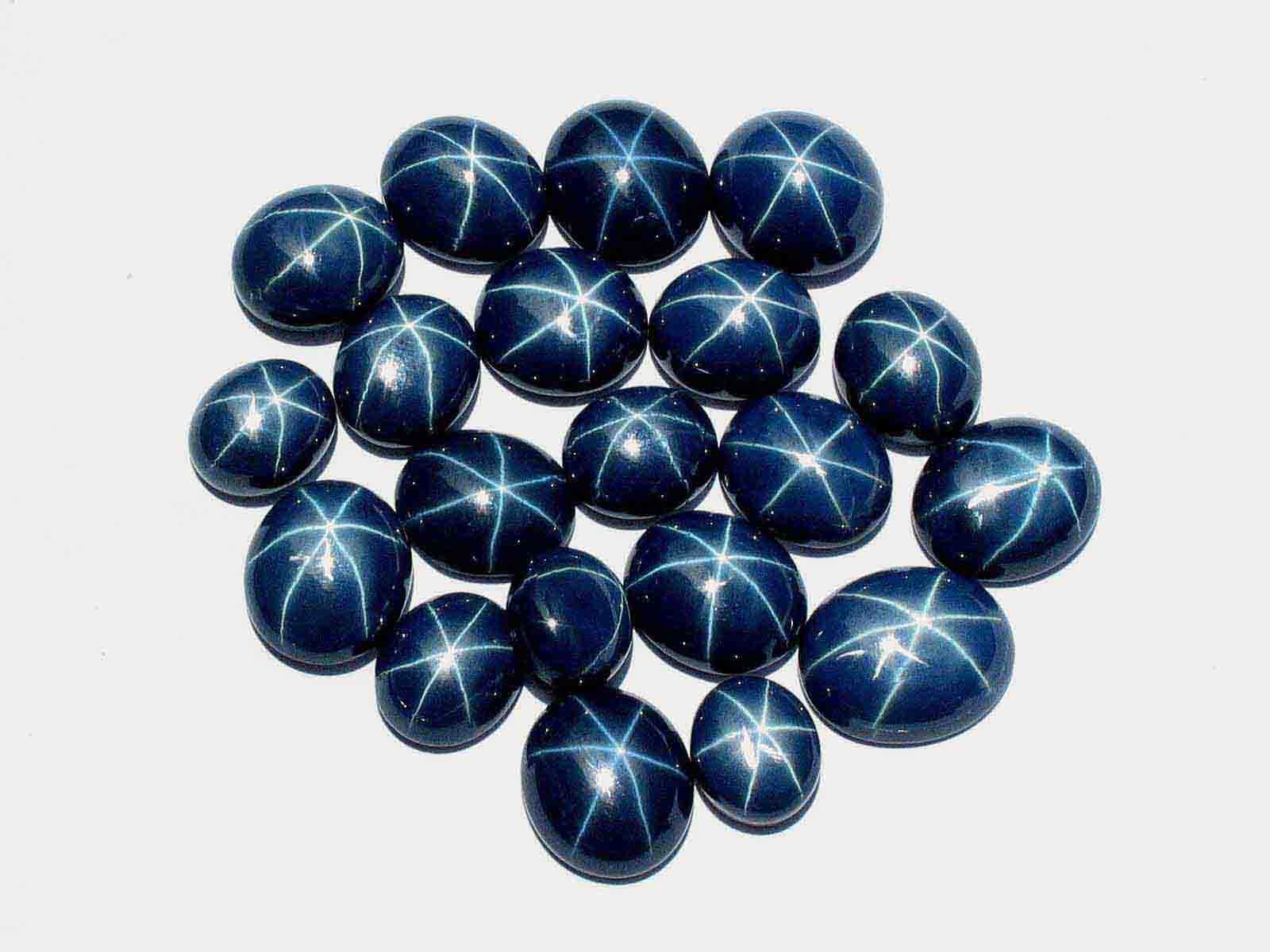
There are also star or star sapphires. Although they belong to ordinary blue gems, they are not found so often, respectively, they are more expensive. When such a stone is illuminated, the rays are refracted and a radiance is formed in it, which has the shape of a 6-or 12-point star – this effect is called “asterism”.
The main sapphire mining center in Sri Lanka is Ratnapura. And the answer to the question “Where to buy sapphires in Sri Lanka?” is quite reasonable: “In Ratnapura.” There, in the center of the extraction of this luxurious stone, a special market is open. But there are also many jewelry stores and small factories all over the country that issue quality certificates that are necessary for exporting jewelry outside the country.
You can also buy jewelry in Sri Lanka, but gold and silver items here are not only very expensive, but also not very attractive. Therefore, it is much more profitable to buy precious stones separately, bring them home and order the manufacture of the product in a jewelry workshop.
7. Batik, silk and traditional textiles
Sri Lanka is famous for producing high-quality natural silk. A piece of fabric with a unique ethnic pattern – that’s what to bring from Sri Lanka as a gift for a woman! Although you can choose a ready-made silk product right away, because they are available in a very wide range: shawls, scarves, dresses, blouses, tunics. The price-quality ratio is optimal here.
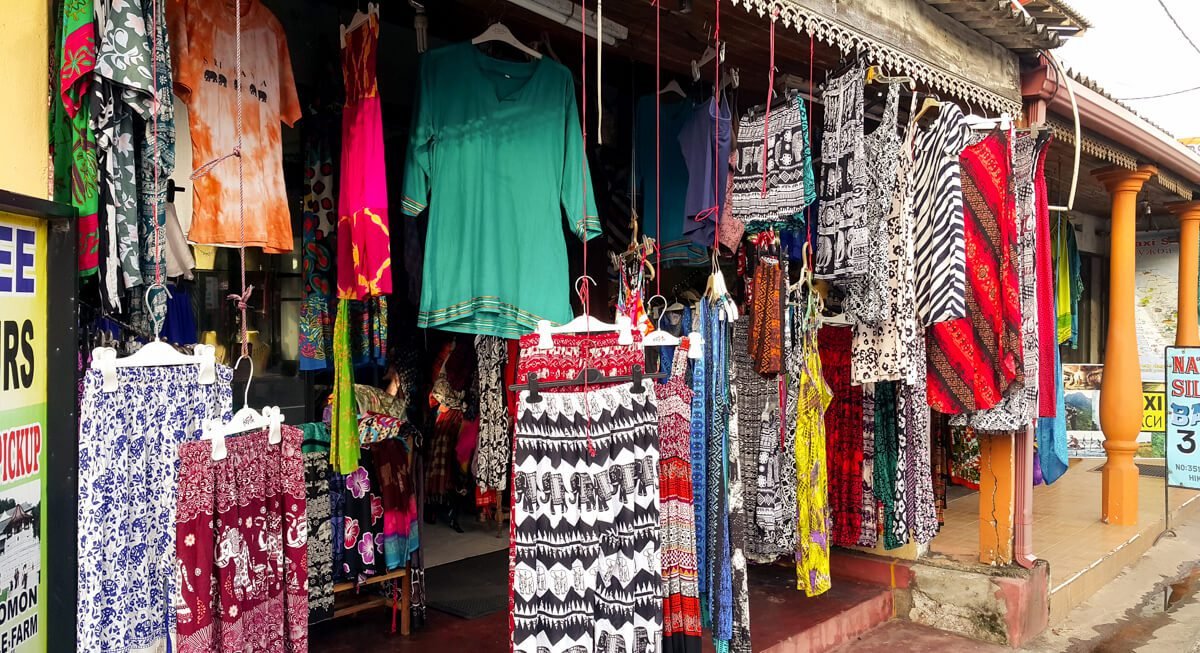
The national clothing of Sri Lanka, made using the “batik” technique, is very popular among tourists. Such clothes are sewn only by hand and only from natural fabrics, which are also painted by hand. In most cases, cotton fabrics are painted, but you can also find silk ones.
You can buy such things from $10, and they are worth it.
Top 20 places for a beach holiday in Sri Lanka
8. Wooden carvings and elephant figurines
In Sri Lanka, they make very beautiful, unique things out of wood. Wooden souvenirs from Sri Lanka will be a good gift!
Figurines
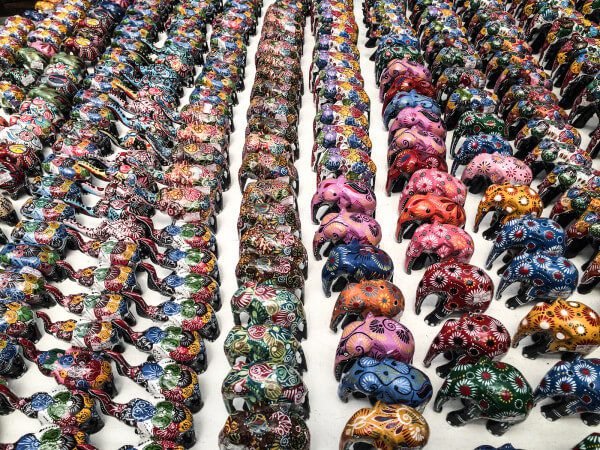
Here they make figures of fishermen, animals, people-everything that the master’s imagination suggests. And the most common are the figures of elephants – these animals are considered sacred on the island, and all local residents keep their images in their homes.
Different types of wood are used to make the figurines, but the most prized figurines are made of ebony (black wood) and royal ebony (mixed yellow and black wood). Ebony wood is very dense, so the figures from it differ in considerable weight. To make sure that the statue is authentic, it is necessary to rub it thoroughly: the paint and varnish should not be erased.
It is advisable to buy wood crafts in souvenir shops, for example, in Colombo it is Lakpahana Handicrafts and Laksala-products are presented in a huge assortment and at affordable prices. The cost of such souvenirs starts from $3, and then everything depends on the wood used and the size of the finished product.
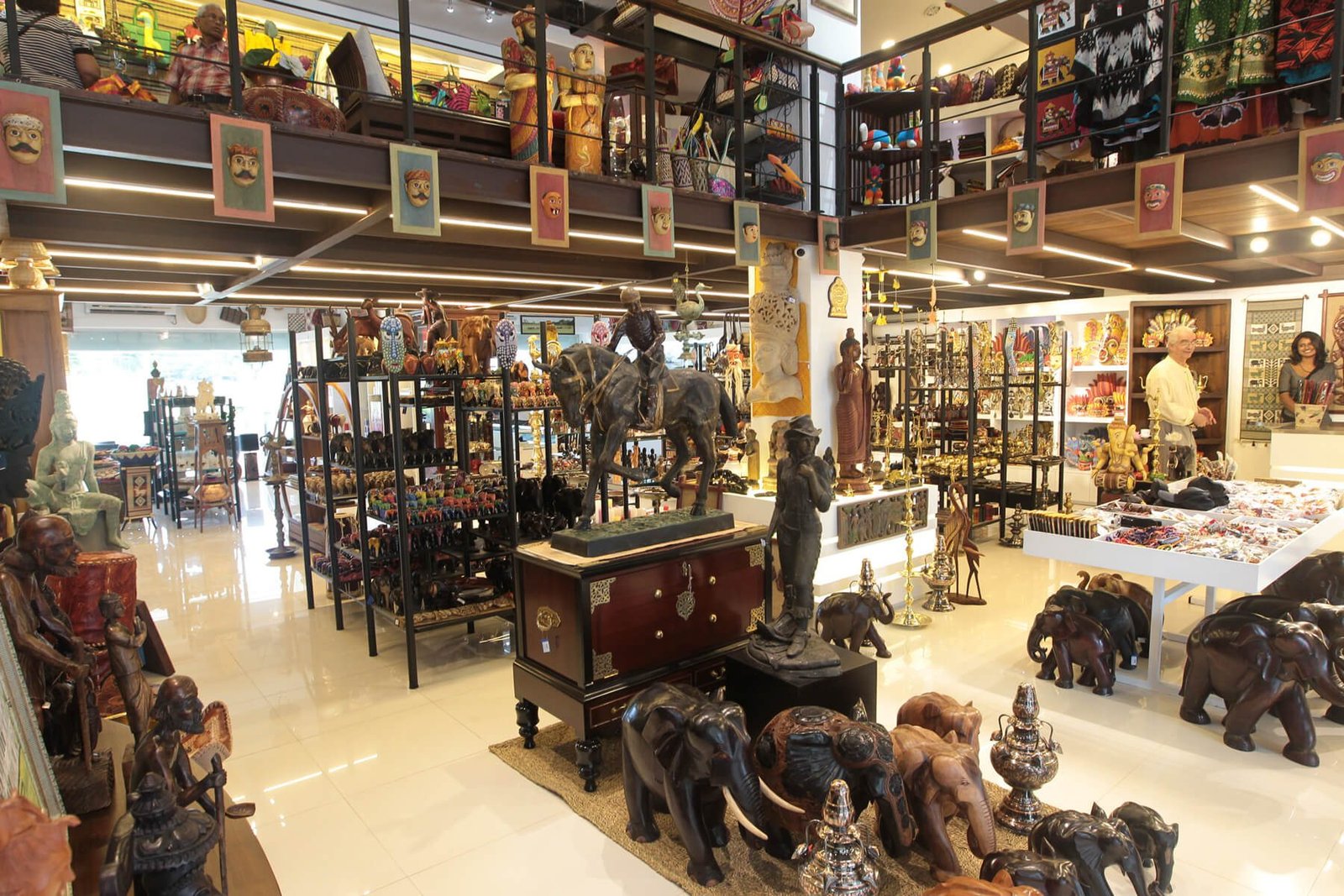
You can buy wooden souvenirs both at markets and in places where excursions are held, but only if there is an opportunity to bargain. As a rule, the initial price for tourists is called 3-4 times higher, so you should bargain until the last one.
9. Traditional wooden masks
Separately, it should be said about masks made of wood, which are very common in Sri Lanka. Each of the masks has its own purpose: a talisman to attract wealth or good luck, a talisman of family happiness, a talisman against evil spirits or troubles.
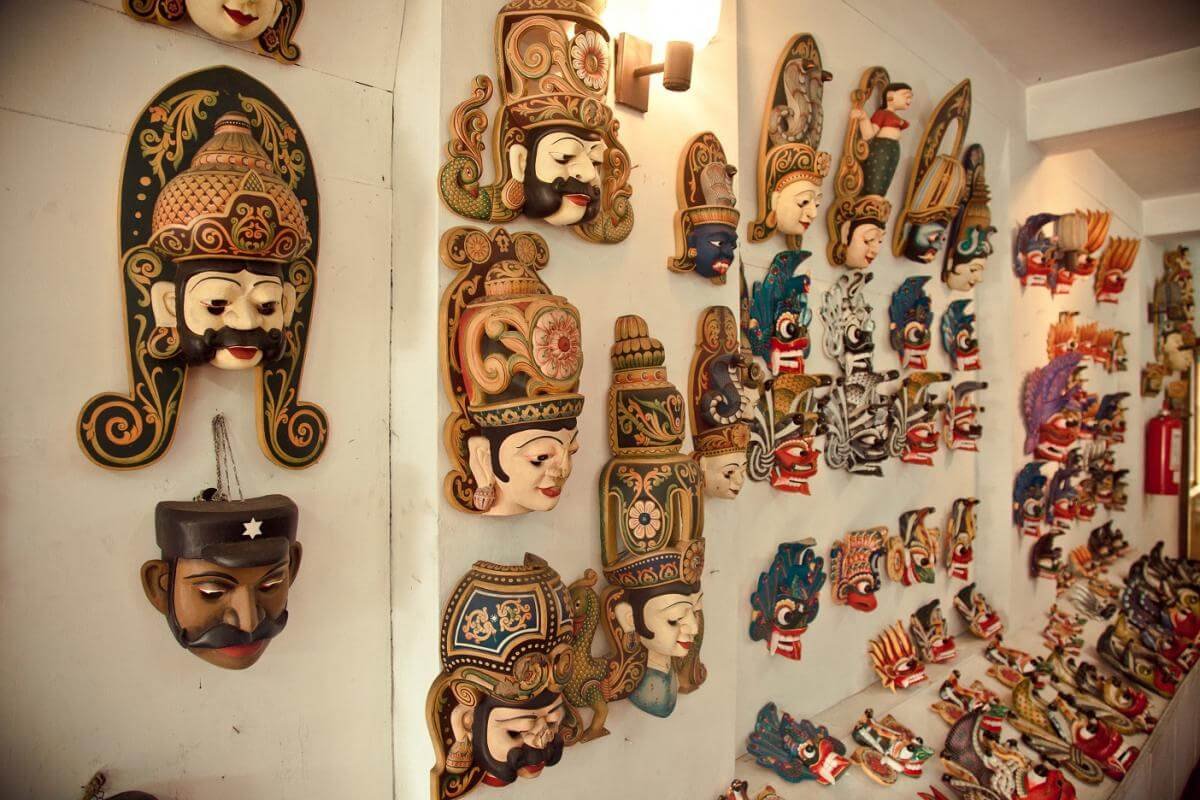
For their manufacture, the wood of the tropical kaduru tree is used. The master paints the finished product by hand, using special paints from rainbow wood shavings and other natural components. If you rub the surface of the mask, then its coating should remain intact – this indicates the excellent quality of the product.
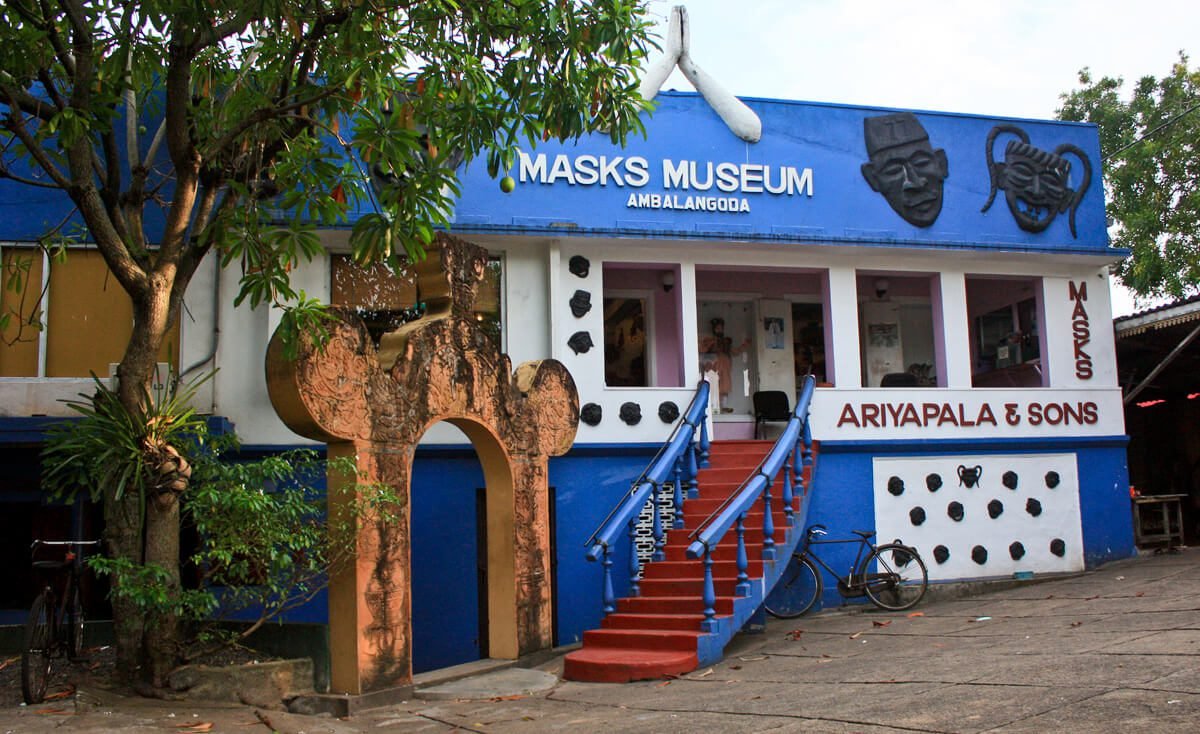
Ambalangoda is well known for the best maskers in the country. There are several mask museums in this city, where you can learn about the history of their origin, as well as buy your favorite samples. Prices of such products start from $8.
Where to buy souvenirs in Sri Lanka
Colombo: Visit established craft stores such as Laksala and Lakpahana, tea shops and supermarkets. Tea country: Compare prices at plantation shops and specialist retailers. Ambalangoda: Look for handcrafted masks and workshops. Ratnapura: Choose reputable gemstone sellers and ask for documentation.
For small gifts, supermarkets are practical for sealed tea, spices and cashews. In markets compare several stalls and agree a price before paying. For batik and woodwork, ask about materials and where the item was made. Prices quoted in older travel guides should be treated as historical examples, not current offers.
Sri Lanka customs rules: what to check before departure
Rules can differ for ordinary souvenirs, restricted items and goods requiring permits. Check current guidance from Sri Lanka Customs and your destination’s customs authorities before departure.
Pay particular attention to antiques, plants, wildlife products, unprocessed minerals and other restricted items. Keep invoices and relevant certificates for jewellery and gemstones. The Sri Lanka Customs passenger services guide lists restricted and prohibited baggage categories. The airport departure baggage guide also provides information on tea, souvenirs and currency. Verify requirements before purchasing valuable items.
Check the destination country’s rules for food, alcohol and duty-free allowances too. Keep receipts and leave any questionable wildlife products or antiquities behind.
Frequently asked questions
What is the most popular souvenir from Sri Lanka?
Ceylon tea is one of the easiest gifts to take home. Cinnamon, packaged spices, batik fabrics and handmade masks are also popular choices.
Where can I buy souvenirs in Sri Lanka?
Try Colombo for craft shops and fixed-price stores, tea country for specialty tea, Ambalangoda for masks and Ratnapura for gemstones. Supermarkets are useful for everyday edible gifts.
What should I buy in Sri Lanka for a small budget?
Tea, spice packets, cashews and small wooden carvings are good affordable options. Compare prices and packaging before buying.
Can I bring Ceylon tea or spices home?
Commercially packaged tea and spices are convenient to carry, but check the latest export and destination-country import rules, including any quantity limits.

Konstantin is an acclaimed travel writer, celebrated for transforming ordinary journeys into extraordinary narratives. With years of experience exploring diverse destinations across the globe, his work blends vivid storytelling, cultural insights, and practical advice to inspire wanderlust and guide readers toward unforgettable adventures.
As a key contributor to enjoythetrip.org website, Konstantin has built a loyal readership through their expertise in uncovering both iconic landmarks and off-the-beaten-path treasures. He specializes in providing travelers with honest, actionable tips, whether it’s finding the best resorts in Maldives, exploring cultural hubs like Paris, or diving into the natural wonders of Croatia.