
The best museums in Italy bring together the country’s extraordinary artistic, architectural and scientific heritage. Florence with its luxurious palaces, Rome with its religious treasures, and Milan with its scientific endeavors are all worth visiting. From Renaissance masterpieces to ancient Roman ruins and hands-on science exhibitions, each museum offers a different way to discover Italian history.
This guide to 12 of the best museums in Italy and Vatican City includes famous art galleries, historic palaces, archaeological collections, and a lesser-known museum on the Adriatic coast. Find out what to see, how much tickets cost, how long to spend, and which museums to book in advance.
Best museums in Italy at a glance
| Museum | City | Highlights | Time | Adult admission |
|---|---|---|---|---|
| Uffizi Gallery in Florence | Florence | Renaissance masterpieces | 3–4 hours | €25 on the day; €29 in advance |
| Galleria dell’Accademia in Florence | Florence | Michelangelo’s David | 1–1.5 hours | €20 |
| Vatican Museums and Sistine Chapel | Vatican City | Sistine Chapel and papal collections | 3–4 hours | €20; €25 online reservation |
| Borghese Gallery in Rome | Rome | Bernini sculptures and Baroque art | 2 hours | €16 + €2 reservation |
| Doge’s Palace in Venice | Venice | Gothic palace and Venetian history | 2–3 hours | €35; €30 advance online (30+ days) |
| Gallerie dell’Accademia in Venice | Venice | Venetian painting | 1.5–2.5 hours | €15 |
| Palazzo Vecchio in Florence | Florence | Medici history and palace interiors | 1.5–2 hours | €18 museum admission |
| Palazzo Pitti in Florence | Florence | Royal apartments, Raphael and gardens | 2–3 hours (plus gardens) | €16 day ticket; €19 in advance |
| Juliet’s House in Verona | Verona | Literature and medieval architecture | 45–60 min | €12 house & courtyard; €5 courtyard |
| Archaeological Museum of Verona | Verona | Roman theatre and archaeology | 1.5–2 hours | €9 |
| Leonardo da Vinci Museum of Science and Technology in Milan | Milan | Science, engineering and transport | 3–4 hours | See current ticket options |
| Museo della Regina in Cattolica | Cattolica | Adriatic archaeology and maritime history | 45–90 min | Free |
Ticket prices and regular opening arrangements checked in November 2026. Special exhibitions, booking fees, holidays and reduced admission rules may affect the final price. Use the official links below for your travel dates.
Map of the best museums in Italy
Use the individual Google Maps links under each museum to pinpoint its entrance. Florence, Venice, Rome, Verona and Milan are easily combined by train. Cattolica is on the Adriatic coast, near Rimini.
1. Uffizi Gallery in Florence
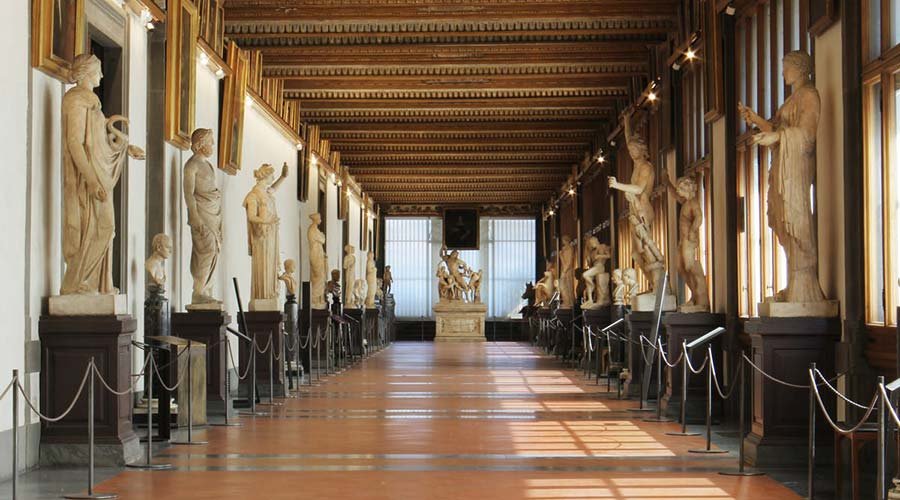
Florence with its Arno River and Paris with its capricious Seine both have architectural ensembles reflecting the river’s lights. The Uffizi Gallery is one of the brightest Florentine beacons. In this place, the power of the Medici family and its genuine love for art met. In the sixteenth century, Cosimo I commissioned Giorgio Vasari to design government offices. The building later became a gallery for the Medici collections.
The museum takes visitors through the development of Italian art, from early religious painting to the Renaissance. Botticelli’s Birth of Venus and Primavera are among the best-known works. Look also for Leonardo da Vinci’s Annunciation, Michelangelo’s Doni Tondo, Raphael’s portraits and paintings by Titian and Caravaggio. The corridors offer lovely views across the Arno toward Ponte Vecchio.
Allow plenty of time for the rooms that interest you most, and plan a break midway through your visit. With so many extraordinary works, a guided tour can add helpful context. The five-day PassePartout ticket is worth considering if you also intend to see Pitti Palace and Boboli Gardens.
Plan your visit – Tue–Sun; generally closed Monday. Reserve a time slot. Allow 3–4 hours. Standard admission: €25 on the day; €29 in advance.
Official tickets and opening hours | Find on Google Maps
2. Galleria dell’Accademia in Florence
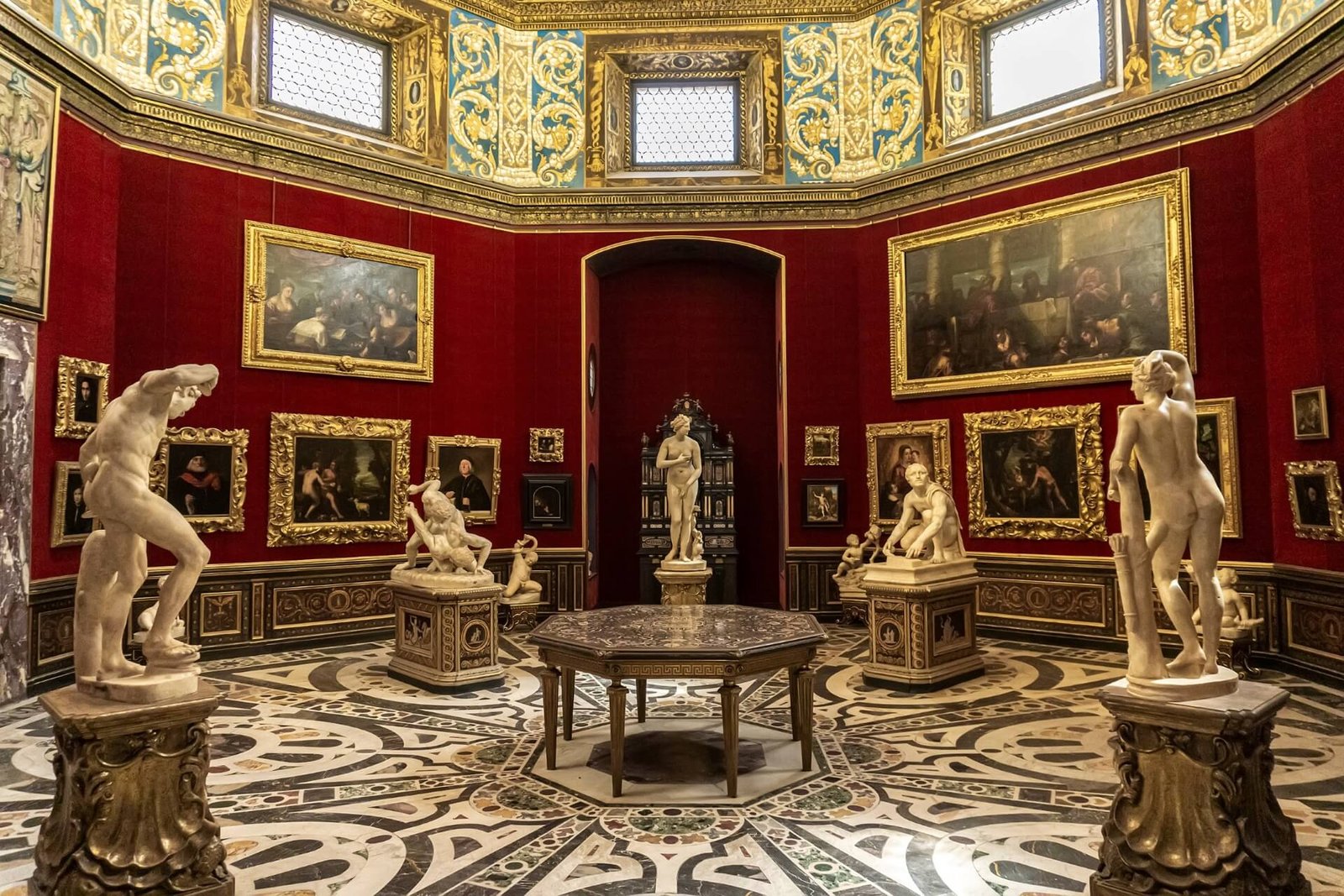
Many Italian institutions are connected with Florence’s historic artistic academies. The Galleria dell’Accademia developed from a collection used to inspire students and is now among the best-known museums in Italy. Its most celebrated work is Michelangelo’s original David, displayed beneath a specially designed dome. The brilliant white marble and monumental scale make the experience striking.
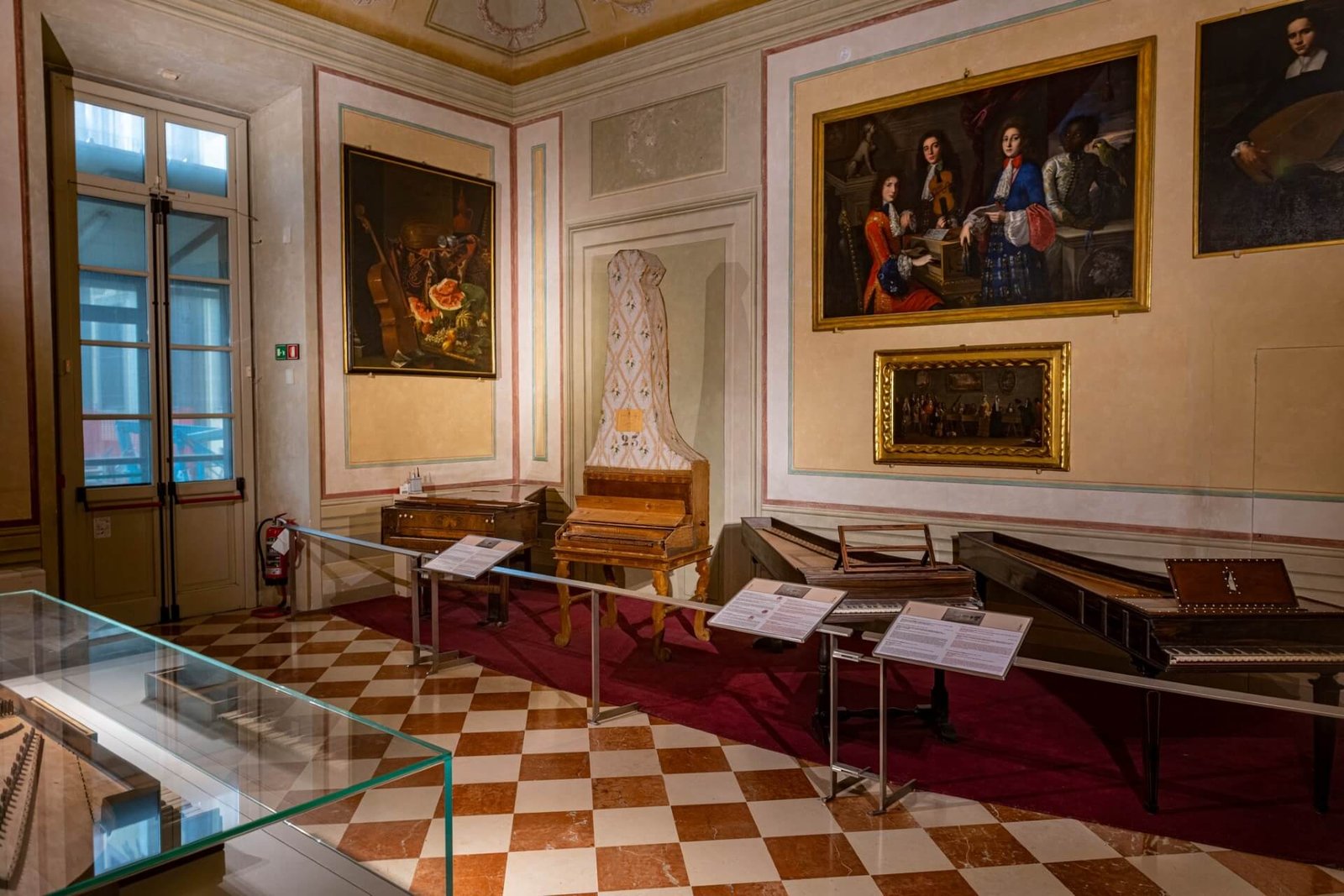
Along the approach to David, take time to examine Michelangelo’s unfinished Prisoners, which appear to struggle free from the stone. The museum also houses paintings by Bronzino, Ghirlandaio and Lippi, alongside medieval gold-ground works. In addition, the musical instruments collection preserves historic instruments associated with the Medici court.
The Accademia is more compact than the Uffizi, but lines are often lengthy. Book a timed ticket in advance, especially during spring and summer. The museum is a comfortable walk from the cathedral and makes a good morning stop before exploring central Florence.
Plan your visit – Tue–Sun 08:15–18:50; Monday closed; last admission 18:10. Allow 1–1.5 hours. Standard admission: €20.
Official tickets and opening hours | Find on Google Maps | Book tickets or a guided visit
3. Vatican Museums and Sistine Chapel
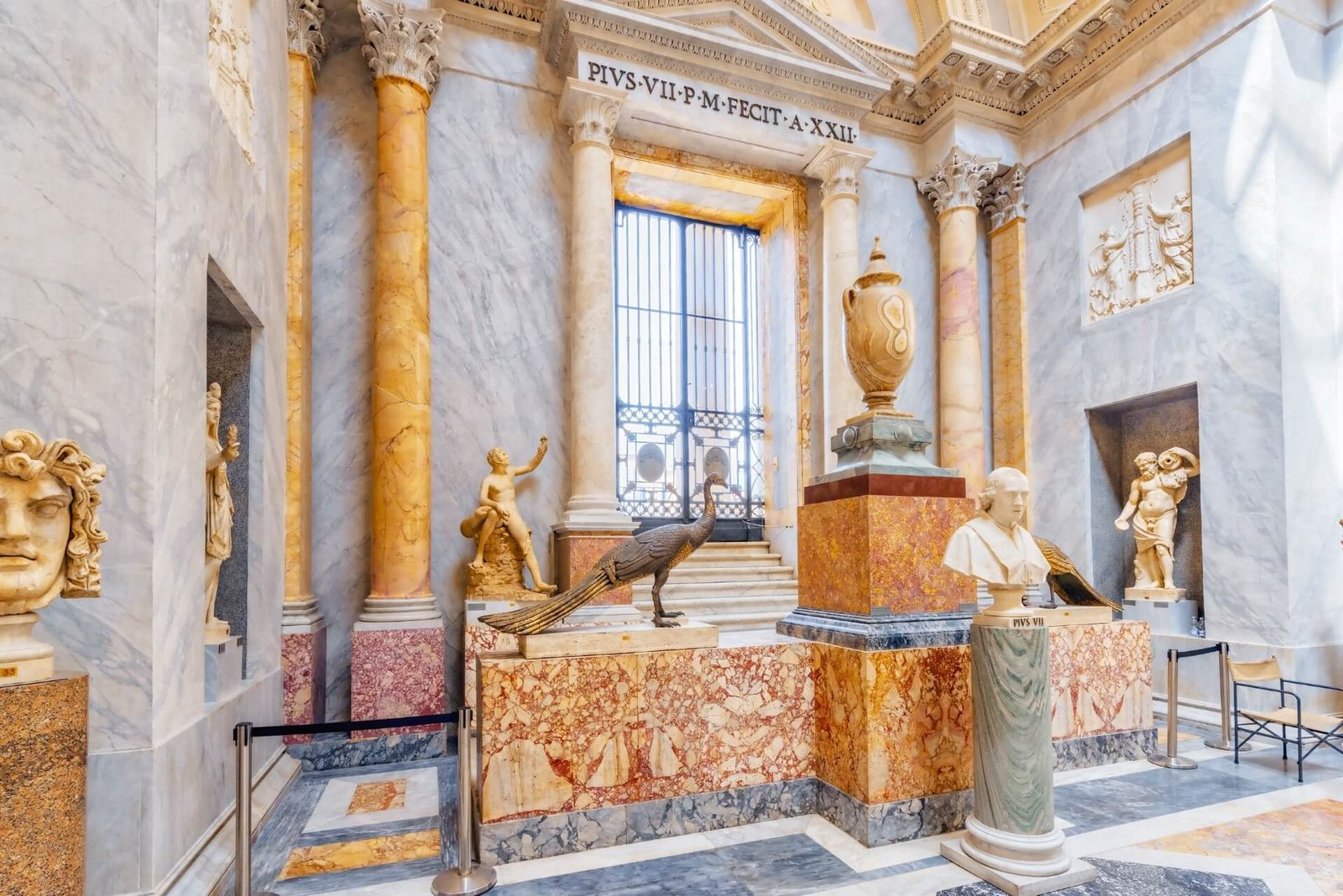
The Vatican is a treasury of treasuries and one of the great mysteries of Rome. Over the centuries, popes assembled collections from different cultures and eras. Today, the Vatican Museums form a remarkable series of galleries and historic rooms. Their collections span Egyptian artifacts, Classical sculpture, Renaissance masterpieces and modern religious art.
The galleries of the Pio-Clementino Museum include the Laocoön and Apollo Belvedere. The Gallery of Maps depicts the Italian peninsula in elaborate painted maps, while Raphael’s Rooms contain the School of Athens. Finally, the Sistine Chapel offers Michelangelo’s celebrated ceiling and Last Judgment. Allow time for the Vatican Pinacoteca if you love painting.
The main visitor route can take several hours. Book a timed ticket early, particularly if you travel in high season. Shoulders and knees must be covered in sacred areas. The Vatican Apostolic Library is an extraordinary research institution, but its reading rooms are reserved for qualified scholars and are separate from the public museum route.
Plan your visit – Mon–Sat 08:00–20:00; last entry 18:00; selected last Sundays free. Allow 3–4 hours. Standard admission: €20; €25 online reservation.
Official tickets and opening hours | Find on Google Maps | Book tickets or a guided visit
4. Borghese Gallery in Rome
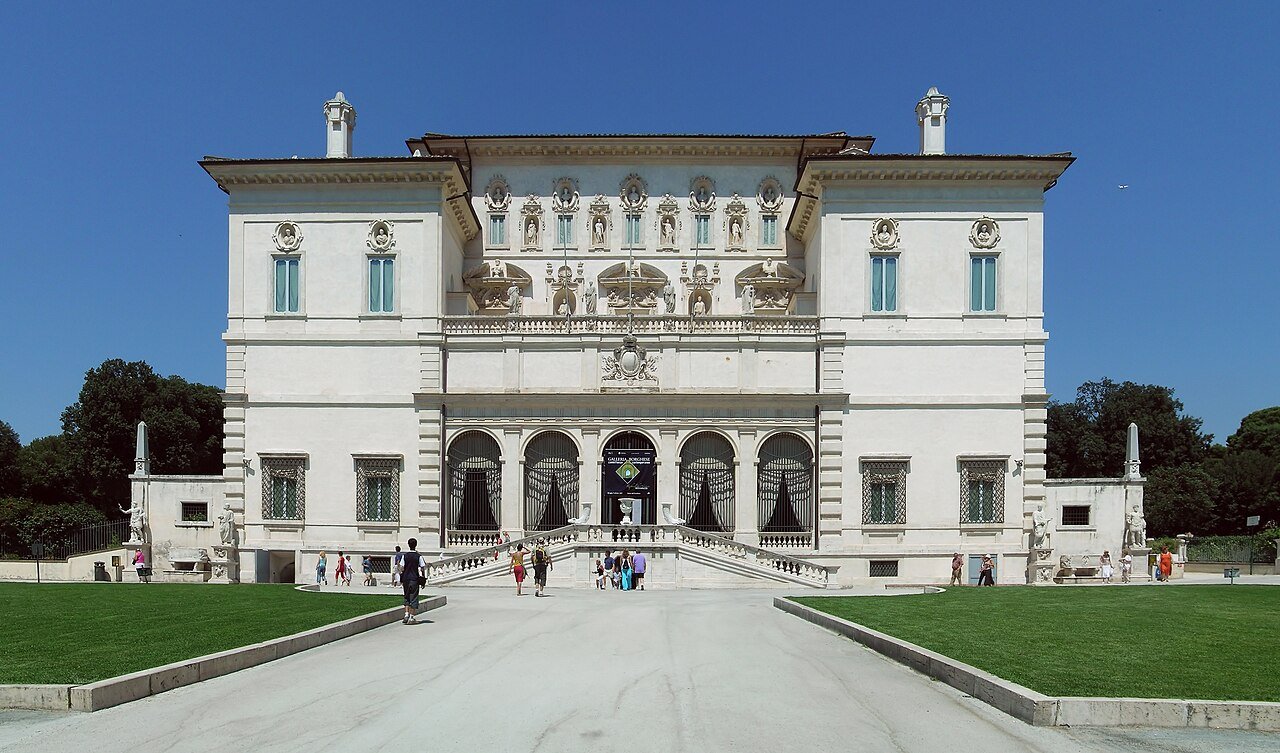
The Borghese Gallery is one of the most rewarding art museums in Italy. Its elegant villa lies within the leafy grounds of Villa Borghese in Rome. Cardinal Scipione Borghese assembled much of the collection in the early seventeenth century. Marble sculpture, lavish ceiling decoration and paintings form an intimate ensemble.
The main highlights include Bernini’s Apollo and Daphne, David, and The Rape of Proserpina. Their expressive figures demonstrate how the sculptor could bring apparently weightless movement to marble. Meanwhile, the galleries display paintings by Caravaggio, Raphael, Titian and other masters. Canova’s Pauline Bonaparte is another unforgettable work.
A timed ticket is mandatory and visits are usually limited to two hours. Arrive early enough to complete admission procedures and spend time in the park afterwards. The collection is much more compact than the Vatican Museums, making it a fine choice for a focused art visit.
Plan your visit – Timed admission required, including free and reduced tickets. Allow 2 hours. Standard admission: €16 + €2 reservation.
Official tickets and opening hours | Find on Google Maps
5. Doge’s Palace in Venice
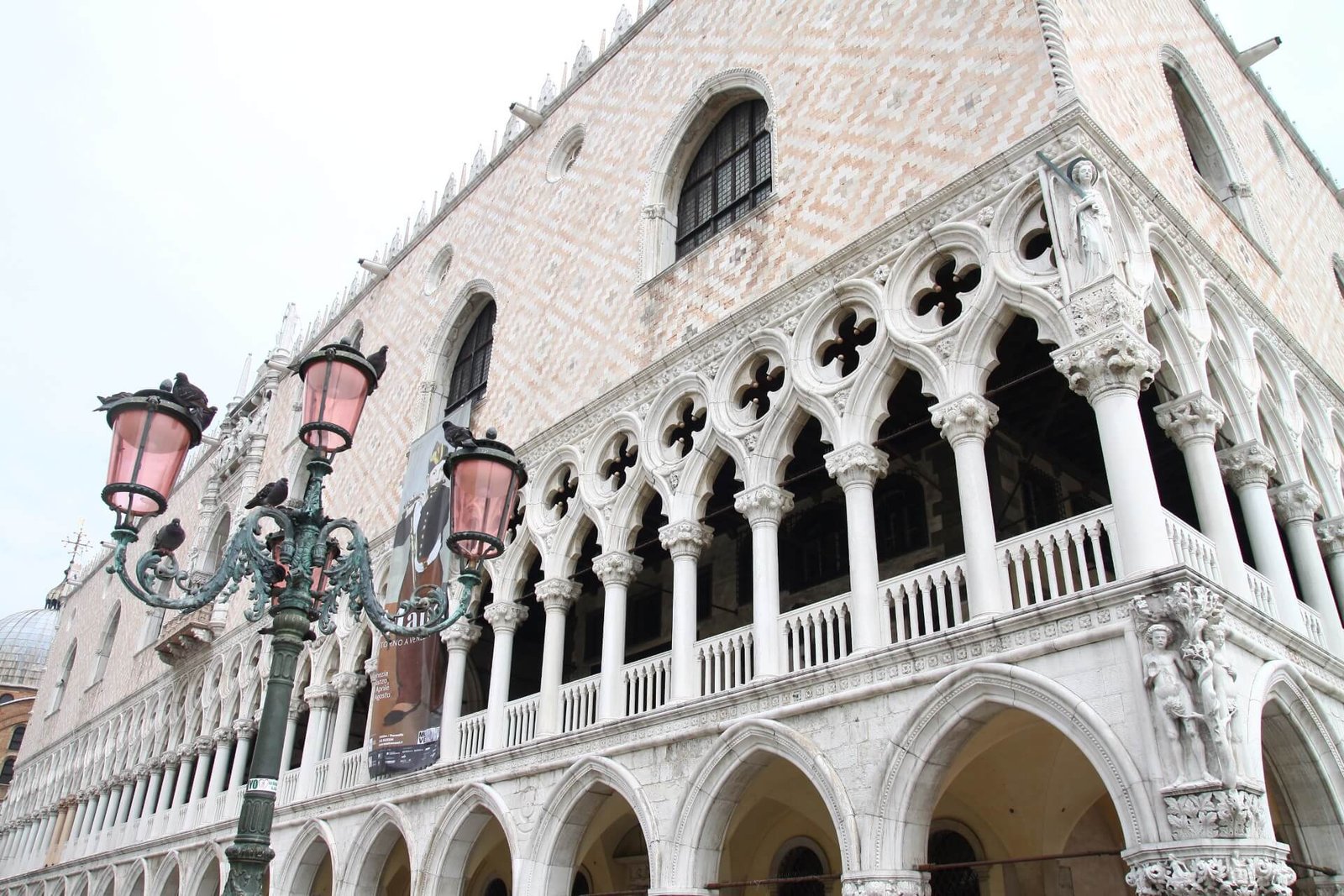
For centuries, the Doge’s Palace was the seat of the government and residence of the Doge of Venice. Its facade is a striking blend of Venetian Gothic and Byzantine influences. The sculptures, elegant arches and delicate colonnades are true poetry in stone. Inside, magnificent ceremonial rooms tell the story of the Venetian Republic and its immense wealth.
Begin with the Golden Staircase and the chambers of government. The vast Chamber of the Great Council houses Tintoretto’s Paradise, while the Hall of Maps reflects Venice’s history as a maritime power. Afterwards, cross the enclosed Bridge of Sighs into the prison complex. The transition from bright state rooms to austere prison cells is one of the most memorable moments of the visit.
The St Mark’s Square museum ticket also includes the Correr Museum, National Archaeological Museum and the monumental rooms of the Biblioteca Marciana. The Secret Itineraries tour covers areas outside the standard route, so reserve it separately if you are interested in the building’s hidden history.
Plan your visit – Usually 09:00–18:00 in winter, 09:00–19:00 in summer. Allow 2–3 hours. Standard admission: €35; €30 advance online (30+ days).
Official tickets and opening hours | Find on Google Maps
6. Gallerie dell’Accademia in Venice
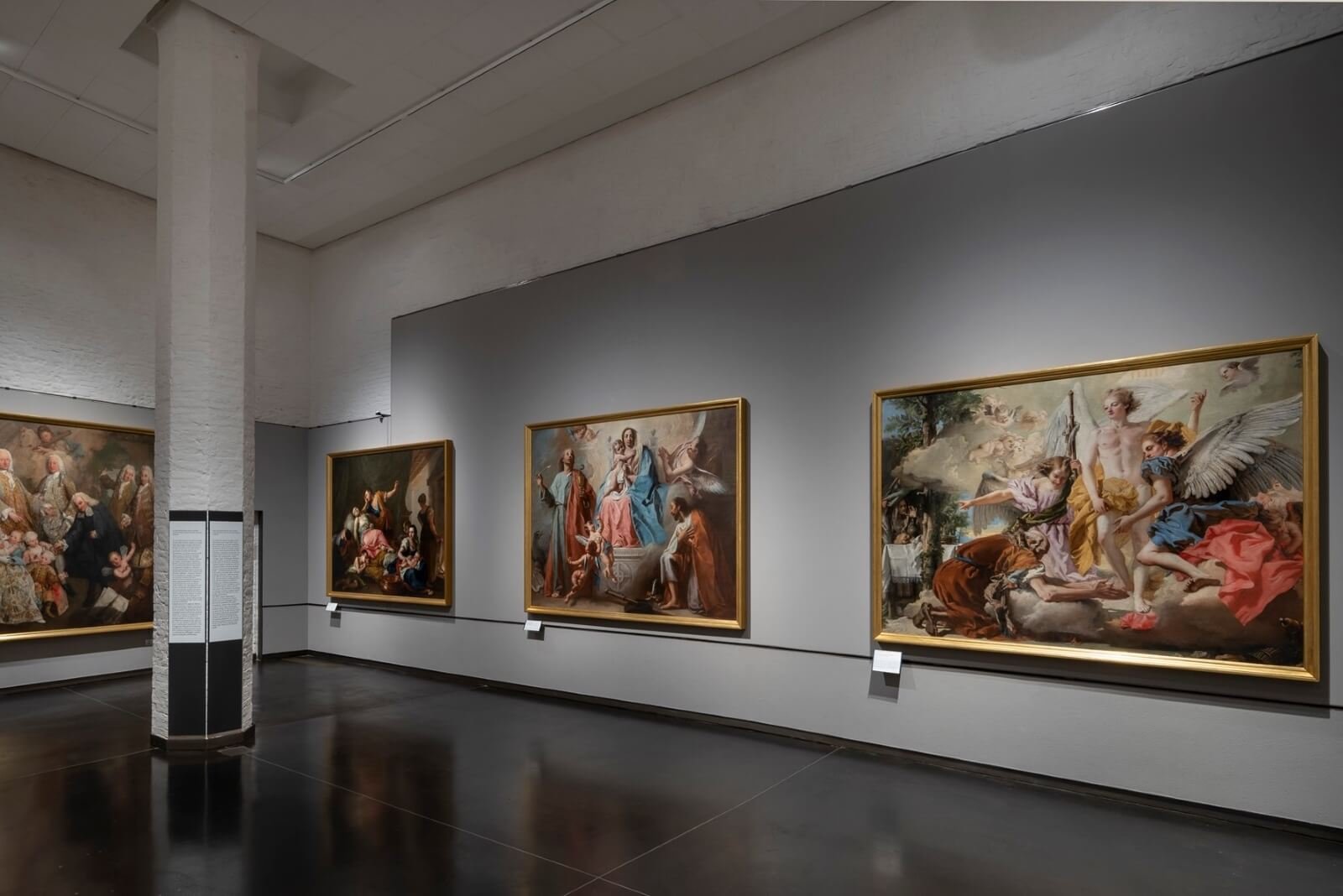
Venice is a city of canals, masquerades, artists and scholars. Its Gallerie dell’Accademia occupies historic buildings beside the Grand Canal and grew out of the city’s fine arts academy. Today, its rooms trace the evolution of Venetian painting from medieval altarpieces to the great Renaissance and eighteenth-century masters.
Among the highlights are works by Giovanni Bellini, Titian, Tintoretto, Veronese and Carpaccio. Giorgione’s Tempest is especially intriguing, with its mysterious figures and atmospheric landscape. Look for the large canvases that once decorated Venetian religious confraternities. Leonardo da Vinci’s Vitruvian Man belongs to the collection, but it is rarely displayed because of its sensitivity to light.
Compared with the crowds around St Mark’s Square, the gallery can feel wonderfully contemplative. Afterwards, cross the Accademia Bridge for an unforgettable Grand Canal view or explore the charming Dorsoduro neighborhood. For a full art day, pair it with the nearby Peggy Guggenheim Collection.
Plan your visit – Monday usually shorter; Tue–Sun full day. Allow 1.5–2.5 hours. Standard admission: €15.
Official tickets and opening hours | Find on Google Maps
7. Palazzo Vecchio in Florence
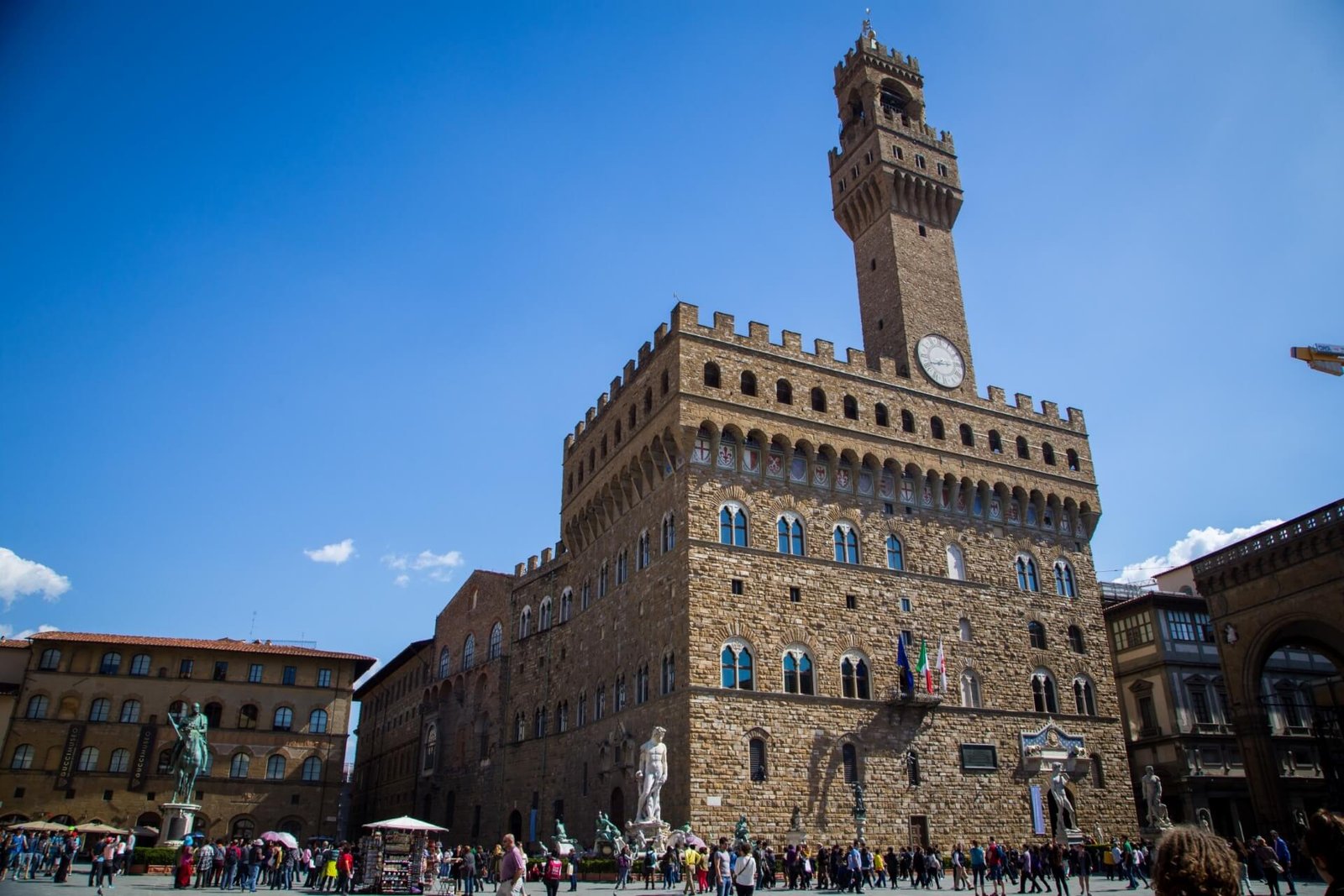
Florence is permeated with fine threads of time. Reach out and you can almost feel the stone masonry created by thirteenth-century masters. The Palazzo Vecchio stands on Piazza della Signoria and still serves as Florence’s town hall. It began as the seat of the city’s government. In the sixteenth century, Cosimo I de’ Medici transformed it into his family residence.
The showpiece is the enormous Salone dei Cinquecento, with dramatic frescoes and sculptures. Explore the richly decorated apartments, the private chapel of Eleonora di Toledo and the Hall of Geographical Maps. The statue of David outside the palace is a replica. Michelangelo’s original is displayed at the Accademia Gallery.
If you have time, a separate visit to the Arnolfo Tower reveals views over the city’s roofs and the cathedral dome. The tower has stairs and different access rules. Special tours of the secret passages are another interesting option. Visit the open-air sculptures in the Loggia dei Lanzi afterwards.
Plan your visit – Generally open daily; Thursday has shorter hours. Allow 1.5–2 hours. Standard admission: €18 museum admission.
Official tickets and opening hours | Find on Google Maps
8. Palazzo Pitti in Florence
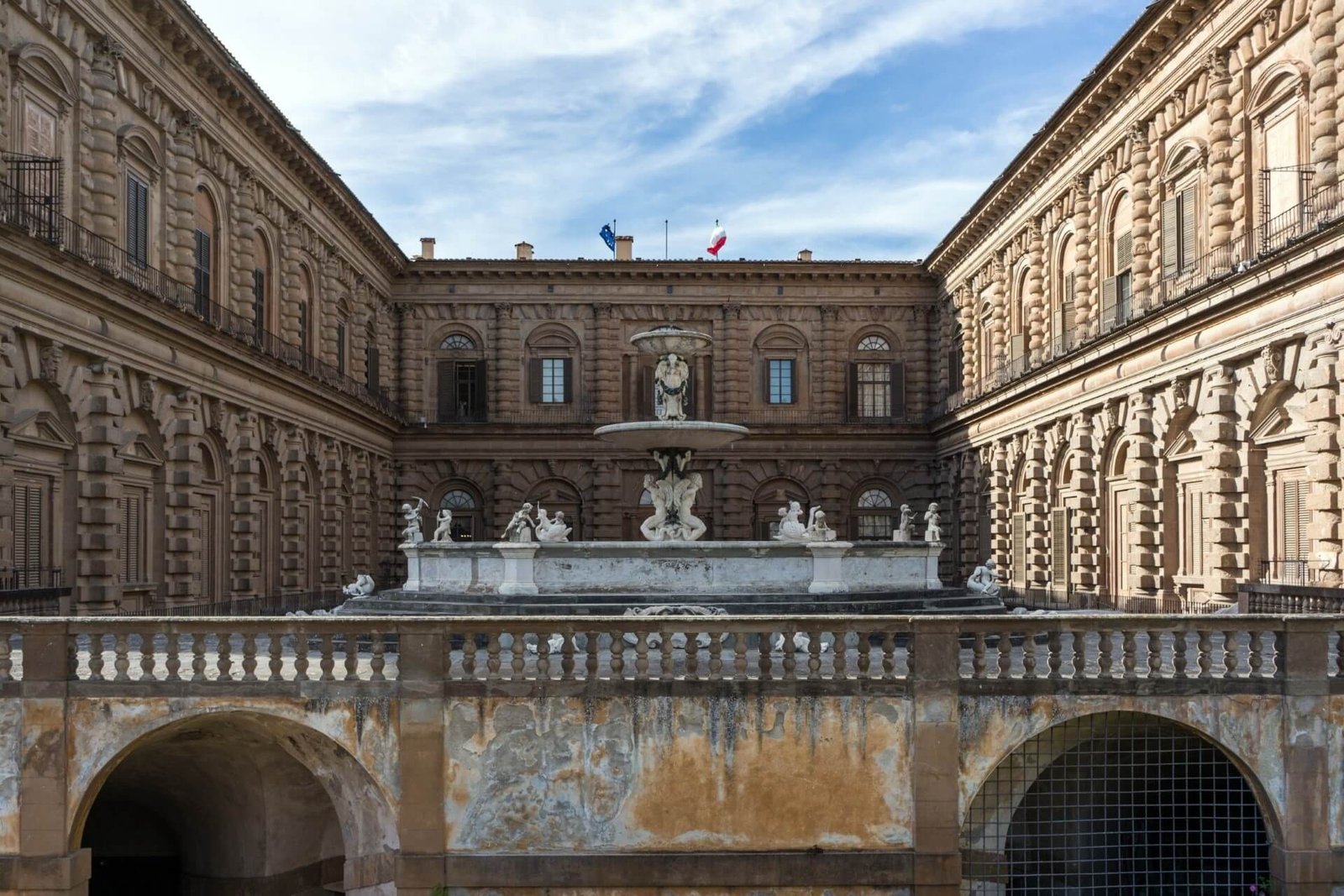
One of Florence’s wealthiest palaces, Palazzo Pitti began as the ambitious residence of banker Luca Pitti in the fifteenth century. The Medici later acquired the palace and transformed it into a grand ducal residence. Its successive owners reshaped the enormous building and the park behind it, creating the celebrated Boboli Gardens.
Inside, the Palatine Gallery presents remarkable paintings in lavishly furnished rooms. Works by Raphael, Titian, Rubens and Van Dyck are displayed alongside gilded frames, frescoes and rich furnishings. The Royal Apartments and the Treasury of the Grand Dukes offer a glimpse of court life and the luxury enjoyed by Florence’s rulers.
The Boboli Gardens are a wonderful addition to the palace visit, with terraces, fountains, sculptures and sweeping city views. The gardens have their own admission options. A combined palace-and-garden ticket or the five-day Uffizi pass can make sense if you are visiting several museums in Florence.
Plan your visit – Generally Tue–Sun; Monday closed. Allow 2–3 hours (plus gardens). Standard admission: €16 day ticket; €19 in advance.
Official tickets and opening hours | Find on Google Maps
9. Juliet’s House in Verona
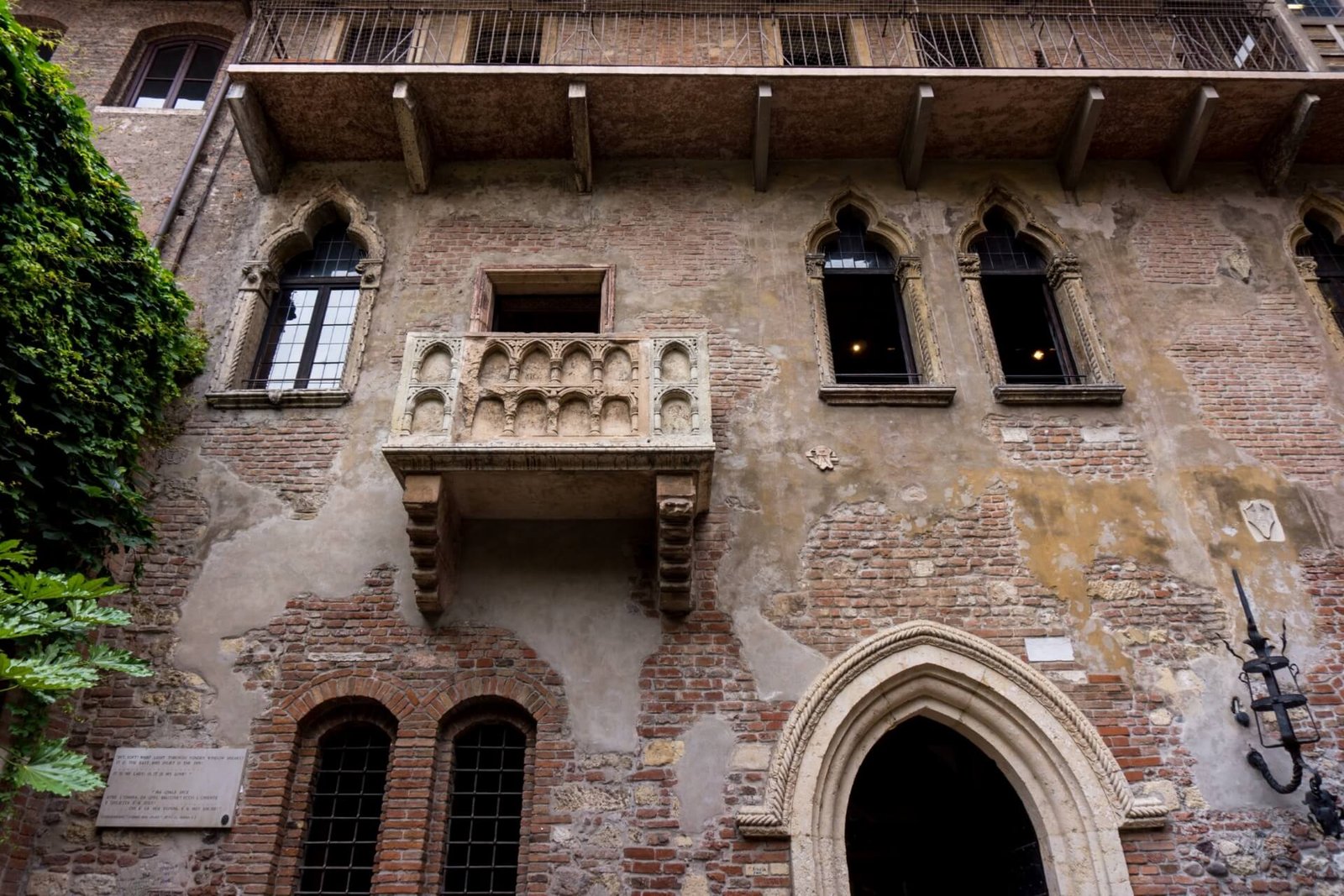
The grandiose love story of Romeo and Juliet has inspired generations of travelers. In Verona, a medieval house associated with the Capello family became the symbolic home of Shakespeare’s heroine. The house itself is small, but the poetics of medieval architecture are beautifully conveyed. The famous balcony and adjacent courtyard remain the main attraction. Juliet is also present, cast in bronze and frozen in the splendor of youth.
Inside, period furniture, decorative objects, paintings and costumes evoke the story’s setting. However, the balcony and its connection with the literary lovers belong to the tradition surrounding the play. There is no historical evidence that Shakespeare’s Juliet lived here. Today, the courtyard and house routes have separate tickets. Entry is organized via Teatro Nuovo at Piazzetta Navona.
The best time is an early reserved slot on a weekday, before the streets become crowded. Combine the visit with a walk around Piazza delle Erbe, the Scaliger Tombs and Piazza Bra. Verona Card holders also need to follow the reservation procedures for Juliet’s House.
Plan your visit – Mondays 14:00–19:00; Tue–Sun 09:00–19:00; reserve online. Allow 45–60 min. Standard admission: €12 house & courtyard; €5 courtyard.
Official tickets and opening hours | Find on Google Maps
10. Archaeological Museum of Verona
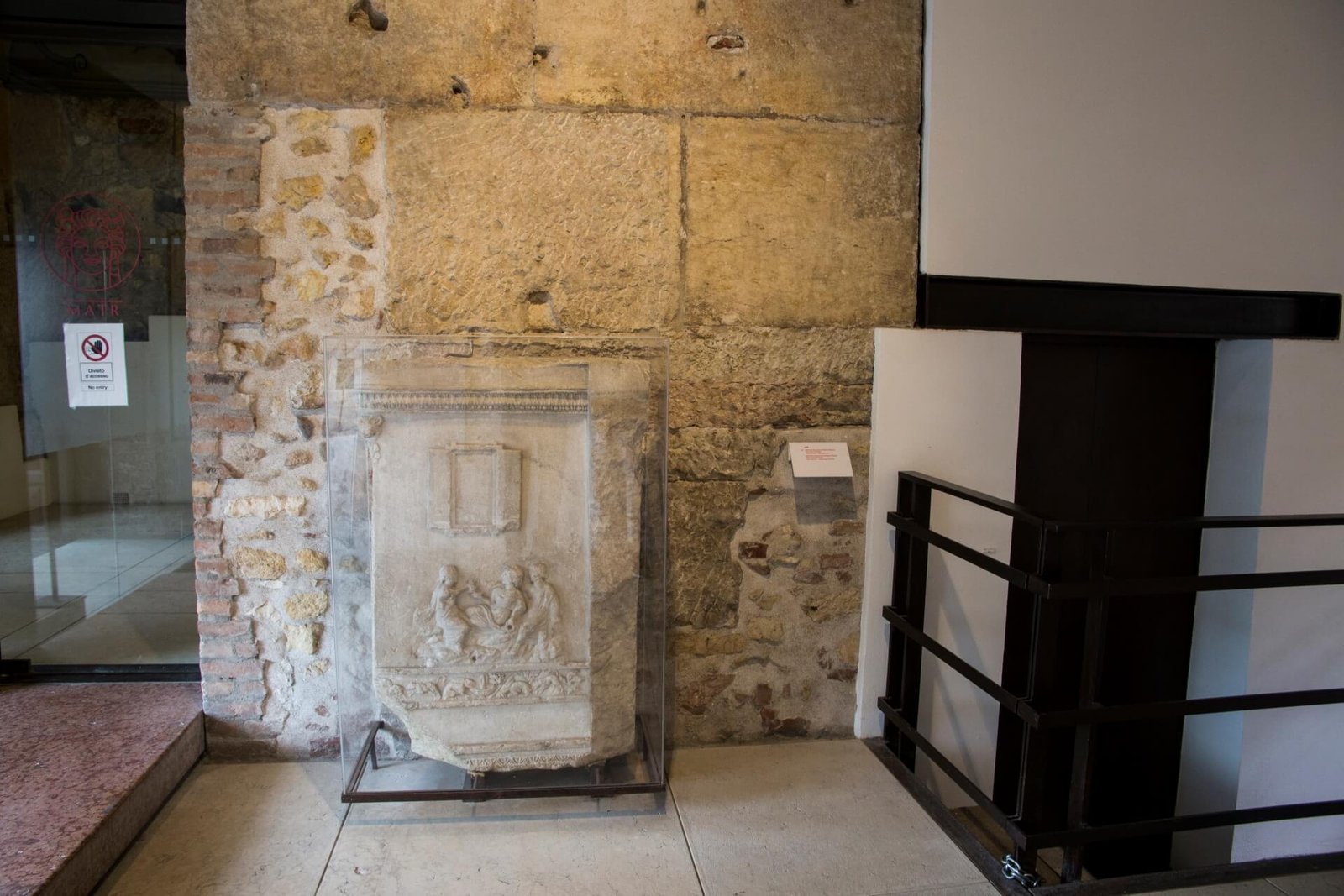
One of the most important Roman theatres in northern Italy stands on the hillside above the Adige River in Verona. Houses and small churches grew around it over the centuries, burying ancient foundations beneath them. Excavations gradually revealed its original layout. Today, the ancient theatre and the archaeological museum share a spectacular hillside location overlooking the old town and Ponte Pietra.
The museum occupies the former monastery of Saint Jerome. The setting adds a special atmosphere to the exhibits and is worth exploring in its own right. The collections include Roman sculpture, inscriptions, mosaics, bronze figures and everyday objects found in and around Verona. The old monastic spaces and terraces connect the archaeological displays with the theatre below.
Set aside time to enjoy the view from the upper levels. Afterwards, walk across Ponte Pietra or continue uphill toward Castel San Pietro for an even wider panorama. The site contains uneven ancient steps and sloping paths, so allow extra time if you have limited mobility. Verona Card holders have free admission under the current rules.
Plan your visit – Tue–Sun 10:00–18:00; closed Monday. Allow 1.5–2 hours. Standard admission: €9.
Official tickets and opening hours | Find on Google Maps
11. Leonardo da Vinci Museum of Science and Technology in Milan
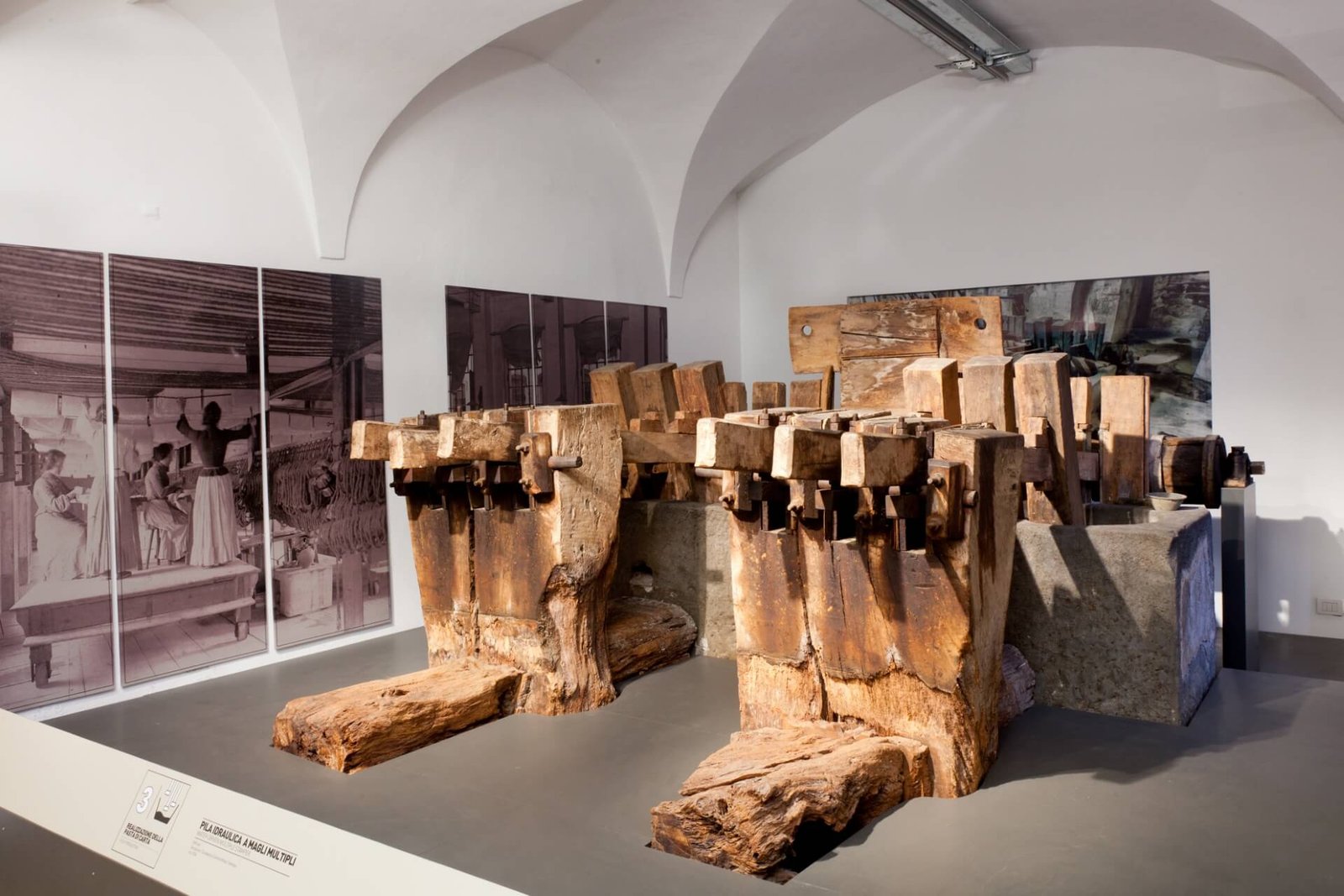
Italy often places museums inside historical buildings, including former monasteries and palaces. The National Museum of Science and Technology, named after Leonardo da Vinci, occupies the former Olivetan monastery of San Vittore in Milan. Its exhibitions extend into large outdoor and indoor pavilions, so it feels almost like a small campus.
It captivates visitors who have never studied steam engines or astronomical instruments. The Leonardo galleries contain models inspired by his manuscripts, allowing visitors to explore his ideas about engineering, architecture and flight. Elsewhere, exhibits showcase historic railway vehicles, ships, aircraft, telecommunications and space exploration. The Enrico Toti submarine is a highlight with separately organized access.
Hands-on laboratories and family activities make the museum an excellent destination for children. Allow several hours and choose your favorite galleries rather than rushing through everything. The museum is close to Sant’Ambrogio, and you can combine it with a visit to that historic basilica.
Plan your visit – Opening hours vary by day and season; check interactive activities. Allow 3–4 hours. Standard admission: See current ticket options.
Official tickets and opening hours | Find on Google Maps | Book tickets or a guided visit
12. Museo della Regina in Cattolica
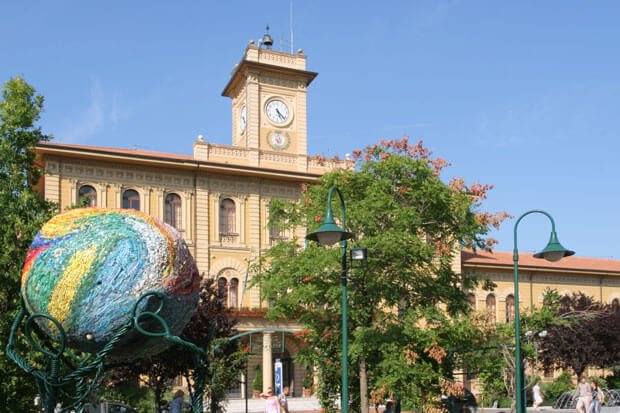
In a modest building between neighboring houses, the Museo della Regina hides a rich archaeological and maritime collection. Its home is the former Pilgrims’ Hospital in the historic center of Cattolica. The museum explores the origins of the town and the relationship between its residents and the Adriatic Sea.
Despite its relatively small size, it houses two distinct collections. The archaeological section presents remains of Roman-era settlement and finds from local excavations. Meanwhile, the maritime section recounts traditional boatbuilding and fishing, using models, old photographs, maps and documents. These displays help visitors understand the coastal communities behind the beaches of today.
The museum makes an interesting break during a holiday on the Riviera Romagnola. Admission is free and a visit can easily fit into a morning or late afternoon in the old town. Combine it with a walk to the harbor or a seafood lunch on the waterfront.
Plan your visit – Seasonal hours; consult the museum information before visiting. Allow 45–90 min. Standard admission: Free.
Official tickets and opening hours | Find on Google Maps
How to plan a trip to the best museums in Italy
Florence: allow at least two museum days. Start with the Uffizi and Palazzo Vecchio. Another day can cover the Accademia, Pitti Palace and Boboli Gardens, depending on the pace of your visit.
Rome and Vatican City: devote separate days to the Vatican Museums and Borghese Gallery. Both are major attractions with timed reservations.
Venice and Verona: balance the grand halls of Doge’s Palace with the paintings at the Accademia. Verona offers both its famous literary landmark and the Roman Theatre.
Milan and Cattolica: take a break from classical art at the science museum in Milan. The small maritime collection in Cattolica fits into a relaxed Adriatic holiday.
Practical tips for museum visits
Book popular museums early, especially between April and October. Check the available entrance times and official ticket types. For several museums, advance reservations remain advisable even when you qualify for free or reduced admission.
Many Italian state museums close on Mondays. The first Sunday of each month may offer free entry at participating national museums, although individual rules differ. Museums run by cities and the Vatican have separate policies.
Check the accessibility information before visiting historic buildings. Towers, archaeological sites and old palaces may involve steep stairs. Also leave large bags at the hotel where possible, to make security checks easier.
Frequently asked questions about the best museums in Italy
Which are the three must-see museums in Italy?
For a first cultural trip, prioritize the Uffizi, the Accademia Gallery in Florence and the Vatican Museums in Vatican City. They offer an extraordinary introduction to Renaissance art and sculpture.
Which museums in Italy are best for children?
The Leonardo da Vinci Museum of Science and Technology in Milan offers transport exhibits and interactive activities. Children may also enjoy the Doge’s Palace, Juliet’s House and the Roman Theatre in Verona.
Do museums in Italy offer free admission?
Many state museums in Italy offer free admission to under-18s and eligible visitors on designated dates. The Museo della Regina in Cattolica is free to enter. Always check the specific institution’s eligibility and reservation rules.
How far in advance should I book the Uffizi and Vatican Museums?
For busy spring and summer dates, reserve as soon as your itinerary is fixed. The Borghese Gallery also needs a timed reservation. Book each museum directly or compare guided tour options.
Museum tickets and tours in Italy
For more Italian travel ideas, read what to see in Milan in two days and the best thermal springs in Italy.

Konstantin is an acclaimed travel writer, celebrated for transforming ordinary journeys into extraordinary narratives. With years of experience exploring diverse destinations across the globe, his work blends vivid storytelling, cultural insights, and practical advice to inspire wanderlust and guide readers toward unforgettable adventures.
As a key contributor to enjoythetrip.org website, Konstantin has built a loyal readership through their expertise in uncovering both iconic landmarks and off-the-beaten-path treasures. He specializes in providing travelers with honest, actionable tips, whether it’s finding the best resorts in Maldives, exploring cultural hubs like Paris, or diving into the natural wonders of Croatia.