
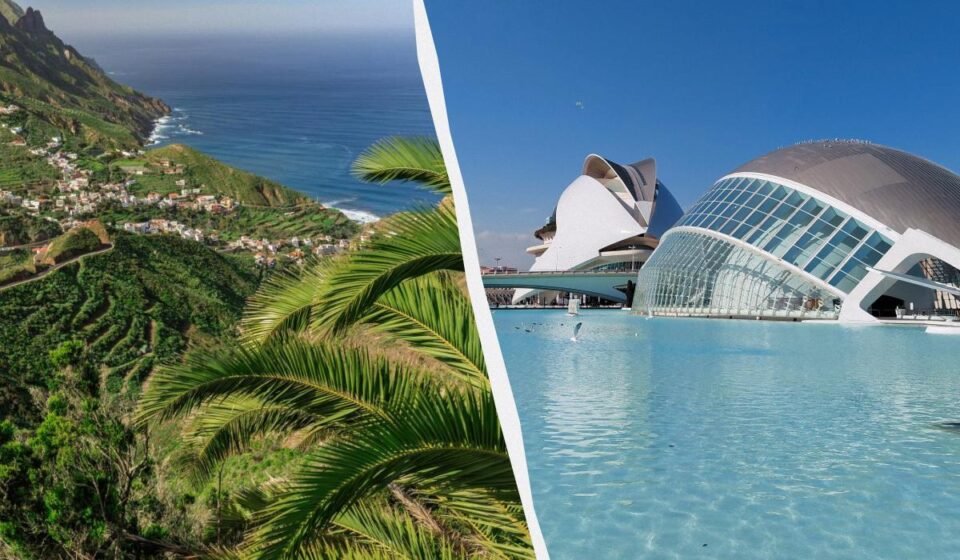
The south of Spain, with some of the country’s warmest places, is one of the best places in Europe for a winter vacation in the sun.
Although it is a mistake to believe that it is warm all year round in Spain, there are still many places in the country where you can bask in the sun during the winter.
Experts from The Independent have named six of the warmest places in Spain to visit in winter.
Where to go in Spain for winter sun
For a December, January or February holiday, Tenerife and Lanzarote offer the best chance of warm beach days. The Costa del Sol is ideal for seaside walks, while Valencia and Seville are especially good for cultural city breaks.
| Destination | Best for |
|---|---|
| Tenerife | Beaches and mountain scenery |
| Valencia | Cycling and city attractions |
| Seville | History and culture |
| Nerja | Coastal walks and scenery |
| Lanzarote | Volcanoes and beaches |
| Málaga | Museums and seaside dining |
Tenerife – the best choice for winter beach weather
1. Tenerife. This is the most popular of the Spanish Canary Islands. From December to February, the sun shines here for six hours a day, and the average temperature during these months is around 18°C (with a maximum of around 22°C). However, the island attracts tourists all year round with its natural attractions. Tenerife is home to Spain’s highest peak, the active volcano Teide, which rises above the national park of the same name. You can climb to the top by cable car, but there are also many hiking trails through the red rocks and rugged terrain.
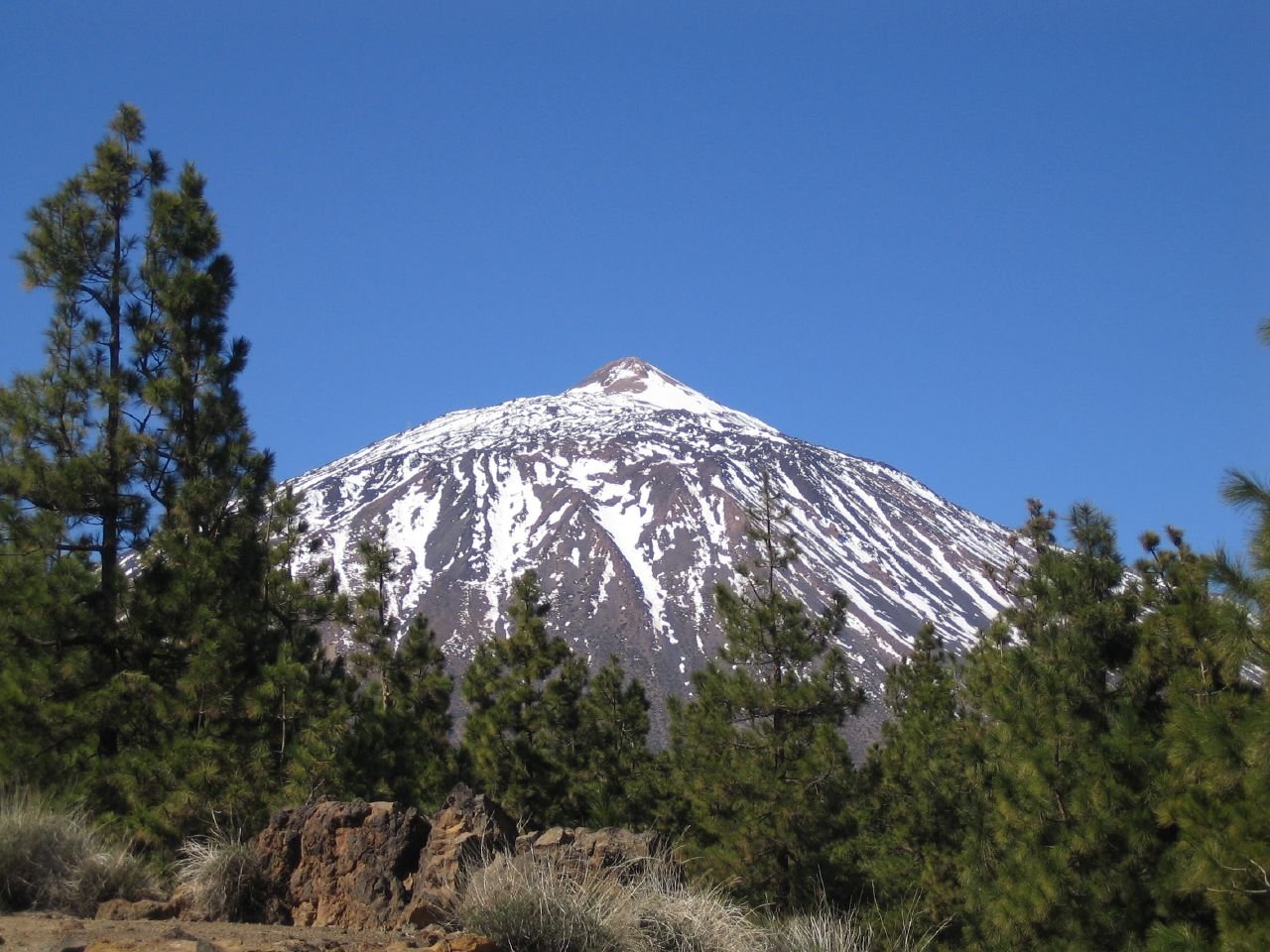
Travel tip: Stay near the southern coast for a beach-focused trip. Pack layers for Teide, where temperatures can be much lower than at sea level.
Valencia – winter city break by the Mediterranean
2. Valencia. Although this city is cooler than the others on this list, it is also pleasant and sunny in winter. From December to February, locals often spend time on the beach, although they avoid swimming. However, many of Valencia’s top attractions are more suitable for the comfortable temperatures of winter, such as cycling through the eight-kilometer-long Turia Park or exploring the City of Arts and Sciences, one of Spain’s modern wonders.
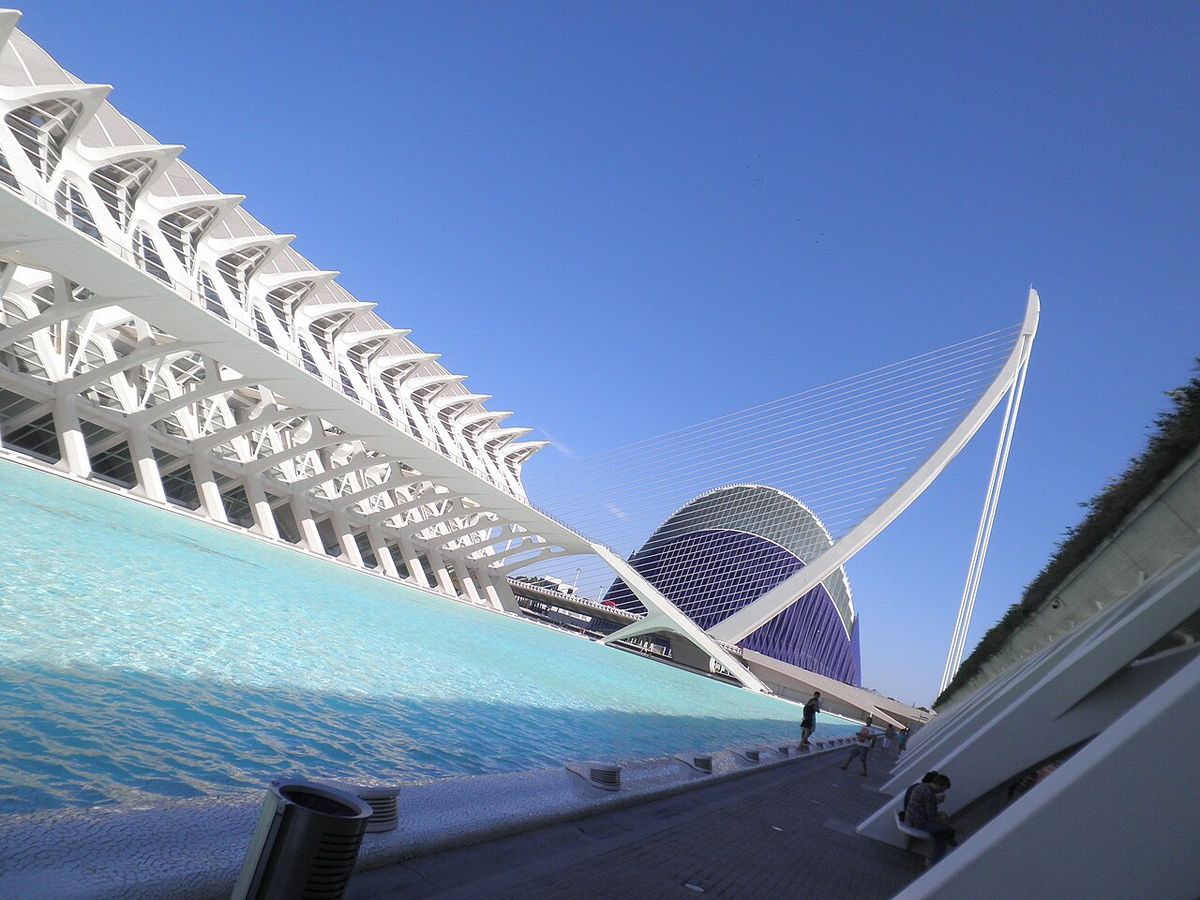
Travel tip: Combine the historic centre and the City of Arts and Sciences with a walk along Malvarrosa Beach.
Seville – sightseeing and Andalusian culture
3. Seville. The Andalusian capital is famous for its year-round high temperatures, but while the summer temperatures of 36°C may discourage tourists, the winter temperatures of 16-18°C are much more appealing. Seville offers an impressive range of cultural and historical attractions, from evening flamenco shows to cruises on the Guadalquivir River.
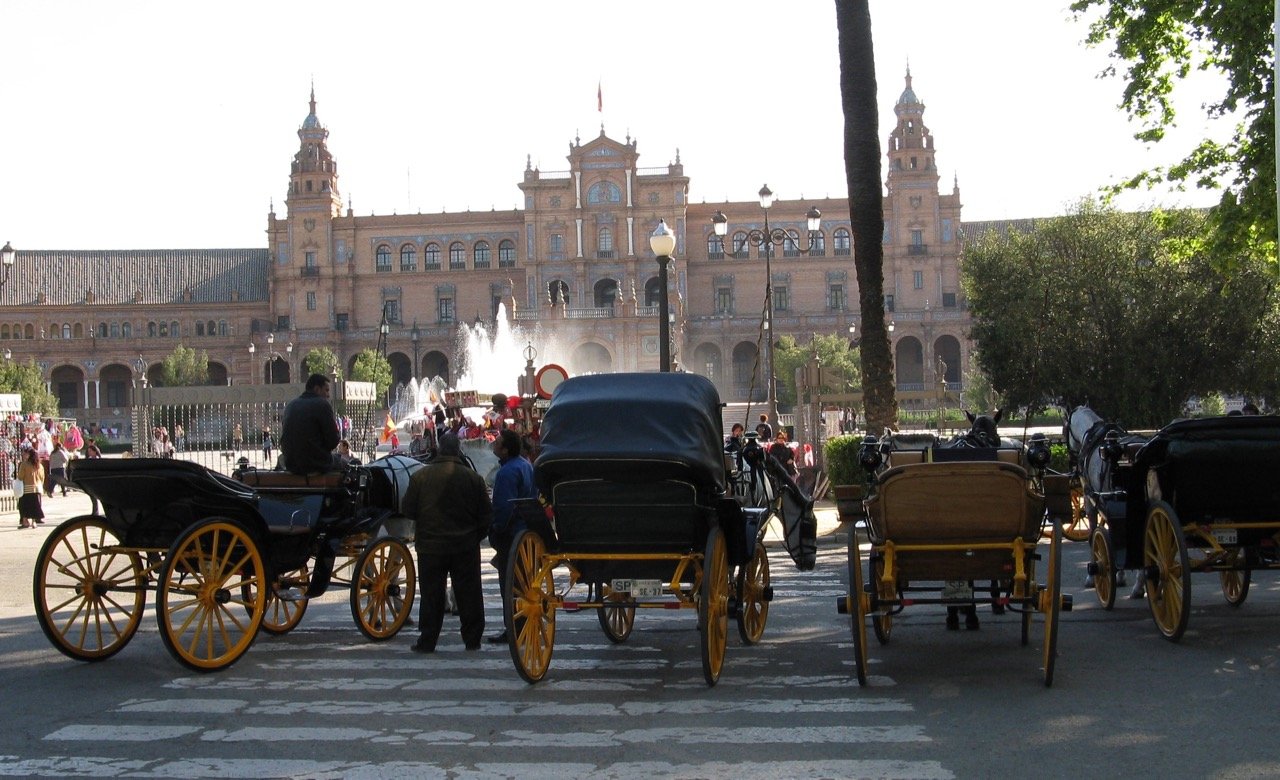
Travel tip: Allow time for the Alcázar, cathedral and Plaza de España. Book popular attractions ahead.
Nerja – relaxed Costa del Sol escape
4. Nerja. This small alternative to Malaga is located on a rocky outcrop overlooking the sea. Its narrow cobblestone streets are lined with craft shops, restaurants, and squares, and right above the beach is the Balcón de Europa, an impressive viewpoint with stunning views of the sea.
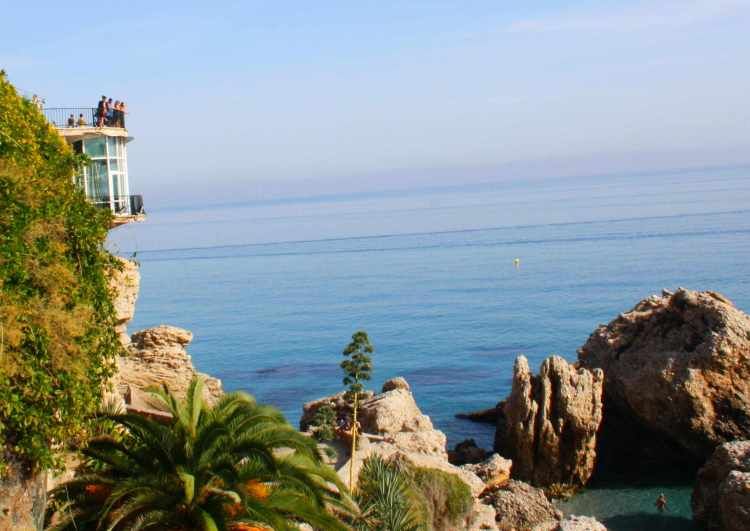
Travel tip: Explore the Balcón de Europa and the coastal paths, or visit the nearby Nerja Caves.
Lanzarote – volcanic landscapes and winter sunshine
5. Lanzarote. Another of the Spanish Canary Islands, Lanzarote attracts tourists with its natural attractions and charming capital city of Arrecife, with its beaches, colonial architecture and lively nightlife. Meanwhile, in the Timanfaya National Park, the sea of red rocks and volcanic soil seems almost extraterrestrial, and can only be explored by hiking or bus tours.
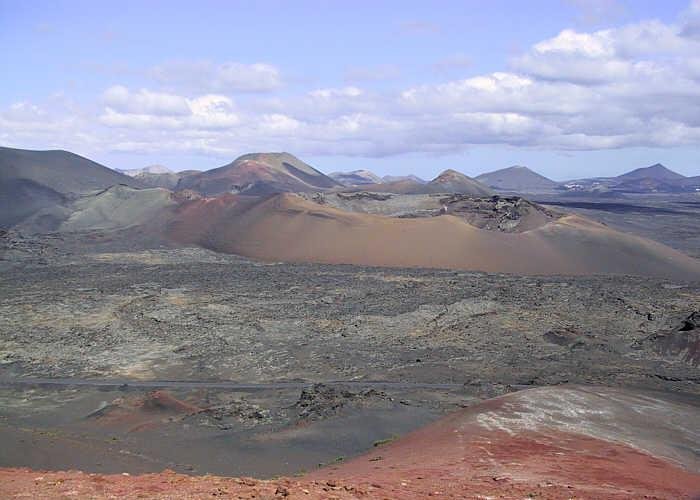
Travel tip: Base yourself near a coastal resort for beaches and plan a separate day for Timanfaya.
Málaga – coastal culture and mild winter days
6. Malaga. The main seaside destination in Andalusia is another great alternative to Seville, where you can enjoy the winter sun. The average temperature here is 18°C, and although the sea may be too cold for most vacationers, the port and the long city beach are still great places for walking, cycling, or having a relaxing lunch. Meanwhile, the historic center of the city invites visitors to spend a day wandering its wide boulevards, narrow alleys, and churro cafes, while the historic La Concepción Botanical Garden and Gibralfaro Castle offer some of the best views.
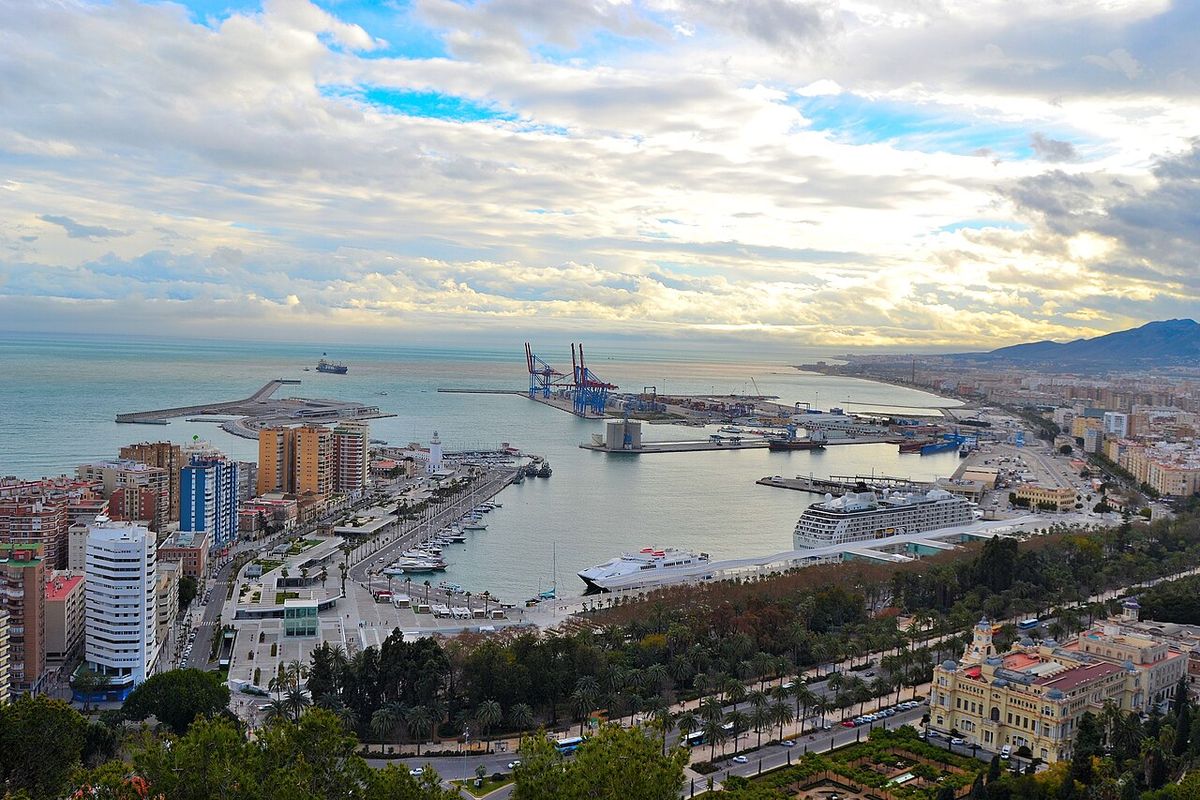
Travel tip: Combine the Alcazaba and Picasso Museum with a stroll along the waterfront and a beachside lunch.
Planning more winter sun in Spain? See Spain’s 15 best islands and 4 affordable cities for winter sun. Official planning starts at Spain.info.
Frequently asked questions
Which are the warmest places in Spain in winter?
Tenerife and Lanzarote are the strongest options for winter sunshine. On mainland Spain, Málaga, Nerja, Seville and Valencia offer mild weather and plenty of sightseeing.
How warm is Tenerife in winter?
Around 18°C on average, up to about 22°C, with six hours of sun a day from December to February.
What can you do in Valencia in winter?
Cycle the eight-kilometer Turia Park or explore the City of Arts and Sciences.

Konstantin is an acclaimed travel writer, celebrated for transforming ordinary journeys into extraordinary narratives. With years of experience exploring diverse destinations across the globe, his work blends vivid storytelling, cultural insights, and practical advice to inspire wanderlust and guide readers toward unforgettable adventures.
As a key contributor to enjoythetrip.org website, Konstantin has built a loyal readership through their expertise in uncovering both iconic landmarks and off-the-beaten-path treasures. He specializes in providing travelers with honest, actionable tips, whether it’s finding the best resorts in Maldives, exploring cultural hubs like Paris, or diving into the natural wonders of Croatia.