
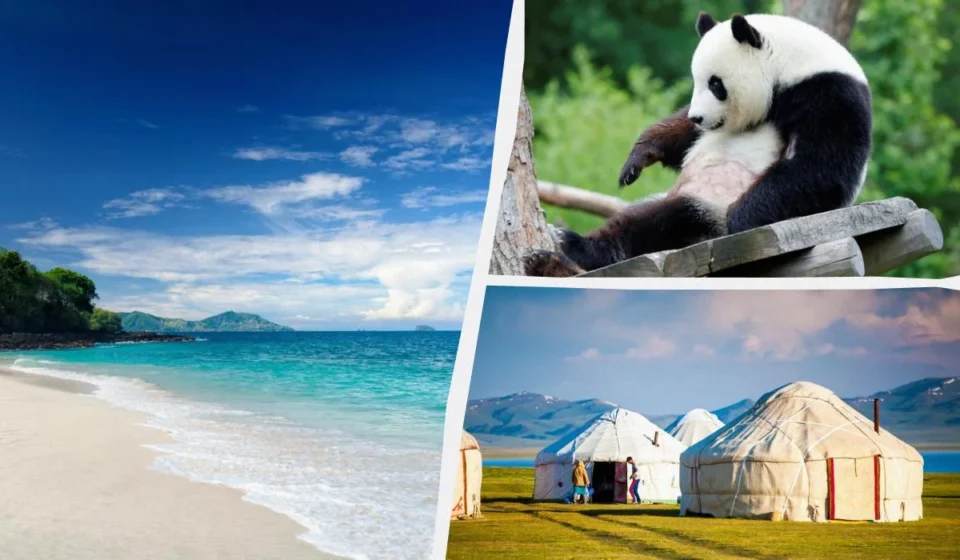
Experts stressed that it is also important to choose the right month to visit a particular country in Asia.
As Asia is the largest continent in the world, the weather in summer varies greatly in different parts of it – from sun-drenched islands to heavy rains.
Experts from Lonely Planet, the world’s largest travel platform, have compiled the best places in Asia to visit during the summer months – and told you when it’s best to visit each of them.
The best summer trips in Asia depend on your priorities. For sunshine and beaches, consider Da Nang or Bali; for mountain scenery, Almaty or the Mongolian Altai; for food and festivals, Singapore, Chengdu or Sendai.
| Month | Destination | Best for | Suggested stay |
|---|---|---|---|
| June | Busan | Culture and beaches | 3–4 days |
| June | Da Nang | Beach holiday | 4–6 days |
| June | Singapore | Food and city breaks | 3–4 days |
| July | Shimla | Mountain walks | 3 days |
| July | Bali | Temples and beaches | 7–10 days |
| July | Almaty | Mountain excursions | 4–6 days |
| August | Sendai | Summer festivals | 3–4 days |
| August | Chengdu | Pandas and food | 3–5 days |
| August | Mongolian Altai | Trekking | 7–12 days |
June
1. Busan, South Korea – K-pop, beaches and markets
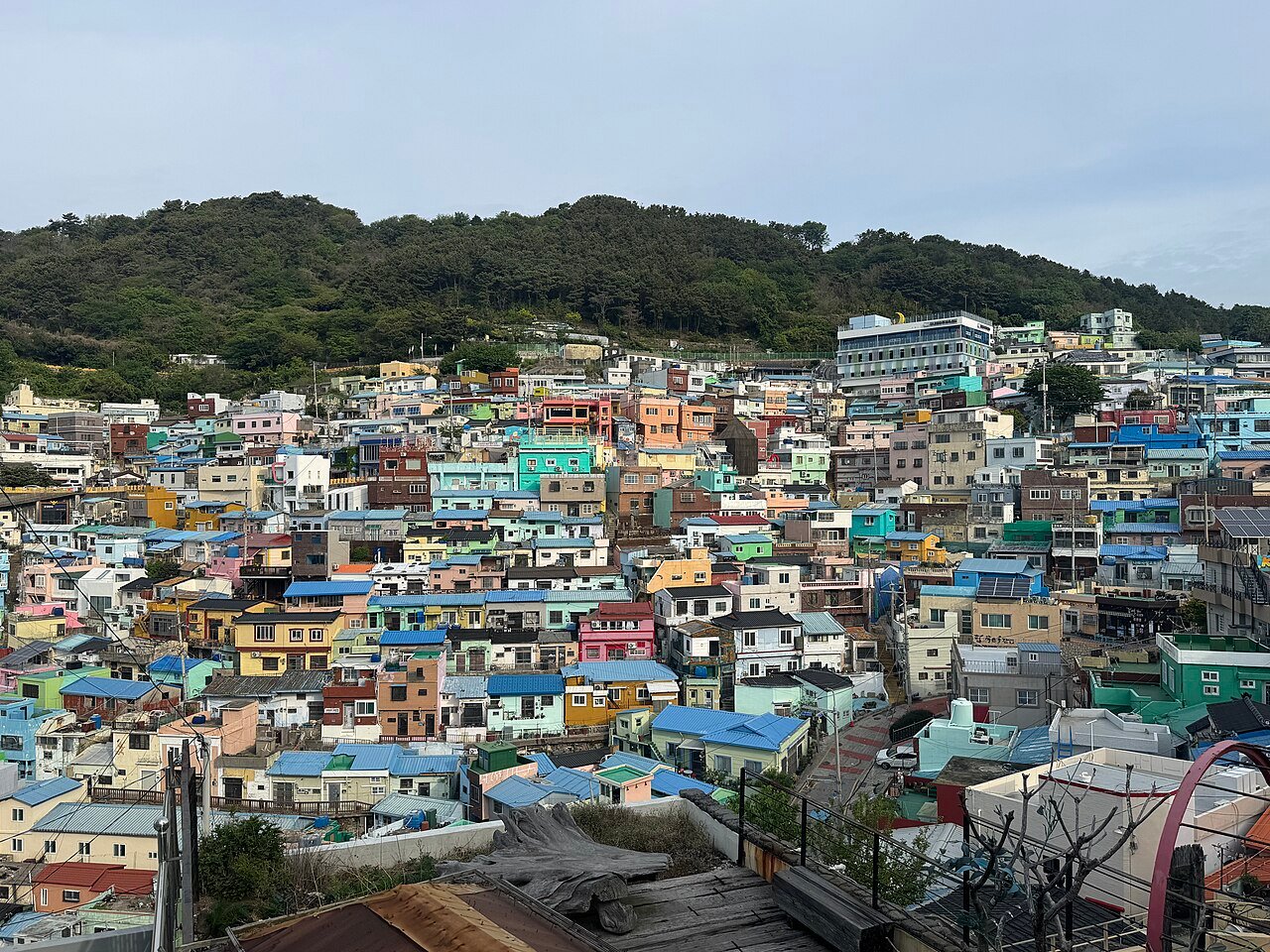
The country’s second-largest city is teeming with K-drama shoots, K-Pop groups, and K-beauty stores, just like the capital Seoul, but it’s much less crowded and the prices are more forgiving for the wallet. June brings early summer warmth, although the rainy season can begin toward the end of the month.
Start with Gamcheon Culture Village and Jagalchi Fish Market before exploring Haeundae Beach and the coastal walk at Dongbaek Island. Take a day trip to Haedong Yonggungsa, a Buddhist temple overlooking the sea. Allow three to four days and pack a light rain jacket.
2. Da Nang, Vietnam – beaches and heritage
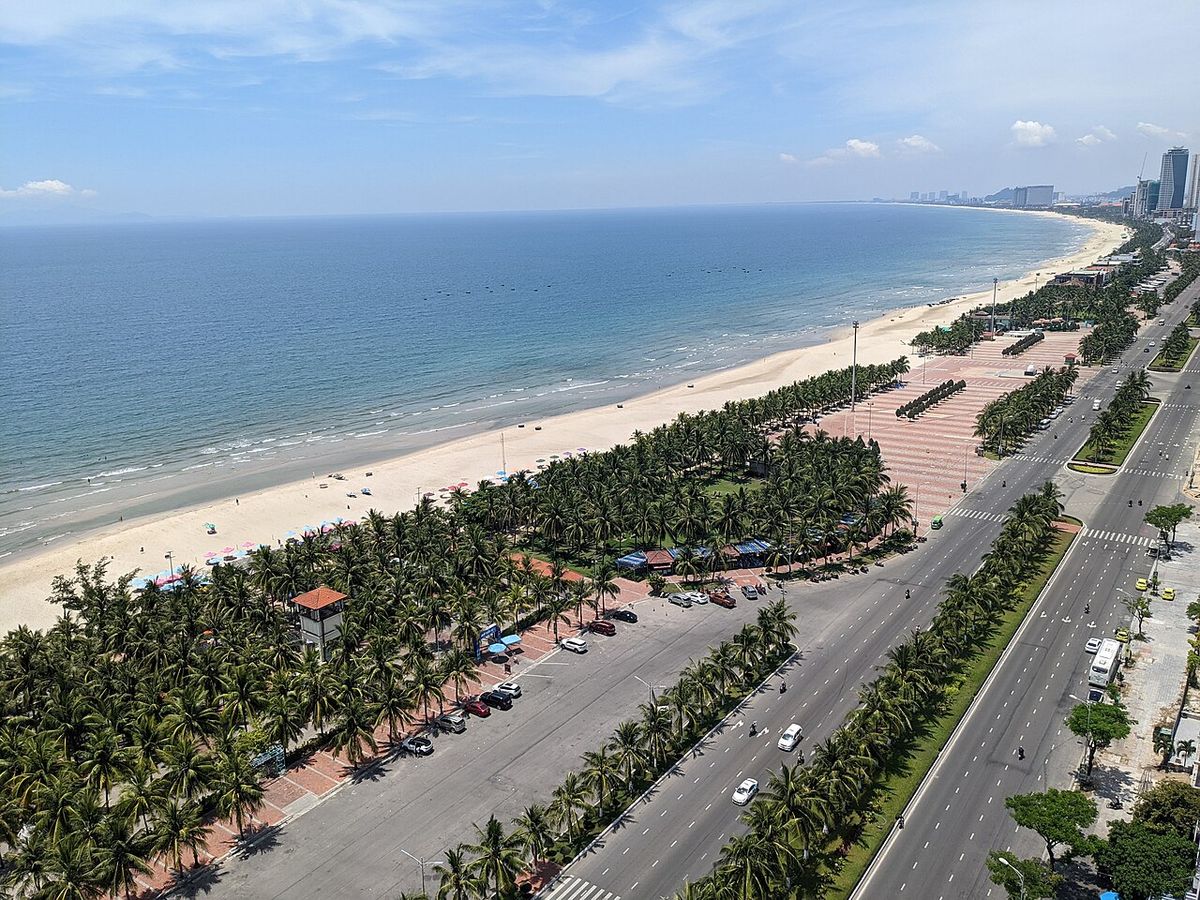
While much of Vietnam experiences summer rains, Da Nang on the central coast is often relatively dry in June. Da Nang, the country’s fifth – largest city, is a haven for outdoor enthusiasts, and its modern facilities at reasonable prices make it one of the most livable destinations in Southeast Asia. It is also an hour’s drive from Hoi An UNESCO Site.
Spend a morning at My Khe Beach, explore the Marble Mountains and visit the lantern-lit streets of Hoi An in the evening. Four to six days gives you time for the coast, local seafood and a day trip to the former imperial capital of Hue.
3. Singapore – food and city sights
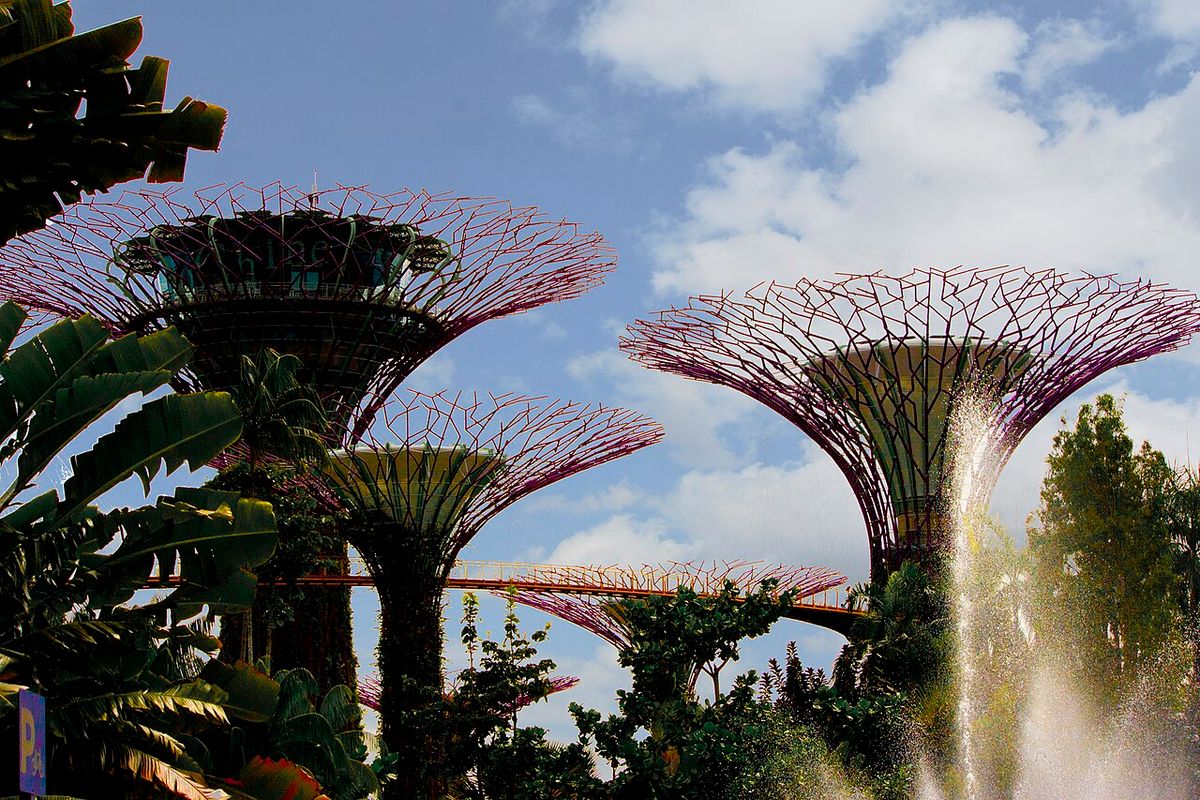
Although Singapore’s tropical climate is consistent all year round, June falls during the southwest monsoon, with hot, humid conditions and occasional heavy showers. Since this island nation is home to diverse ethnic communities (Chinese, Malays, Indians and other communities), it offers an extremely diverse cuisine – their specialties can be enjoyed at an affordable price in street malls and outdoor public dining rooms.
Try chicken rice, laksa and satay at Maxwell Food Centre or Lau Pa Sat. Visit Gardens by the Bay, Chinatown and Little India, and reserve indoor attractions for afternoon showers. Three to four days makes a comfortable first visit.
July
4. Shimla, India – Himalayan hill station
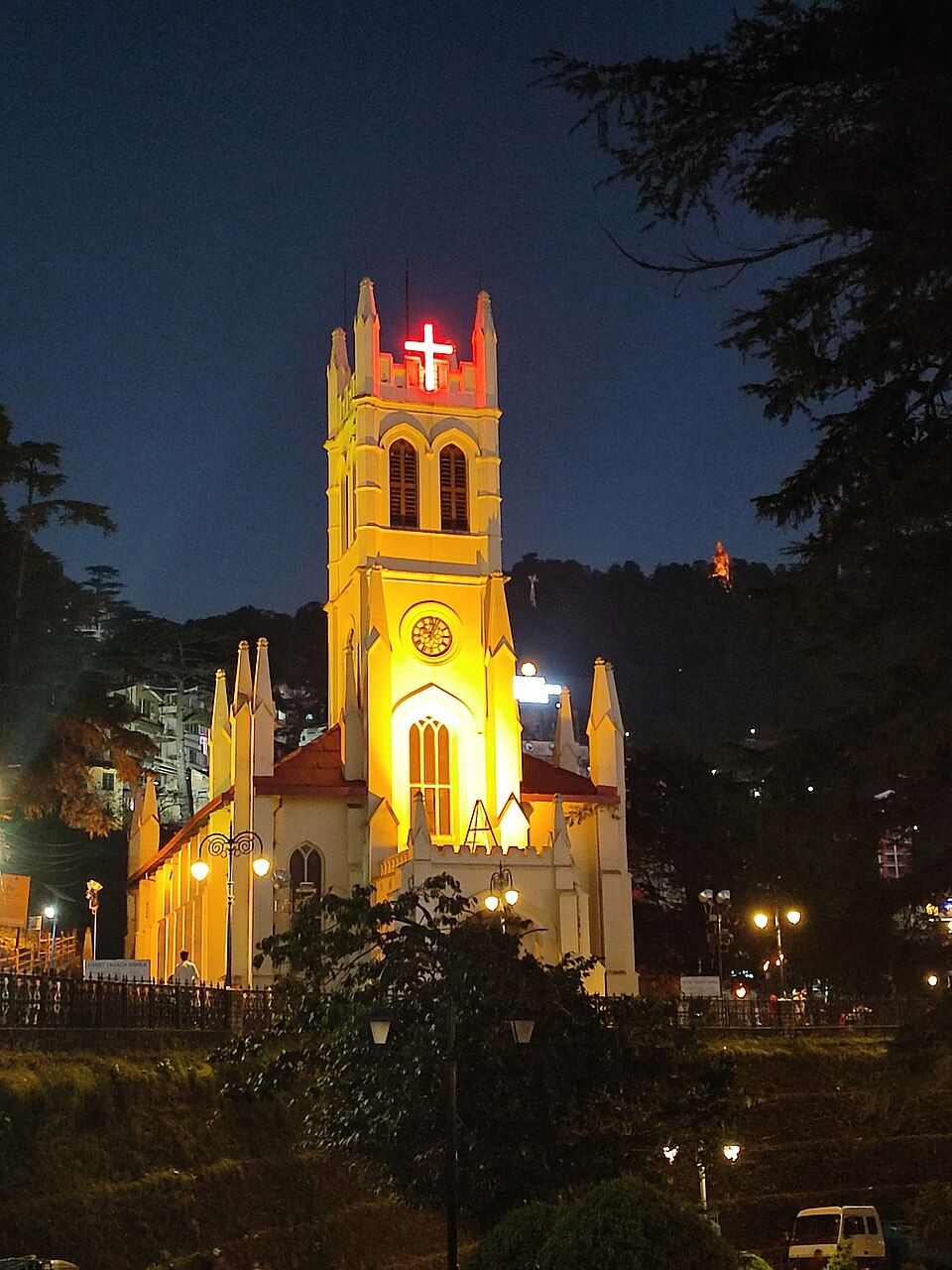
India may not come to mind when it comes to coolness, but Shimla is an exception. The hill city in the northern state of Himachal Pradesh was a 19th-century refuge of the British colonial government – trying to escape the harsh summers, they ventured into the foothills of the Himalayas, turning Shimla into a British mountain station full of amenities. Now, Indians come there to enjoy Tudor and Neo-Gothic architecture in comfort in cooler mountain temperatures while walking through the gentrified pedestrian zones.
Walk along the Ridge and Mall Road, admire Christ Church and visit Jakhu Temple. The historic Kalka–Shimla railway is a scenic way to arrive. July is monsoon season, so keep plans flexible and allow three days for exploring between showers.
5. Bali, Indonesia – temples, rice terraces and beaches
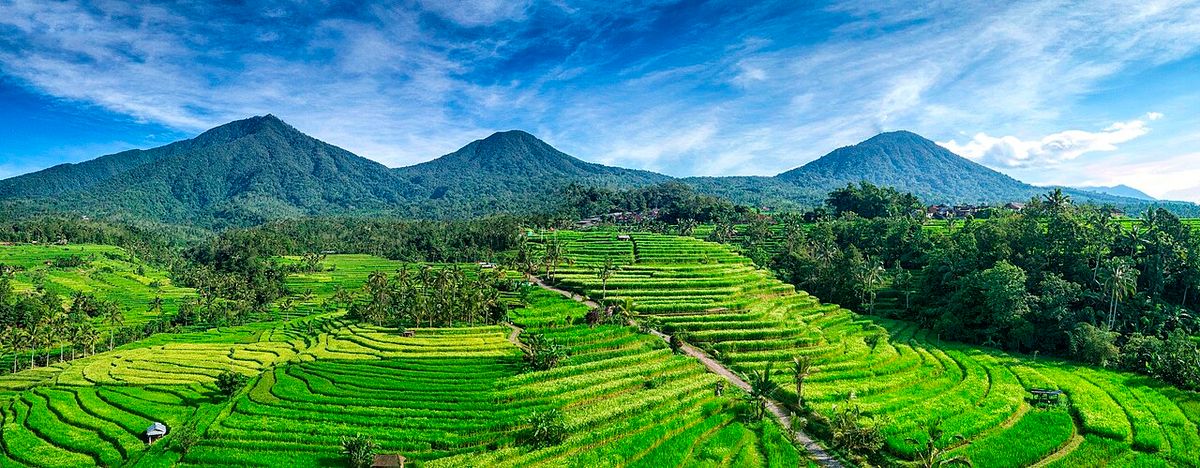
In July, it’s relatively dry and pleasantly warm (24-31 degrees Celsius), which means that everything looks as beautiful as in Instagram. And while Bali is crowded all year round, arriving at the very beginning of July can at least help weed out families waiting for the school holidays to start.
Base yourself in Ubud for the Jatiluwih rice terraces, water temples and traditional arts, then spend a few days on the southern coast for beaches and sunsets. A seven- to ten-day itinerary leaves time to explore without rushing. Book accommodation early in July.
6. Almaty, Kazakhstan – mountains and city culture
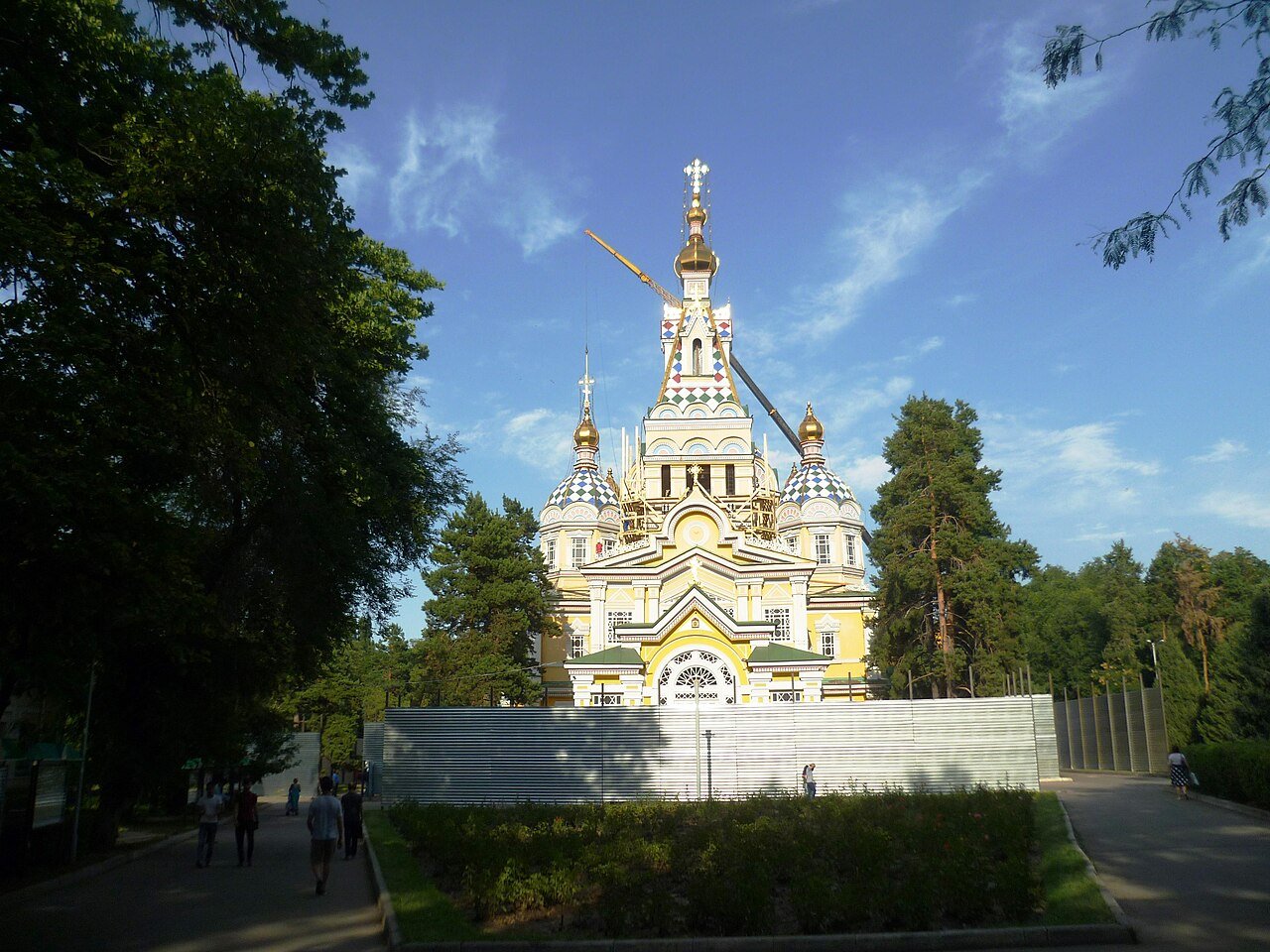
July is the peak season for visiting Almaty, but since it’s a relatively little-known Asian tourist destination, it doesn’t have the usual summer crowds. The city has warm summer days and cooler evenings, particularly in the mountains, which is ideal for exploring local museums and cathedrals or enjoying the city’s nightlife, as well as nature trips.
Explore the Green Bazaar, Panfilov Park and the Ascension Cathedral, then head to Medeu and Shymbulak in the nearby mountains. Allow four to six days, including a day trip to Charyn Canyon if time permits. Mountain weather changes quickly, so bring layers.
August
7. Sendai, Japan – festivals and coastal scenery

Japan is so much more than Kyoto, Tokyo, and Osaka, and while tourists are flooding this holy trinity, it’s worth considering Sendai (aka “City of Trees”) for a breath. It has everything that people go to Japan for: fresh sushi, crazy karaoke, and ancient temples, but in this young, student-filled city, you can experience it all as a local. August can be hot and humid, and this is also the month of the Tanabata Festival in Sendai-with parades, traditional performances and an abundance of street food.
The Sendai Tanabata festival is traditionally held on August 6–8, when colourful paper streamers fill shopping arcades. Visit Zuihoden mausoleum, try local grilled beef tongue and take a day trip to Matsushima Bay. Allow three to four days.
8. Chengdu, China – giant pandas and Sichuan cuisine
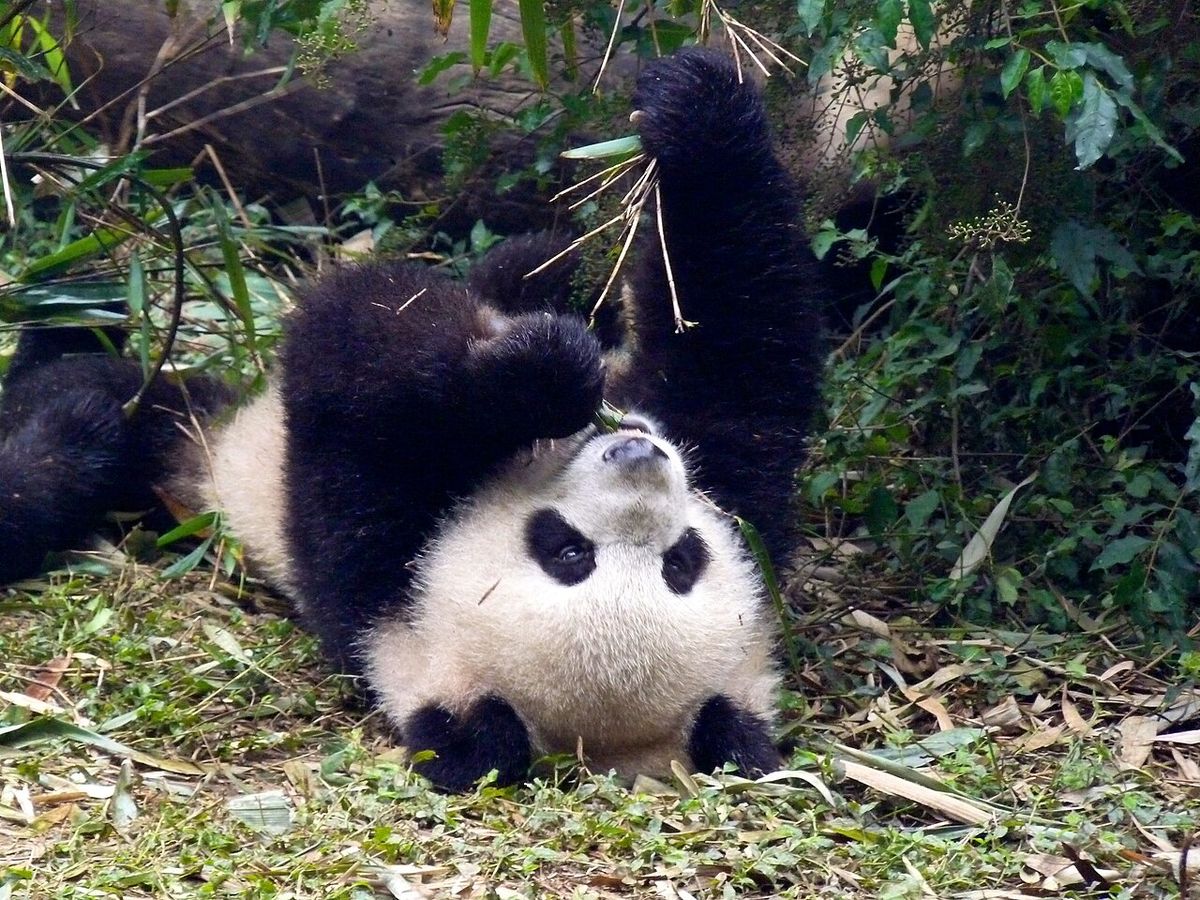
Late summer overlaps with the panda breeding centre’s cub season, although public viewing of newborns depends on animal welfare and visitor arrangements. They are born blind and hairless, weighing only 100 grams, and only after a month they have distinctive markings-the adults can be seen at the research base. The average temperature in August is usually 25 degrees Celsius, but this month is usually quite humid.
Visit the Chengdu Research Base of Giant Panda Breeding early in the morning, when pandas tend to be active. Explore Wuhou Shrine, Jinli and the tea houses of People’s Park. Save an evening for Sichuan hotpot and allow three to five days.
9. Altai Mountains, Mongolia – remote trekking
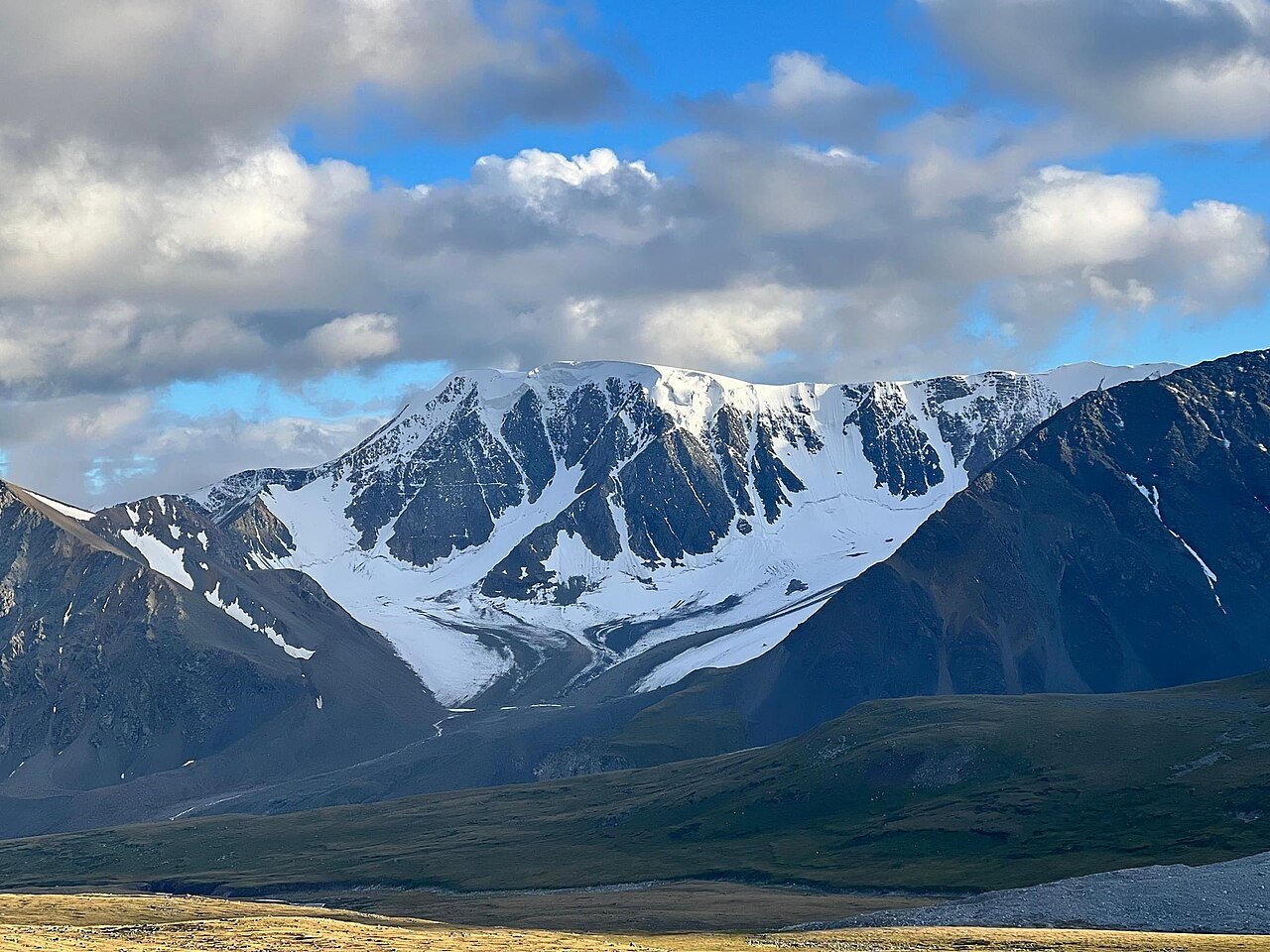
With more than 14 hours of daylight in August, you can take a leisurely trip to the Altai Mountains of Mongolia. There are many archaeological sites in the area, including the ancient rock art of the Mongolian Altai. There are also snow-capped mountains for hiking or climbing, as well as green valleys where local marals and argali sheep are found. Tourists can camp on Khoton Lake or stay in a traditional village to experience the local nomadic culture. Wi-Fi is either limited or non-existent, so guests here have a unique chance to return to the basics of life and blissfully disconnect from modernity.
Start in Ölgii and arrange a local guide and transport for Altai Tavan Bogd National Park. Visit Khoton and Khurgan lakes, see ancient petroglyphs and experience Kazakh nomadic traditions. Allow seven to twelve days, including travel time, and prepare for cold nights at altitude.
Planning a summer trip to Asia? See one day in Singapore and 9 amazing activities in Bali. More ideas are on Lonely Planet.
Frequently asked questions
Where should you go in Asia in June?
Lonely Planet suggests Busan in South Korea for K-Pop lovers, Da Nang in Vietnam for a beach holiday and Singapore for its variety of food.
Which places in Asia are best in July?
Shimla in India for walking, Bali in Indonesia for scenic views (relatively dry, 24–31°C) and Almaty in Kazakhstan for affordable outdoor recreation.
Where should you go in Asia in August?
Sendai in Japan as an alternative to famous cities, Chengdu in China for panda lovers and the Altai Mountains of Mongolia to disconnect from the network.

Konstantin is an acclaimed travel writer, celebrated for transforming ordinary journeys into extraordinary narratives. With years of experience exploring diverse destinations across the globe, his work blends vivid storytelling, cultural insights, and practical advice to inspire wanderlust and guide readers toward unforgettable adventures.
As a key contributor to enjoythetrip.org website, Konstantin has built a loyal readership through their expertise in uncovering both iconic landmarks and off-the-beaten-path treasures. He specializes in providing travelers with honest, actionable tips, whether it’s finding the best resorts in Maldives, exploring cultural hubs like Paris, or diving into the natural wonders of Croatia.