
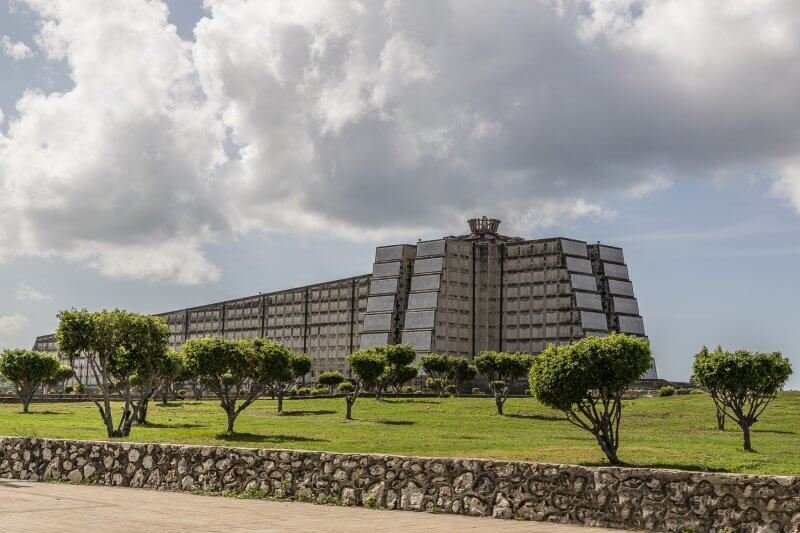
The Columbus Lighthouse (Faro a Colón) is one of the most remarkable sights in the Dominican Republic. This huge monument in Santo Domingo Este combines a museum, a memorial and a mausoleum associated with Christopher Columbus. Instead of a tall coastal tower, visitors find a concrete building shaped like a Christian cross. Inside, galleries tell the story of the voyages that linked Europe and the Americas, as well as the cultures of many nations.
If you are staying in the Dominican capital, the Columbus Lighthouse makes an interesting half-day trip together with nearby Los Tres Ojos National Park. Below you will find the current visiting information, ticket guidance, history and practical advice.
Columbus Lighthouse at a glance
| Visitor information | Details |
|---|---|
| Local name | Faro a Colón |
| Location | Avenida Mirador del Este, Santo Domingo Este 11604 |
| Opening days | Tuesday–Sunday; closed Monday |
| Hours | 10:00–18:00 on MuseosRD; tourism site lists 09:00–17:00 |
| Admission | Recent visitor reports suggest about RD$200 per adult; confirm at the museum |
| Time needed | 45–90 minutes |
| Best for | History, architecture and a combined Los Tres Ojos visit |
The official museum directory and tourism portal publish different opening hours. To avoid arriving too early or late, aim for 10:00–16:00 and confirm the schedule before your visit. For the current tariff, contact the museum at +1 809 591 4844. MuseosRD visitor information | Dominican tourism information.
Map and how to get to Columbus Lighthouse
Open Columbus Lighthouse on Google Maps.
The monument stands east of the Ozama River. From the Colonial Zone, take a taxi, ride-hailing service or guided tour across the river to Santo Domingo Este. Travel time depends heavily on traffic. If you have a rental car, check parking arrangements on arrival. A tour is a convenient option if you also want to see Los Tres Ojos and the historic centre without arranging several transfers.
History of the Columbus Lighthouse
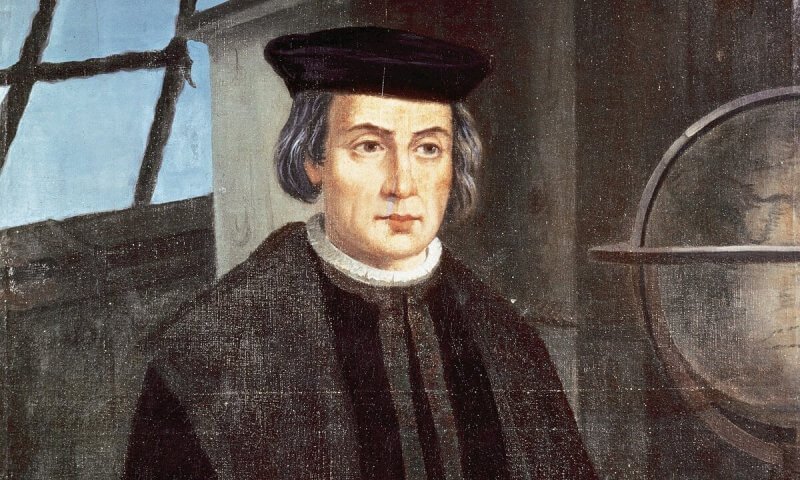
The idea of creating a memorial to Christopher Columbus in Santo Domingo dates back to the nineteenth century. In 1931, a design contest selected Scottish architect Joseph Lea Gleave. His plan was unusually ambitious: a monumental cross laid horizontally across the landscape, with lights that could project a cross into the night sky.
However, construction took decades to become reality. Work on the final project began in 1986 under President Joaquín Balaguer. The memorial opened in 1992, marking 500 years since Columbus’s first arrival in the Americas. The project attracted debate because of its scale, cost and the way it commemorated European colonial expansion. Today, it remains an important and sometimes controversial landmark.
Are Christopher Columbus’s remains really in Santo Domingo?
Columbus died in Valladolid, Spain, in 1506. His remains were moved several times over the following centuries. Historical records describe transfers from Spain to Santo Domingo, then to Cuba and later back to Seville. However, workers in Santo Domingo Cathedral found a lead casket in 1877 bearing an inscription associated with Columbus.
Dominican authorities believe the remains in that casket belong to the explorer and transferred them to the lighthouse in 1992. Meanwhile, Spanish researchers reported in October 2024 that DNA evidence confirmed the authenticity of the remains in Seville Cathedral. Both sets of remains are incomplete, so the possibility that fragments are held in both countries remains open. The identity of the Dominican remains has not been conclusively established by the same comparison. Read the 2024 research report.
Architecture and what to see at Columbus Lighthouse
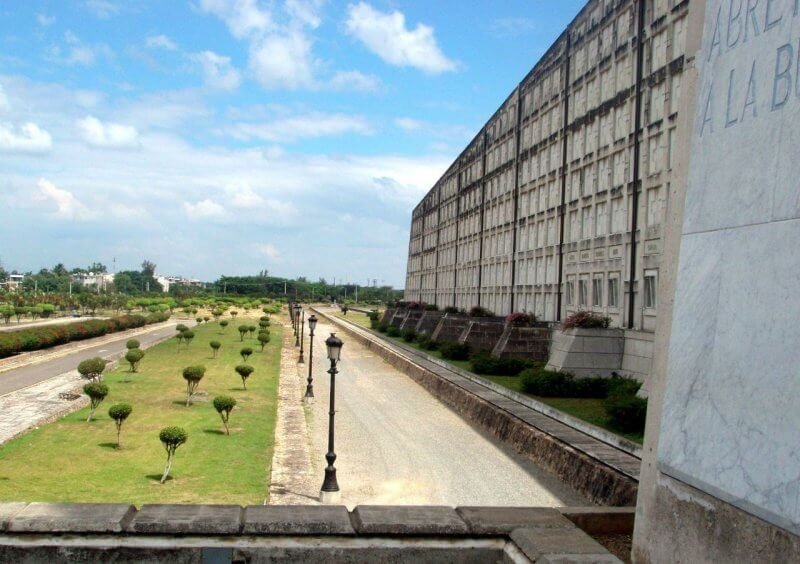
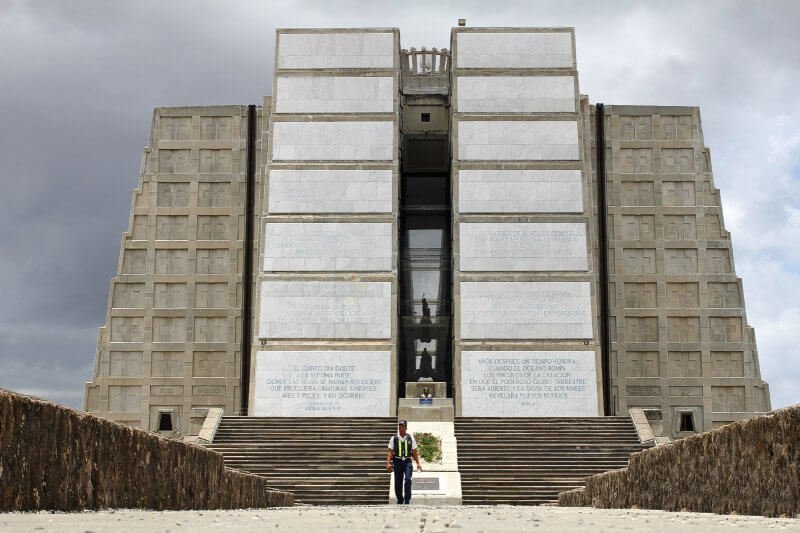
The Columbus Lighthouse is defined by its immense horizontal cross, best appreciated from above. From ground level, the long, stepped concrete walls create a striking geometric silhouette. Instead of ornate decoration, the architecture relies on scale, symmetry and the contrast between sunlight and shadow. Allow time to walk around the accessible exterior and photograph the monument from several angles.
The lights and the cross in the sky
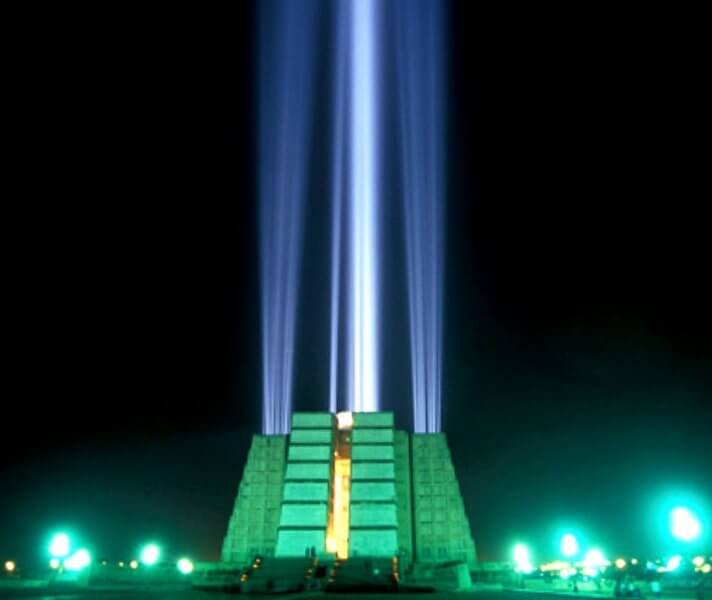
The original design incorporates powerful lights aimed upwards to create the shape of a cross in the sky. This unusual feature gives the building its name. However, the lighting is not a routine nightly attraction. It has been used on special occasions, and the timing depends on the authorities. Do not plan an evening trip solely to see the cross without an official announcement.
The mausoleum
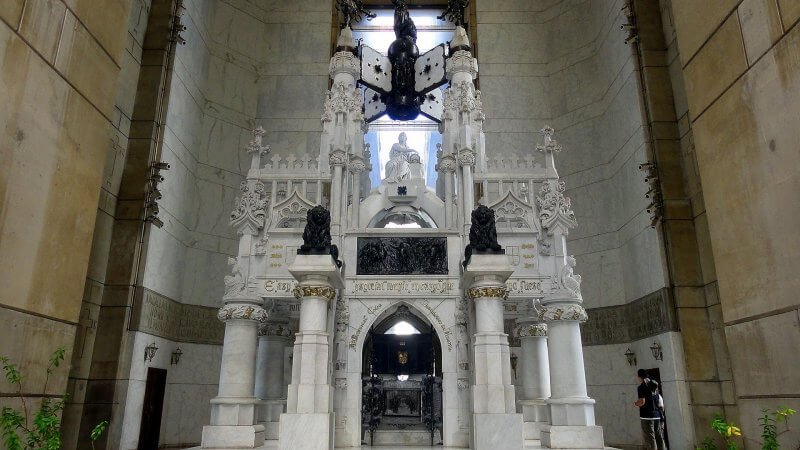
The central space contains the ornate tomb associated with Columbus. As you enter, take time to look at the carved details, figures and ceremonial features of the memorial. The room has a solemn atmosphere and is the main focus of many guided visits. Be respectful and follow staff instructions about photography.
The international museum galleries
Beyond the tomb, the museum features exhibitions representing countries and cultures from the Americas, Europe and Asia. Displays include historical objects, documents, models, art and cultural material connected with the monument and the wider history of the region. The museum directory describes more than 40 international exhibitions. In addition, guides may help explain the layout and the historical context.
The story is more complex than the voyages alone. The arrival of Europeans changed the lives of Indigenous communities throughout the Caribbean, including the Taíno peoples. As a result, the museum offers an opportunity to reflect on both maritime exploration and the consequences of colonialism. The collection and individual exhibition rooms may change, so ask which galleries are open during your visit.
Columbus Lighthouse tickets and opening hours
The museum is normally closed on Mondays. The government museum directory lists Tuesday to Sunday from 10:00 to 18:00, while the tourism portal gives 09:00 to 17:00. Recent travel guides report an admission charge of roughly RD$200, although older published rates are lower. Therefore, treat this as a budgeting estimate and verify the current charge directly at the ticket desk. Guide services may be available free of charge according to the museum directory.
Bring Dominican pesos in small denominations and confirm whether card payments are accepted. Allow 45–90 minutes for the interior and exterior. If you prefer an organized visit, compare Columbus Lighthouse tours and visitor information on Trip.com.
What to visit nearby: Los Tres Ojos National Park
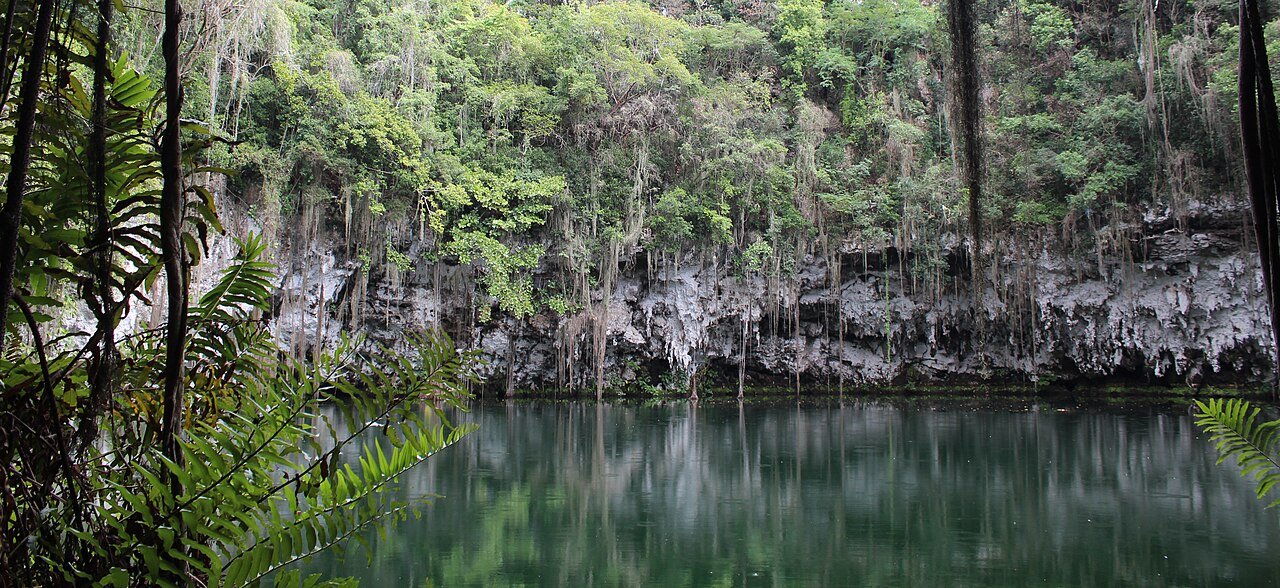
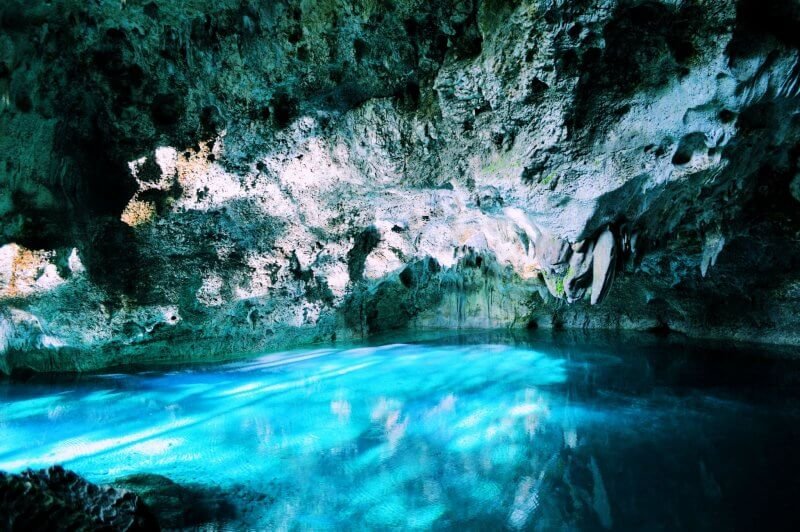
Los Tres Ojos is a natural contrast to the monumental architecture of Faro a Colón. The limestone cave system contains clear freshwater lakes surrounded by rock and lush vegetation. Three lakes lie within the caves, and a fourth is open to the sky. Staircases lead down from the entrance, so wear shoes with a good grip and allow extra time if steps are difficult.
Afterwards, return to the Colonial Zone for lunch and a walk through the historic streets. The national park and lighthouse are close enough to combine, but each requires its own admission and opening-hour check. Official Los Tres Ojos park information | Park map.
A half-day itinerary in Santo Domingo Este
| Suggested time | Activity |
|---|---|
| 10:00 | Arrive at Columbus Lighthouse; explore the monument and galleries |
| 11:15 | Transfer to Los Tres Ojos National Park |
| 11:45–13:00 | Visit the caves and lakes |
| 13:30 | Return to the Colonial Zone for lunch and sightseeing |
This itinerary is flexible. If the museum is closed or the park is busy, reverse the order after checking opening times. Leave enough time for traffic on the bridges. For visits from Punta Cana, an organized Santo Domingo day trip can include these stops and the Colonial Zone.
Guided tours to Columbus Lighthouse and Santo Domingo
Practical tips for your visit
First, choose a morning visit to avoid the strongest midday heat around the exposed grounds. Carry water, wear comfortable shoes and bring a hat for the outdoor areas. In addition, use a taxi or guided transfer if you are unfamiliar with the area. Check the route in advance and follow local advice.
The monument is a memorial, so dress respectfully and follow the museum’s rules. If you have limited mobility, ask staff about accessible entrances and which interior galleries are open. Finally, keep time in your plan for the outdoor views and the nearby caves.
For a longer stay, read our Santo Domingo travel guide, and discover the best Dominican souvenirs.
Frequently asked questions about Columbus Lighthouse
Is Columbus Lighthouse worth visiting?
Yes, especially if you enjoy history or unusual architecture. It is an impressive building with museum galleries, a memorial and a distinctive cross-shaped design.
How much does Columbus Lighthouse cost?
Recent visitor reports suggest around RD$200. Confirm the latest admission price directly with the museum, as published information varies.
When is Columbus Lighthouse open?
The museum opens Tuesday to Sunday and closes on Monday. The official museum and tourism pages list different hours, so confirm before travelling and plan a visit between 10:00 and 16:00.
Is Christopher Columbus buried in the lighthouse?
The Dominican Republic identifies the remains in the mausoleum as those of Columbus. DNA research has also identified remains kept in Seville, so the location of all his remains is still disputed.
Can I see the lighthouse and Los Tres Ojos in one day?
Yes. Both are in Santo Domingo Este. A taxi or organized tour makes it easy to combine the monument and national park in half a day.
Does the lighthouse light up every night?
No. The cross-shaped light display is reserved for selected occasions. Check local announcements before arranging an evening visit.

Konstantin is an acclaimed travel writer, celebrated for transforming ordinary journeys into extraordinary narratives. With years of experience exploring diverse destinations across the globe, his work blends vivid storytelling, cultural insights, and practical advice to inspire wanderlust and guide readers toward unforgettable adventures.
As a key contributor to enjoythetrip.org website, Konstantin has built a loyal readership through their expertise in uncovering both iconic landmarks and off-the-beaten-path treasures. He specializes in providing travelers with honest, actionable tips, whether it’s finding the best resorts in Maldives, exploring cultural hubs like Paris, or diving into the natural wonders of Croatia.