
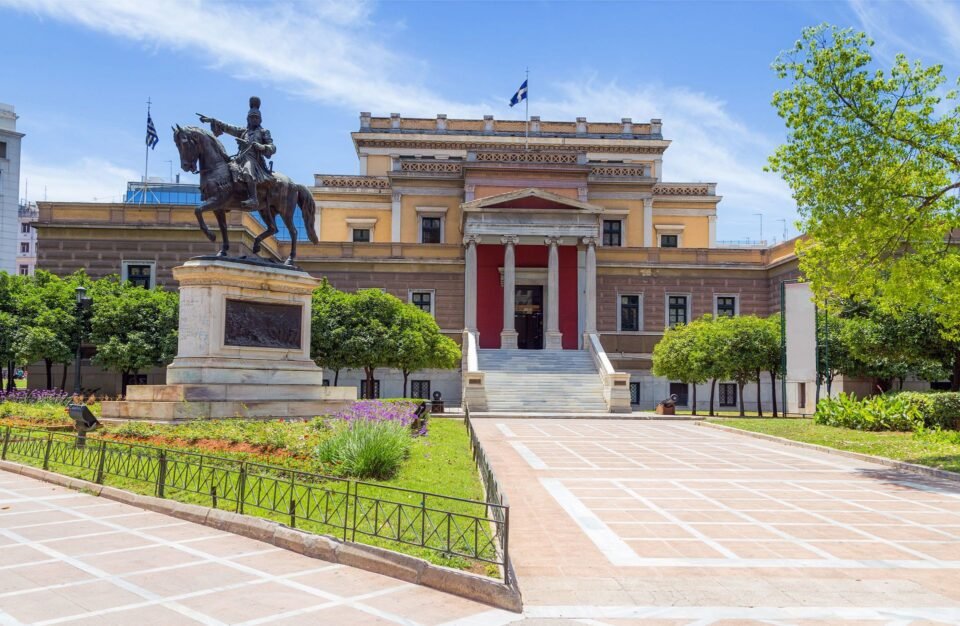
The best museums in Athens bring Greek history to life. You can see ancient statues, Byzantine icons, traditional music, modern art and hands-on science. Here, you will find 20 museums and cultural sites. The guide includes ticket prices, a map, tips and how long to spend at each place. First, visit the Acropolis Museum and National Archaeological Museum. Then choose smaller collections that match your interests.
Best museums in Athens at a glance
| Museum or cultural site | Area | Adult ticket | Time needed |
|---|---|---|---|
| Acropolis Museum | Acropoli | €20 | 2–3 hours |
| National Archaeological Museum | Exarchia | €20 | 3–4 hours |
| Benaki Museum of Greek Culture | Kolonaki | See museum | 1.5–2 hours |
| Byzantine and Christian Museum | Evangelismos | See museum | 1.5–2 hours |
| Museum of Cycladic Art | Kolonaki | €12 | 1–2 hours |
| Museum of the City of Athens | Klafthmonos Square | €9 | 1 hour |
| Numismatic Museum | Panepistimio | See museum | 1–1.5 hours |
| War Museum | Evangelismos | See museum | 1–2 hours |
| Athens University History Museum | Plaka | Confirm admission | 45–60 min |
| Kerameikos Archaeological Museum and Site | Kerameikos | €10 | 1–1.5 hours |
| National Museum of Contemporary Art (EMST) | Syngrou-Fix | See museum | 1.5–2 hours |
| Museum of Greek Folk Musical Instruments | Plaka | See museum | 45–60 min |
| Museum of the History of Greek Costume | Kolonaki | Confirm admission | 45–60 min |
| Archaeological Museum of Piraeus | Piraeus | See museum | 1.5–2 hours |
| National Gallery – Alexandros Soutsos Museum | Evangelismos | See gallery | 2 hours |
| Museum of the Ancient Agora | Monastiraki | €20 incl. site | 1.5–2 hours |
| Hadrian’s Library | Monastiraki | €10 | 30–45 min |
| Kotsanas Museum of Ancient Greek Technology | Kolonaki | €7; €12 all-access | 1–1.5 hours |
| Tower of the Winds and Roman Agora | Plaka | €10 incl. site | 30–45 min |
| Hellenic Children’s Museum | Athens Conservatoire | See museum | 1–1.5 hours |
The table shows standard adult rates where we could check them in November 2026. For reduced tickets, you may need proof of age or status. The Acropolis archaeological site has a separate ticket from the Acropolis Museum.
Map of museums in Athens
Use the individual map links below to find each entrance. Most central museums are within walking distance of a metro station. For the museum in Piraeus, take the metro and walk a short distance.
1. Acropolis Museum
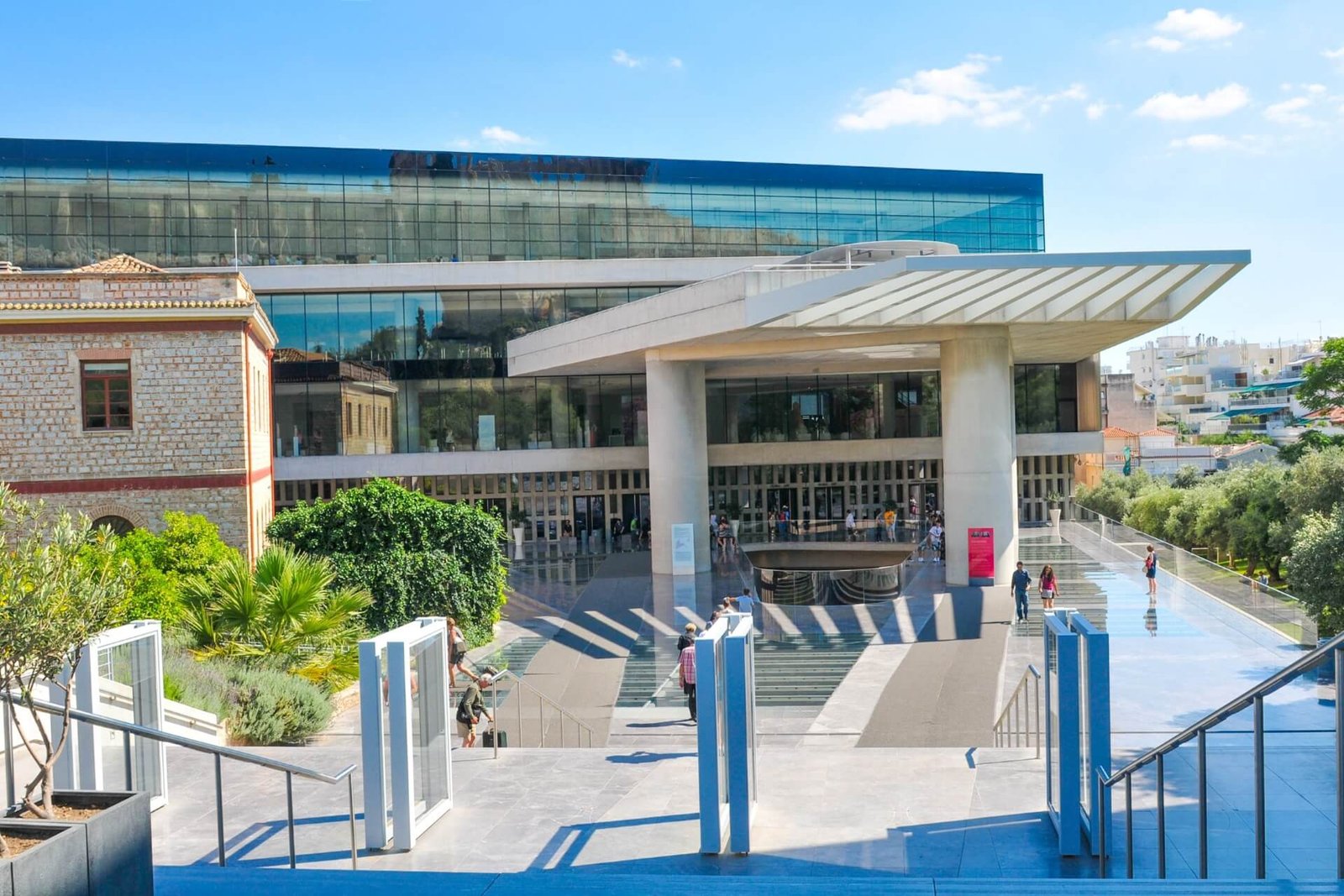
The new museum opened in 2009. However, its story goes back much further. Originally, the Greek authorities built the first museum in the 19th century. At first, the collection held objects found on and around the Acropolis hill. However, the collection grew, and many items ended up in storage.
As a result, the government planned a new museum with room for more finds. The first two design contests produced no winner. Later, the government opened the third contest to teams from abroad.
Construction began. However, workers found the remains of an ancient settlement on the site and stopped work. This time, the designers had to save the ruins and include them in the building. As a result, you can see the ancient site beneath the museum today.
Look for the Caryatids, the Archaic Gallery and the top-floor Parthenon sculptures. The glass floors reveal the old streets below. Afterwards, enjoy a break on the terrace with a view of the Acropolis. For the best experience, visit the hill first so the statues have more meaning.
Visit: Acropoli · 2–3 hours · €20 · Daily, extended Friday. Google Maps | Visitor information.
2. National Archaeological Museum
The museum dates back to the late 19th century. Philanthropist Eleni Tositsa donated the land, and the state funded construction. Remarkably, the first visitors toured the exhibition in the still under-construction museum. During World War II, staff took steps to protect the collection. For example, they hid rare objects in bank vaults and caves.
As a result, the collection survived. In 1964, the museum reopened its updated exhibition. Later, in 1983, the museum expanded its role to teach people about ancient art.
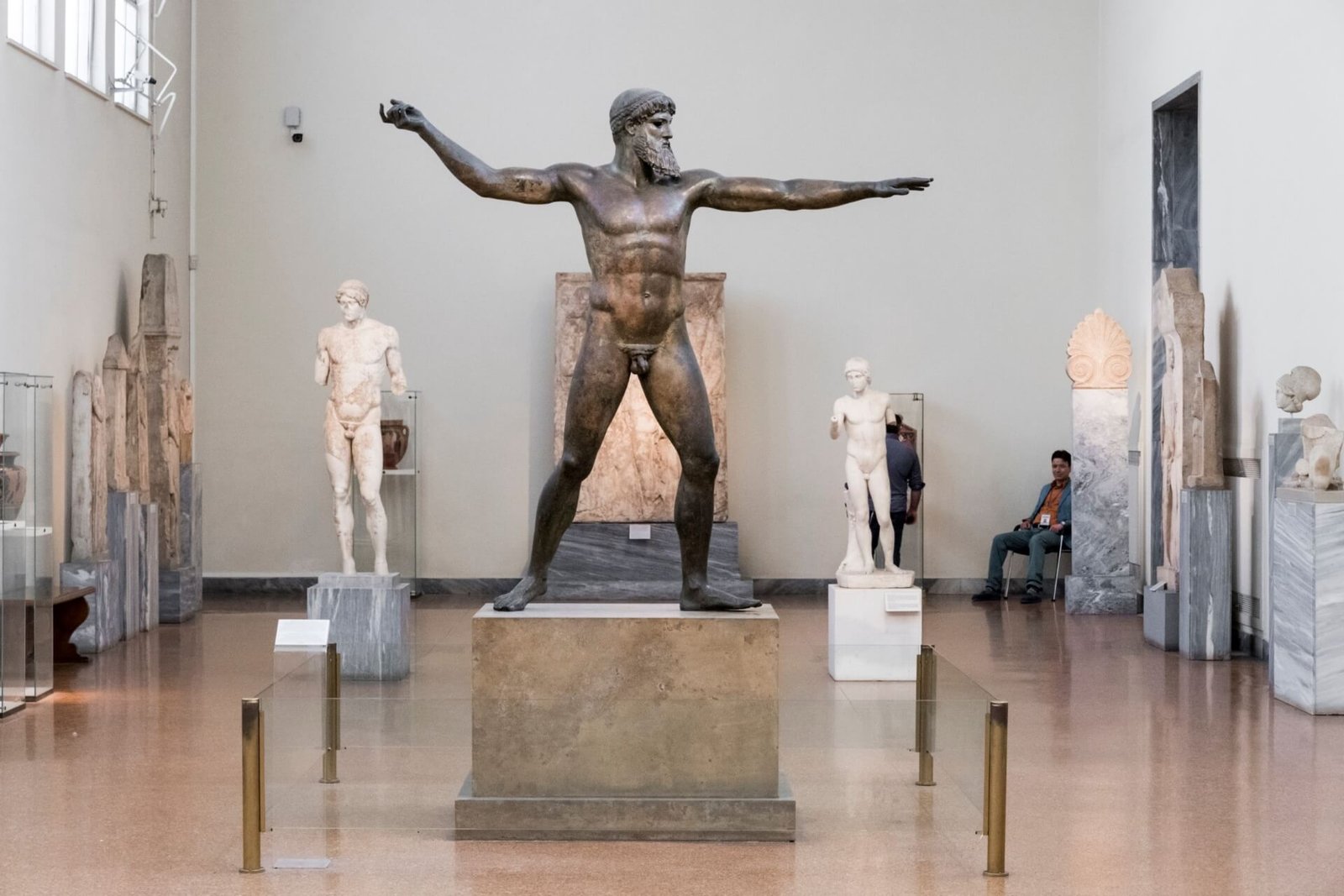
Prioritize the gold Mask of Agamemnon, the bronze youth from Antikythera, the Antikythera Mechanism and the Cycladic figures. Since this is one of the largest museums in Athens, allow a full morning for the gold treasures and Greek statues.
Visit: Exarchia · 3–4 hours · €20 · Daily; Tuesday opens later. Google Maps | Visitor information.
3. Benaki Museum of Greek Culture
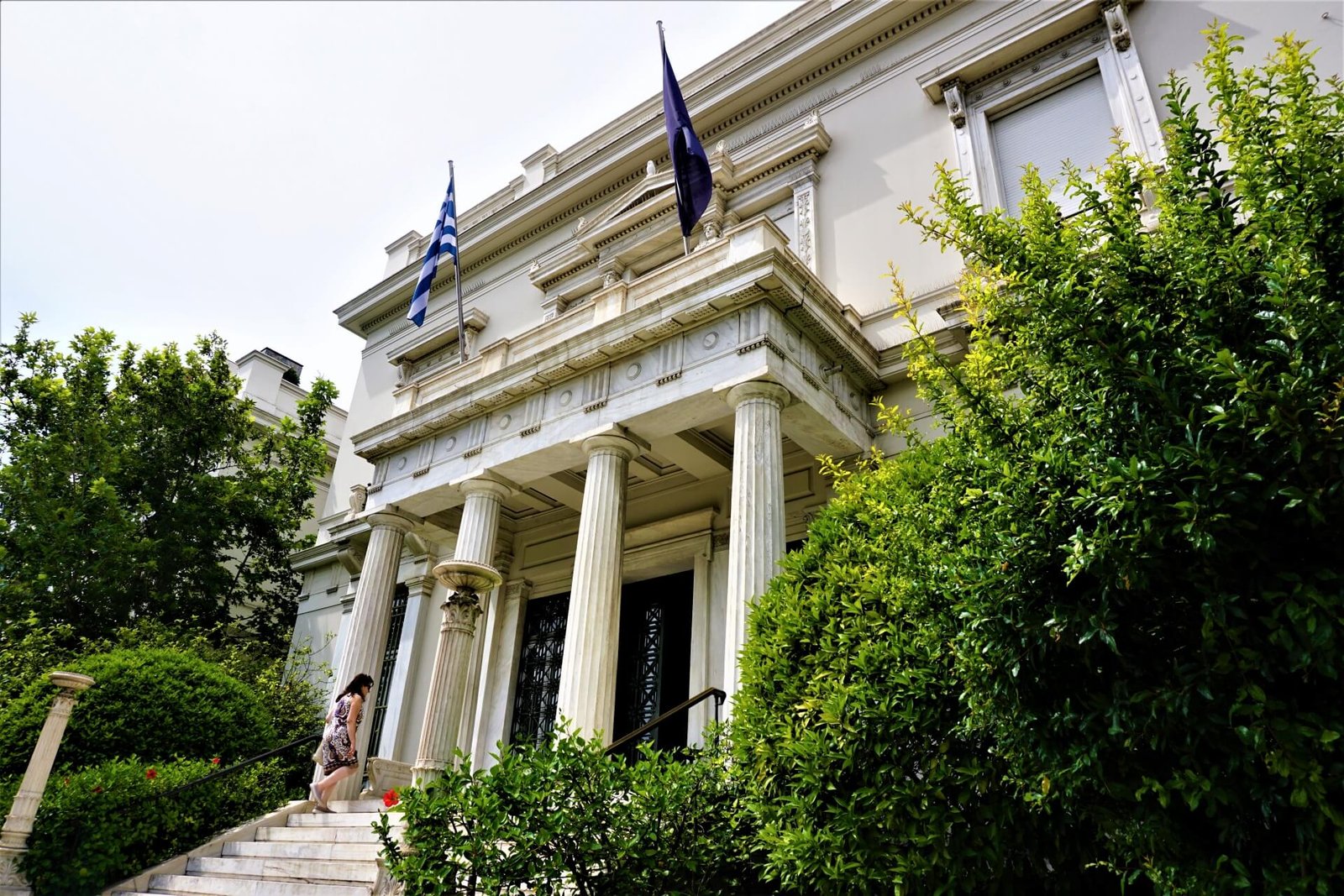
Entrepreneur Emmanuil Benakis built the mansion in the 19th century. Today it houses the exhibition. His son, Antonis Benakis, collected artifacts from various eras and cultures. After Emmanuil’s death, Antonis opened the first private museum in the country.
Antonis ran the museum until his death in 1959. Afterwards, his family carried on his work. Until 2000, the Benaki home held the whole collection. After renovations, the main building focused on Greek culture. Meanwhile, other branches now house the rest of the collection.
In particular, the collection shows Greek life across the centuries. In addition, it includes ancient jewelry, icons and local dress. For example, look for old rooms and finely stitched clothes. The elegant mansion near Syntagma is also worth seeing.
Visit: Kolonaki · 1.5–2 hours · See museum · Check current schedule. Google Maps | Visitor information.
4. Byzantine and Christian Museum
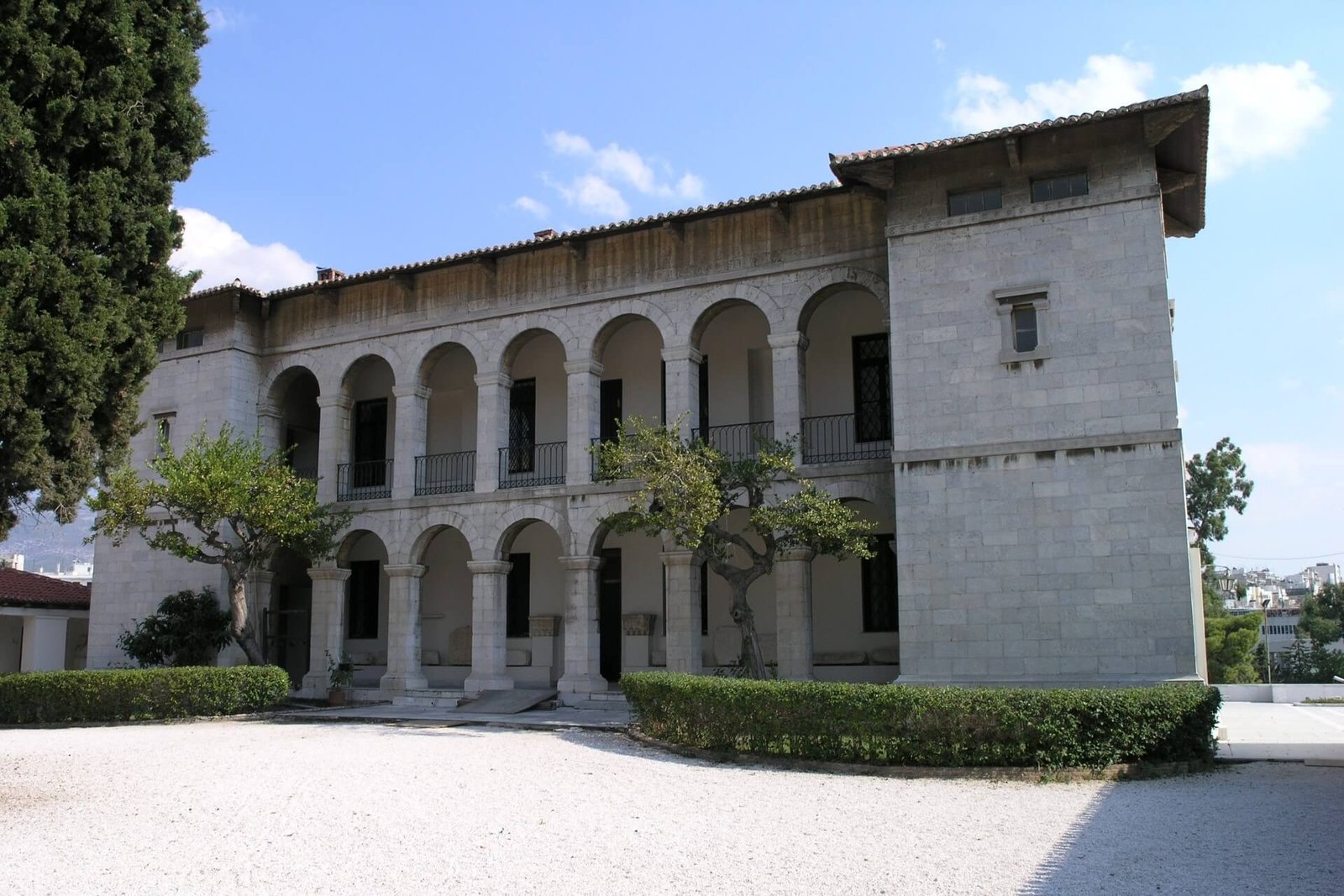
In 1914, collectors and the Christian Archaeological Society began to build the museum’s collection. Director Adamandios Adamantiou attracted patrons who funded the building’s purchase.
At first, the Athens Academy housed the finds. Later, the growing collection needed a new home. Finally, in 1930, it moved to the Ilisia estate, once the home of Duchess Sophie de Marbois-Lebrun.
Later, workers restored the rooms inside the villa. In the courtyard, you can see a fountain, Byzantine mosaics and orange trees. After viewing the exhibits, take a moment to relax here.
Here, explore the art of the Eastern Roman Empire. In particular, see how Roman culture changed over time. Icons, frescoes, textiles and religious objects illuminate medieval daily life. Afterwards, take a break in the garden.
Visit: Evangelismos · 1.5–2 hours · See museum · Winter: closed Tuesday. Google Maps | Visitor information.
5. Museum of Cycladic Art
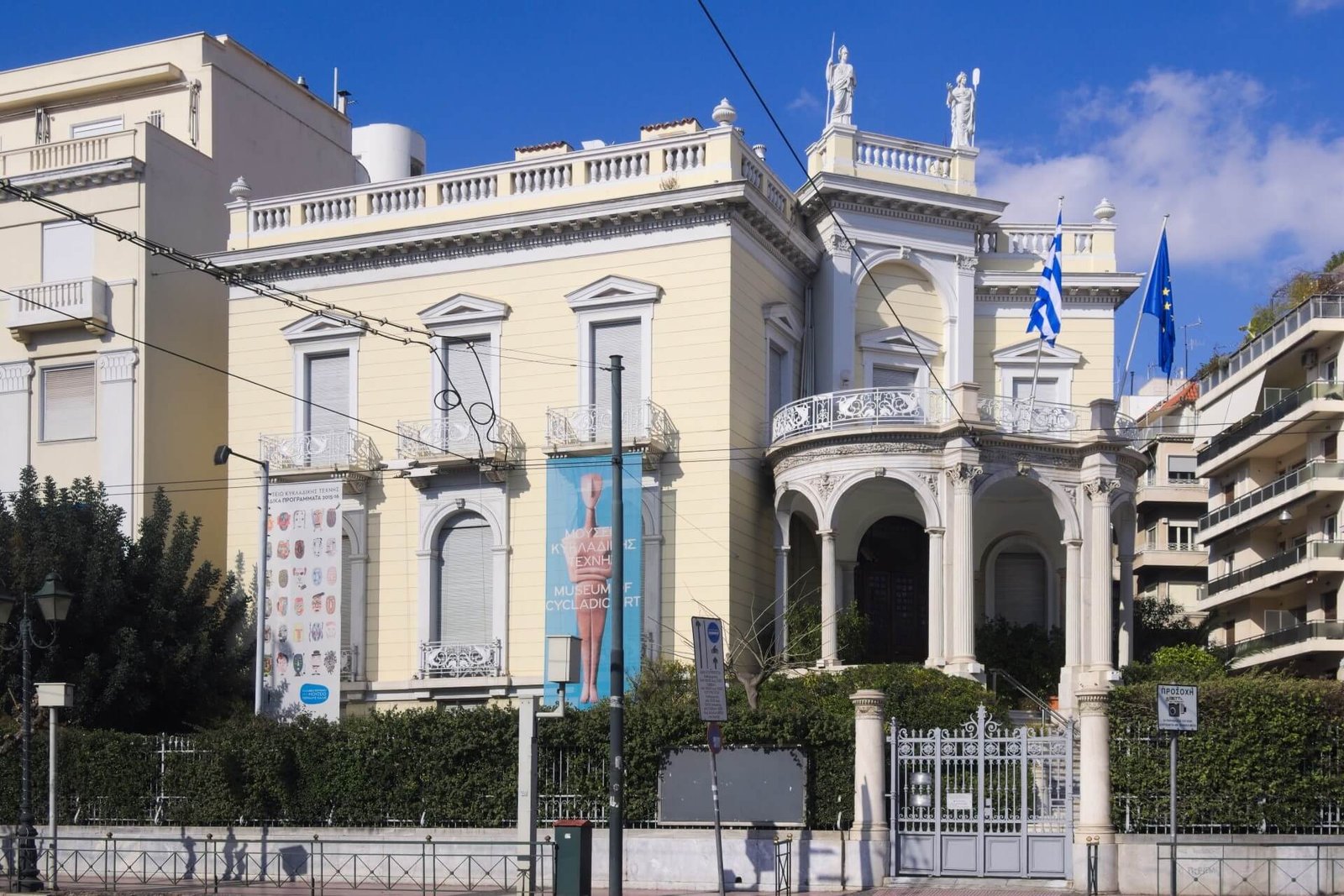
Greek collector Nicolas Goulandris started the collection after gaining permission to collect finds in the Cyclades. In 1960, he began collecting objects. Later, in 1978, he lent them to the Benaki Museum for a show. These included marble figurines and various vessels.
Over the years, the collection traveled to Madrid, Washington, the UK, Tokyo and Brussels. After Nicolas’s death, his widow gave the collection to Greece. Since 1986, the museum has housed the collection. Later, in 1990, it gained a new wing.
First, study the simple marble figures made on the Cycladic islands thousands of years ago. In addition, the Greek and Cypriot galleries complement the main collection. Compare styles, materials and techniques in the displays.
Visit: Kolonaki · 1–2 hours · €12 · Closed Tuesday. Google Maps | Visitor information.
6. Museum of the City of Athens
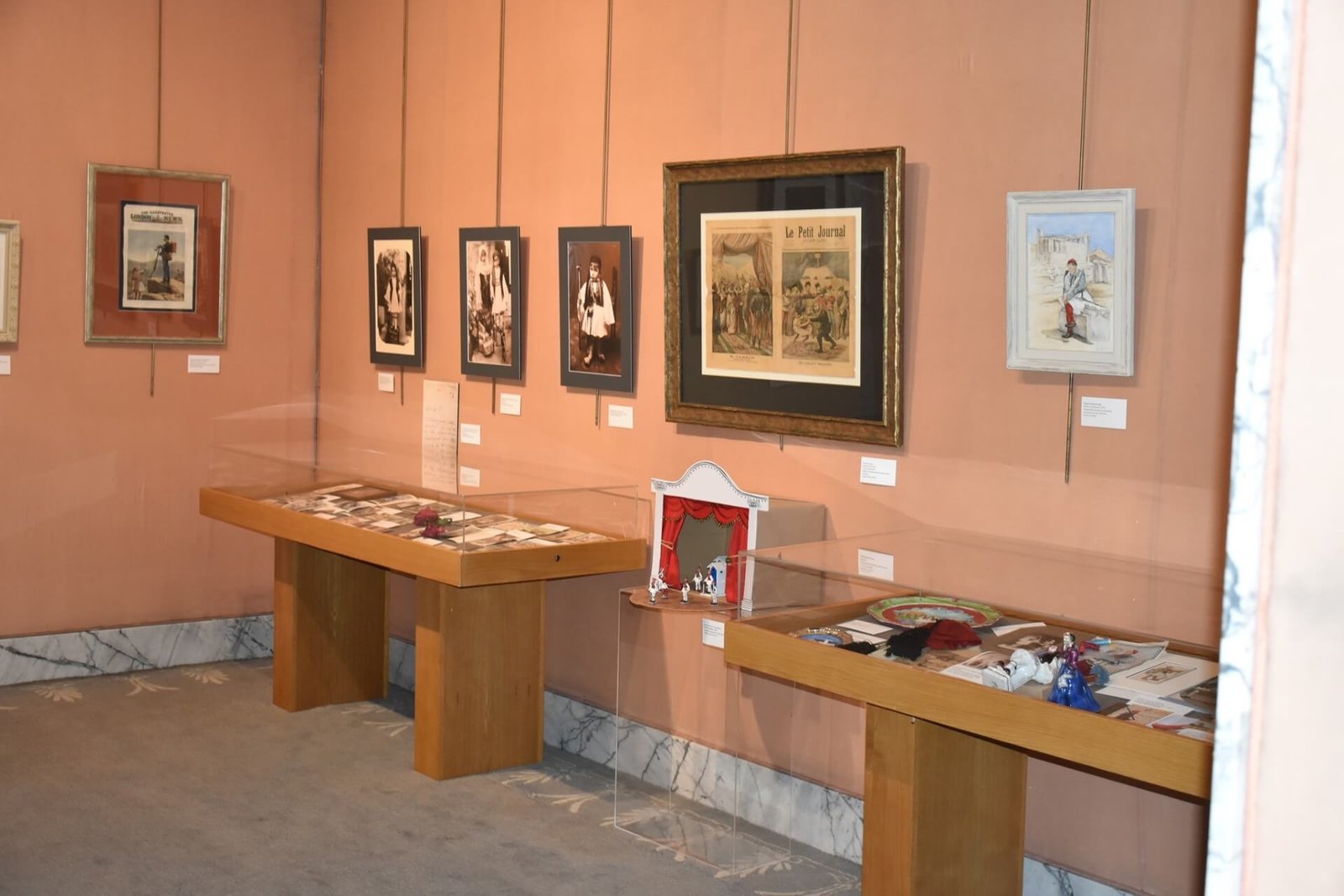
The museum opened in 1980. It covers Greek history from Frankish rule to the 19th century. In particular, look for personal items from the royal family and wealthy citizens. A covered passage joins the two buildings. First, visit the rooms of King Otto and Queen Amalia at Paparrigopoulou 7.
Inside, visit royal rooms. Old portraits, furniture and paintings tell the story of the Greek capital. As a result, this is one of the best small museums in Athens for learning about city life in the 1800s. It is a short walk from the shops.
Visit: Klafthmonos Square · 1 hour · €9 · Closed Tuesday. Google Maps | Visitor information.
7. Numismatic Museum
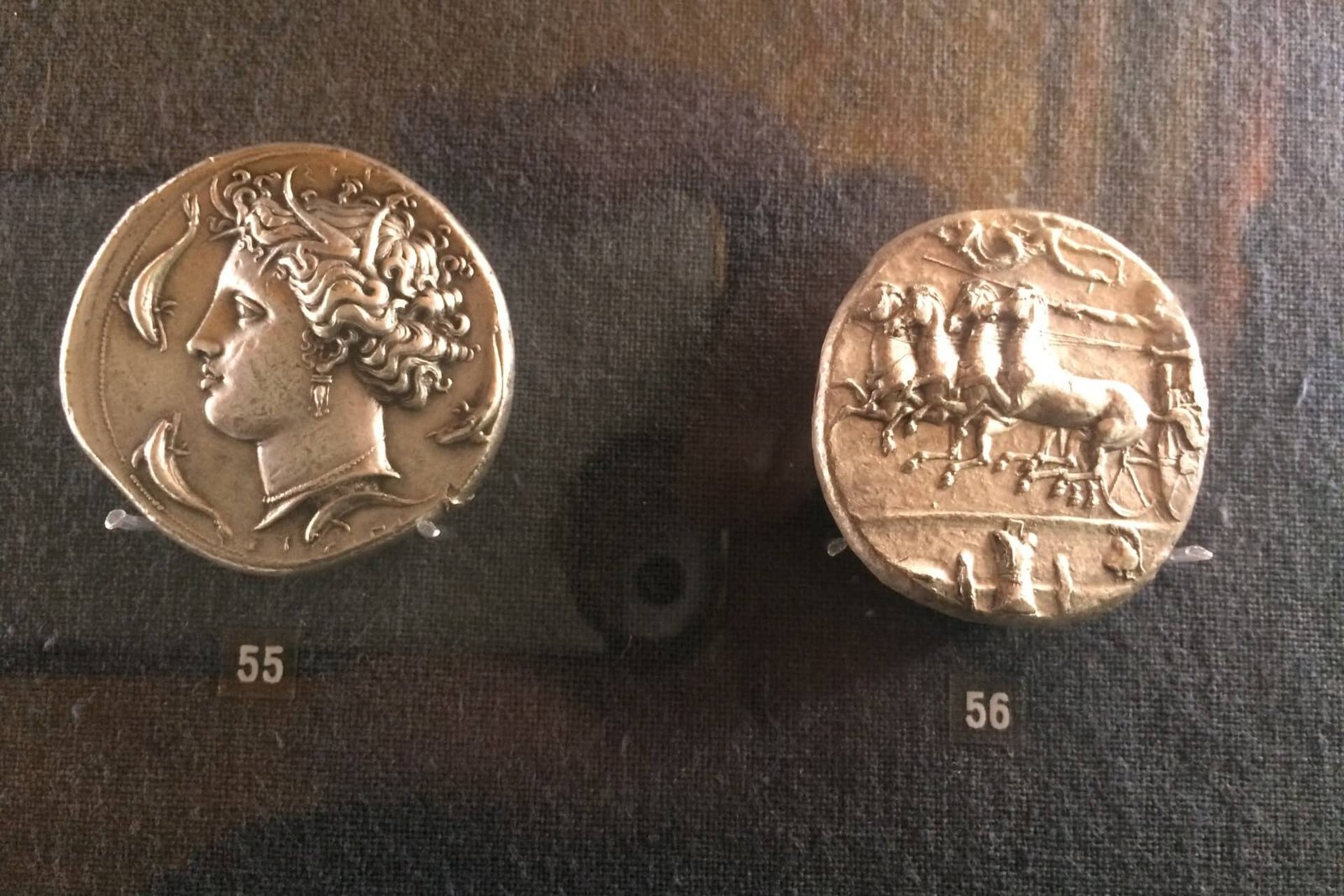
The museum dates back to 1834 and spent many years without a permanent home. Finally, it found a home in Heinrich Schliemann’s former mansion, which opened in 1999. However, the empty mansion needed repairs.
The coins reveal trade, politics and the imagery of different city-states. In addition, the decorated rooms of Heinrich Schliemann’s mansion are worth a visit. Afterwards, take a break in the garden café if it is open.
Visit: Panepistimio · 1–1.5 hours · See museum · Check current schedule. Google Maps | Visitor information.
8. War Museum
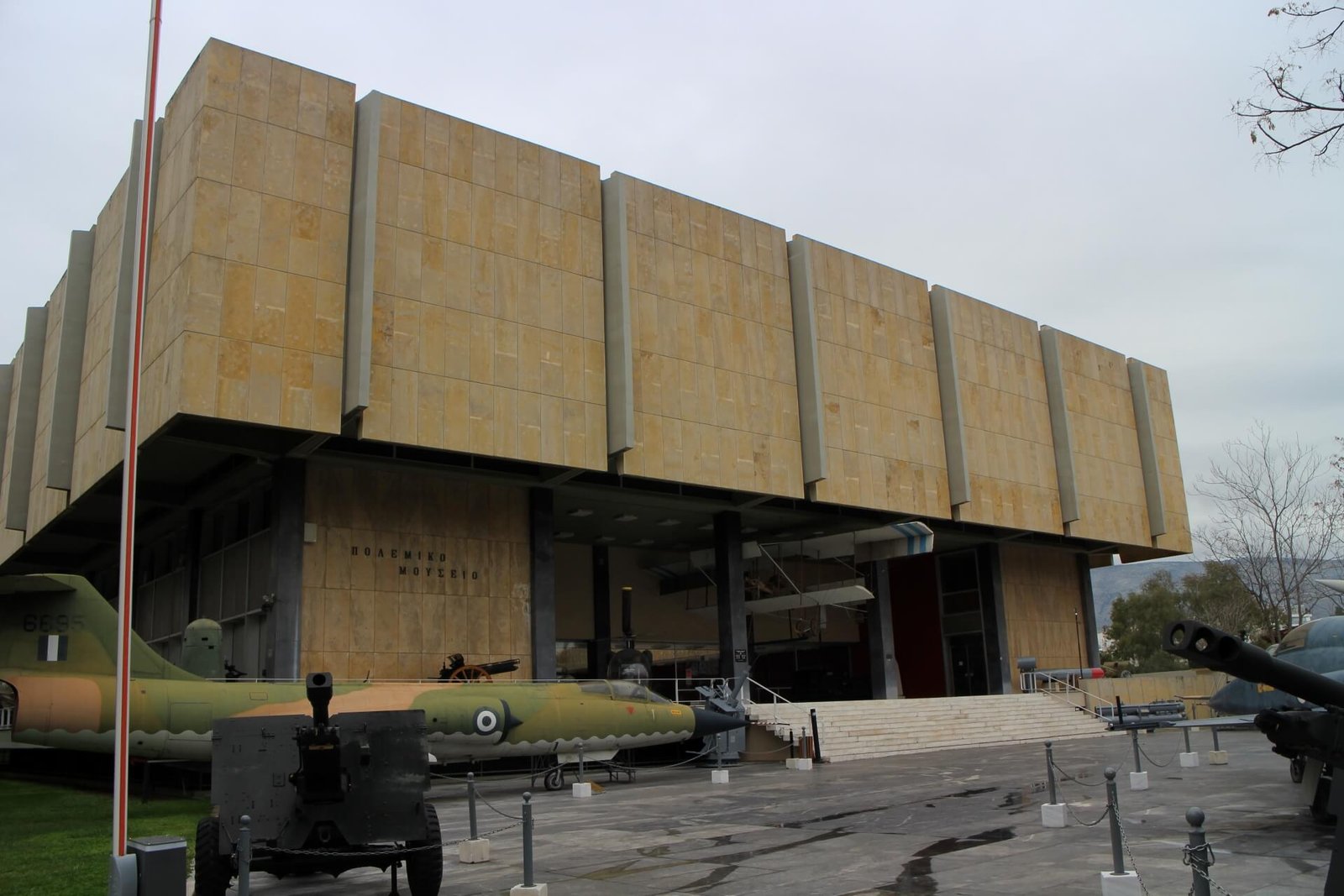
In 1964, Greece decided to create a War Museum to reflect the nation’s struggle for freedom. The museum stands at Rizari Street and Queen Sophia Avenue. In the past, a military camp occupied this site.
The museum opened in 1975 and features both indoor and outdoor exhibitions. Inside, eleven halls follow Greek military history in chronological order. Outside, visitors can see examples of historic military equipment.
For example, documents, uniforms, maps and photos help tell the story of Greece’s military history. Afterwards, visit the nearby Byzantine Museum or National Gallery.
Visit: Evangelismos · 1–2 hours · See museum · Check current schedule. Google Maps | Visitor information.
9. Athens University History Museum
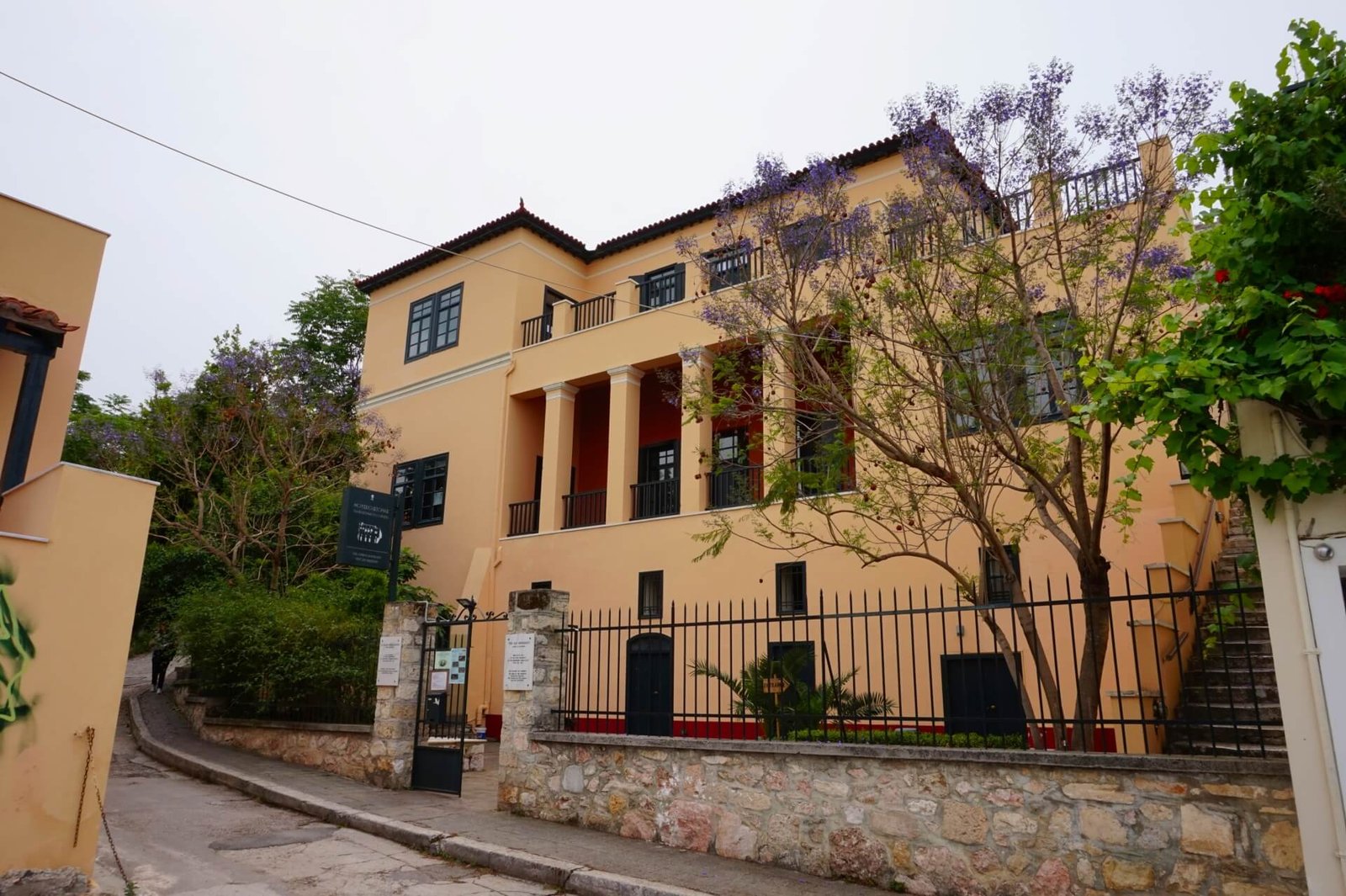
One of Athens’ oldest buildings, constructed during the Ottoman Empire, was bought by Kleanthis and Schaubert in 1831, who converted it into an architectural office. In 1837, it became home to the young University of Athens. Kleanthis sold the building in 1861.
Explore the old university building with its collections of scientific instruments, portraits, manuscripts and early academic publications. Meanwhile, the narrow streets below the Acropolis make this an atmospheric stop for anyone interested in modern Athens.
Visit: Plaka · 45–60 min · Confirm admission · Check visiting arrangements. Google Maps | Visitor information.
10. Kerameikos Archaeological Museum and Site
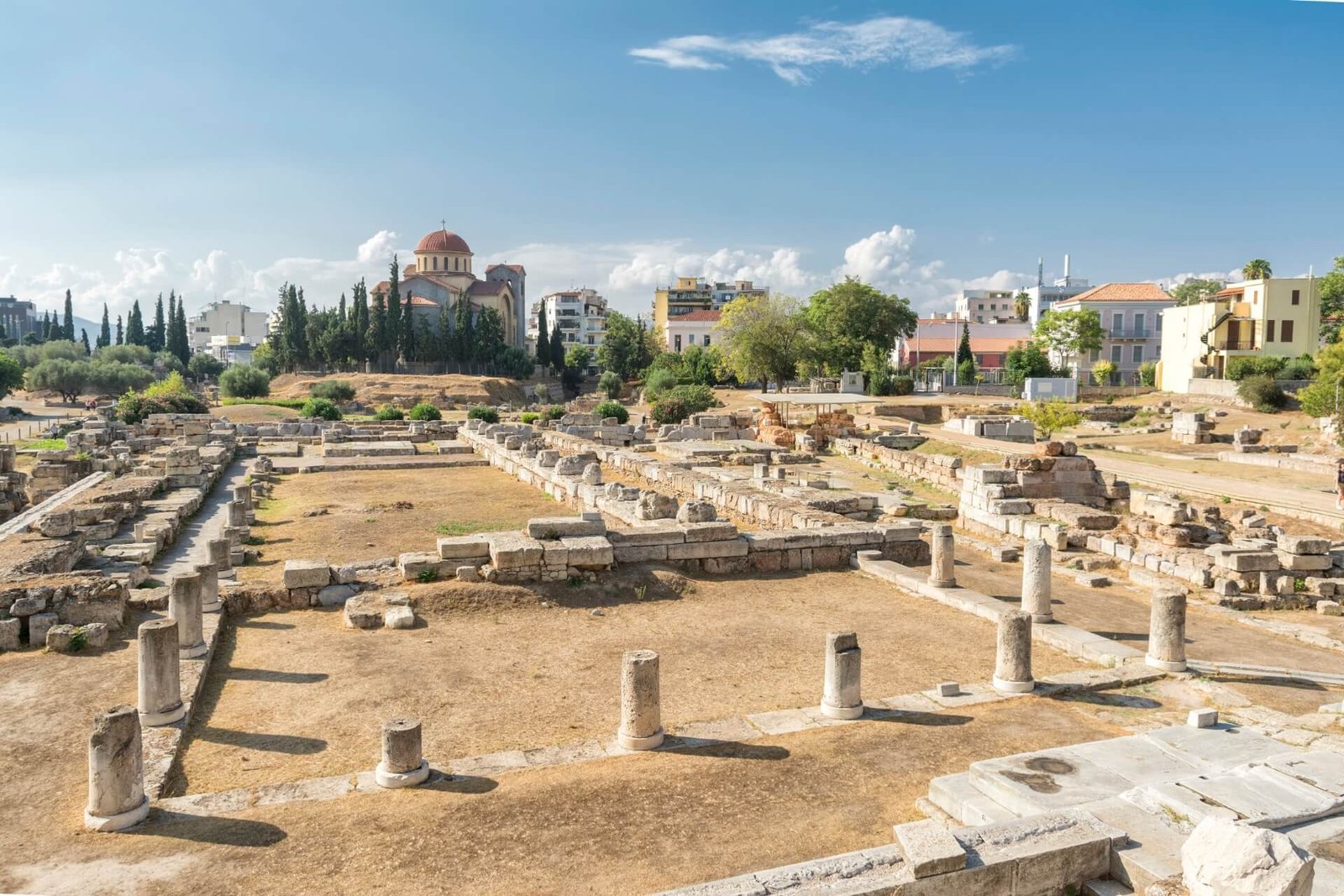
Kerameikos is an important ancient cemetery of Athens. Near the Dipylon and Sacred Gates, it was once a burial site for Athenian nobles. The name may come from the hero Keramos. Alternatively, it may refer to the potters’ area by the Eridanos River.
First, walk through the old burial site to see grave markers, statues and pots. Inside, the museum adds context to this quieter corner of the ancient city. However, check whether the site is open before you set off.
Visit: Kerameikos · 1–1.5 hours · €10 · Seasonal hours; check notices. Google Maps | Visitor information.
11. National Museum of Contemporary Art (EMST)
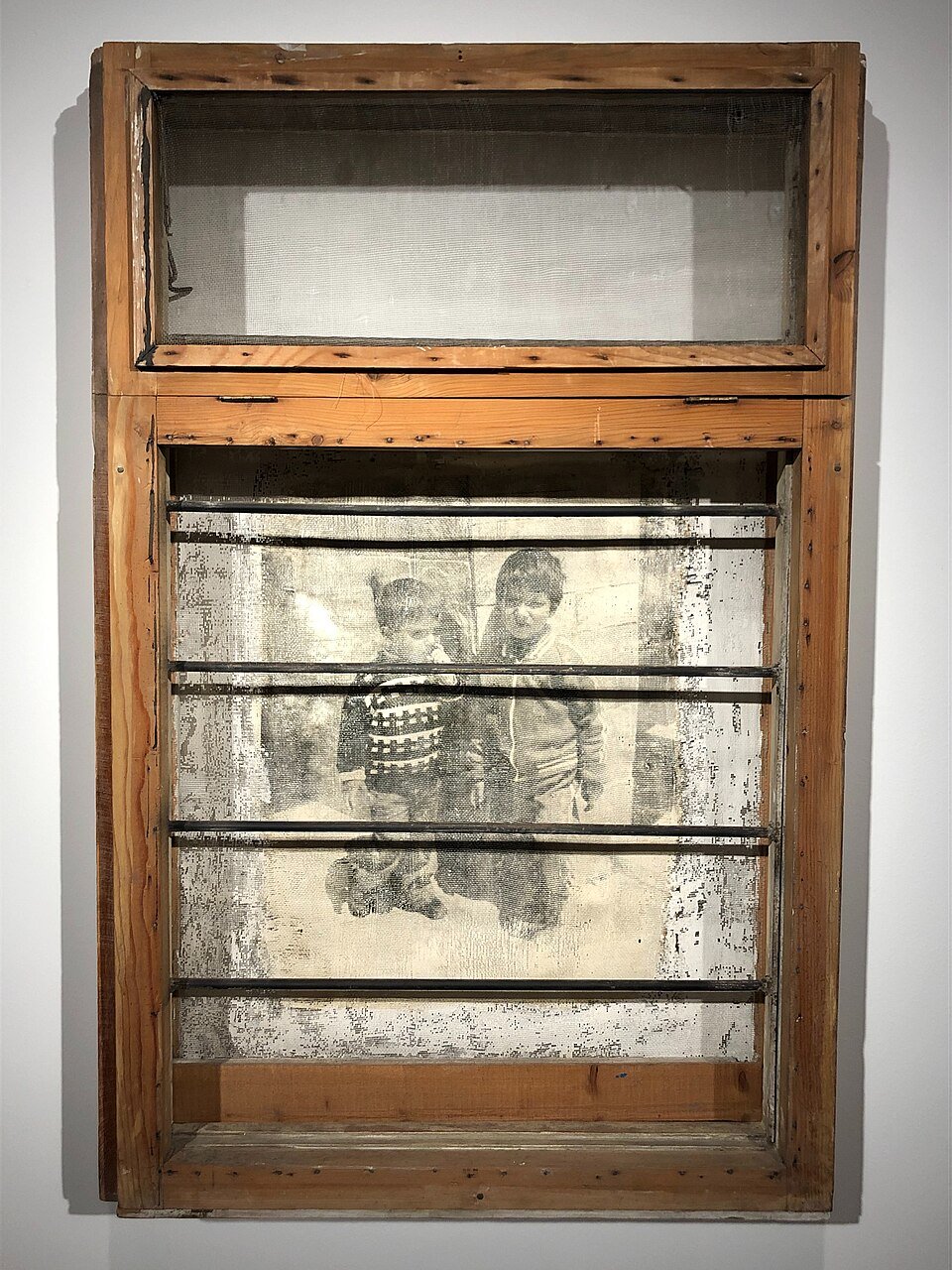
The former FIX brewery now houses modern art from Greece and abroad. Inside, you will find large works of art, video, photos and changing shows. As a result, this is one of the most varied modern art museums in Athens. For example, the museum stays open late on Thursday, after most attractions close.
Visit: Syngrou-Fix · 1.5–2 hours · See museum · Closed Monday. Google Maps | Visitor information.
12. Museum of Greek Folk Musical Instruments
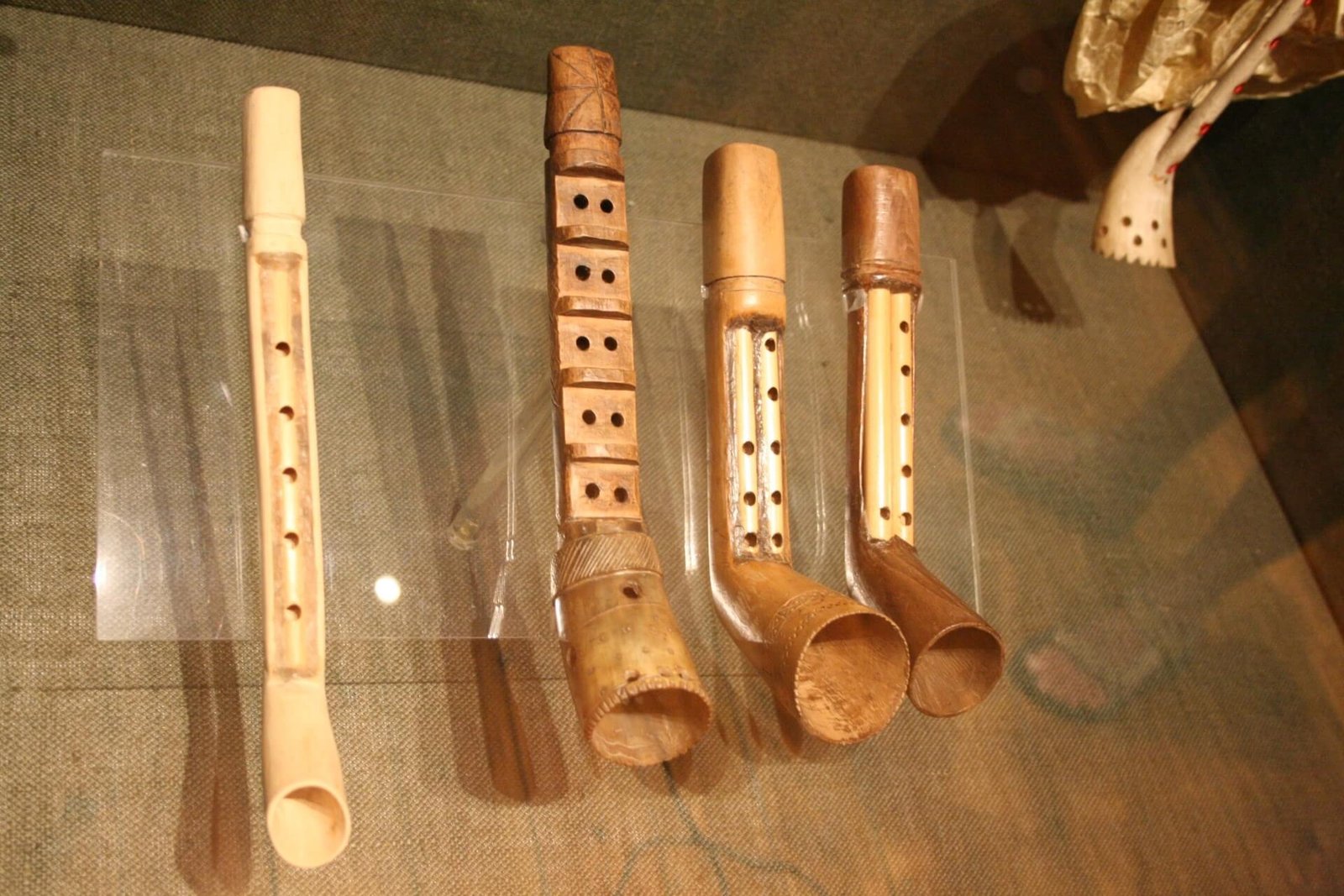
Researcher Phoivos Anoyanakis collected instruments from many eras. His collection forms the heart of the museum. Later, in 1978, he gave the collection to the city. Today, the museum has over 1,200 items, half of which are on permanent display. Meanwhile, the rest appear in special shows or other museums.
Listen to examples of traditional sounds while exploring regional percussion, wind and string instruments. As you listen, learn about festivals, dances and village music. This small museum also makes a pleasant change after the larger galleries.
Visit: Plaka · 45–60 min · See museum · Check current schedule. Google Maps | Visitor information.
13. Museum of the History of Greek Costume
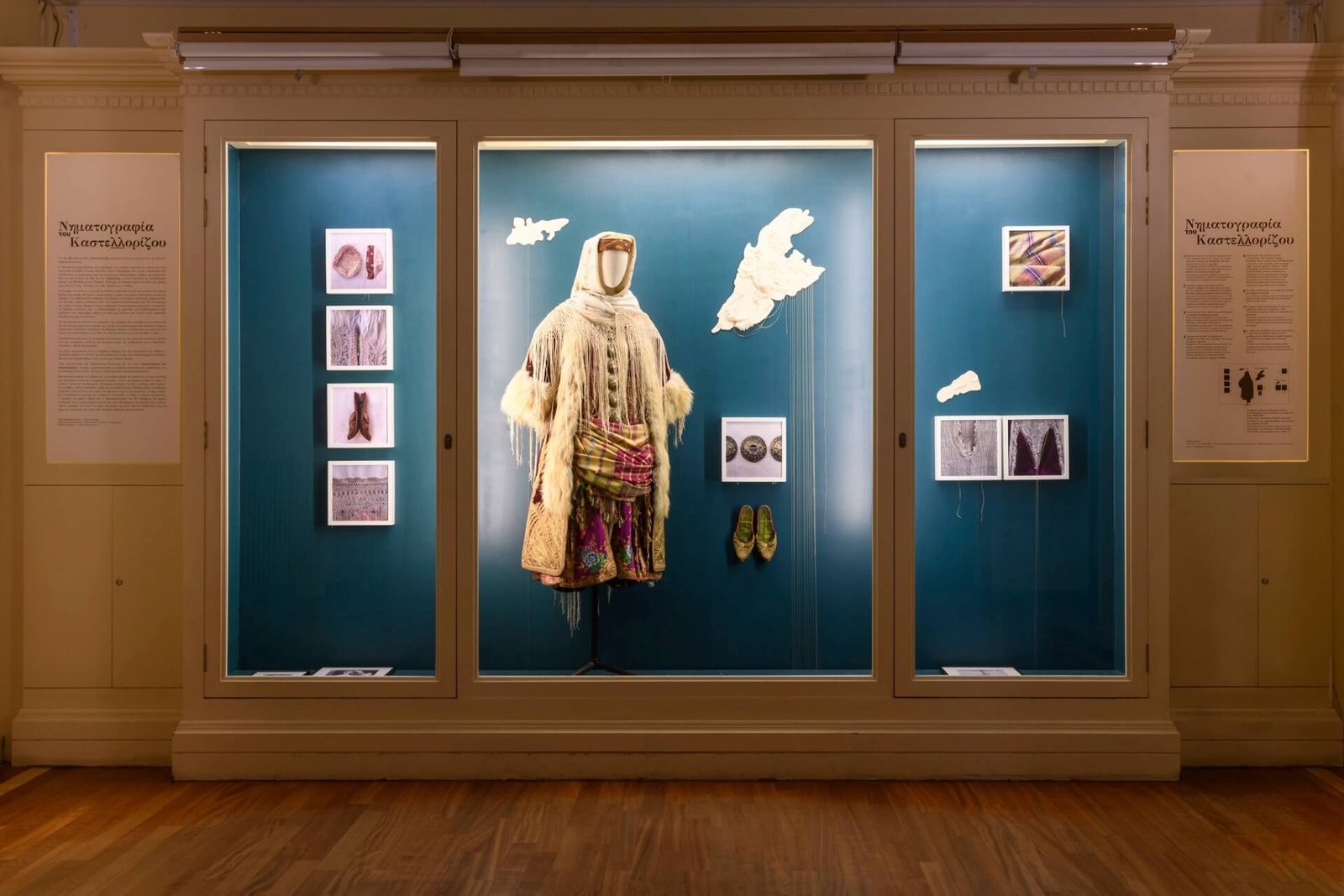
The Athens Women’s Lyceum Club founded the museum in 1988 with support from Culture Minister Melina Mercouri. The club acquired its first costumes in the 1920s for use in plays and concerts.
Here, discover how clothing styles varied across Greece. For example, look at woven cloth, hats and clothes for special events. Since the displays may change, arrange your visit in advance.
Visit: Kolonaki · 45–60 min · Confirm admission · Check visiting arrangements. Google Maps.
14. Archaeological Museum of Piraeus

This museum is for those who want to delve deeper into Greek history. The exhibition covers the development of Athens as a trading center in the Eastern Mediterranean and a shipbuilding hub. Artifacts span from the Mycenaean period to Roman rule.
Many finds come from Piraeus, including statues from the sea. In addition, you can see carved stone and bronze figures. The museum has a lab to care for its finds. It also stores objects for special shows.
The standout pieces are the rare bronze statues recovered in Piraeus, including Apollo and Athena. In addition, funerary sculptures and other finds tell the story of the port. Afterwards, take a walk along Zea Marina.
Visit: Piraeus · 1.5–2 hours · See museum · Check current schedule. Google Maps | Visitor information.
15. National Gallery – Alexandros Soutsos Museum
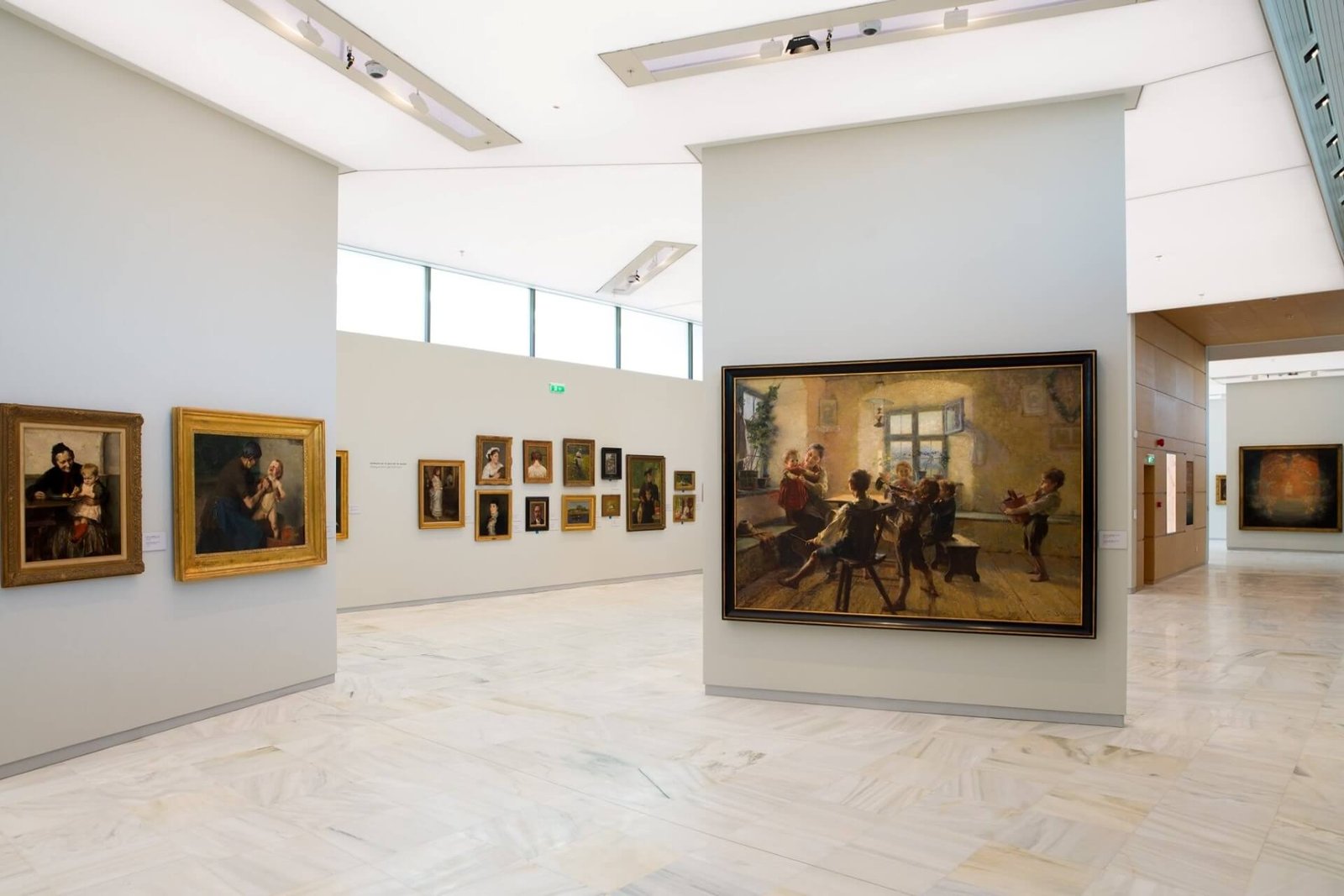
In 1878, the Athens University donated its art collection to the state. In addition, philanthropist Alexandros Soutsos gave his art, helping to found the gallery. At first, the university housed the collection. Later, in 1900, the gallery moved to its own home.
The gallery’s initial collection was small, about 250 artworks, but citizens continued to donate valuable paintings, including a collection from Evripides Koutlidis of 19th-20th century artists.
Today, the gallery shows how Greek painting changed in the 1800s and 1900s. In addition, it displays art from other parts of Europe. For example, look for scenes of Greek independence, portraits and landscapes.
Visit: Evangelismos · 2 hours · See gallery · Wednesday 14:00–22:00. Google Maps | Visitor information.
16. Museum of the Ancient Agora
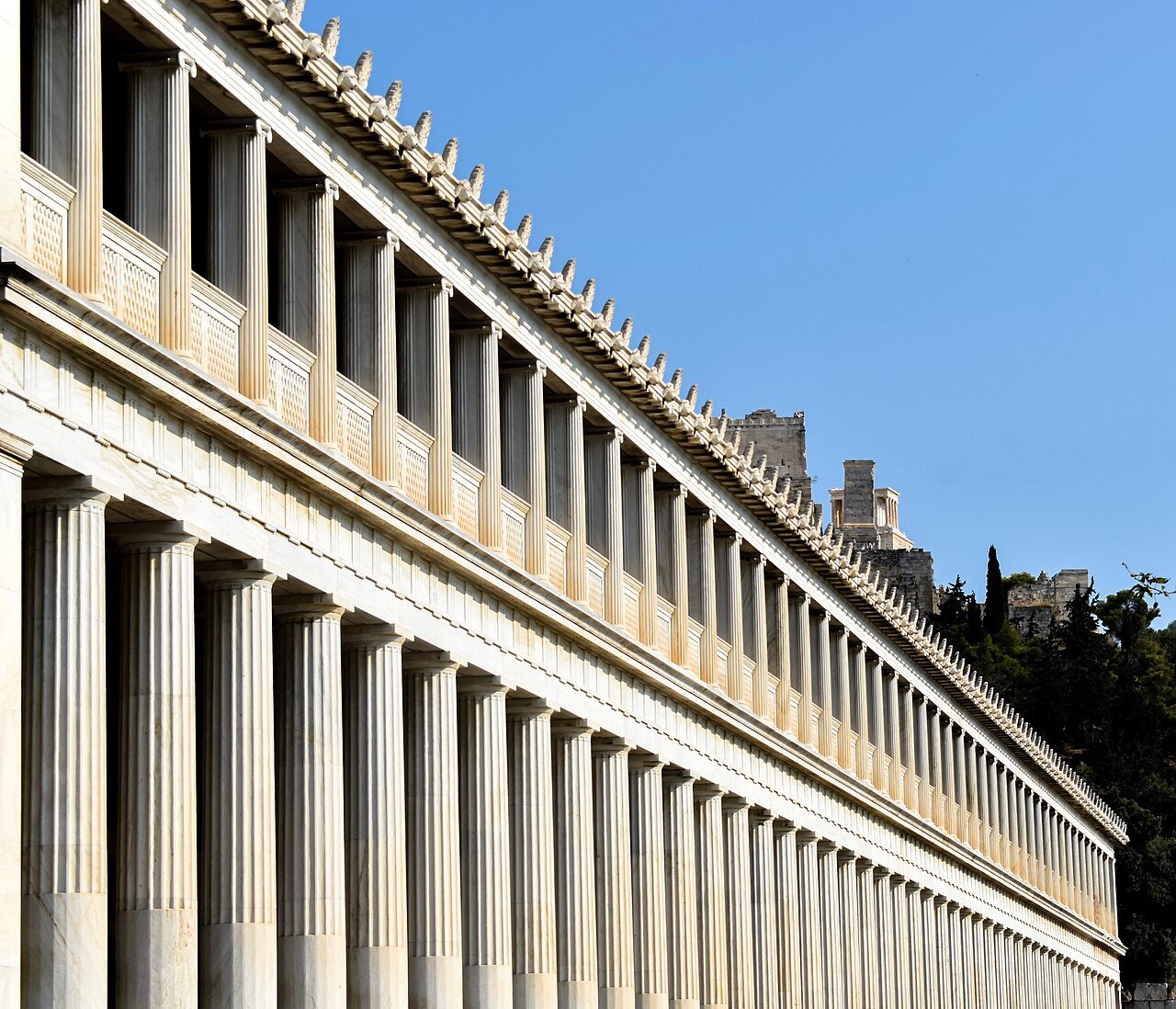
The rebuilt Stoa of Attalos houses finds from the old heart of Athens. For example, voting tokens, pots and shards show how people lived and voted in ancient Athens. Afterwards, walk through the Agora to the Temple of Hephaestus.
Visit: Monastiraki · 1.5–2 hours · €20 incl. site · Daily; museum opens 10:00 Tue. Google Maps | Visitor information.
17. Hadrian’s Library
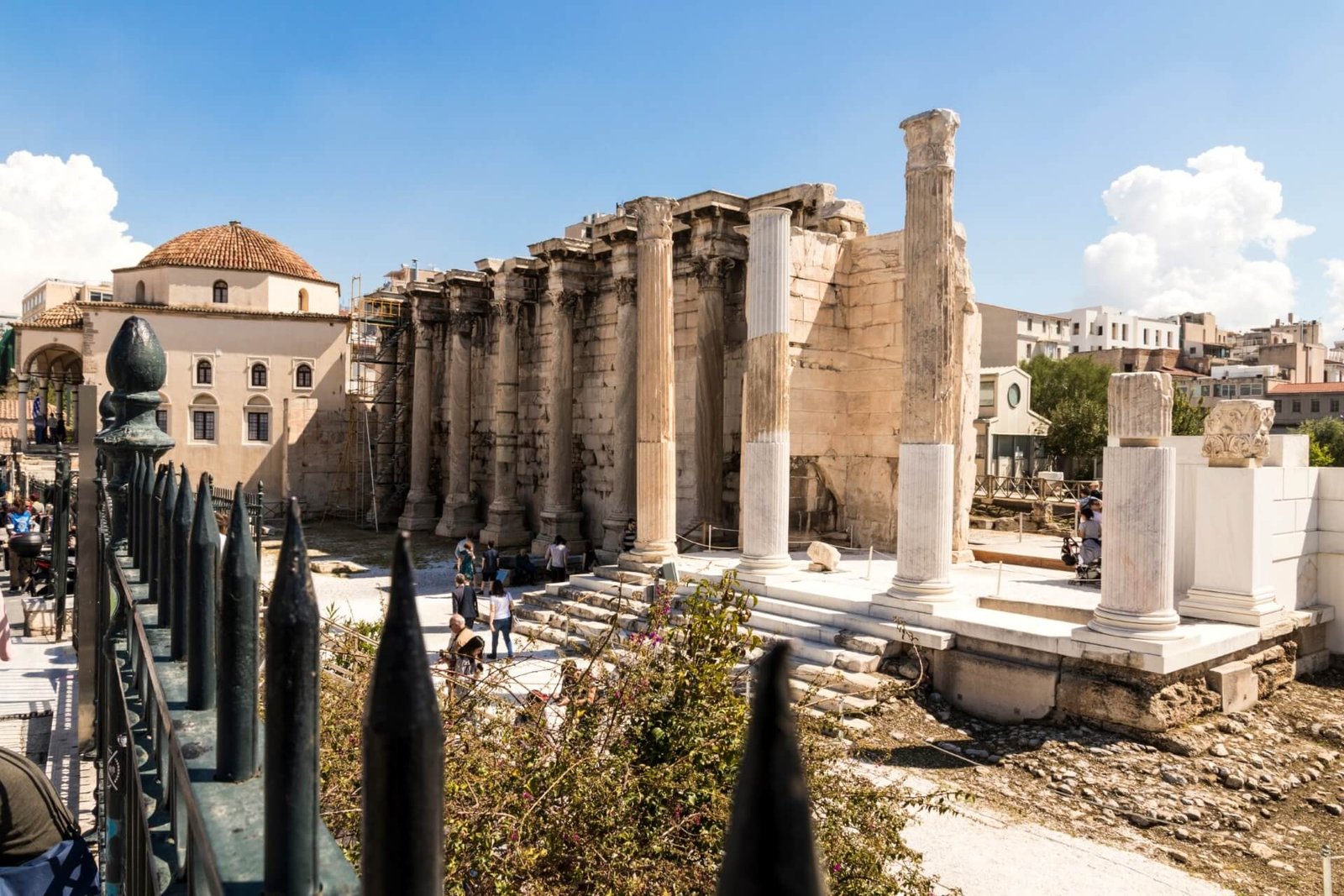
Emperor Hadrian built this complex during the Roman period. It served several functions, including a library and a place for public meetings.
Explore the surviving marble walls and columns of this Roman complex built in AD 132. At first, the complex held manuscripts and hosted public gatherings. Later, churches occupied parts of the grounds. This open-air archaeological site is a short walk from the metro.
Visit: Monastiraki · 30–45 min · €10 · Seasonal hours. Google Maps | Visitor information.
18. Kotsanas Museum of Ancient Greek Technology
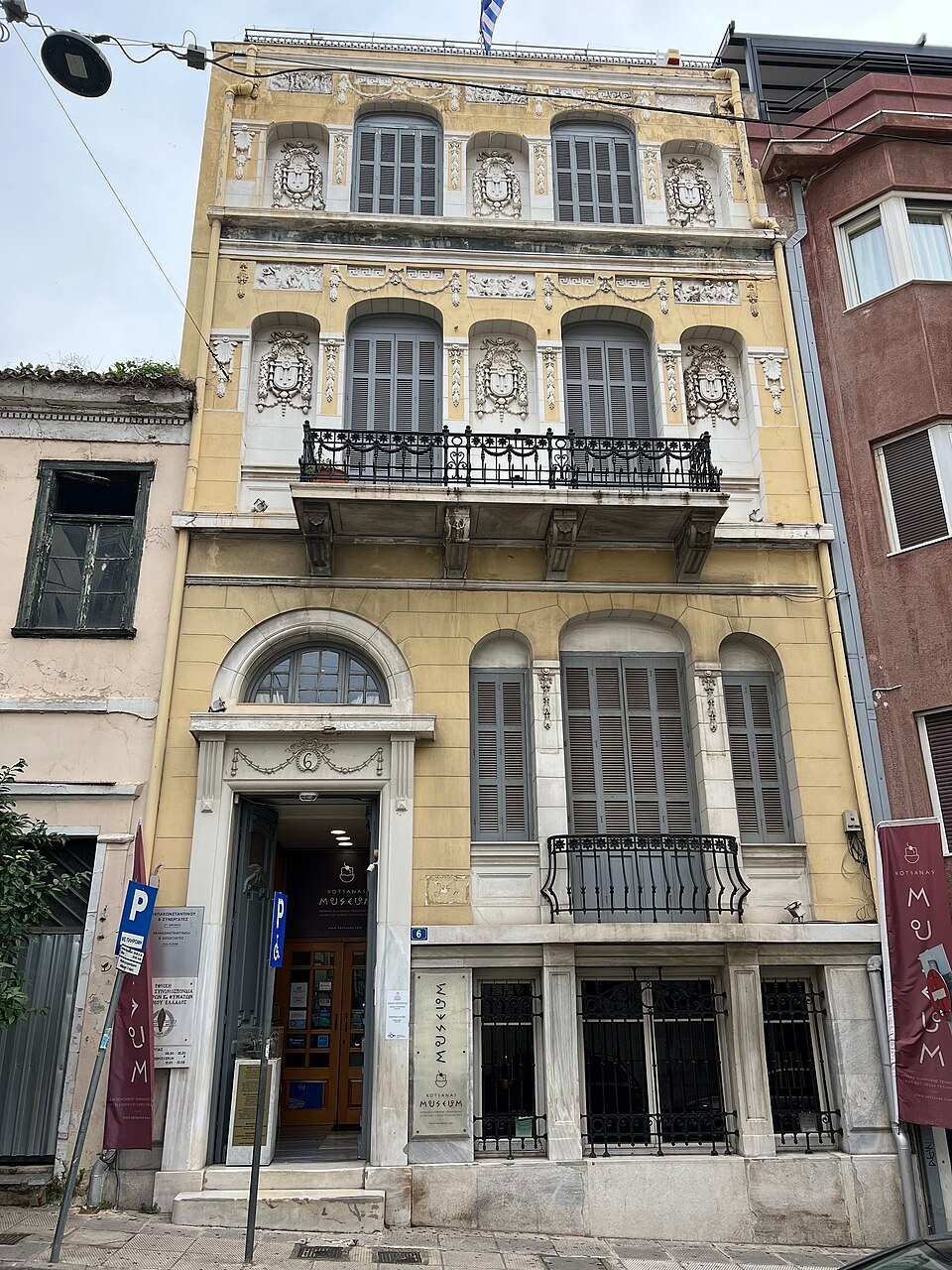
Here, you can see working models of ancient devices. For example, explore musical instruments and the Antikythera Mechanism. Staff show how the devices work. As a result, this is one of the most hands-on museums in Athens for science fans and families.
Visit: Kolonaki · 1–1.5 hours · €7; €12 all-access · Daily 10:00–18:00. Google Maps | Visitor information.
19. Tower of the Winds and Roman Agora
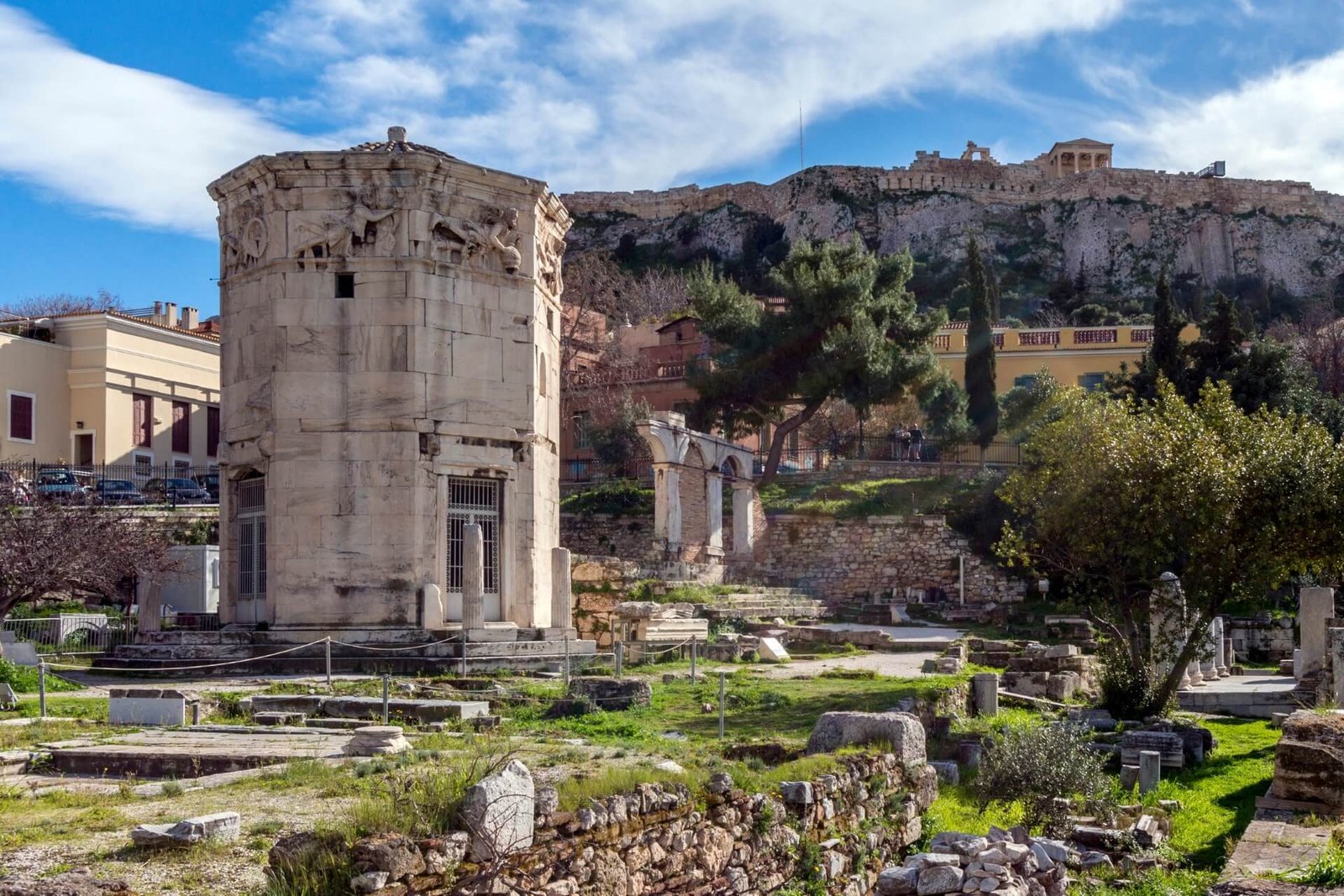
First, look at the eight-sided marble tower and the figures that stand for the winds. In the past, the tower helped people tell the time. As a result, it is a great stop for anyone who enjoys ancient science. In fact, it stands within the open-air Roman Agora.
Visit: Plaka · 30–45 min · €10 incl. site · Seasonal hours. Google Maps | Visitor information.
20. Hellenic Children’s Museum

Hands-on activities invite children to experiment, imagine and learn through play. For example, this museum gives families a break from formal art galleries. Before you go, book through the museum’s website. Also ask about language support if your children do not speak Greek.
Visit: Athens Conservatoire · 1–1.5 hours · See museum · Fri 17:00–20:00; Sat–Sun 11:00–15:00. Google Maps | Visitor information.
Tickets and opening hours for museums in Athens
The Acropolis Museum opens at 09:00 throughout the year. From November through March it closes at 17:00 Monday to Thursday, 22:00 Friday and 20:00 on weekends. From April through October it closes at 17:00 Monday, 22:00 Friday and 20:00 on other days. Standard admission is €20 and reduced admission €10.
The National Archaeological Museum opens 08:30–15:30 Wednesday to Monday in winter and 08:00–20:00 in summer; Tuesday hours are 13:00–20:00. Standard admission is €20. The Cycladic Art Museum is open 10:00–17:00 Monday, Wednesday, Friday and Saturday, 10:00–20:00 Thursday and 11:00–17:00 Sunday. EMST opens 11:00–19:00 Tuesday to Sunday, with Thursday until 22:00.
Check the linked official websites for holiday timetables and temporary closures. The Archaeological Museum of Kerameikos and Roman Agora may occasionally close at short notice. The former Railway Museum has relocated to Piraeus and currently accepts exceptional organized visits by request. The Frissiras Museum is temporarily closed.
How to visit museums in Athens in two or three days
Day 1 – Acropolis and Plaka. Visit the Acropolis Museum in the morning, explore the historic streets of Plaka, then see Hadrian’s Library, the Roman Agora and the folk instruments museum if time allows.
Day 2 – Archaeology and art. Reserve the morning for the National Archaeological Museum. Spend the afternoon in Kolonaki at the Museum of Cycladic Art or Benaki Museum, with a café break near Syntagma.
Day 3 – Choose a theme. Pair the National Gallery and Byzantine Museum for art and history, or visit the Kotsanas Museum with children. Contemporary art fans can spend the afternoon at EMST; consider Piraeus for a separate half-day trip.
Practical tips for visiting museums in Athens
First, allow extra time at the two big museums. If you need a reduced ticket, bring your ID. Also book ahead for busy dates. On hot or rainy days, choose indoor museums. For outdoor ruins, wear sturdy shoes. Since many venues close on Monday or Tuesday, group visits by opening days. Also, carry water at outdoor ruins and follow the photo rules inside.
Museums in Athens: frequently asked questions
What are the best museums in Athens?
Start with the Acropolis Museum and National Archaeological Museum. Add Benaki for Greek culture, the Museum of Cycladic Art for ancient island art and EMST for contemporary exhibitions.
How much time do I need for museums in Athens?
Plan two or three hours for the Acropolis Museum and three to four for the National Archaeological Museum. However, most small museums in Athens take just one to two hours.
Are museums in Athens free on some days?
State archaeological museums and sites generally offer free entry on designated national dates and the first and third Sundays from November through March. The Acropolis Museum has separate free dates including 6 March, 25 March, 18 May and 28 October. Private museums have individual policies.
Which museums in Athens are best for children?
The Kotsanas Museum and Hellenic Children’s Museum offer interactive learning. The Acropolis Museum also has activities for families; check available programs when planning your visit.
After visiting museums in Athens: more Greece travel guides
Continue planning with our three-day Athens itinerary, hotels in Athens with beautiful views, Aegina day trip and Delphi travel guide.

Konstantin is an acclaimed travel writer, celebrated for transforming ordinary journeys into extraordinary narratives. With years of experience exploring diverse destinations across the globe, his work blends vivid storytelling, cultural insights, and practical advice to inspire wanderlust and guide readers toward unforgettable adventures.
As a key contributor to enjoythetrip.org website, Konstantin has built a loyal readership through their expertise in uncovering both iconic landmarks and off-the-beaten-path treasures. He specializes in providing travelers with honest, actionable tips, whether it’s finding the best resorts in Maldives, exploring cultural hubs like Paris, or diving into the natural wonders of Croatia.