
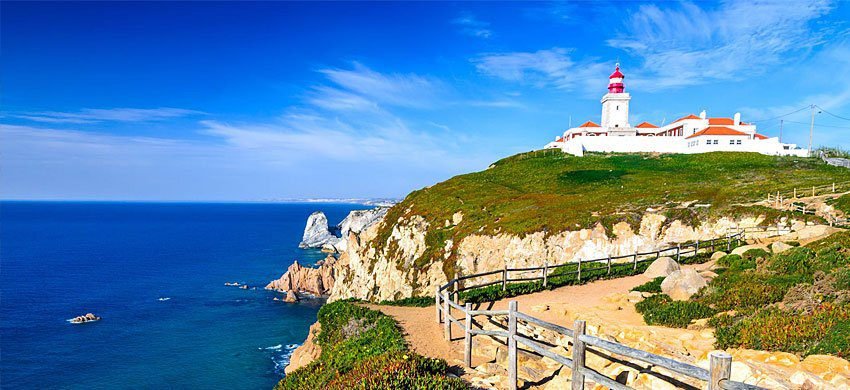
Our planet has many amazing places that, once seen, can never be forgotten. One of these is the westernmost point of mainland Europe — Cape Roca in Portugal. Beyond the ocean separating Europe lies America, though when the cape is shrouded in fog, it feels like the edge of the earth. Those planning a trip to this unique place will have the opportunity to witness an unforgettable sunset on one of the tours.
Cabo da Roca at a glance: The westernmost point of mainland Europe is a dramatic Atlantic headland in the Sintra-Cascais Natural Park. The outdoor viewpoint is free to visit. Allow about 45–90 minutes at the cape, or a full day to combine it with Sintra or Cascais. Bring a windproof layer and check your return transport before sunset.
History
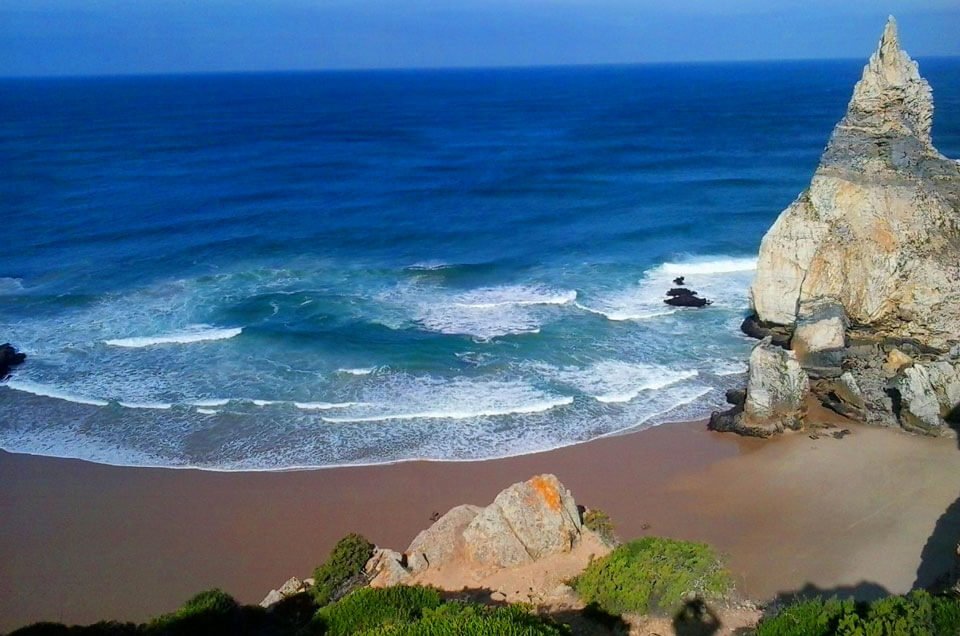
The small triangular landmass jutting into the Atlantic Ocean is formed by the granite cliffs of the Sierra da Sintra mountains. During the age of maritime exploration and great geographical discoveries, this westernmost point of mainland Europe was named the Lisbon Cape. Later, it was renamed Cabo da Roca, which translates from Portuguese as Cape of the Rock. Indeed, it consists of a rock made of granite with inclusions of other crystalline rocks.
Given the busy maritime route past the cape, a lighthouse was erected here in 1772, its light visible for several tens of kilometers. It warns sailors of the rocky coastline ahead, which is dangerous for ships. This land triangle is part of the Sintra-Cascais Natural Park. The Cultural Landscape of Sintra is a UNESCO World Heritage Site. The geographical coordinates of the cape are indicated on a stone stele.
Description
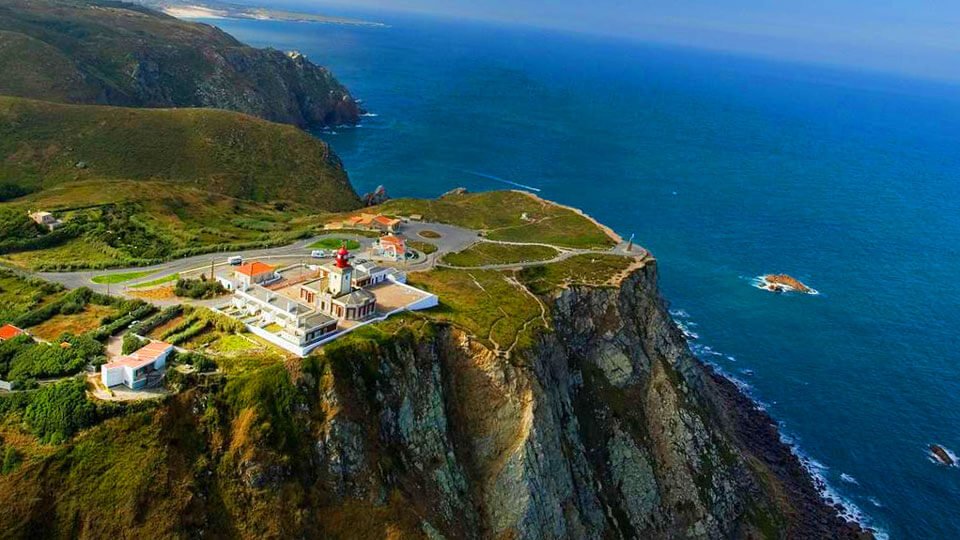
The cape’s summit, covered with small hills, rises about 140 meters above the ocean. Its western coast features small sandy beaches interspersed with protruding low, partially destroyed rocks. Due to cracks in the pink granite filled with dark magma, the rocks appear striped, making them very picturesque. There is almost always wind here, sometimes very strong.
Powerful waves have been crashing against the rocks for millennia, eroding the granite. The saying “water wears away stone” comes to mind, as even granite is powerless against water. The surrounding area is rich in diverse flora. The cape itself is covered with hardy succulents with fleshy leaves and bright yellow and red flowers. This creeping plant, introduced from South Africa and known as the edible carpobrotus, has become a scourge for local farmers and their fields.
The plant resembles purslane, which grows actively as a weed in our gardens. On the way to Roca lies the historic town of Sintra, once the residence of Portuguese kings and now a climatic resort. It has preserved architectural monuments reflecting Portugal’s history. There are also other interesting protected sites.
What to See
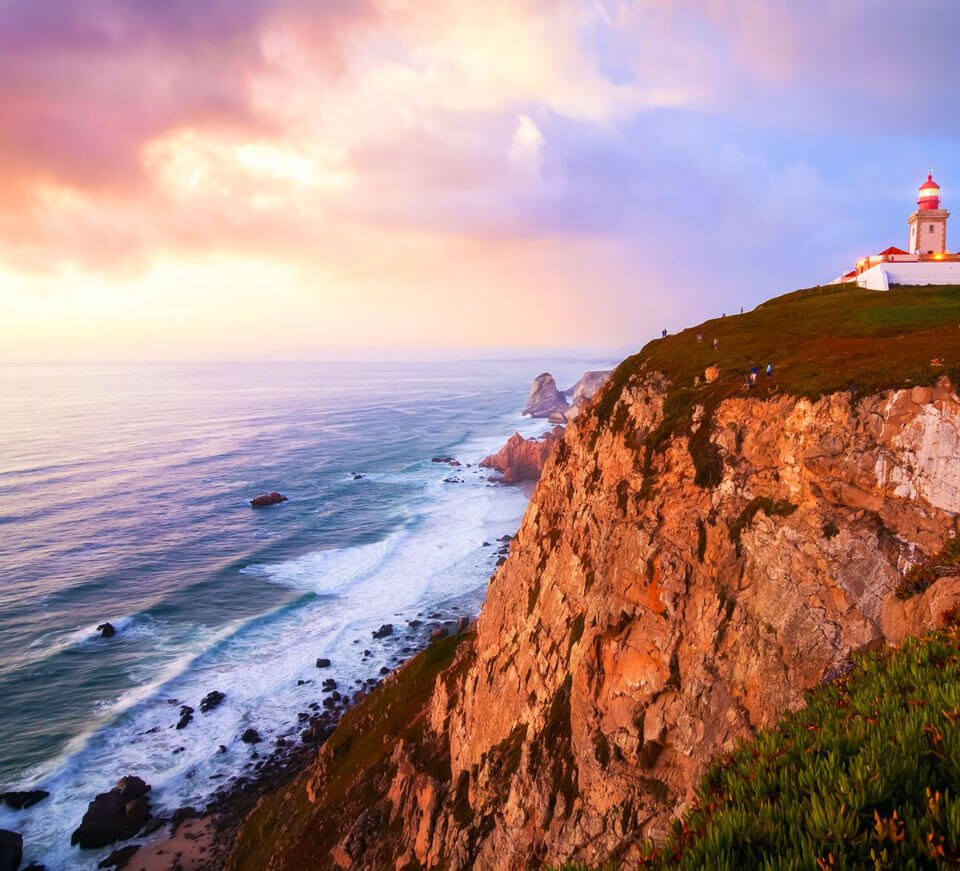
The main attraction of the area surrounding the cape is the otherworldly beauty of the landscapes, which are worth the trip. The yellow-red cliffs look especially stunning in the crimson sunset light, washed by the frothy lace of powerful ocean waves. Tourists usually head straight to the legendary lighthouse and its tower and the tourist center building. The stele topped with a cross also attracts attention. Besides the geographical coordinates, it bears a quote from the poet Camões: “Here, the land ends, and the sea begins.”
Stay on designated paths behind the barriers, especially in strong winds. The cliffs are unstable in places; avoid unmarked descents to the beaches. Tourists can stay at a local hotel if they wish to spend several days here. The restaurant offers delicious national seafood dishes. Ask at the visitor information center whether a commemorative certificate is available.
Tours
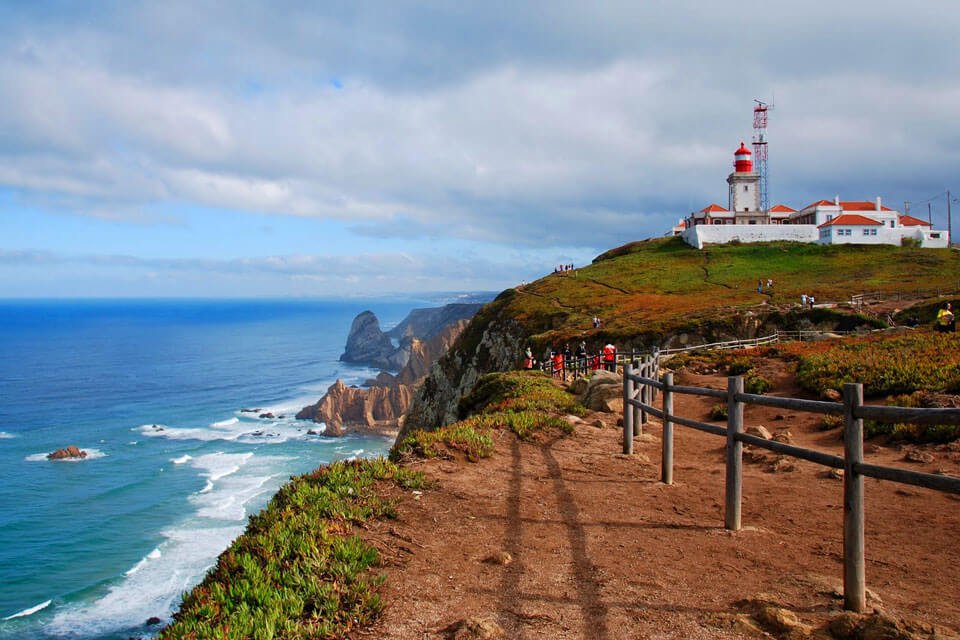
Given the growing tourist interest in this exotic place, the tourism industry offers various tour routes to Cape Roca through the Sintra-Cascais Natural Park. These tours provide the opportunity to see historical, architectural, and natural attractions. Group and individual tours introduce tourists to favorite spots of Portuguese kings, famous palaces and castles, beaches of the Lisbon Riviera, and the surrounding flora and fauna.
During a few hours (2-8), you can walk the old streets of Sintra, admire the unparalleled view of its palaces, visit the elite resort of Cascais, and see Cape Roca (Greater Lisbon in one day). A 5-hour tour “Sunset at Cape Roca” will allow you to see all the main attractions of Sintra, experience true Portuguese color, and enjoy the magnificent sunset at Cape Roca.
By participating in a 5-hour tour along the Atlantic coast, you can hear the powerful roar of waves in the “Devil’s Mouth” cave, walk over the sandy dunes of Guincho, and the cliffs of Bear Beach. All the tours offered in Lisbon to the legendary cape will leave unforgettable impressions.
Location and How to Get There

Cape Roca is the westernmost point of mainland Europe and the Sintra-Cascais Natural Park. The park is crossed by the mountain range of Serra de Sintra, stretching to Cabo da Roca (Cape Roca). The granite cliffs of these mountains form the unique cape. There are two ways to get from Lisbon to the cape: travel to Sintra by public transport and continue to the cape from there, or travel from Lisbon to Cascais and then take a bus to Cape Roca.
Through Sintra

The advantages of traveling through Sintra are obvious: this ancient city is famous for its royal palaces, which are worth seeing. Trains regularly run from Lisbon to Sintra from the Rossio railway station (the city’s historic center). In 2026, CP urban train travel using zapping costs €2 per journey. Check the current train fares; the onward bus requires a separate fare. Upon leaving the station, walk right to the bus stop, take bus No. 434 (circular route), and get off at the stop for the Pena Palace ticket office.
The adult Essential Visit ticket for Pena Palace is €20, while park-only entry is €12 and the round-trip palace shuttle supplement is €4.50 (2026). Book a timed palace visit and check the official ticket options before travelling. After admiring the exotic architecture, you can descend through the adjoining park to reach the Moorish Castle. Examining the remains of the castle’s walls, you can appreciate the enormous labor invested in the fortress.
Near the Moorish Castle is the Quinta da Regaleira estate with its elegant palace and picturesque park. Sculptures, unusual towers, and underground grottoes are all very interesting! Take bus No. 435 to the Monserrate Palace, built in the Indian style. The exotic sight will be worth the time spent. Then return to the station area and take Carris Metropolitana bus 1624. Check that your selected departure serves Cabo da Roca on the official timetable.
Through Cascais
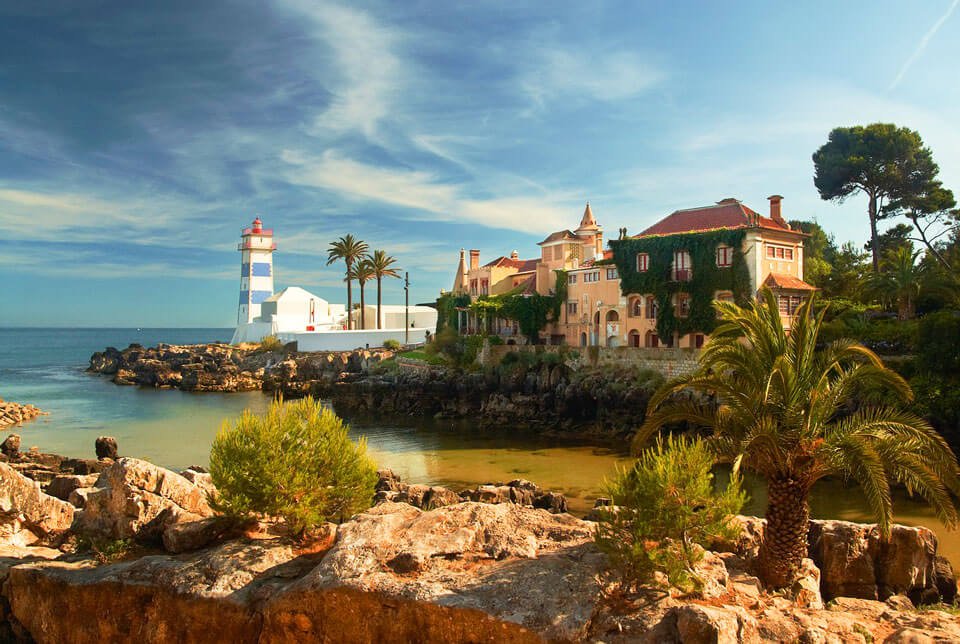
The route from Cascais to Cape Roca is shorter than from Sintra. Trains run from Lisbon to Cascais daily from the Cais do Sodré station. Check the current CP timetable for the first and last trains on your travel date. The former fishing village became a favorite royal resort in the 19th century, where the first railway and electricity appeared. Today, the city is a sought-after tourist destination with beautiful beaches, hotels, and restaurants.
The famous Guincho Beach is visited by hundreds of surfers from around the world. Many are interested in the Boca do Inferno cave, formed by the force of waves. The luxurious royal palaces are also worth seeing, especially the Palacio de Conde, now housing a museum with an extensive collection of archaeological and book rarities. A visit to the cozy Palmela Park, with its amazing landscape compositions, will be pleasant.
The oldest Church of the Assumption, miraculously preserved during the 1755 earthquake, is interesting with its exterior and interior. Its walls hold many valuable religious artifacts and a collection of paintings by local artist Obidos. After filling up on positive emotions, return to the train station, cross the street to the bus terminal (opposite), take Carris Metropolitana bus 1624 towards Sintra, checking that your particular departure stops at Cabo da Roca.
Cabo da Roca map and transport options
| Route | Best for | What to check |
|---|---|---|
| Rossio – Sintra – bus 1624 | Palaces and the cape | Timed palace entry and bus connections |
| Cais do Sodré – Cascais – bus 1624 | Coastal scenery and beaches | Bus departures serving the cape |
| Rental car or guided tour | Flexible stops and sunset | Parking, tour inclusions and return time |
For a one-day itinerary, visit Pena Palace or the historic center of Sintra in the morning, head to Cabo da Roca in the afternoon, and return via Cascais if the bus timetable allows. Alternatively, spend the morning in Cascais and stop at Boca do Inferno before visiting the cape.
Best Time to Visit
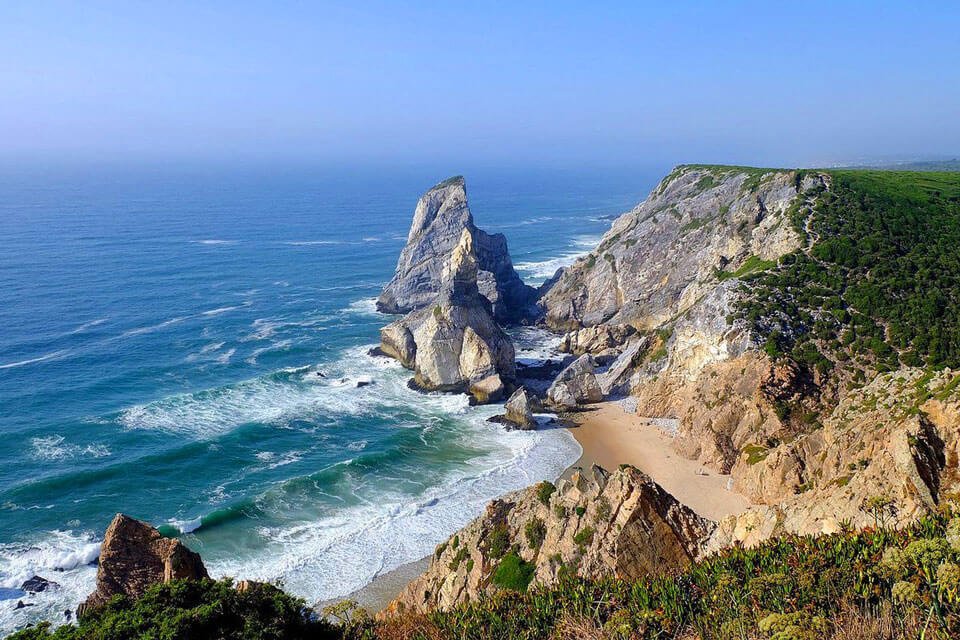
The weather at the westernmost point of mainland Europe is characterized by constant wind. It can be very strong and gusty or moderate. After sunset, the wind becomes piercingly cold. If you plan to stay at the cape until dark, be sure to bring a warm sweater and jacket to avoid shivering from the cold. Even during the hottest summer months, when Portugal suffocates from the heat, the exposed headland can feel much cooler than Lisbon.
The Atlantic remains cool even in summer, and fog can reduce visibility at the cape. Check beach conditions separately if you plan to swim. If visiting the cape is a must on your Portugal trip, it’s best to arrive during the pre-sunset hours. All tourists who have been here at sunset leave enthusiastic reviews. The sight of the fantastic beauty of the landscape makes it seem like the surroundings are otherworldly.
Where to Stay
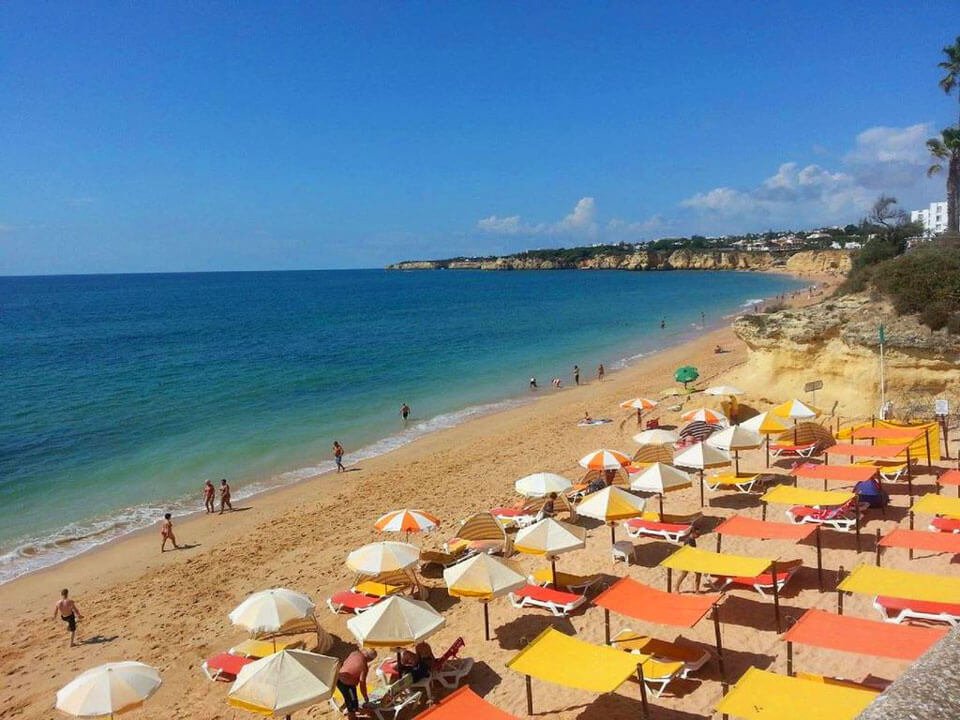
Planning to spend a few days on the edge of Europe? Numerous hotels provide comfortable stays in this unique place. Choosing hotels in Sintra will give you plenty of positive emotions from staying in this truly fairy-tale town. The modern Sintra Marmòris Palace complex is sure to impress.
The cozy, green garden surroundings, beautiful buildings, and maximum comfort will not disappoint. The guesthouse Sarrazola Garden is equally commendable, as guest reviews attest. A homely atmosphere, warm hospitality, and thoughtful amenities await you at the family complex Tivoli Palácio de Seteais 5*. Near Praia Grande Beach is Hotel Oceano, with panoramic windows offering views of the ocean’s sunrises and sunsets.
Best Surfing Spots in Portugal
Frequently asked questions about Cabo da Roca
Is Cabo da Roca free to visit? Yes, the public outdoor viewpoint is free. Transport, optional tours and souvenirs cost extra.
Can you visit Cabo da Roca without a car? Yes. Take a suburban train from Lisbon to Sintra or Cascais and change to bus 1624, checking the timetable for a stop at the cape.
How long should you spend at Cabo da Roca? Allow 45–90 minutes for the viewpoints, lighthouse exterior and photos.
Is sunset the best time to visit? Sunset can be spectacular in clear weather. Arrive early, bring warm clothing and confirm your return journey in advance.
Is Cabo da Roca suitable for children? Families can visit the main viewpoint, but children should stay close to adults and away from cliff edges.

Konstantin is an acclaimed travel writer, celebrated for transforming ordinary journeys into extraordinary narratives. With years of experience exploring diverse destinations across the globe, his work blends vivid storytelling, cultural insights, and practical advice to inspire wanderlust and guide readers toward unforgettable adventures.
As a key contributor to enjoythetrip.org website, Konstantin has built a loyal readership through their expertise in uncovering both iconic landmarks and off-the-beaten-path treasures. He specializes in providing travelers with honest, actionable tips, whether it’s finding the best resorts in Maldives, exploring cultural hubs like Paris, or diving into the natural wonders of Croatia.