
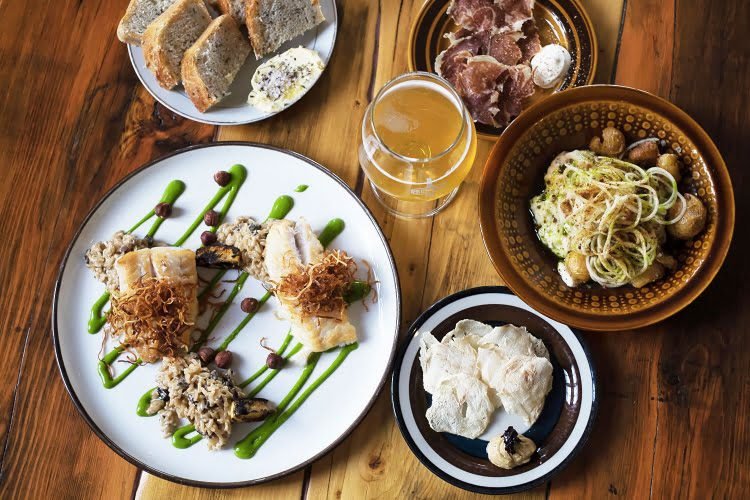
Icelandic food is simple, hearty and shaped by the sea: from creamy skyr and volcanic rúgbrauð to kleinur, lamb dishes and the famous Reykjavík hot dog, here is what to try on your trip.
Fresh air awakens the appetite, doesn’t it? This means that in Iceland, a country that is maximally clean and eco-friendly, you will always feel hungry. The magnificent natural views alone already cause abundant salivation. We will worsen the situation by telling you what Icelandic cuisine is worth trying during your trip, an idea we have already shared.
Skyr
Let’s start with something not only delicious but also healthy. After trying Icelandic skyr, you will be ready to reconsider your breakfast menu, much to your stomach’s delight. So what culinary wonder deserves such compliments?
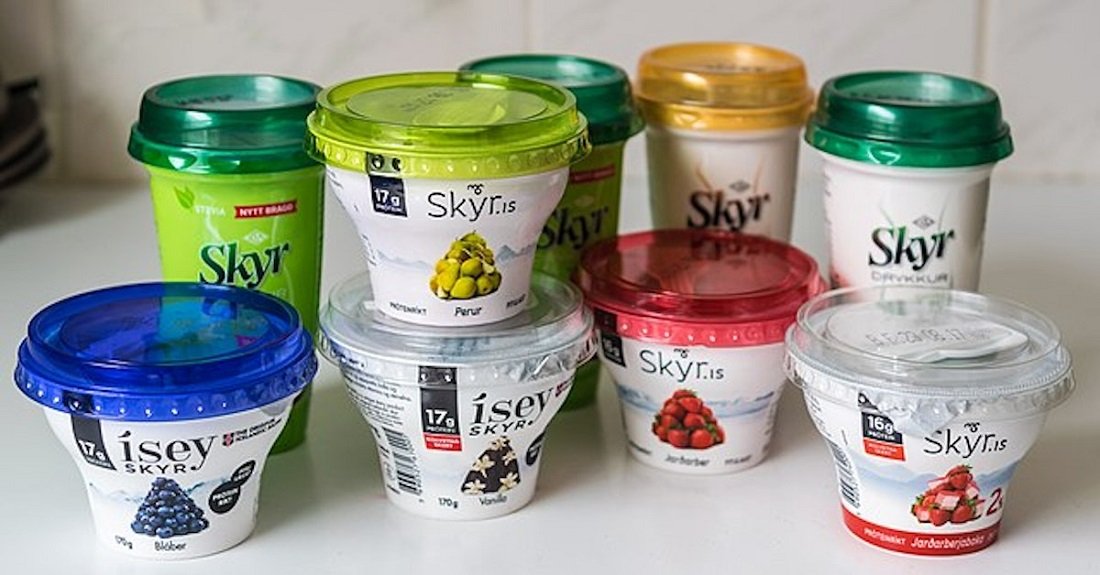
Skyr is Icelandic yogurt, although technically, it is a soft cheese. This fermented milk product is similar to its Greek counterpart, but the Icelandic version has a much milder and more pleasant taste. Moreover, traditional skyr is very low in fat.
Having been an integral part of Icelandic cuisine for over a thousand years, skyr has gathered around it hundreds of recipes. It is eaten plain, mixed with milk, berries, and cereals, and added to ice cream and pies. Common dishes based on Icelandic yogurt include hræringur (“mixed”), a blend of yogurt and porridge in equal proportions, and skyrkaka, a local cheesecake based on skyr.
Volcanic Bread (Rúgbrauð)
Another product with the “eco” prefix. Although in Iceland, it’s hard to find anything without this prefix. The locals not only cherish their nature but actively involve it in “socially useful labor.”
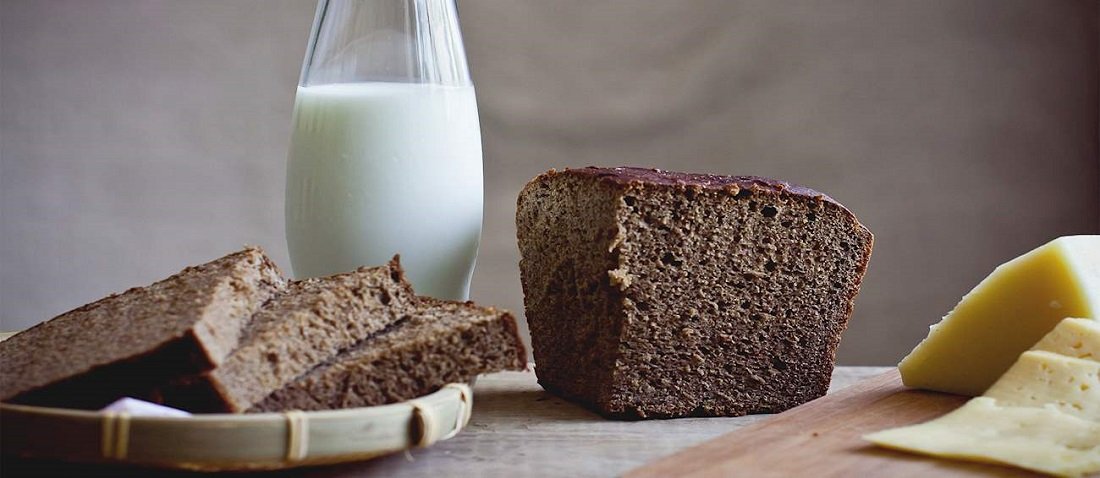
Geothermal energy on the island not only heats Icelandic homes but also cooks food for the islanders. In some places in this northern country, bread is still baked in natural ovens… in the ground. To do this, the baking mass is placed in a container, a hole is dug in the ground next to a hot spring, and the dough is left there for a day. Demanding Icelanders remind that a small mound should be built over the baking bread. Whether this is part of the baking technology or a precautionary measure to prevent the loss of baked goods in the bare field is unclear.
Thanks to the underground heat, volcanic bread has a soft, spongy texture and is similar to a biscuit. The number of bakers who use this baking method is decreasing, so hurry to try it!
Kleinur
We continue our search for the sweet life. The next stop is kleinur. This pastry, known by many names among the Scandinavian peoples, is essentially similar to our sweet fritters or dried doughnuts.
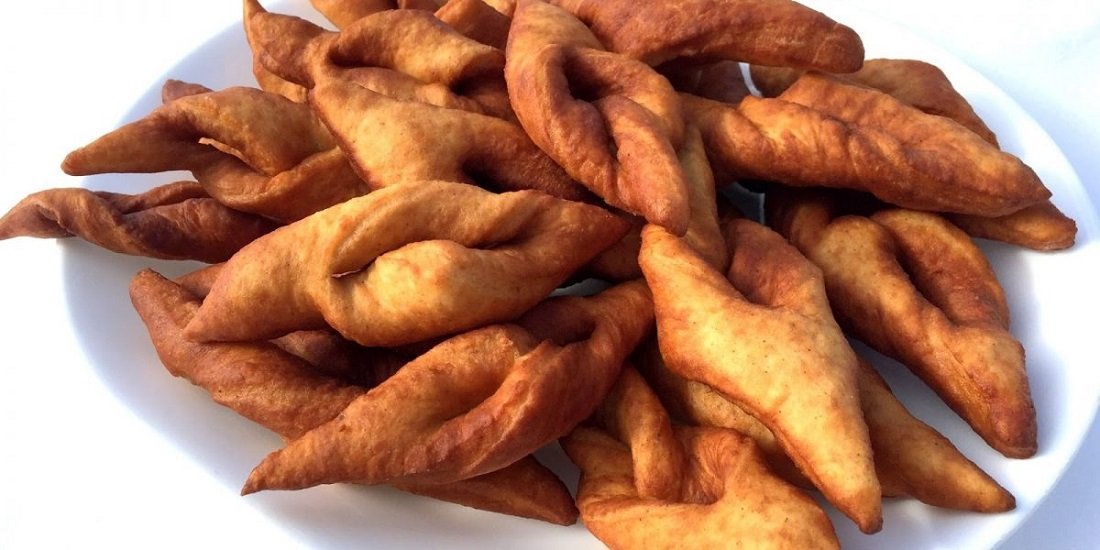
On the one hand, there is nothing surprising about kleinur. You can indeed make it at home: flour, egg yolks, margarine, sugar—it’s a simple recipe. But Icelanders added a national touch to this Scandinavian-style pastry: they sometimes add cinnamon, cardamom, the strong Icelandic drink brennivín, or cognac to the dough.
By the way, you might try pieces of kleinur without even knowing it. Kleinur are also often served with coffee or hot chocolate at cafés along the “Golden Circle of Iceland”, for example near the volcanic crater lake Kerið (entry about 700 ISK). This hot treat can brighten up any bad weather on the island.
Gellur
It’s time to pay tribute to Icelanders’ main provider, the sea. Unsurprisingly, their cuisine is rich in seafood dishes. Fish will surely be on the menu of most establishments. Many will not surprise you. Yes, cod, haddock, salmon, and herring here will be prepared differently. But not so much that you would ignore much more curious dishes for them. One such dish is gellur, or “cod tongues.”
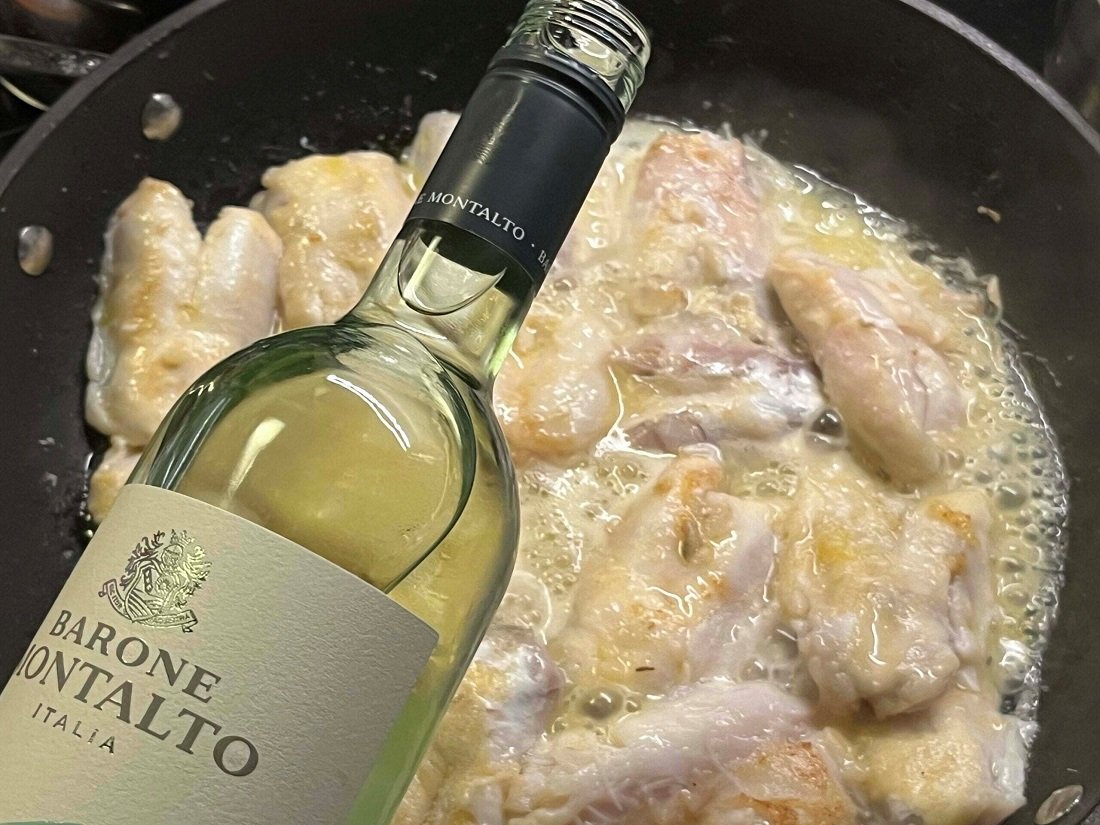
Strictly speaking, it’s not the tongues themselves but the muscles located under them. These have become a local delicacy. However, be careful when ordering: boiled “tongues” often served in Icelandic establishments are nothing special. To truly enjoy this dish, it should be baked in the oven with spices.
Sjávarréttasúpa
One of the best ideas born in Icelandic minds. In my opinion, the best use of marine resources. The soup with the hard-to-pronounce name sjávarréttasúpa will serve as your first course, main course, and dessert. It is that filling, delicious, and multifaceted.
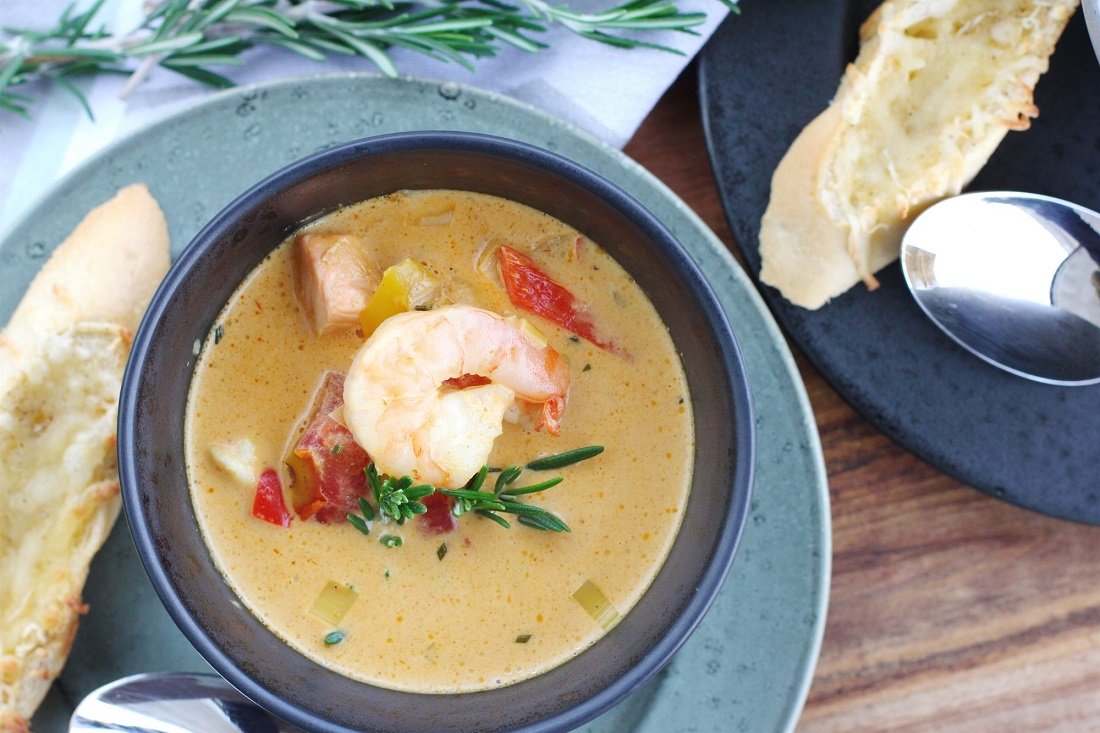
This dish includes shrimp, langoustines, mussels, fresh fish, spices, and onions. It’s all cooked in a creamy base. The king of northern soups is traditionally served with bread and butter.
Hot Dog
Yes, the ordinary fast food! What is it doing on our list, where even the dish names are hard to pronounce? The fact is that Icelanders know how to infuse even buns with sausages with soul and unique flavor.
Icelandic hot dogs have long become an urban legend. Their recipe indeed has a few unique positions. For example, sausages are made mostly from lamb, mixed with pork and beef. Ingredients always include fried onions in buttermilk and flour, and often, rémoulade sauce made from Dijon mustard and wine vinegar.

If you want to ensure satisfaction with local fast food, head to the Bæjarins Beztu Pylsur stand. It is Reykjavík’s most famous hot dog stand, found in the historic center by its smell and endless lines. If your “American dream” isn’t limited to hot dogs alone, check out our guides to the most interesting locations in the USA.
Lambalæri
The favorite and most common meat among Icelanders is lamb or mutton. The animals have adapted to the harsh island weather and chew tufts of grass on Iceland’s rocky fields. Every respectable Icelandic farmer keeps flocks of sheep that provide milk, wool, and, to be honest, meat.
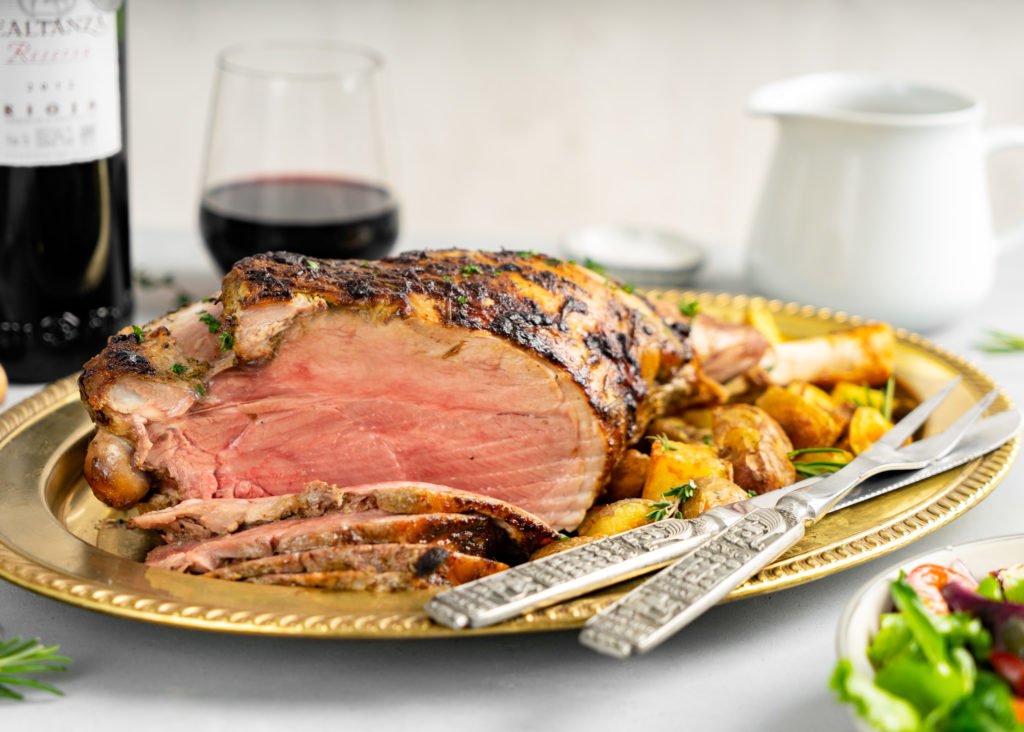
If you count yourself among the opponents of lamb, Iceland is the place to give it one last chance. Lamb dishes here do not have a specific smell and literally melt in your mouth. Among all these dishes, lambalæri is a truly royal treat. However, it’s simple in its recipe: a roast leg of lamb, usually served with potatoes and vegetables.
At the time of writing, a portion of lambalæri cost around 30-40 euros. If you’re not ready to spend that much on one portion, you can try lamb goulash sold in many cafes and eateries.
Hvalspik
Ordinary menu items are over; only dishes not for the faint-hearted remain. Let’s start with the traditional Icelandic snack hvalspik. Those who heard notes of “spik” (fat) in the name are entirely correct. It is raw whale fat or blubber.
This dish is consumed either in the Icelandic manner, soured (pickled) in whey, or the Greenlandic way, where pieces of whale fat are eaten raw according to Inuit customs. Greenlanders sometimes season it with soy sauce.
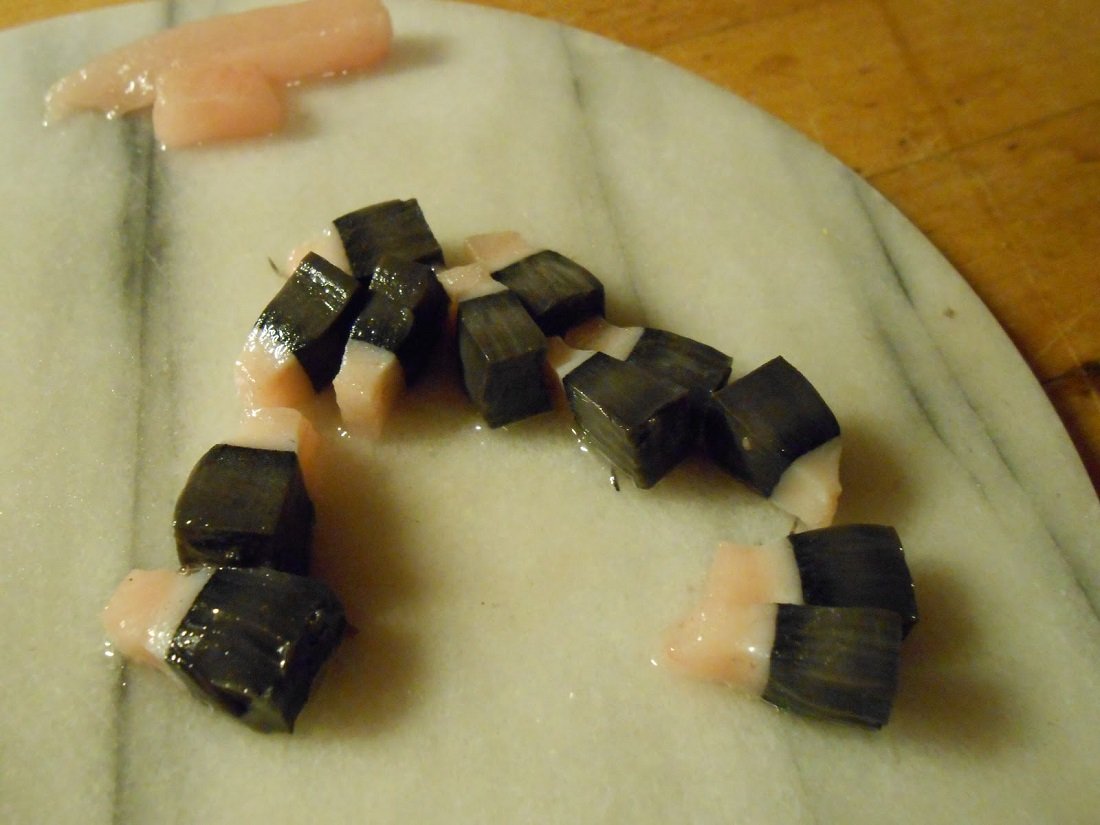
Today, it’s increasingly rare to encounter this dish in Iceland. Previously, during active whaling times, islanders approached the caught whale utilitarianly, trying to use all its parts. Now, few whales are caught, and the dish has almost fallen out of use. But that makes your experience even more unique. By the way, they say the taste is quite tolerable.
Hákarl
Locals joke that it could be used to scare naughty children. Its recipe will evoke anything but appetite. Its smell will embed itself deeper into your memory than images of Icelandic natural beauty. Nonetheless, it is eagerly sampled as the most unusual phenomenon of Icelandic cuisine. This wonder’s name is hákarl.
This product is essentially a relative of Swedish surströmming. But while Swedes tormented herring, Icelanders did the same to Greenland sharks. Not for delicacies, but because in harsh northern realities, you either turn up your nose and starve or eat what nature provides.
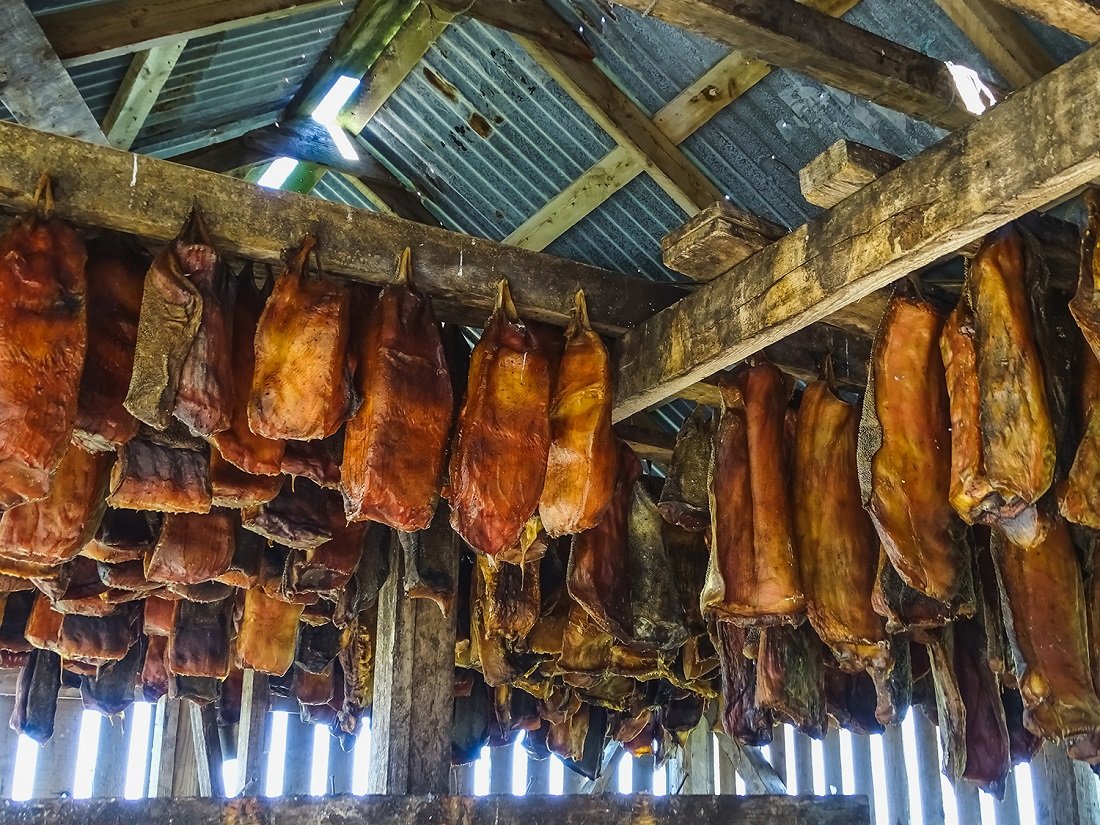
Fresh Greenland shark meat is toxic because it contains a lot of urea and trimethylamine oxide. But resourceful islanders found a way to save the product. Two negatives make a positive; you can’t spoil the inedible. So, they started burying shark meat in the ground for several months, pressing it with stones. This simple procedure helped remove urea from the shark. And also allowed the shark to thoroughly rot, sorry, ferment.
Eventually, the shark is exhumed and left to air-dry for several months. During this time, it airs out a bit. Then the carcass is cut into small cubes and served. Most often in January, during the gastronomic festival “Þorrablót.” Icelanders prefer to wash down the smelly dish with brennivín, and I suggest you do the same.
Slátur
Another embodiment of the principle “nothing goes to waste” is slátur—sheep offal, blood or liver mixed with suet and grain, cooked in a sheep’s stomach casing. The word “slátur” translates to slaughter. It comes in two types: blood, which fully lives up to its gruesome name (its recipe resembles our blood sausage), and liver, similar to local head cheese or liverwurst.
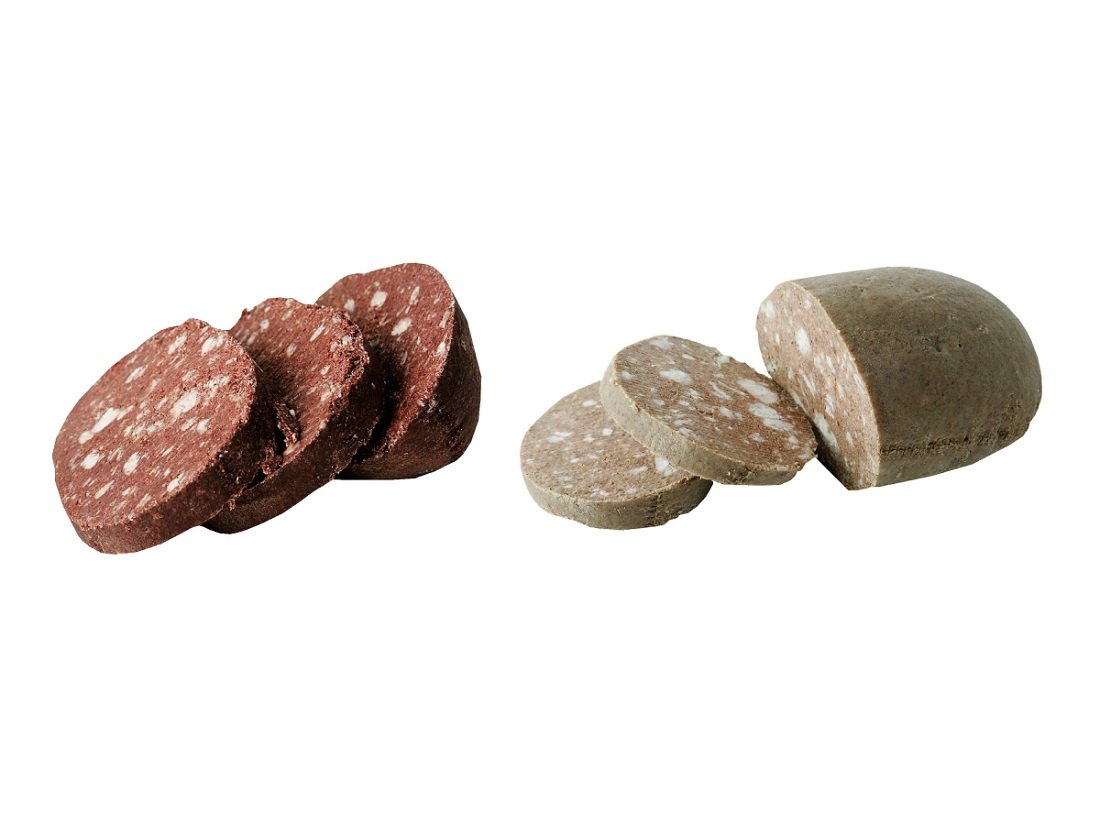
Interestingly, this terrifying dish is served with the most innocent side dish: sweet rice pudding. Sometimes the dish is also seasoned with sugar, cinnamon, and raisins.
Icelandic food at a glance
- Skyr – a thick, protein-rich dairy product eaten as a snack or dessert
- Rúgbrauð – dark rye bread traditionally baked in hot volcanic ground
- Kleinur – twisted fried pastries sold in bakeries
- Sjávarréttasúpa – seafood soup, a warming lunch option
- Hot dog from the stand in central Reykjavík
- Lambalæri – the classic Icelandic lamb dish
- Hákarl, hvalspik and slátur – traditional dishes for the adventurous
Note: prices in this article were collected when it was written and may have changed. Please confirm current prices on the official websites before your trip.
Icelandic food: frequently asked questions
What Icelandic food should I try first?
Start with skyr, rúgbrauð, kleinur and a Reykjavík hot dog – they are easy to find and loved by locals.
Is traditional Icelandic food hard to eat?
Some dishes, such as hákarl, have a very strong taste, but most Icelandic food – soups, lamb, bread and pastries – is mild and comforting.
Where can I try Icelandic food in Reykjavík?
Bakeries, local restaurants and the city-centre hot dog stand are the easiest places to taste Icelandic food.
Related guides on Enjoy The Trip: 10 Popular Destinations to Visit Only in the Off-Season, Solo Travel Destinations Europe: 5 Places to Love in 2026.

Konstantin is an acclaimed travel writer, celebrated for transforming ordinary journeys into extraordinary narratives. With years of experience exploring diverse destinations across the globe, his work blends vivid storytelling, cultural insights, and practical advice to inspire wanderlust and guide readers toward unforgettable adventures.
As a key contributor to enjoythetrip.org website, Konstantin has built a loyal readership through their expertise in uncovering both iconic landmarks and off-the-beaten-path treasures. He specializes in providing travelers with honest, actionable tips, whether it’s finding the best resorts in Maldives, exploring cultural hubs like Paris, or diving into the natural wonders of Croatia.