
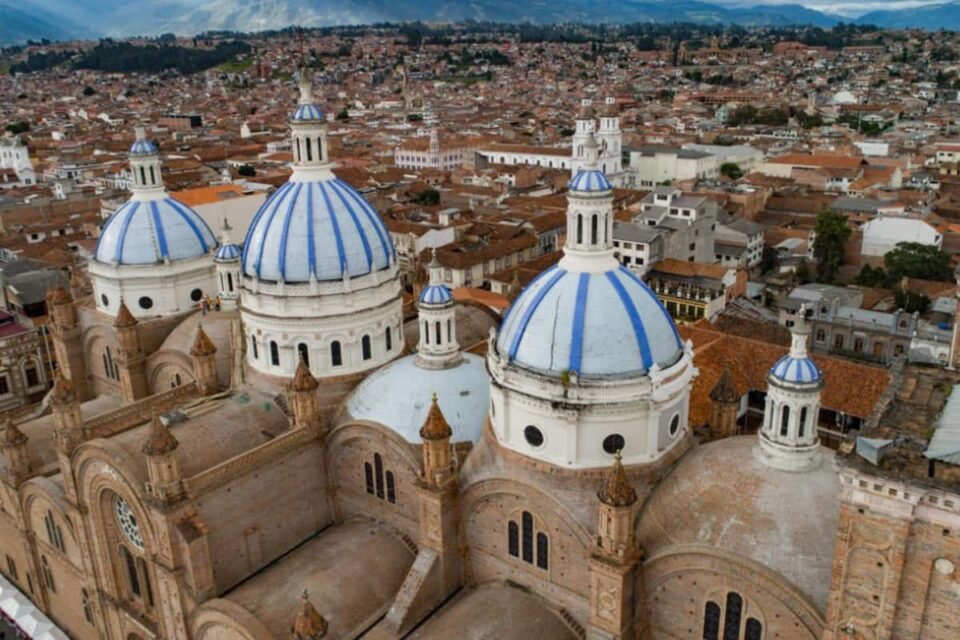
The ancient city in the Castilla-La Mancha region attracts visitors with UNESCO-listed attractions.
When it comes to traveling in Spain, Barcelona and Madrid are the first to come to mind. However, in the very heart of the country hides an ancient city that undeservedly remains in their shadow — Cuenca. As the publication The Olive Press writes, you can get here from Madrid by car in less than two hours.
Founded by the Moors in the mountains of the Castilla-La Mancha region, the city of Cuenca rises on a massive limestone rock above the confluence of two rivers — the Júcar and the Huécar.
Thanks to its unique architecture it holds the status of a UNESCO World Heritage site. Authentic defensive fortress walls, steep cobbled streets and the ruins of a medieval castle have been beautifully preserved here.
The city’s main calling card is its famous architectural monuments — the “hanging houses”, Casas Colgadas, which literally balance above the precipice of the Huécar gorge.
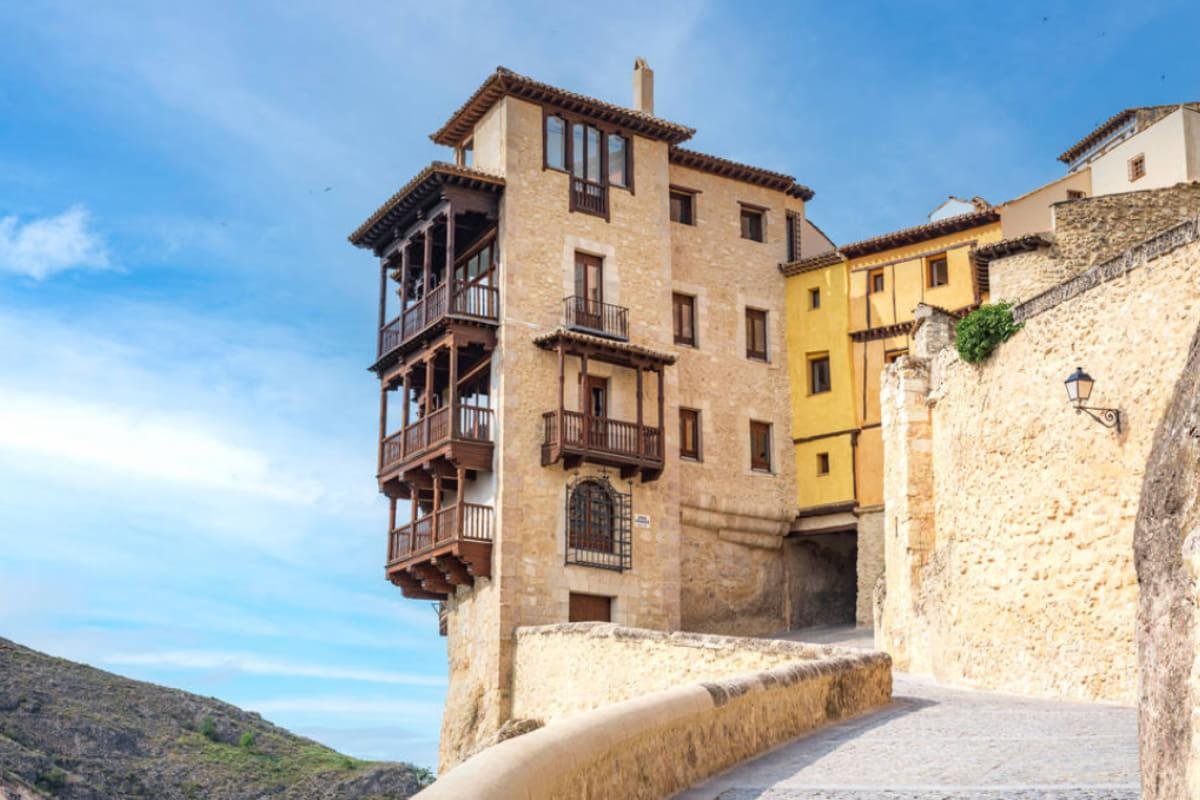
Three of them are open to tourists: in a historic building called the House of the Siren, a restaurant of the same name receives guests, and in the Royal Houses complex is located the Museum of Spanish Abstract Art, with works by the artists and sculptors Antoni Tàpies, Eduardo Chillida and Antonio Saura.
On the opposite side of the gorge rises the former medieval monastery of San Pablo, converted into a hotel which the publication calls one of the best locations for an overnight stay, especially in its evening illumination.
The climb along the picturesque winding streets leads to the heart of the historic center — the city’s main square, Plaza Mayor, where the arcaded town hall building and the ancient cathedral of the Virgin Mary and Saint Julian, dating from the end of the twelfth century, stand. It is precisely from this cathedral that the street leads to the hanging houses. Nearby you can see other untypical structures, in particular the medieval residential “skyscraper” houses in the San Martín quarter, built right on the slope of the precipice, or the underground pedestrian tunnel on King Alfonso the Eighth street.
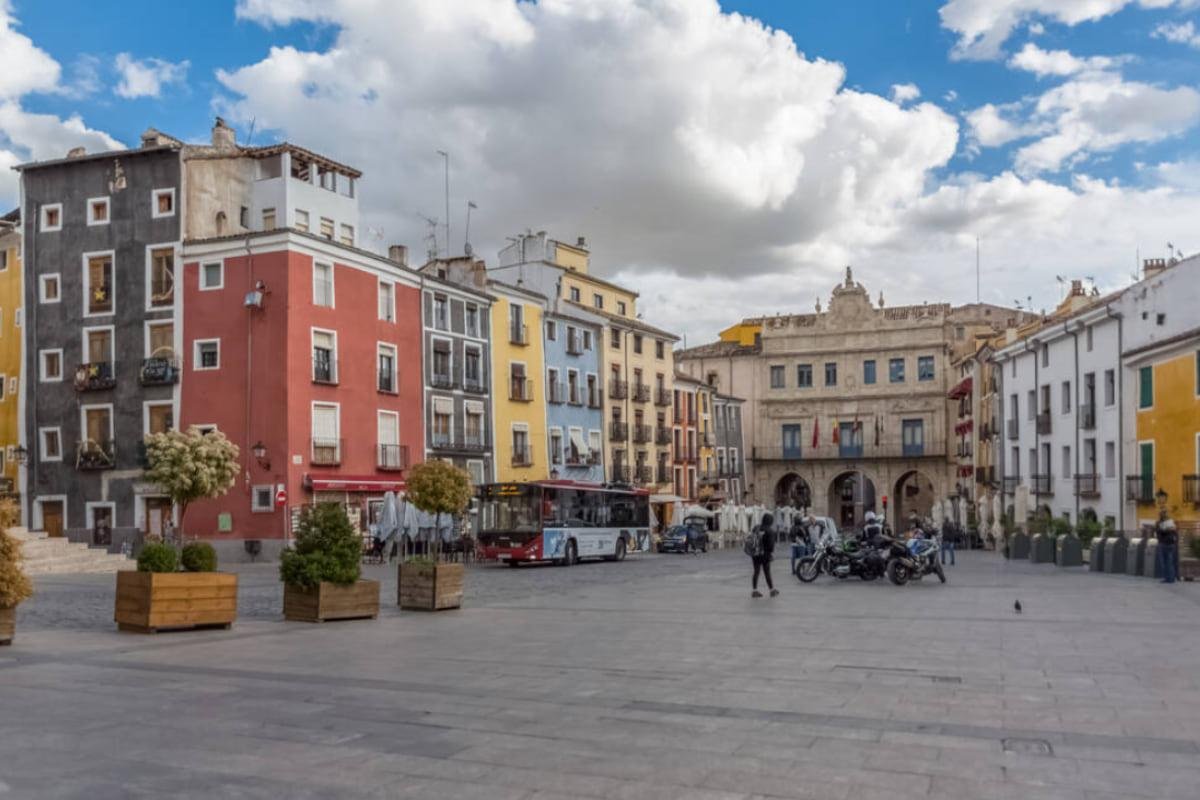
Besides its ancient history, Cuenca is known as a significant cultural center. Lovers of art and tradition can visit the Antonio Saura Foundation art gallery, the Antonio Pérez Foundation exhibition space, the city science museum, and also the Holy Week Museum of local history, devoted to the city’s main religious festival. Gastronomic life is in full swing both around Plaza Mayor and in the upper historic Castile quarter, where observation terraces over the canyon are open. Here there are traditional tavernas with flamenco dancers’ performances, signature-cuisine restaurants and even a cocktail bar set up on the ground floor of an old nobleman’s palace.
In summer you can rest here at the natural open-air bathing spot Los Ojos del Júcar on the Júcar river, climb the viewing mountain walking route to Cerro del Socorro hill, or drive to the “Enchanted City” natural geological park thirty kilometers from the city, where wind and water have carved astonishing figures resembling people and animals out of the limestone rocks.
Konstantin is an acclaimed travel writer, celebrated for transforming ordinary journeys into extraordinary narratives. With years of experience exploring diverse destinations across the globe, his work blends vivid storytelling, cultural insights, and practical advice to inspire wanderlust and guide readers toward unforgettable adventures.
As a key contributor to enjoythetrip.org website, Konstantin has built a loyal readership through their expertise in uncovering both iconic landmarks and off-the-beaten-path treasures. He specializes in providing travelers with honest, actionable tips, whether it’s finding the best resorts in Maldives, exploring cultural hubs like Paris, or diving into the natural wonders of Croatia.