
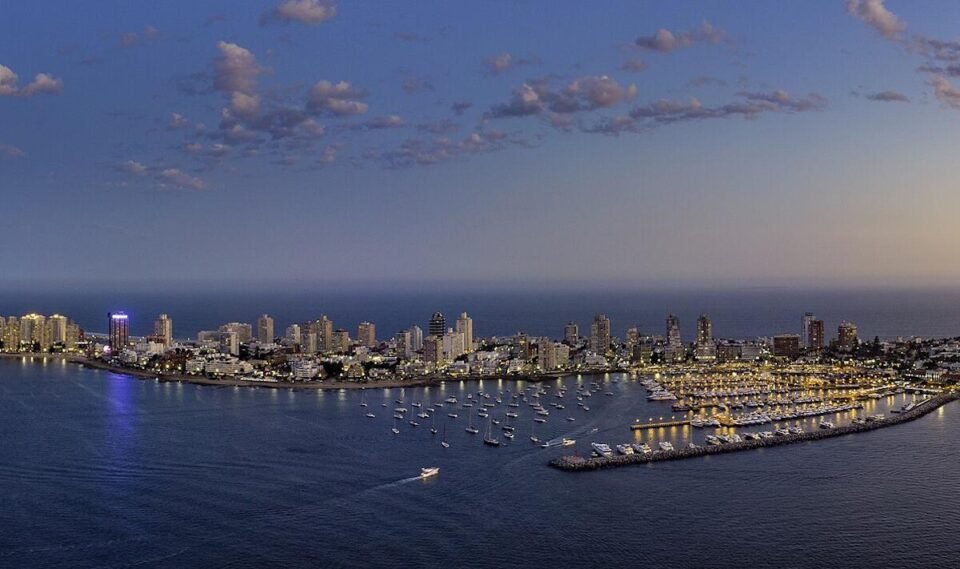
Uruguay is a small South American country between Argentina and Brazil, with Atlantic beaches, historic towns, a distinctive food culture and a relaxed pace of travel. It is an appealing choice for travellers who want to explore a compact destination. This guide covers three beautiful places to visit in Uruguay, an itinerary and up-to-date travel safety information.
Is Uruguay safe to visit?
Uruguay is often included among the more politically stable destinations in Latin America, and the original article cited a Global Citizen Solutions ranking. Safety rankings use different criteria and do not guarantee individual safety. As of November 2026, the U.S. State Department lists Uruguay at Level 2, advising increased caution because of crime. Canada’s travel advice recommends normal precautions for Uruguay overall and greater caution in Montevideo.
Street theft and robbery can occur, including in tourist areas. Keep phones and valuables secure, avoid isolated places at night, use reliable transport and check your own government’s current travel advisory before departure. Consider travel insurance and keep copies of your travel documents.
3 beautiful places to visit in Uruguay
| Destination | Highlights | Suggested stay |
|---|---|---|
| Montevideo | Capital, culture and waterfront | 2–3 days |
| Punta del Este | Atlantic beaches and seaside culture | 2 days |
| Colonia del Sacramento | UNESCO-listed historic quarter | 1–2 days |
1. Montevideo
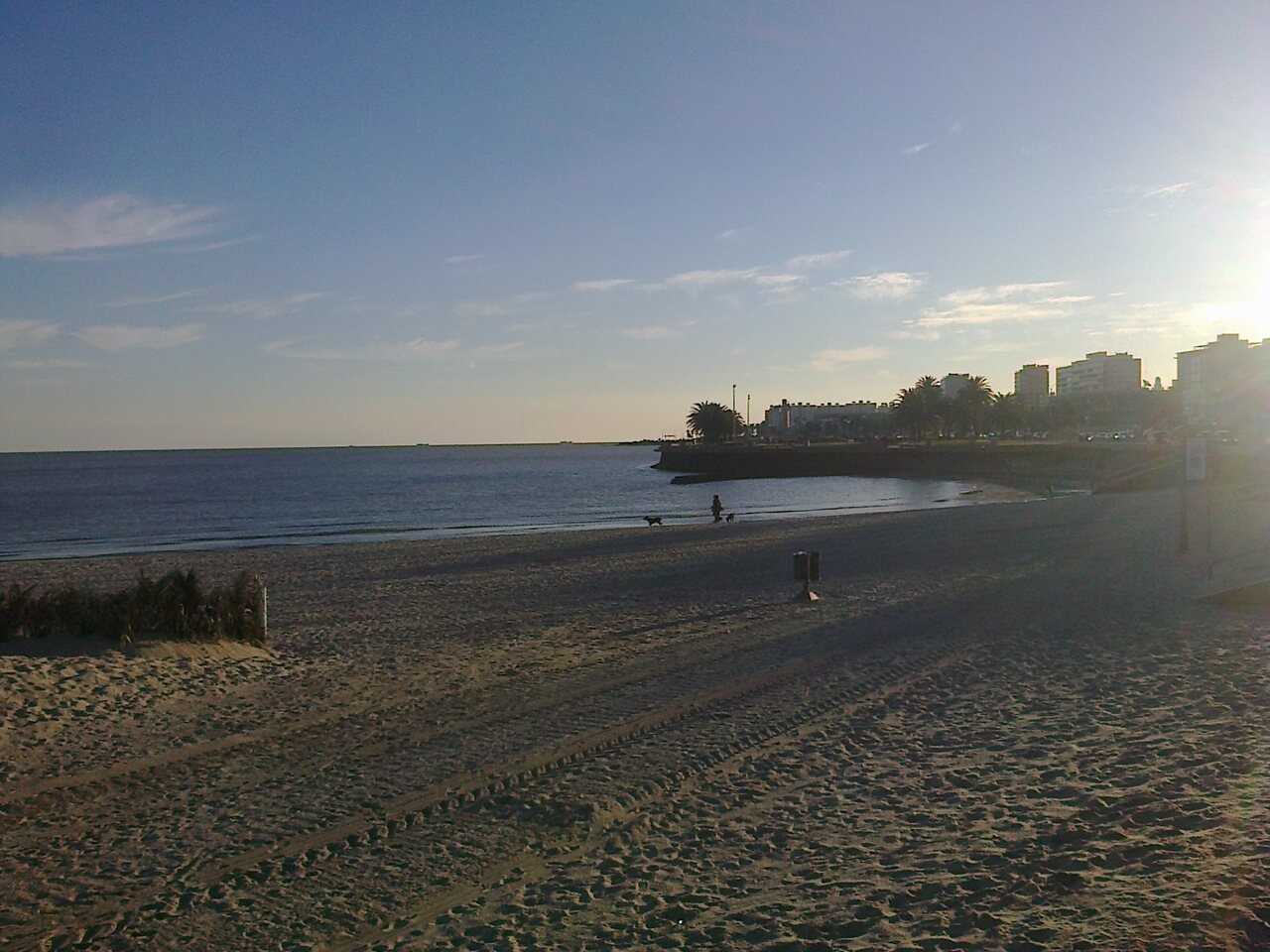
Uruguay’s capital sits on the northern shore of the Río de la Plata. Begin at Plaza Independencia, framed by the Palacio Salvo and the gateway to Ciudad Vieja. Wander around the historic streets during the day, visit the Solís Theatre area and explore Mercado del Puerto, a historic market with restaurants serving traditional grilled meats. The city’s museums and architecture offer an introduction to Uruguayan history and culture.
Things to do: The long Rambla promenade follows the waterfront and connects neighbourhoods, parks and beaches. Pocitos offers a lively residential setting and a popular urban beach, while Parque Rodó is pleasant for daytime recreation. Try a traditional chivito sandwich, asado or a café serving local pastries. If you are interested in football, consider a visit to the historic Estadio Centenario museum when open.
Where to stay and practical advice: Pocitos and Punta Carretas have accommodation near the waterfront and restaurants. Use reliable taxis or booked transport after dark and keep valuables discreet, including in central tourist areas. Allow at least two days to explore the capital.
Suggested stay: 2–3 days. Open map · Guided tours and activities.
2. Punta del Este
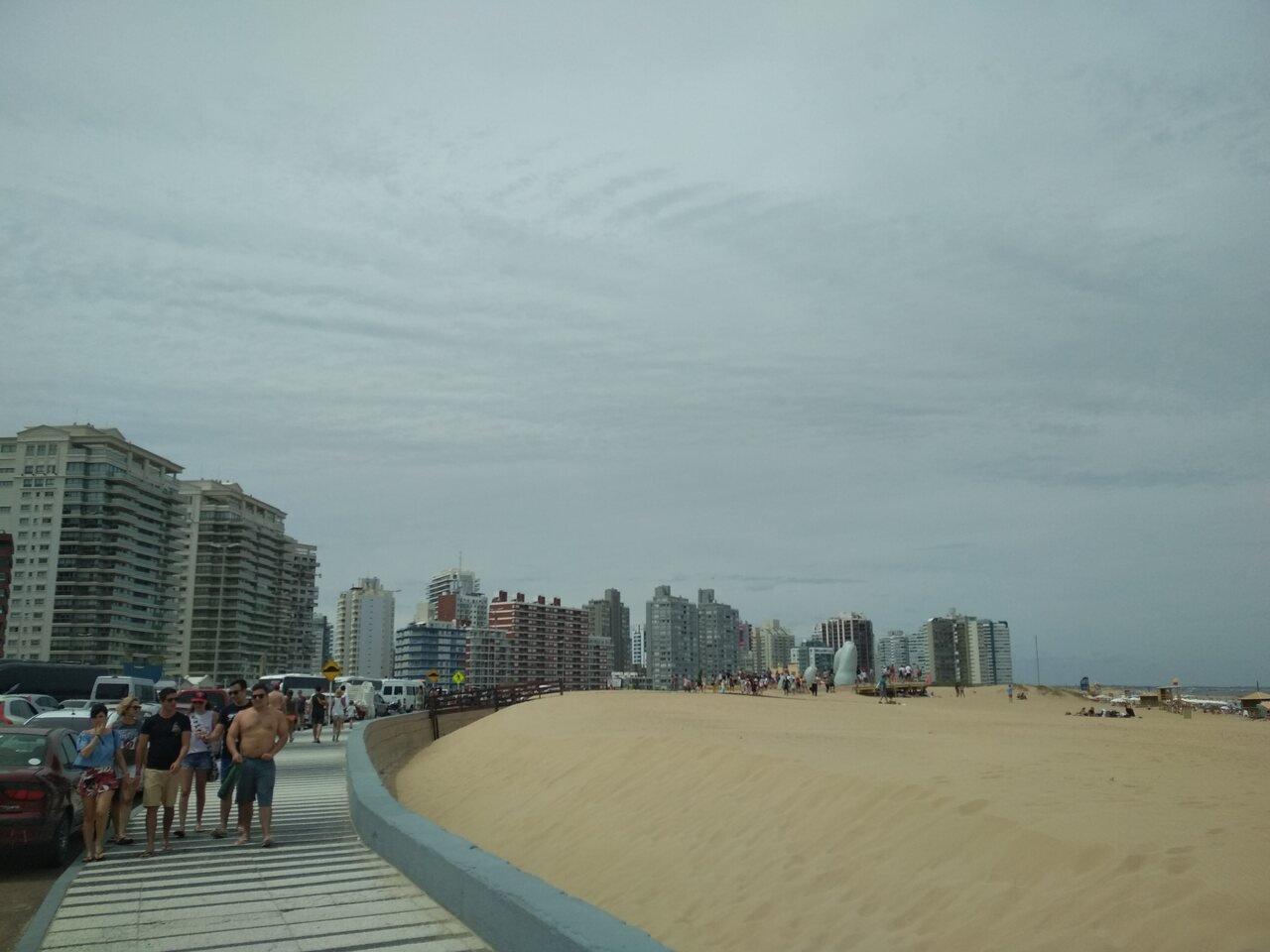
Punta del Este occupies a peninsula where the Río de la Plata meets the Atlantic. Playa Mansa faces the more sheltered side, while Playa Brava is exposed to ocean waves and is famous for the large sculpture of fingers emerging from the sand, commonly called La Mano. Walk along the peninsula, visit the marina and look for sea lions around the harbour from a respectful distance.
Things to do: West of the resort, Punta Ballena is home to Casapueblo, the distinctive white building created by Uruguayan artist Carlos Páez Vilaró. It houses a museum and gallery and is a popular sunset destination. You can also explore the nearby town of Maldonado and its historic landmarks.
Where to stay and practical advice: Summer, particularly January, is the busiest and often most expensive period. Choose a hotel near Playa Mansa for calmer swimming conditions or the peninsula for access to shops and restaurants. Check lifeguard flags, especially on Atlantic beaches. Arrange local transport for Casapueblo.
Suggested stay: 2 days. Open map · Guided tours and activities.
3. Colonia del Sacramento
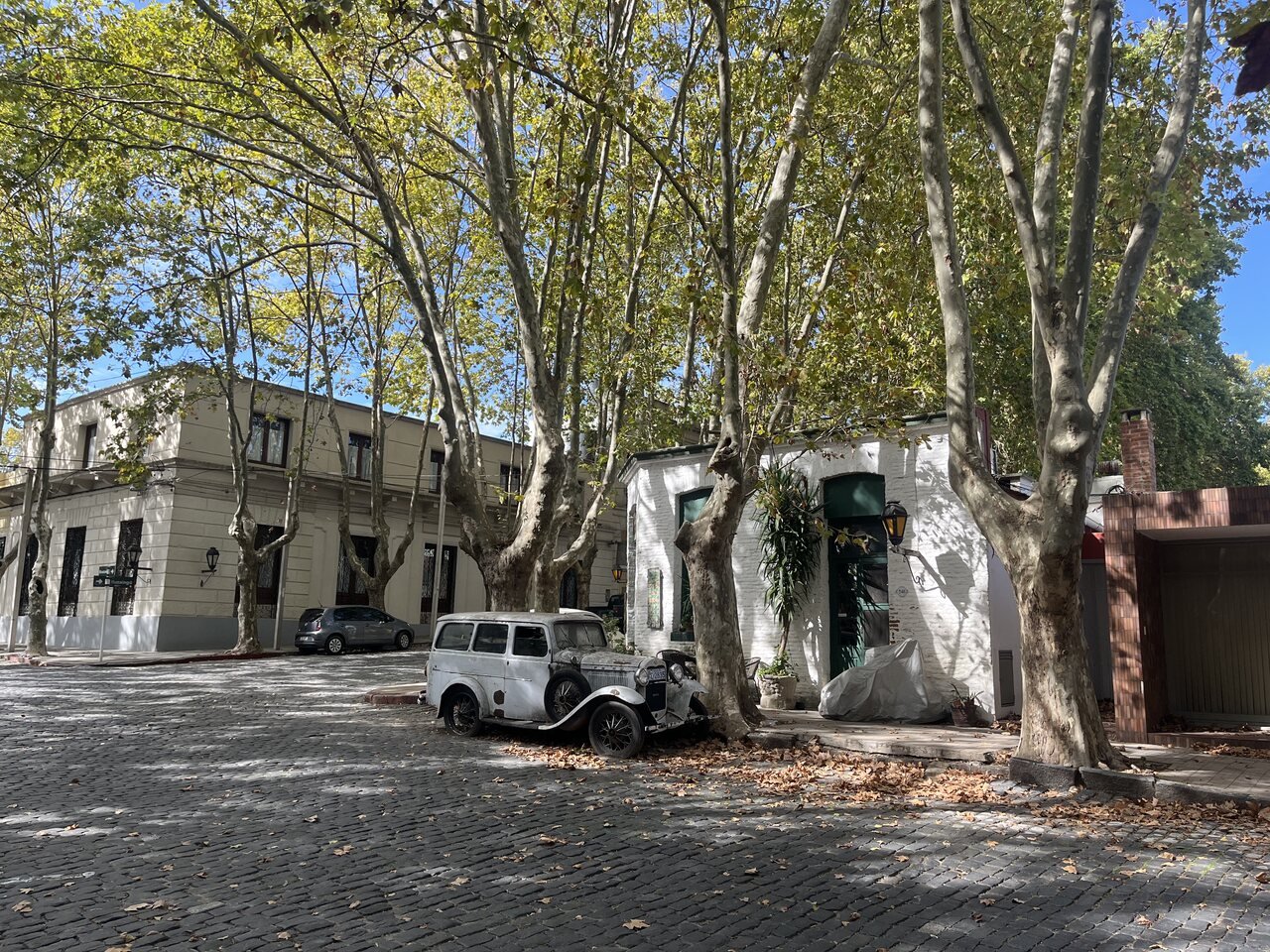
Colonia del Sacramento is a charming riverside city founded by the Portuguese in 1680. Its historic quarter is a UNESCO World Heritage Site, recognised for the distinctive blend of Portuguese and Spanish influences. Explore the old gateway, stone-paved Calle de los Suspiros, Plaza Mayor and colonial houses on a leisurely walking route.
Things to do: The lighthouse offers views over the old town and river when it is open to visitors. Small museums, art shops and cafés are scattered through the historic quarter, and the waterfront is particularly attractive around sunset. The compact centre makes it possible to enjoy many highlights without a car.
Where to stay and practical advice: Colonia can be reached by coach from Montevideo or ferry from Buenos Aires. An overnight stay lets you explore after day visitors leave. Reserve ferry tickets and check passport and entry requirements if crossing the river from Argentina.
Suggested stay: 1–2 days. Open map · Guided tours and activities.
Map of Uruguay attractions
Open individual maps for Montevideo, Punta del Este, Colonia del Sacramento.
A seven-day Uruguay itinerary
Days 1–3: Montevideo: explore Ciudad Vieja, the Rambla, markets and museums.
Days 4–5: Punta del Este: visit the beaches, marina and Casapueblo at Punta Ballena.
Days 6–7: Colonia del Sacramento: walk through the historic quarter, see the lighthouse and enjoy the waterfront. Return to Montevideo or take a ferry to Buenos Aires if your onward plans allow.
Best time to visit Uruguay
December to February is summer in Uruguay and a popular period for coastal holidays. January is particularly busy in resorts such as Punta del Este. March and April can be attractive for milder temperatures and fewer visitors, while spring from September to November is another option for cultural sightseeing. Winter is cooler and windier along the coast.
Getting there and around
Carrasco International Airport serves Montevideo. Coaches connect the capital with Colonia, Punta del Este and other major towns. Ferries connect Buenos Aires with Uruguay, including Colonia; confirm the timetable and border requirements before booking. A rental car can be useful for rural destinations, but the three main cities are accessible by public transport.
Where to stay in Uruguay
For a first visit, split your time between Montevideo, Punta del Este and Colonia. The capital has city hotels, apartments and waterfront accommodation, Punta del Este has beach resorts and smaller hotels, and Colonia offers historic guesthouses. Compare hotels on Trip.com and Uruguay tours on GetYourGuide.
Weighing Uruguay against other long-haul trips? See why Costa Rica is ideal for travelers over 50 and seven new wonders of the world to visit in 2026. Official planning starts at Uruguay Natural.
Frequently asked questions
Is Uruguay safe for tourists?
Uruguay is a popular travel destination, but theft and robbery can occur. Check current official advice and take appropriate precautions, especially in Montevideo.
Which cities should I visit in Uruguay?
Montevideo, Punta del Este and Colonia del Sacramento combine urban culture, beaches and historic architecture.
How many days do I need in Uruguay?
Seven days is a practical starting point for the three cities. Allow longer for inland towns and the Atlantic coast.
Can I visit Uruguay from Buenos Aires?
Yes. Ferries cross the Río de la Plata from Buenos Aires to Colonia and other Uruguayan destinations. Check schedules and entry requirements.

Konstantin is an acclaimed travel writer, celebrated for transforming ordinary journeys into extraordinary narratives. With years of experience exploring diverse destinations across the globe, his work blends vivid storytelling, cultural insights, and practical advice to inspire wanderlust and guide readers toward unforgettable adventures.
As a key contributor to enjoythetrip.org website, Konstantin has built a loyal readership through their expertise in uncovering both iconic landmarks and off-the-beaten-path treasures. He specializes in providing travelers with honest, actionable tips, whether it’s finding the best resorts in Maldives, exploring cultural hubs like Paris, or diving into the natural wonders of Croatia.