

Stavanger, Norway, is one of Scandinavia’s most attractive coastal cities and the gateway to the spectacular Lysefjord. For example, explore white wooden houses and the Norwegian Petroleum Museum. Afterwards, take a boat trip past towering cliffs or stroll along the harbour. For active visitors, the famous Preikestolen and Kjerag hikes are close enough for a day trip. This guide covers nine of the best things to do in Stavanger, with maps, ticket prices, transport and a suggested itinerary.
Best things to do in Stavanger at a glance
| Attraction | Time to allow | Cost / access |
|---|---|---|
| Gamle Stavanger (Old Town) | 1 hour | Free |
| Øvre Holmegate | 30–60 min | Free |
| Stavanger Cathedral | 30–45 min | NOK 75 |
| Norwegian Petroleum Museum | 1.5–2 hours | NOK 180 adult |
| Swords in Rock | 30–45 min | Free |
| Lysefjord cruise | 3–3.5 hours | NOK 890 adult |
| Preikestolen | 4–5 hours hiking | Free trail; transport/parking extra |
| Kjerag | 6–10 hours hiking | Free trail; transport/parking extra |
| Flørli stairs | 4 hours hiking + ferry | Free trail; ferry extra |
Ticket figures are published rates checked in November 2026. Cruise, transport and parking prices may vary. Allow extra time for journeys to the hiking trails.
Map of Stavanger and Lysefjord attractions
Use the map links under each attraction for directions to the site or starting point. The city centre is easy to explore on foot. Fjord trips and mountain hikes need more planning.
Stavanger history and general information

Stavanger lies in southwestern Norway, on the coast of Rogaland. This busy harbour city has long depended on the sea. In the 16th century, it was a centre for fishing and herring trade. Later, in the 19th century, canneries producing smoked sardines brought new growth. Even today, the wooden houses and old wharves tell the story of those years.

The discovery of oil on the Norwegian continental shelf in 1969 changed the city’s economy. Today, Stavanger is a major hub for Norway’s offshore energy industry. However, it is also a cultural destination and a convenient base for exploring the fjords of western Norway.
1. Gamle Stavanger – the historic Old Town
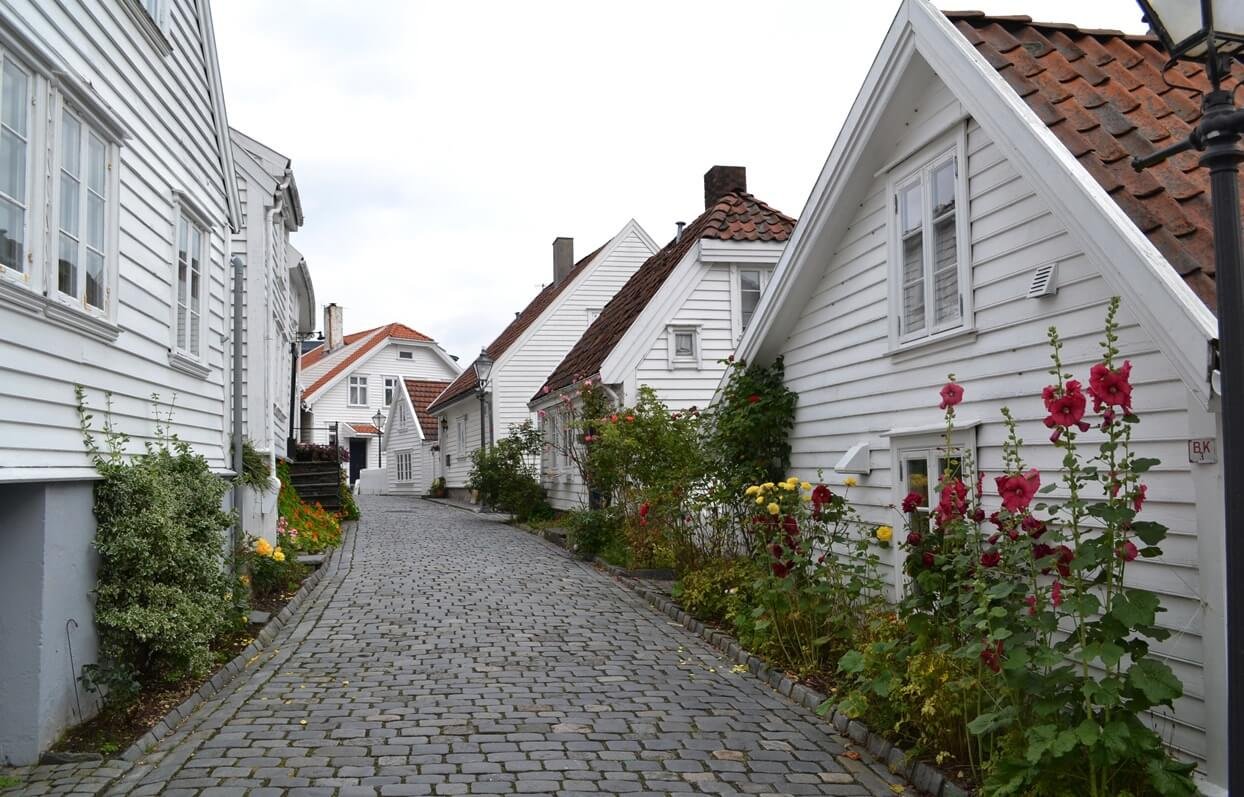
On the west side of the harbour, Gamle Stavanger preserves 173 wooden buildings. In fact, most of the small houses date from the 18th and 19th centuries. White walls, narrow cobbled streets and flowers make this one of the most photogenic parts of Stavanger. However, people still live here, so respect their privacy as you walk.
Begin near the waterfront and follow Øvre Strandgate uphill. Along the way, stop at small galleries, craft shops and cafés. In addition, the IDDIS museum tells the story of the canning and printing industries that once shaped local life.
Old Town access: Free outdoor area; allow 45–60 minutes. Google Maps | Visitor information.
2. Øvre Holmegate (Fargegata) and the harbour
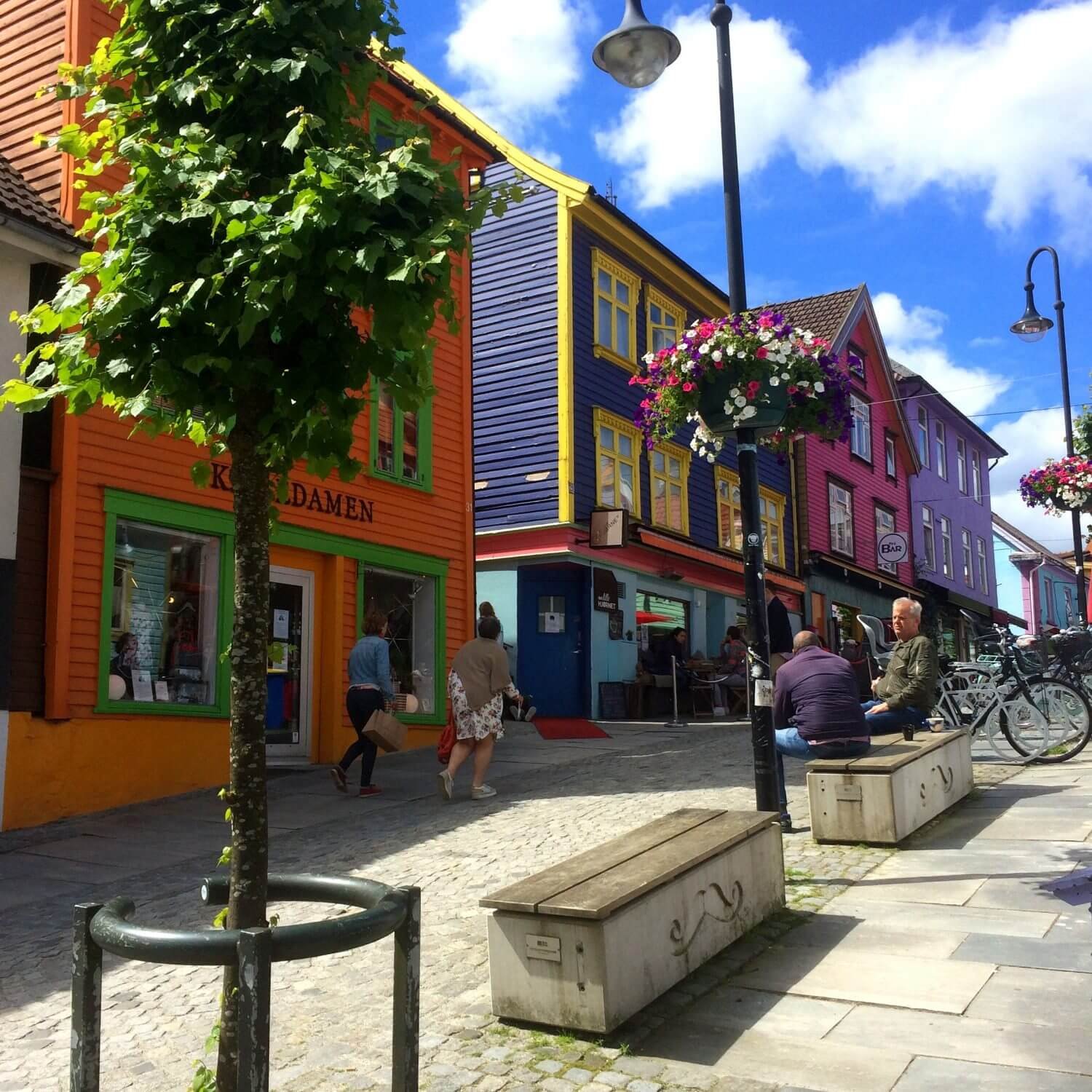
Just across Vågen harbour stands Øvre Holmegate, a pedestrian street painted in bright colours. In 2005, it became a car-free area, and today its cafés, independent shops and bars attract visitors throughout the day. For example, stop for a coffee if the weather turns rainy.
Afterwards, wander past the old wharf houses along the eastern side of the harbour. This is also a useful area to find restaurants serving local seafood. For quiet streets, come early. Alternatively, visit later when the cafés are busy.
Street access: Free; allow 30–60 minutes. Google Maps | Street guide.
3. Stavanger Cathedral and Breiavatnet

Stavanger Cathedral, known locally as Domkirken, dates back to around 1125. The church is an impressive example of medieval Norwegian architecture, with a Romanesque nave and Gothic additions. Inside, look for carved stone and high windows. These show how the church changed over time.

Near the entrance stands a monument to Norwegian writer Alexander Kielland. Afterwards, take a short walk around the nearby lake Breiavatnet. Meanwhile, the gardens and benches offer a peaceful break in town.
Cathedral tickets: The cathedral lists a visitor fee of NOK 75. Check service times and opening hours before visiting. Google Maps | Cathedral visiting hours.
4. Norwegian Petroleum Museum
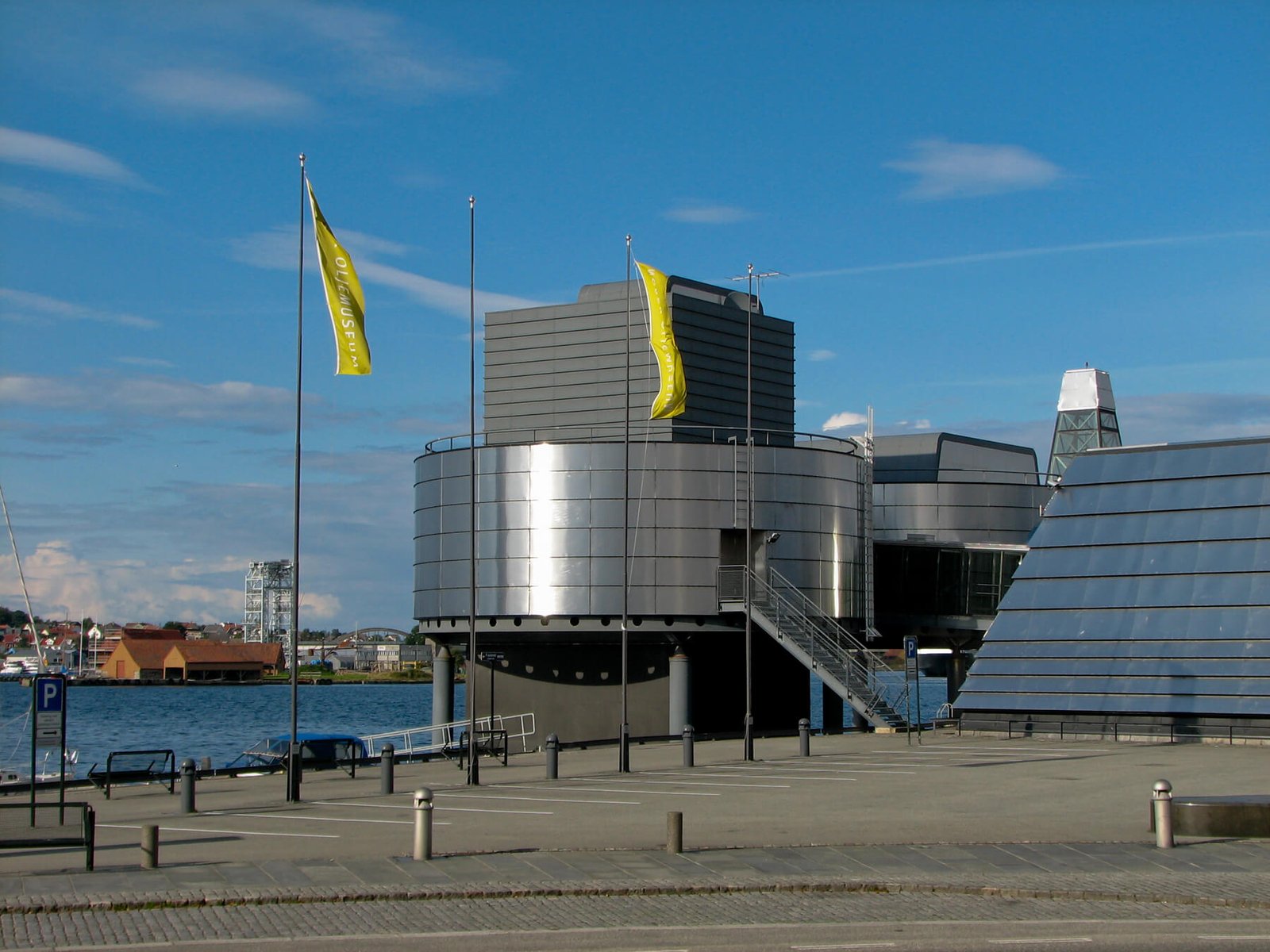
The Norwegian Petroleum Museum is one of Stavanger’s most popular indoor attractions. Outside, its shape recalls offshore rigs and the rocky coast. Inside, the exhibits explain the discovery of oil, life aboard offshore rigs and the industry’s impact on the country.

For example, see models of rigs and learn how workers live at sea. In addition, interactive displays and the museum’s film make the subject easier to understand for children and adults. The outdoor Geopark nearby offers another chance for families to take a break.

Address: Kjeringholmen 1A. Admission: NOK 180 adults; NOK 60 children aged 4–16; NOK 90 students; NOK 140 seniors; NOK 420 family ticket (two adults and three children). September–May: Mon–Sat 10:00–16:00, Sun 10:00–18:00. June–August: daily 10:00–19:00. Google Maps | Official tickets and hours.
5. Sverd i fjell (Swords in Rock)
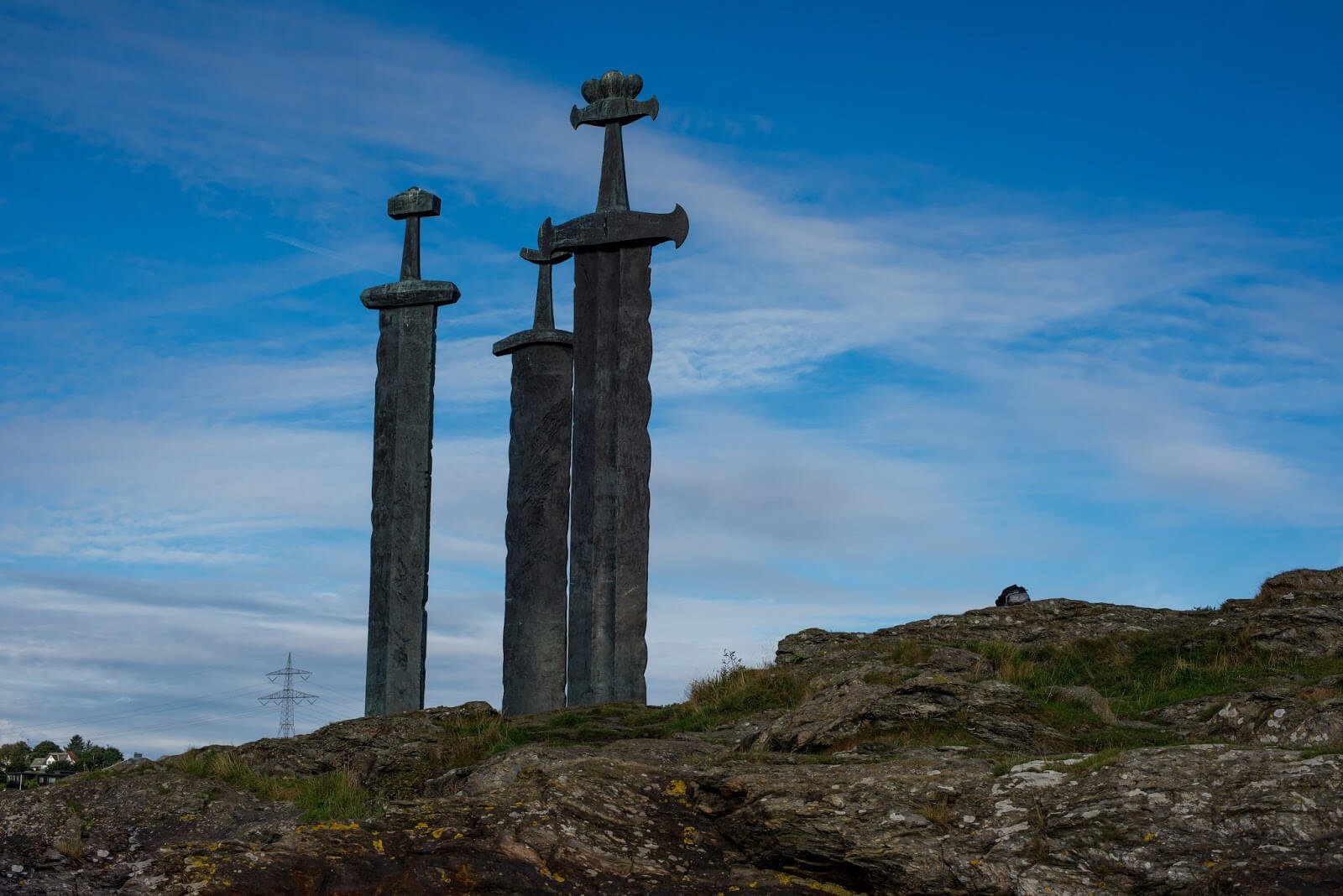
Three huge bronze swords stand on the rocky shore of Hafrsfjord at Møllebukta. The monument by sculptor Fritz Røed recalls the Battle of Hafrsfjord, traditionally dated to 872 and linked to King Harald Fairhair’s unification of Norway. Here, the largest sword honours the king, while the other two represent his rivals.
Since the site is outside the centre, take a bus or rent a bike. In addition to the sculpture, you can walk along the waterfront and enjoy the views over Hafrsfjord. It makes a pleasant short trip even if you only have one day in Stavanger.
Monument access: Free outdoor site; allow 30–45 minutes plus travel. Google Maps | Visitor information.
6. Lysefjord cruise from Stavanger
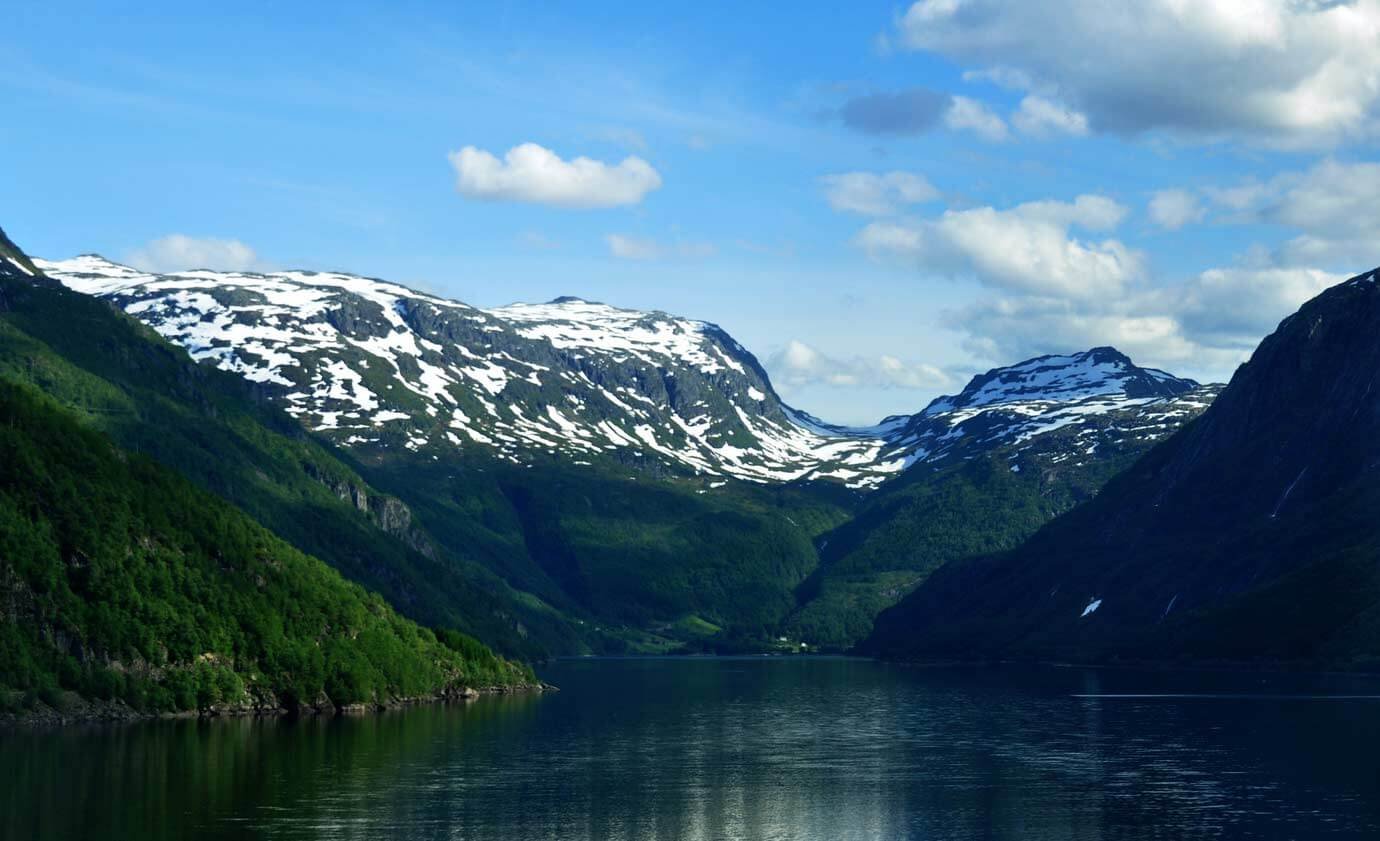
Lysefjorden is the natural highlight of the Stavanger region. Steep cliffs rise from deep blue water, and waterfalls flow into the fjord. As a result, a boat trip is a great way to see the views without hiking. From the water, you can admire Preikestolen high above the fjord and other dramatic rock formations.
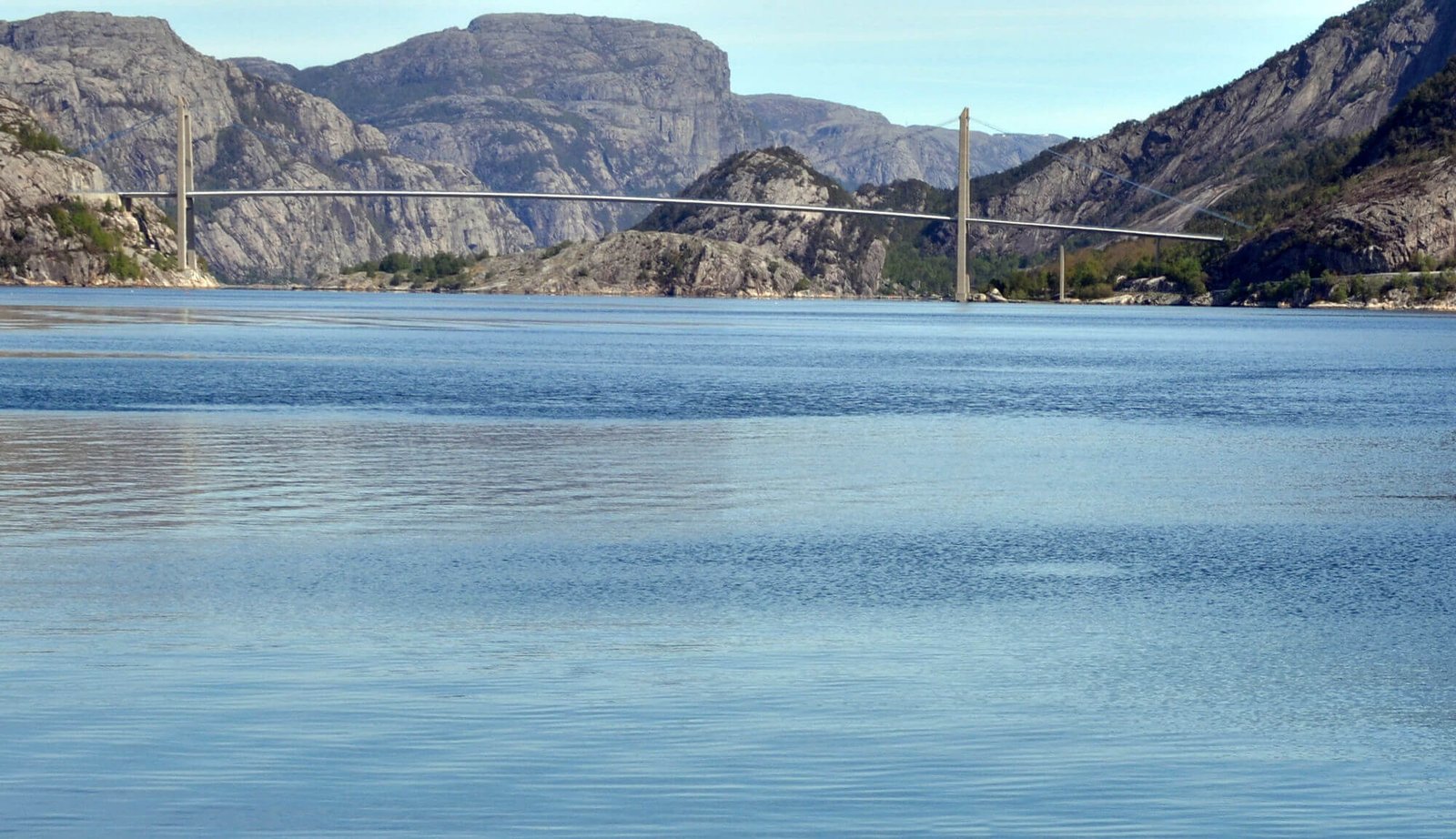
The Rødne round-trip cruise leaves Strandkaien in Vågen harbour and takes about 3–3.5 hours. In fact, it runs all year, although times vary by season. After the tour, the boat returns to Stavanger. It makes no stops to go ashore. Moreover, the enclosed lounge is useful on cold or rainy days.
Published 2026 price: NOK 890 adults/students, NOK 445 children aged 4–15, free under 4. Google Maps | Cruise schedule and tickets.
7. Preikestolen (Pulpit Rock) hike
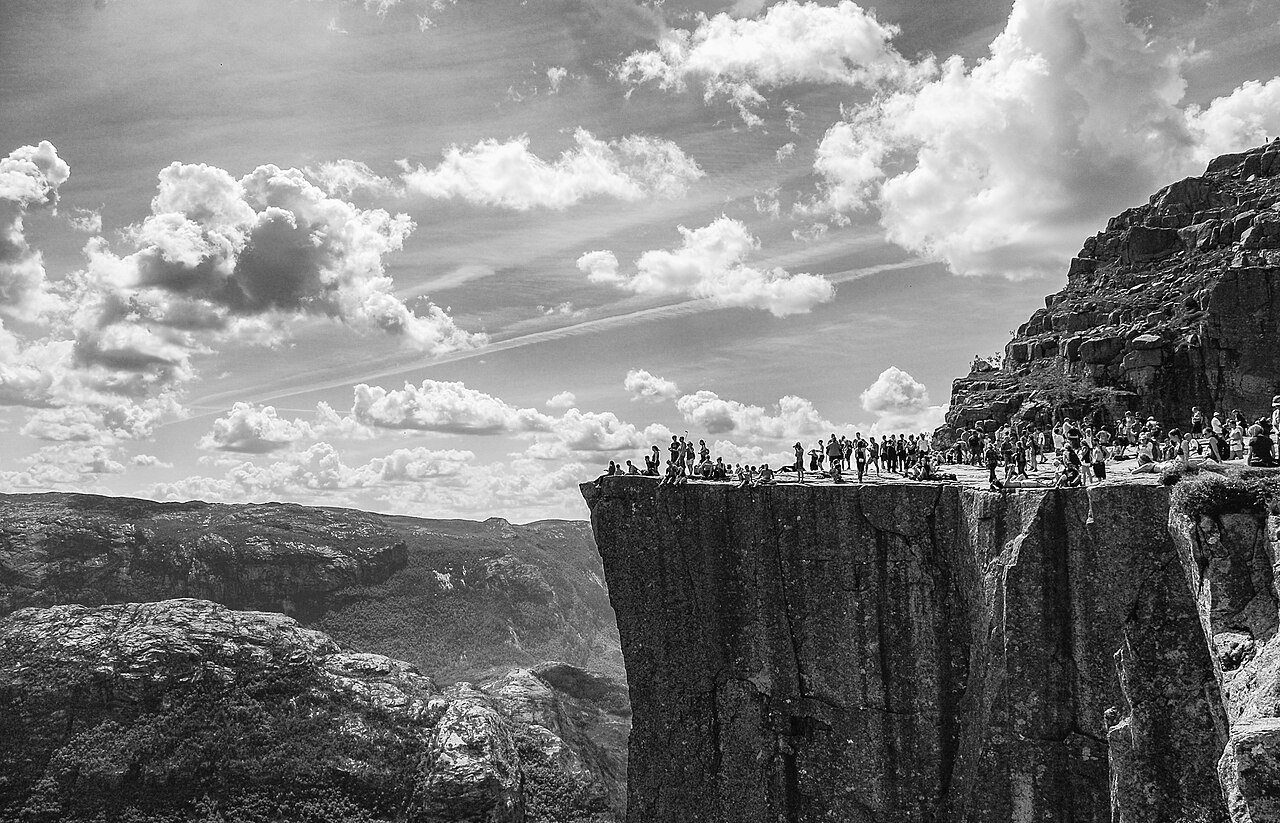
Preikestolen rises 604 metres above the Lysefjord. In fact, this flat rock is one of Norway’s most famous sights. The trail begins at Preikestolen BaseCamp and covers about 8 km in total. Allow 4–5 hours for the return hike, plus time for photos and rest. However, the trail climbs around 500 metres over stone steps and rough ground.
During summer, arrive early to avoid the busiest hours. Also bring sturdy shoes, warm layers, water and food. Check the forecast and trail conditions before leaving. In winter, snow and ice can make the route much more demanding; a guided trip may be the better choice. Stay well back from the cliff edge.
Hiking costs: Trail access is free; parking and shuttle transport cost extra. Google Maps | Official trail map and information.
8. Kjerag and Kjeragbolten
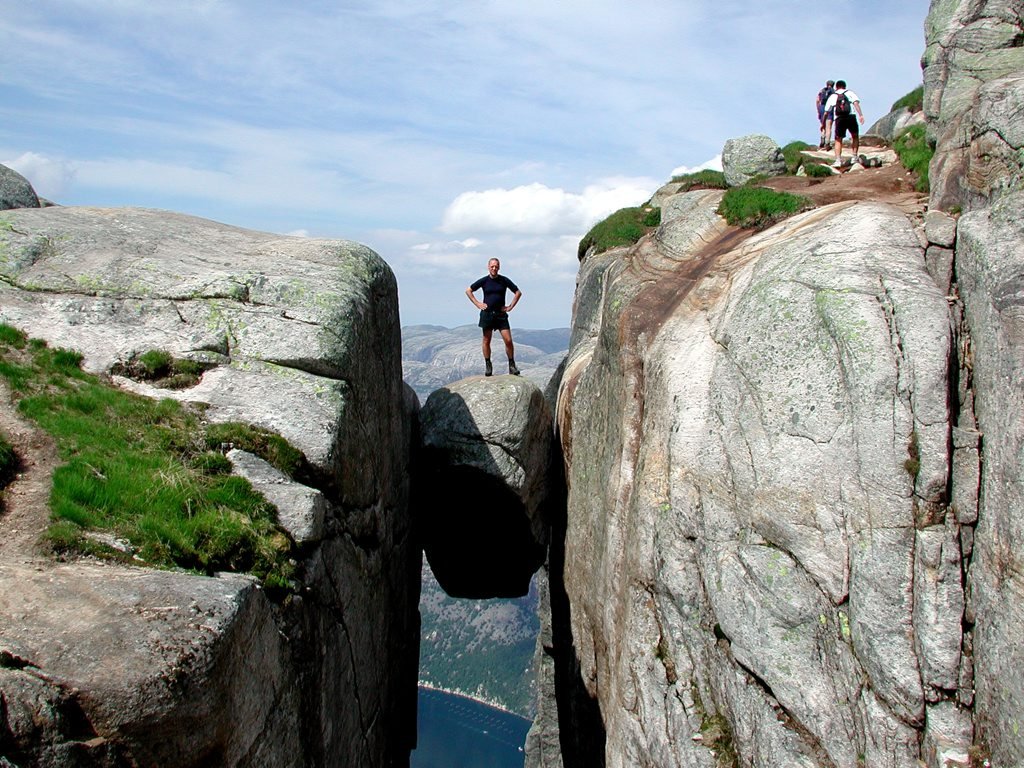
Kjerag stands at the far end of Lysefjord and attracts experienced walkers who want a more challenging mountain day. The famous Kjeragbolten is a boulder wedged between two cliffs. However, you can enjoy the view safely from solid ground.
The hike begins around Øygardstøl and covers roughly 11 km with about 800 metres of climbing. Therefore, set aside 6–10 hours. In contrast to the shorter Preikestolen trail, Kjerag has steep sections and can be slippery after rain. The access road usually closes in late autumn because of snow, so check the season and current conditions.
Kjerag planning: Full-day excursion; plan transport in advance. Trailhead map | Hiking information.
9. Flørli village and the 4,444 stairs
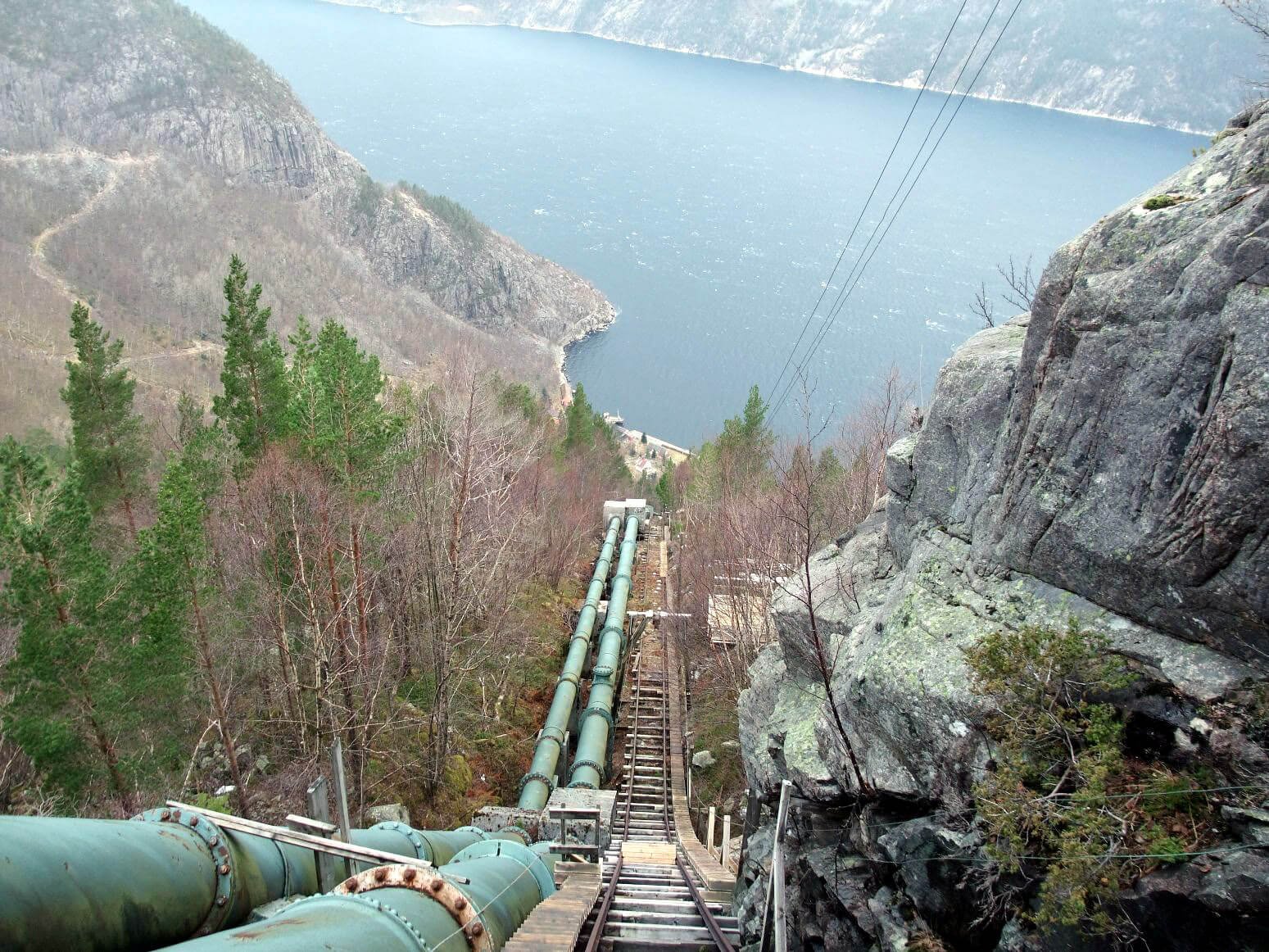
The roadless village of Flørli is another rewarding destination for travellers exploring Lysefjord. Its historic wooden stairway follows an old water pipeline up the mountain. The 4,444 steps climb to around 740 metres above the fjord. Along the way, views open over the water and the remote villages below.
Plan about four hours for the stair hike and return route, only if you have suitable fitness and conditions. Since you can only reach Flørli by ferry or on foot, check ferry times before leaving. Allow enough time to return. Alternatively, stay overnight in the village and enjoy its quieter trails.
Getting to Flørli: Seasonal ferry access; check current departures and trail conditions. Google Maps | Flørli information and ferry planning.
How to spend two or three days in Stavanger
Day 1 – Stavanger city centre. Explore Gamle Stavanger in the morning, then visit the cathedral, Breiavatnet and the colourful Øvre Holmegate. After lunch, spend 1–2 hours at the Petroleum Museum. Finish with dinner by the harbour.
Day 2 – Lysefjord. Take a morning cruise from Strandkaien. In the afternoon, visit Swords in Rock and enjoy the waterfront at Hafrsfjord. Alternatively, dedicate the day to the Preikestolen hike if the weather is good.
Day 3 – Mountain day trip. Hike Preikestolen or, if you are experienced and the season allows it, Kjerag. If you prefer a relaxed trip, visit nearby coastal scenery or return to the cafés and museums of Stavanger. Flørli works best as a separate expedition with ferry planning.
Where to stay in Stavanger
The city centre near Vågen harbour is convenient for first-time visitors, with restaurants, museums, fjord departures and shops within walking distance. Around the train station and Breiavatnet, accommodation is useful if travelling from Oslo. For a hiking-focused stay, consider accommodation closer to the Preikestolen trailhead, especially for an early start.
Compare hotels in Stavanger and check current prices on Trip.com.
Best time to visit Stavanger
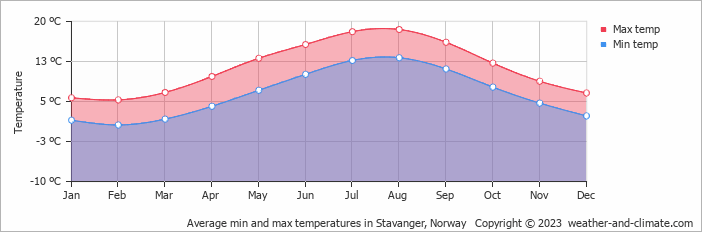
Stavanger has a mild coastal climate, helped by the warm Atlantic current. Summer offers the longest days and the best chances for walking, boat excursions and mountain hikes. Since July and August are popular, book fjord tours and hotels early. Spring and autumn bring cooler weather but fewer visitors.
Winter is often wet and windy rather than consistently snowy in the city. Museums and the year-round Lysefjord cruise make attractive winter activities. However, hiking conditions in the mountains can differ sharply from the coast. Check the local forecast and road closures before planning outdoor trips.
How to get to Stavanger from Oslo and other cities
| Transport | Typical journey | Booking / route |
|---|---|---|
| Train | Around 8 hours | Oslo S – Stavanger via Sørlandsbanen |
| Bus | Around 8–10 hours | Direct departures on selected times |
| Plane | Around 1 hour in the air | Oslo Gardermoen – Stavanger Sola |
| Car | About 7–9 hours, depending on route | Allow for tolls, stops and weather |

The scenic train runs from Oslo Central Station to Stavanger. Entur lists direct journeys from 7 hours 46 minutes, with up to seven departures daily. In addition, direct bus trips can take around eight hours. Fares vary by day, departure and booking time. Compare schedules through Entur.

Flights from Oslo Gardermoen to Stavanger Airport, Sola usually take about an hour. Afterwards, take the airport shuttle to the city bus and train station. In addition, flights connect Bergen and other European cities with Stavanger. For a weekend break, flying may save time, while the train offers scenery along the way.

Driving gives you freedom to explore the fjords and coast, but allow time for tolls, road conditions and stops. Once in the city, you can walk to many sights. For local buses and routes outside the centre, see Kolumbus.
Practical tips for visiting Stavanger, Norway
Bring a waterproof jacket and comfortable shoes, even in summer. Also, remember that Norway uses the krone (NOK). Shops and restaurants usually take cards. For a short city visit, choose central accommodation and buy tickets to the fjord in advance. In addition, reserve a full day for Preikestolen and avoid combining two demanding hikes on the same day.
Continue exploring Norway with our guides to Geirangerfjord and Norwegian souvenirs and gifts.
Frequently asked questions about Stavanger
Is Stavanger worth visiting?
Yes. The city combines historic wooden houses, modern museums and access to Lysefjord. It is a useful base for Preikestolen and other fjord adventures.
How many days do you need in Stavanger?
Allow two to three days for the city highlights and a fjord cruise. Add another day for each longer hike, depending on weather and transport.
Can you visit Lysefjord without hiking?
Yes. The year-round round-trip cruise from Stavanger takes about three to three and a half hours, allowing you to see the cliffs and Preikestolen from the water.
What is free to see in Stavanger?
Gamle Stavanger, the harbour, Øvre Holmegate, Breiavatnet and Swords in Rock can all be visited without admission fees.
What is Stavanger famous for?
Stavanger is known as a centre of Norway’s petroleum industry and the gateway to Lysefjord and Preikestolen. It is also famous for its well-preserved wooden Old Town and colourful pedestrian street.

Konstantin is an acclaimed travel writer, celebrated for transforming ordinary journeys into extraordinary narratives. With years of experience exploring diverse destinations across the globe, his work blends vivid storytelling, cultural insights, and practical advice to inspire wanderlust and guide readers toward unforgettable adventures.
As a key contributor to enjoythetrip.org website, Konstantin has built a loyal readership through their expertise in uncovering both iconic landmarks and off-the-beaten-path treasures. He specializes in providing travelers with honest, actionable tips, whether it’s finding the best resorts in Maldives, exploring cultural hubs like Paris, or diving into the natural wonders of Croatia.