
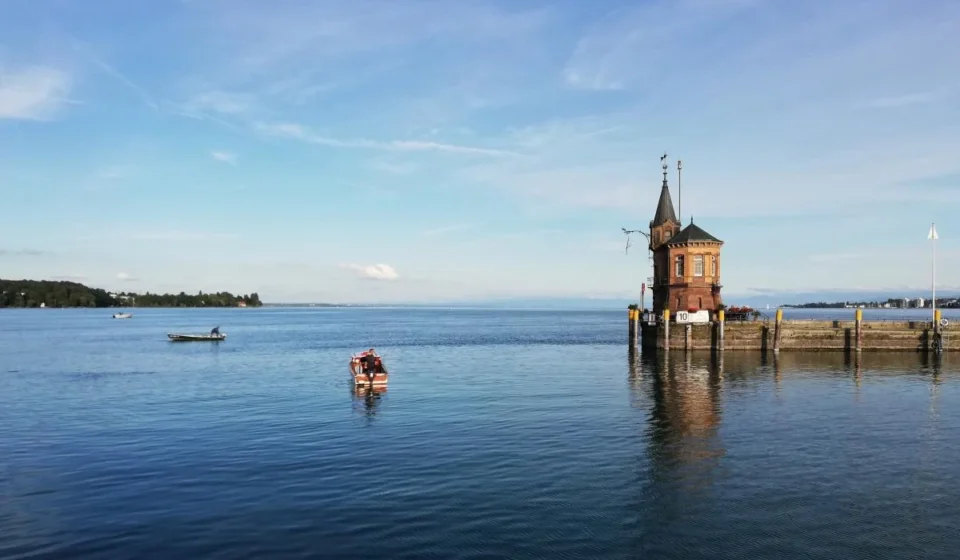
Lake Como is lovely, but it gets very busy. So National Geographic picked five quieter lakes in Europe. In fact, each one has clear water, great hikes and old towns nearby.
Why Visit These Lakes in Europe
In summer, the Mediterranean coast gets hot and crowded. However, the lakes in Europe offer a cooler escape. Also, you can swim, kayak and paddleboard in clear water.
Then there is plenty to see on land. For example, you’ll find medieval castles, vineyards and prehistoric pile dwellings. In addition, there are Byzantine monasteries, grand gardens and Orthodox churches. So here are the five lakes Nat Geo recommends.
1. Lake Constance, Germany
Lake Constance touches three countries: Germany, Austria and Switzerland. So you can have breakfast in one country and dinner in another. Also, the Alps rise in the distance.
In fact, it is the third-largest lake in Central Europe. You can cross it by ferry or canoe. Then you can cycle part of its 260 km (160-mile) circular bike path. Also, summer temperatures hover around 25°C, so it is warm but not too hot.
Nat Geo calls the lake Europe in miniature. For example, it has beaches, orchards, vineyards and wetlands full of birds. In addition, there are wooded gorges, gardens, historic towns and art galleries.
First, visit stone-walled Meersburg. It has wine taverns and a medieval castle with turrets. Next, see the prehistoric pile dwellings of Unteruhldingen. Then head to Konstanz, a town with Roman roots and a grand minster.
Also, don’t miss the Mediterranean gardens on the islet of Mainau. Finally, go to pastel-painted Lindau for ice cream on a café terrace. A lighthouse and a stone Bavarian lion guard its harbour.
2. Great Lake of Alqueva, Portugal
In summer, skip the Atlantic coast of southern Portugal. Instead, head inland to the Alentejo. For more on this region, see why one traveller keeps going back to the Alentejo.
The Great Lake of Alqueva looks like a fjord. In fact, it covers about 246 km² (95 sq miles). Also, it lies near the Spanish border. Nat Geo calls it Europe’s biggest reservoir. So expect flooded valleys, narrow inlets and islands.
In summer, you can paddleboard or kayak on calm water. Also, you can cycle along the shore by bike or e-bike. Then, when it hits 35°C, cool off at a lakeside beach.
The best beach is Praia Fluvial de Monsaraz. For example, it has soft sand, a floating pool and a water sports centre. Also, the village of Monsaraz above it is one of the prettiest in Portugal.
Monsaraz spills down a hillside covered in granite boulders. In addition, it is a white medieval village. King Dinis built its castle in the 14th century. Also, the Knights Templar once walked its cobbled lanes.
Then, at night, look up. In fact, the Alqueva Dark Sky Reserve was the world’s first starlight tourism destination. So you can join stargazing sessions, night canoe tours and astrophotography workshops.
3. Lake Bohinj, Slovenia
Lake Bled gets most of the attention in Slovenia. However, Lake Bohinj is about half an hour southwest. It is just as beautiful but far less crowded.
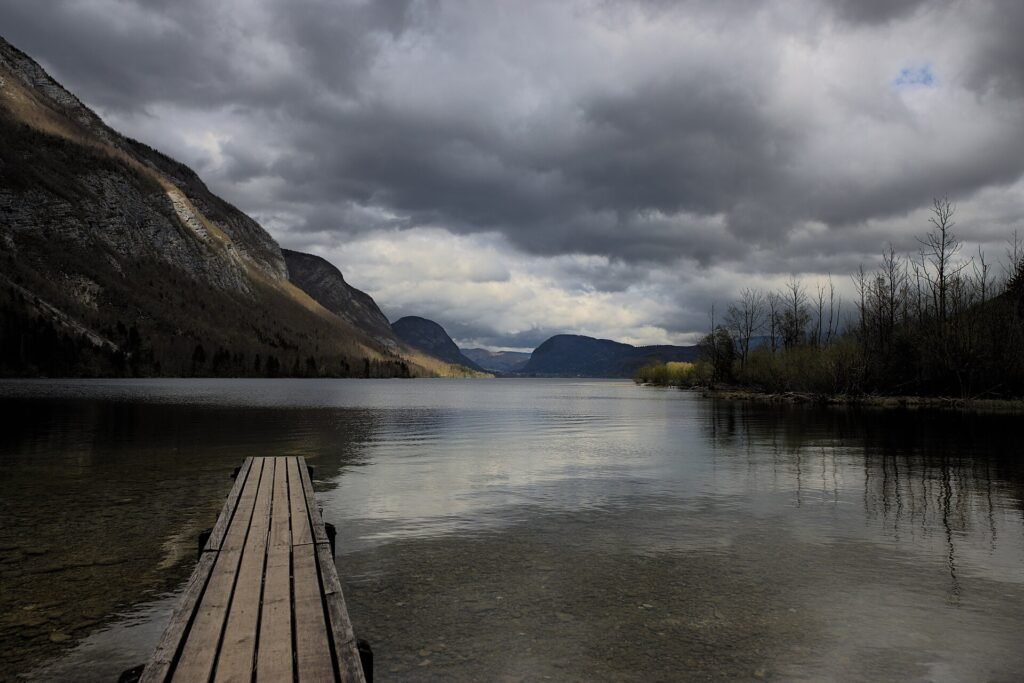

The limestone peaks of the Julian Alps rise above the lake. In fact, it sits in Triglav National Park. Also, its water is clear and deep blue. In summer, air temperatures can reach 30°C. Then mountain streams feed the lake, so the water warms to about 24°C.
First, go to Ukanc, a quiet village on the western shore. It has a pebble beach for a swim. Also, you can camp at eco-friendly Camp Bohinj. There, you can rent a kayak, paddleboard or canoe.
In addition, Camp Bohinj runs caving, canyoning and rock climbing trips. For example, it also offers cheese tours and schnapps tastings. Around Ukanc, the land is wild, mountainous and thickly wooded.
Then take the cable car up to Vogel for views over the lake. Also, you can hike through Alpine meadows and old forests. Finally, see Savica Waterfall. It drops 78 m (255 ft) over the Komarča cliffs into an emerald pool.
4. Lake Peruća, Croatia
Lake Peruća hides in the Dalmatian hinterland. Limestone mountains frame it. Also, it lies not far from the Adriatic coast. So it is one of the best back-to-nature escapes among the lakes in Europe.
In summer, temperatures can hit 35°C. However, you can jump into the clear blue water to cool off. In fact, a dam on the Cetina River created the lake. So it is Croatia’s second-largest artificial lake, after Lake Dubrava.
Also, it is great for cycling, hiking and kayaking. For example, you can take a boat to quiet beaches and coves.
First, stay in Garjak, a sleepy stone hamlet on the northern shore. It has views of the Dinara and Svilaja mountains. Also, the lake looks best early in the morning, when the turquoise water is still.
Then try Camping Peruca. Forest and pale sand beaches surround it. In addition, it offers rowing, kayaking, paddleboarding and diving. For example, you can also go horse riding or mountain biking.
Finally, head a little north to the Eye of the Earth (Izvor Cetine). It is a round karst spring that looks like a jewel. In fact, it is the source of the Cetina River.
5. Lake Ohrid, North Macedonia
Lake Ohrid is a UNESCO World Heritage Site. However, many travellers have never heard of it. It sits between the mountains of North Macedonia and Albania. Also, it is one of the oldest and deepest lakes in Europe.
In summer, you can swim in its clear green-blue water. For example, have a picnic on east-shore pebble beaches like Potpesh and Labino. Then stay for the pink and purple sunsets.
The town of Ohrid sits on the north shore. First, walk the boardwalk along the cliffs to the rocky beaches. Then climb the steep streets of the old town. There, you’ll find Orthodox churches and a ruined medieval fort.
Also, try the lakeside restaurants. For example, they serve fish soup with lake trout, lemon and garlic. In addition, you can pair it with Macedonian wine.
Beyond the town, visit Sveti Naum monastery. It is domed, Byzantine in style and full of frescoes. Also, it stands high on a cliff. Finally, see the rebuilt Bronze and Iron Age pile dwellings in the Bay of Bones.
For a village stay on the Albanian side, read about Lin, a village on Lake Ohrid. Also, see why North Macedonia is great value.
Plan Your Trip to the Lakes in Europe
All five lakes are at their best in summer. So pack a swimsuit and good walking shoes. Also, book early if you want to camp. For example, Camp Bohinj and Camping Peruca both offer water sports.
Then choose the lakes in Europe that suit your style. For example, Lake Constance suits cyclists and town lovers. However, Peruća and Bohinj suit nature fans. Finally, Alqueva is great for stargazing. For even more ideas, see 7 more lakes in Europe.
Lakes in Europe: frequently asked questions
Which of these lakes is warmest for swimming?
Alqueva and Peruća have the hottest summers, with air temperatures up to about 35°C. Bohinj stays cooler, but its water warms to about 24°C in summer.
Is Lake Bohinj better than Lake Bled?
Bohinj is larger and much quieter, while Bled is about half an hour away and busier. See the official Bohinj website for trails and boats.
When is the best time to visit these lakes?
Summer, from June to September, is best for swimming, kayaking and camping; book campsites early.
Related guides on Enjoy The Trip: Lake Bohinj, Lake Bled, Lake Maggiore, Lake Geneva.

Konstantin is an acclaimed travel writer, celebrated for transforming ordinary journeys into extraordinary narratives. With years of experience exploring diverse destinations across the globe, his work blends vivid storytelling, cultural insights, and practical advice to inspire wanderlust and guide readers toward unforgettable adventures.
As a key contributor to enjoythetrip.org website, Konstantin has built a loyal readership through their expertise in uncovering both iconic landmarks and off-the-beaten-path treasures. He specializes in providing travelers with honest, actionable tips, whether it’s finding the best resorts in Maldives, exploring cultural hubs like Paris, or diving into the natural wonders of Croatia.