
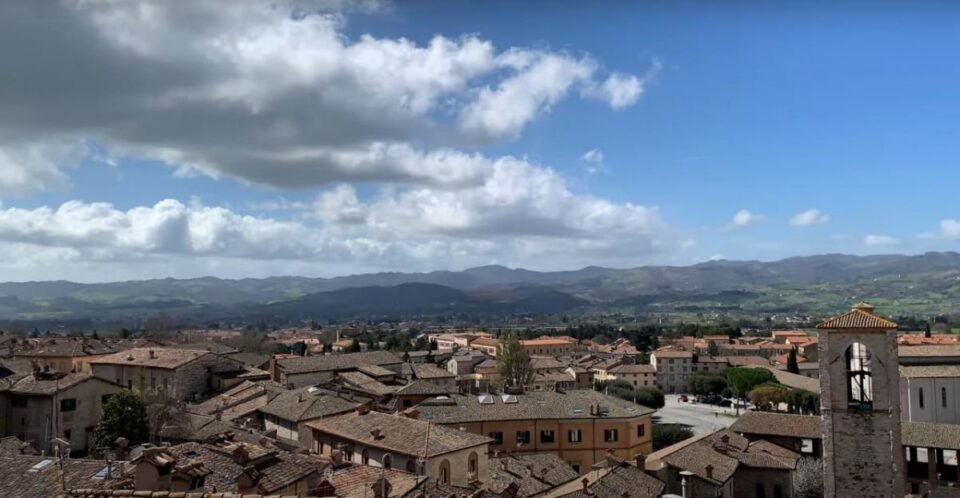
Gubbio, Italy, is a beautiful medieval hill town in Umbria, at the foot of Monte Ingino. Its stone palaces, winding streets and sweeping views make it a rewarding alternative to the busier cities of central Italy.
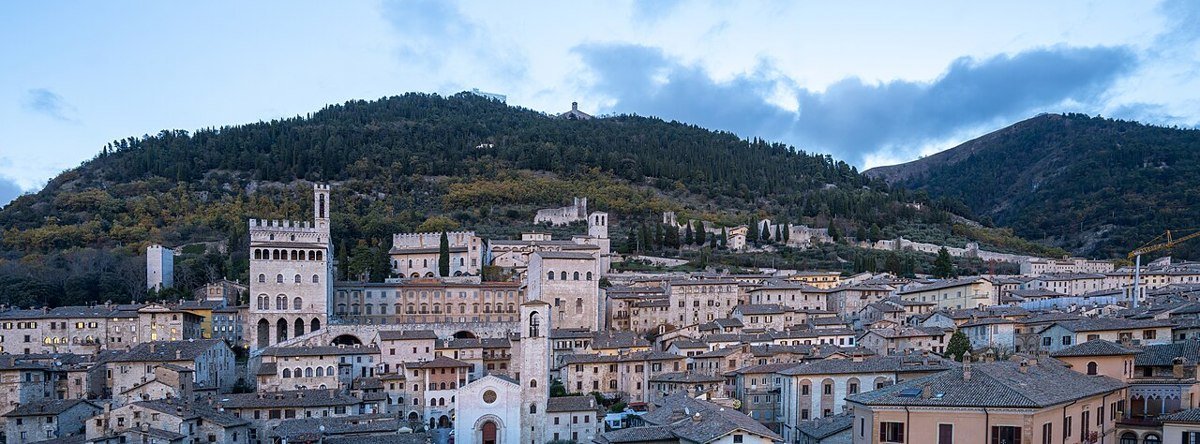
Every tourist who wants to enjoy the picturesque views of Europe and admire the ancient architecture goes to Rome. However, there are so many tourists in the legendary city that the trip is more like a struggle for impressions than a full-fledged vacation. For those who are tired of the crowds of tourists, there is an alternative – the beautiful and little-known town of Gubbio in the central part of Italy.
9 Best Things to Do in Gubbio, Italy
Tourists who can already be called sophisticated will definitely be surprised by Gubbio – the sights in the small town will not leave anyone indifferent. The commune has about 30 thousand people, the town is often quieter than Italy’s major tourist cities, so everyone who wishes can walk around the city slowly and enjoy the local views.
There is indeed a lot to see in Gubbio – the town is located at the very foot of Monte Ingino, so the views from the highest point of the town are incredible.
1. Piazza Grande
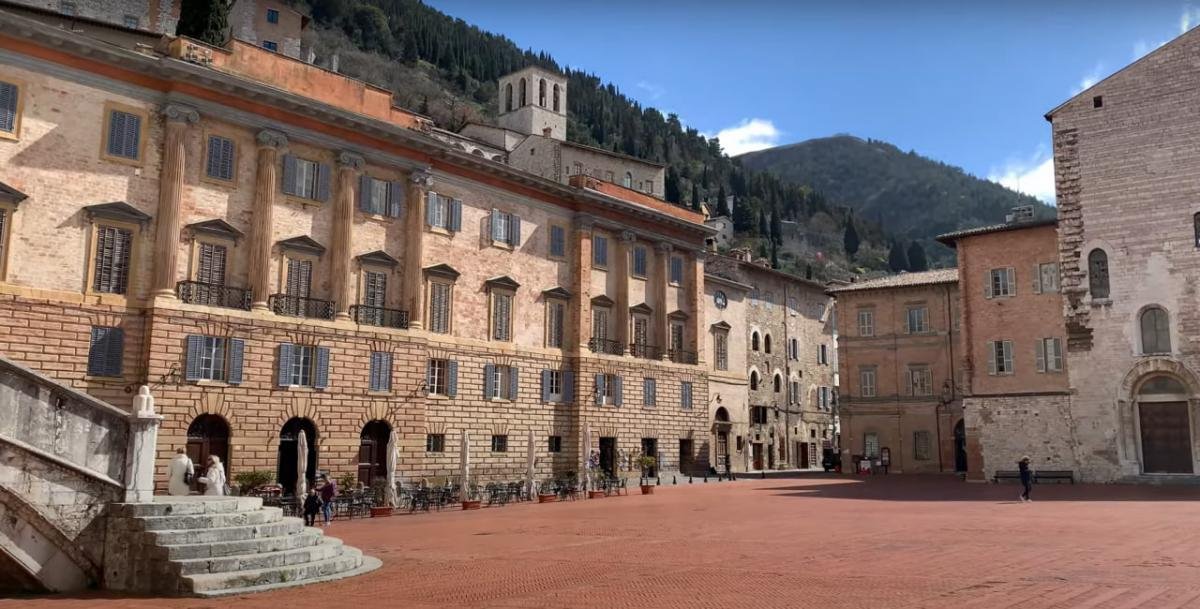
Gubbio is an ancient Umbrian city, known as Iguvium in antiquity, which later became part of Roman Italy, and as you walk through its gray, narrow streets in the embrace of the fog, you can feel this especially strongly. To fully close the door on your time machine, climb the steps to Gubbio’s main square, Piazza Grande. It is a remarkable raised medieval square, supported by a system of vaulted structures and appearing as if it were floating in the air. Up there, on the observation deck, you can look down on the city, shrouded in thick fog, and appreciate the grandeur of bygone eras.
2. Palazzo dei Consoli
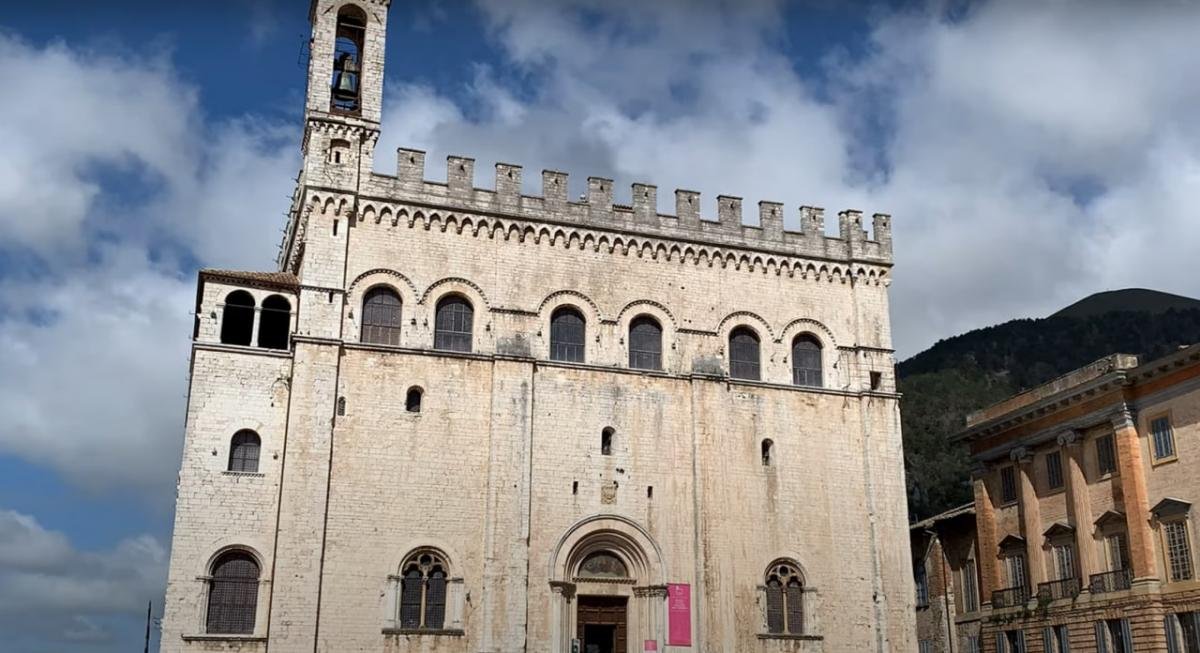
Palazzo dei Consoli, a 14th-century medieval palace, is located near the exit from the square.
Inside, the civic museum displays the famous Iguvine Tablets, bronze inscriptions that shed light on the language and religious traditions of the ancient Umbrians. Allow time for the museum and views from the terrace.
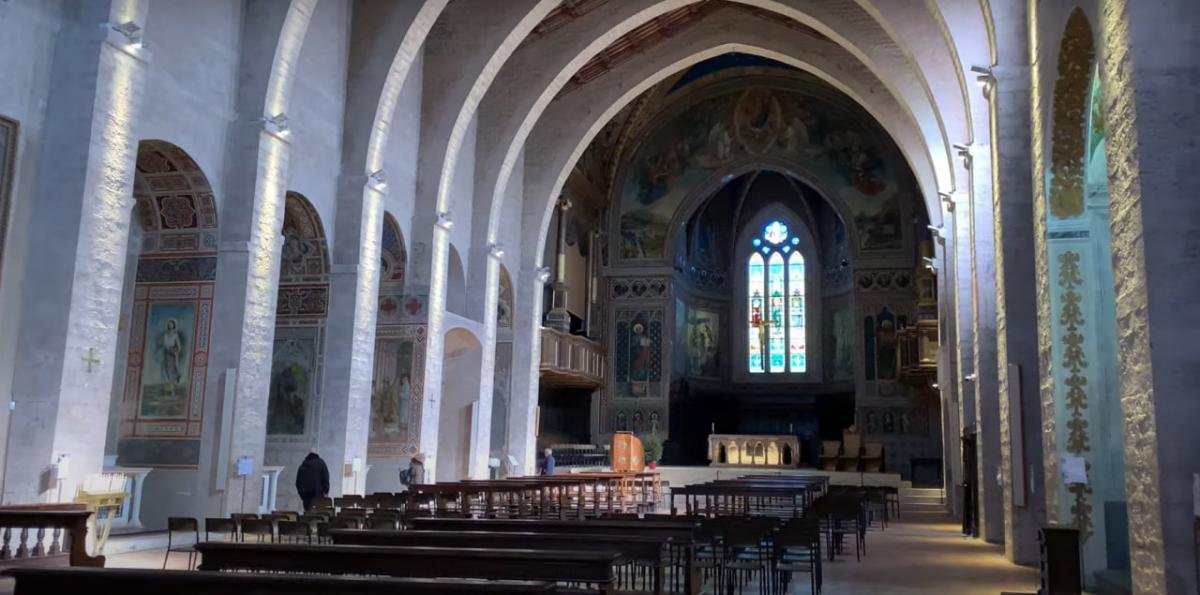
3. Cathedral of Saints Mariano and Giacomo
Two public lifts help visitors reach Piazza Grande and the upper historic centre near the cathedral. The Gothic cathedral is located in the upper historic centre. Check the opening times and explore the nearby streets if the church is closed.
4. Basilica of Sant’Ubaldo and Monte Ingino
Above the town, the Basilica of Sant’Ubaldo houses the relics of Gubbio’s patron saint. Reach it by the distinctive open-air cable car (funivia) or follow the uphill walking route. The views across the Umbrian countryside are especially rewarding in clear weather. Check operating times before visiting.
5. The Historic Wine Barrel
Not far from the cathedral, there is a huge wine barrel, another local landmark. It holds twenty thousand liters of wine. Locals say it was made in memory of the record-breaking harvest of that year. The barrel is now located in a 13th-century cellar and is one of the town’s unusual historic curiosities.
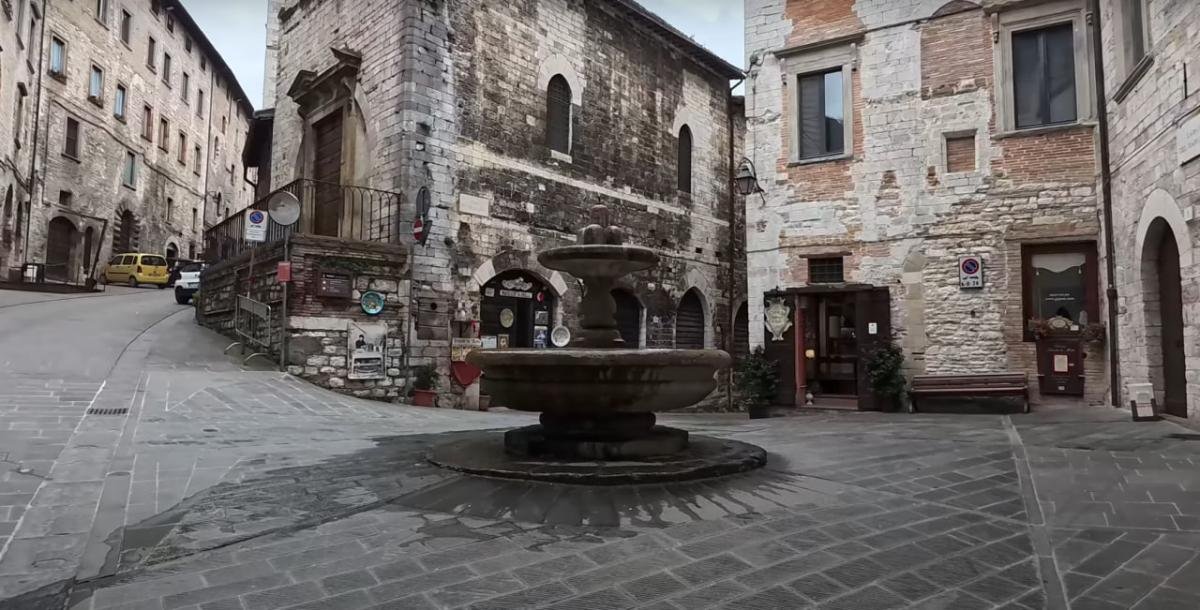
6. Fontana del Bargello
After going downstairs by elevator or stairs and walking through the alleys, tourists will be able to find another attraction – Fontana del Bargello. This place is sometimes called the “Fountain of the Madmen” because of a city tradition. The tradition is that every tourist must run around the fountain three times, and then one of the locals must throw water on them. After this, the brave person is given the title of “Madman of Gubbio,” and the visitor will even be able to get written confirmation from a local organization. The process of becoming a madman must be witnessed by a native of Gubbio, and the document will not be issued without a witness.
7. Parco Ranghiasci
After passing the fountain and reaching the slope of Monte Ingino, tourists find themselves in the huge English park Il Parco Ranghiasci. In search of this very park, many visitors remained perplexed, because they could not find a classic fence space with trees, flowerbeds and benches. In fact, the Gubbio Park is a huge part of the open area, where maple, chestnut and linden trees grow. And although the park has paths, it looks like a forest.
8. Roman Theatre
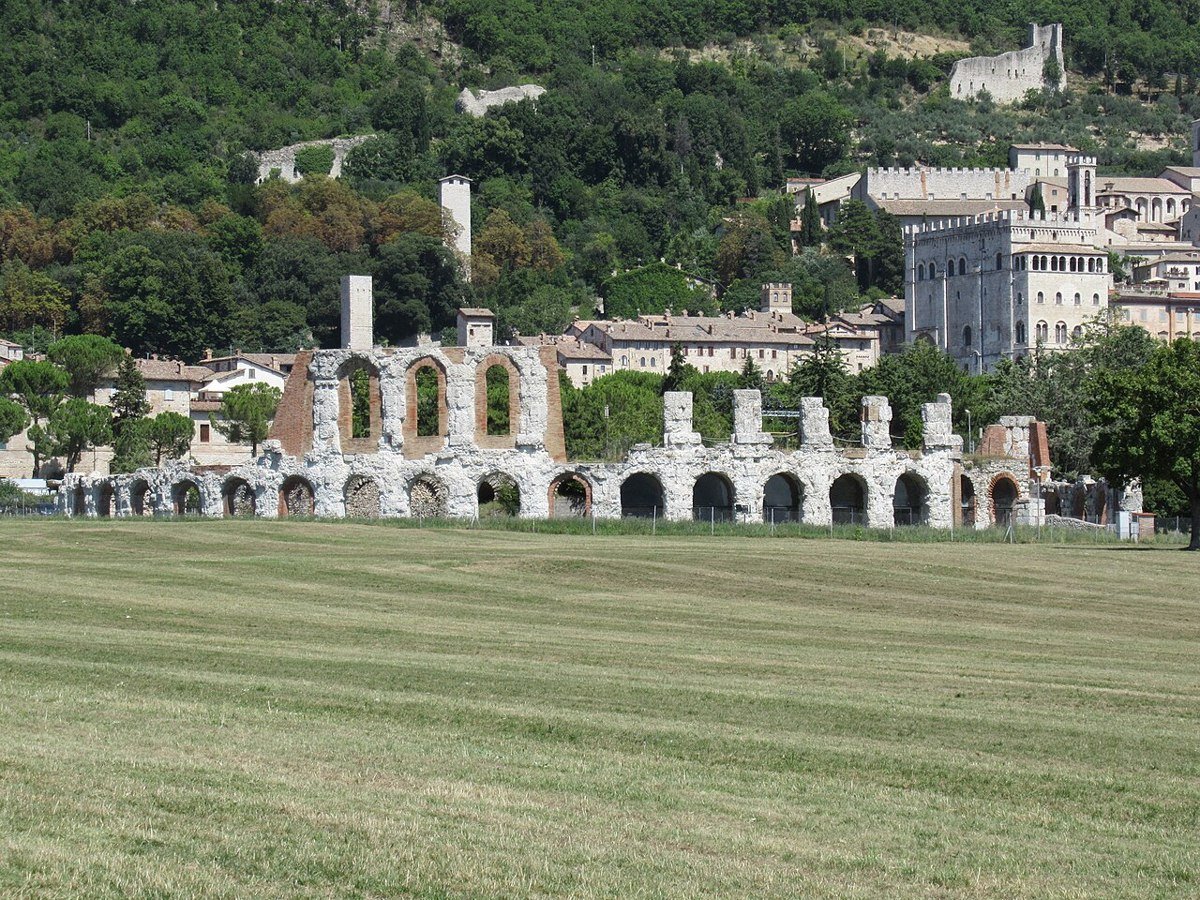
At the foot of the medieval town, the ancient Roman Theatre preserves impressive stone arches and the remains of the seating area. It is a good way to discover Gubbio’s earlier history and can be combined with the Antiquarium. See the regional tourism guide.
9. Palazzo Ducale
Opposite the cathedral, the Renaissance ducal palace recalls the Montefeltro family and the patronage of Federico da Montefeltro. Visit the courtyard and interiors to see a different architectural period in the town. Palazzo Ducale visitor information.
How to get to Gubbio, Italy
After you’ve realized that there’s a lot to see in Gubbio, you’ll need to plan a good route. The fact is that there are no trains to the city, only buses and cars. The easiest way to get there is through Rome, where you can take a train from Termini Station to Fossato di Vico and then take a bus to Gubbio.
The nearest airport is Perugia, about 45 km away. From Rome, use the rail connection to Fossato di Vico–Gubbio and the onward Gubbio Link bus. Buses also run from Perugia. If arriving by car, park below the historic centre and explore on foot. The municipal lift timetable is helpful for the steep streets.
Exploring more of Italy beyond Rome? See why travelers love Bologna and Matera, the 9,000-year-old cave city. Official planning starts at Italia.it.
When to Visit and Where to Stay
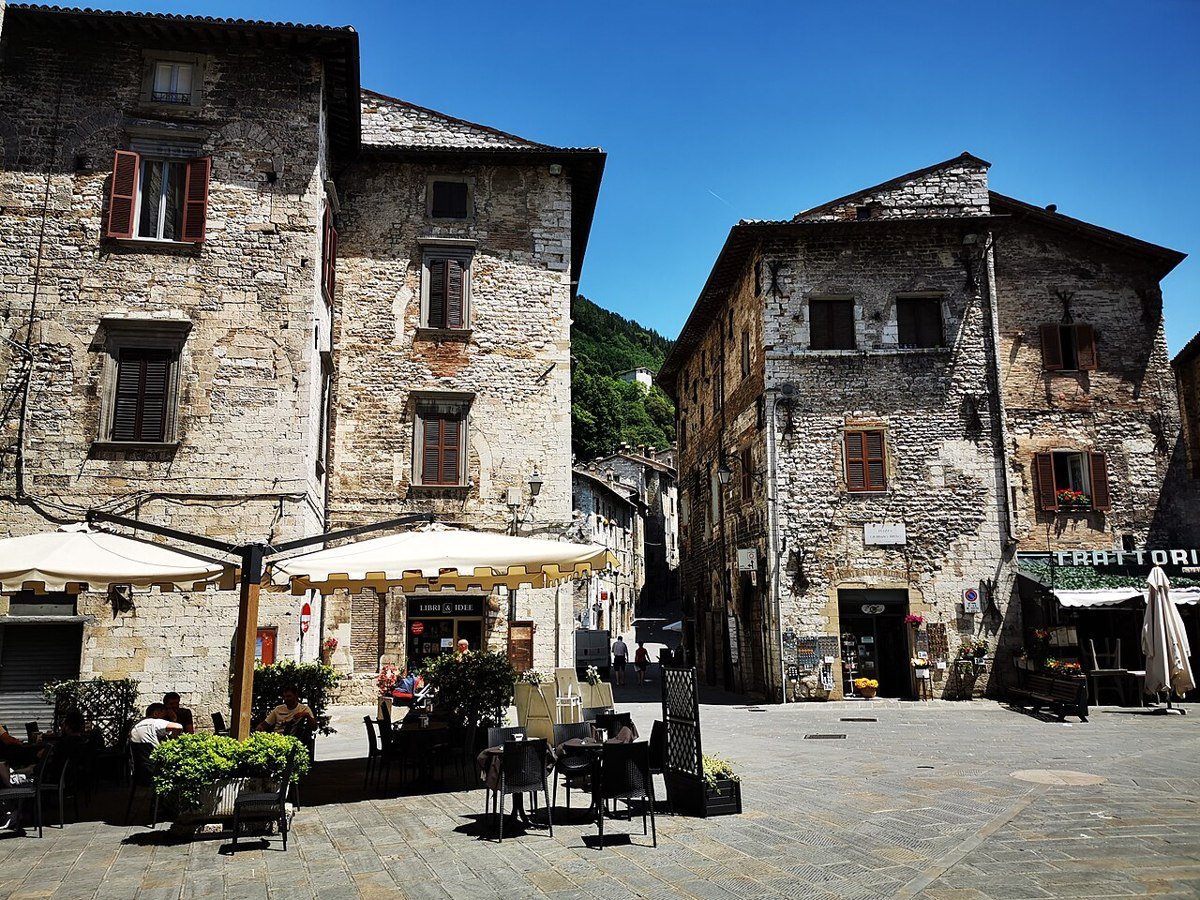
April to June and September to October offer comfortable weather for walking. The annual Festa dei Ceri on 15 May is a particularly lively celebration, when accommodation can fill quickly. Stay near Piazza Grande for the medieval atmosphere or close to Piazza Quaranta Martiri for easier access to parking and buses.
One-Day Gubbio Itinerary
Morning: Start at the Roman Theatre and explore the market square before heading up to Piazza Grande and Palazzo dei Consoli. Afternoon: Visit the cathedral and Palazzo Ducale, then take the cable car to Sant’Ubaldo if operating. Evening: Enjoy an Umbrian dinner in the historic centre. A second day allows a more relaxed pace and time for Parco Ranghiasci.
Map of Gubbio
Frequently asked questions
Why is Gubbio called “Little Rome”?
Gubbio, in central Italy, was an important ancient Umbrian town and later a Roman settlement. Its medieval architecture and relatively quiet streets attract visitors looking for a relaxed cultural break. About 30,000 people live there.
What are the main sights in Gubbio?
Piazza Grande, a remarkable raised medieval square; the 14th-century Palazzo dei Consoli; the Cathedral; the Basilica di Sant’Ubaldo, reached by funicular; and the Fontana del Bargello.
How do you get to Gubbio?
There are no trains to Gubbio, only buses and cars. The easiest way is a train from Rome Termini to Fossato di Vico, then a bus to Gubbio.

Konstantin is an acclaimed travel writer, celebrated for transforming ordinary journeys into extraordinary narratives. With years of experience exploring diverse destinations across the globe, his work blends vivid storytelling, cultural insights, and practical advice to inspire wanderlust and guide readers toward unforgettable adventures.
As a key contributor to enjoythetrip.org website, Konstantin has built a loyal readership through their expertise in uncovering both iconic landmarks and off-the-beaten-path treasures. He specializes in providing travelers with honest, actionable tips, whether it’s finding the best resorts in Maldives, exploring cultural hubs like Paris, or diving into the natural wonders of Croatia.