
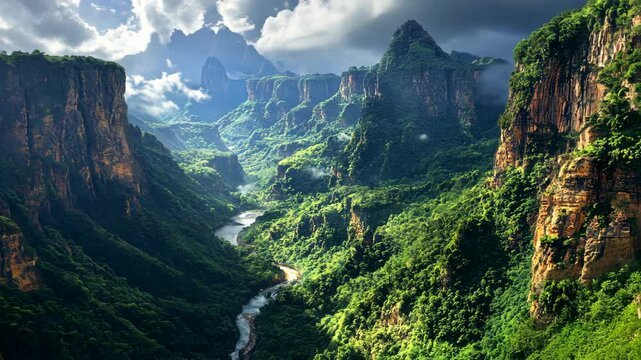
Sumidero Canyon (Cañón del Sumidero) is a national park near Tuxtla Gutiérrez and Chiapa de Corzo in Chiapas. The best way to see it is a boat trip along the Grijalva River or a visit to the viewpoints along its rim.
Cañón del Sumidero, located in the Mexican state of Chiapas, is perhaps the most famous, vibrant and visited of all the canyons in Mexico. Moreover, it is also easily accessible. Here are 10 basic facts about this amazing creation of nature.
Location and origin
1. The canyon stretches across four state municipalities at once: Osumacinta, Chiapa de Corzo, San Fernando and Tuxtla Gutiérrez. In addition, the canyon is only five kilometers from the state capital, Tuxtla Gutiérrez.
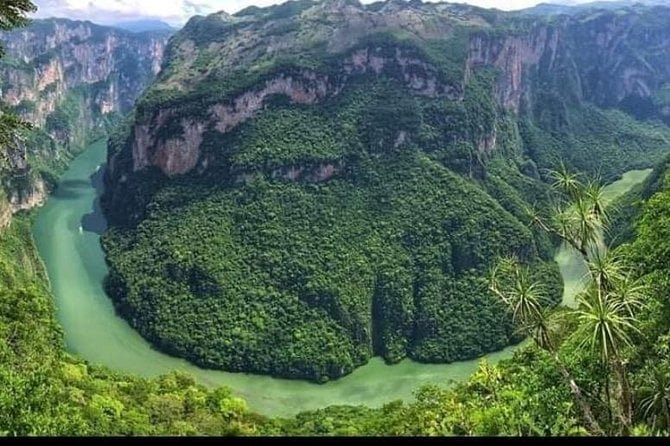
2. The canyon began forming millions of years ago. Over time, the sea waters receded, and the canyon became part of the land. So the Grijalva River was formed, flowing along the bottom of a tectonic fault. Its walls are made of limestone from the Upper Mesozoic period, in which fossils of sea creatures are clearly visible. The river has a sharp bend of about 90 degrees in the narrowest and most picturesque place with a length of 13 km.
In total, the Grijalva River has 32 rapids, five waterfalls flow out of the walls on its banks, and two freshwater streams flow into it. There are also three large beaches along the river.
Viewpoints and early exploration
3. Sumidero Canyon National Park has five viewing platforms, each with its own name: La Ceiba, La Coyota, El Roblar, El Tepehuaje and Los Chiapa. The distance between the extreme ones is 17 km. The highest of them is El Roblar, with a height of 1200 meters. From there, the bottom of the canyon and the bend of the river are perfectly visible. The National Park also has two mountain bike trails. Admission to the national park costs 35 pesos, and the ticket is valid for two days.
4. Until 1960, hardly anyone had explored the canyon. Then he was in an impenetrable jungle, without access to transport. In 1895, three Frenchmen tried to explore the canyon, but drowned in the river. Later, in 1932, an American met the same fate. This gave rise to legends about witchcraft in these parts, as well as about the ferocity of river crocodiles. However, the river, with its 30-meter-high waterfalls, was the only way into the canyon. In 1960, researchers accompanied by soldiers of the Mexican army did so. They sailed down the Cacahuaré River to Chiapa de Corzo, then entered the canyon and landed on what is now the Usumacinta River beach.
Wildlife and the hydroelectric dam
5. The State protects the fauna and flora of the National Park. Several species of animals living here are threatened with extinction. During the boat tour, you can see spider monkeys, crocodiles, Central American turtles, ocelots, green parrots, brown pelicans, and even anteaters.
6. Between 1974 and 1980, engineers built the Manuel Moreno Torres hydroelectric power station in the canyon. Its cascade is one of the highest in the world. It is also one of the largest hydroelectric plants in Mexico. After its construction, part of the canyon was flooded, which, however, allowed to increase the length of the riverbed to 32 km. So today, boats with tourists sail up to the dam of the power plant.
Rock art, caves and boat tours
7. Researchers have found rock carvings on the canyon walls. The most famous of them is Nido del Águila. There is also an archaeological area — Ruinas de Berlin, where there is a ball field and an ancient temple. Historians think that the ancient inhabitants of Chiapa built them. According to one theory, these warriors came here from Nicaragua. According to legend, they threw themselves down the canyon cliffs to escape the Spanish conquest in the 1520s.
Ruinas de Berlin takes its name from the German explorer Heinrich Berlin, who visited the area in 1946 and referred to it as “Sumidero”.
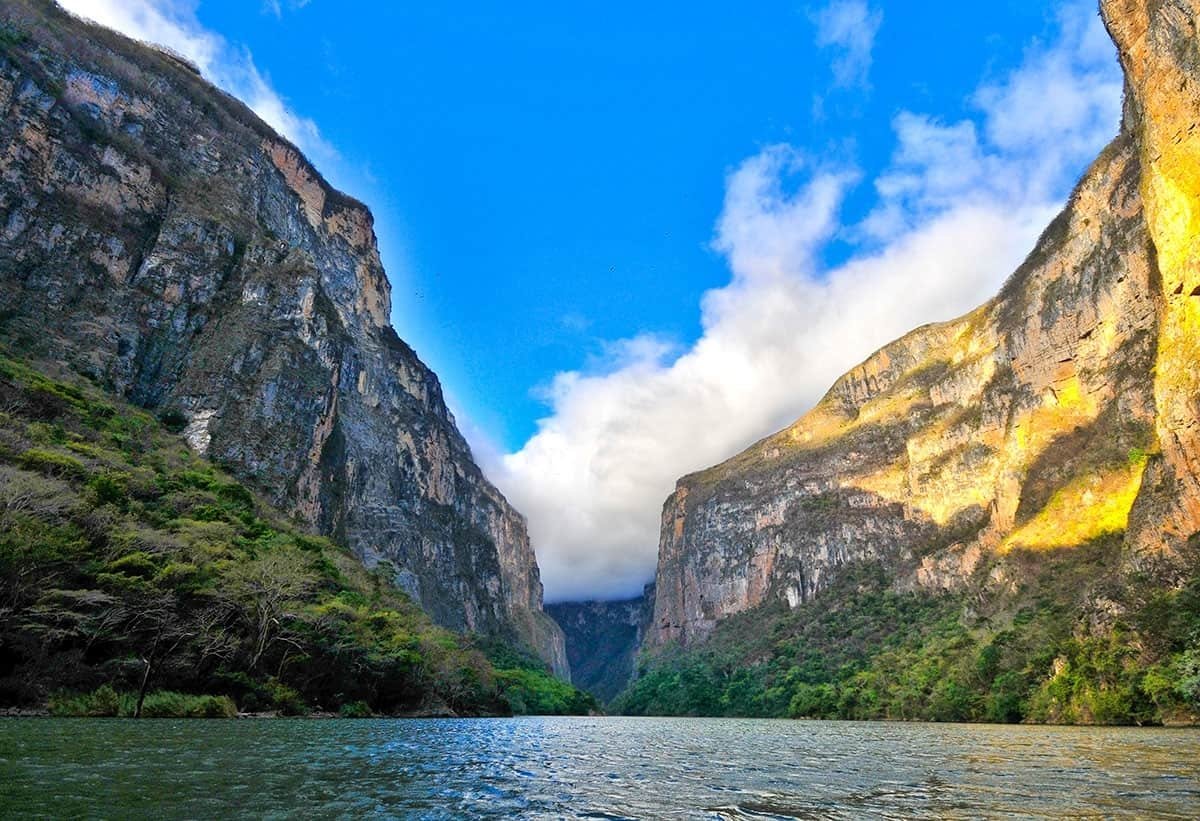
8. Only five local cooperatives have the right to provide tourist services in the canyon. Boats with tourists can make the route 64 km away. During the tour, you can see numerous caves in the rocks. The most famous cave, the “Cave of Colors”, got its name because of the reflections of magnesium, potassium and other minerals on its walls, which have pink shades. Inside, there is also an image of the Virgin of Guadalupe, usually surrounded by flowers and burning candles left by visitors.
Bizarre natural formations on the canyon walls also leave a lasting impression, such as the” Christmas Tree ” with a waterfall. The” branches ” of the tree are deposits of the waterfall, covered with moss. During the rainy season, when the waterfall is active, falling water and light change the color of the “branches”to emerald. The tour costs from 180 to 250 pesos per person.
Climate, ecosystem and size
9. Sumidero Canyon is an important ecosystem. For example, the dense vegetation on its banks absorbs carbon dioxide and produces oxygen. It consists mainly of rain jungles and mixed pine and oak forests. In addition, the climate here is always stable, without sudden changes in temperature. The average annual temperature in the canyon is 26C.
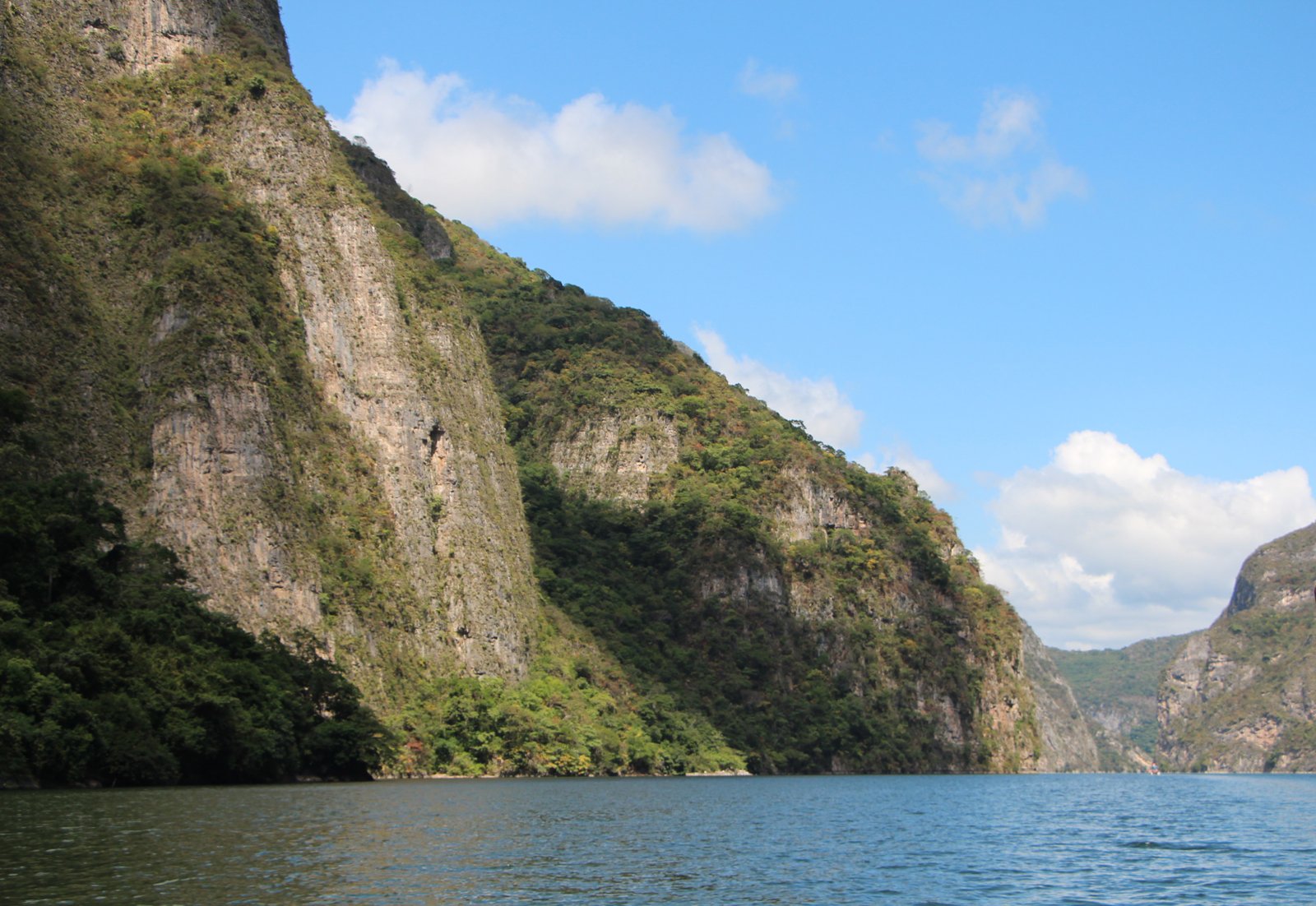
10. The canyon is still slowly changing. This geological process has been going on for millions of years, and it still has not stopped. The average depth of the canyon is 250 meters, and in places the walls rise as high as 1,000 meters. The maximum width of the canyon is 2 kilometers. The highest point is 1200 meters, where El Roblar is located.
How to visit the canyon
Sumidero Canyon is easy to see on your own or with a tour. Here are the main options.
- By boat: tours run by local cooperatives leave from Chiapa de Corzo or the Cahuaré pier. They take about two hours there and back to the dam.
- From above: the road from Tuxtla Gutiérrez passes the five viewpoints, including El Roblar and Los Chiapa.
- Combined tours: many day trips from Tuxtla Gutiérrez and San Cristóbal de las Casas include the boat ride and the viewpoints. Most also stop for lunch in Chiapa de Corzo.
- What to bring: a hat, sunscreen and a light jacket, because the boats are fast and open.
- Best time: the dry season (roughly November to April) brings clear views. However, come in the rainy season if you want to see the “Christmas Tree” waterfall in full flow.
Note: we collected the prices in this article when we wrote it, so they may have changed. Please confirm current prices on the official websites before your trip.
Sumidero Canyon: frequently asked questions
How long is the Sumidero Canyon boat tour?
The boat trip usually takes about two hours there and back, with stops to watch crocodiles, monkeys and birds.
Where does the Sumidero Canyon boat tour start?
Boats leave from the riverside pier in Chiapa de Corzo or from Cahuaré, both a short drive from Tuxtla Gutiérrez.
What animals can you see in Sumidero Canyon?
Look out for crocodiles, spider monkeys, brown pelicans, herons and other birds along the river.
Can you visit Sumidero Canyon from San Cristóbal de las Casas?
Yes, it is a popular day trip. For example, many agencies combine the boat tour with the viewpoints and Chiapa de Corzo.
Related guides on Enjoy The Trip: Grand Canyon: Incredible Viewpoints and Trails You Need to Discover, From Cancun: 15 Amazing Day Trips That Will Blow Your Mind, 5 Breathtaking Mexican Cenotes for New Divers, Top 16 Resorts in Mexico for the Ultimate Vacation.

Konstantin is an acclaimed travel writer, celebrated for transforming ordinary journeys into extraordinary narratives. With years of experience exploring diverse destinations across the globe, his work blends vivid storytelling, cultural insights, and practical advice to inspire wanderlust and guide readers toward unforgettable adventures.
As a key contributor to enjoythetrip.org website, Konstantin has built a loyal readership through their expertise in uncovering both iconic landmarks and off-the-beaten-path treasures. He specializes in providing travelers with honest, actionable tips, whether it’s finding the best resorts in Maldives, exploring cultural hubs like Paris, or diving into the natural wonders of Croatia.