
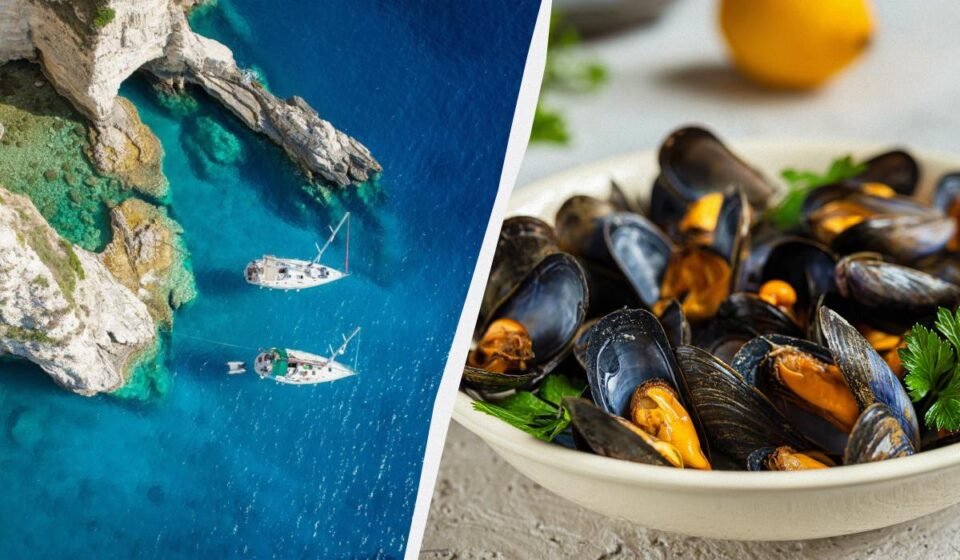
In Greece, due to extreme heat this summer, almost all mussels died.
Over the past couple of years, Greece has suffered from some of the most extreme weather events in the world, from extreme heat, droughts and forest fires to heavy rains and floods. This, of course, does not have the best effect on the country’s tourism sector, which brings significant revenues to its economy.
Now a popular dish in Greek taverns has come under attack, which they are forced to exclude from the menu. For the second time in three years, record high sea temperatures have affected the mussel harvest in northern Greece, where local farmers have reported a 90% drop in their catch in 2024. Next year may also be a bad one, writes The Independent.
Like other Mediterranean countries, Greece is particularly susceptible to climate change, which this year has led to months of above-average temperatures, droughts and forest fires. Many agricultural crops, including chestnuts, apples and cherries, were affected.
Scientists at the same time say that extreme weather conditions associated with global warming can also cause serious damage to the aquaculture of Greece (cultivation of edible aquatic organisms-ed.).
In July 2024, a series of heatwaves hit the country, causing sea temperatures in Thermaikos Bay, its main mussel production area, to exceed 30 degrees Celsius for several days – and this is too hot for mussels to survive.
“This shows even the most skeptical that the climate crisis is already here… We are very close to the collapse of mussel farming in Greece, so the state should support these people (local farmers – ed.),” said Kostas Koukaras, a biologist who studies marine ecosystems.
According to the Greek Organization of Aquaculture Producers (HAPO), the volume of cultivation of edible aquatic organisms in Greece in 2021 amounted to more than 619 million euros, which is the third indicator in Europe after France and Spain. It is one of the main producers of Mediterranean mussels in Europe and exports almost 20 thousand tons, grown annually by small family businesses.
Now most of the small Greek aquafarmers are on the verge of ruin. They seek government compensation to pay off their debts, while others look for other jobs.
“We are afraid. If this happens again next year, we will all leave, and everything I have done as a farmer over the past 30 years will be lost, ” said Sotiris Tsaros, who grows mussels in the small town of Kimina.

Konstantin is an acclaimed travel writer, celebrated for transforming ordinary journeys into extraordinary narratives. With years of experience exploring diverse destinations across the globe, his work blends vivid storytelling, cultural insights, and practical advice to inspire wanderlust and guide readers toward unforgettable adventures.
As a key contributor to enjoythetrip.org website, Konstantin has built a loyal readership through their expertise in uncovering both iconic landmarks and off-the-beaten-path treasures. He specializes in providing travelers with honest, actionable tips, whether it’s finding the best resorts in Maldives, exploring cultural hubs like Paris, or diving into the natural wonders of Croatia.