
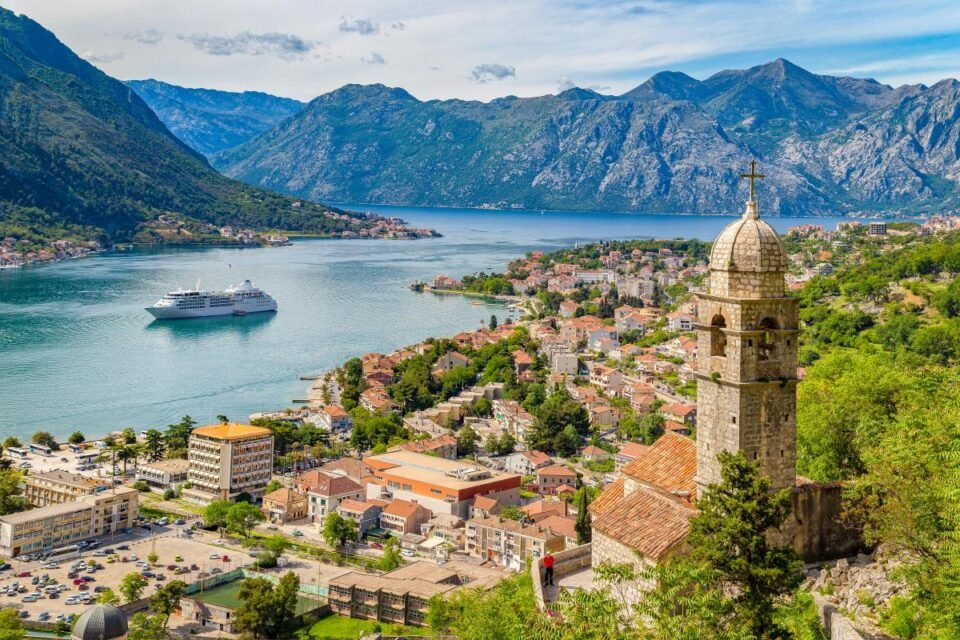
From the gentle sea coast to the rugged mountain peaks, there are many beautiful places to visit in Montenegro.
Here are five places to visit in Montenegro that reward a slower trip — from the Bay of Kotor to Durmitor’s wild peaks.
Montenegro is gradually attracting the attention of tourists looking for a budget-friendly alternative to overcrowded Croatia.
At the same time, there is sometimes not enough information about Montenegro, so most visitors limit themselves to the most popular beach resorts, overlooking the other magnificent “pearls.”
The travel portal Travel Off Path has named five must-visit places in this trendy Balkan country.
Kotor – UNESCO-listed old town and bay
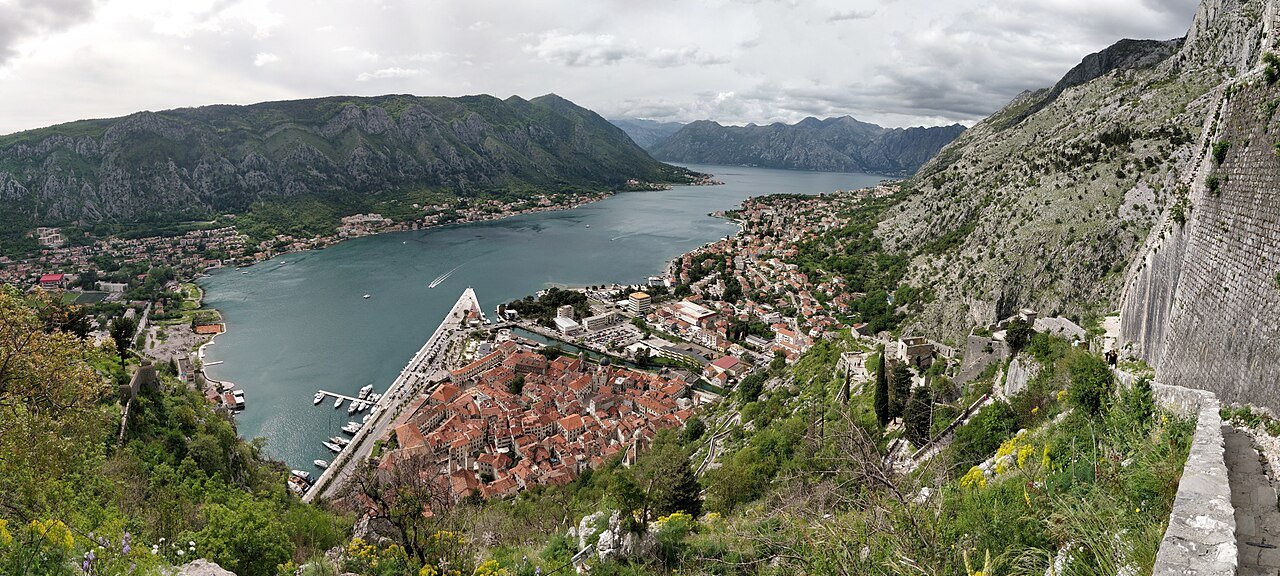
Enter the walled centre through the Sea Gate and explore its squares, St Tryphon Cathedral and the Maritime Museum. For the classic bay view, climb the fortress trail early in the day, allowing time to rest on the steep steps. The waterfront also makes a pleasant evening walk once cruise passengers have departed.
Planning your visit: Stay two nights in Kotor or nearby Dobrota. Tivat Airport is the nearest international airport. May, June and September typically offer good conditions for sightseeing. See the official fortress guide.
This seaside town, a UNESCO World Heritage Site, is located in the heart of a winding bay surrounded by cliffs on both sides and fed by the crystal-clear waters of the Adriatic Sea.
“Fortified with walls, drawbridges, watchtowers, and other structures, and crisscrossed by cobblestone streets that seem to have stepped out of a medieval fantasy role-playing game, this is one of the most picturesque ancient cities in Europe,” the authors of the article note.
Sometimes Kotor is even called a “mini-Dubrovnik”, and there are indeed similarities: characteristic Dalmatian buildings of ochre color with green shutters in the Italian style, picturesque squares with fountains dominated by Romanesque churches, and narrow alleys, but with much smaller crowds (even though it is one of the most popular cities in Montenegro).
To enjoy the best views of the stone-built city of Kotor and the Bay of Kotor, tourists are advised to climb the St. John’s Fortress, an ancient citadel located on a hill.
Perast – baroque palaces and Our Lady of the Rocks
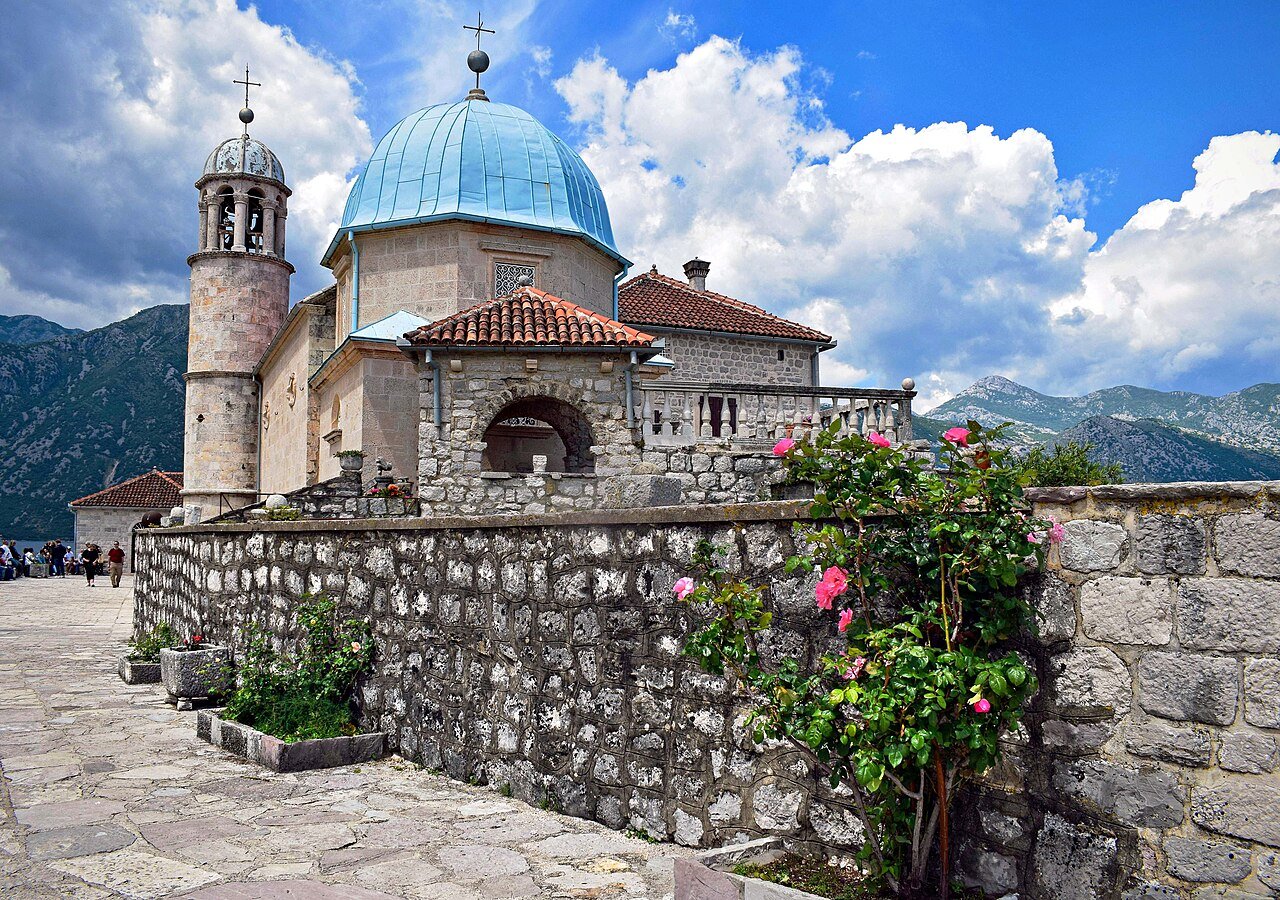
Stroll along the waterfront, visit the town museum in Bujović Palace and take a short boat trip to Our Lady of the Rocks. Enjoy lunch beside the water with views of the mountains. Half a day is sufficient for the main sights; an overnight stay lets you enjoy the bay’s quieter mornings.
Getting there: Perast is a short bus, taxi or car ride from Kotor. Parking is limited near the historic waterfront, and boat fares vary by operator.
A few minutes’ drive from Kotor, in the same bay, is Perast, a picturesque fishing village centered around a medieval bell tower.
Kotor may look quieter and more unusual than Dubrovnik in Croatia, but it is still incredibly crowded during the cruise season. Perast does not have crowds of cruise ships: just one main promenade, stone townhouses and a few cozy seafood restaurants.
For such a small town, with a population of only 250 people, it has an impressive collection of Venetian buildings, including more than 16 baroque palaces with their faded stone facades.
However, the main attraction here is Our Lady of the Rocks, an artificial island with a single baroque church with a luxurious interior. The boat taxi ride takes only 5 minutes and costs around \$10 each way.
Cetinje – Montenegro’s old royal capital
Start at Cetinje Monastery, then visit the National Museum’s historical collections and former royal buildings. Walk along the streets lined with old embassy villas and stop at a local café. With another half-day, explore Lovćen National Park and the Njegoš Mausoleum if road and weather conditions allow.
Getting there: Cetinje is a convenient road trip from Budva or Podgorica. Allow a full day, or one night if combining it with a mountain excursion. Consult the official Cetinje guide.
“Today, Podgorica holds the title of the country’s administrative center and its most important city, but if you’re not fond of brutalist architecture, traffic congestion, and graffiti-covered concrete blocks, the capital of Montenegro may seem a bit… dull. In contrast, Cetinje has a primarily pedestrian-friendly center with lantern-lit streets lined with colorful historic houses, majestic palaces, and museums,” the authors of the article note.
In the background are the dark green mountains that literally gave the country its own name: Monte Negro, or the Black Mountain. Staying here for a few days, you will find a huge selection of hiking trails.
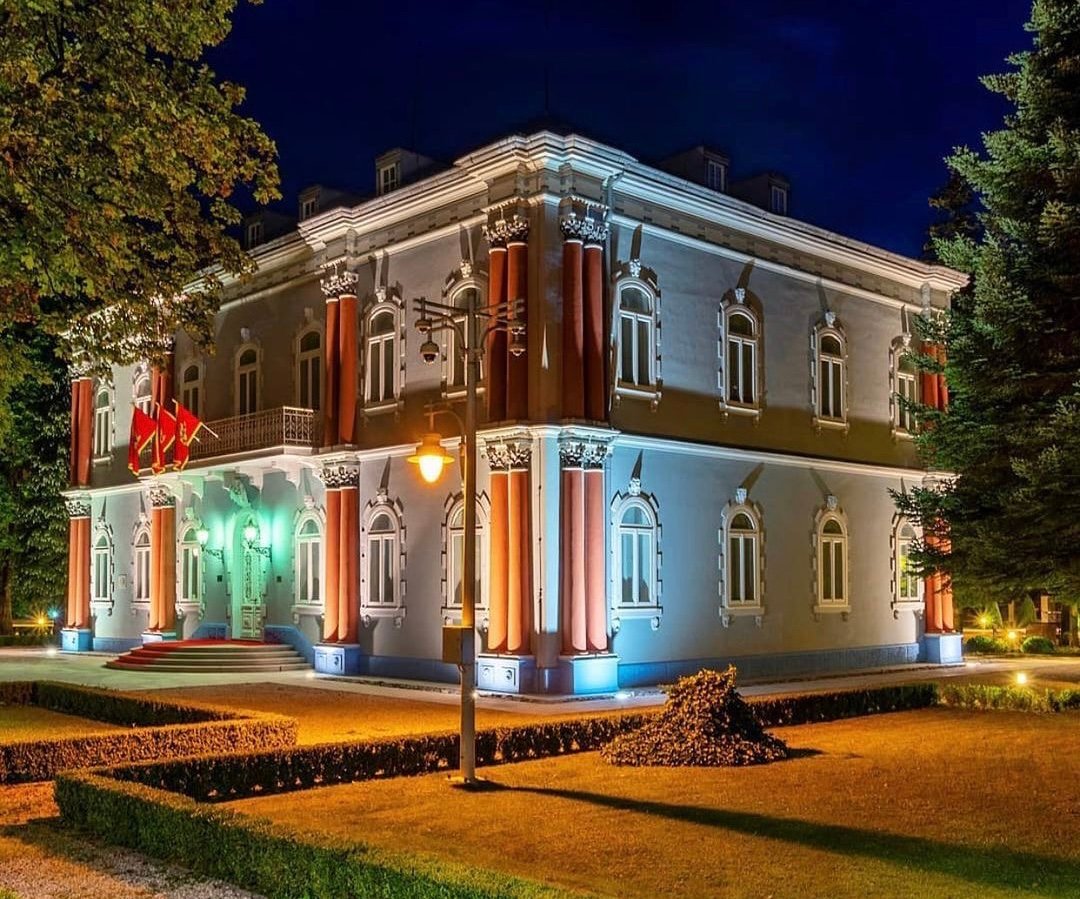
Some of the must-visit places include the Orthodox Cetinje Monastery, which houses ancient icons and Montenegrin relics, the Cipur Court Church, where members of the former Petrovic dynasty are buried, and the former presidential residence, the Blue Palace.
Budva – Adriatic beaches and ancient streets
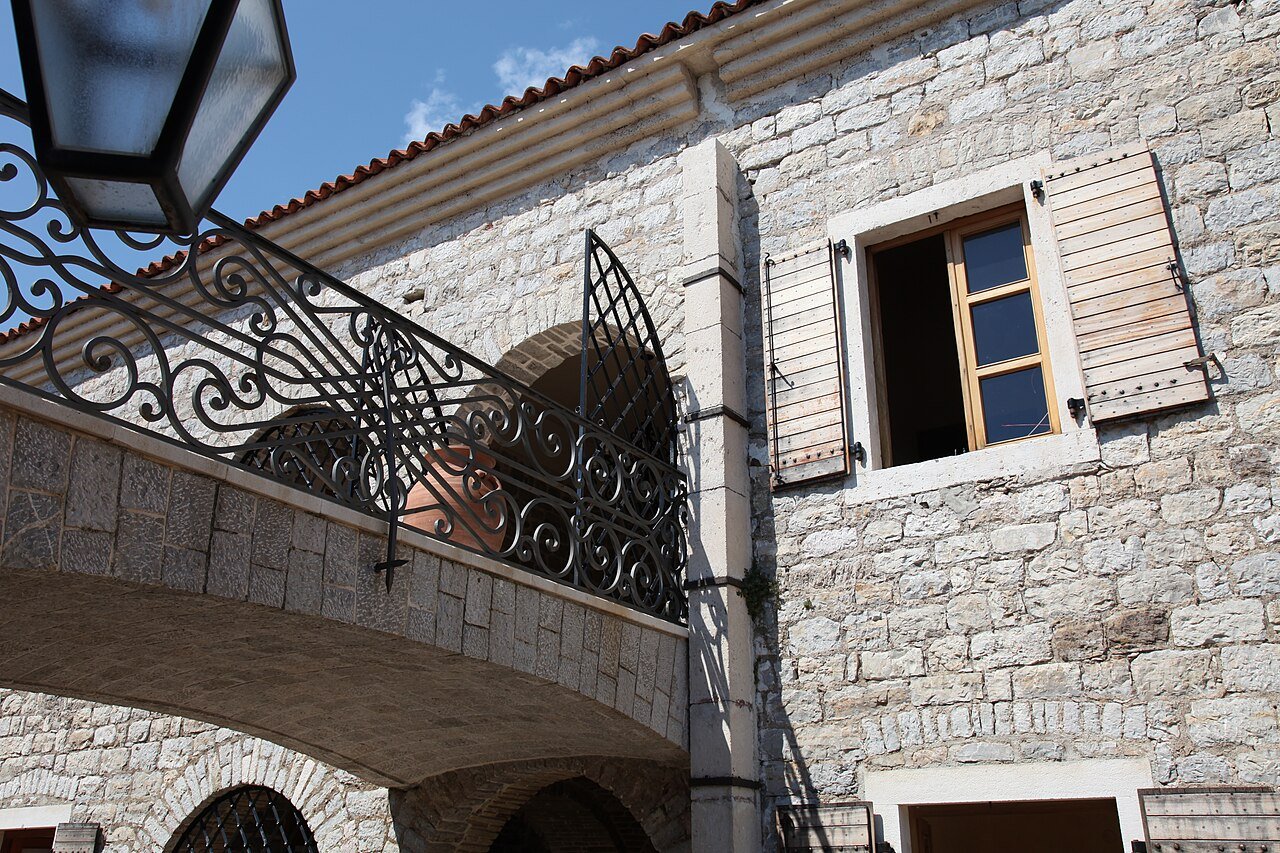
Explore the citadel, stone streets and churches of Stari Grad, Budva’s old town. Follow the coastal path towards Mogren Beach for views of the walls, then spend the evening at the marina. If you have more time, take a trip along the coast towards Sveti Stefan for its famous viewpoint.
Best time to visit: June or September is an attractive choice for beach days with fewer crowds than peak summer. Stay two or three nights. Learn more about the historic centre in the official old towns guide.
As beautiful as the mountainous interior is, Montenegro’s Mediterranean charm lies in its Adriatic coastline, shaped by more than two thousand years of Greek colonization, Roman rule, Venetian trade, and later Yugoslav socialism.
The modest port of Budva, in contrast to the more popular city of Kotor, truly captures the essence of Montenegro and does not seem overcrowded with tourists. Nestled on a historic peninsula, surrounded by gentle waves on both sides, Budva is a walled city of cobblestone streets, Romanesque church towers, quaint cafes, and a Venetian citadel.
The locals still live in the old rock-cut houses, enjoying the sun on Mogren Beach, a pebbly stretch with stunning views of the fortified complex, and sipping cocktails at sunset in the old port.
Durmitor National Park – Black Lake and mountain scenery
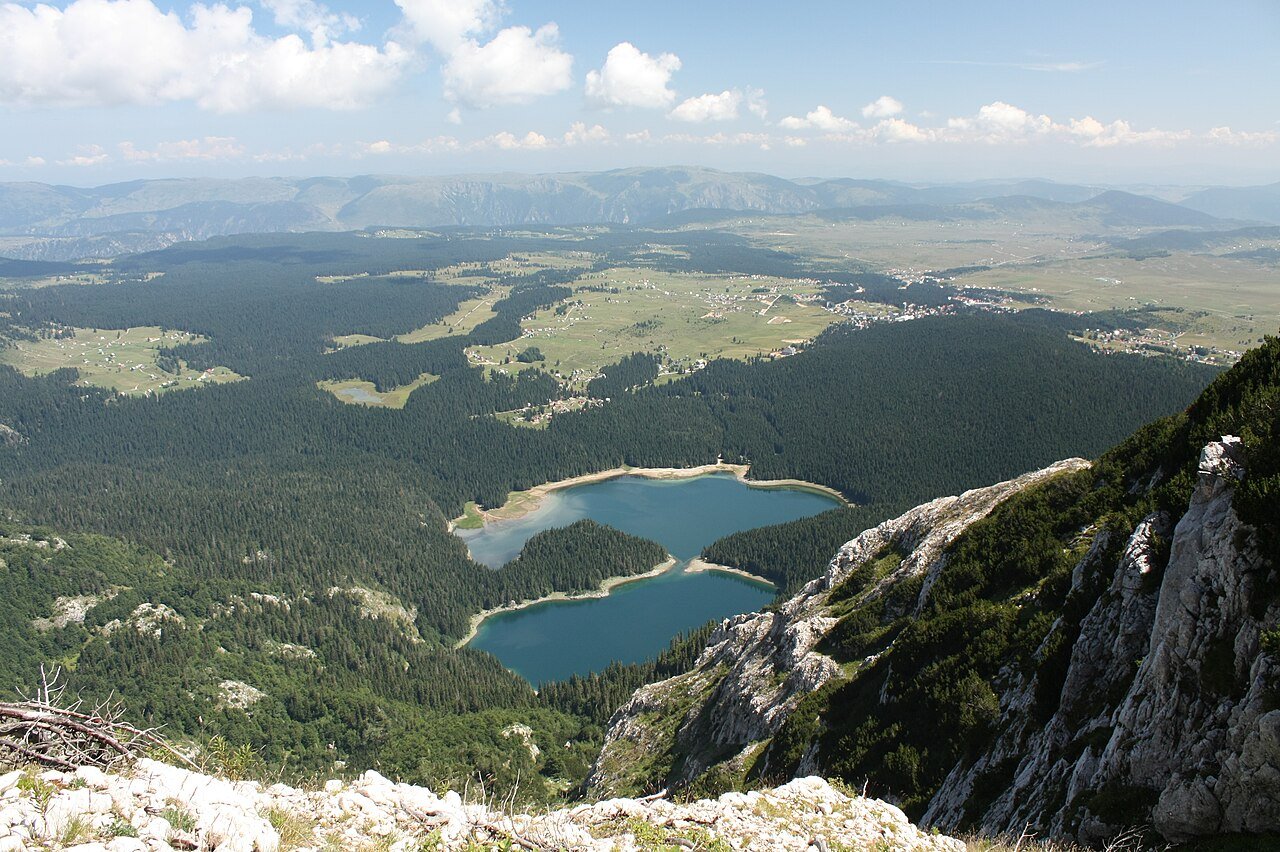
Base yourself in Žabljak and walk around Black Lake (Crno Jezero). The Sedlo Pass offers dramatic mountain scenery when the road is open. Visit the Đurđevića Tara Bridge for canyon views, and arrange rafting with a licensed local operator if conditions are suitable. Summit hikes require appropriate experience, equipment and weather planning.
Planning your visit: Allow two or three nights in Žabljak. Summer and early autumn are generally the most convenient seasons for walking and scenic drives. Check the official guide to mountain highlights.
This huge national park, with its jagged peaks, pine forests, and glacial lakes stretching to the horizon, is reminiscent of Switzerland, but without the exorbitant prices and traffic jams caused by tourist buses.
One of the most stunning emerald lakes in Europe, Lake Crno, offers tourists hiking trails that run along its entire coastline, climbing picturesque mountain ranges, and winding around quiet villages dotted with alpine-style wooden chalets that seem untouched by time.
Meanwhile, in the Tara River Canyon, rafting enthusiasts conquer breathtaking spots, and for perfect sunrises, it’s worth heading to Bobotov Kuk, the highest peak in the range, offering a rugged Dolomite-style panorama.
Durmitor is all about slow nights in cozy houses scattered across the alpine meadows, fresh mountain air, starry skies, and a wild nature that feels truly untouched.
Building a fuller Montenegro itinerary beyond these five stops? Browse our list of 13 beautiful Montenegro resorts and the quieter southern coast town of Ulcinj. Official destination information is on montenegro.travel.
Best places to visit in Montenegro at a glance
| Place | Best for | Suggested stay |
|---|---|---|
| Kotor | Medieval architecture and bay views | 2 nights |
| Perast | Quiet waterfront and island church | Half day |
| Cetinje | Royal history and museums | 1 day |
| Budva | Beaches and old town | 2–3 nights |
| Durmitor / Žabljak | Mountain scenery and hiking | 2–3 nights |
Suggested 7-day Montenegro itinerary
Spend days 1–2 in Kotor, including a short excursion to Perast. On day 3, travel to Cetinje and explore Lovćen if time permits. Spend days 4–5 in Budva and along the Adriatic coast, then devote days 6–7 to Žabljak and Durmitor. Add an extra night for a more relaxed mountain visit or a longer transfer.
Frequently asked questions
Why is Kotor compared to Dubrovnik?
Kotor is a UNESCO-listed bay town with Dalmatian ochre buildings, green shutters, Romanesque churches and fortress walls — often nicknamed a “mini-Dubrovnik,” but with smaller crowds. Climbing St. John’s Fortress gives the classic view of the stone city and Bay of Kotor.
What makes Perast special?
A few minutes from Kotor, Perast has about 250 residents, one main promenade, more than 16 baroque palaces, and far fewer cruise crowds. Our Lady of the Rocks — an artificial island with a single baroque church — is a short boat taxi (about five minutes, with fares varying by operator).
Is Durmitor worth it inland?
Yes. Durmitor National Park offers jagged peaks, pine forests and glacial lakes — “almost like Switzerland, but much cheaper.” Highlights in this guide include emerald Lake Crno, Tara River Canyon rafting, and sunrise on Bobotov Kuk, the range’s highest peak.

Konstantin is an acclaimed travel writer, celebrated for transforming ordinary journeys into extraordinary narratives. With years of experience exploring diverse destinations across the globe, his work blends vivid storytelling, cultural insights, and practical advice to inspire wanderlust and guide readers toward unforgettable adventures.
As a key contributor to enjoythetrip.org website, Konstantin has built a loyal readership through their expertise in uncovering both iconic landmarks and off-the-beaten-path treasures. He specializes in providing travelers with honest, actionable tips, whether it’s finding the best resorts in Maldives, exploring cultural hubs like Paris, or diving into the natural wonders of Croatia.