
From majestic national parks to historic cities and islands in the Atlantic, each destination is sure to take your breath away upon arrival.
Every year, it becomes more difficult for tourists to find new places to visit – some people want more variety, while others want to avoid crowds.
To make it easier for travelers to make their choices, Condé Nast Traveller magazine’s travel experts have identified seven new wonders of the world that are worth visiting in 2026.
“Every year, we set out to choose the seven wonders of the world for the upcoming year. The seven wonders of the ancient world include the Colossus of Rhodes, the Lighthouse of Alexandria, and the Hanging Gardens of Babylon. Only one of these wonders, the Great Pyramid of Giza, has survived to the present day. So, where should travelers look for wonders in the modern world? Below, we have listed the seven wonders of the world for 2026. From majestic national parks to historic cities and islands in the Atlantic, each destination is ready to take your breath away upon your arrival,” the authors of the ranking noted.
7 New Wonders of the World to Visit in 2026
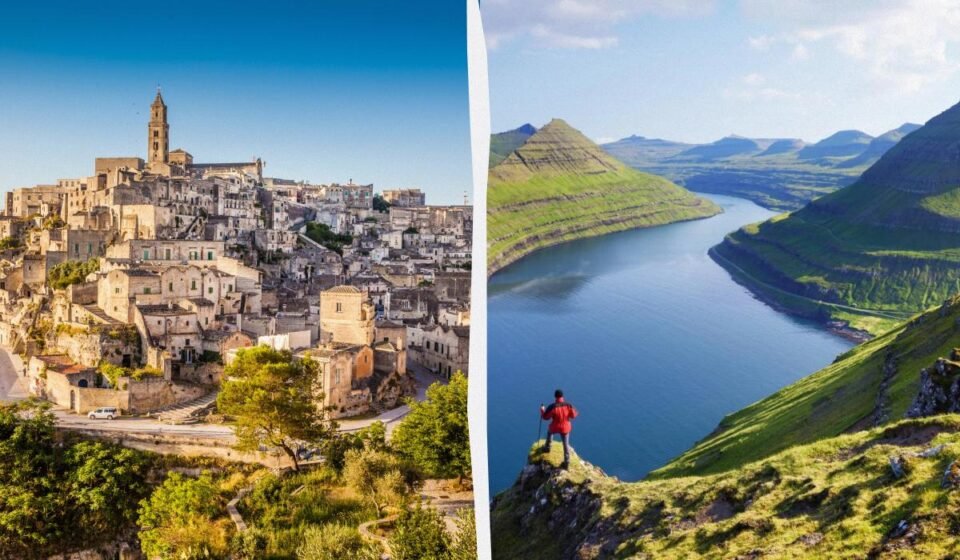
Matera, Italy
As the 2026 Mediterranean Capital of Culture and Dialogue, Matera will host a variety of cultural events over the course of 12 months, from artist residencies to film screenings and live performances dedicated to the theme of Terre Immerse, which translates to “immersed lands” and is the first thing that comes to mind for tourists visiting this incomprehensible patchwork of streets and alleyways in southern Italy. Strewn with Paleolithic caves that were used as homes and livestock pens until the 1950s, and now some of them have been converted into luxurious hotels, Matera offers guests a unique opportunity to explore its winding staircases, breathtaking gorges, rocky ravines, and rare Baroque palazzos.
Banff National Park, Canada
As Canada’s oldest national park, Banff has long been renowned for its ski slopes. However, they overshadow other equally captivating activities in the region, such as horseback riding, rock climbing, canoeing, and hiking during the warmer months. With its turquoise lakes, wooded valleys, and alpine-style meadows, Banff offers tourists a new way to explore – a railway route that will be launched in 2026 and connect it to Jasper National Park. The route, operated by Rocky Mountaineer, is only available from June to July, and it is recommended to book your ticket in advance, as Canada will be hosting the FIFA World Cup matches during this time. The tour also includes a gondola ride to the top of Mount Serna and an exciting ice vehicle trip to the Atabasca Glacier, one of the largest ice fields beyond the Arctic Circle.
Bradford Pensions Nature Reserve, England
One of the current “Royal Series” nature reserves created by the reigning monarch is part of a nationwide initiative to protect and promote the UK’s natural heritage, increase biodiversity and improve local communities ‘ access to nature. Like King Charles himself, this 1,272-hectare region, located in the area where the Bronte sisters lived, is reserved. Right on the edge of the uplands, where Bradford begins to fade into heather oblivion, there is a slow-paced drama to the landscape: undulating moorlands, wind-polished sandstone cliffs, and views that give way to long, dark vistas. New trails weave the old villages of Howorth, Stanbury, and Thornton into a single journey, with signs leading to medieval packhorse bridges, hidden waterfalls, and a few pubs that still know a thing or two about a good pint.
Cemila, Algeria
Algeria is the largest country in Africa, but decades of instability have made it one of the least visited countries on the continent. Currently, a small number of tourists are overcoming the bureaucratic obstacles required to obtain a tourist visa. The Roman ruins of Djemila are an undeniable attraction in the northern part of the country. Founded by Emperor Septimius Severus as a settlement for retired centurions, the city, with its surviving forums, basilicas, and arches, is nestled in an open mountain range that soars into a soft blue sky, creating a sense of untouched beauty. What makes it even more intriguing, according to archaeologists, is that despite the vast size of the ruins, less than 40% of them have been excavated to date.
Faroe Islands
“Hunting” for puffins along the sea paths, kayaking along the coast, or simply exploring villages like Gásadalur and Saksun are just a few of the opportunities that the Faroe Islands offer tourists. Gourmets should pay a visit to Torshavn, which boasts world-class restaurants, including the Michelin-starred Raest, where island delicacies such as sperdil and skerpikyet are served with forest-gathered seaweed, sea urchins, and langoustines.
Richtersveld, South Africa
A day’s drive along the almost deserted West Coast road that runs along the Atlantic coast from Cape Town is Richtersveld National Park, a vast area of quartz and granite that resembles a lunar landscape, dotted with forked-shaped trees, clusters of lichens, and occasional leopard tracks. Located close to the border with Namibia, it is one of the most remote and least visited areas in South Africa. You won’t see any lions here, but there are plenty of other fascinating sights, none of which can match the surreal drawings on the many stones scattered throughout the park. These images are estimated to be between 200 and 10,000 years old. It is believed that they depict the visions experienced by the Nama people, who still inhabit these lands, during trances induced by their shamanic healing dances.
El Imposible National Park, El Salvador
El Imposible remains one of the least known wilderness areas in Central America, which is surprising given what it offers: deep canyons, rare pumas and waterfalls cascading into secluded places. The main attraction is the perilous route that farmers take to transport their coffee harvest from these cloud-capped peaks to the port city of Acajutla. This eight-hour mule ride included crossing a ridge on a trail that was only a few centimeters wide, with a 2.4-kilometer cliff on one side and a 2.9-kilometer cliff on the other. The mules that tried to cross the bridge were blindfolded to prevent them from panicking. Now, a primitive bridge has been built, and coffee producers still use it to transport their mules.

Konstantin is an acclaimed travel writer, celebrated for transforming ordinary journeys into extraordinary narratives. With years of experience exploring diverse destinations across the globe, his work blends vivid storytelling, cultural insights, and practical advice to inspire wanderlust and guide readers toward unforgettable adventures.
As a key contributor to enjoythetrip.org website, Konstantin has built a loyal readership through their expertise in uncovering both iconic landmarks and off-the-beaten-path treasures. He specializes in providing travelers with honest, actionable tips, whether it’s finding the best resorts in Maldives, exploring cultural hubs like Paris, or diving into the natural wonders of Croatia.